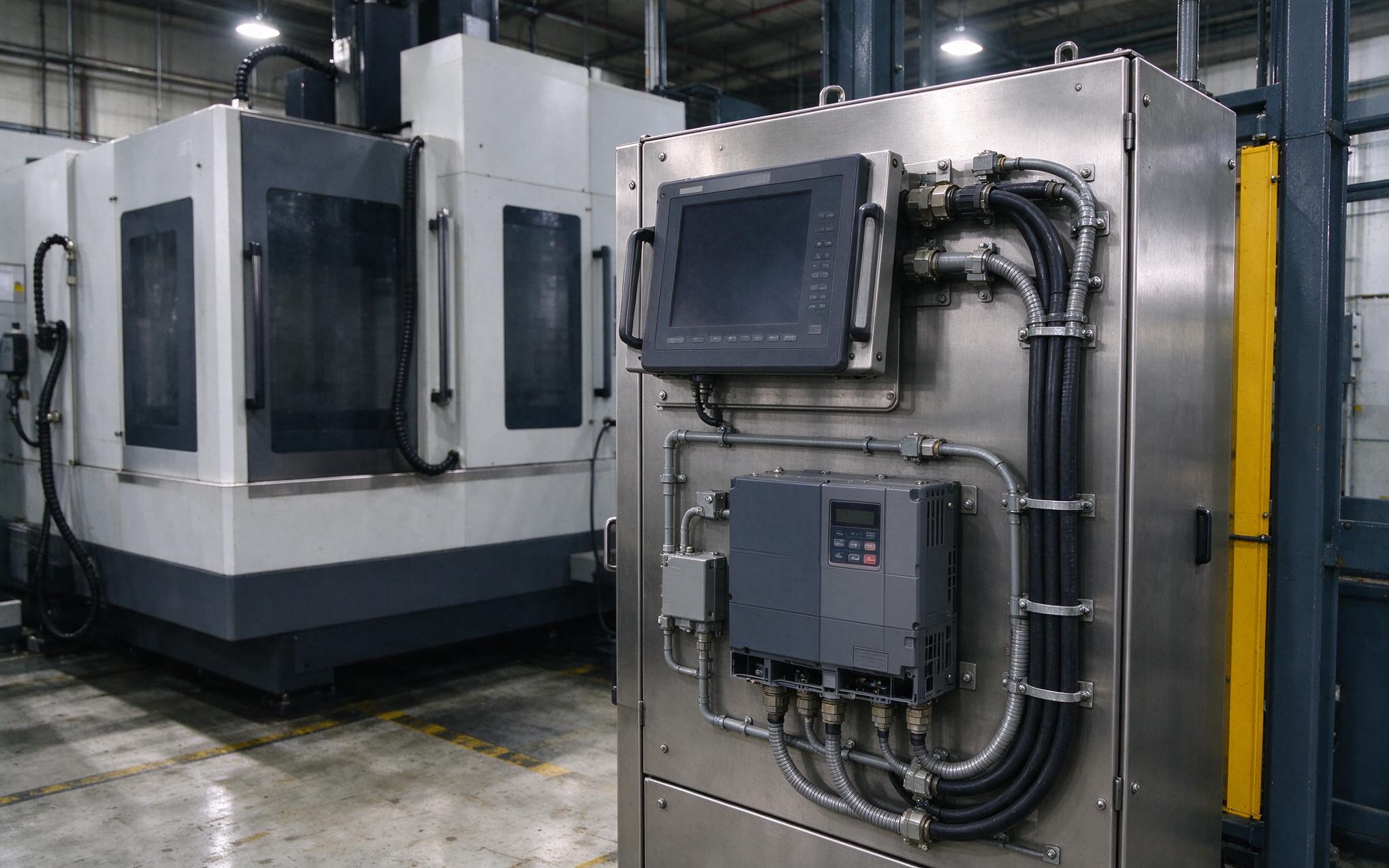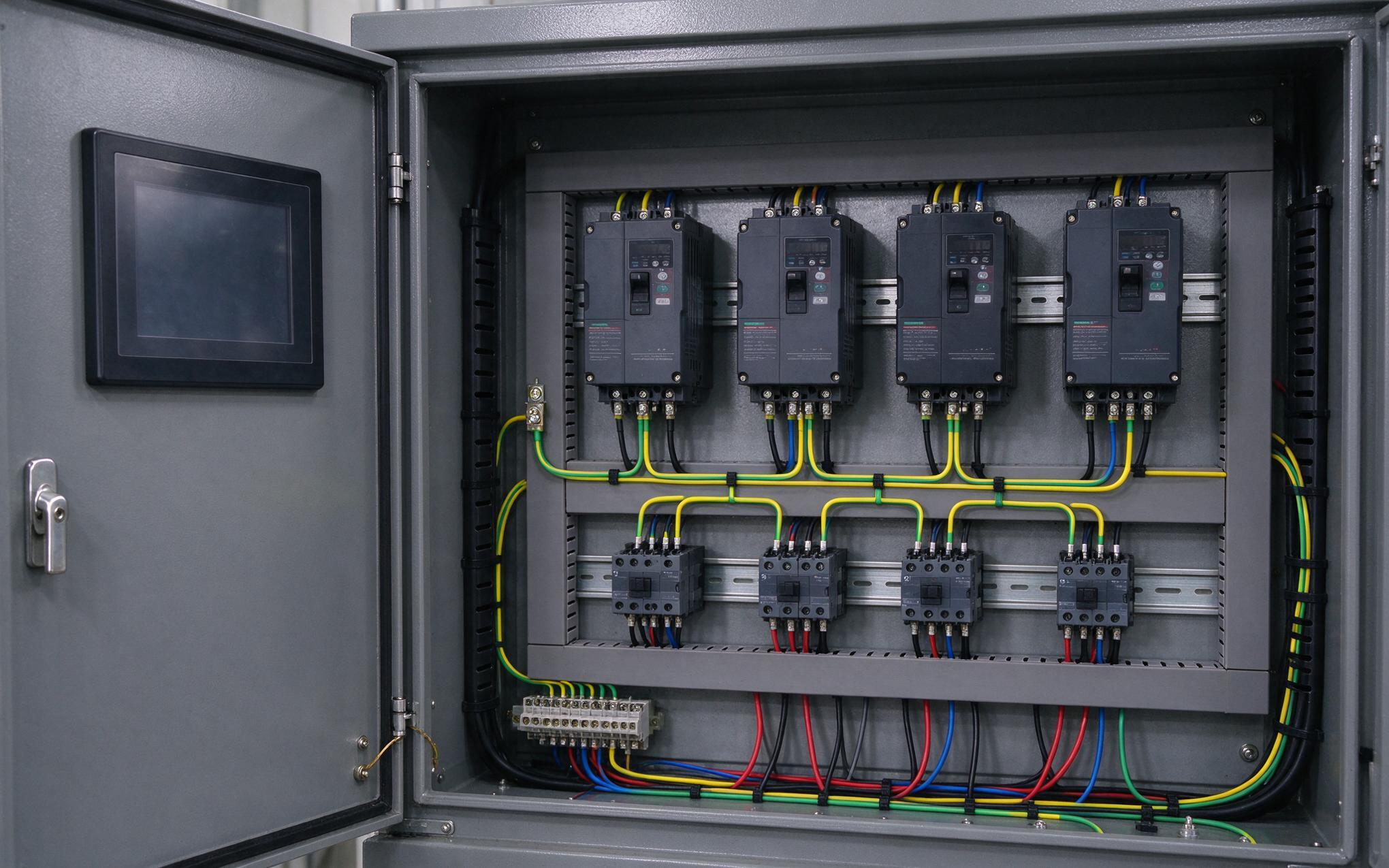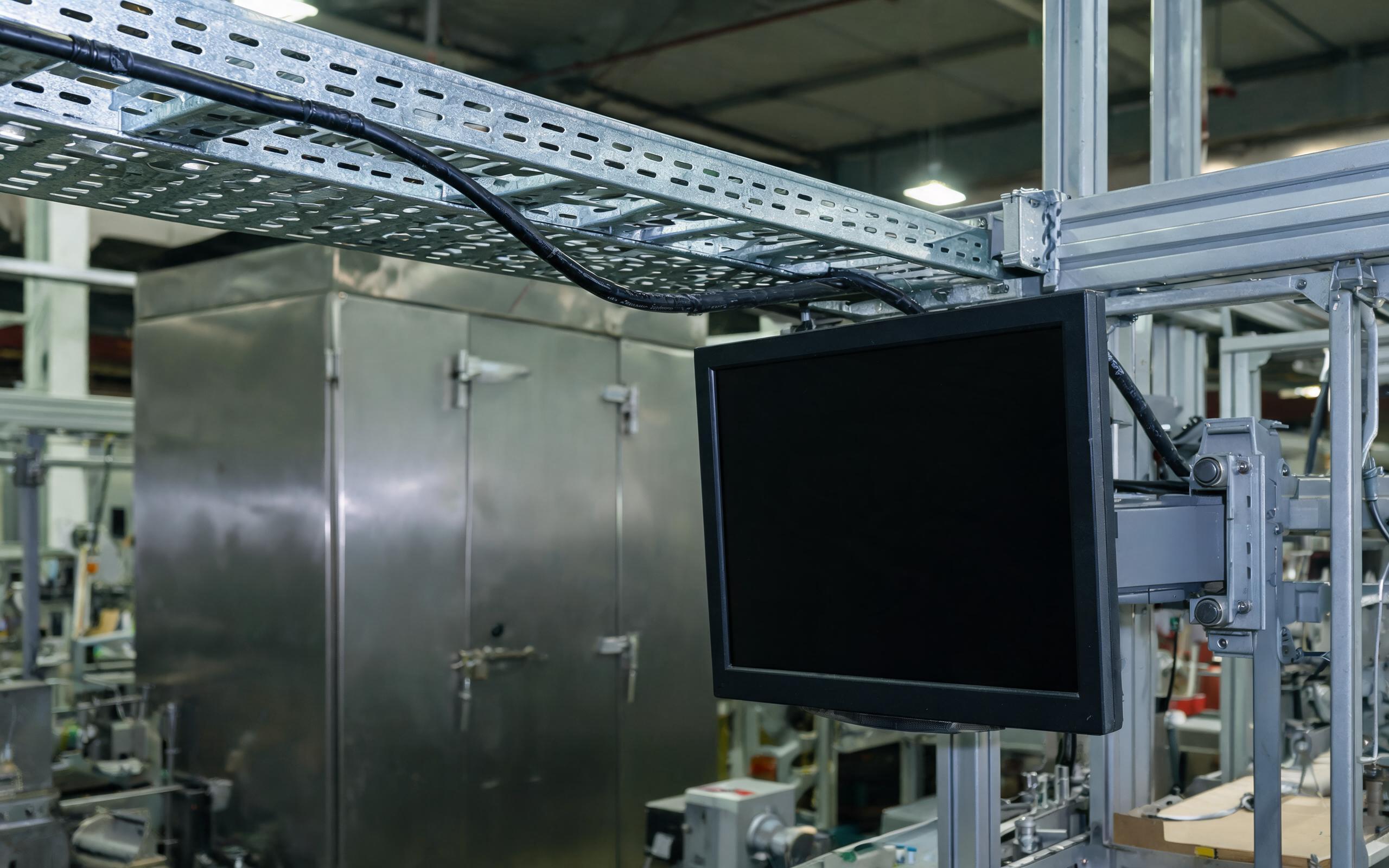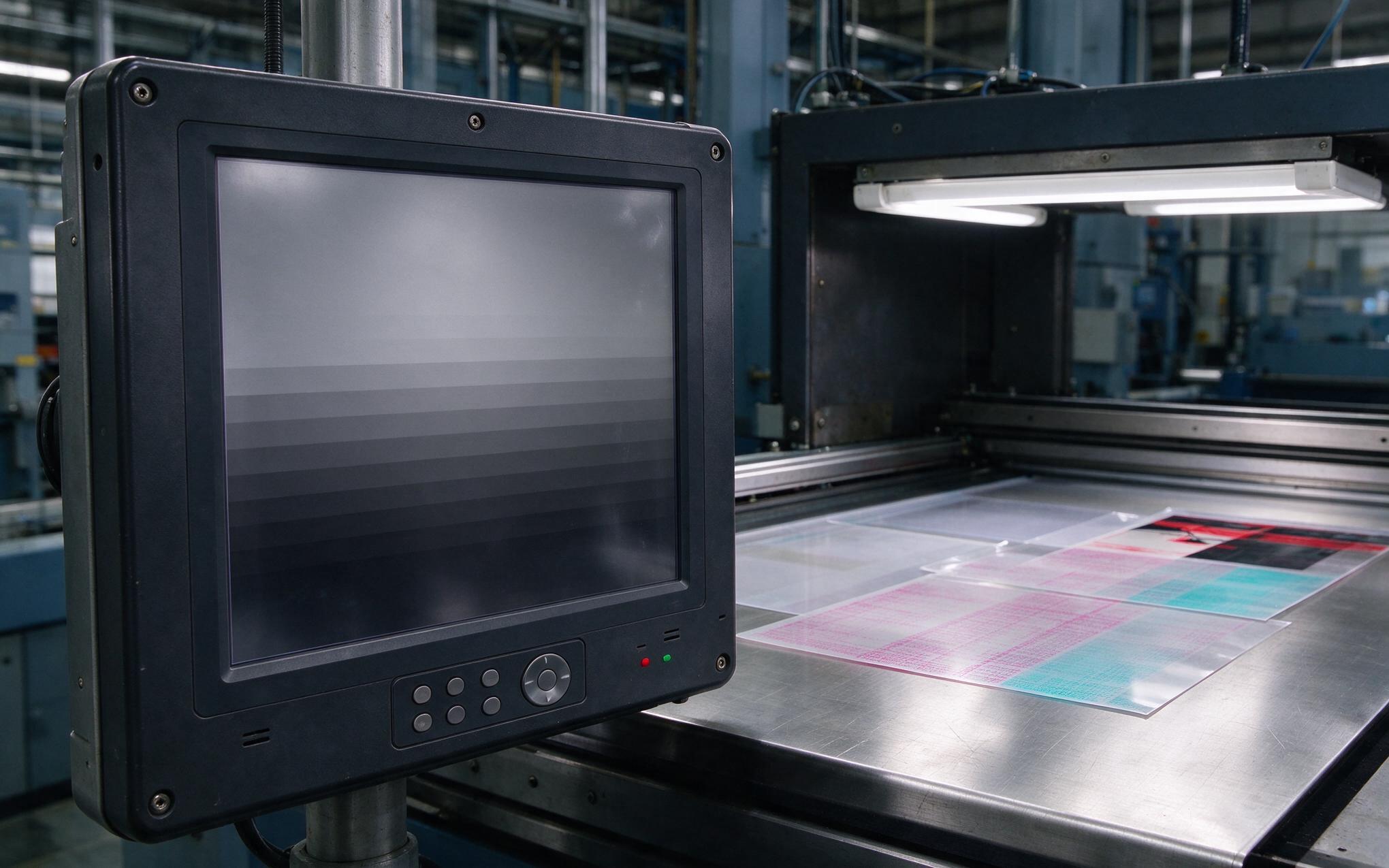
Maintenance crews in a gray iron foundry and a semiconductor fab both describe their displays as failing early, and both are correct for reasons that share nothing. Near a pouring station, the front glass absorbs radiant energy from molten metal and the backlight assembly runs above its rated junction temperature until luminance decays. In a wafer fab, the same enclosure passes every thermal requirement but sheds particles from a brushed seam and cannot survive the solvent wipe schedule. Specifying a rugged pc monitor for either site starts with identifying which environmental load actually dominates.

Radiant Heat Load on a Rugged PC Monitor Versus Ambient Air
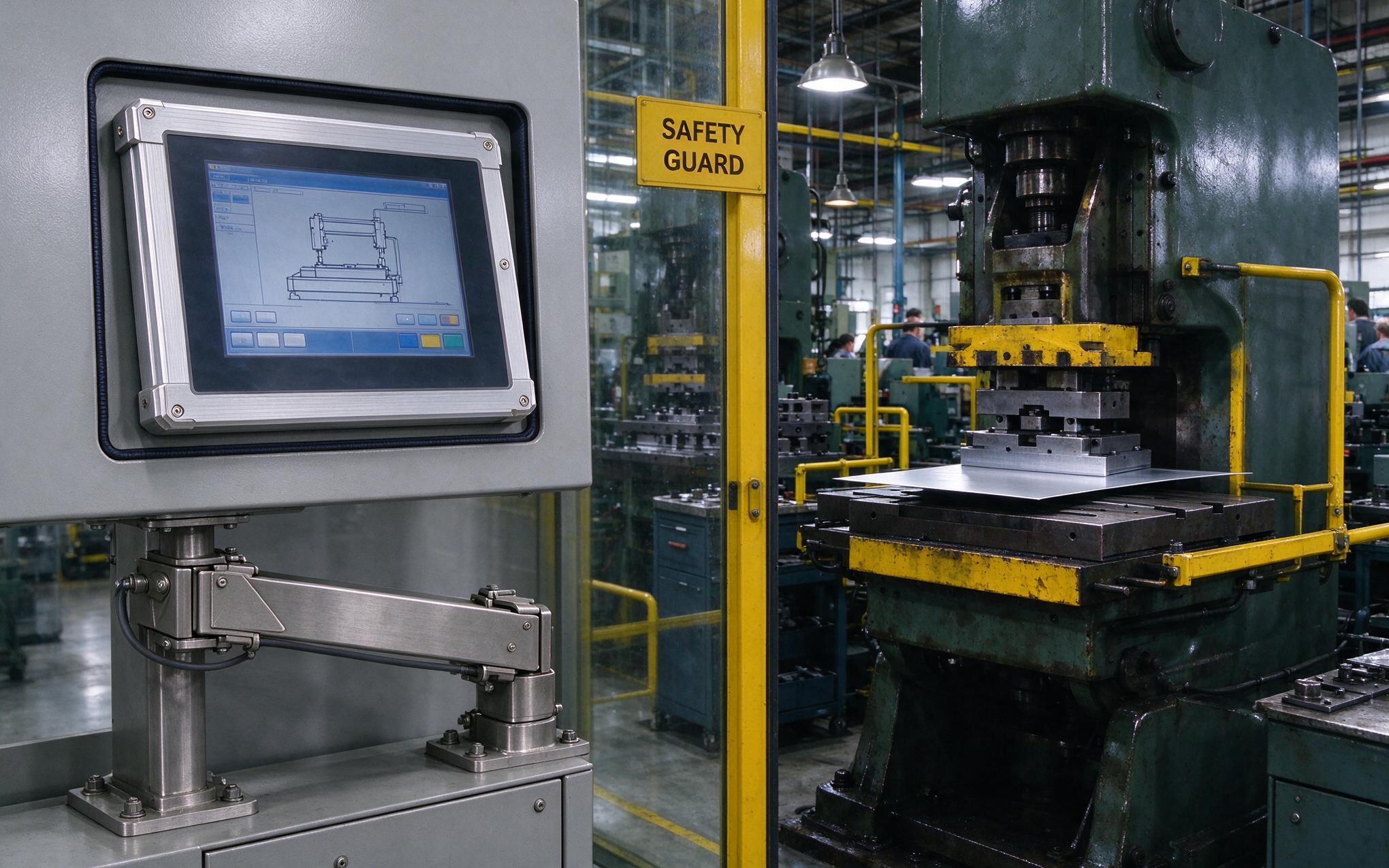
Foundry specifications routinely list an ambient figure and stop there, which understates the problem. Radiant flux from a ladle or an open furnace door transfers energy directly to any surface in line of sight, and a dark bezel absorbs a large share of it. The glass surface can sit thirty degrees Celsius or more above the air around it, and because backlight lifetime falls sharply with junction temperature, luminance decay accelerates well before any component exceeds its absolute limit. The engineering response separates the two loads. A reflective shield placed in the line of sight, combined with a ventilated standoff behind the housing, removes most radiant flux, while the wide-temperature rating handles what remains. Positioning matters as much as rating, since moving a rugged industrial monitor out of direct line of sight is often more effective than raising its temperature specification.

Particulate Behavior at Opposite Extremes
Contamination requirements invert between the two sites. A foundry pushes graphite dust, sand, and metal fines against the enclosure, so the requirement is keeping particles out, which points to a sealed front face, filtered or fully closed cooling, and a smooth surface that can be blown down without driving debris into seams. A rugged pc monitor specified for that duty needs a sealed front face and a housing that tolerates blow-down without ingesting fines. A cleanroom reverses the direction of concern: the enclosure itself becomes a particle source. Every brushed surface, exposed fastener thread, and elastomer edge sheds material under airflow and cleaning. Hardware manufacturers, including KOXIAN, address the cleanroom case with flush-mounted glass, recessed or captive fasteners, and closed-cell gasket material selected for low outgassing, none of which improves dust exclusion but all of which reduce shedding into the controlled space.

Cooling Architecture and Airflow Constraints
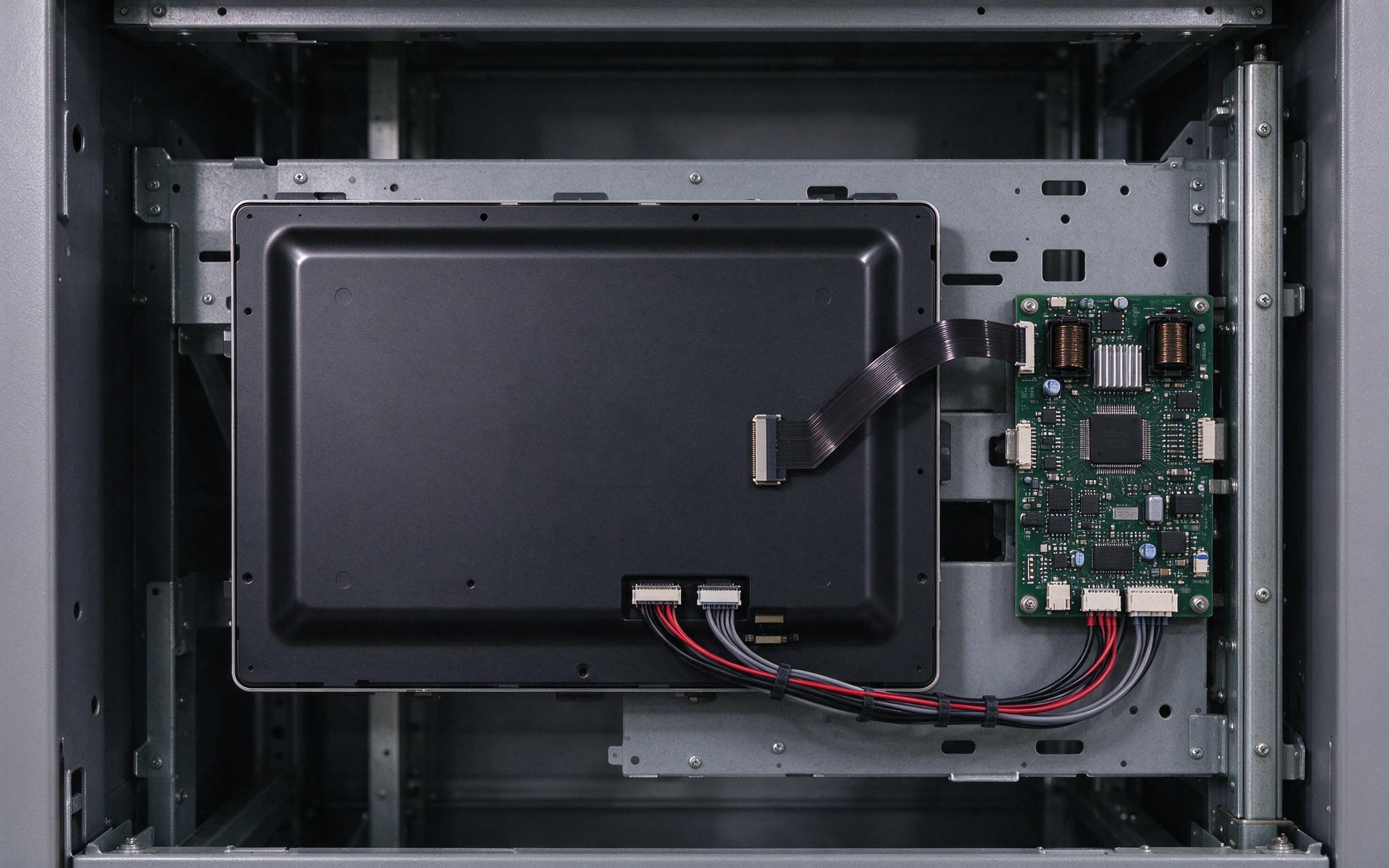
Fanless conduction cooling suits both sites for different reasons. In a foundry, a fan becomes a debris pump whose filter clogs within weeks and whose bearings fail in the heat, so heat must leave through the chassis and a conduction path into the mounting structure. In a cleanroom, a fan disturbs the laminar airflow pattern that the room depends on and introduces its own particle source, so exhaust into the room is unacceptable regardless of filtration. The practical difference lies in the thermal budget available to a rugged pc monitor at each site. A foundry installation can rely on a large finned housing and generous standoff clearance, while a cleanroom installation often requires flush wall integration that eliminates convection entirely, forcing the heat load down through lower-power components and a display panel selected for reduced backlight draw.

Surface Chemistry and Cleaning Compatibility
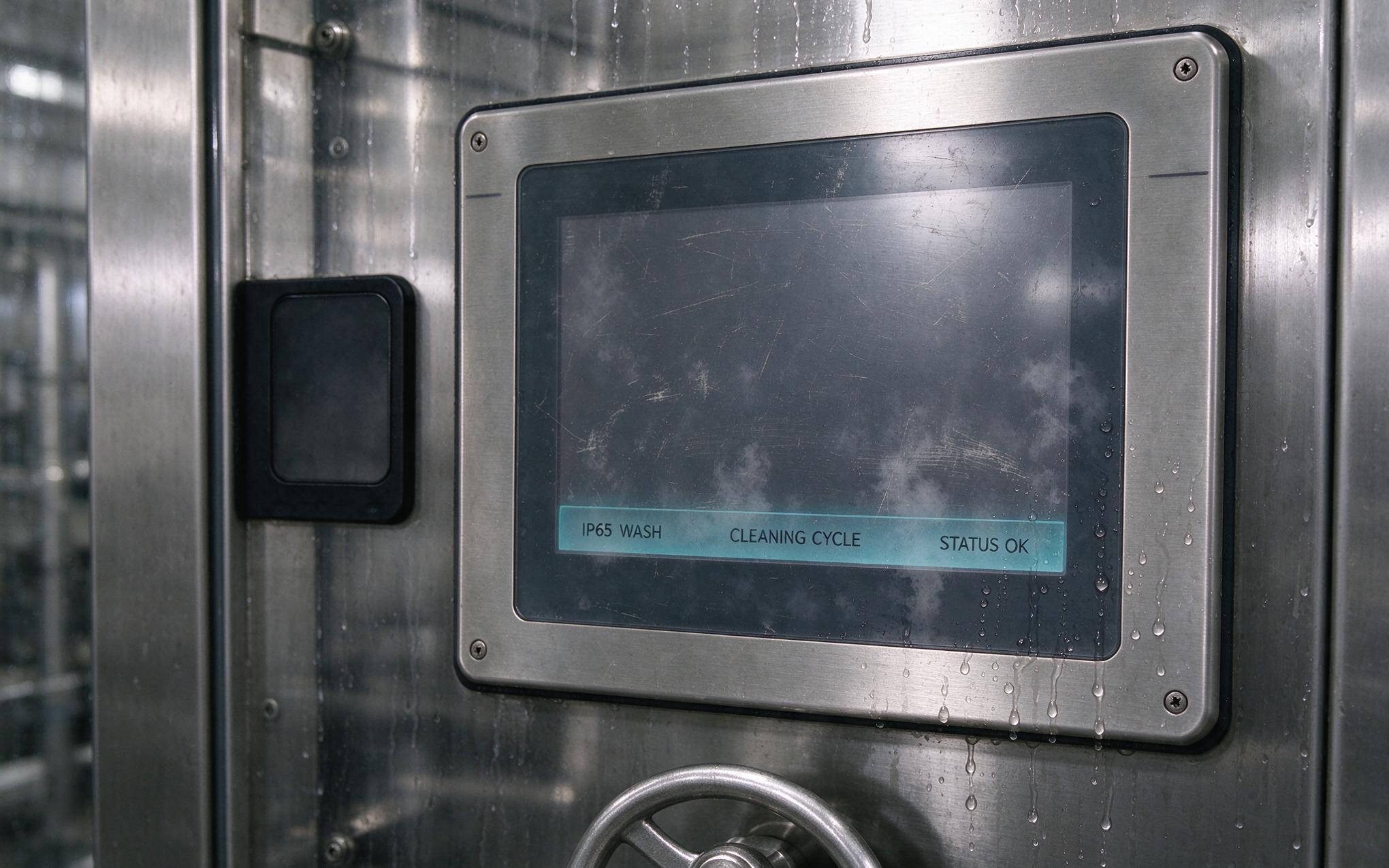
Cleaning regimes complete the specification of a rugged pc monitor. Foundry maintenance means compressed air and occasional solvent wiping, so abrasion resistance on the front surface carries more weight than chemical resistance. Cleanroom protocols apply isopropyl alcohol several times per shift and sometimes hydrogen peroxide vapor, which attacks certain anti-reflective coatings and plasticizes some gasket compounds. Field observations from wafer handling areas indicate that an industrial display screen using KOXIAN sealing practice retains optical clarity where the coating specification was matched to the site’s wipe chemistry rather than chosen for reflectance alone. Requesting a chemical compatibility list before purchase is the step that prevents a coating from hazing within a year of installation.
The two environments demand nearly opposite designs. A foundry installation is governed by radiant heat management, shielding geometry, and sealed dust exclusion. A cleanroom installation is governed by low particle shedding, flush integration, and coating chemistry compatible with frequent solvent wiping. Treating either as a generic rugged requirement produces hardware that satisfies a datasheet and fails on the floor. Naming the dominant load at the outset, then selecting shielding, cooling path, and surface finish against it, is the sequence that yields service life matching a rugged pc monitor rating.