A shutdown on a Midwest bottling line last spring traced back to a vision station that streamed full-resolution frames to a server two hundred feet away; when network jitter delayed a reject decision by half a second, four thousand mislabeled cans passed before anyone noticed. Incidents like this explain why the industrial panel pc is being recast from a display terminal into an edge inference node. Instead of shipping every frame across the plant network, machine builders now expect the computer beside the conveyor to run detection models locally, trigger rejects in real time, and forward only the results. That shift changes how engineers should evaluate processing headroom, thermal design, and camera interfaces.
Edge Inference at the Machine Instead of the Control Room
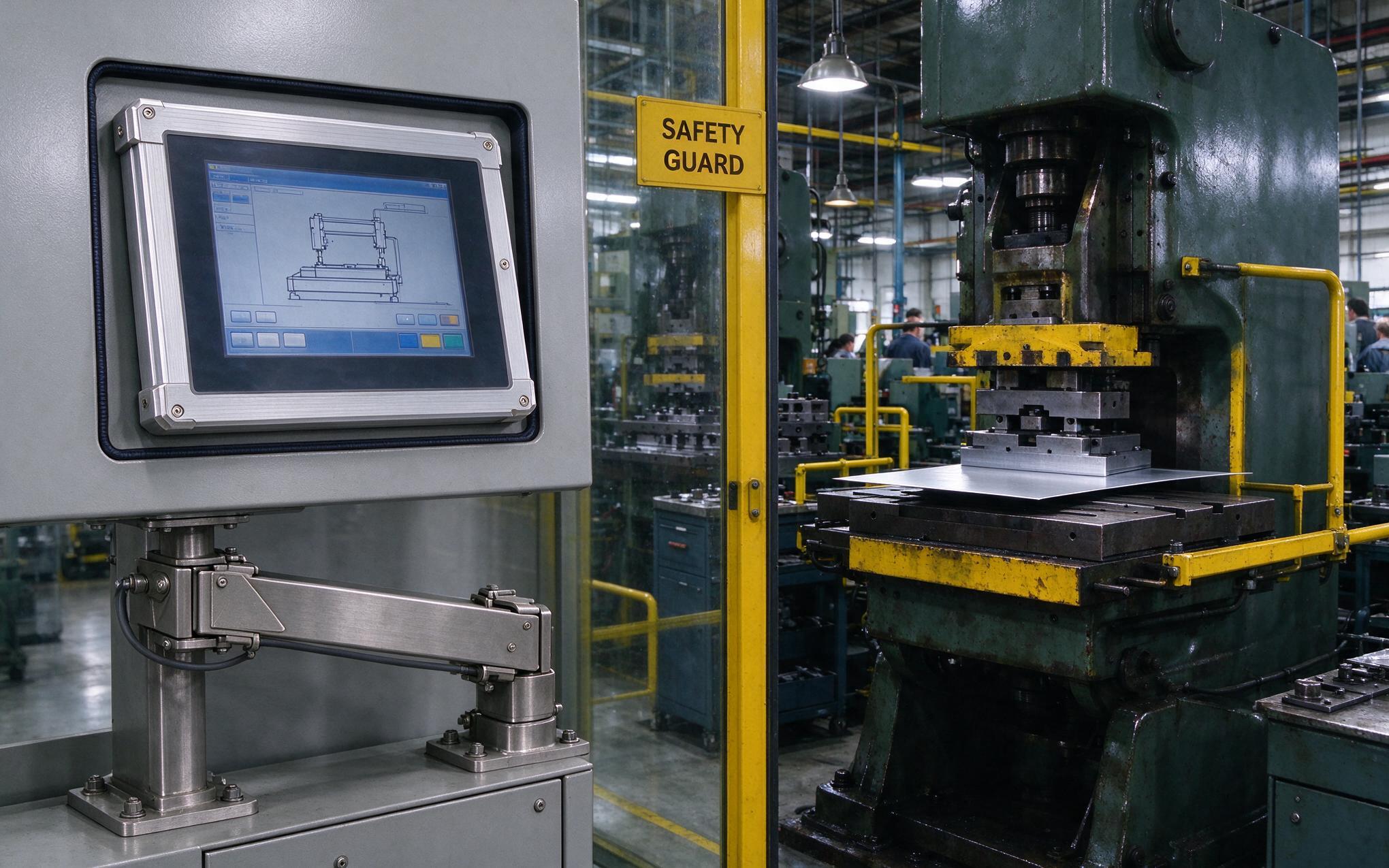
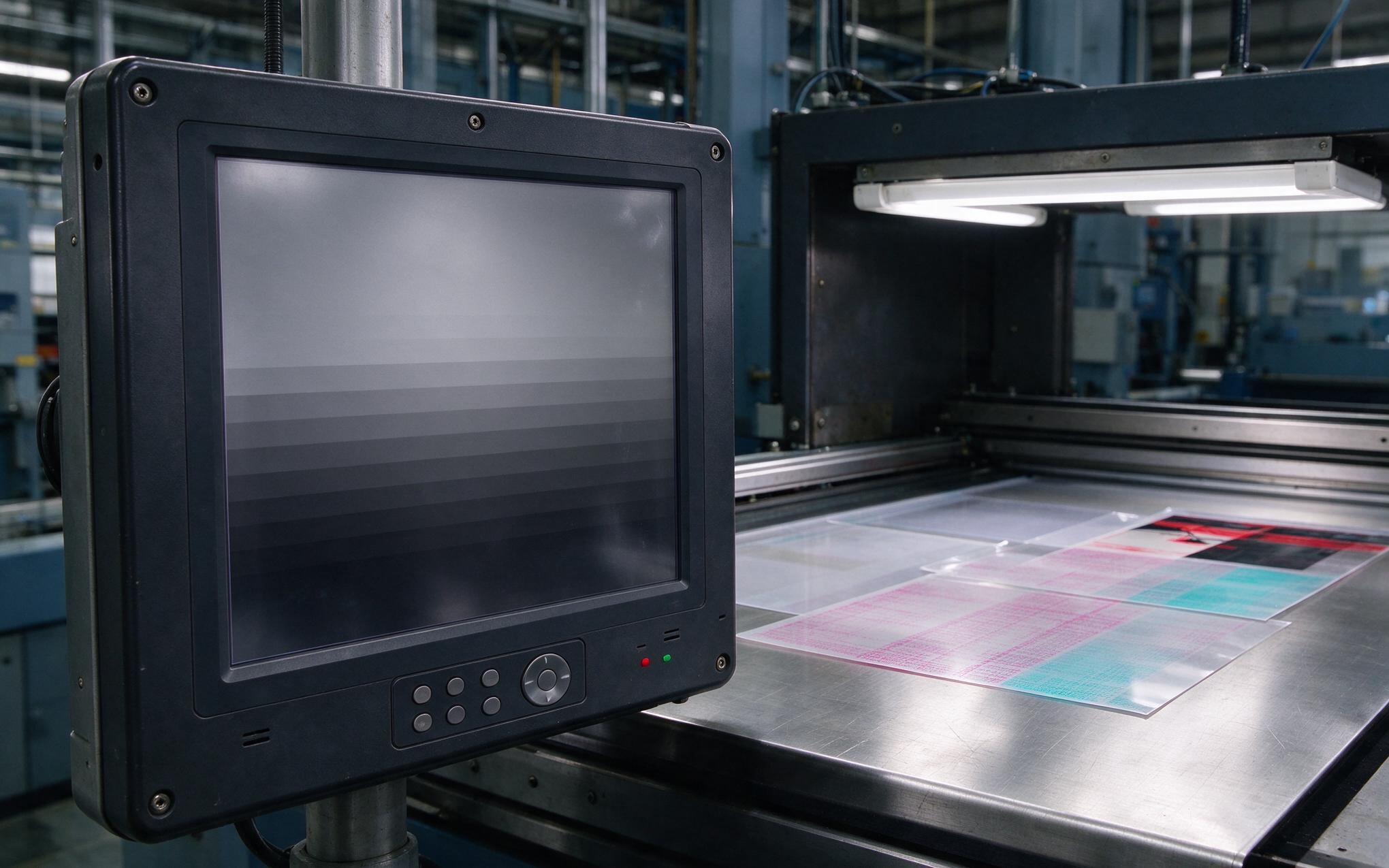
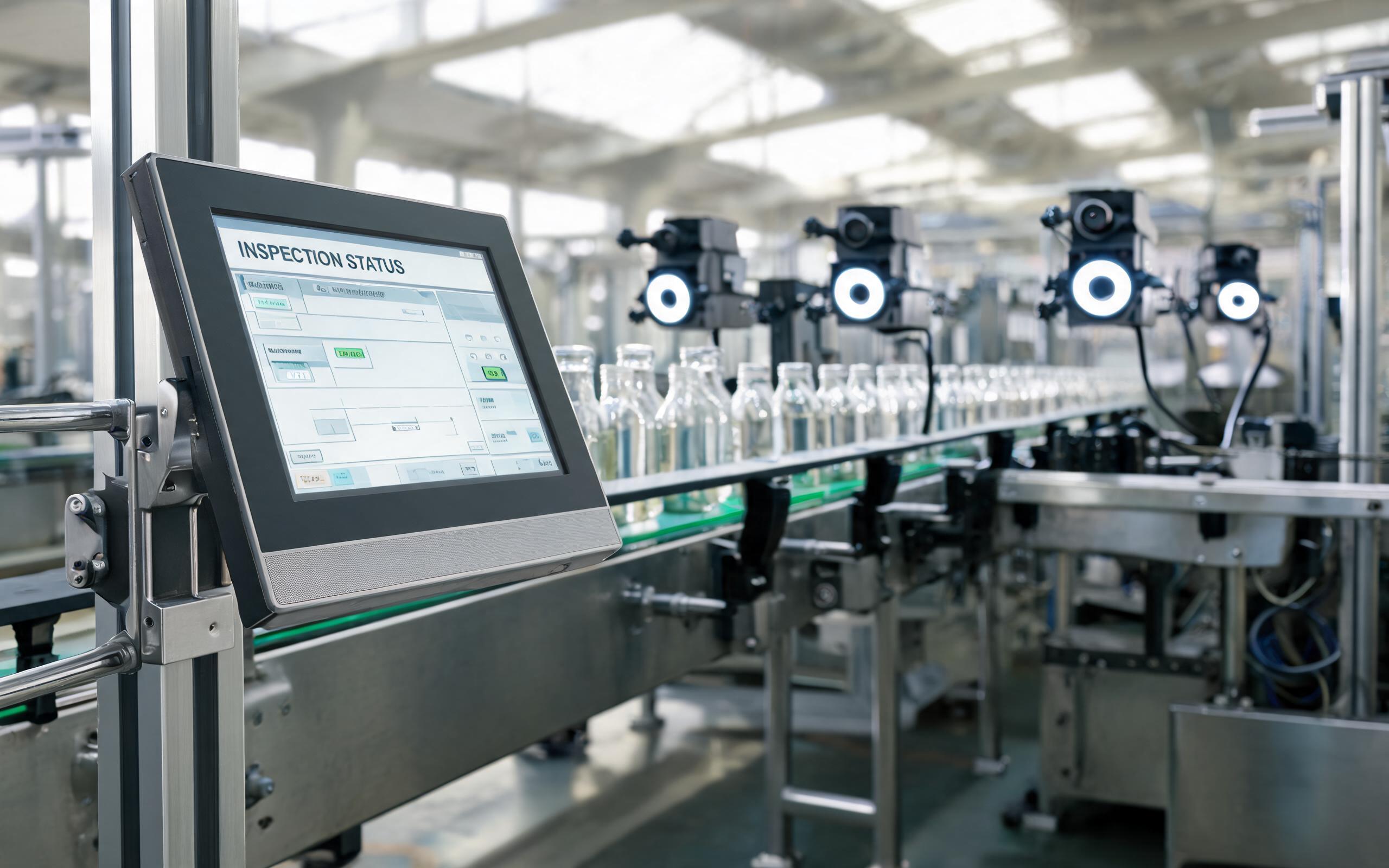
To keep reject decisions inside a single frame interval, industrial hardware manufacturers, including KOXIAN, now integrate neural processing units directly into panel-mounted computer enclosures rather than relying on a remote rack server. The engineering logic is straightforward: a two-megapixel camera running at sixty frames per second produces more raw data than most plant networks were designed to carry continuously, so compressing the problem into inference results at the source removes both latency and bandwidth pressure. An industrial panel pc positioned at the inspection point can run object detection, optical character recognition, or seal-integrity models while still driving the operator display. Field reports from packaging and electronics assembly lines indicate that on-device inference typically cuts decision latency from hundreds of milliseconds to under one frame period, which is often the difference between catching a defect and packing it.
Thermal Headroom for Sustained NPU Inference
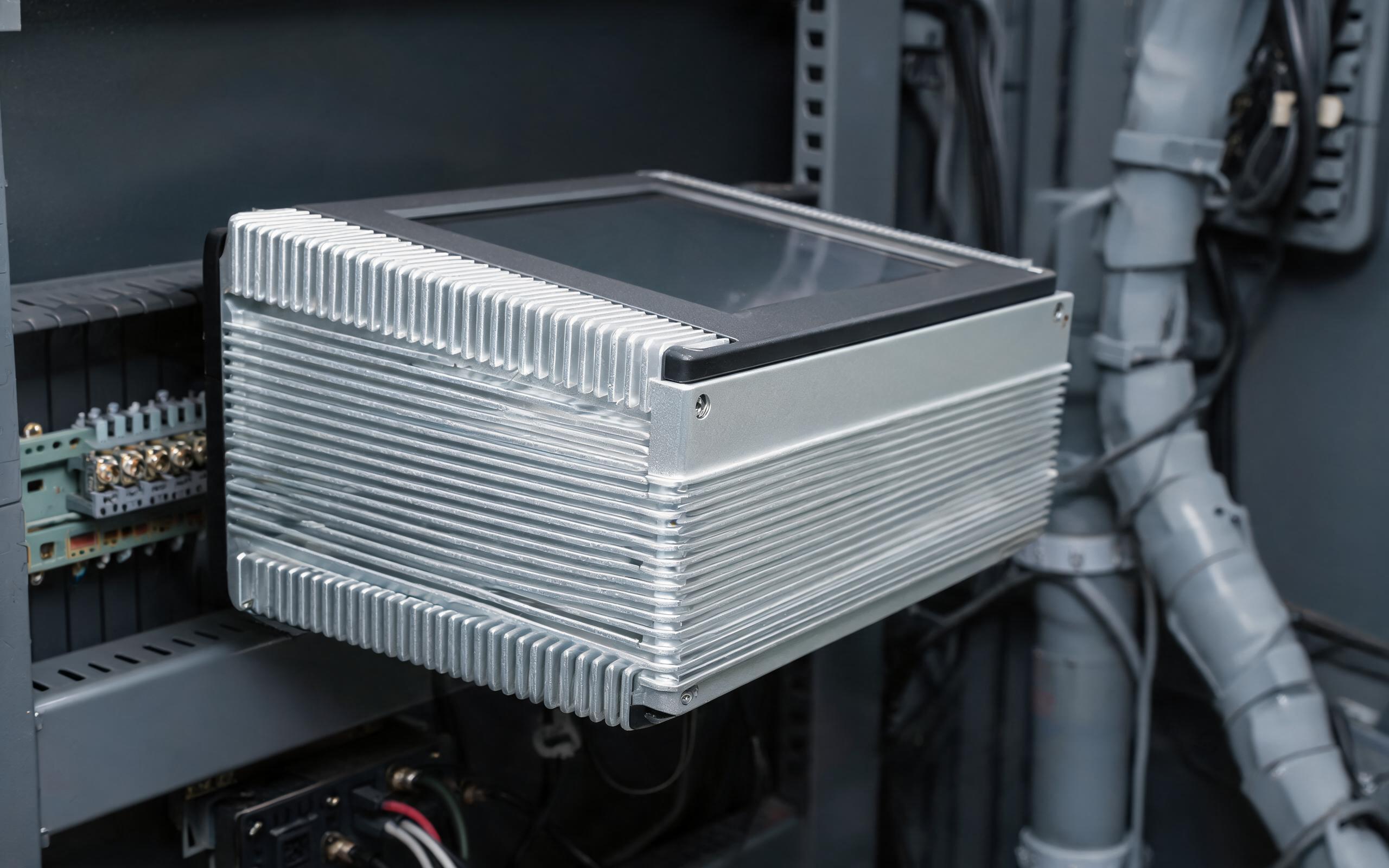
Continuous inference is a sustained load, not a burst. A vision model that runs around the clock keeps the neural accelerator and the processor near their power envelope for entire shifts, and ambient temperatures beside ovens, washdown tunnels, or unconditioned enclosures can exceed 45 degrees Celsius. Passive cooling therefore becomes a sizing exercise rather than a checkbox. Engineers evaluating a fanless industrial panel pc for vision duty should study real-world hardware designs, such as the finned aluminum chassis implemented in the KOXIAN G1 series, to understand how enclosure surface area translates into thermal headroom. The practical check is derating behavior: a unit that holds full accelerator clock speeds at 50 degrees Celsius ambient is materially different from one that throttles after twenty minutes. Asking vendors for sustained-load thermal curves, rather than idle power figures, prevents most field disappointments.
Camera and Sensor Interfaces on an Embedded Panel PC
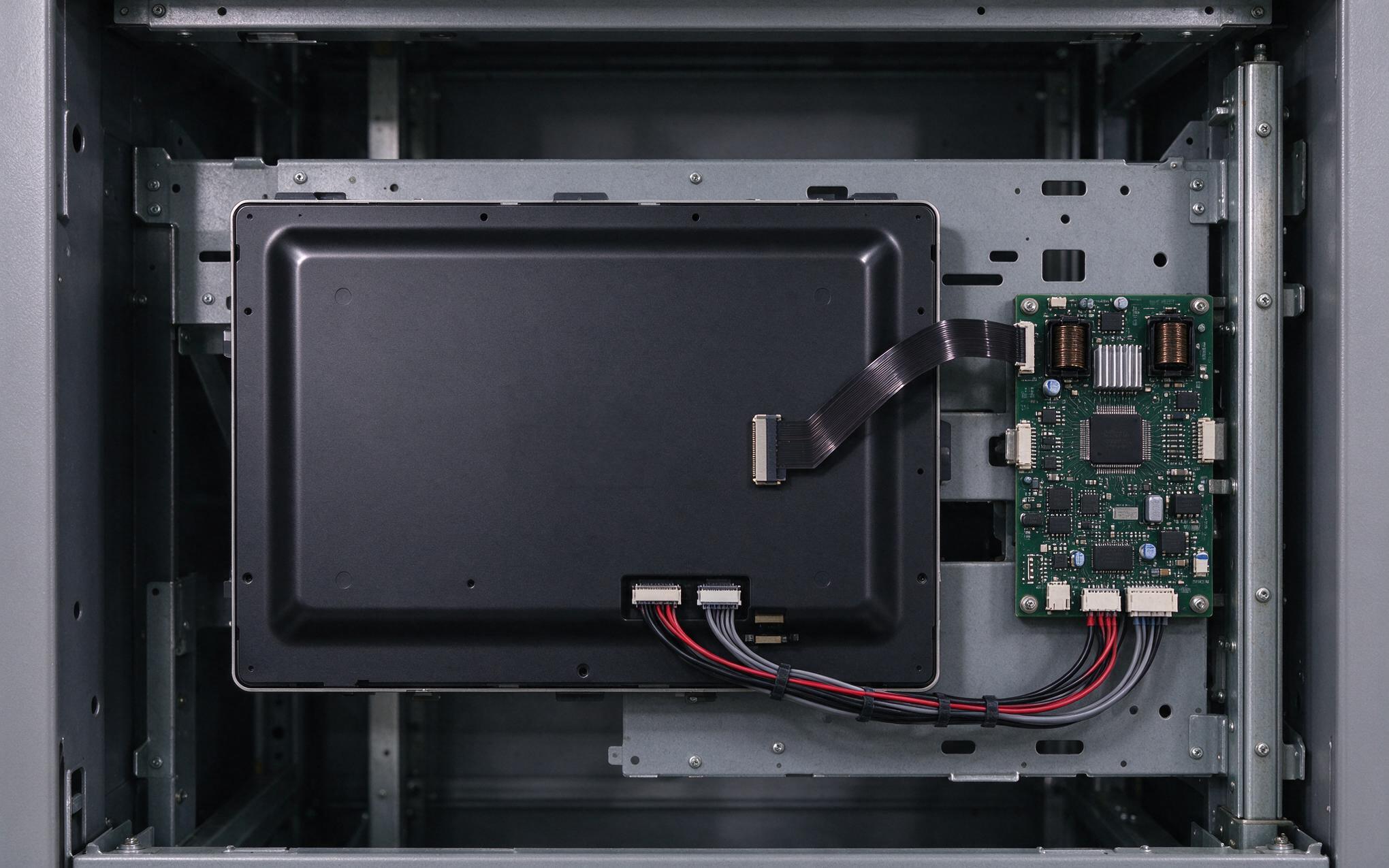
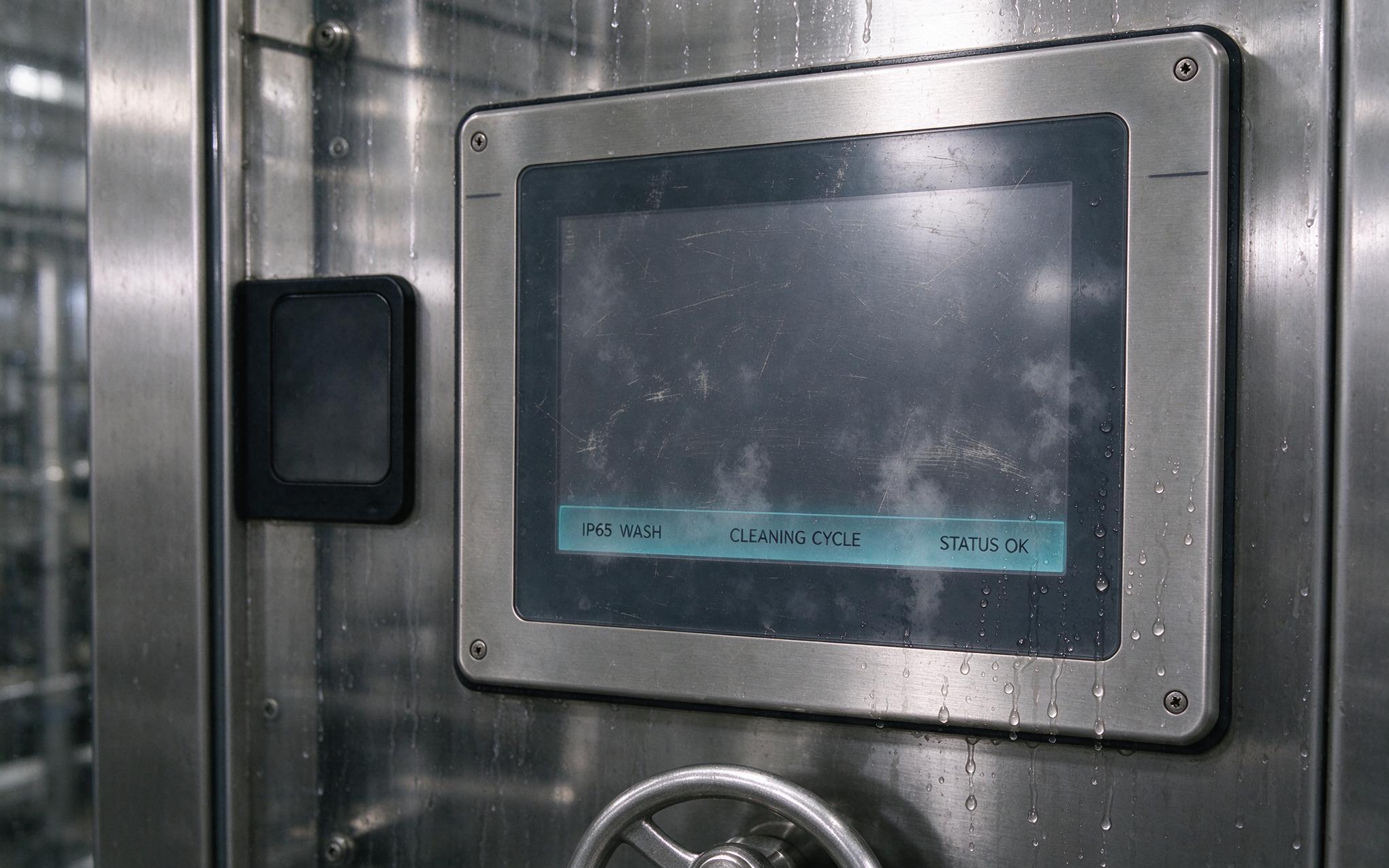
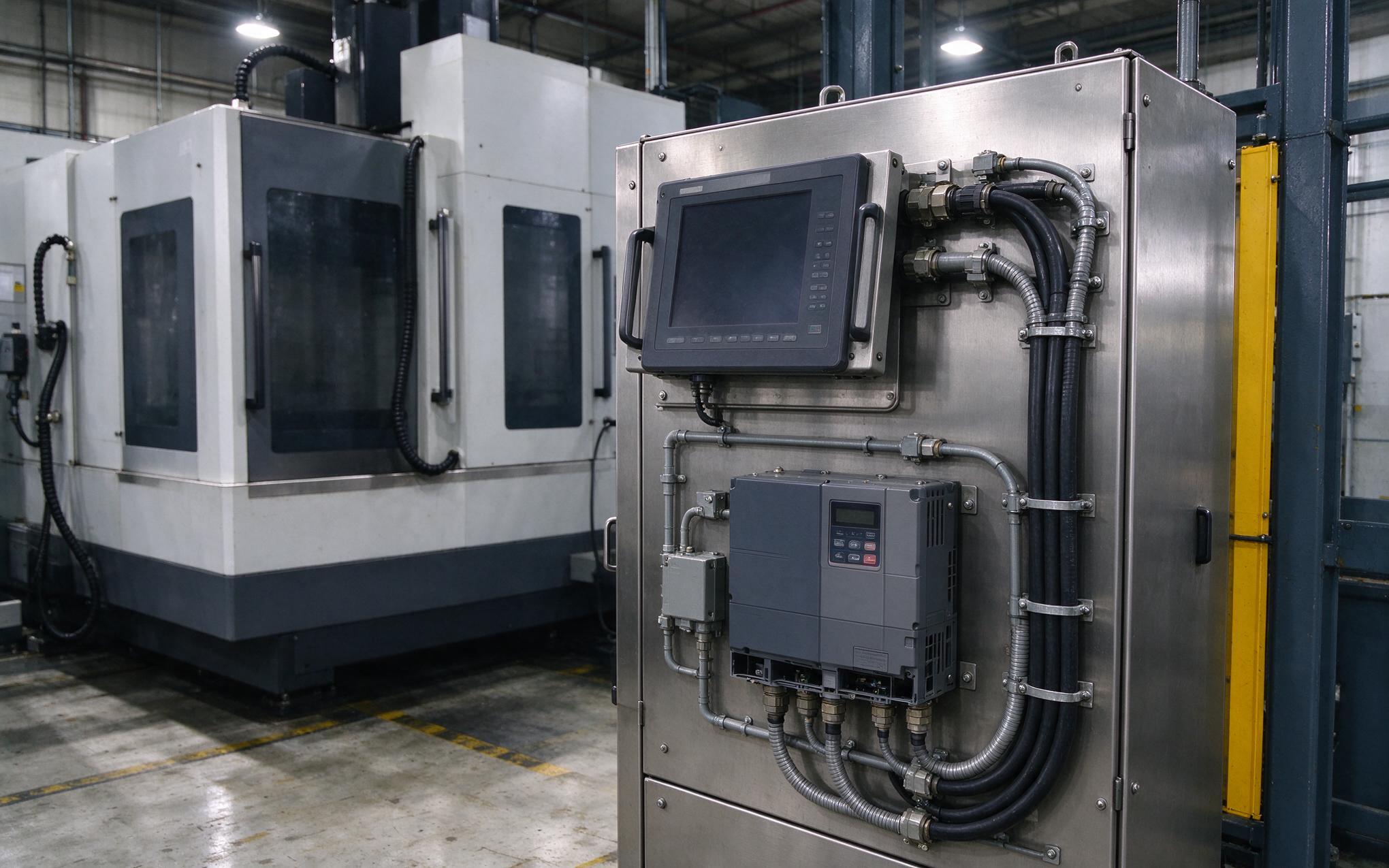
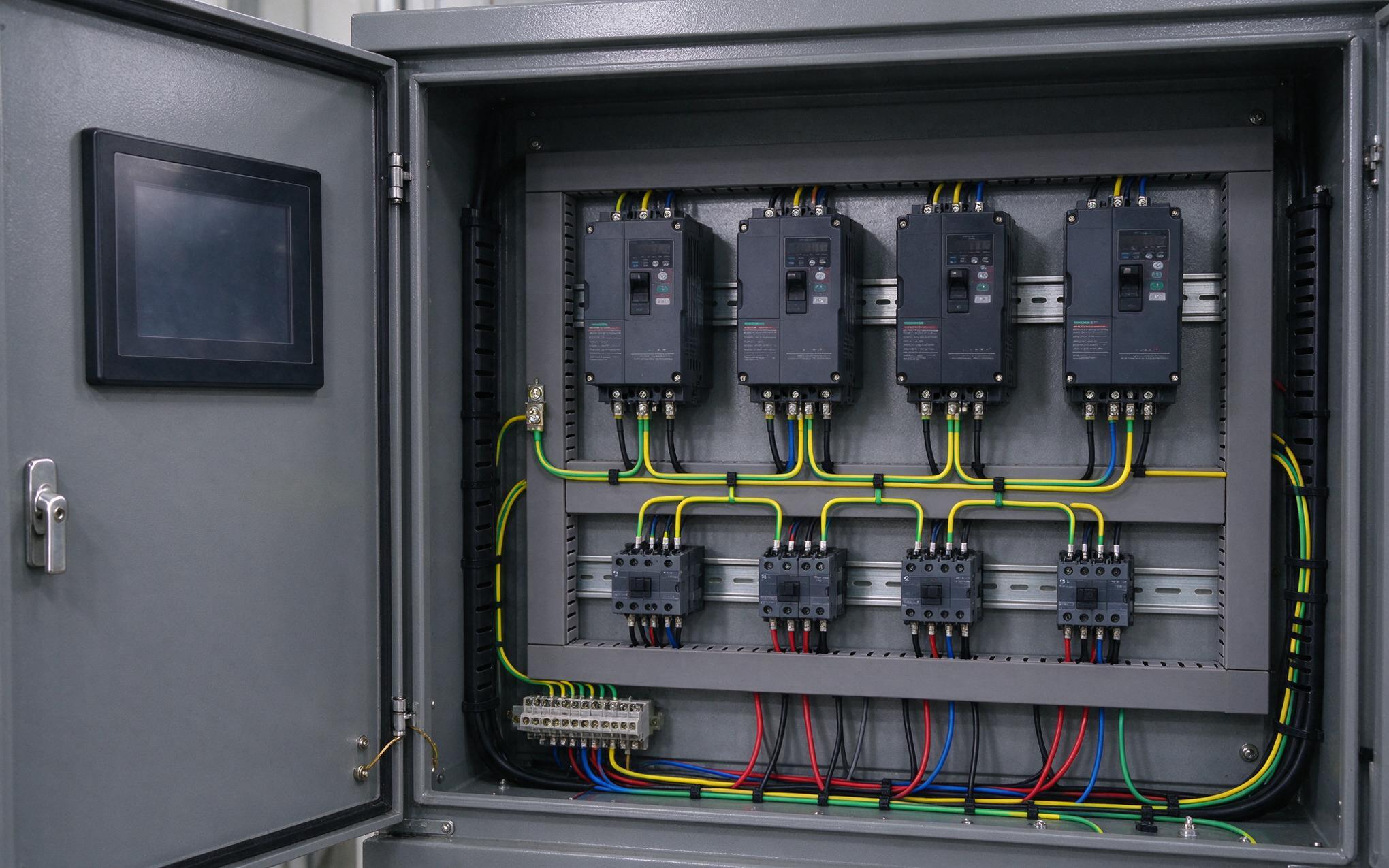
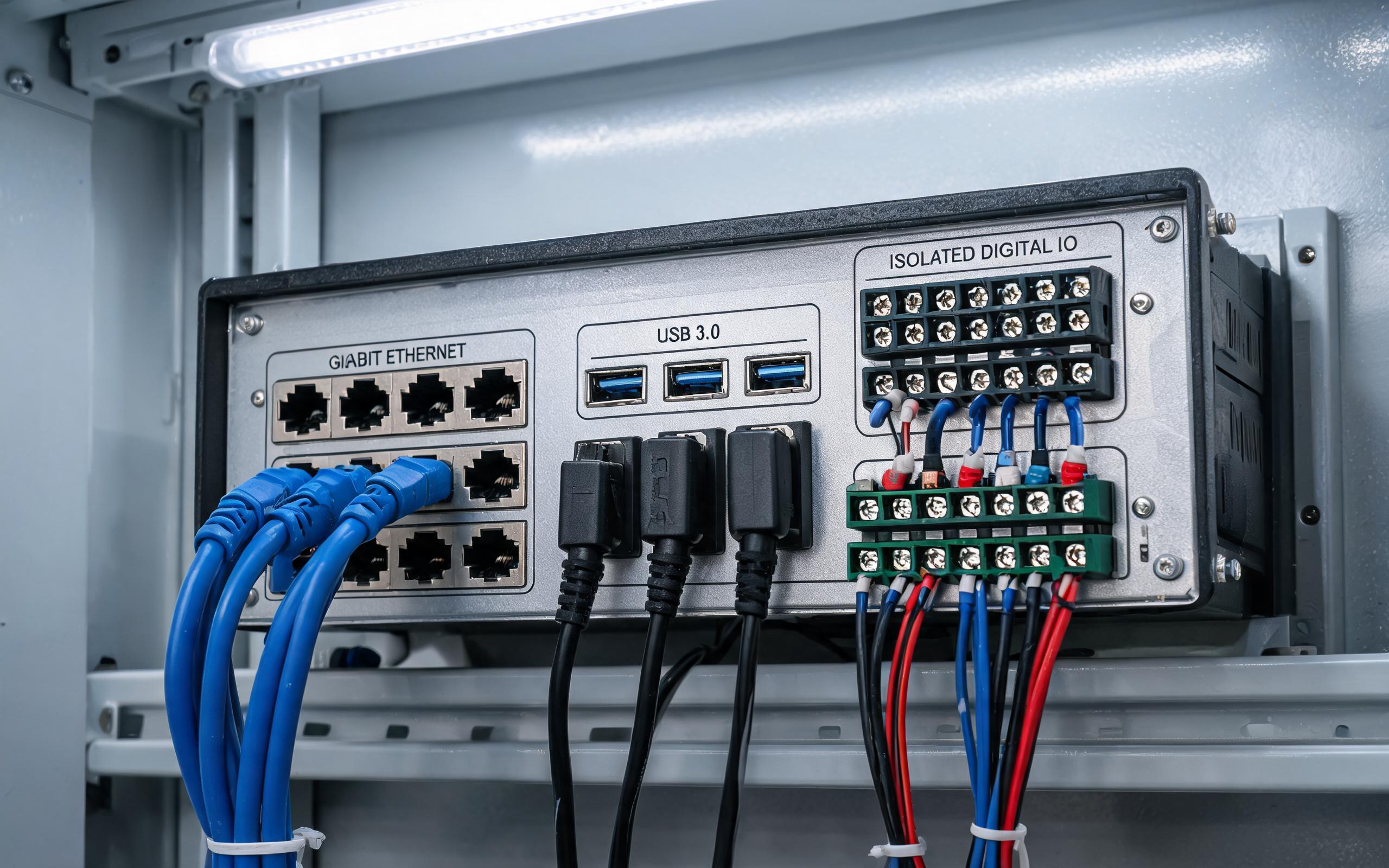
Vision cells live or die on their wiring. An embedded panel pc intended for inspection duty needs Gigabit Ethernet ports with Power over Ethernet to feed industrial cameras without separate injectors, plus enough USB 3.x bandwidth for area-scan cameras that stream uncompressed frames. Equally important are the trigger paths: isolated digital inputs that accept encoder pulses and photoelectric sensor signals, and outputs that fire strobes or reject solenoids with deterministic timing. Integrators should also confirm that the industrial panel pc exposes its connectors in a way that matches the cabinet layout, since side-exit ports can be impossible to service inside a sealed stainless enclosure. A two-camera station with synchronized lighting typically consumes four isolated inputs and two outputs, so a unit offering only a minimal pin header leaves no room for the second camera or for later expansion.
Selecting an Industrial Panel PC for Vision Cells
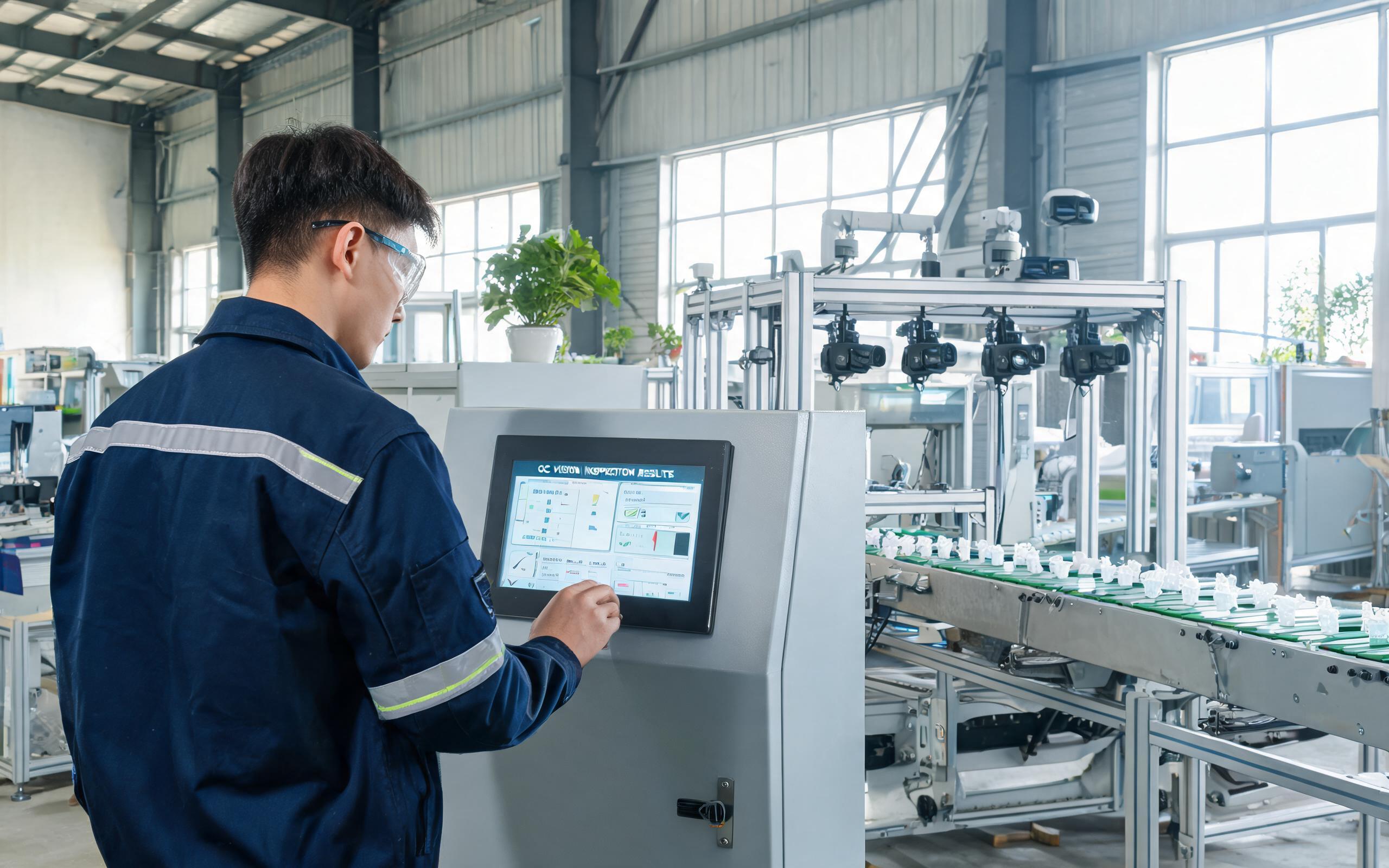
Procurement teams comparing platforms should start with the workload rather than the datasheet headline. The useful sequence is to profile the actual inference model, measure its utilization on candidate accelerators, and then size the enclosure and mounting around that thermal result. Display requirements matter as well: a cell that only shows pass or fail status needs far less screen than one where operators review annotated defect images. Mounting style, front-panel ingress rating, and operating system support round out the evaluation, but they should follow the compute decision instead of preceding it. When two candidates appear equal on paper, sustained thermal testing under realistic ambient conditions usually separates them.
The industrial panel pc has quietly become an inference appliance. As vision models move from pilot projects into standard line equipment, the evaluation criteria shift with them: accelerator headroom, passive thermal design under sustained load, and camera-grade interfaces now outweigh raw processor frequency. Engineers who specify hardware around the actual model and the actual enclosure environment will find that edge vision behaves predictably. Those who size from datasheet headlines alone tend to rediscover the physics during a summer production run.