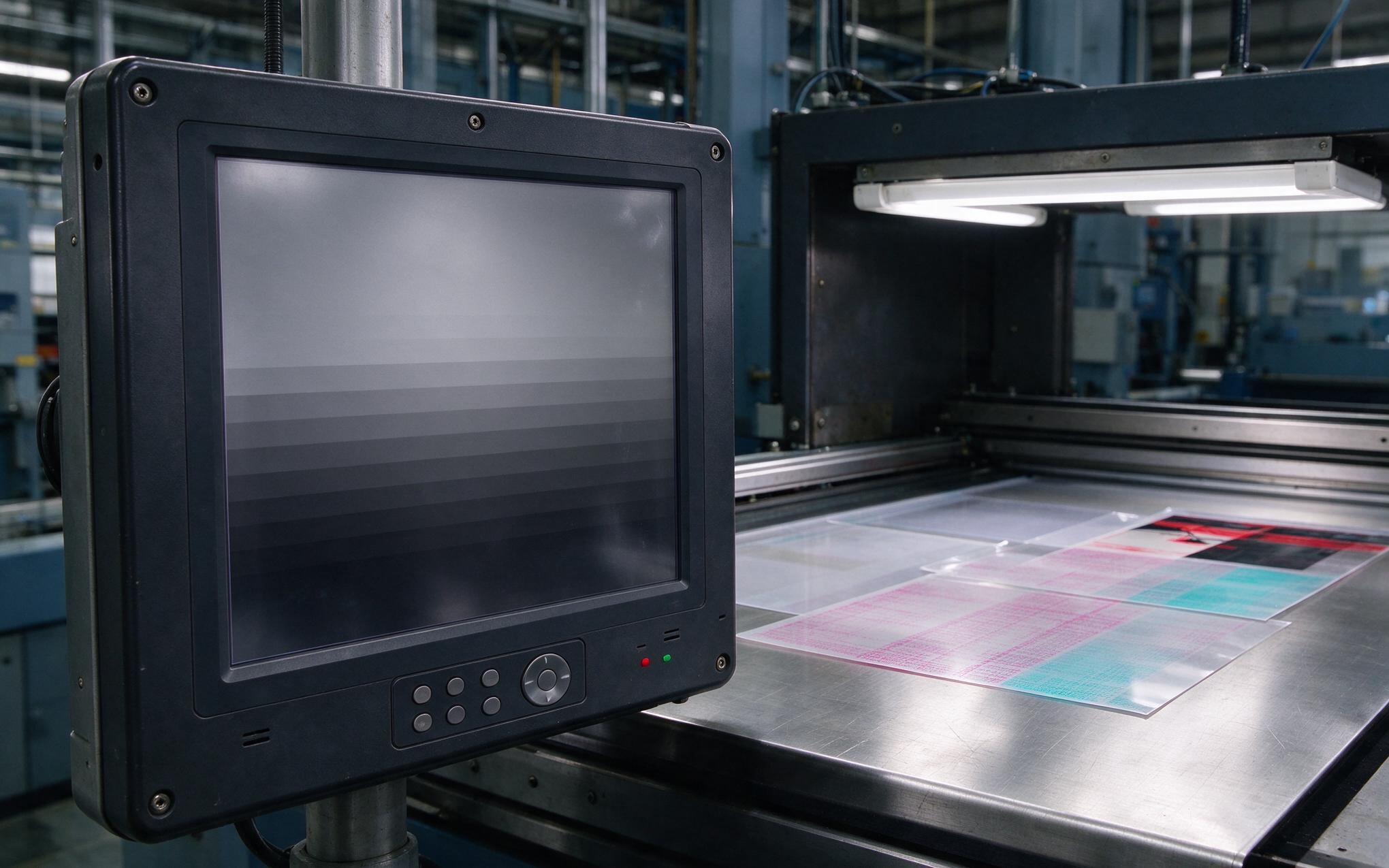
Two findings stand out in return analyses from industrial storage suppliers. Removable SSDs pulled from vibrating equipment account for a disproportionate share of board-level replacements, while soldered flash packages continue logging years of duty in the same roadside cabinets and production lines. The gap is visible enough that industrial panel computers increasingly ship with soldered eMMC rather than a removable SATA or M.2 drive. The difference is not flash quality alone. A removable drive stacks two solder assemblies and a fretting edge connector into the same shock path, while a soldered package removes the connector entirely. Analysts following embedded storage describe the change as an architecture decision driven by uptime data rather than component cost.
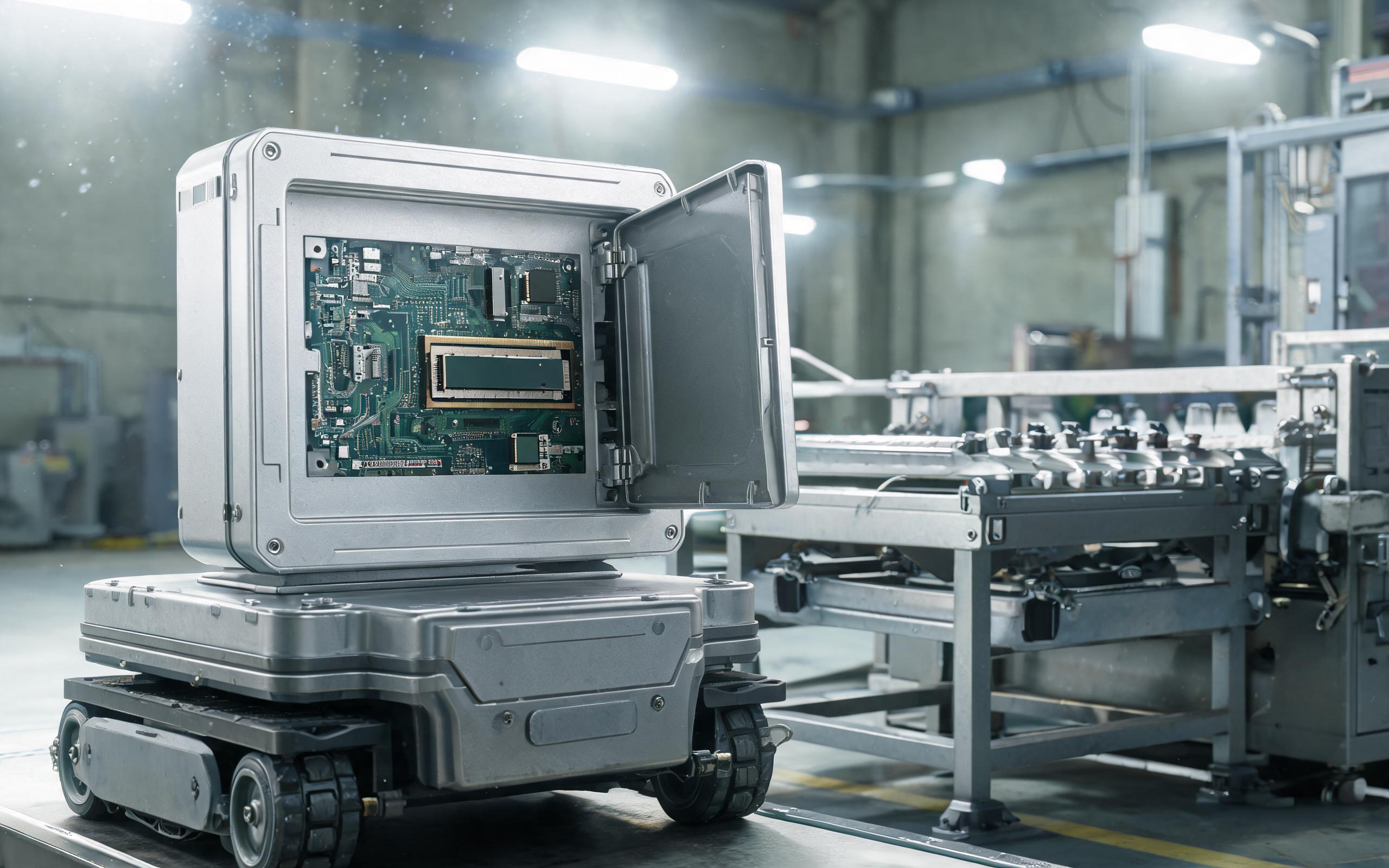
Removable Storage Returns from Vibration-Heavy Installations
Industrial hardware manufacturers, including KOXIAN, treat the connector as the weak link when a machine spends its life on an AGV, a press line, or a vibrating conveyor. M.2 and SATA drives hold through a spring-loaded edge contact, and repeated micro-motion scrapes the gold plating until fretting debris raises contact resistance. The drive then drops off the bus intermittently, producing read-only remounts or missing-boot failures that look like software faults. Industrial panel computers in these installations gain little from a removable drive’s serviceability, because swapping hardware still requires a maintenance call. Third-party failure reviews also point at the connector, and at consumer-grade SSDs without power-loss protection, more often than at the flash die itself.
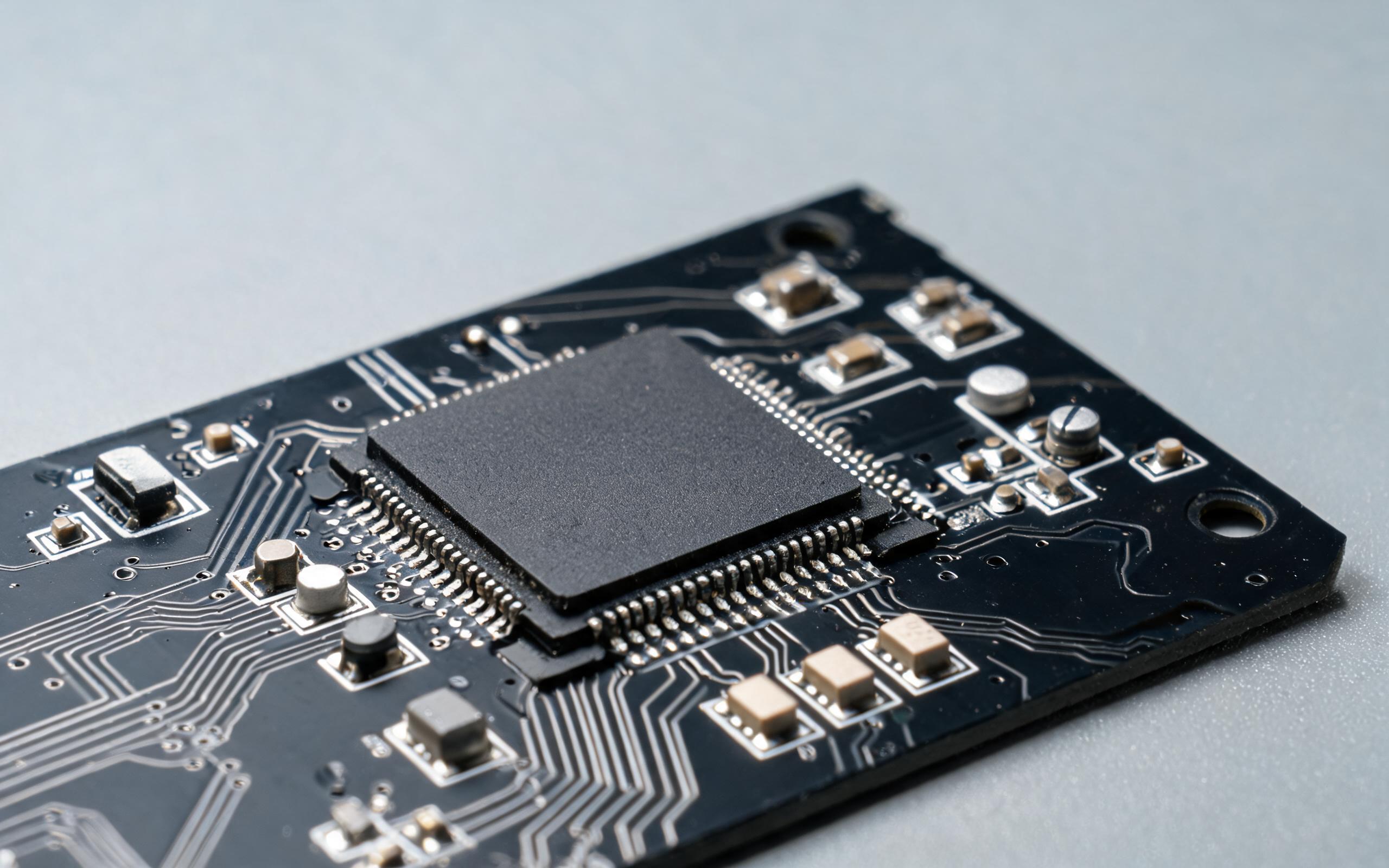
Selecting Soldered eMMC for Predictable Vibration Duty
Selecting soldered eMMC means accepting a managed, single-package device. The NAND die and controller share one BGA assembly soldered directly to the host board, with no cable, socket, or moving latch in the storage path. Published interface figures for current eMMC reach roughly 400 MB per second, which covers log writes, recipe files, and operator clients without approaching SSD throughput. Capacity is the real tradeoff, with most industrial parts spanning a practical 8 to 128 gigabytes. That profile suits a sealed fanless industrial panel pc: these industrial panel computers run one fixed workload, so the drive never needs handling and the enclosure stays closed. The penalty appears only with large local databases or frequent multi-gigabyte captures, where SATA or NVMe remains the rational choice.
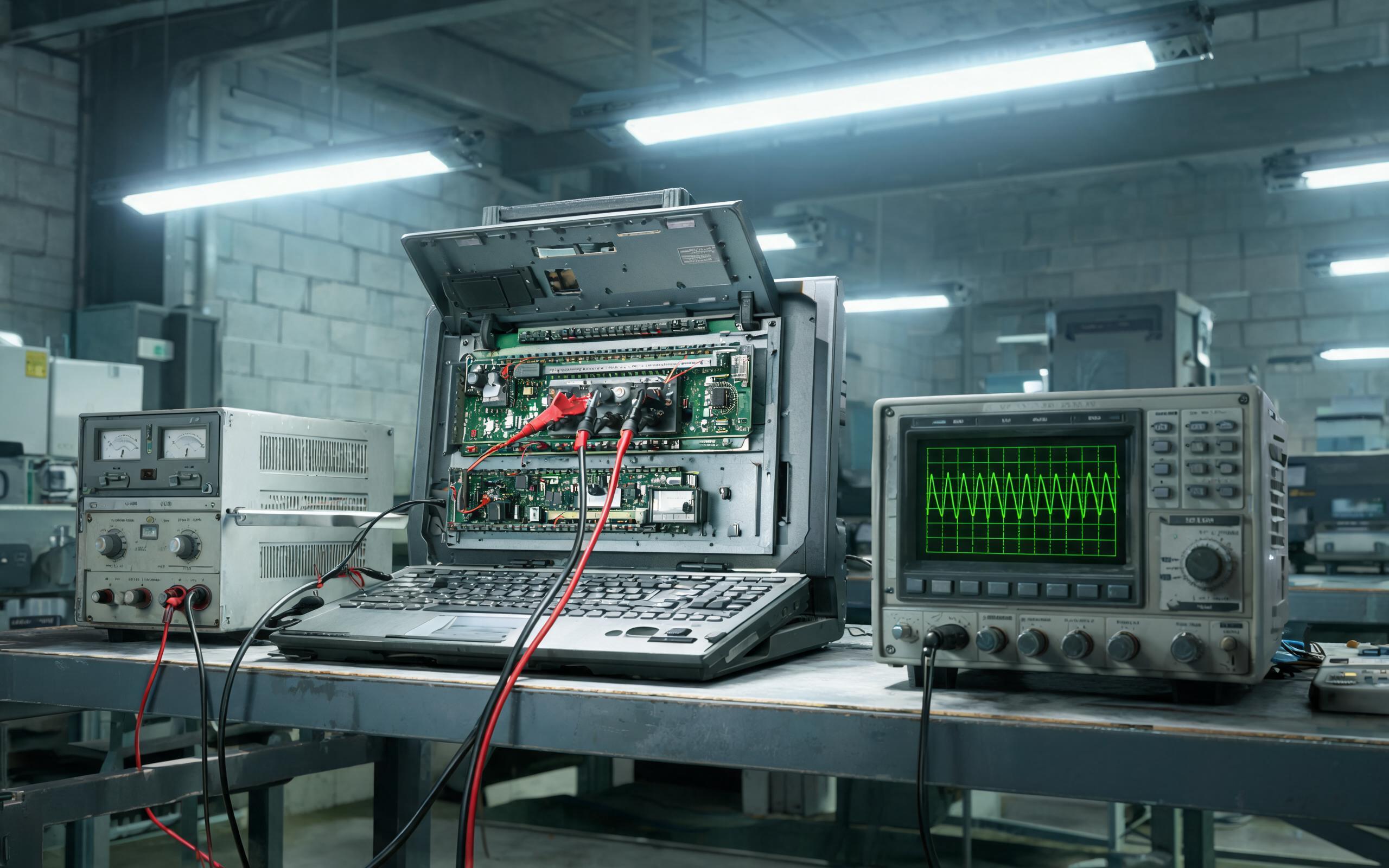
During Sudden Power Loss, the Storage Controller Sets the Limit
A drive survives a power cut only if data already acknowledged as written actually reached nonvolatile cells. Consumer SSDs buffer writes in DRAM and depend on capacitor arrays long enough to flush that cache; cheaper units skip the capacitors, and a cut during a burst write leaves a torn table or an unbootable volume. Soldered eMMC takes a different route, with the managed controller handling erase-block boundaries and its own atomically maintained mapping tables, so embedded industrial pc designs pair it with a journaling filesystem to bound recovery time. Industrial panel computers on crowded mains still benefit from a short hold-up rail, because even a sound storage design cannot protect data the host never finished sending. After power returns, the journal replays, and the unit boots from a known state rather than a repair prompt.
Thermal Cycling and Long-Horizon Service Planning
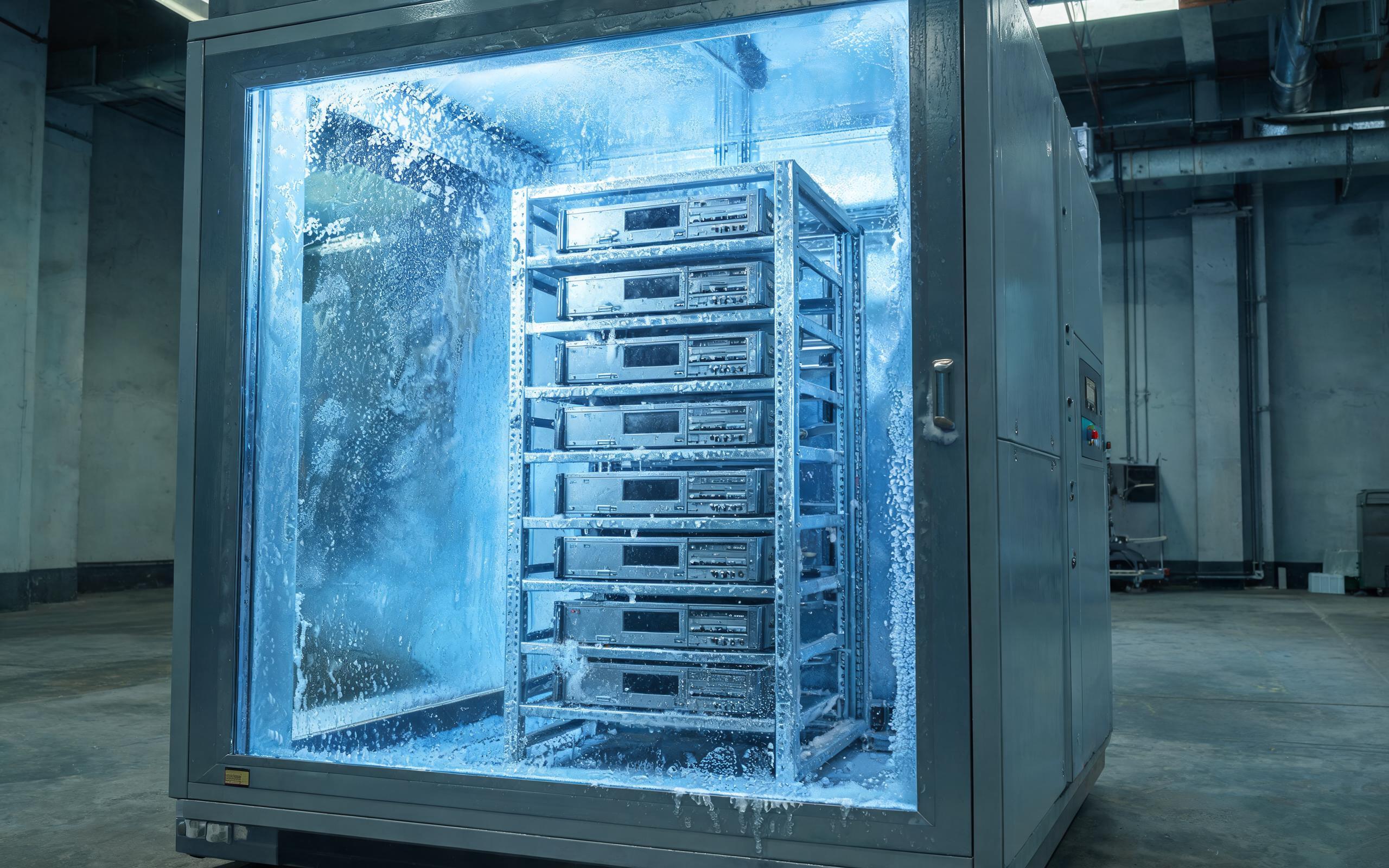
Storage selection also has to cover years of temperature swings. Cold starts stress inrush behavior, heat accelerates NAND retention loss, and repeated expansion cycles fatigue every solder joint on the board, including the BGA balls under a soldered package. For industrial panel computers, the standard package combines industrial-grade flash rated for extended temperature ranges, conservative clock settings, and host-side write budgeting that keeps logs from wearing one address range; that combination defines a wide temperature panel pc storage build. Layout matters as much as component grade; board designs in the KOXIAN K-series family keep the memory package away from heat concentration zones and use controlled thermal profiles to reduce joint stress. When larger storage is unavoidable, the safer alternative is an industrial SSD with power-loss capacitors and a retention bracket rather than a consumer card on a bare latch.
The storage question on vibration duty is a connector question before it is a flash question. Removable SSDs keep their value where capacity, swappability, or heavy capture throughput matters, but moving machinery punishes the edge contact and rewards a soldered, managed package. Industrial panel computers that pair industrial-grade eMMC with a journaling filesystem, short power hold-up, and disciplined write budgets trade field storage capacity for predictable boot behavior and fewer connector-related service calls. Treat the choice as workload planning: match the storage architecture to the shock, power, and temperature profile of the line, and both designs retain a defensible place.