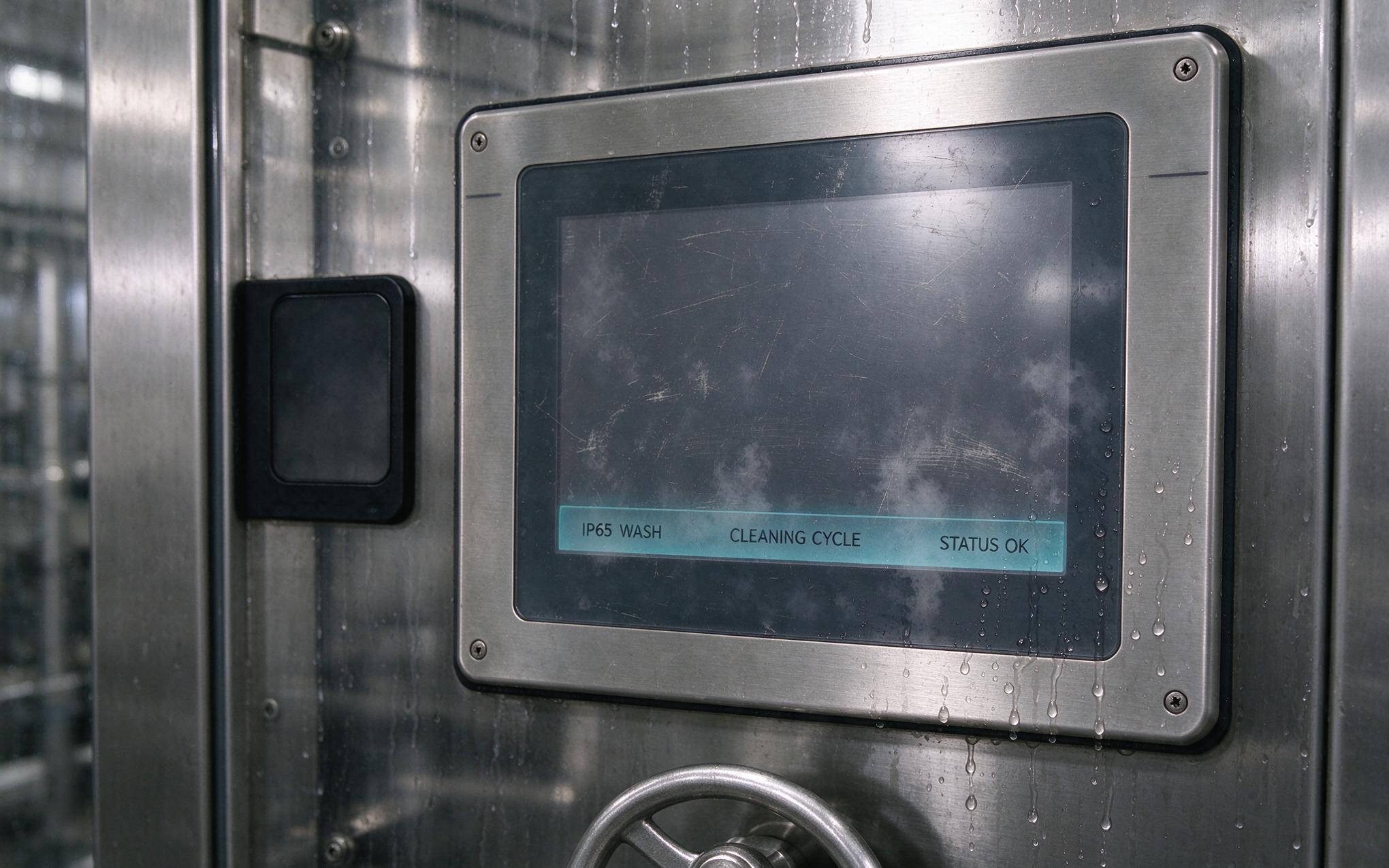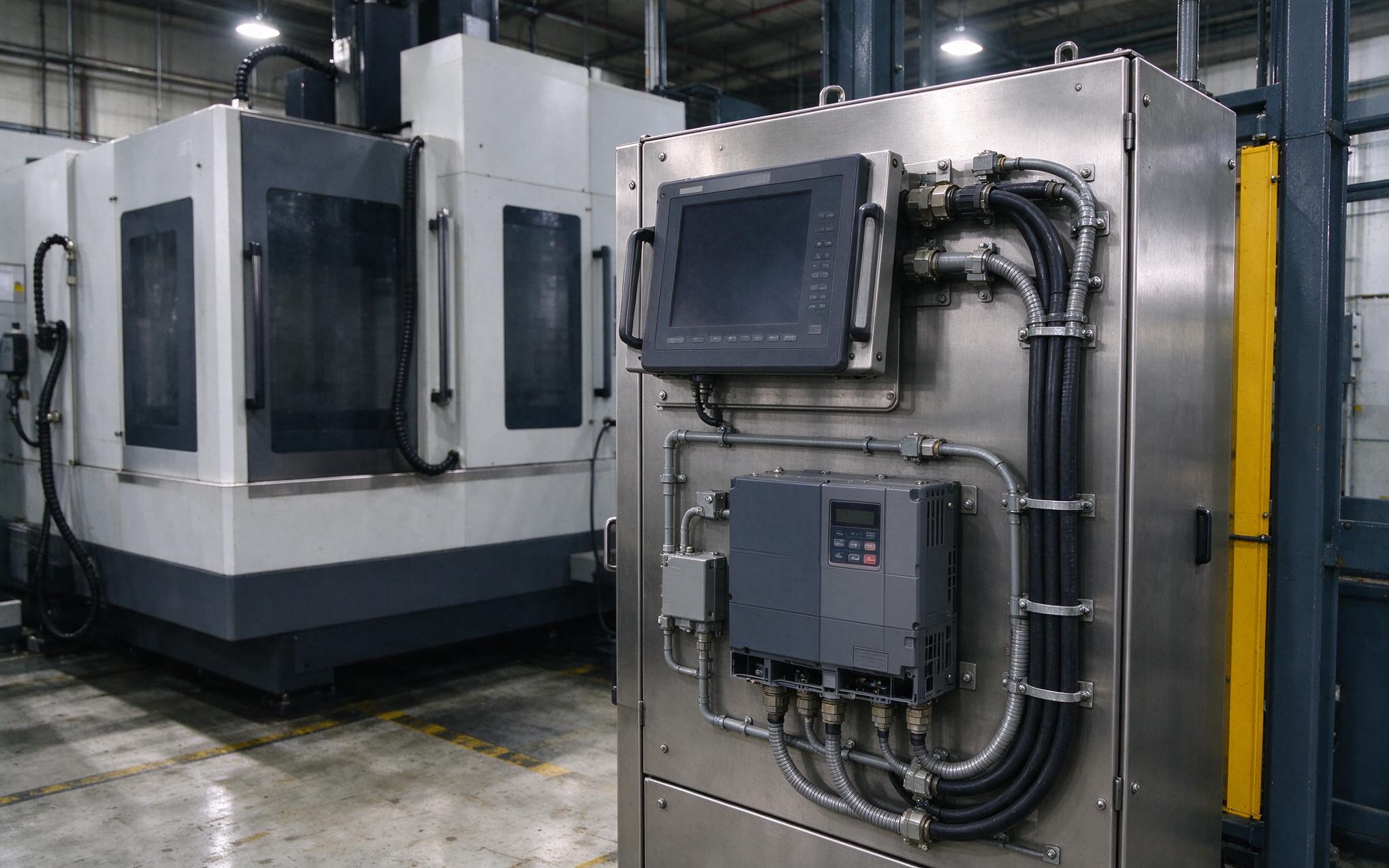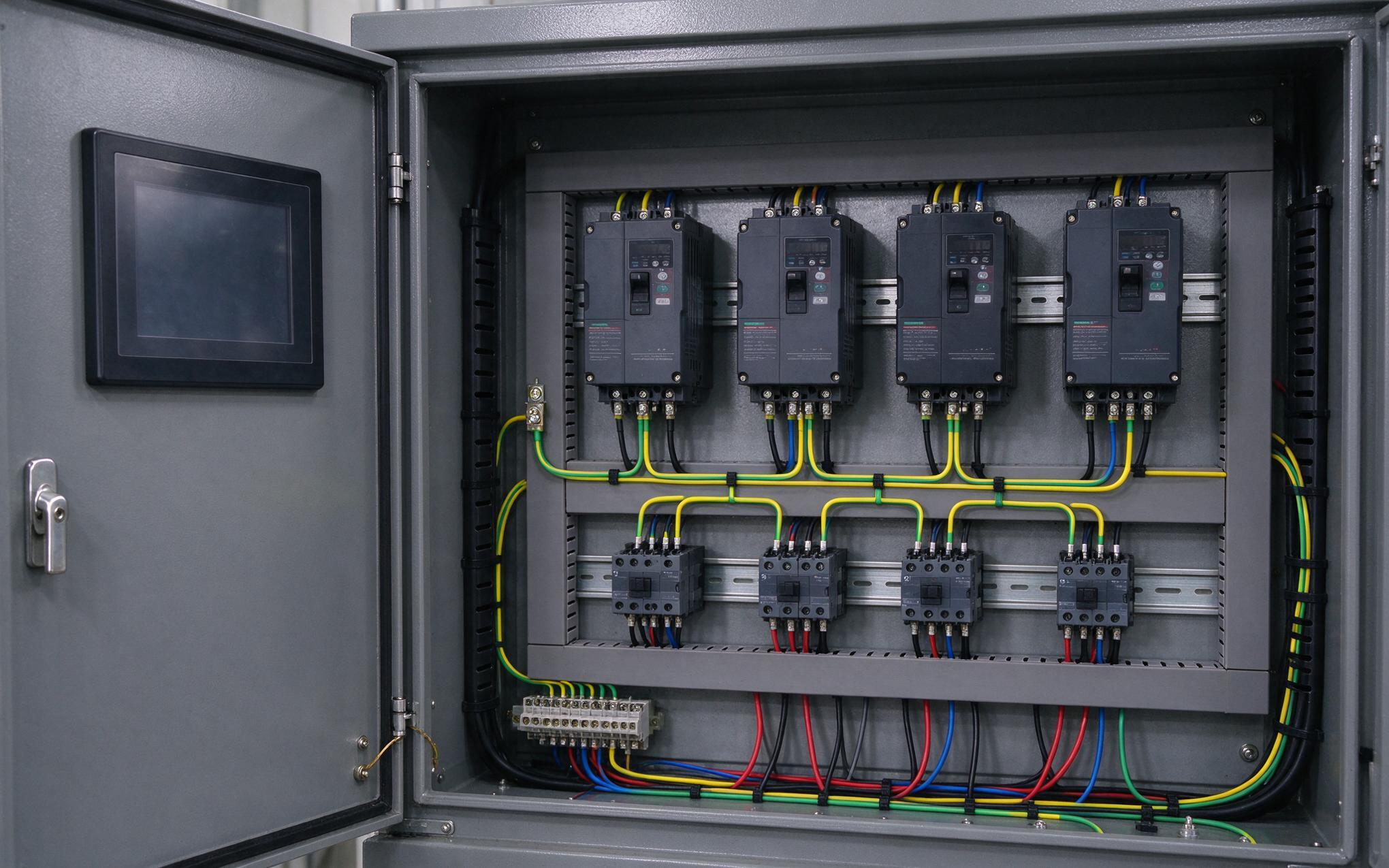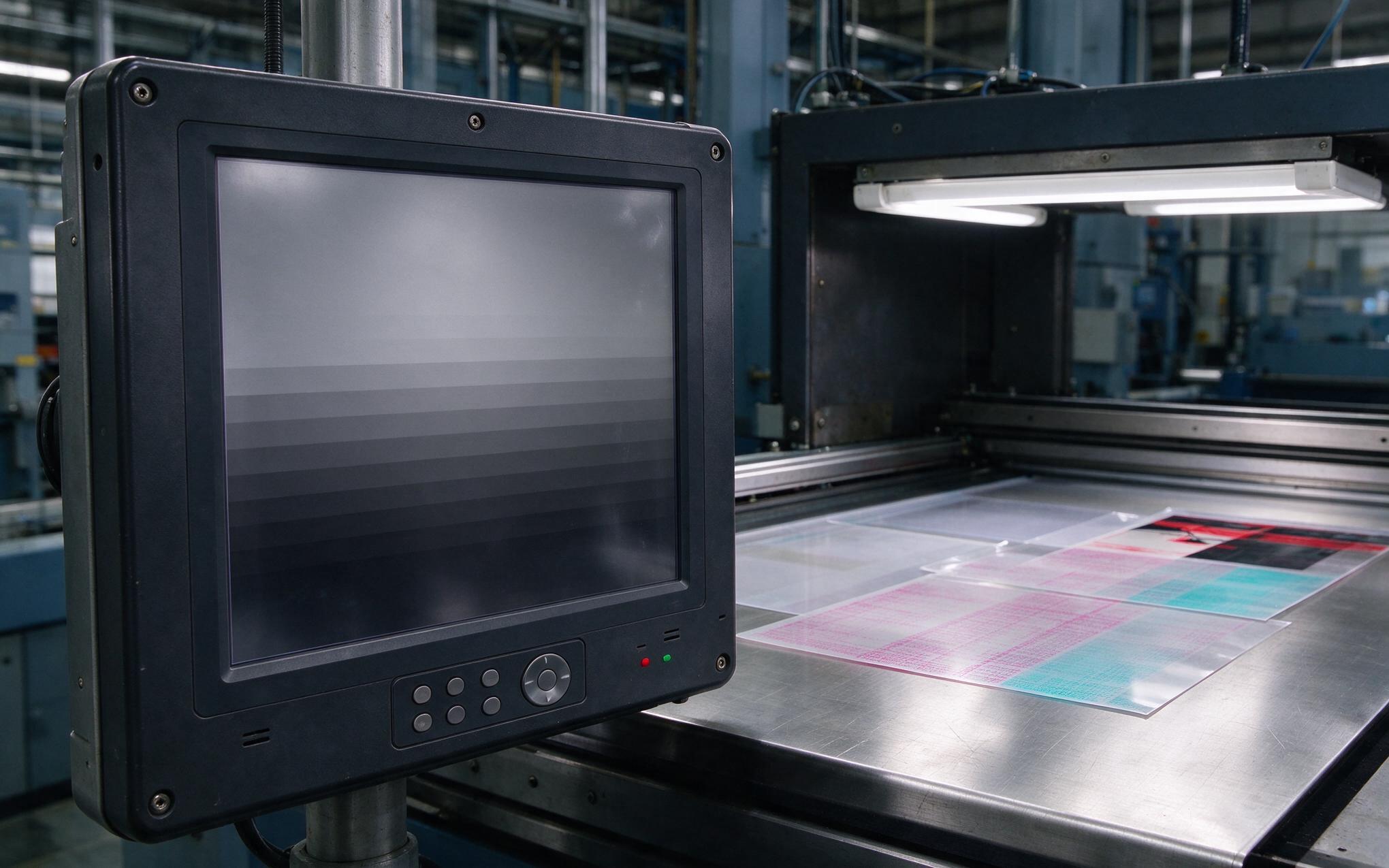
Two quotations for visually identical terminals can differ by a third of the unit price, and the gap frequently sits in firmware and software lifecycle work rather than in sheet metal or the display. One vendor supplies a signed driver set, documented key custody, and a tested image with a write filter already configured. The other ships a functional machine and leaves compliance to the integrator. Deploying a windows industrial panel pc into a plant that runs security audits turns those invisible items into schedule risk, because a terminal that cannot demonstrate a verified boot path may not be permitted on the network at all.

Enrolling Platform Keys and Retaining Firmware Custody
Verified boot works by checking each stage against keys held in firmware, so the practical question for a plant is who controls those keys. Factory-default configurations carry vendor and operating system keys, which is sufficient until an integrator needs to load a component that nobody has signed, such as a driver for a custom serial expansion or an in-house diagnostic utility. At that point the options are enrolling an additional key, obtaining a signed build from the supplier, or disabling verification entirely and accepting the audit consequence. Hardware suppliers differ sharply here: some lock firmware setup behind a password they retain, while others document the enrollment procedure and hand over custody at delivery. Confirming which arrangement applies to a windows industrial panel pc belongs in technical evaluation rather than in commissioning week.

Managing Driver Signing Across Touch and Serial Stacks
On a windows industrial panel pc, signature enforcement is where verified boot most often interferes with normal industrial work. Touch controllers, serial expansion, watchdog timers, and digital I/O all need kernel-level drivers, and an unsigned driver simply does not load once enforcement is active. Vendors that maintain a signed package for each hardware revision make this invisible. Vendors that supply drivers built for an older release leave the integrator to obtain fresh signatures, which is neither quick nor always possible. Industrial hardware manufacturers, including KOXIAN, address this by holding driver packages against specific board revisions so that a replacement unit shipped a year later boots the same validated image. A useful evaluation step is to request the driver package and check its signature status and target build before committing to a platform.

Configuring Write Filters on a Windows Industrial Panel PC
Sudden power loss is routine in a plant, and an operating system that was applying an update at that moment can be left unbootable. A write filter redirects disk writes into an overlay that is discarded at restart, which makes the installed image effectively immutable and removes most power-loss corruption. The complication is that legitimate state, including touch calibration, network credentials, and license activation, also lands in the overlay and vanishes. Working deployments define exclusions for those paths or place them on a separate persistent volume, then rehearse the update procedure: disable the filter, apply changes, verify, re-enable. Configurations of industrial pc windows 10 images that skip this rehearsal tend to discover the problem during an early field update rather than during staging.

Aligning Hardware Revisions With Support Lifecycles
Operating system support windows and industrial hardware lifetimes rarely align. A production line may run for a decade while a given silicon platform ships for three or four years, and each new board revision can require a fresh signed driver set and a revalidated image. Long-life board programs used in the KOXIAN G1 series exist for this reason, holding a component list stable so an image validated at project start remains deployable for replacement units years later. Where that guarantee is absent, plants end up maintaining several images for what purchasing recorded as one product. Asking a supplier for the documented lifetime of the exact board revision, and the notification process for changes, is more informative for a windows industrial panel pc program than comparing processor generations.
Verified boot, driver signing, and write filter behavior are lifecycle commitments rather than checkbox features. A terminal that ships with documented key custody, signed drivers matched to a stable board revision, and a rehearsed update procedure integrates in days. One that ships without them can stall a commissioning schedule while signatures are chased or audit exceptions are negotiated. Evaluation should therefore include the firmware and image supply chain alongside enclosure ratings, since those documents determine whether the hardware can actually be placed on a monitored plant network.