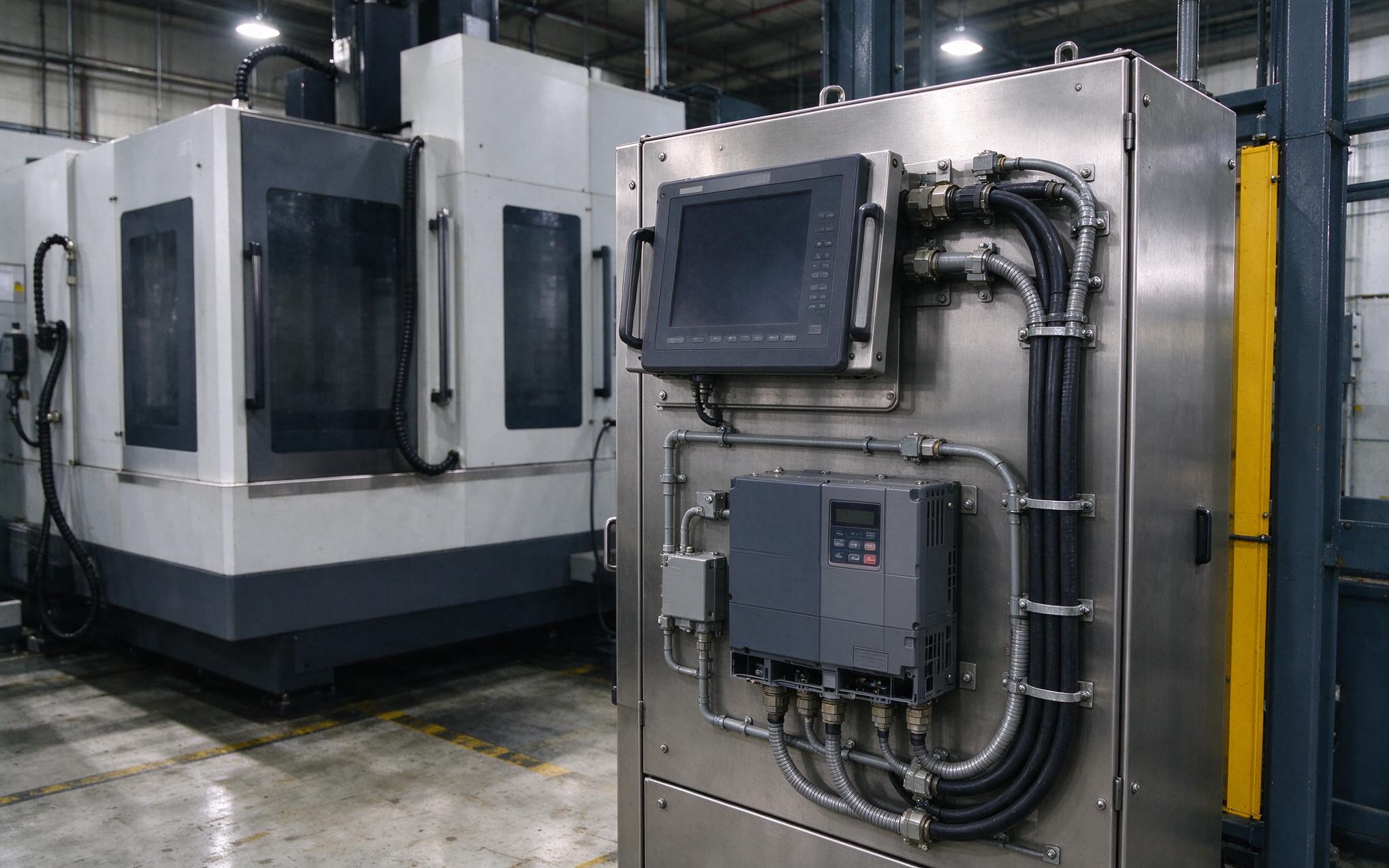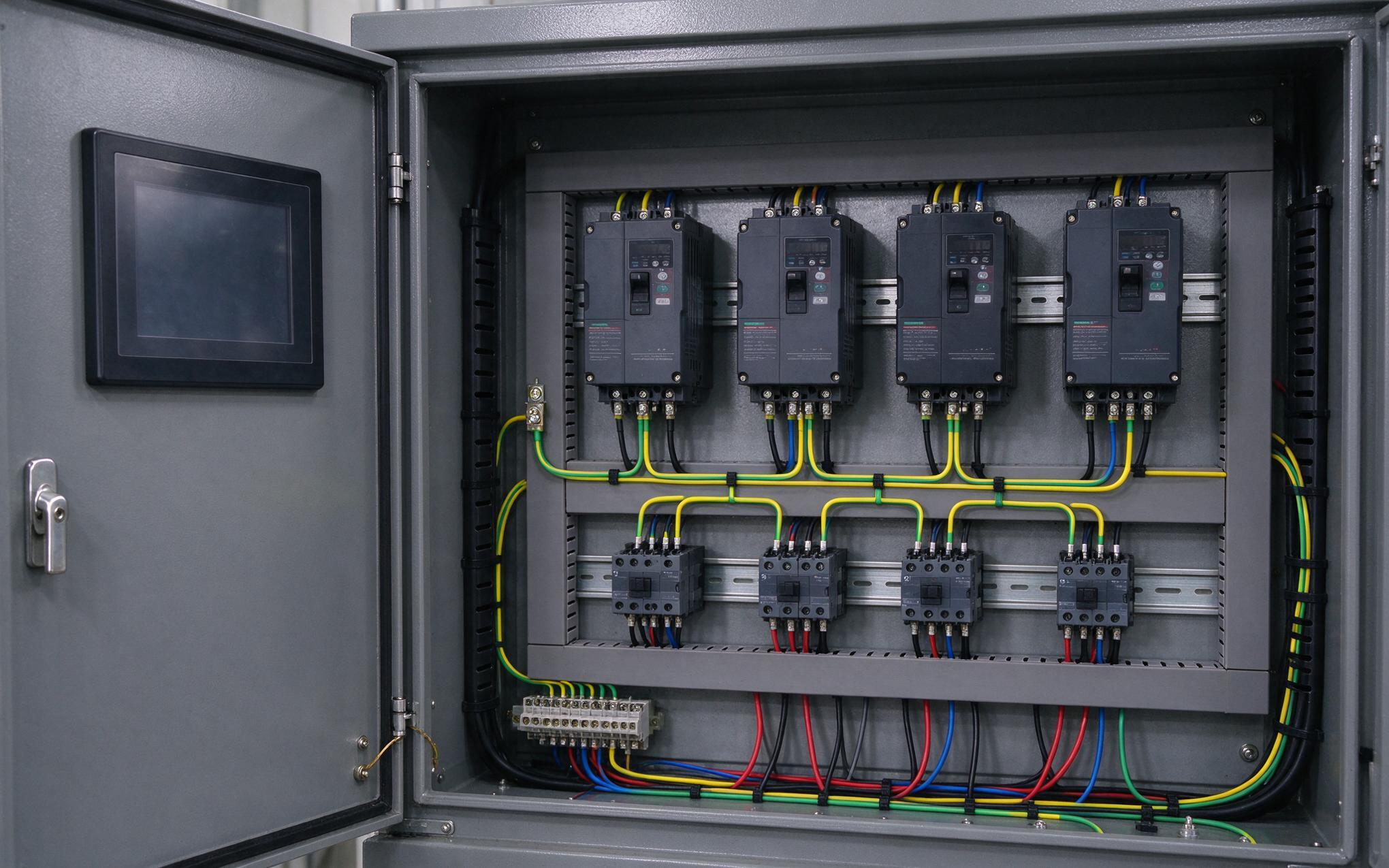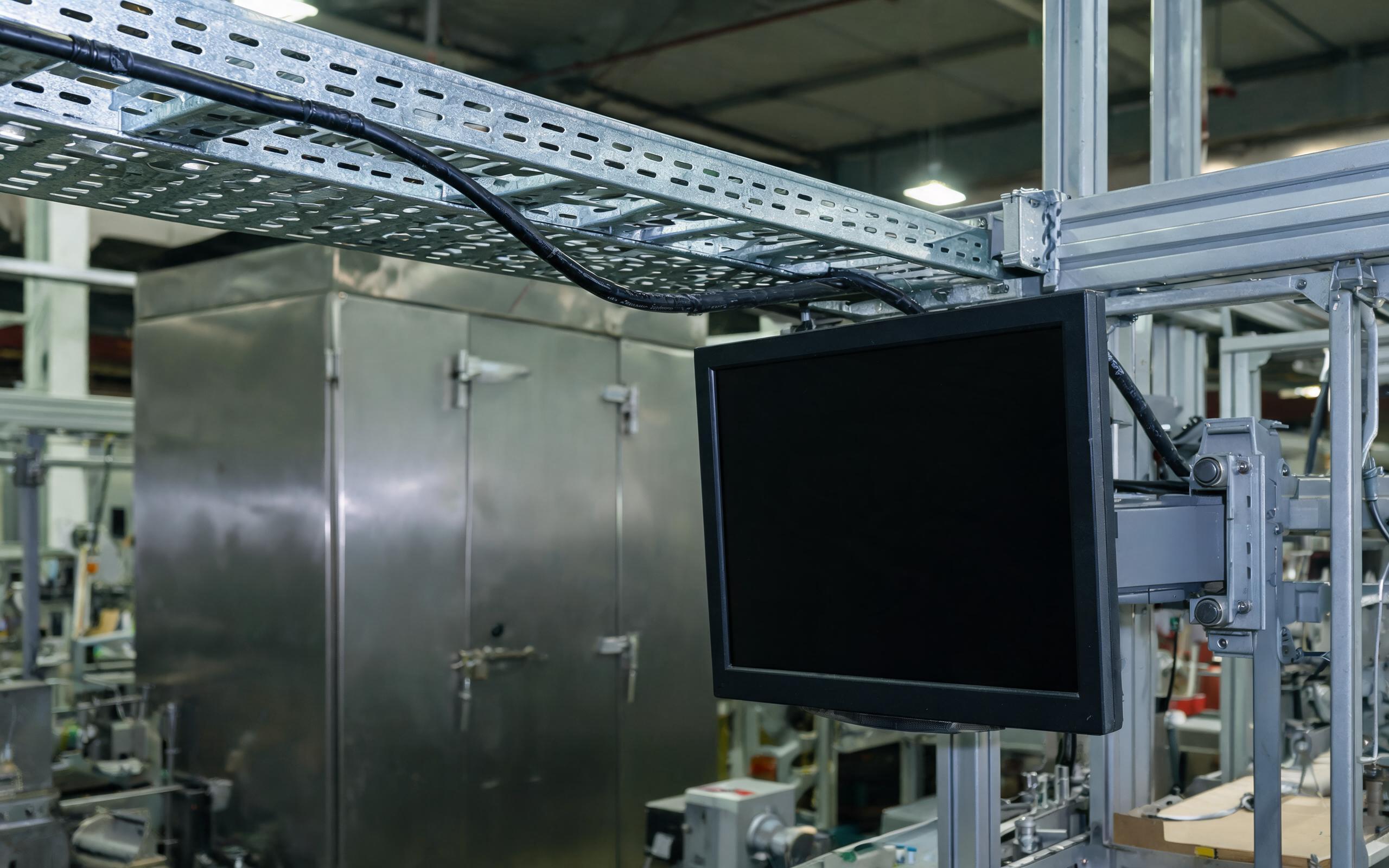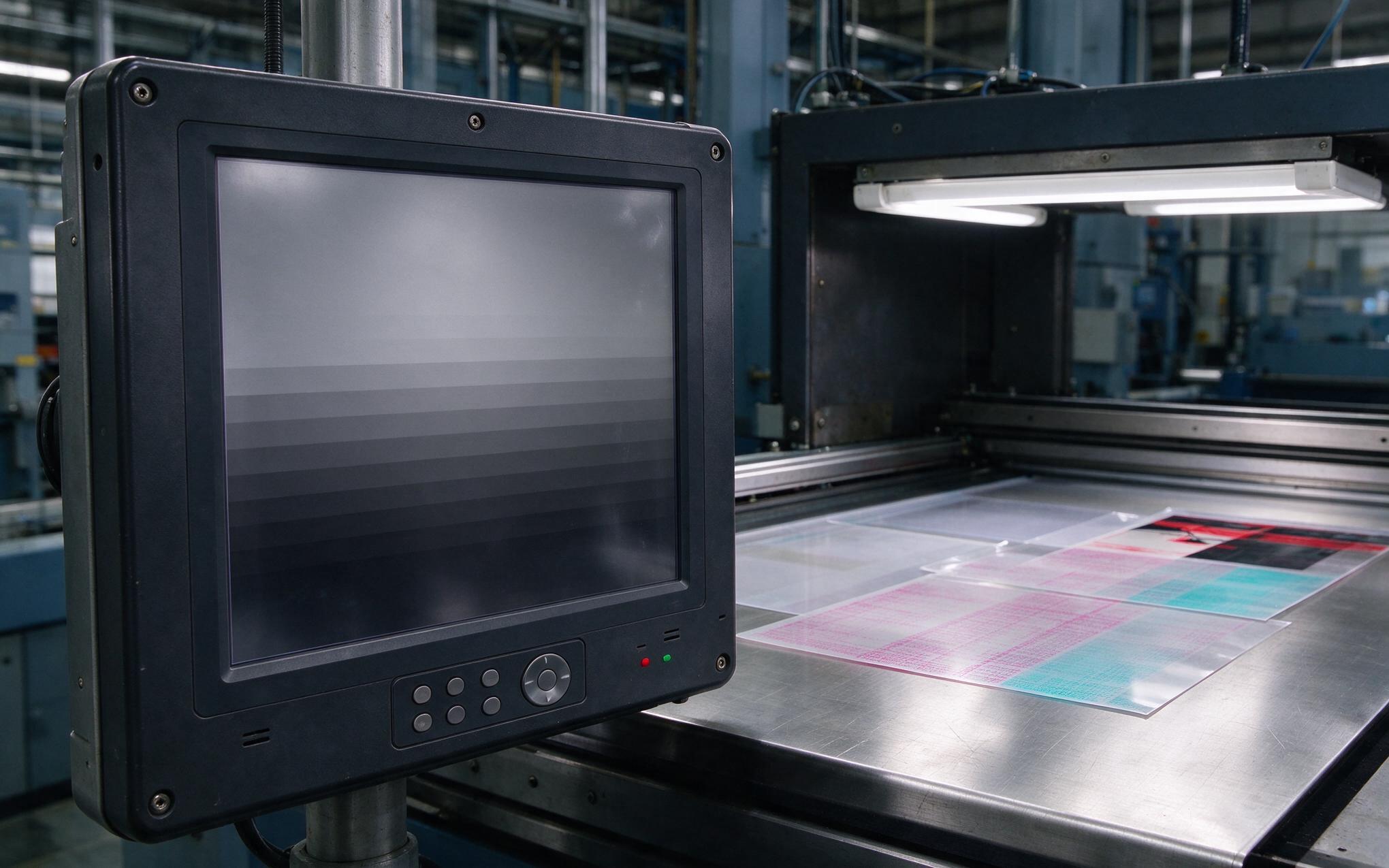
A shutdown on a poultry processing line was traced to a terminal that had passed every acceptance test six months earlier. Nothing had cracked and no gasket had torn. Water had entered as vapor, condensed on a cold internal board each time the freezer door cycled, and eventually bridged two traces. The unit was rated for washdown and it was genuinely sealed, but it had been specified against the wrong load. Moving an industrial touch pc between a hot wash bay and a subzero storage room crosses two environments whose demands overlap far less than a shared protection rating suggests.

Under Hose Pressure: Industrial Touch PC Sealing Duty in a Wash Bay
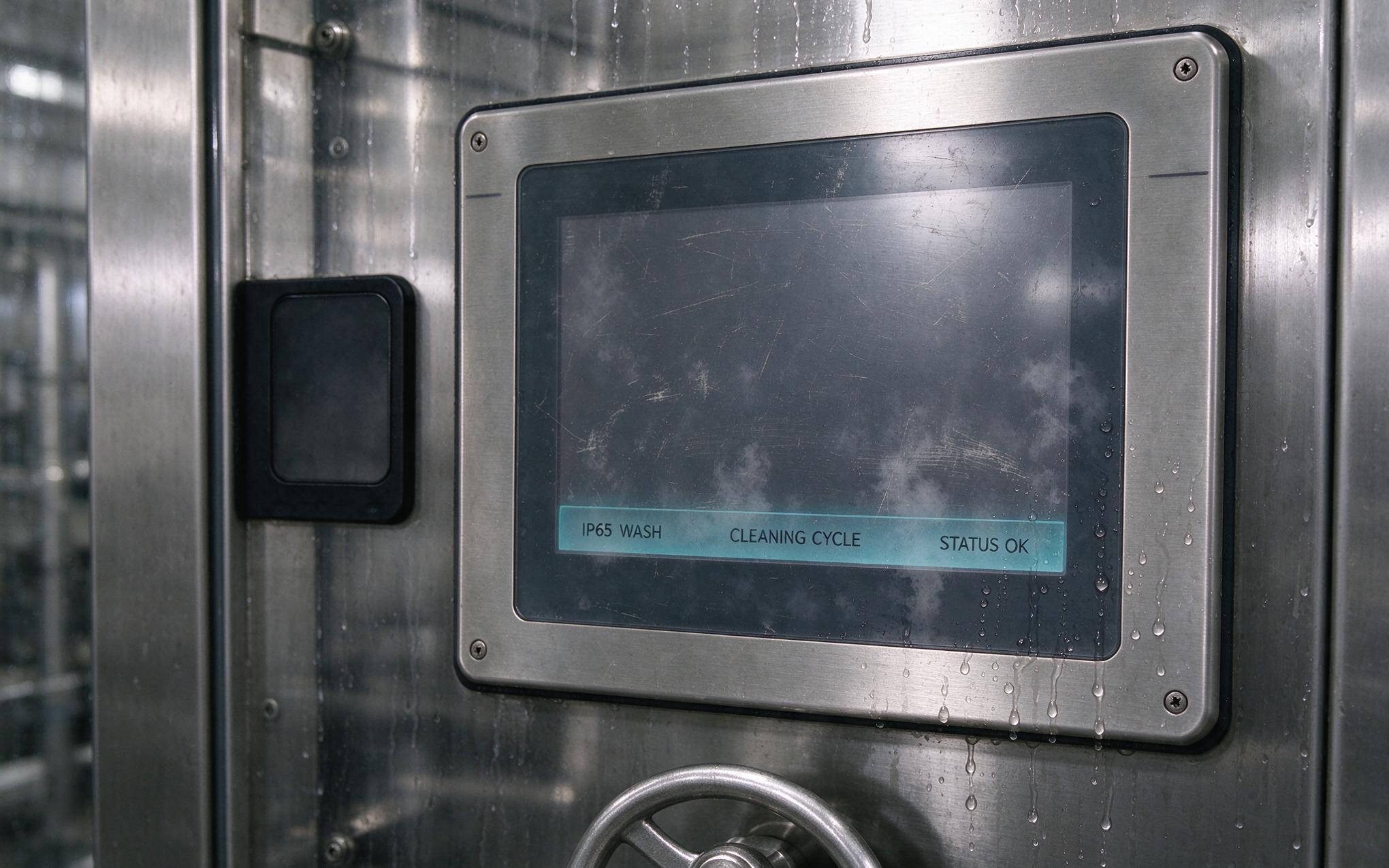
Wash bay duty is a mechanical problem before it is an electrical one. Sanitation crews work with heated detergent solution at meaningful pressure and hold the nozzle close to equipment, which loads the gasket line in a way static immersion testing never reproduces. Pressure concentrated on one section of a bezel can lift the seal locally, particularly where a flat gasket crosses a panel weld that is not truly planar. Caustic and chlorinated cleaners then work on the elastomer itself, hardening the surface until it cracks at the corners where compression is already lowest. Specifying an industrial touch pc for this duty means asking for the cleaning chemistry the gasket was qualified against, not only its protection rating, and confirming that the enclosure sheds water rather than holding it on a ledge above the display.

Across the Door Line: Condensation as the Real Freezer Load
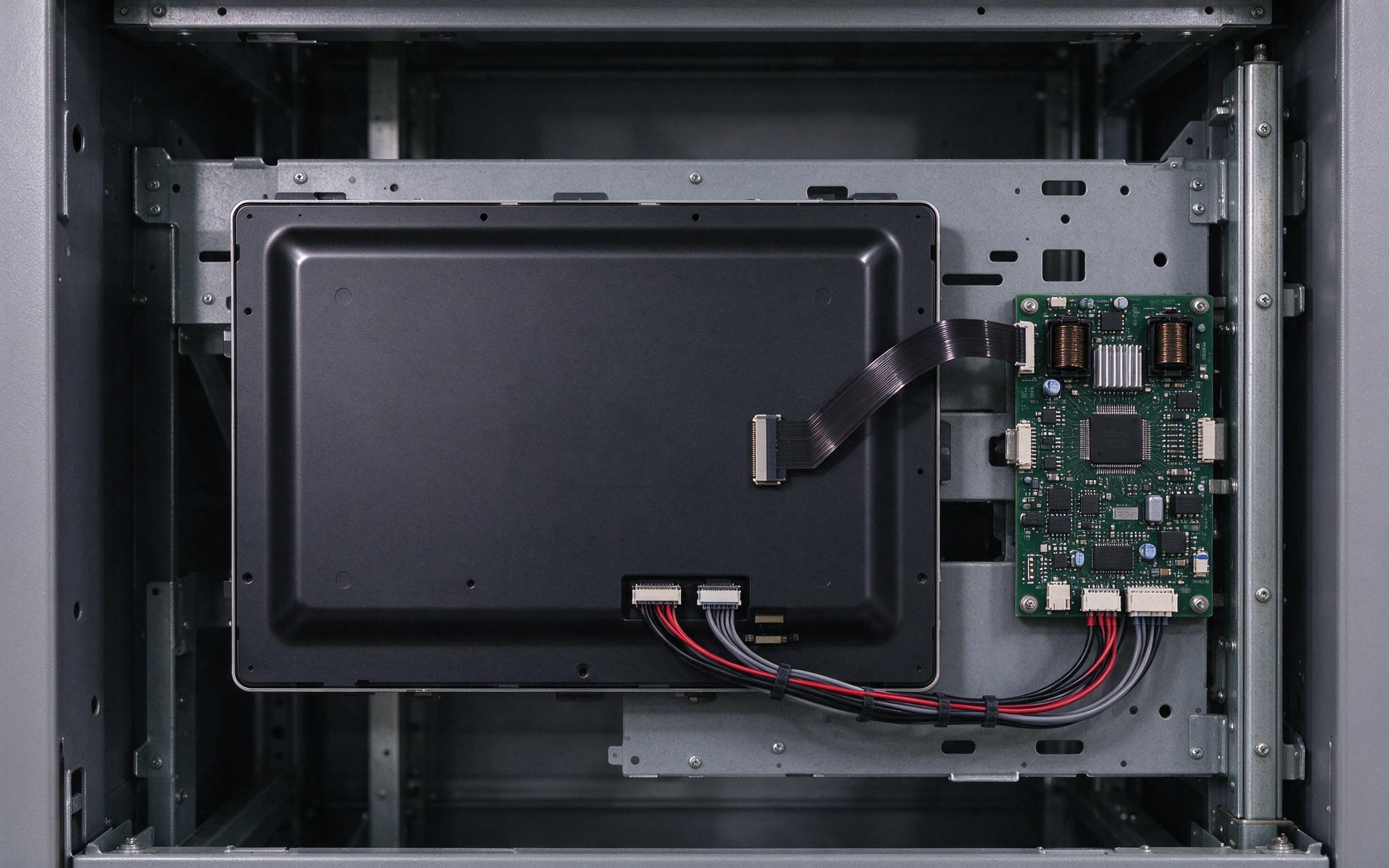
Freezer duty inverts the problem. Cold air is dry and carries little to attack, so the damage arrives during transitions. Every time a door opens, warm humid air reaches surfaces well below its dew point and deposits liquid water, sometimes inside the housing where a sealed enclosure has trapped humid air from assembly or the last service visit. Sealing an industrial touch pc does not solve this because the moisture is already present. Practical designs manage it instead, using conformal coating on boards, avoiding sharp thermal gradients across the display stack, and applying gentle continuous power dissipation so internal surfaces stay above the dew point. Hardware built for cold rooms, including configurations in the KOXIAN K2 series, favors this approach because internal heat that would be waste in a wash bay becomes the defense in a freezer.

Within the Panel Stack: Touch and Display Behavior in Cold
Two components lose performance well before electronics reach their limits. Liquid crystal viscosity rises as temperature falls, so refresh slows and motion smears until the panel warms, which is why cold-rated units place heater film behind the stack and delay video output until a threshold is reached. Capacitive sensing shifts too, because glass and adhesive dielectric properties change with temperature and gloved input already reduces margin. An industrial touch pc intended for a freezer therefore needs its warm-up sequence understood: how long before the display is usable, whether touch is calibrated at operating temperature or at ambient, and whether the heater draws enough current to matter for the supply. These figures are rarely on a datasheet and usually have to be requested.

Between Both Extremes: Building One Specification That Travels
Sites that run both environments seldom want two hardware variants, so the practical target is one build that tolerates both. That build seals against directed spray, coats internally against condensate, heats the display stack for cold starts, and sheds water by geometry. Industrial hardware manufacturers, including KOXIAN, treat these as separate line items rather than one rating because each addresses a different physical mechanism. The cost is modest compared with a single unplanned line stop, and standardizing on one industrial touch pc configuration simplifies spares, training, and calibration records. What should not be assumed for an industrial touch pc is that a washdown rating implies cold capability, or that a wide temperature range implies resistance to a pressure washer aimed at a bezel seam.
Protection ratings describe a static test, while plants deliver moving water, thermal cycling, and airborne moisture at the same time. A wash bay installation is governed by gasket chemistry, seal geometry, and drainage. A freezer installation is governed by dew point management, conformal coating, and display warm-up behavior. Reviewing quotations against whichever mechanism dominates the intended bay, and requesting the qualification detail behind each claim, prevents the six-month failures that acceptance testing consistently misses.