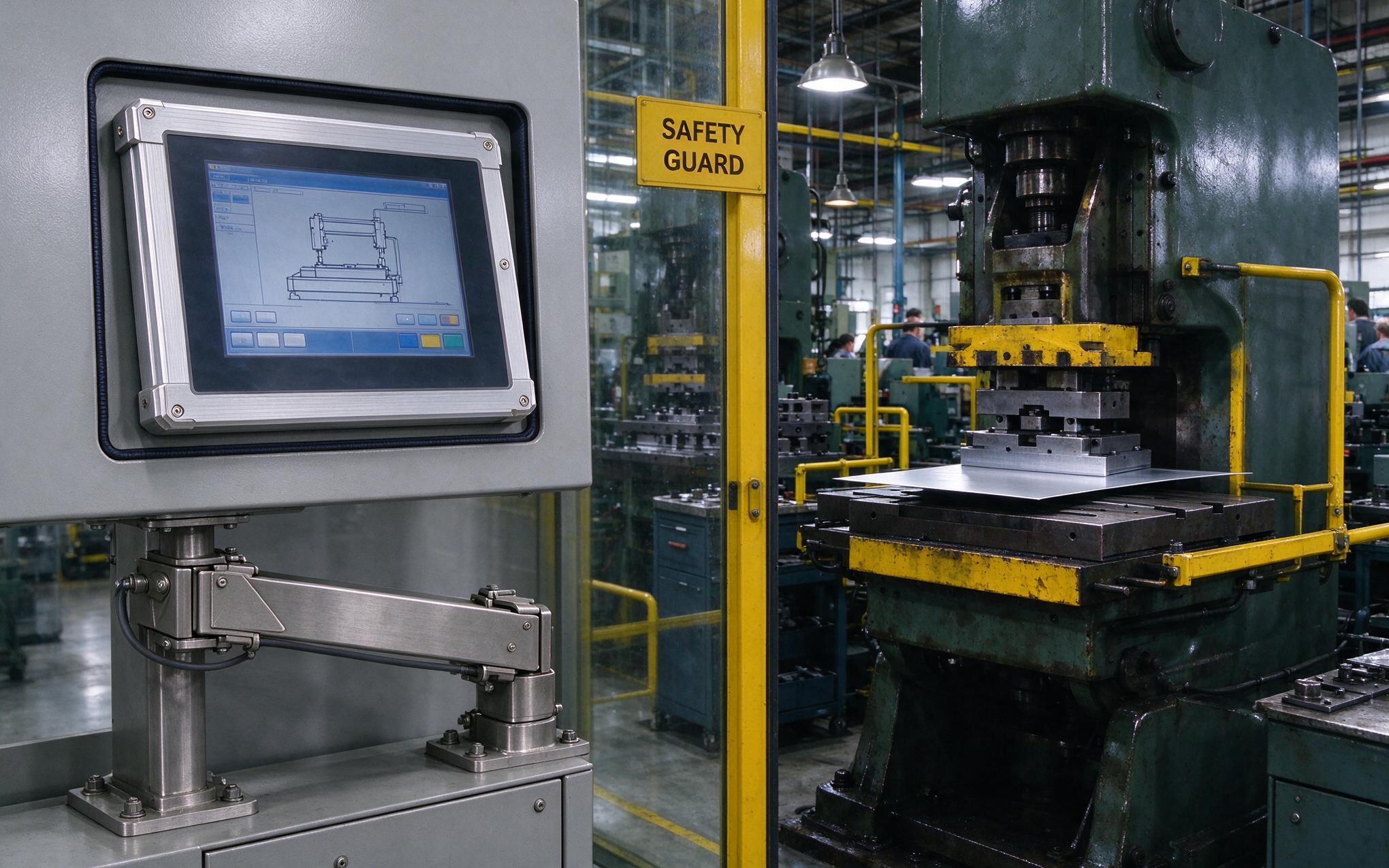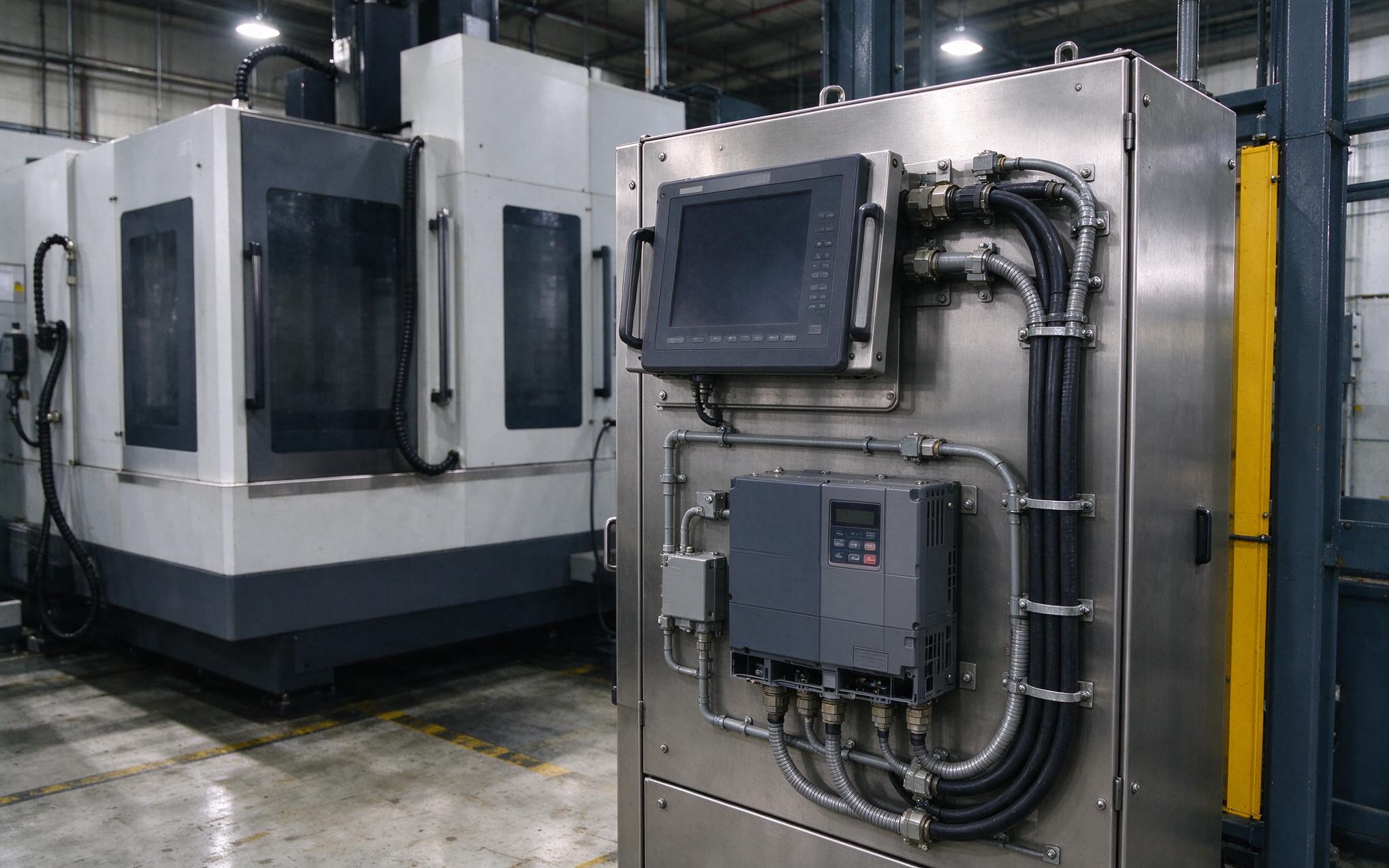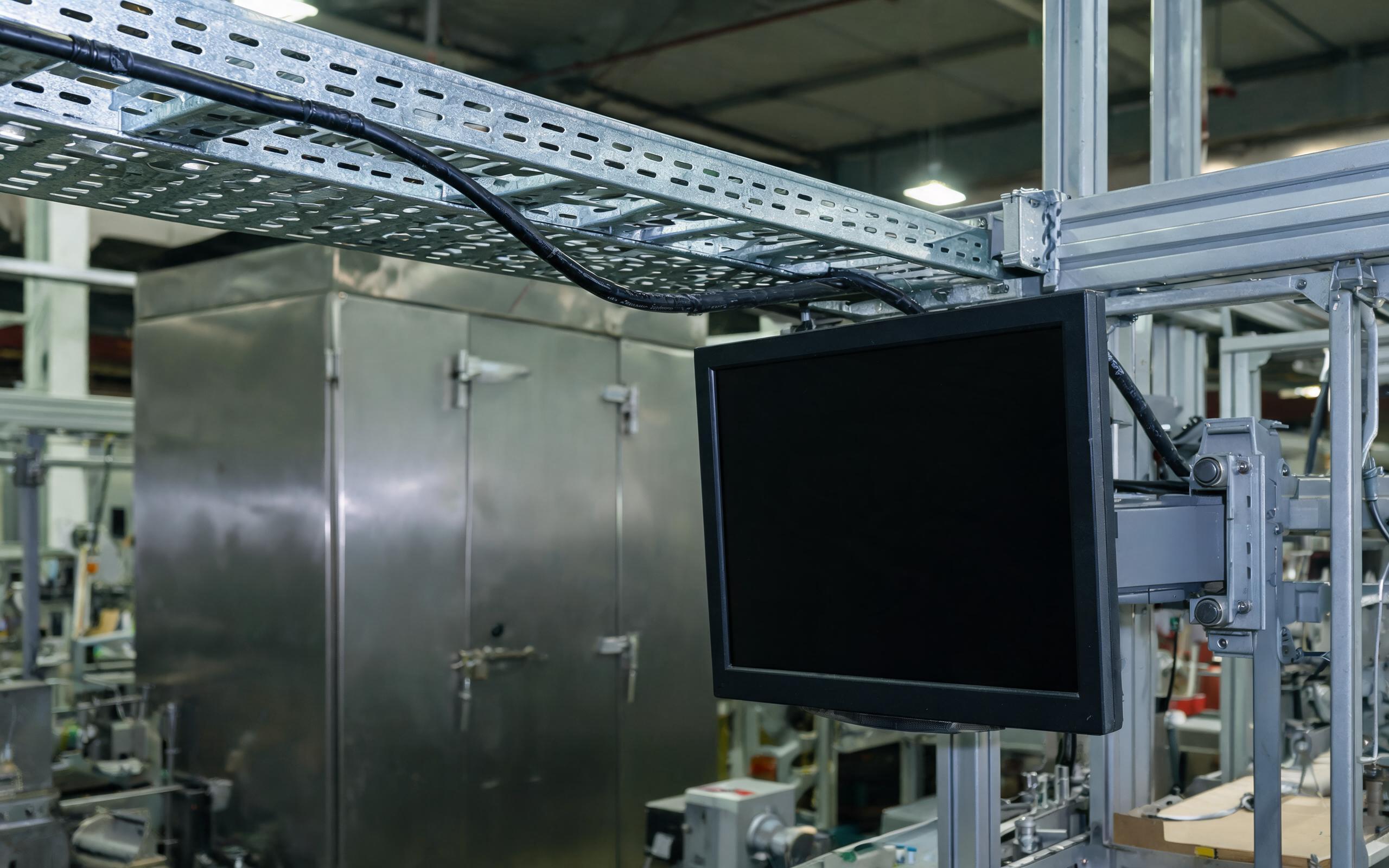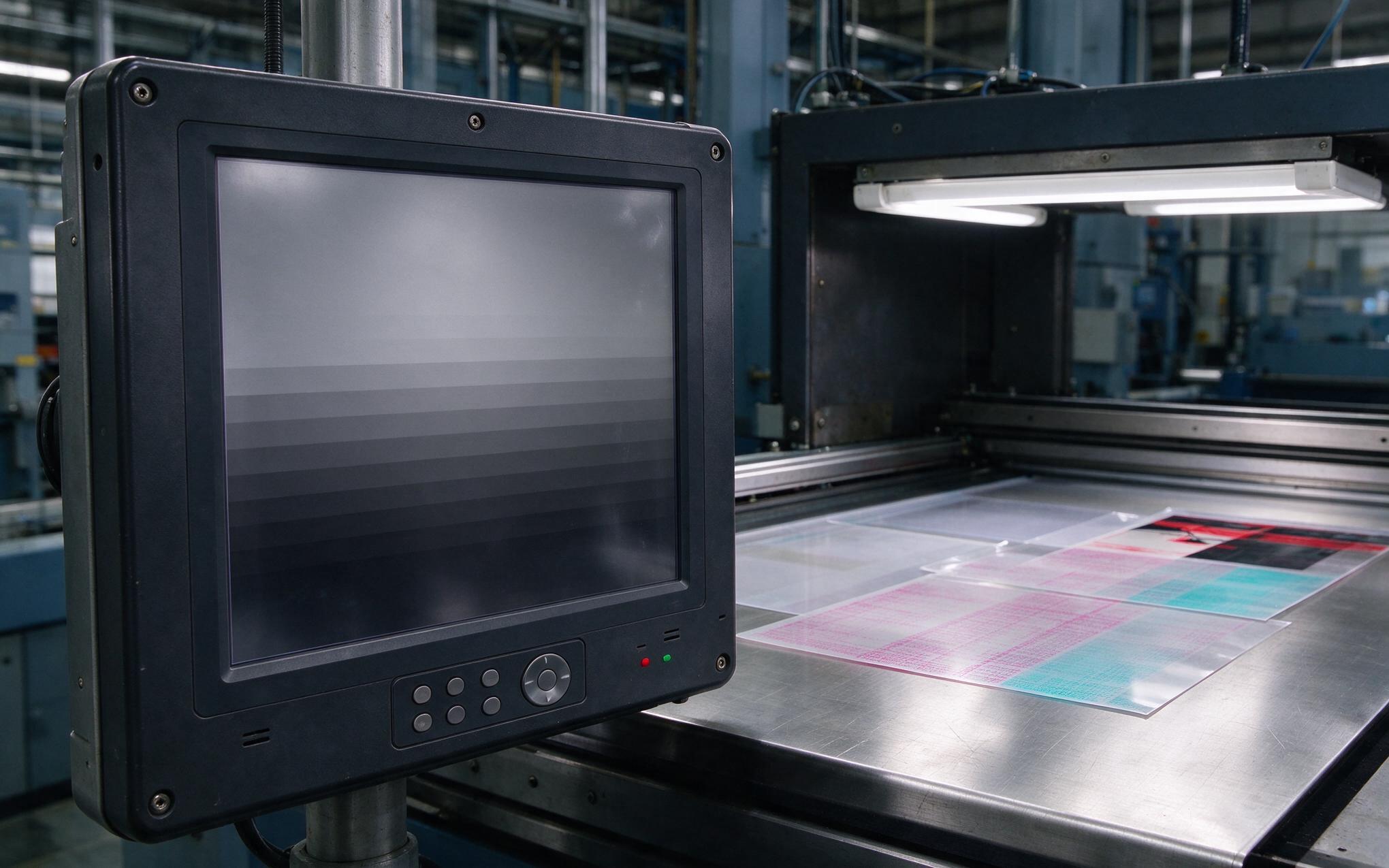
On a bright factory floor, a technician squints at an industrial monitor mounted above a CNC machining center. Overhead lighting and sunlight through clerestory windows create reflected light across the screen, obscuring status readouts. This scenario plays out daily in manufacturing plants, logistics hubs, and outdoor kiosks where industrial monitors must deliver legible information regardless of ambient lighting. Surface reflection is a safety and productivity concern that drives procurement teams to evaluate display solutions beyond basic brightness.

Understanding Surface Reflection Engineering in Industrial Displays
Every glass surface reflects a percentage of incident light. Standard untreated cover glass exhibits specular reflectance of 4 to 8 percent per surface, meaning industrial monitors with both an outer cover and an LCD polarizer can lose over 15 percent of transmitted light to reflection alone. In indoor environments, this loss may be tolerable. In outdoor or high-ambient settings — loading docks, open-air stations, or south-facing panels — reflected luminance can exceed the display output, rendering screens unreadable.
The physics involves Fresnel equations, describing light behavior at boundaries between media with different refractive indices. Air has a refractive index near 1.0, while glass sits around 1.52. The larger the mismatch, the greater the reflection. Without intervention, this optical mismatch creates ghost images, hotspot glare, and reduced contrast that degrade the usability of displays in factory settings.

How Anti-Reflective Coatings Reduce Glare on Industrial Monitors
Anti-reflective coatings address the Fresnel problem through thin-film interference. A precisely deposited layer of magnesium fluoride or similar dielectric — typically one-quarter the wavelength of visible light in thickness — causes reflected waves from the coating’s upper and lower boundaries to destructively interfere, canceling each other out. Multi-layer stacks extend this effect across the visible spectrum, reducing per-surface reflectance from roughly 4 percent to below 0.5 percent.
Manufacturers like KOXIAN apply anti-reflective coatings to industrial monitors via physical vapor deposition or sol-gel processes under cleanroom conditions. This treatment bonds coated glass directly to the LCD panel to eliminate the air gap that introduces additional reflective interfaces. The resulting film must withstand temperature cycling from minus 30 to 70 degrees Celsius, humidity, chemical splashes, and repeated cleaning with industrial solvents to maintain optical performance.

Selecting Anti-Reflective Coatings for Industrial Monitor Applications
Not all anti-reflective treatments deliver equivalent performance. Procurement teams evaluating display solutions should examine the residual reflectance curve across the visible spectrum rather than relying on a single peak specification. Broadband AR coatings maintaining low reflectance from 400 to 700 nanometers provide consistent color reproduction, while narrow-band treatments may introduce visible color shifts that confuse operators interpreting color-coded alarm indicators on factory displays.
Coating hardness determines long-term durability. Displays in mining or steel processing face airborne particulate that acts as a continuous abrasive. AR coatings above 4H pencil hardness, a specification adopted by industrial monitor manufacturers including KOXIAN, address durability requirements in demanding environments. Coatings below this threshold may degrade within months, restoring original reflectance and negating the investment. Systems integrators should request Taber abrasion cycle data rather than relying solely on initial optical specifications.

Maintaining Anti-Reflective Performance on Industrial Monitors Over Time
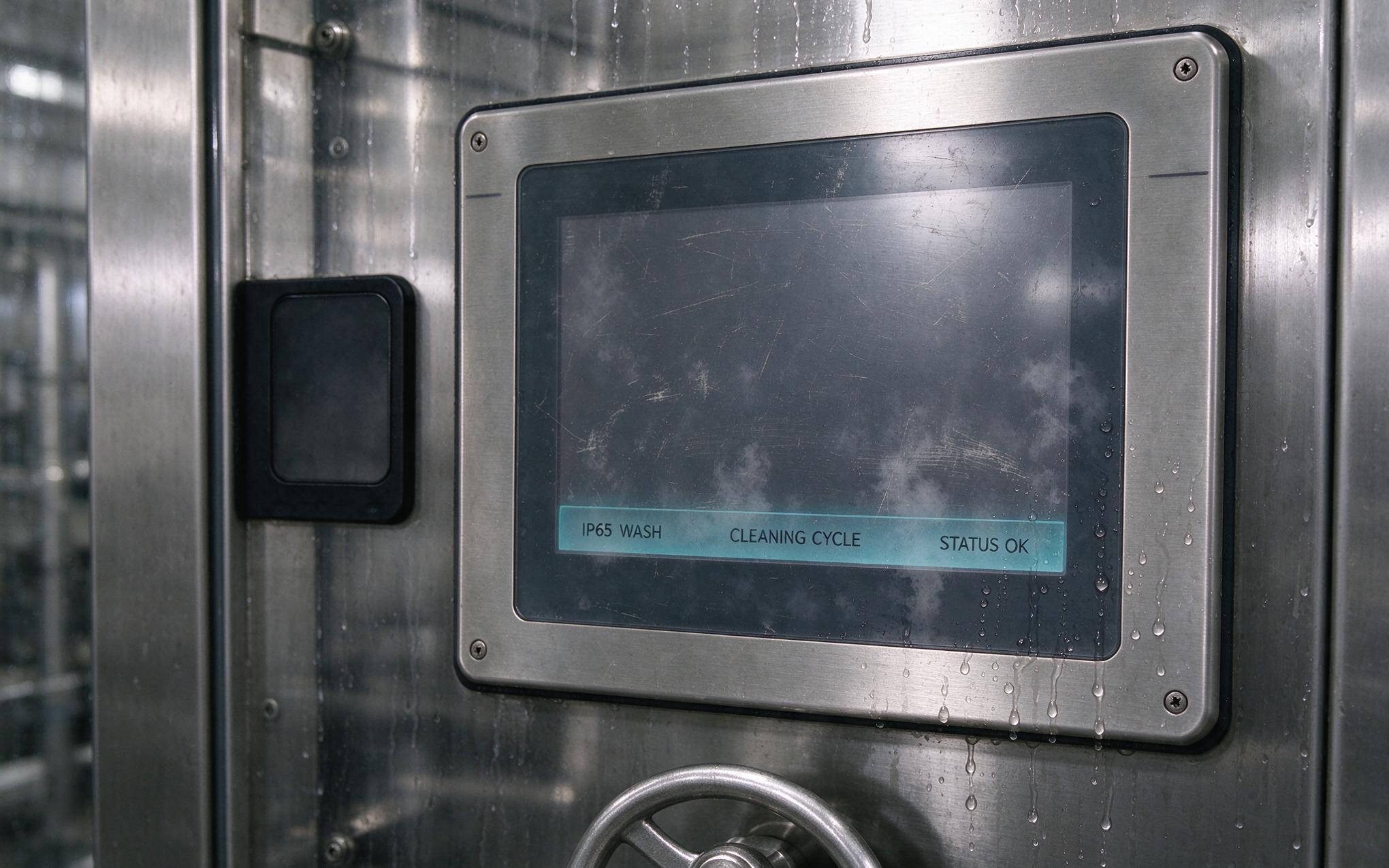
The interaction between anti-reflective coatings and touch screen overlays deserves attention. Capacitive touch panels add glass layers that compound reflection losses. Optical bonding — laminating the touch sensor, cover glass, and LCD into a single optically unified stack — eliminates internal air-gap reflections and is frequently paired with surface AR treatment to achieve the lowest possible total reflectance. For industrial monitors in food processing washdown zones or pharmaceutical cleanrooms, bonded construction also improves ingress protection by removing moisture pathways.
The selection process balances optical performance against environmental durability. A coating that reduces reflectance to 0.3 percent but fails after six months of abrasive exposure represents a poor investment compared to a 0.5 percent solution lasting years. Industrial monitors with properly specified anti-reflective coatings deliver measurable improvements in operator accuracy and reduce eye strain during extended shifts. Field assessments indicate AR-treated cover glass consistently outperforms untreated counterparts in readability tests under 500-lux ambient conditions.
As industrial facilities continue deploying digital visualization across the production chain, the demand for readable displays in challenging lighting will only grow. Anti-reflective coatings represent a proven, physics-based solution to one of the most persistent usability problems in industrial computing — surface glare. For engineers and procurement teams evaluating industrial monitors for harsh environments, specifying the right AR treatment is a fundamental requirement for any installation where ambient light competes with the display for the operator’s attention.