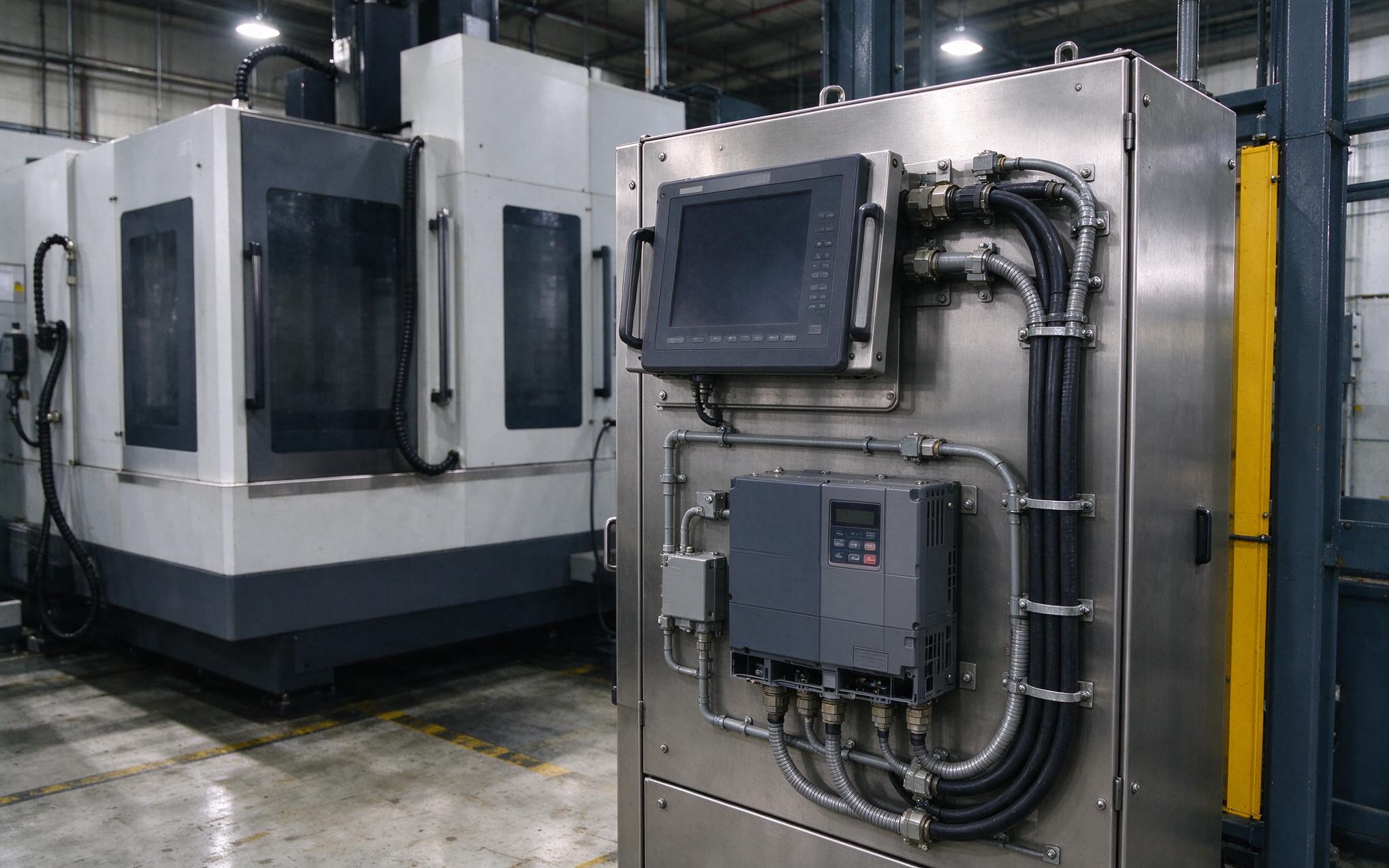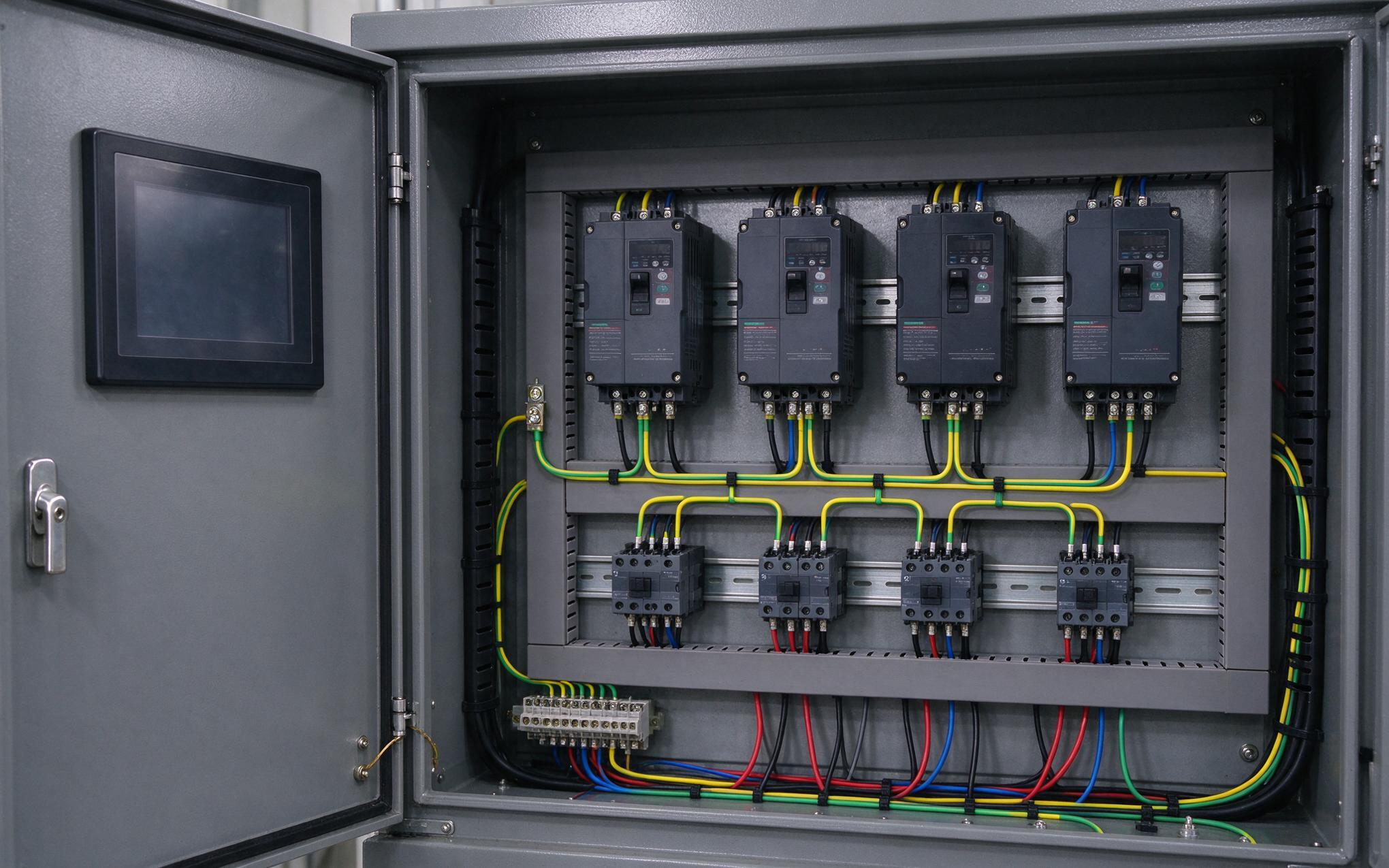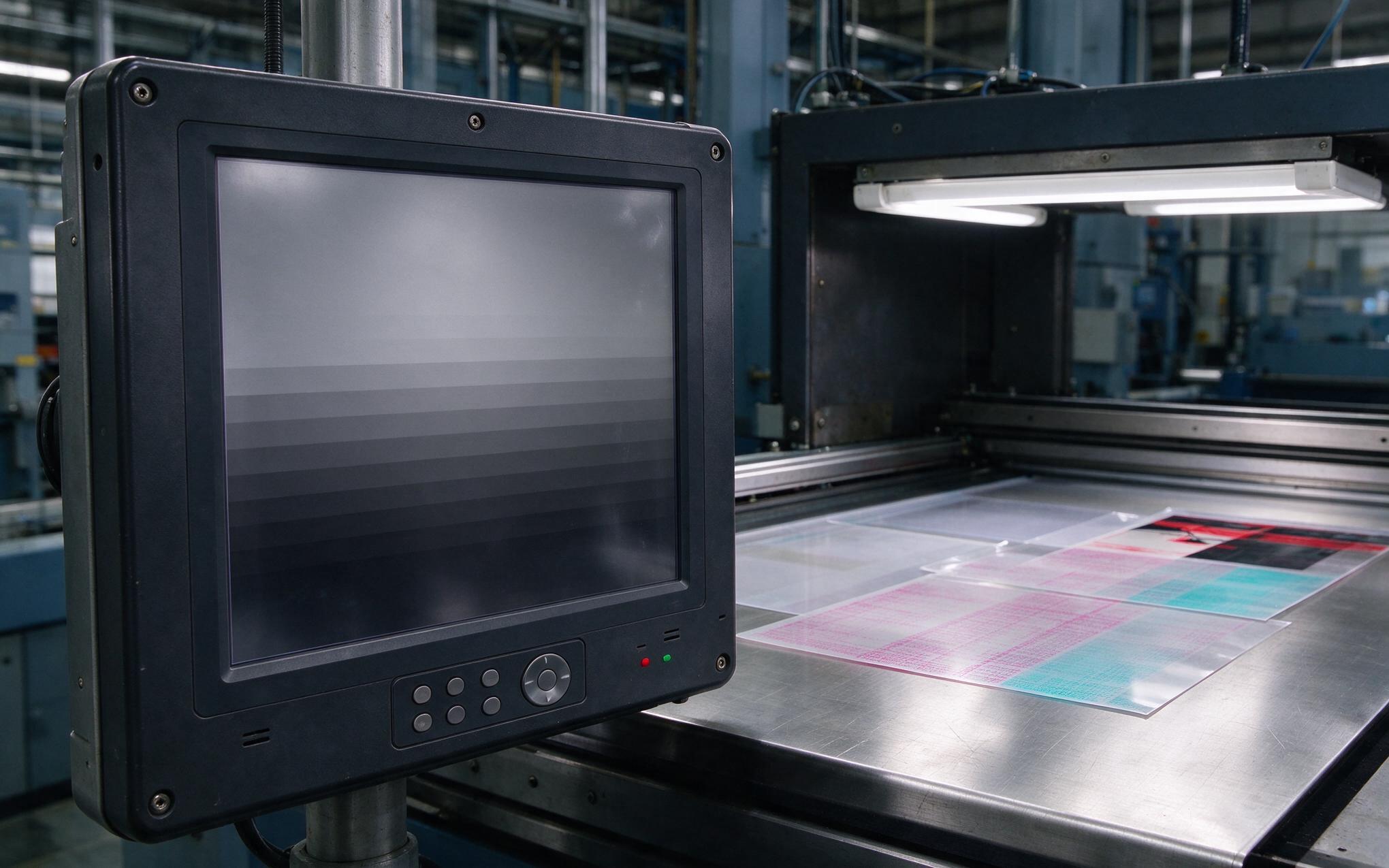
On a pharmaceutical packaging floor in central Germany, a line operator noticed the operator interface on his embedded touch panel pc flickering before displaying an unfamiliar configuration screen. The device had been silently compromised through an unpatched network port, and the operator’s observation was the only warning before a full line shutdown. Industrial cybersecurity incidents like this have driven the adoption of IEC 62443, the international standard that now defines security requirements for industrial automation equipment.

Security Requirements Defined by IEC 62443-4-2 for Panel PCs
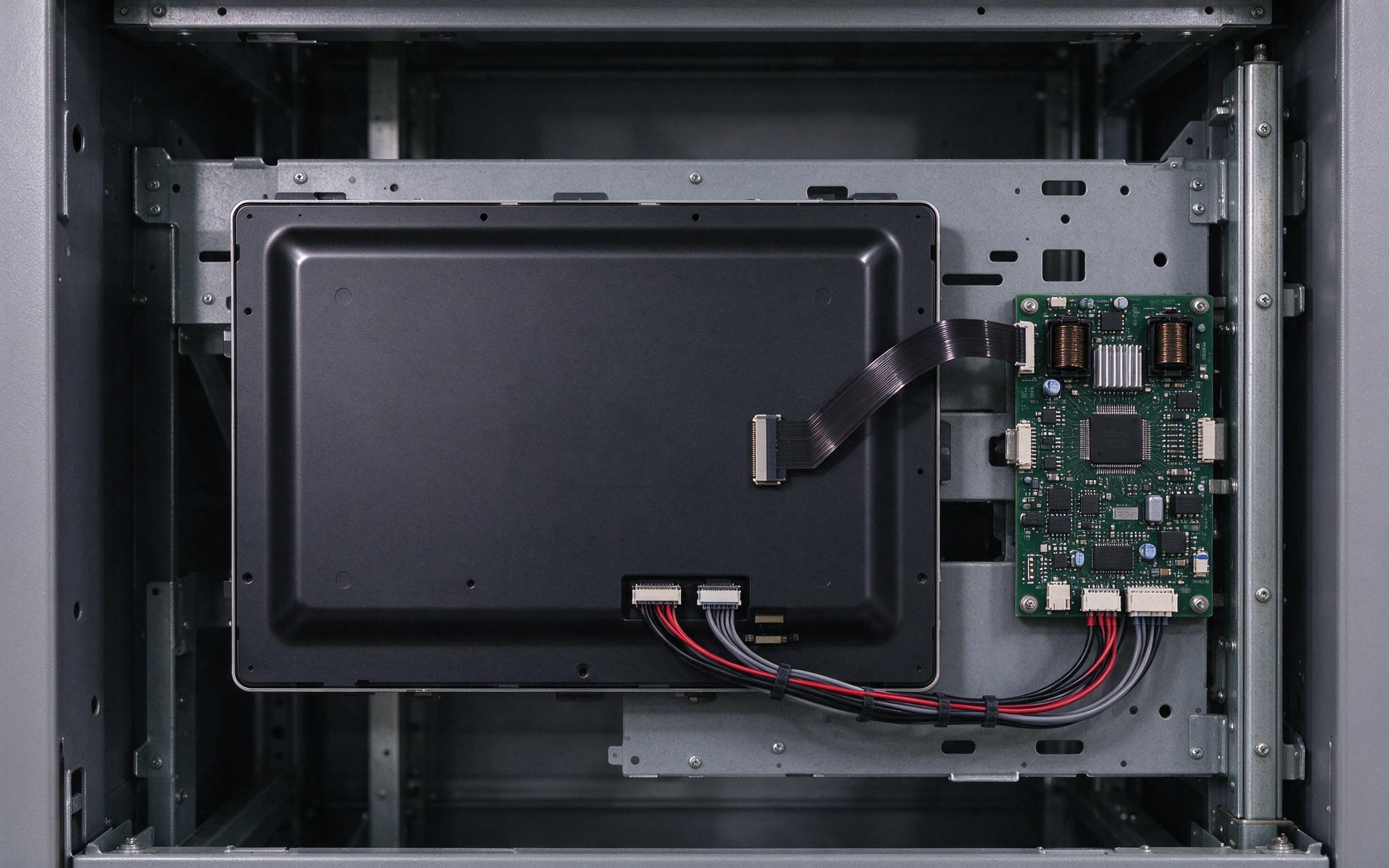
IEC 62443-4-2 specifies the technical security requirements for components in Industrial Automation and Control Systems. For embedded touch panel PCs, this means the device must implement secure boot with cryptographic firmware verification, encrypted storage for configuration data, and hardware-based key management through modules such as Trusted Platform Modules. The standard also mandates that the touchscreen digitizer operate within an isolated processing environment, preventing touch injection attacks from reaching the host operating system.
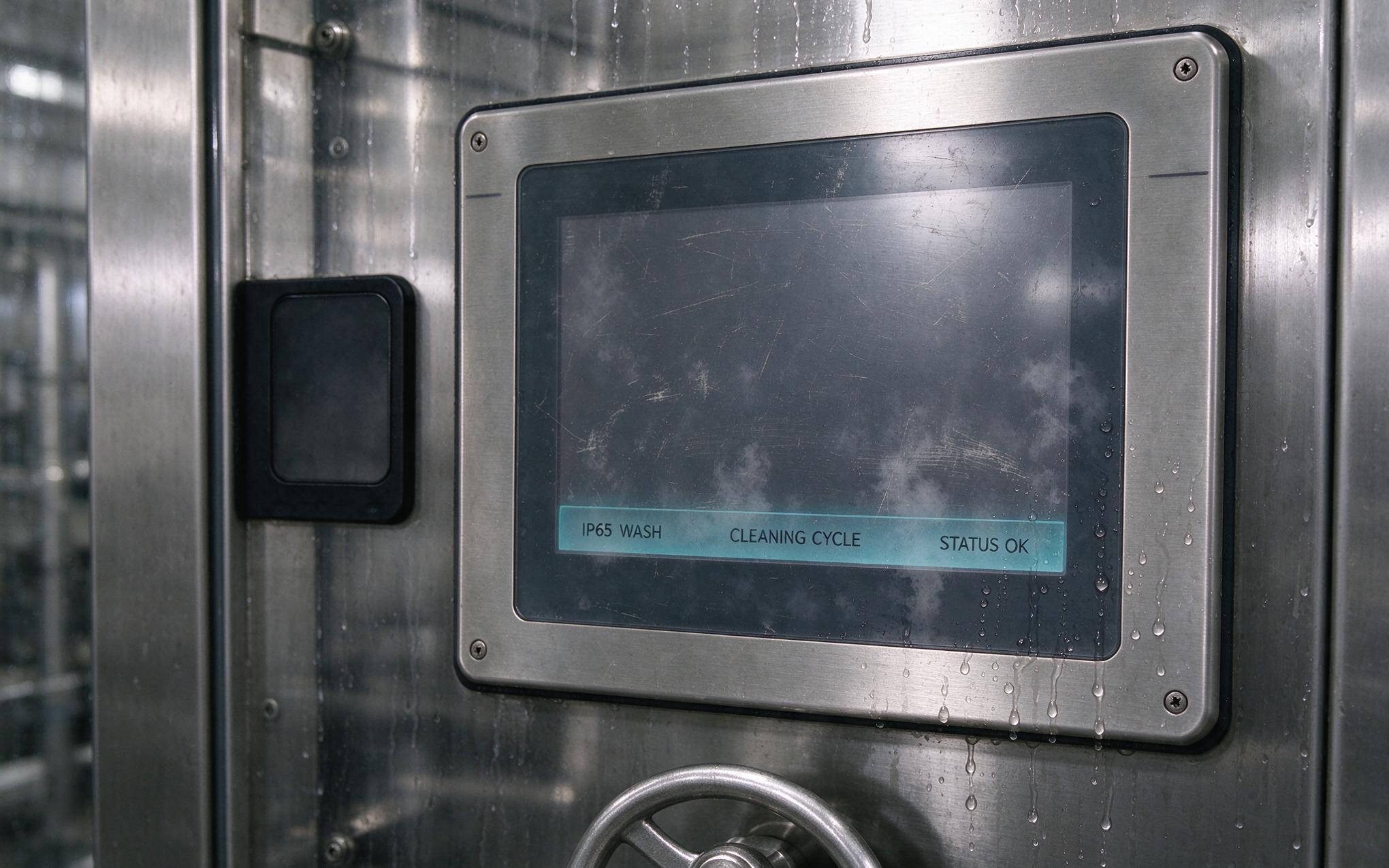
These requirements extend beyond software patches. Panel PC manufacturers must integrate tamper-detection circuits that trigger automatic data erasure if the enclosure is breached, and they must document a vulnerability disclosure process that covers the device’s full operational lifespan. For touch panel PCs deployed in food processing or pharmaceutical environments, the sealed IP65 enclosure must maintain both environmental protection and tamper-evident integrity simultaneously—a design constraint that demands careful mechanical engineering.

The Business Case for IEC 62443 Certification in Deployed Panel PCs
When an embedded touch panel pc sits on a production line, it becomes a network endpoint with direct access to process controllers. A compromised panel PC can serve as a lateral movement point for attackers targeting programmable controllers, SCADA servers, or historians. IEC 62443-4-2 certification validates that the device resists common exploitation techniques including buffer overflows in touch driver stacks, unauthorized privilege escalation, and credential extraction from volatile memory.
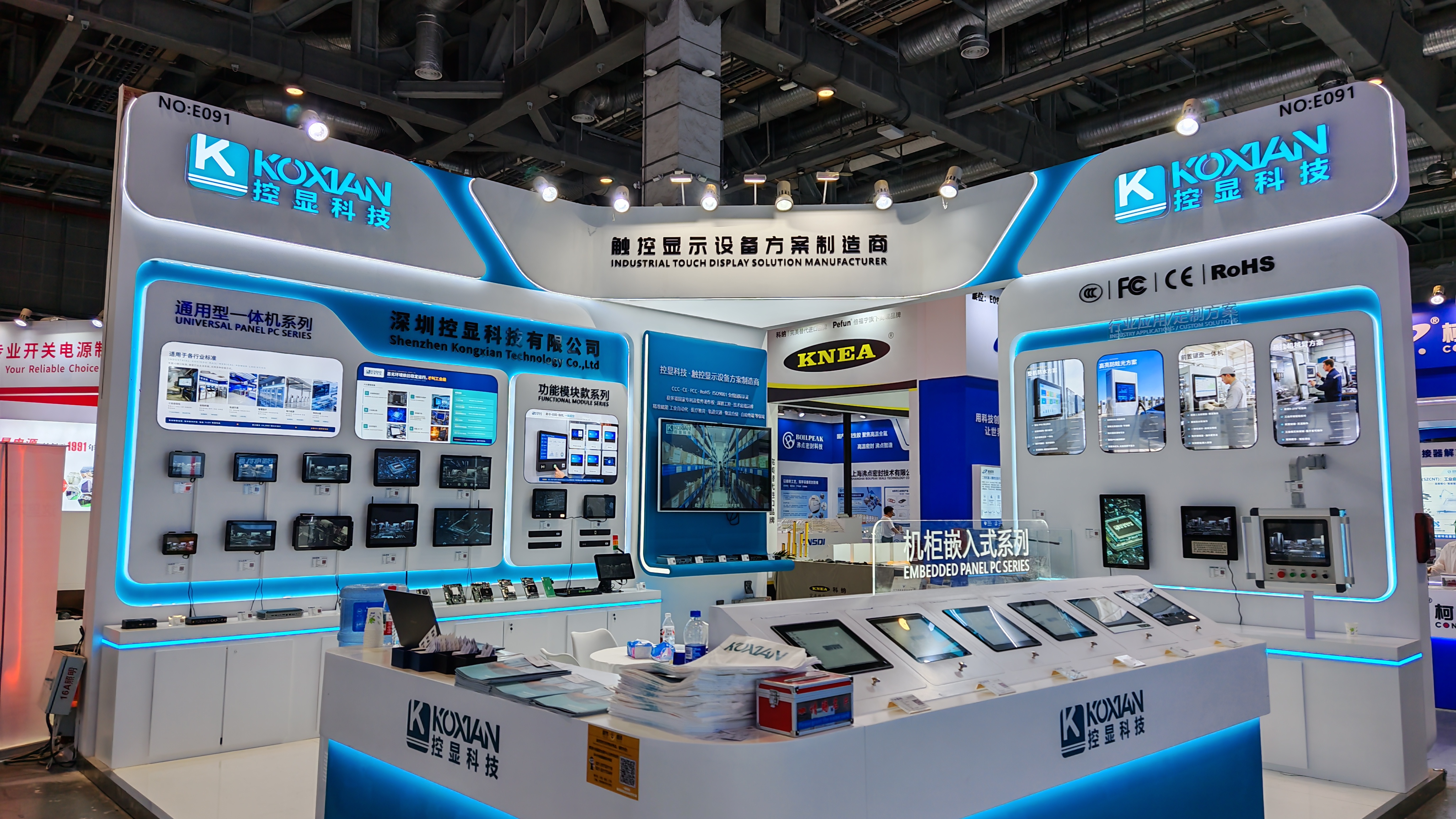
For system integrators, certification simplifies vendor qualification. Rather than conducting ad hoc security audits on each touch panel PC, integrators can reference the IEC 62443 Verification of Compliance document as a baseline. Manufacturers like KOXIAN have responded by embedding secure elements and Trusted Platform Modules directly into their panel PC architectures, ensuring that cryptographic operations occur in hardware rather than in potentially vulnerable software layers. This hardware-rooted approach reduces the attack surface without adding computational overhead to the panel PC’s primary control functions.

Balancing Cybersecurity Overhead with Industrial Performance
The tension between cybersecurity overhead and industrial performance requirements is real. Panel PCs must maintain touch responsiveness under 20 milliseconds, sustain brightness levels above 500 nits for sunlight-readable installations, and operate across temperature ranges from minus 20 to 60 degrees Celsius—all while running cryptographic verification routines that consume processor cycles. Addressing this constraint requires firmware-level optimization where security operations are delegated to dedicated hardware accelerators rather than sharing the main application processor.
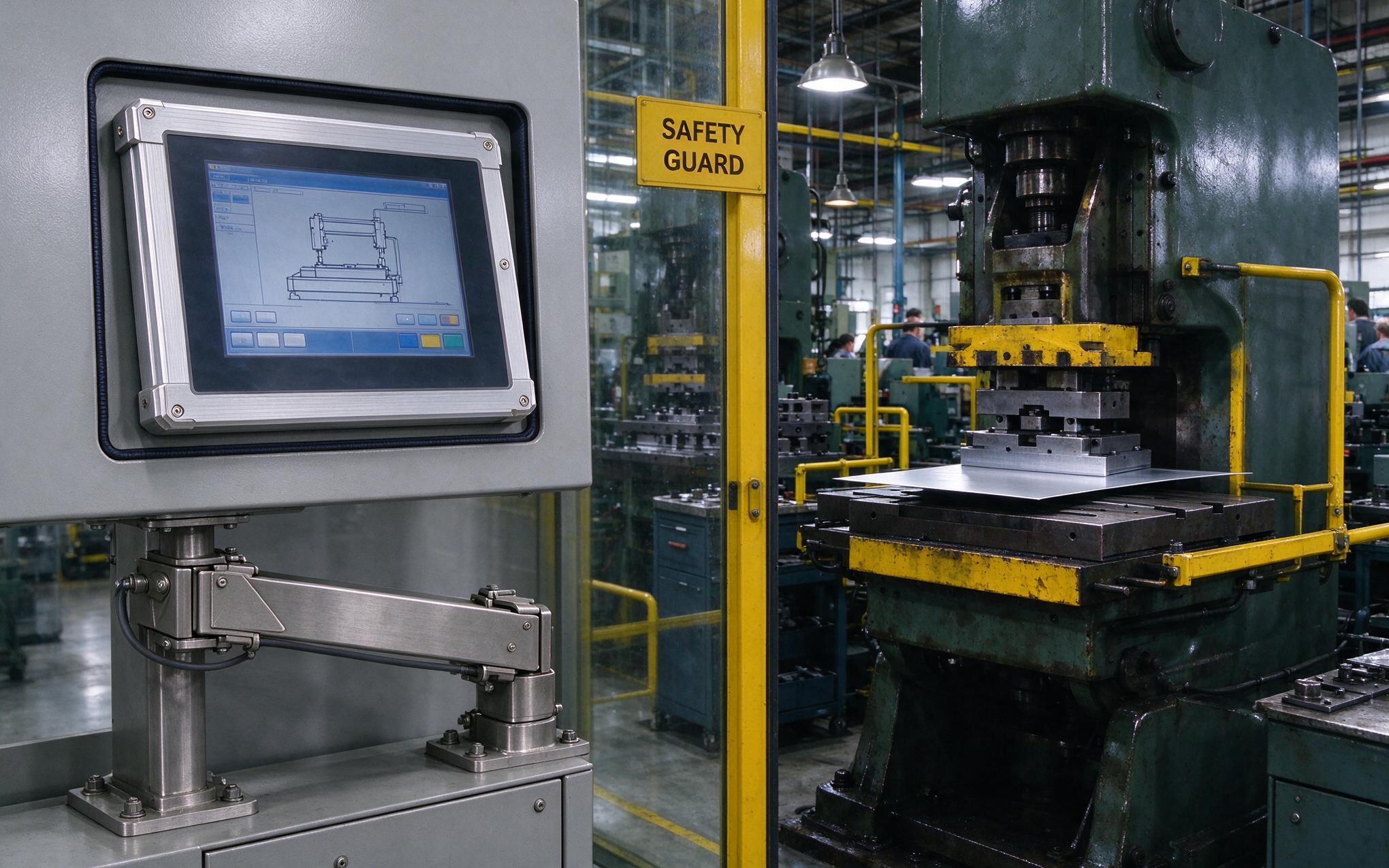
Manufacturers achieve this separation through system-on-chip architectures that include isolated security cores. The touch controller, display processor, and security module each operate in dedicated silicon domains, preventing resource contention. For factory environments where panel PCs control CNC machinery or robotic arms, this architecture ensures that security verification does not introduce latency into time-critical control loops. The embedded touch panel pc thus maintains its real-time performance characteristics while meeting the stringent requirements of IEC 62443 cybersecurity certification.

Lifecycle Security and Long-Term Compliance Maintenance
IEC 62443 compliance is not a one-time achievement. Certified embedded touch panel PCs must maintain a documented vulnerability disclosure process and provide firmware update mechanisms that verify update integrity. This means the panel PC is not just secure at the point of deployment but continues to receive validated security patches throughout its operational life—a critical requirement for factories running equipment for 10 to 15 years. KOXIAN’s approach to lifecycle security includes signed firmware images with rollback protection, ensuring that each update is cryptographically verified before installation and that the device cannot be downgraded to a vulnerable firmware version.
As regulatory frameworks converge across the EU, US, and APAC regions, uncertified touch panel PCs will face increasing difficulty competing in regulated sectors including pharmaceuticals, energy, and automotive manufacturing. Early adoption of cybersecurity-certified panel PC hardware positions factories to meet evolving compliance deadlines while reducing the long-term cost of securing operational technology infrastructure.