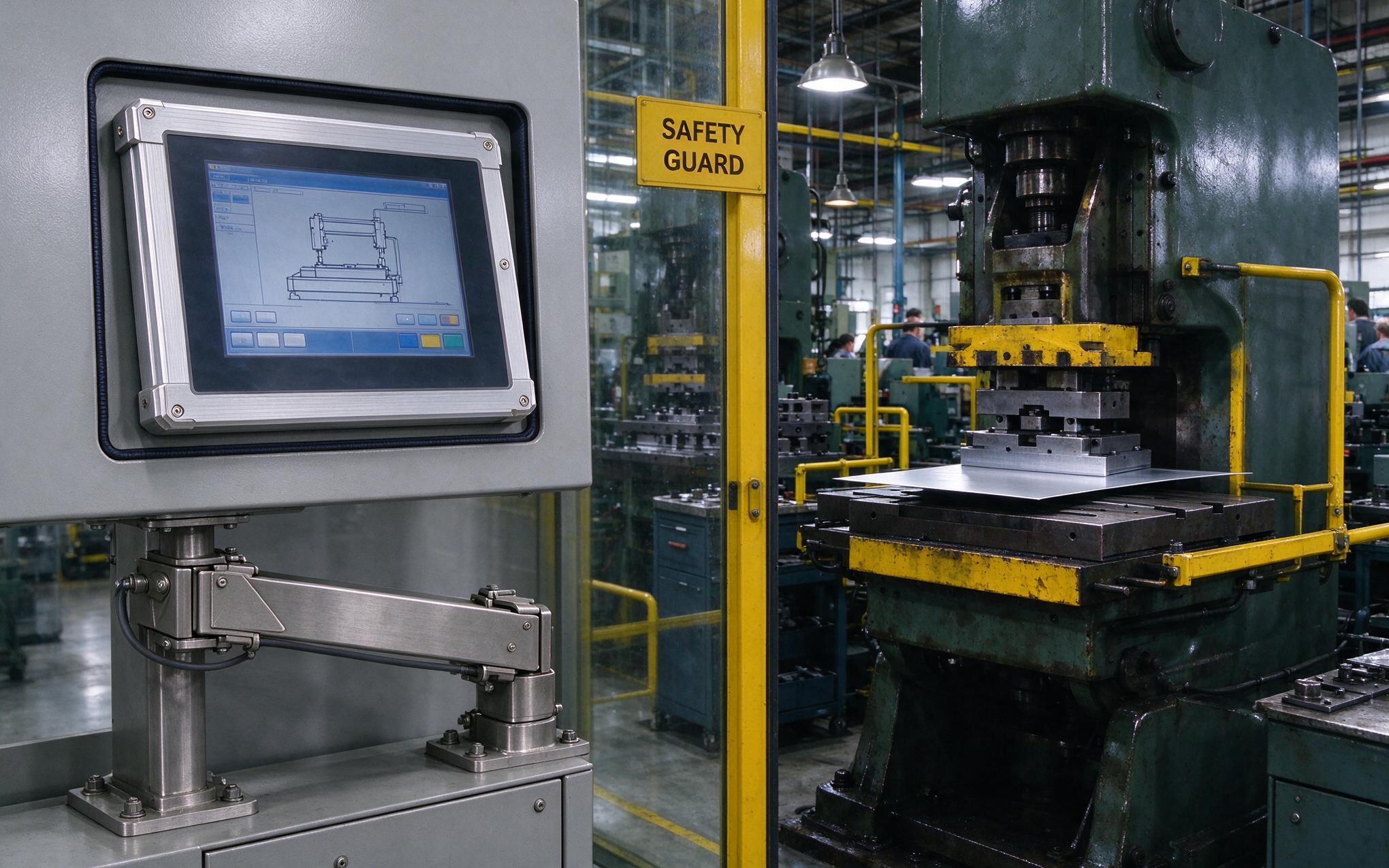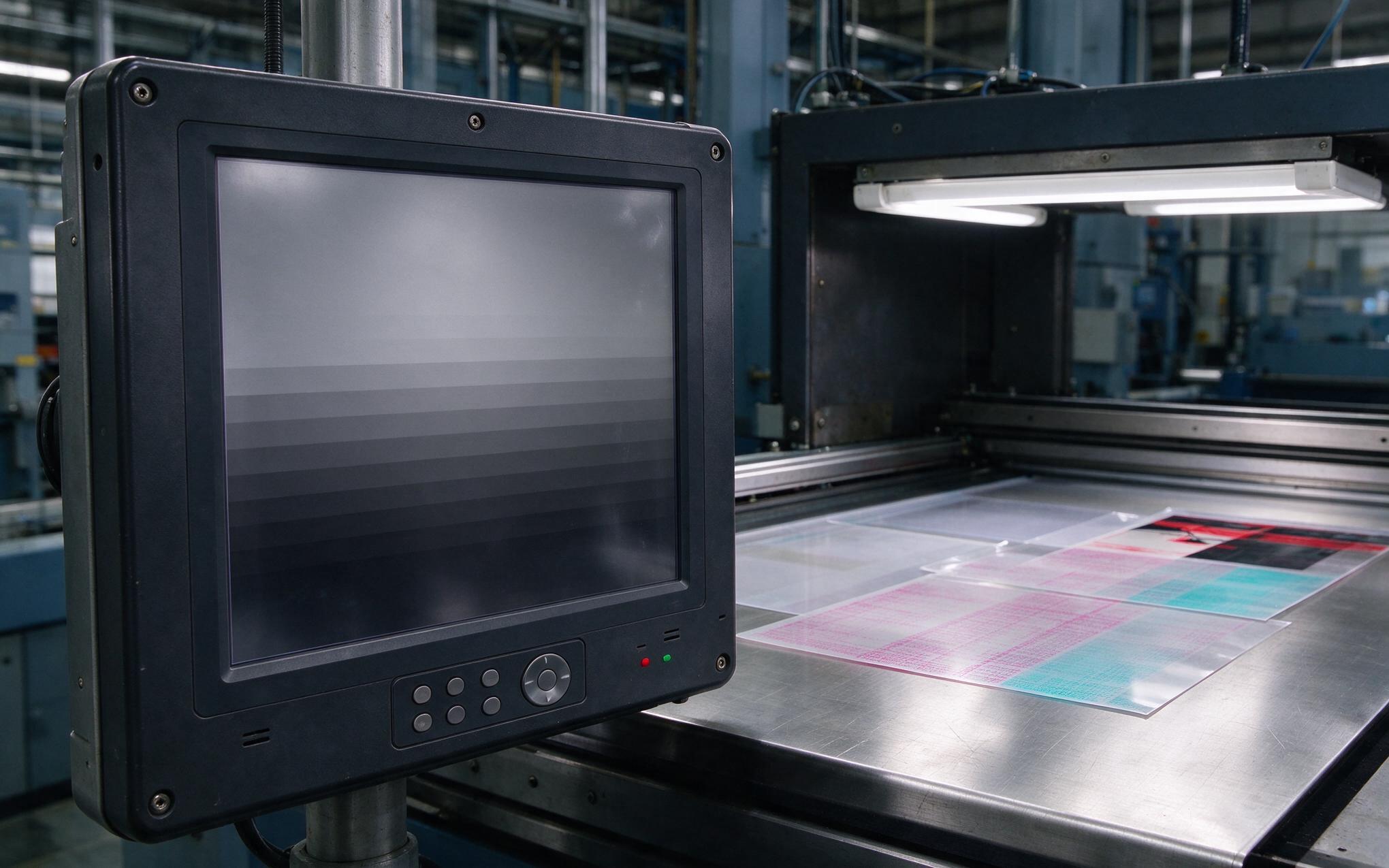
A line operator in a pharmaceutical packaging facility reaches for a touchscreen panel to confirm a batch transfer, only to discover the interface registers no input through their cut-resistant gloves. The line halts. In factories where protective handwear is mandatory, the mismatch between capacitive touch sensitivity and glove thickness creates an operational friction point that directly impacts throughput. Solving this problem requires more than just cranking up sensitivity — it demands a layered engineering approach to how the industrial capacitive touch screen detects, filters, and responds to gloved input.

Signal Sensitivity Tuning for Glove-Compatible PCAP Sensors
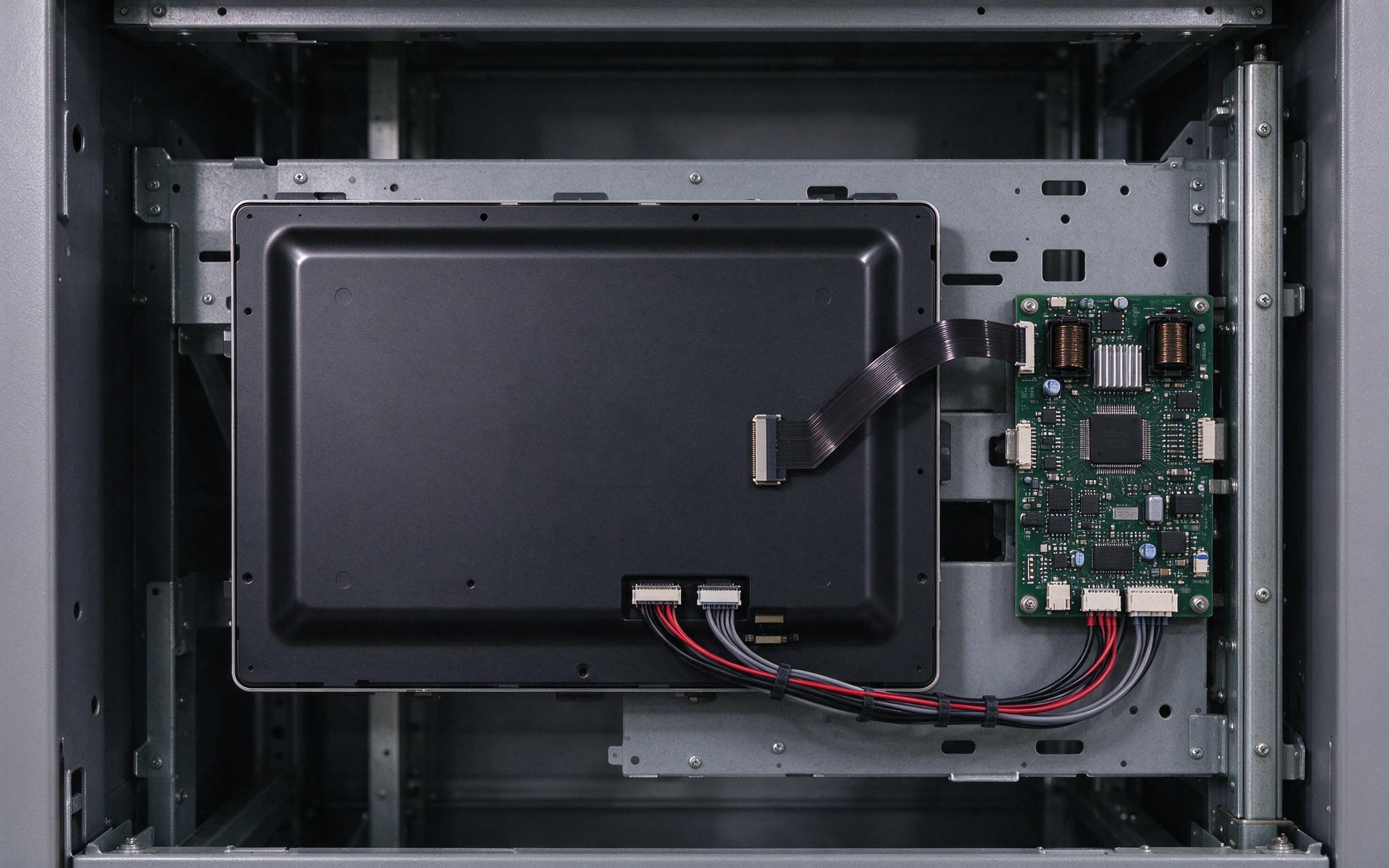
Projected Capacitive (PCAP) technology relies on detecting minute changes in an electrostatic field across a grid of indium tin oxide (ITO) electrodes. Bare fingers alter this field cleanly, but industrial gloves — ranging from thin nitrile at 0.1 mm to heavy-duty Kevlar-laminated variants exceeding 1.5 mm — attenuate the capacitive coupling significantly. Industrial panel PC makers such as KOXIAN address this by implementing multi-level signal gain stages within the touch controller firmware, allowing operators to select between bare-finger mode and glove mode without hardware changes. The controller’s scanning frequency, typically between 60 Hz and 120 Hz, must be high enough to register the weaker signal without introducing perceptible lag. When tuning an industrial capacitive touch screen for glove use, engineers must balance signal-to-noise ratio against false-touch rejection — a trade-off that generic consumer-grade panels simply do not accommodate.

IP65 Front Bezel Design and Its Effect on Touch Responsiveness
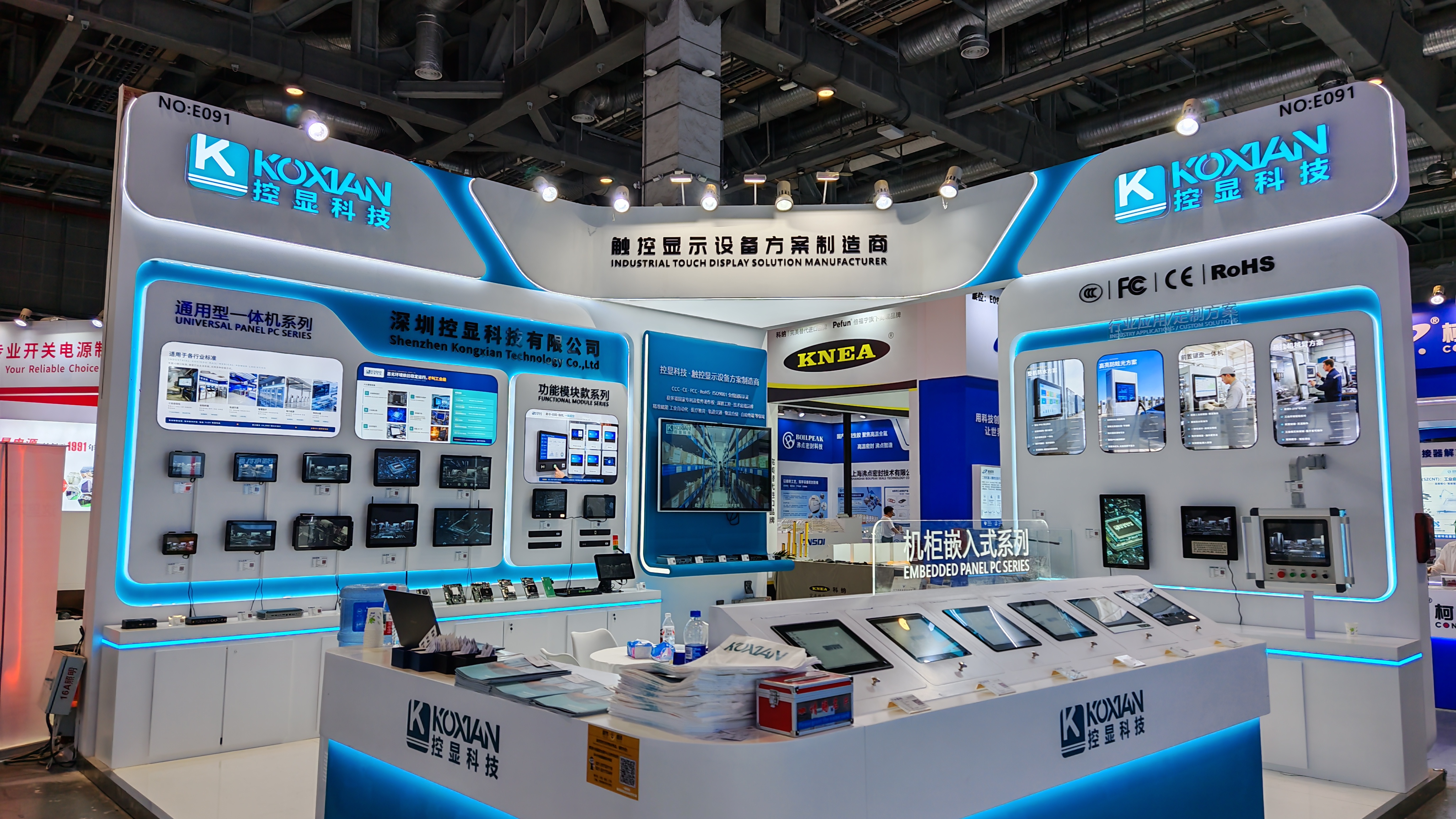
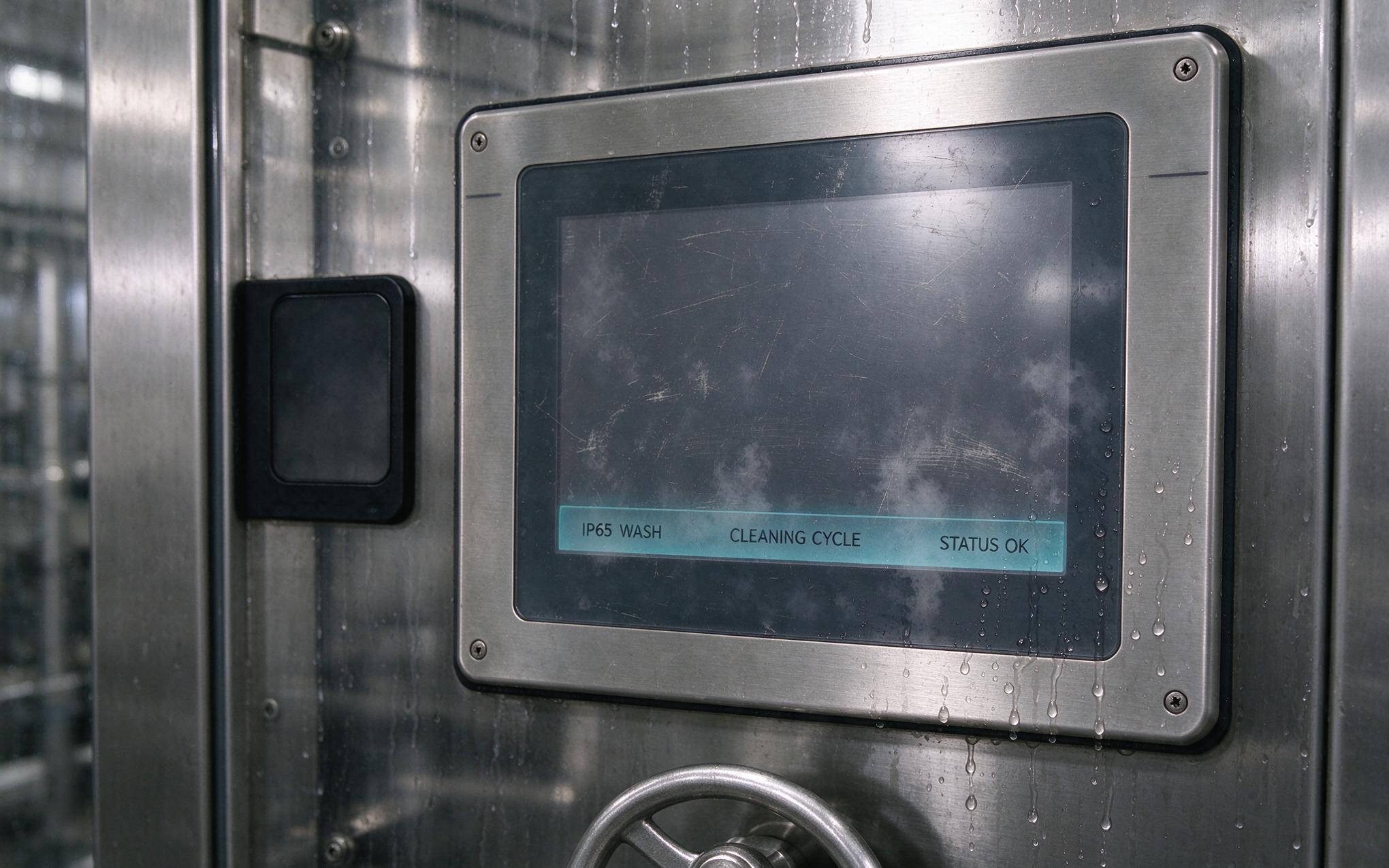
When an industrial capacitive touch screen carries an IP65 or IP69K rating, the front bezel incorporates a continuous gasket or adhesive seal between the cover glass and the enclosure frame. This mechanical barrier adds a dielectric layer between the operator’s finger and the sensor electrodes, which directly reduces touch sensitivity. Engineers must compensate by increasing the sensor’s projected field depth — typically by adjusting the mutual capacitance measurement threshold in the touch IC. Industrial display makers like KOXIAN illustrate this engineering balance: sealed aluminum enclosures maintain ingress protection while the touch controller firmware dynamically recalibrates the detection threshold to account for the bezel’s dielectric contribution. Getting this calibration wrong results in two failure modes — either the panel becomes unresponsive to gloved input, or it registers phantom touches from moisture condensation on the glass surface.

On-Site Firmware Configuration for Glove Thickness Variation
Factory floor conditions rarely present a single glove type. A single shift may involve thin nitrile gloves for chemical handling, thicker thermal-insulated gloves near furnaces, and bare-hand operations in climate-controlled assembly areas. This variability demands that the industrial capacitive touch screen support rapid mode switching rather than relying on a single fixed calibration profile. Advanced touch controllers store multiple sensitivity presets — typically three to five — that operators can cycle through via a physical button or on-screen menu. The transition between presets must complete in under 200 milliseconds to avoid workflow interruption. System integrators deploying these panels in multi-role environments should document the exact glove specifications for each preset during commissioning, ensuring that maintenance personnel can reproduce the correct calibration even after a controller replacement or firmware update.
Glove compatibility in capacitive touch technology is not a single-specification checkbox — it is a system-level engineering discipline spanning sensor physics, mechanical sealing, and firmware configuration. Factories that treat glove interaction as an afterthought during panel selection end up with underperforming interfaces that operators bypass with physical button overrides. The better approach is to engineer the entire touch stack — from ITO electrode layout through bezel gasket design to controller firmware — as an integrated unit optimized for the specific protective equipment worn on the production floor. When the hardware, the seal, and the software all align, the result is a capacitive touch interface that responds reliably whether the operator wears bare hands or heavy-duty cut-resistant gloves.