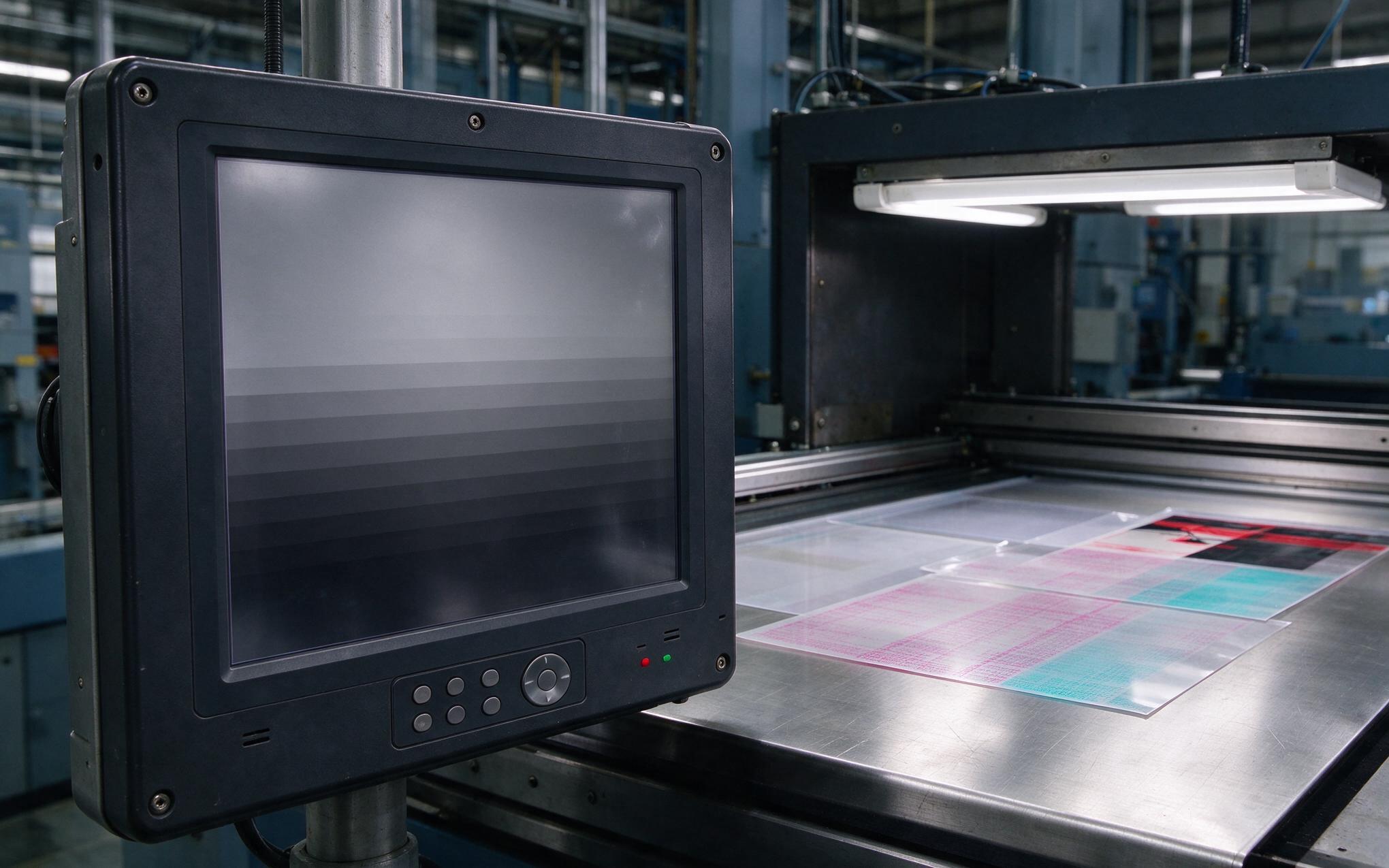
Production floor teams frequently discover that the panel PC they ordered arrives with a fixed I/O layout that does not match the sensors, drives, and controllers already wired into the work cell. A custom industrial panel pc equipped with a modular I/O architecture addresses this mismatch at the hardware level, allowing system integrators to configure interface modules during deployment rather than redesigning the entire computing platform after procurement. The economic impact of this flexibility extends beyond initial installation, reducing the total cost of ownership across the equipment lifecycle.

Matching I/O Port Requirements to Existing Factory Wiring
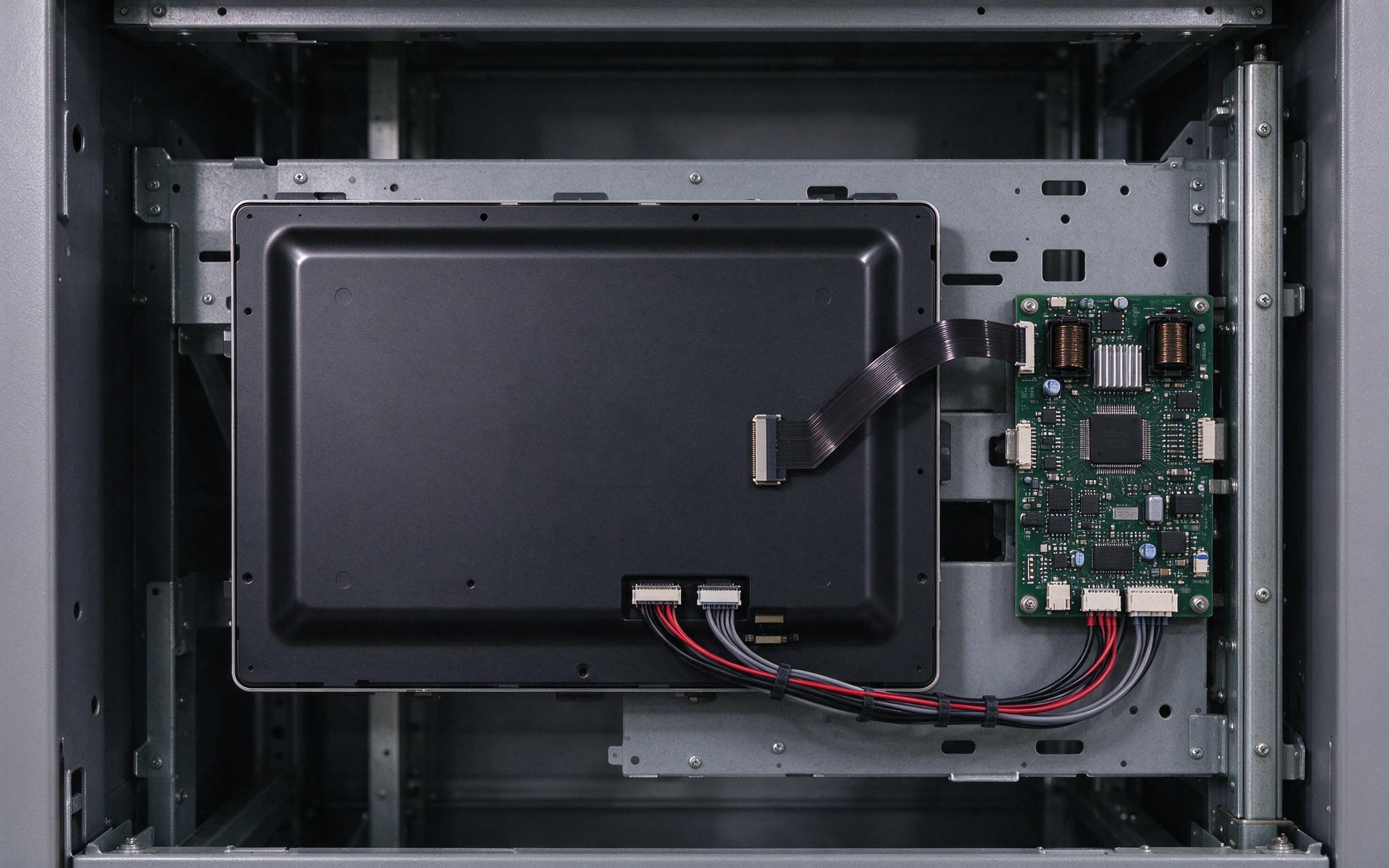
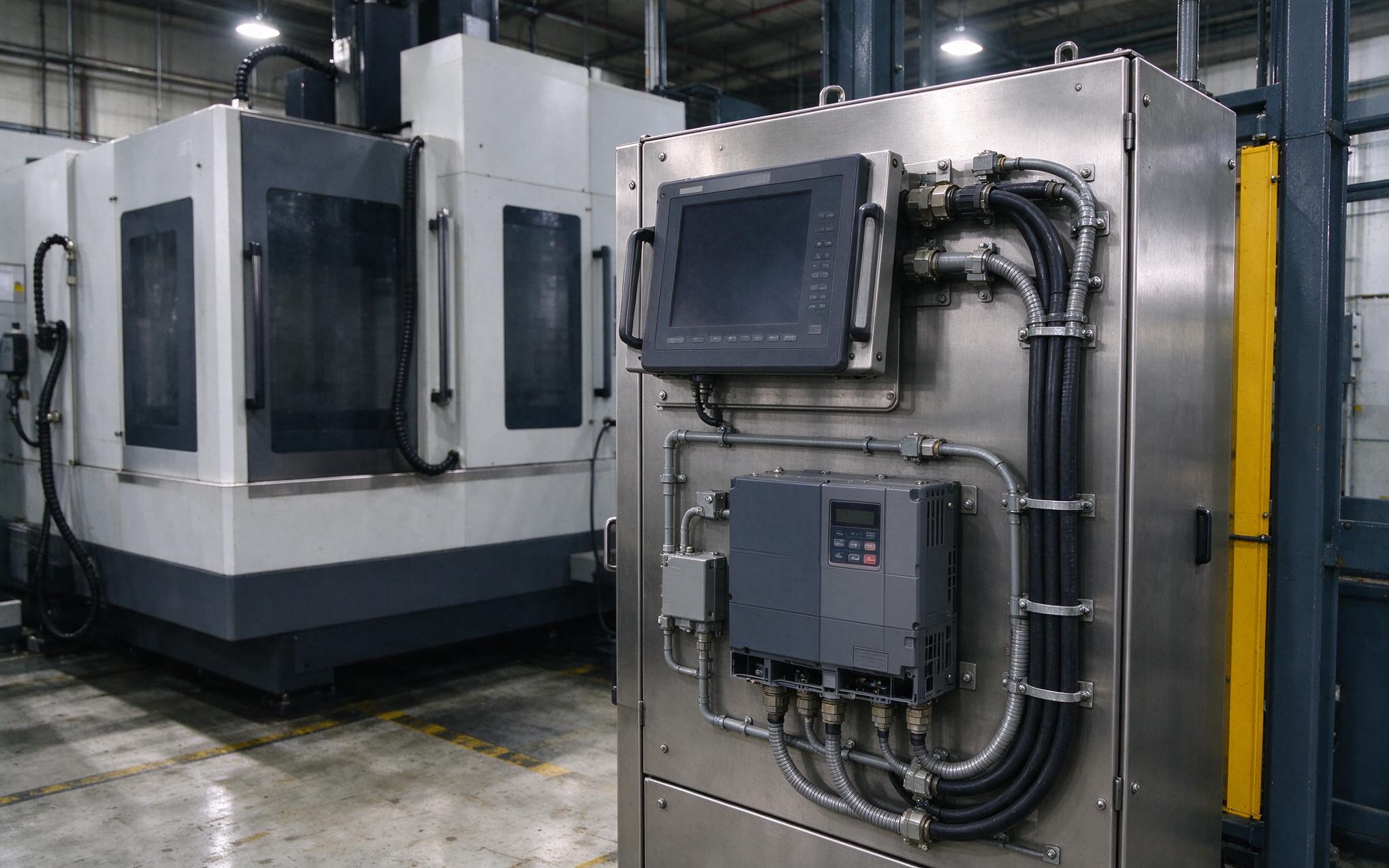
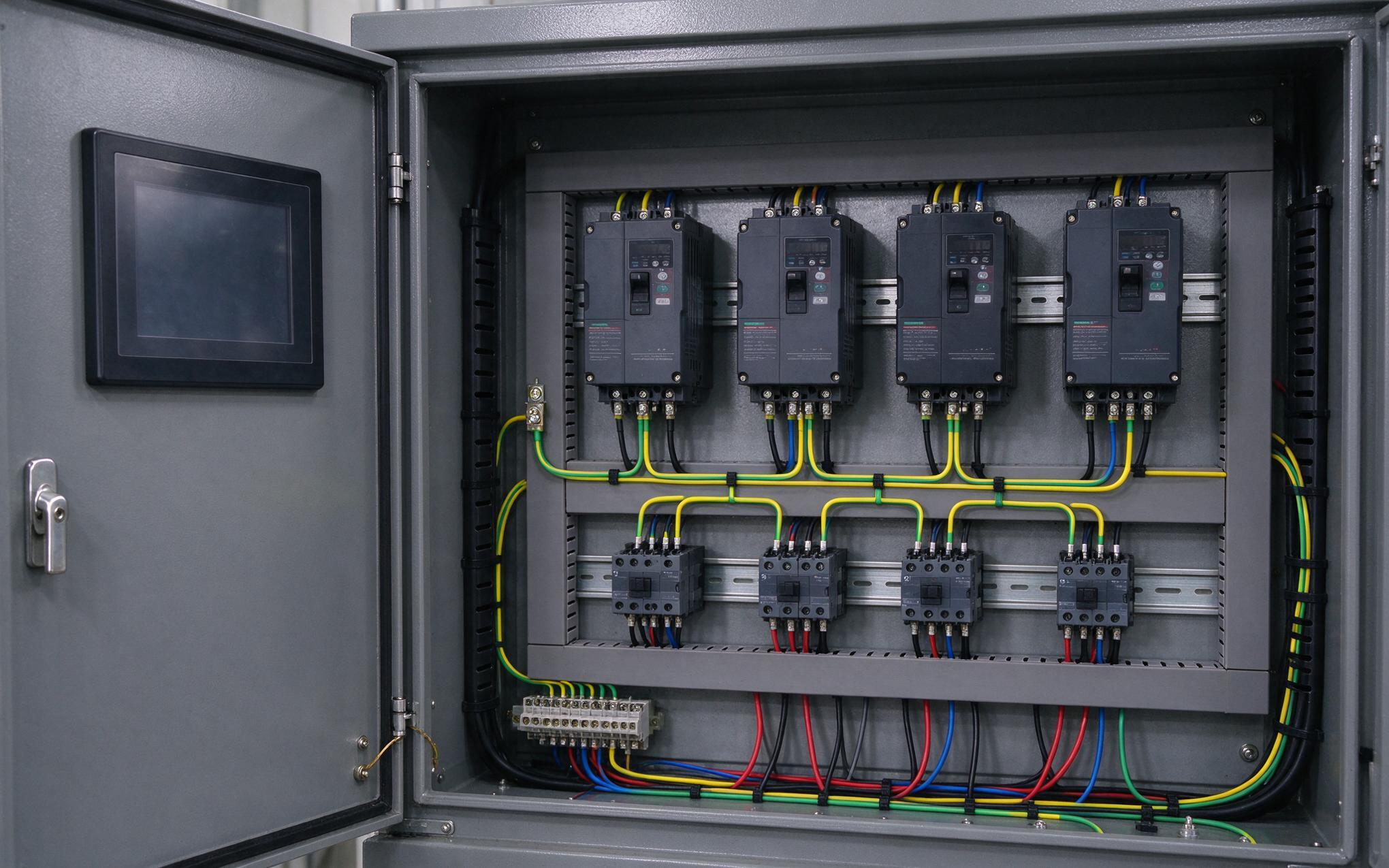
In most brownfield automation environments, legacy fieldbus cabling and sensor wiring dictate the exact connector types a panel PC must support. A single production cell may require RS-485 for older fieldbus gateways, gigabit Ethernet for modern vision systems, and digital I/O lines for proximity sensors—all on the same machine. Off-the-shelf panel PCs typically ship with a predetermined I/O layout that forces integrators into costly breakout adapters or external signal conditioners. Modular I/O backplanes solve this by letting engineers swap interface cards—serial ports, secondary bus modules, isolated digital I/O, or additional LAN ports—without opening the chassis or voiding the enclosure seal. Manufacturers like KOXIAN have adopted this approach, designing I/O expansion bays that accept hot-swappable daughter cards rated for the same operating temperature and vibration specifications as the base unit. This eliminates the need for third-party adapter boards that introduce additional failure points in signal paths.

Enclosure Design Considerations for Modular Expansion
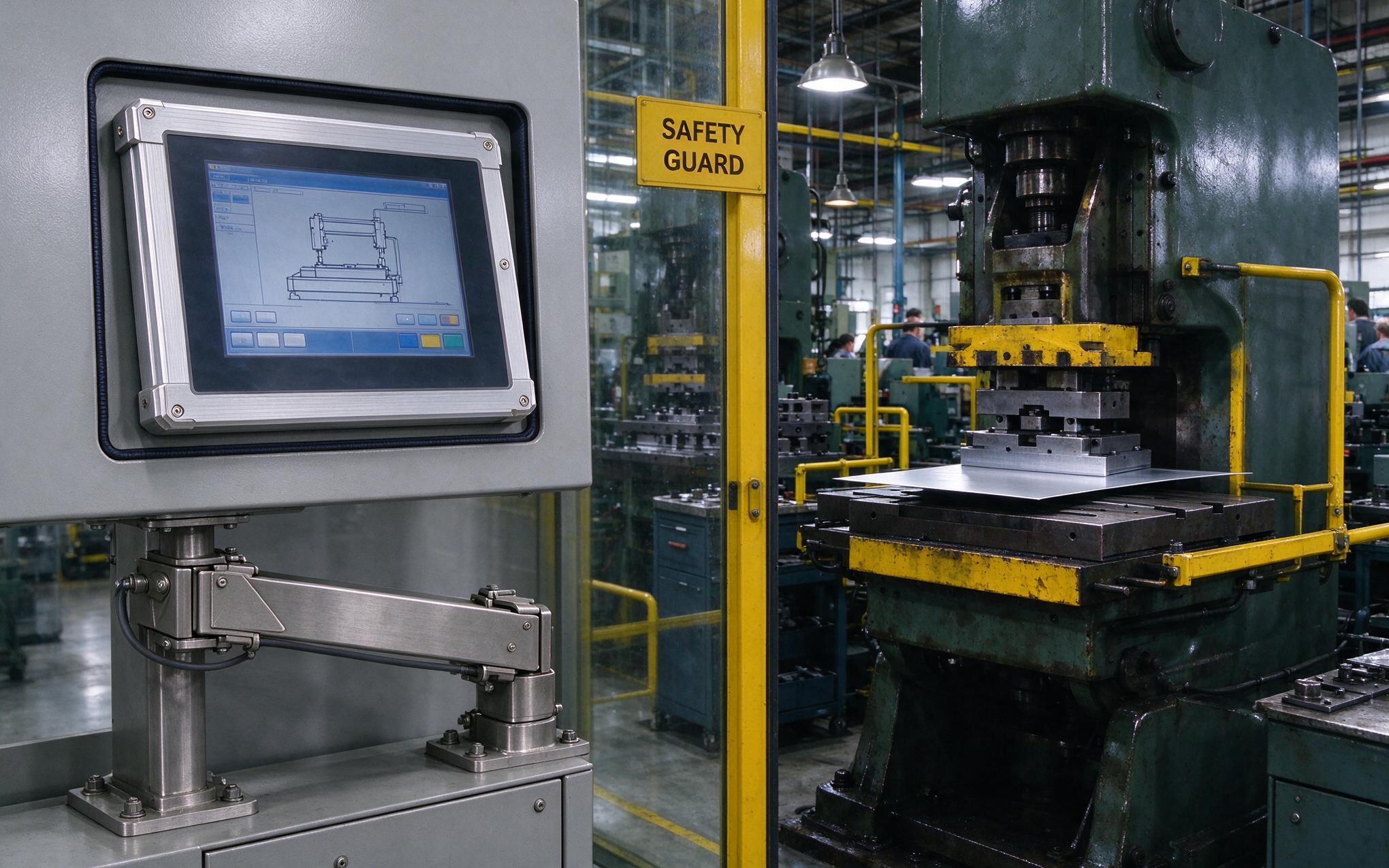
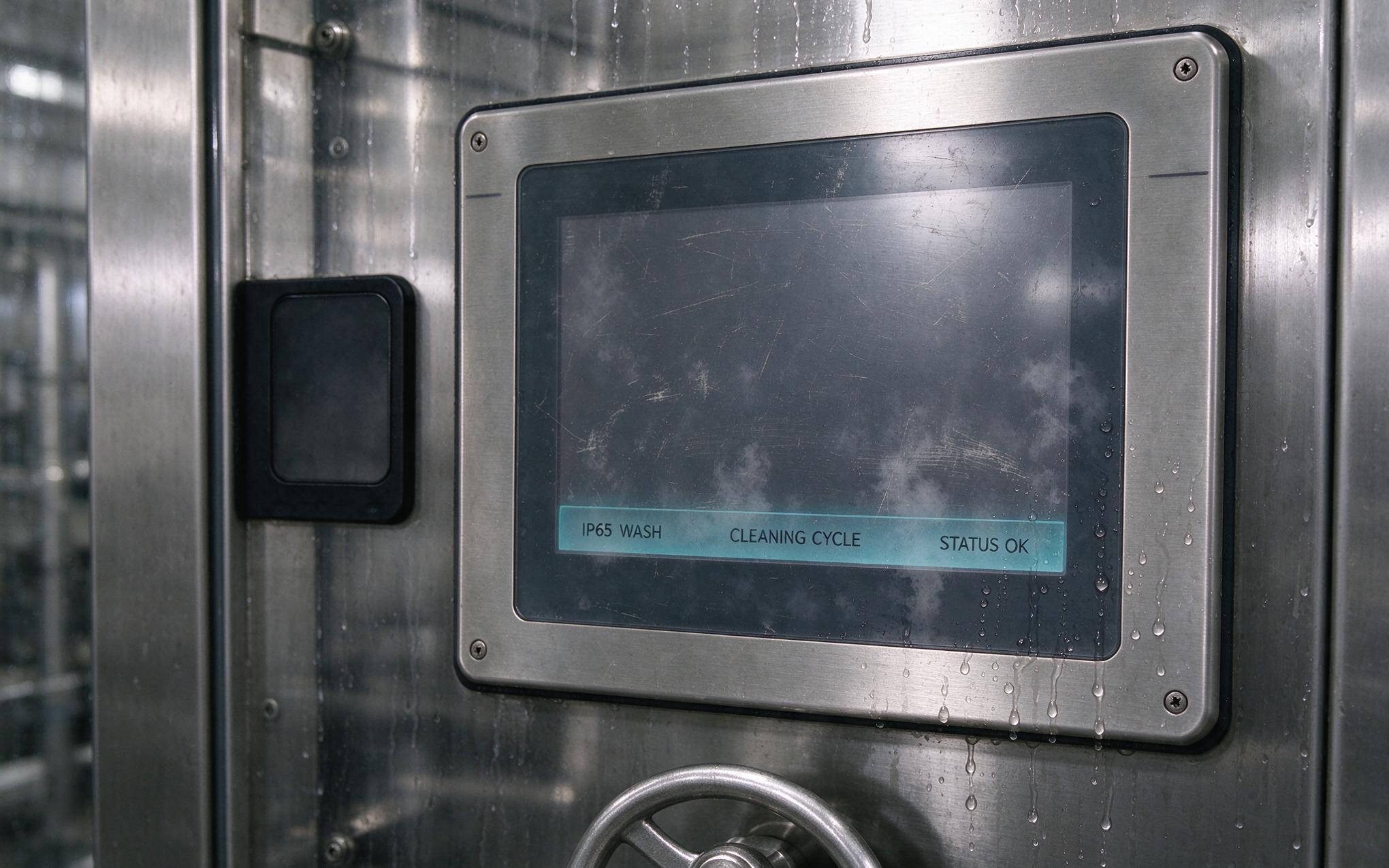
Adding modular I/O bays to a panel PC enclosure introduces a fundamental thermal and mechanical engineering challenge. Every additional card slot creates a potential ingress path for dust, moisture, and chemical splashes. To maintain IP65 or IP67 ratings, enclosure designers must integrate sealed card guides with gasket-lined access panels that can be removed and resealed during field service. Die-cast aluminum enclosures offer an effective balance of heat dissipation and structural rigidity, acting as both a protective shell and a passive heatsink for the inserted modules. Thermal simulation becomes critical when multiple expansion cards are populated simultaneously, since the combined heat output of serial transceivers, Ethernet PHYs, and digital I/O drivers can push internal temperatures beyond safe limits if airflow paths are not carefully managed. Engineering teams must validate that each modular configuration meets the same IEC 60068 vibration and thermal shock requirements as the base platform, ensuring the enclosure maintains its protective rating across all supported I/O combinations.

System Integration and Long-Term Compatibility Planning
A modular I/O strategy only delivers value when the expansion ecosystem is designed for long-term compatibility. System integrators evaluating a custom industrial panel pc platform need assurance that expansion cards released two or three years from now will interface with the same backplane connector and driver stack. This requires the panel PC manufacturer to publish a formal module compatibility roadmap and maintain backward-compatible pinout definitions across hardware revisions. For food processing plants and pharmaceutical packaging lines, where equipment lifecycles routinely exceed ten years, this forward-compatibility guarantee is not optional—it determines whether the panel PC can be incrementally upgraded as production requirements evolve, or whether it becomes a stranded asset once a single I/O module is discontinued. Forward-looking manufacturers like KOXIAN address this by committing to multi-year module support windows and providing firmware update mechanisms that keep expansion cards functional across operating system transitions. Deploying a custom industrial panel pc with this level of modular foresight ensures the platform remains viable as new sensor protocols and I/O standards emerge over the next decade.
When production environments demand flexibility that standard configurations cannot provide, a custom industrial panel pc built around a modular I/O architecture gives integrators the adaptability to match evolving sensor landscapes, legacy wiring constraints, and long-term compatibility requirements—all within a single sealed, fanless computing platform.