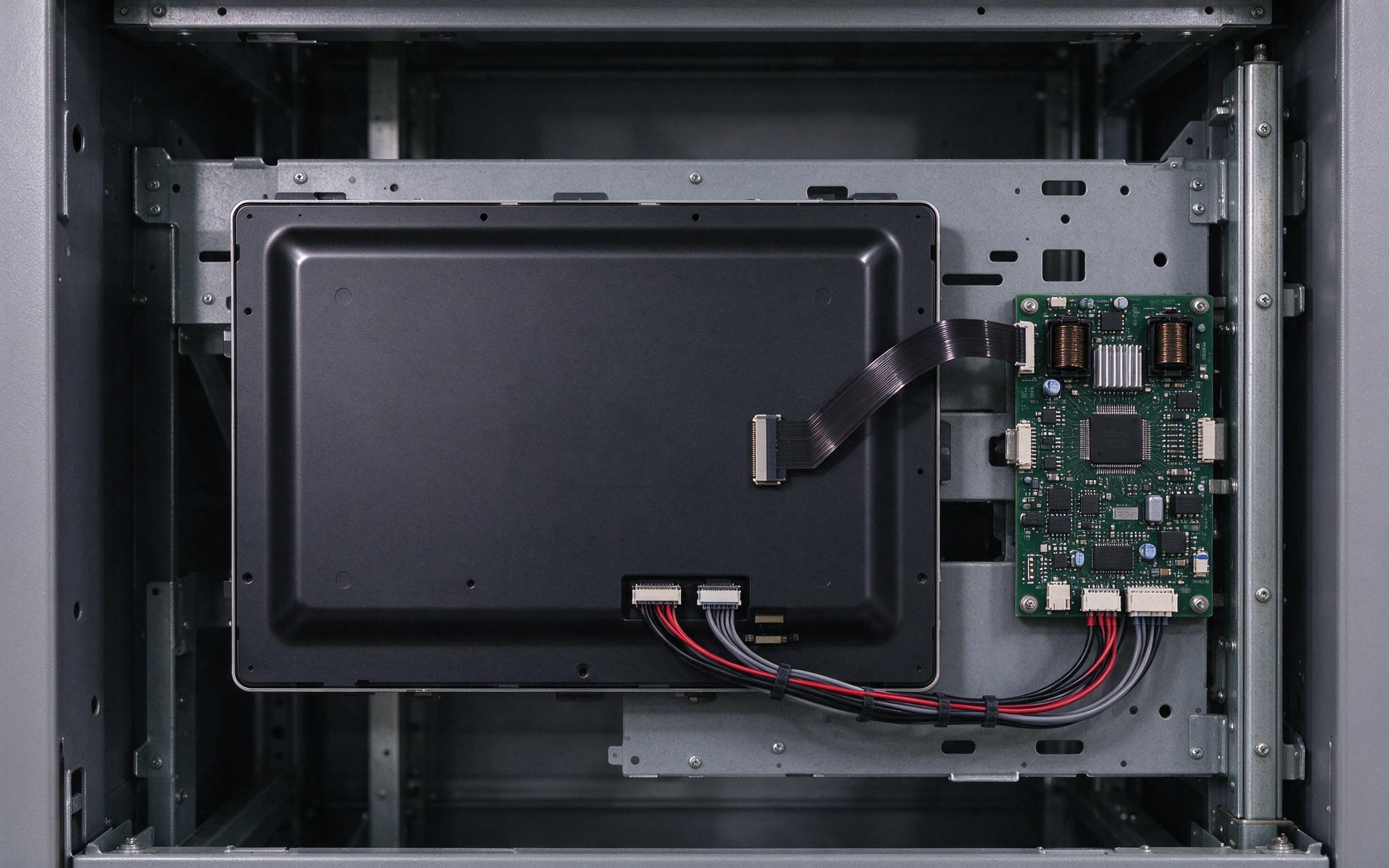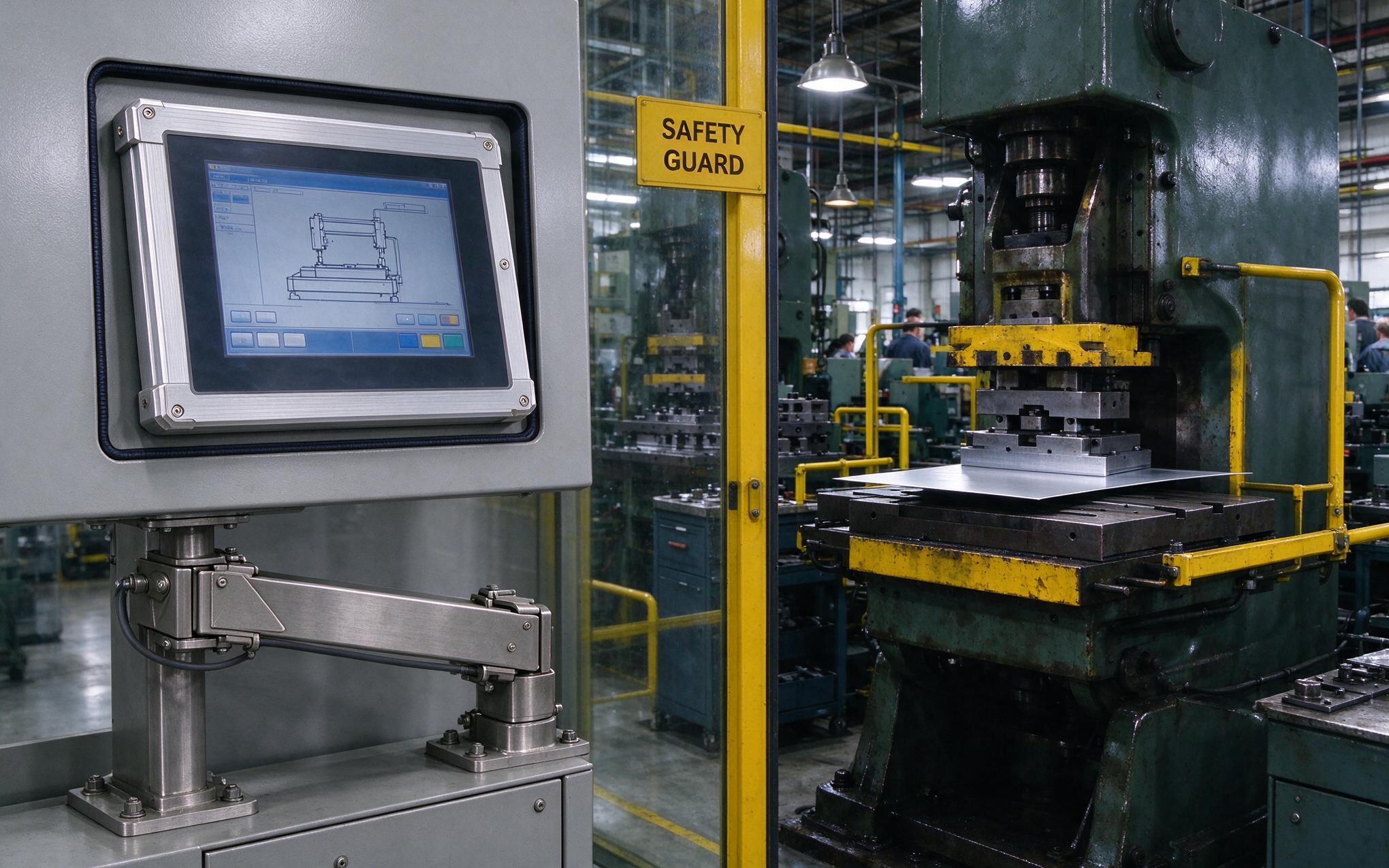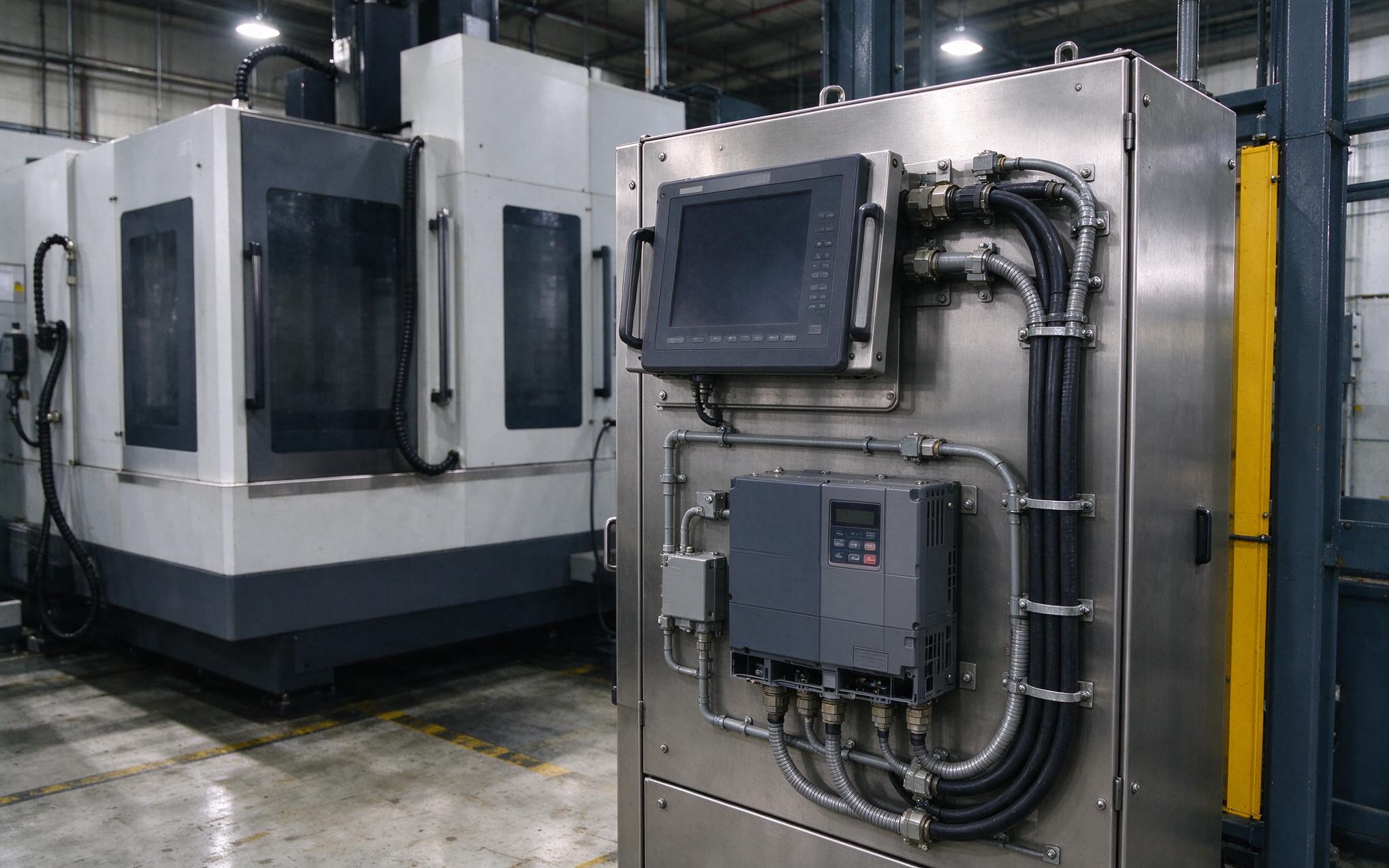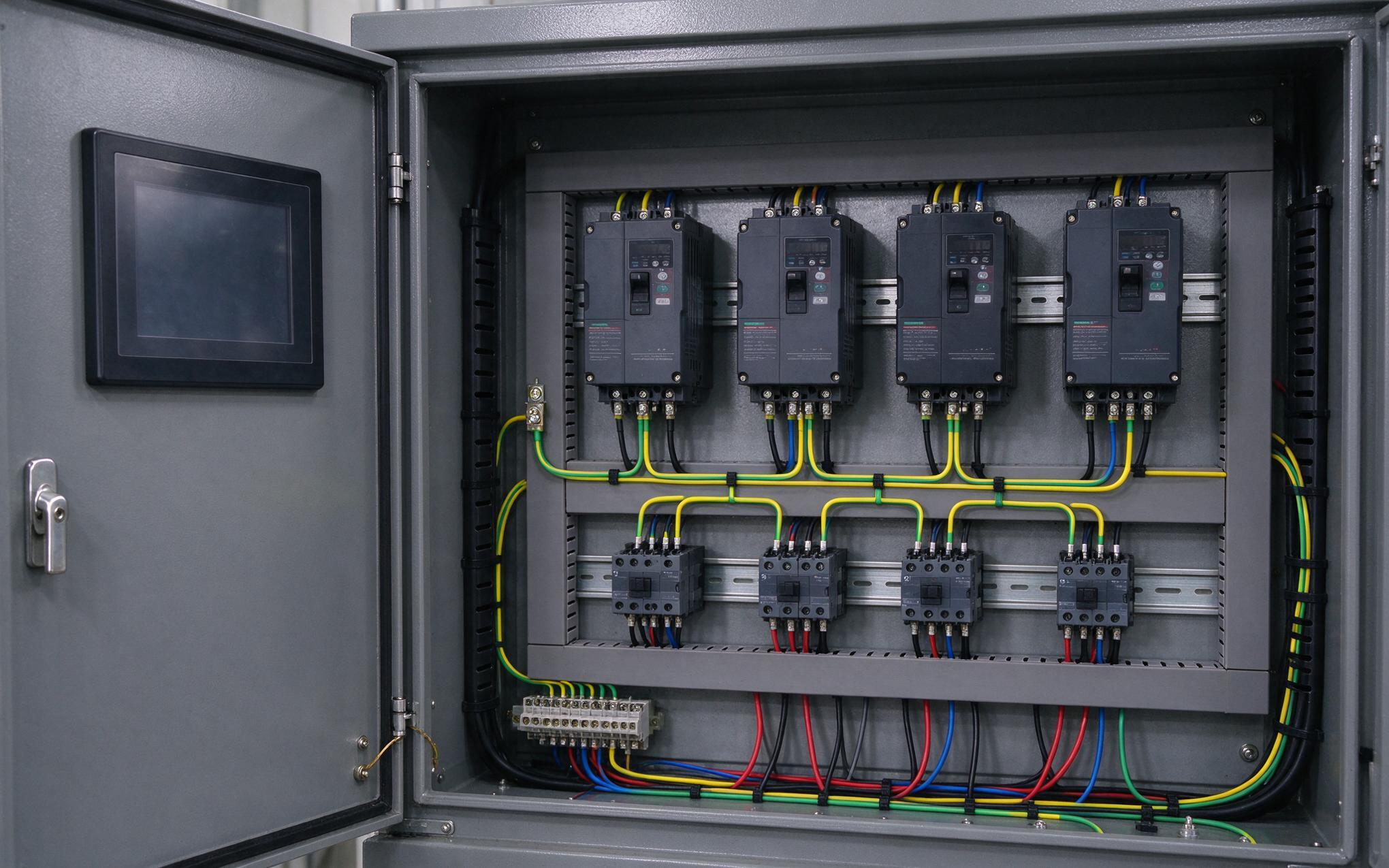
A receiving dock technician opens a shipping carton and pulls out three industrial PC wholesale units from the same purchase order. Unit A powers on with stable thermal readings. Unit B shows a two-degree sensor offset. Unit C fails an EMC pre-scan that Unit A passed. These discrepancies trace back to uncontrolled batch variation during upstream manufacturing. For industrial PC wholesale procurement, catching variation at the receiving gate costs minutes. Catching it after integration costs days of production downtime. Incoming inspection gates and structured supplier process controls form the frontline defense against batch-level quality drift in wholesale orders.

Verifying Batch Consistency Through Statistical Process Control
Statistical process control monitors critical manufacturing parameters in real time, flagging drift before it produces defective units. In industrial PC wholesale assembly, the parameters most vulnerable to batch variation include solder paste thickness at stencil printing, reflow oven temperature profiles, and component placement accuracy on automated pick-and-place machines. When these variables stay within control limits defined by mean plus or minus three standard deviations, the resulting batch maintains consistent electrical and thermal performance. When they drift outside limits without detection, the entire production run inherits the deviation.
The process capability index, expressed as Cpk, quantifies whether a manufacturing step consistently produces parts within specification. A Cpk value of 1.67 or higher indicates that the process can reliably meet tolerance requirements across multiple batches. For buyers evaluating wholesale suppliers, requesting SPC data and Cpk reports for critical assembly steps reveals whether the supplier maintains disciplined process control or relies solely on end-of-line testing to catch defects after they occur.

Cross-Referencing FAI Reports Against Wholesale Batch Expectations
FAI, or final assembly inspection, builds and fully tests a sample unit from each production batch before mass manufacturing begins. The process verifies mechanical dimensions, electrical connectivity, thermal performance, and software configuration against the approved specification. For industrial PC wholesale orders, the FAI unit serves as a reference standard: every subsequent unit in the batch must match its performance profile within defined tolerances. Without this verification, batch variation enters production undetected and multiplies across hundreds of units.
FAI protocols at manufacturers like KOXIAN document dimensional measurements, thermal imaging results, functional test data, and any deviations from the original specification for each wholesale batch. Buyers evaluating wholesale suppliers should request the complete FAI report rather than a pass-fail summary. Suppliers who skip FAI or rush through it often deliver batches where early and late units diverge significantly in performance.

Linking BOM Traceability to Long-Term Wholesale Batch Consistency
Bill of materials traceability tracks every component in an industrial PC wholesale order back to its manufacturing lot, supplier, and date code. When a field failure occurs, traceability data isolates whether the problem affects a single batch, a specific component supplier, or a systemic assembly issue. For wholesale procurement, traceability is not optional documentation. It is the mechanism that converts a field return into actionable root cause analysis rather than a guessing exercise.
Manufacturers like KOXIAN encode traceability through laser-etched 2D DataMatrix codes on each assembled board. These codes link to a digital manufacturing execution system that records incoming inspection results, solder paste inspection data, automated optical inspection images, and final functional test parameters. When batch inconsistency appears in the field, the traceability system identifies affected units within minutes rather than days. Buyers should request a BOM change notification policy from their wholesale supplier, ensuring that any component substitution triggers advance communication and re-qualification testing before the change enters production.
Batch inconsistency in wholesale orders rarely stems from a single catastrophic failure. It accumulates from small, uncontrolled variations: a two-degree reflow temperature shift, a fractional placement offset, an unreported memory module substitution. The suppliers who consistently deliver reliable batches treat incoming inspection, SPC monitoring, FAI verification, and traceability documentation as interconnected systems rather than isolated checkpoints. For procurement teams, the question is not whether your supplier has these processes on paper, but whether they can demonstrate consistent execution across every batch that enters your facility.