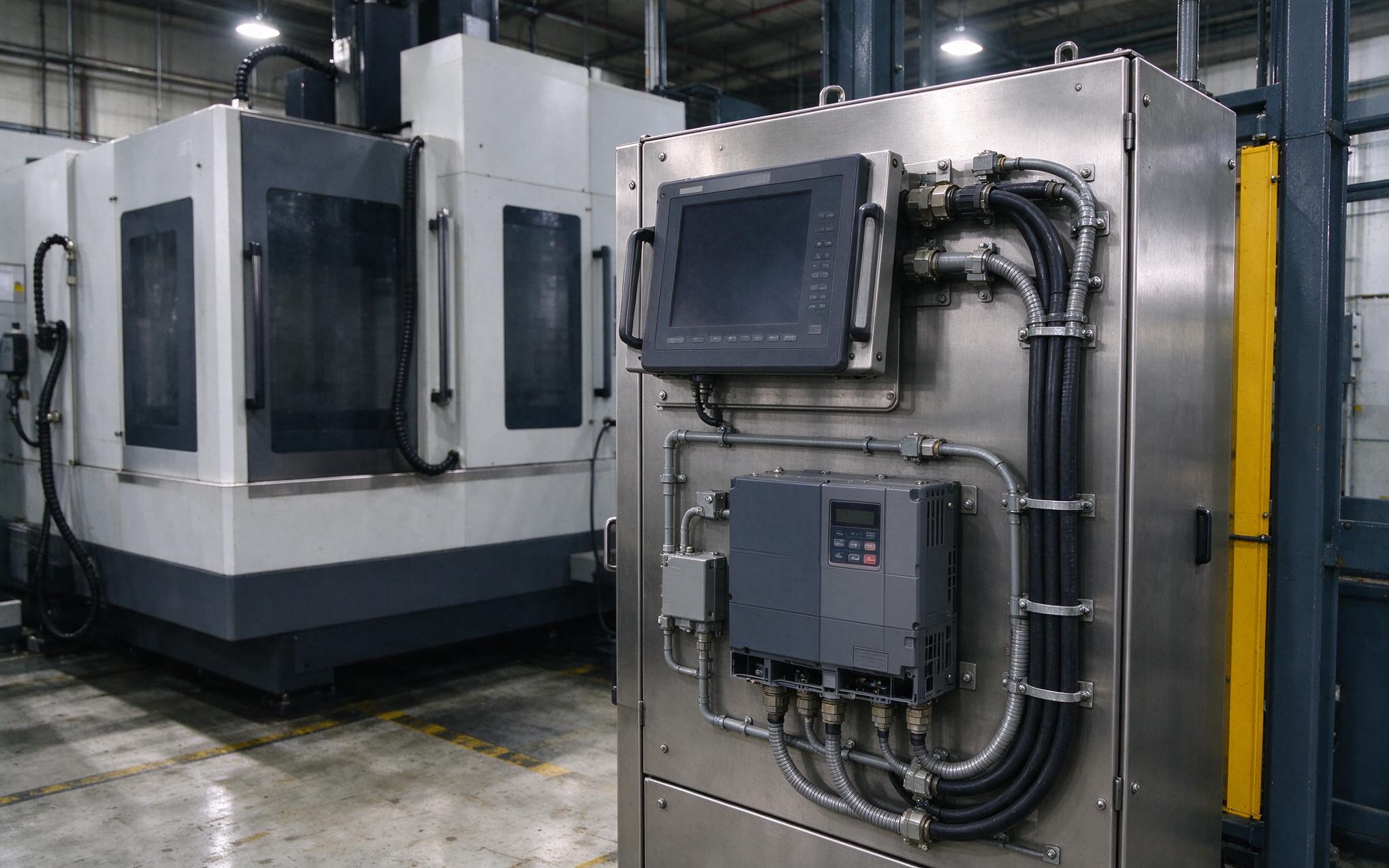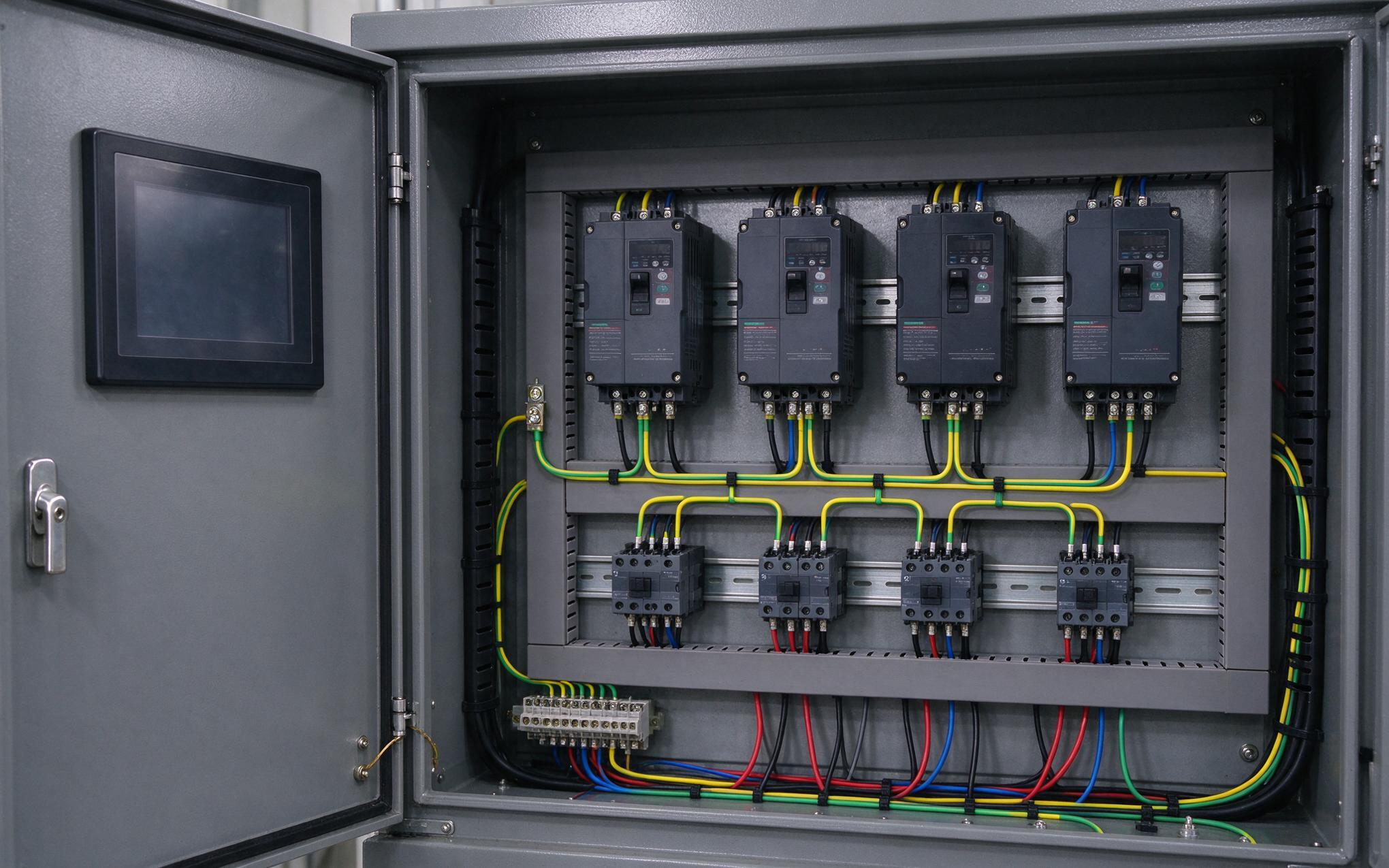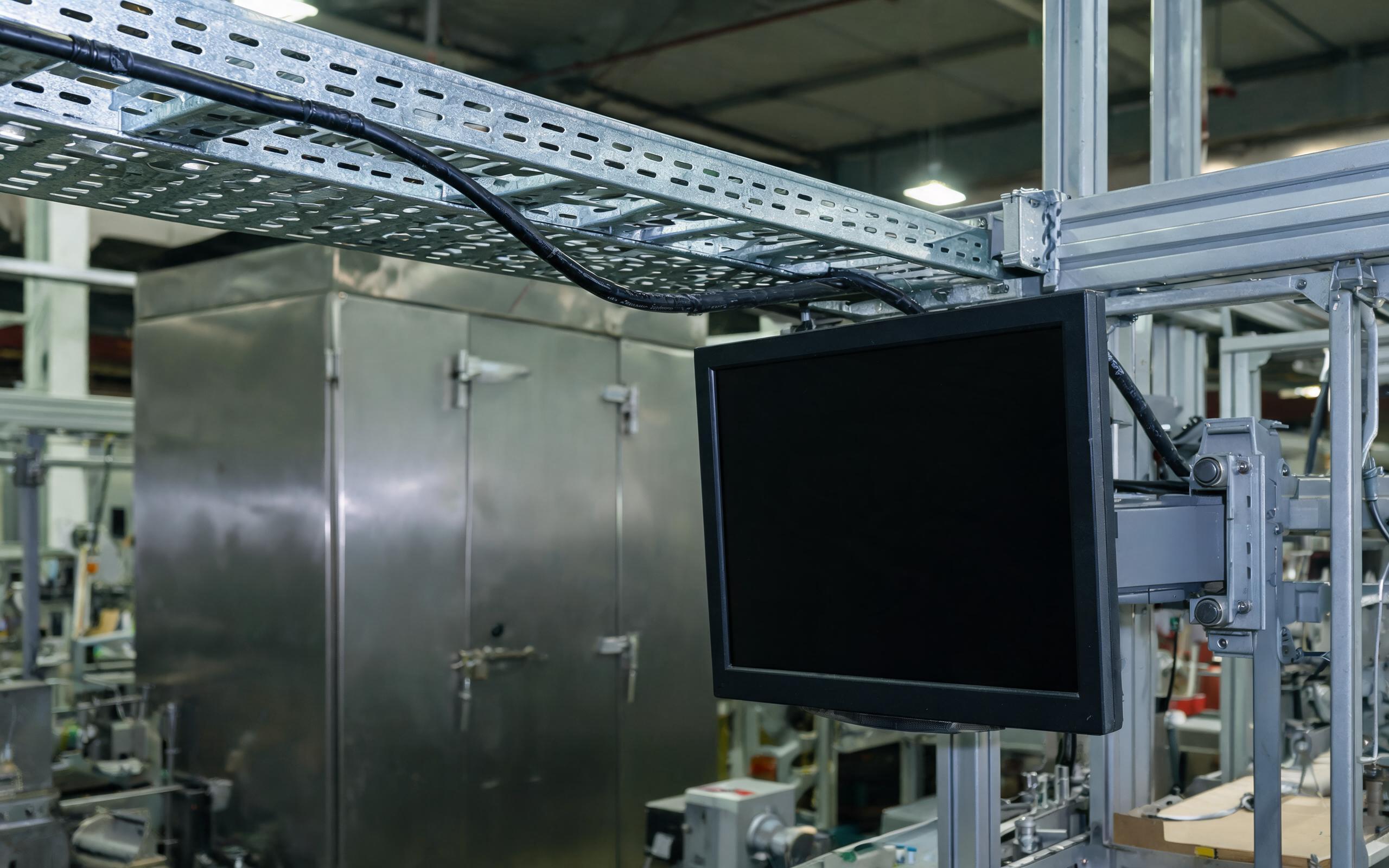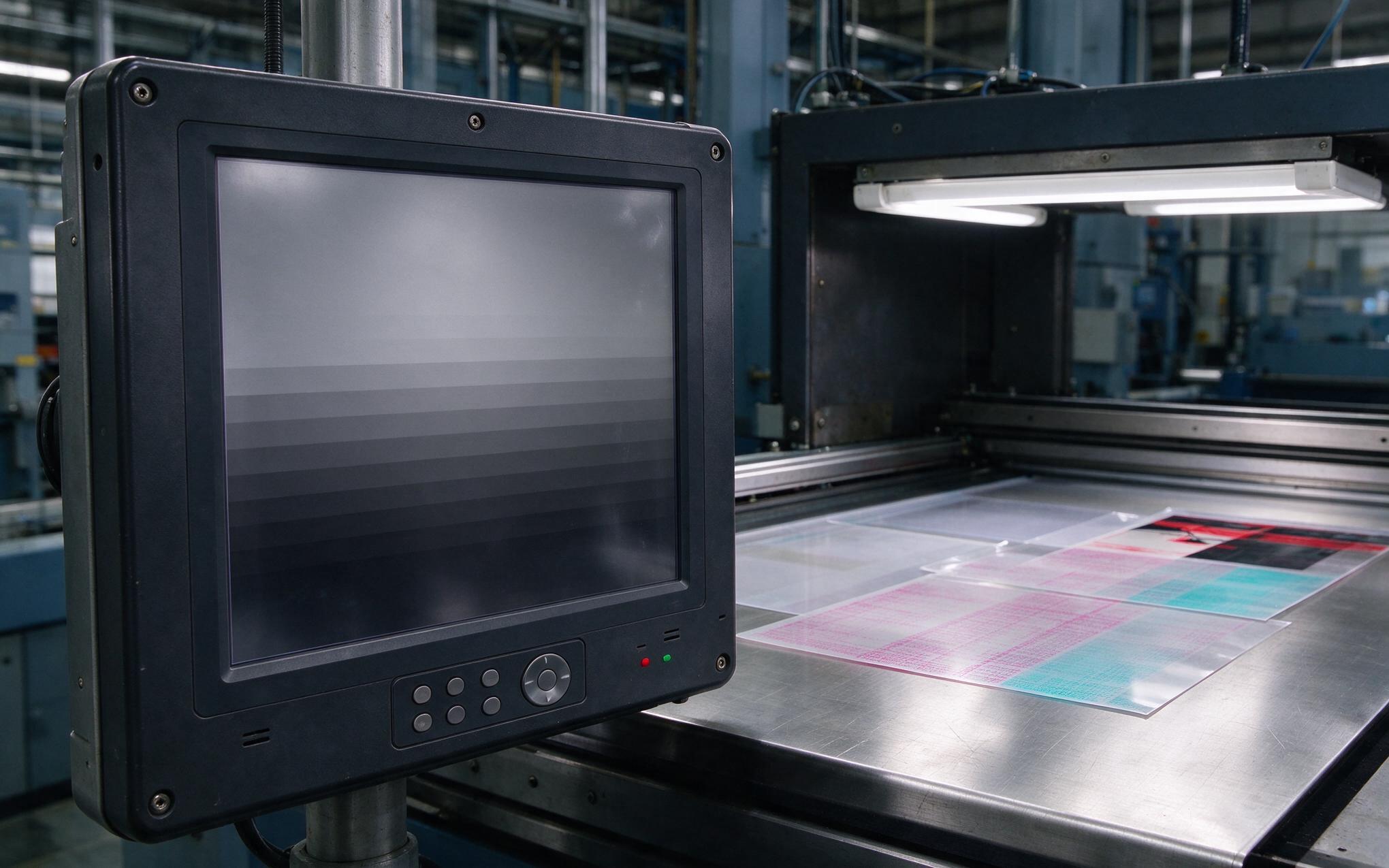
An unplanned six-hour shutdown at an Ohio packaged foods facility in March 2026 traced its root cause to condensation on touch displays—a thermal management gap between cleanroom-stored equipment and washdown-zone ambient conditions. For engineers specifying an industrial pc touch screen monitor, this incident exposes a divide that procurement checklists rarely capture: condensation behavior differs fundamentally between cleanroom and washdown environments, and the mitigation strategies required for each are not interchangeable. Deploying identical thermal solutions across both zones leads to preventable downtime and accelerated equipment degradation.

In Cleanroom Environments with Controlled Humidity Profiles
Pharmaceutical and semiconductor cleanrooms maintain strict temperature and humidity bands—typically 20–22°C at 45% relative humidity. Condensation risk in these zones arises primarily during equipment power-up after extended idle periods, when internal component temperatures drop below the dew point of the surrounding air. The challenge is not external water exposure but the gradual accumulation of microscopic moisture on the projected capacitive (PCAP) sensor layer, which degrades touch accuracy over weeks rather than causing immediate catastrophic failure. Equipment manufacturers such as KOXIAN have documented that cleanroom touch displays without active thermal management experience a 34% increase in ghost-touch events over an initial 90-day period of deployment.
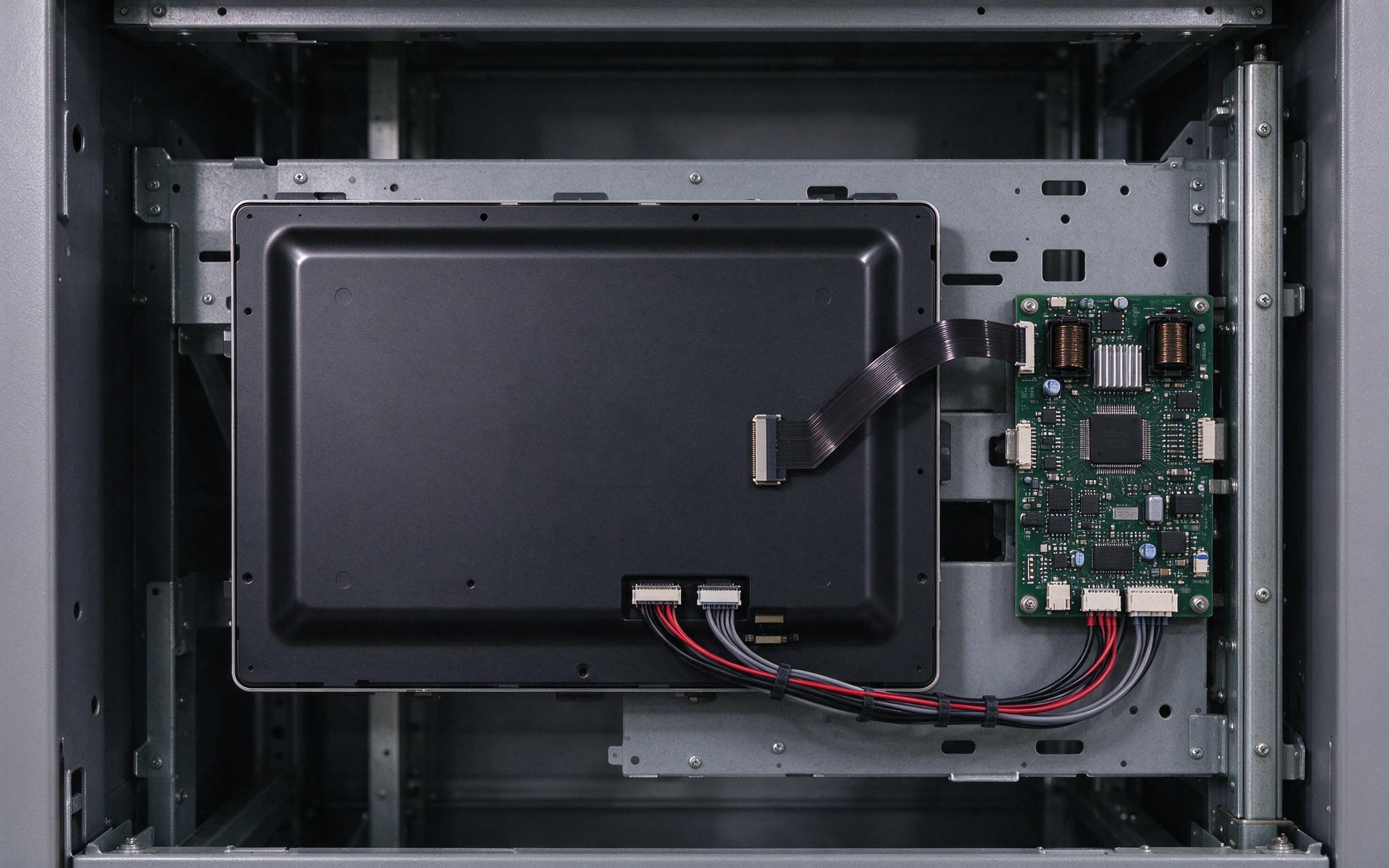
For embedded touch panel pc installations in cleanroom settings, the most effective countermeasure is low-wattage heater films that maintain the front glass surface 2–3°C above ambient dew point continuously. These circuits consume 8–15 watts and operate silently, which is essential in noise-sensitive cleanroom environments where active fan cooling is prohibited. Rugged touch screen display units designed for cleanroom deployment typically achieve condensation recovery times under 60 seconds when equipped with this thermal management layer, compared to 10–15 minutes for unheated alternatives that require manual intervention before touch responsiveness returns.

Under Washdown Conditions with Aggressive Thermal Shock
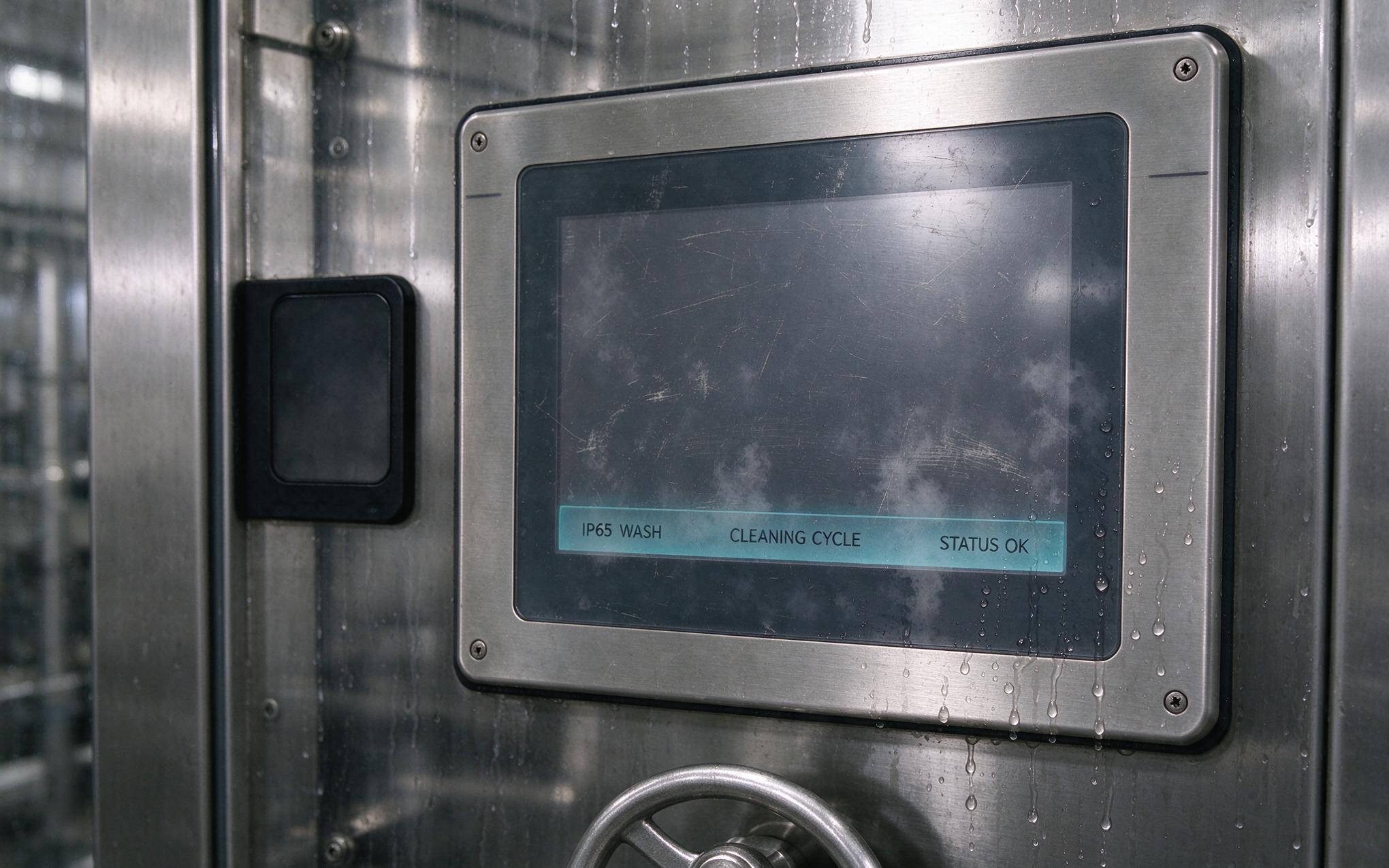
Washdown zones in food processing and dairy facilities present a fundamentally different condensation profile. Equipment experiences rapid thermal cycling—steam jets at 80°C during CIP cycles followed by cold-water rinses at 10–15°C. This creates condensation events that are both more intense and more frequent than cleanroom scenarios. An industrial pc touch screen monitor in this environment must survive not just the initial condensation but the repeated condensation-evaporation cycles that stress gasket seals and accelerate corrosion on exposed metal surfaces. Studies in dairy processing plants show that unheated touch panels in washdown zones require manual drying after every CIP cycle, adding 8–12 minutes of downtime per cleaning event.
Industrial hardware manufacturers like KOXIAN address washdown condensation through a layered approach: stainless steel front bezels with marine-grade gaskets, conformal-coated controller boards, and heater films rated for continuous operation at up to 70°C ambient. The key performance metric for system integrators is the documented condensation recovery time—the interval from power-on at 5°C to full touch responsiveness at 25°C and 80% relative humidity. This specification, often absent from standard data sheets, enables direct comparison across competing products and predicts real-world operational readiness in thermally hostile production zones.

Across Both Environments with Unified Selection Criteria
The critical takeaway for procurement teams is that a single condensation specification cannot serve both cleanroom and washdown applications. Cleanroom deployments prioritize silent operation, low power draw, and long-term sensor stability over aggressive thermal cycling tolerance. Washdown deployments demand chemical-resistant materials, documented condensation recovery under defined CIP parameters, and heater circuits rated for sustained high-ambient operation. Industrial pc touch screen monitor models from vendors like KOXIAN address both profiles through platform-variant thermal architectures, allowing integrators to specify the correct condensation strategy for each facility zone without compromising on IP65 sealing or touch responsiveness.
System integrators evaluating touch screen monitor for industrial use specifications should request condensation test data under conditions that mirror their actual deployment environment—idle thermal decay profiles for pharmaceutical lines, CIP thermal shock sequences for food processing. This targeted approach eliminates the costly mistake of deploying cleanroom-optimized hardware into washdown zones, or vice versa, where the wrong thermal management strategy leads to preventable downtime and accelerated equipment degradation across the production facility.