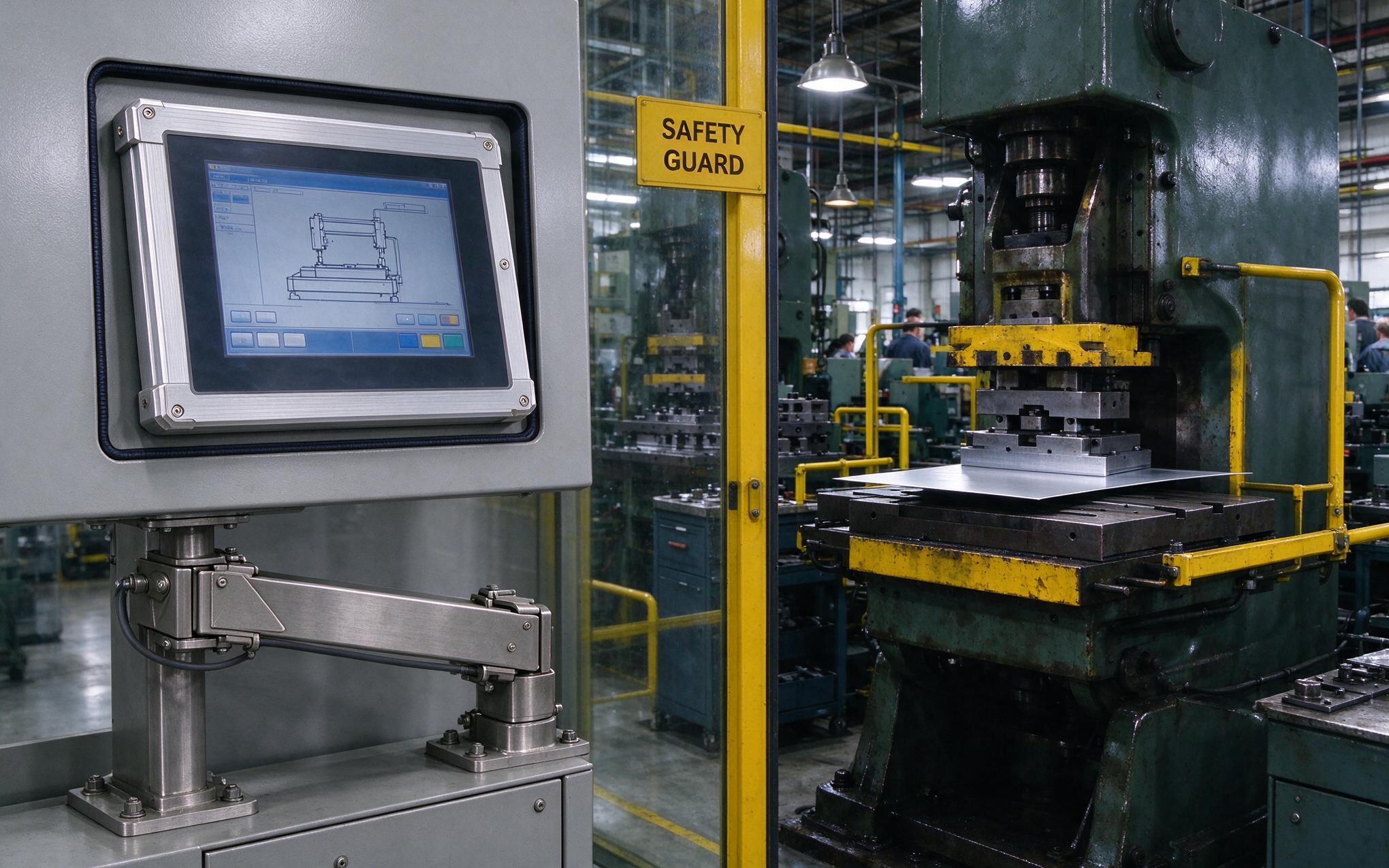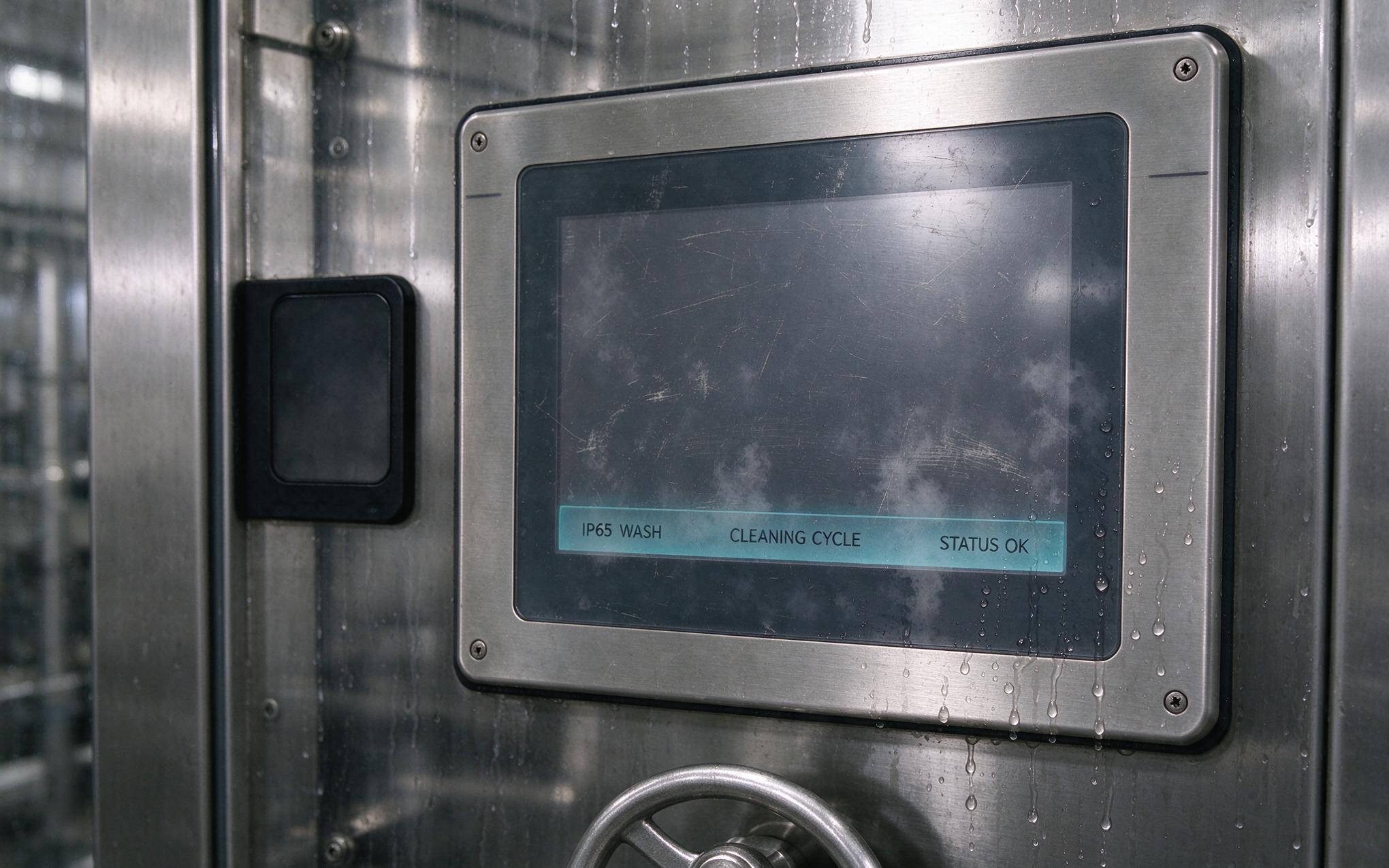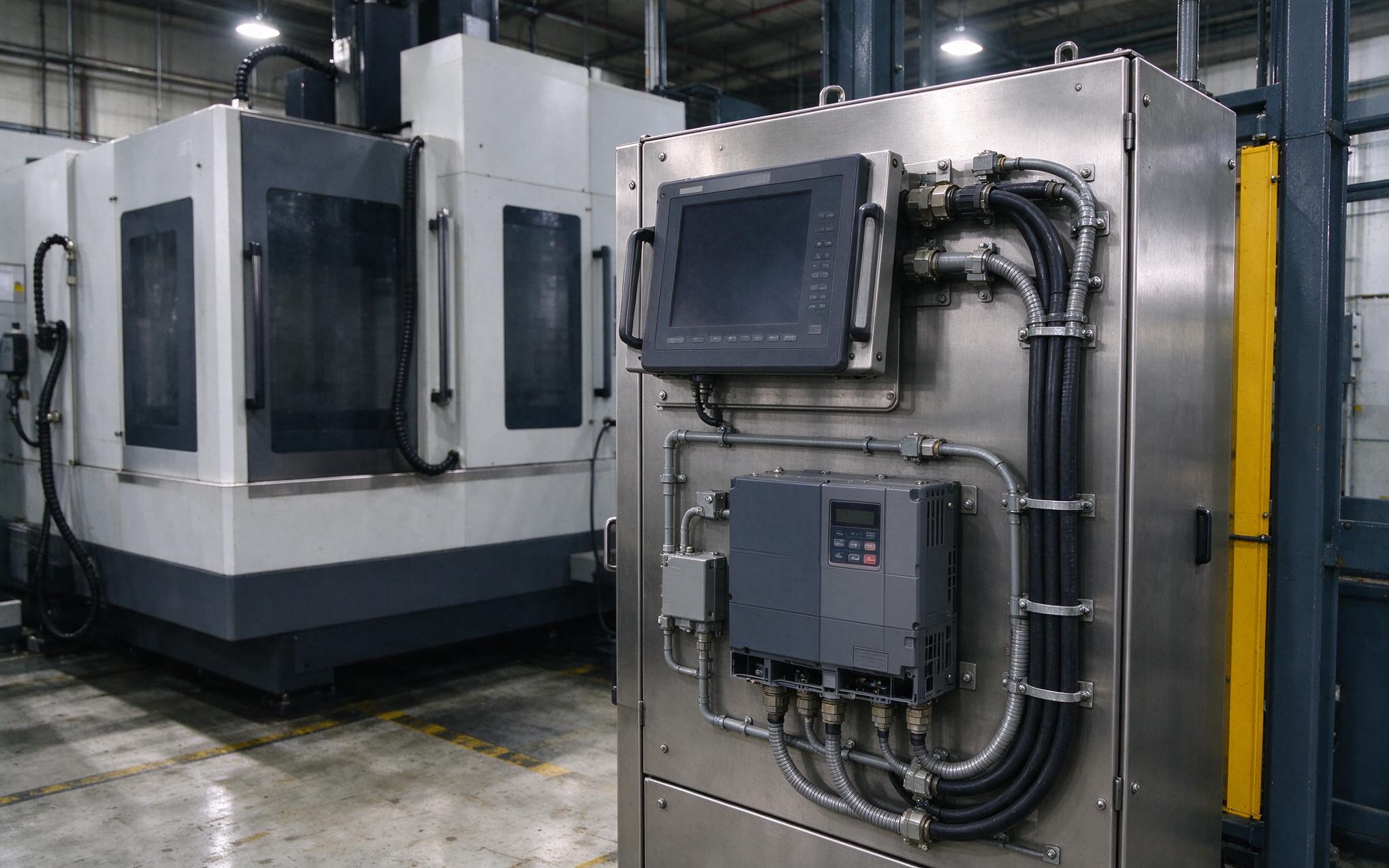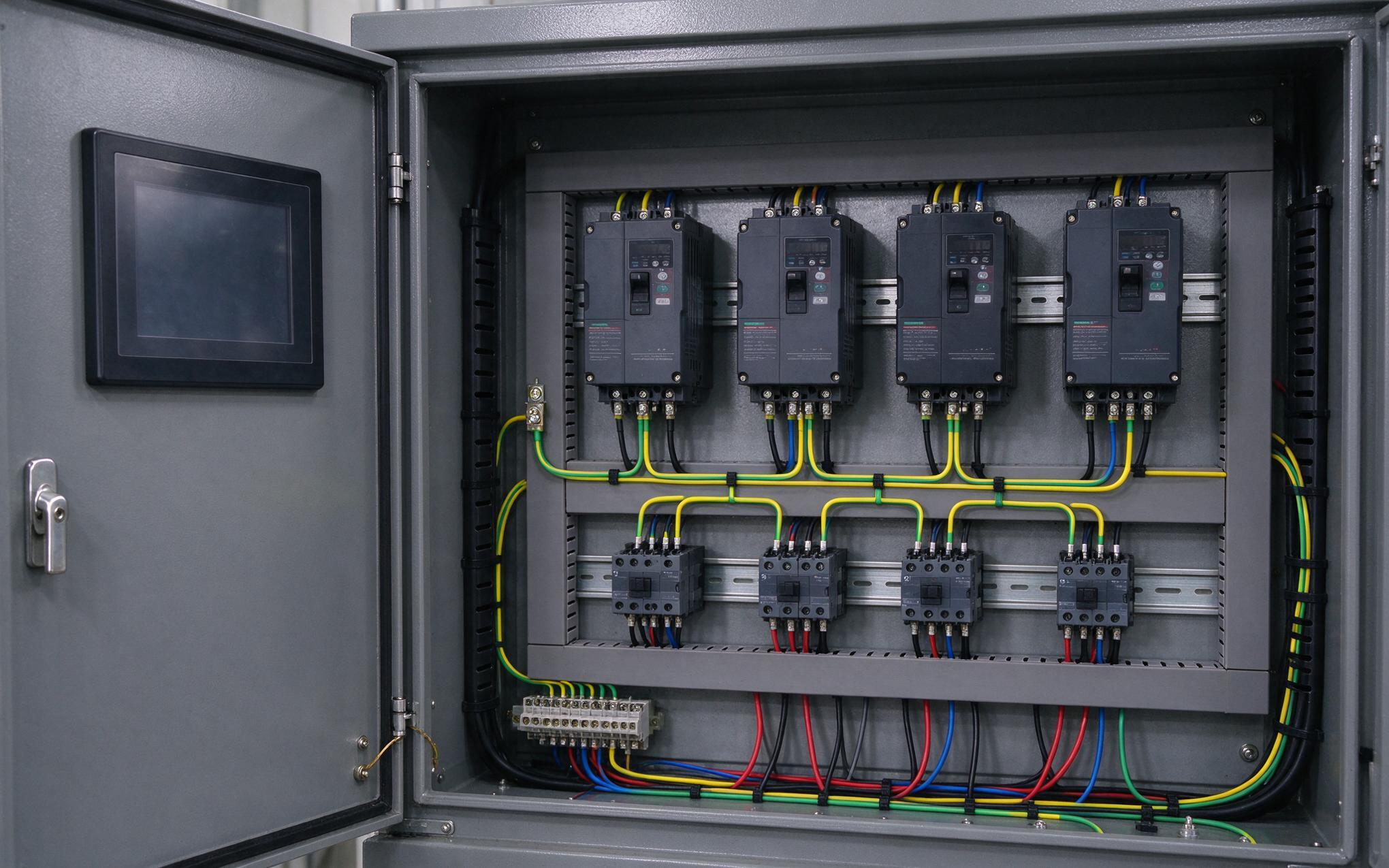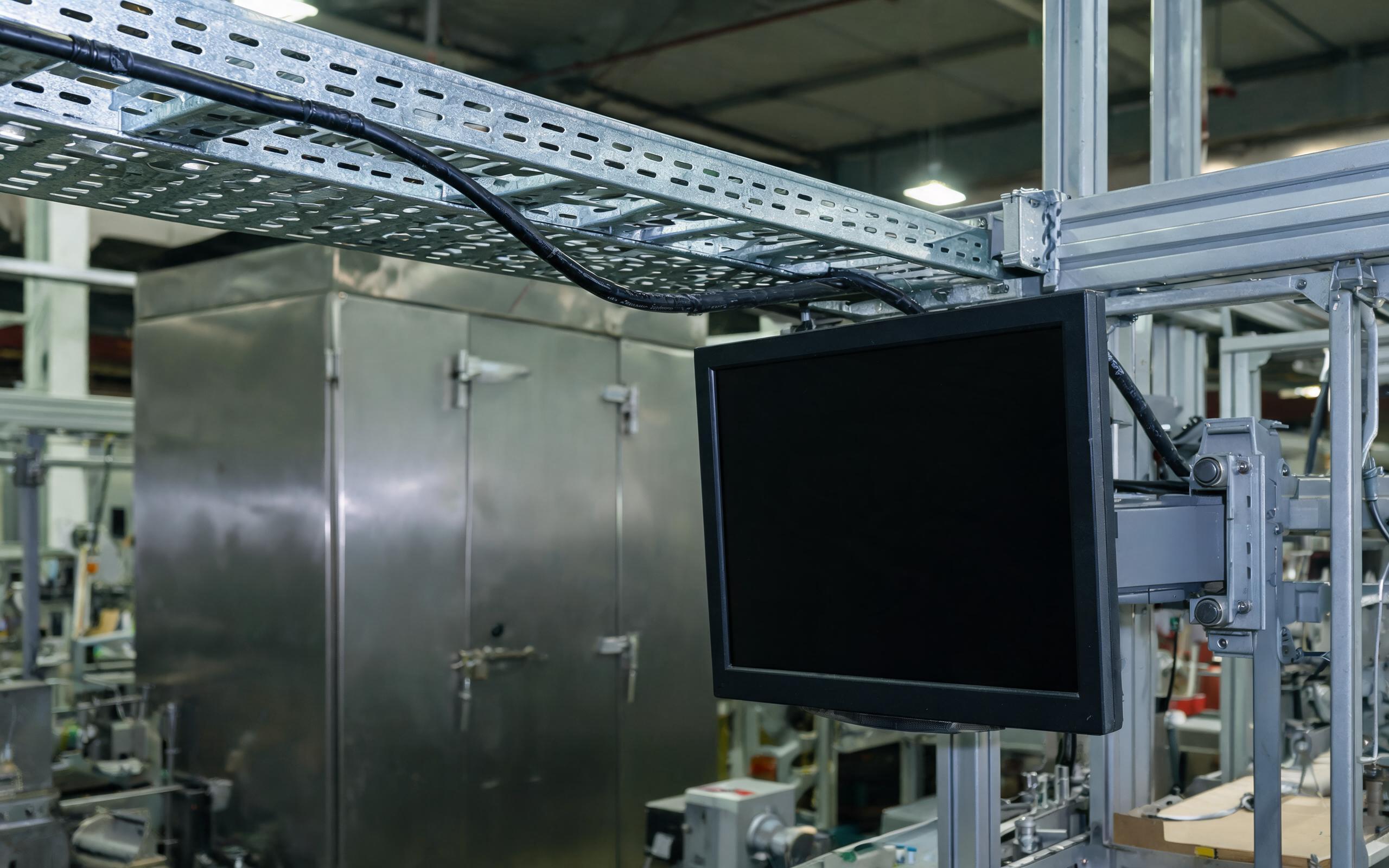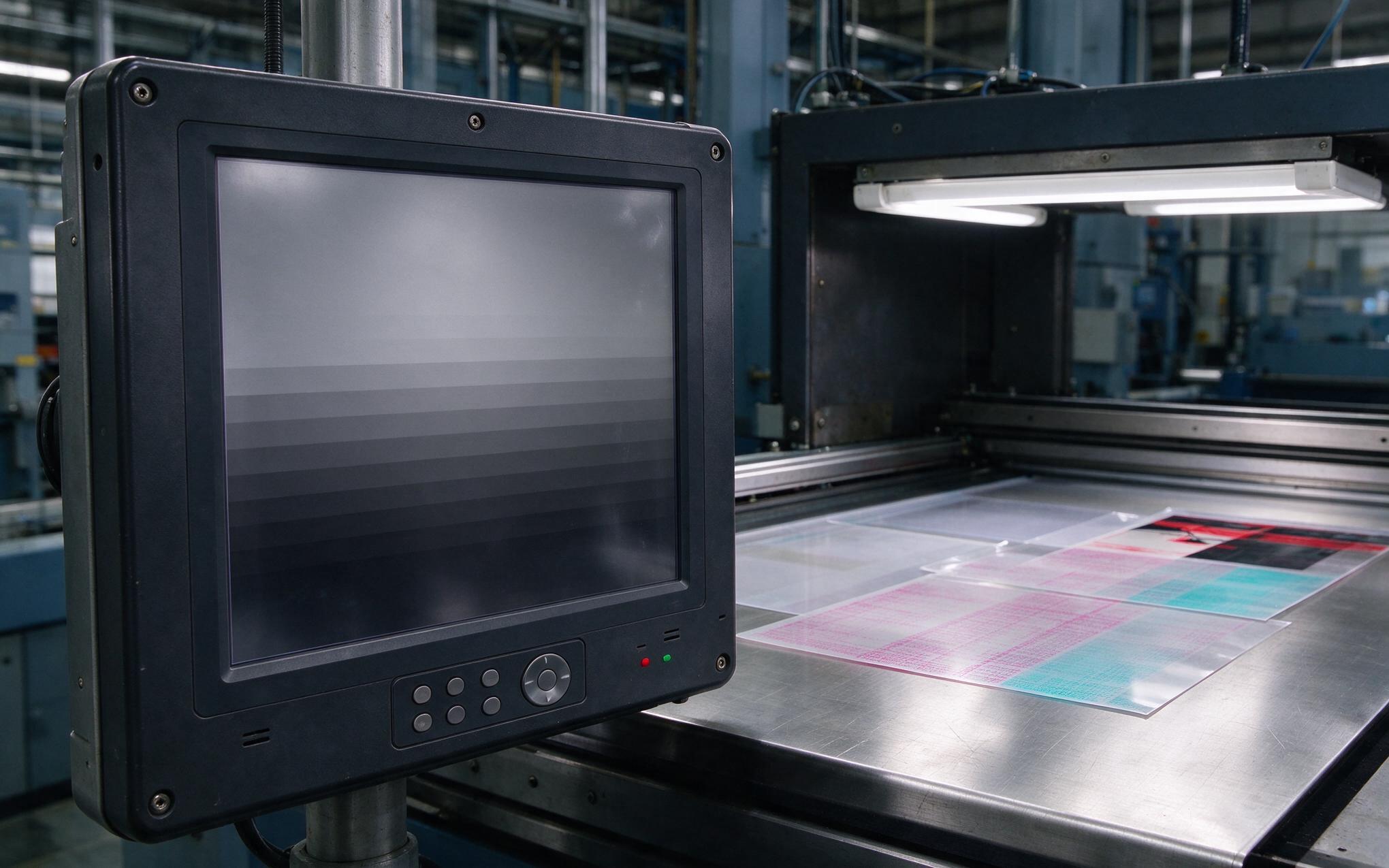
Compliance paperwork arriving with two visually identical terminals can describe entirely different engineering. One carries a report against the legacy information technology equipment standard; the other has been evaluated under the hazard-based approach of IEC 62368-1, where each energy source in the product is classified and the safeguards between that source and a person are justified explicitly. For an industrial touch screen panel installed in machinery, that shift changes which questions a specifier should ask, because prescriptive construction tables have given way to reasoning about available energy.

What Hazard-Based Safety Engineering Changed
The earlier standard worked from construction requirements: prescribed spacings, defined enclosure materials, and specified test sequences that a compliant design satisfied. The hazard-based method starts differently by identifying every energy source, classifying it by severity into one of three classes, and then requiring safeguards appropriate to that class. Electrical energy, thermal energy, mechanical energy, radiated energy, and chemical energy are each treated this way. The practical consequence for an industrial touch screen panel is that a design cannot be defended solely by pointing at a table. Where a supply produces enough available power to cause a burn or ignition, the evaluation asks which barrier limits that energy and whether the barrier remains effective if a single component fails.

Justifying Enclosure Safeguards and Creepage Spacing
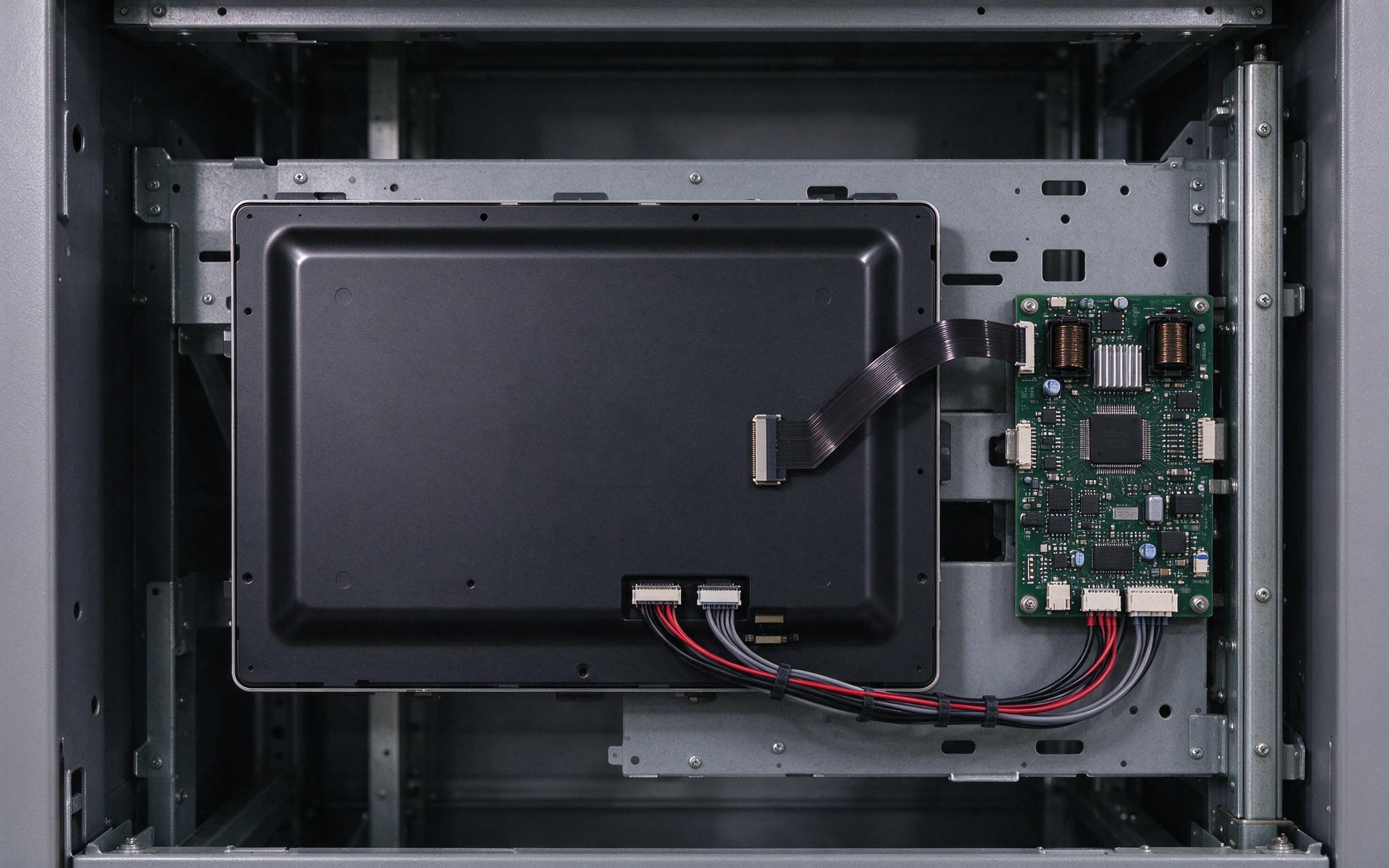
Enclosures are treated as safeguards rather than as containers, and their required properties follow from what they protect against. A metal housing serving as an electrical safeguard must maintain protective bonding continuity, while the same housing acting as a fire enclosure is assessed on flame propagation and opening geometry. For an industrial touch screen panel, both roles usually fall to the same housing. Creepage and clearance distances are derived from working voltage, insulation type, and pollution degree, which in a factory typically means pollution degree three rather than the office assumption of degree two. That difference widens required spacing on the power section of an industrial touch screen and is a common gap when a design intended for controlled environments is redeployed to a plant floor. Hardware manufacturers, including KOXIAN, address it by specifying conformal coating and increased spacing on power circuits rather than relying on enclosure sealing alone.

Surface Temperature Limits and Contact Duration
Thermal safeguards receive more structured treatment than before. Limits for accessible surfaces depend on material and on expected contact duration, since metal conducts heat into skin faster than plastic or glass at the same temperature, and a surface touched briefly is treated differently from one held continuously. A passively cooled enclosure dissipating heat through its own skin can approach those limits legitimately while still requiring evaluation. An industrial touch screen display mounted where an operator rests a hand during data entry falls into the sustained contact category, which lowers the permitted surface temperature. Ambient assumptions matter equally for an industrial touch screen panel, because a unit qualified at twenty-five degrees Celsius has no validated margin inside a cabinet running fifteen degrees warmer.

Documentation an Integrator Should Require
Machine builders inherit responsibility for the assembled system, so component evidence must be complete enough to support that role. A useful package contains the test report identifying the standard edition applied, the declaration of conformity, the marked ratings including ambient temperature, and any conditions of acceptability that constrain installation. Field observations from machine integration projects indicate that an industrial touch screen panel supplied with a KOXIAN documentation set shortens system assessment because the conditions of acceptability state cabinet ambient limits and required supply characteristics directly. Where a supplier offers only a self-declared statement, the integrator absorbs the evaluation effort and the residual risk, which is a cost that belongs in the comparison at quotation stage.
The move to hazard-based safety engineering shifted the burden from matching construction tables to demonstrating that safeguards match the energy actually present. For specifiers, three practical checks follow: confirm the standard edition in the test report, verify that pollution degree and working voltage assumptions match the intended plant environment, and check that surface temperature limits were assessed for the contact duration the application involves. Requesting the conditions of acceptability alongside the certificate turns a compliance document into information that can be used during machine design.