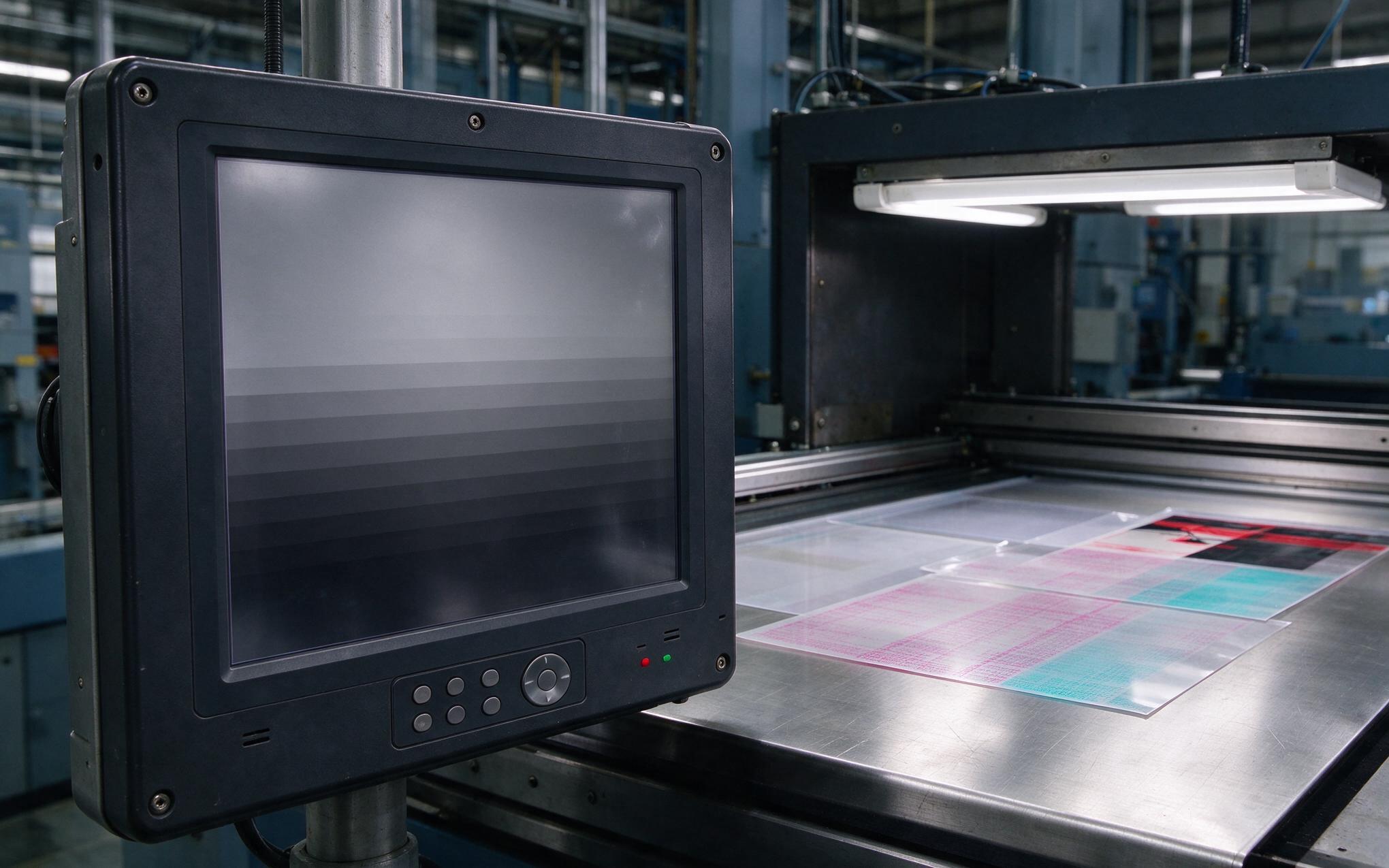
When an engineering team begins sourcing industrial computing hardware for a new product line or facility upgrade, the conversation almost always starts with unit cost. The procurement spreadsheet compares line items: a custom OEM panel PC versus an off-the-shelf model with similar specifications. The off-the-shelf unit usually wins on purchase price. The problem is that purchase price represents roughly 15–20% of the total cost of ownership over a five-year deployment horizon. Everything else—integration engineering, certification, spare parts inventory, field service, and downtime—lives in the remaining 80%. A structured five-year TCO comparison reveals patterns that the initial purchase order conceals.
Year One: Integration Engineering Costs
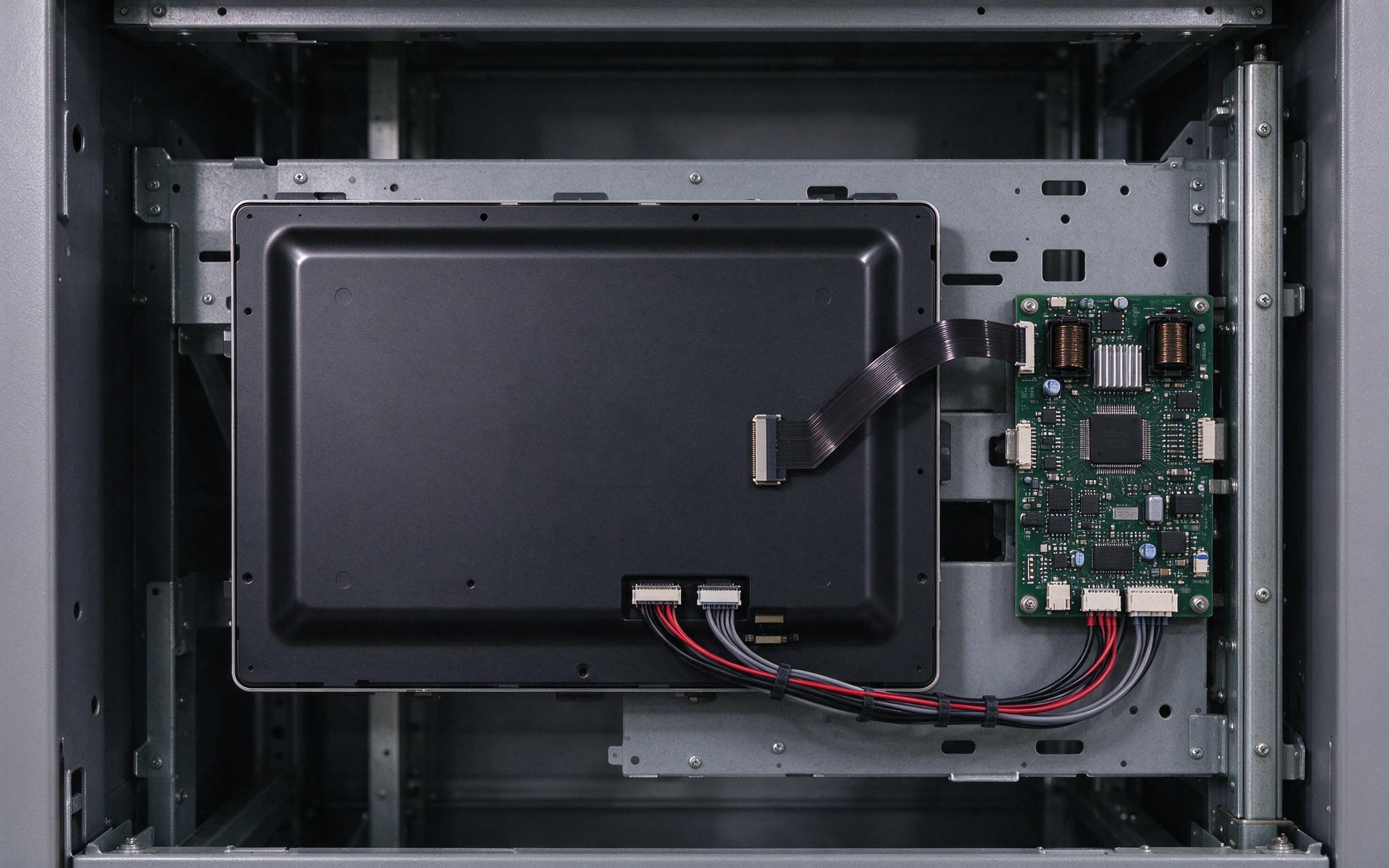
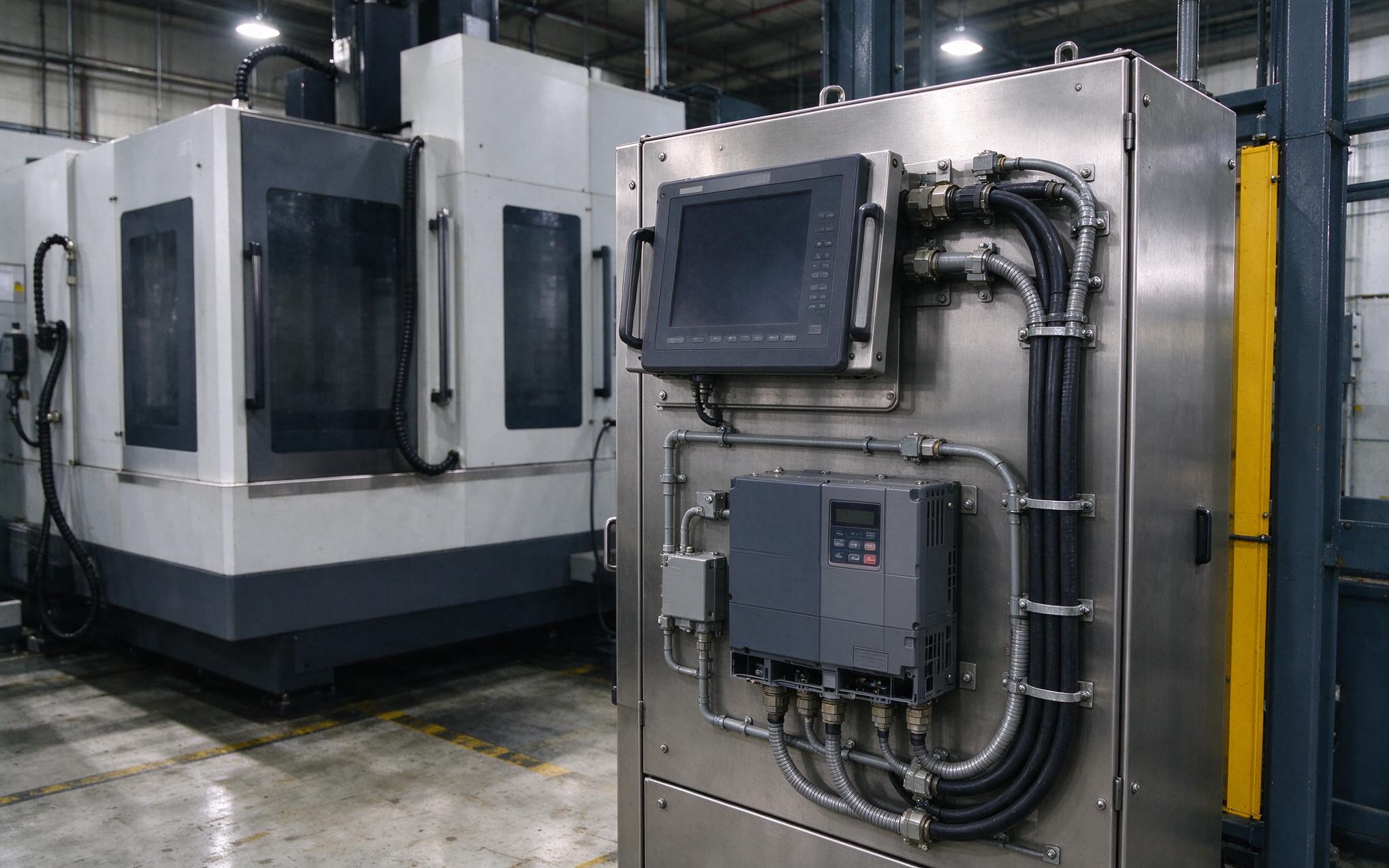
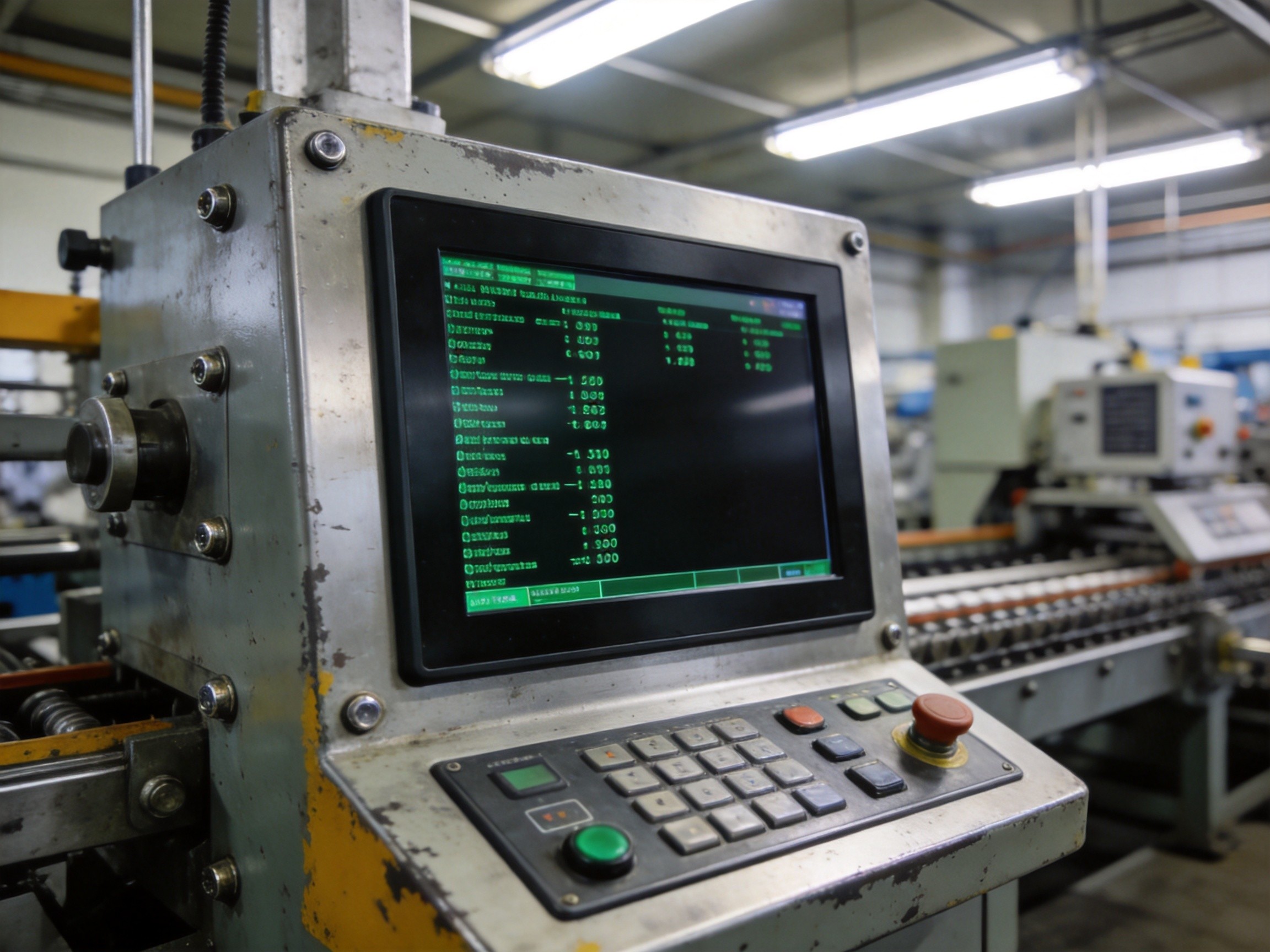
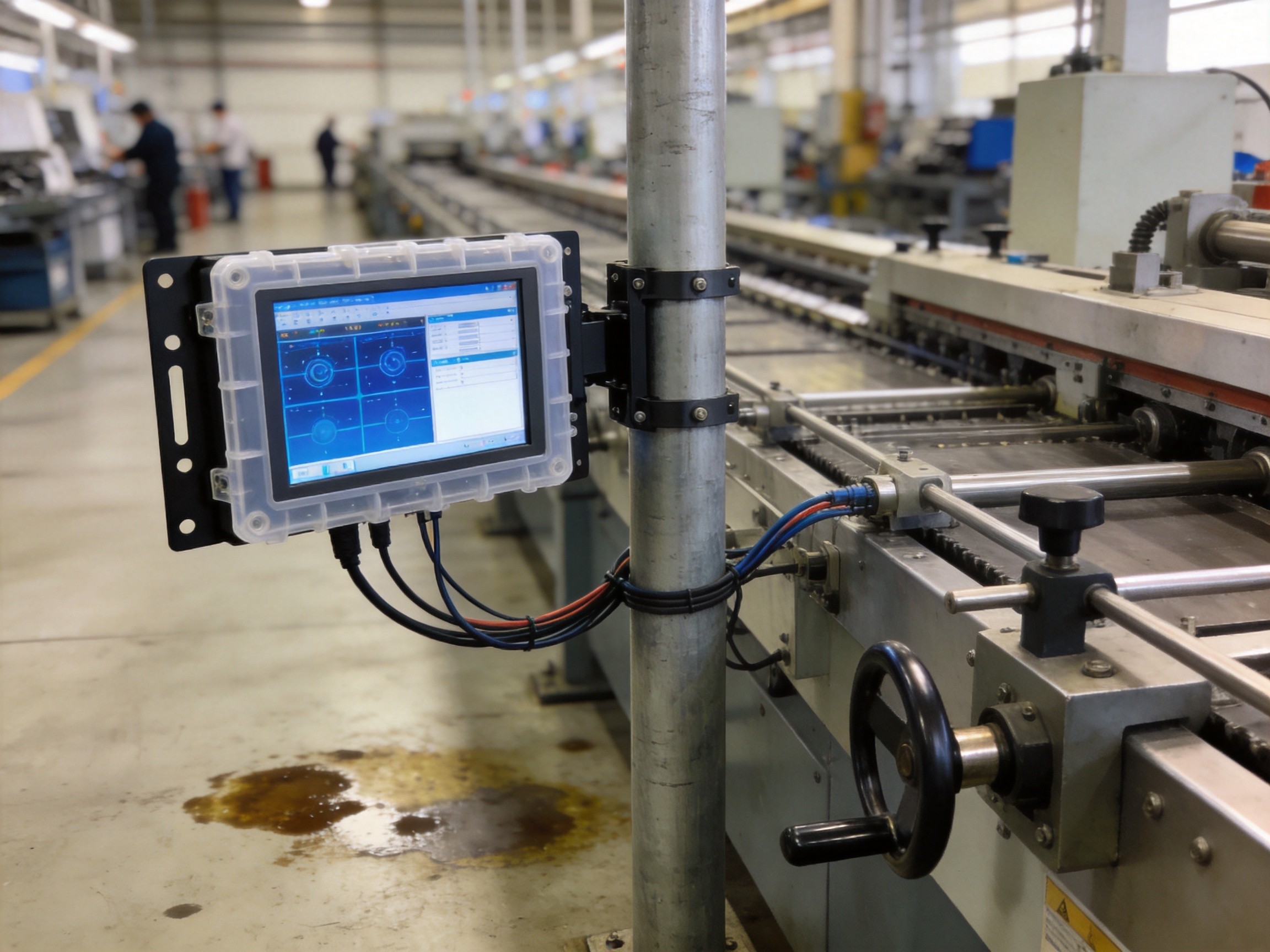
The first year of ownership reveals the largest cost divergence between the two approaches. Off-the-shelf panel PCs arrive with fixed mounting patterns, predetermined I/O layouts, and standardized display sizes. When these specifications do not align perfectly with the target equipment, integration engineering costs accumulate rapidly. Brackets must be fabricated, cable routing reworked, and bezel adapters machined. A custom OEM panel PC arrives with mounting points, connector positions, and display dimensions engineered to the specific integration requirements. KOXIAN project data across multiple integration programs indicates that off-the-shelf units require an average of 12–18 additional engineering hours per deployment site for mechanical adaptation, while custom OEM solutions typically require fewer than 4 hours. At standard industrial automation engineering rates, this gap alone can represent a cost differential of several thousand dollars per installed unit.
Years Two Through Four: Maintenance and Spares
The middle years of the lifecycle tell a different story. Off-the-shelf panel PCs benefit from manufacturer economies of scale: spare parts are catalog items, replacement units can be sourced from distribution channels within days, and field technicians are likely already familiar with the hardware platform. Custom OEM units, particularly those produced in smaller batches, require the end user to maintain a dedicated spare parts inventory—often with minimum order quantities exceeding actual needs. However, this disadvantage is partially offset by longer component availability commitments. Off-the-shelf models may cycle through revisions every 18–24 months, creating configuration management challenges for facilities needing identical replacement units three or four years into deployment. The standardization premium for off-the-shelf hardware is real but narrows when the cost of managing revision changes across a multi-site deployment is factored in.
Year Five and Beyond: Downtime and Reliability
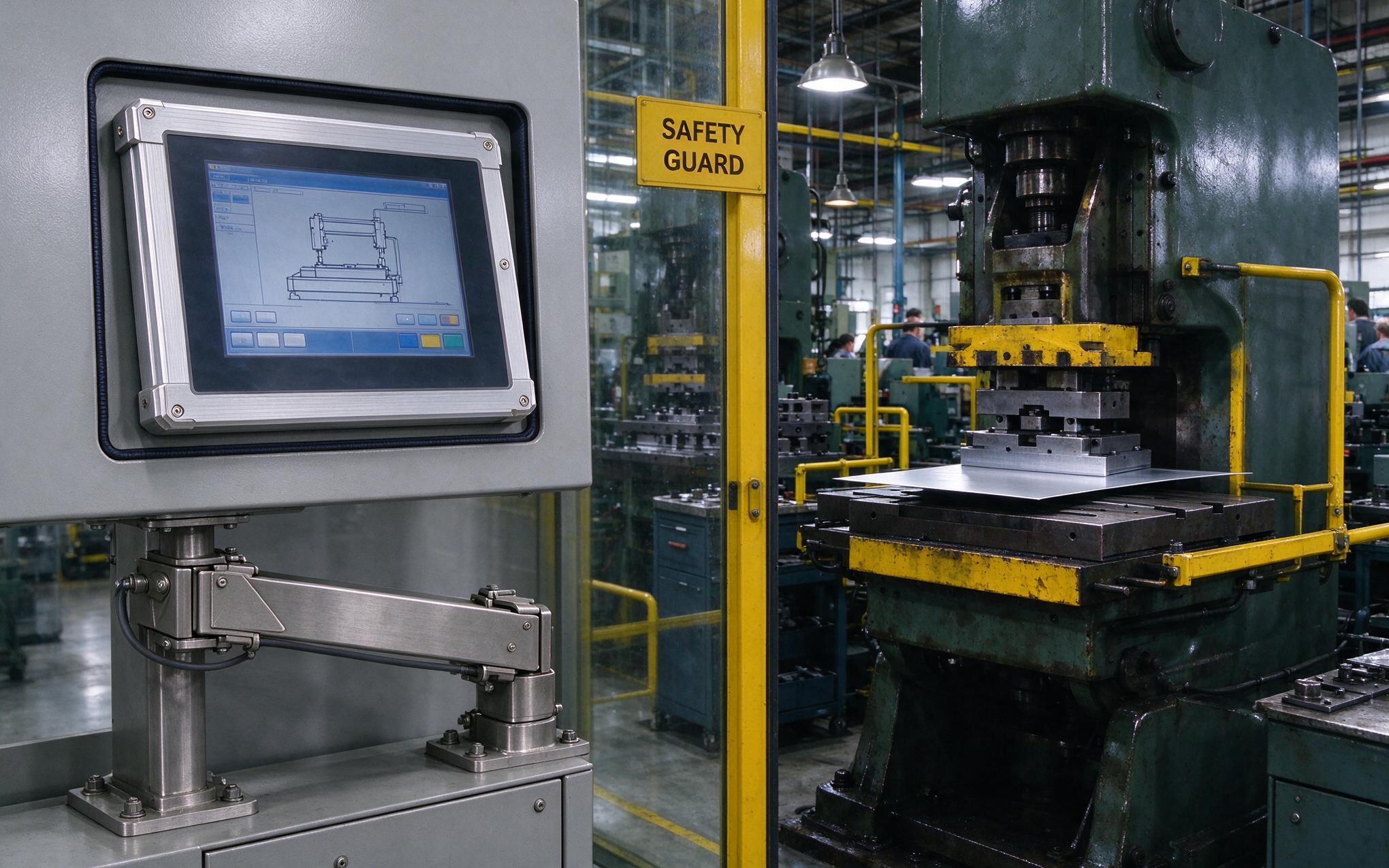
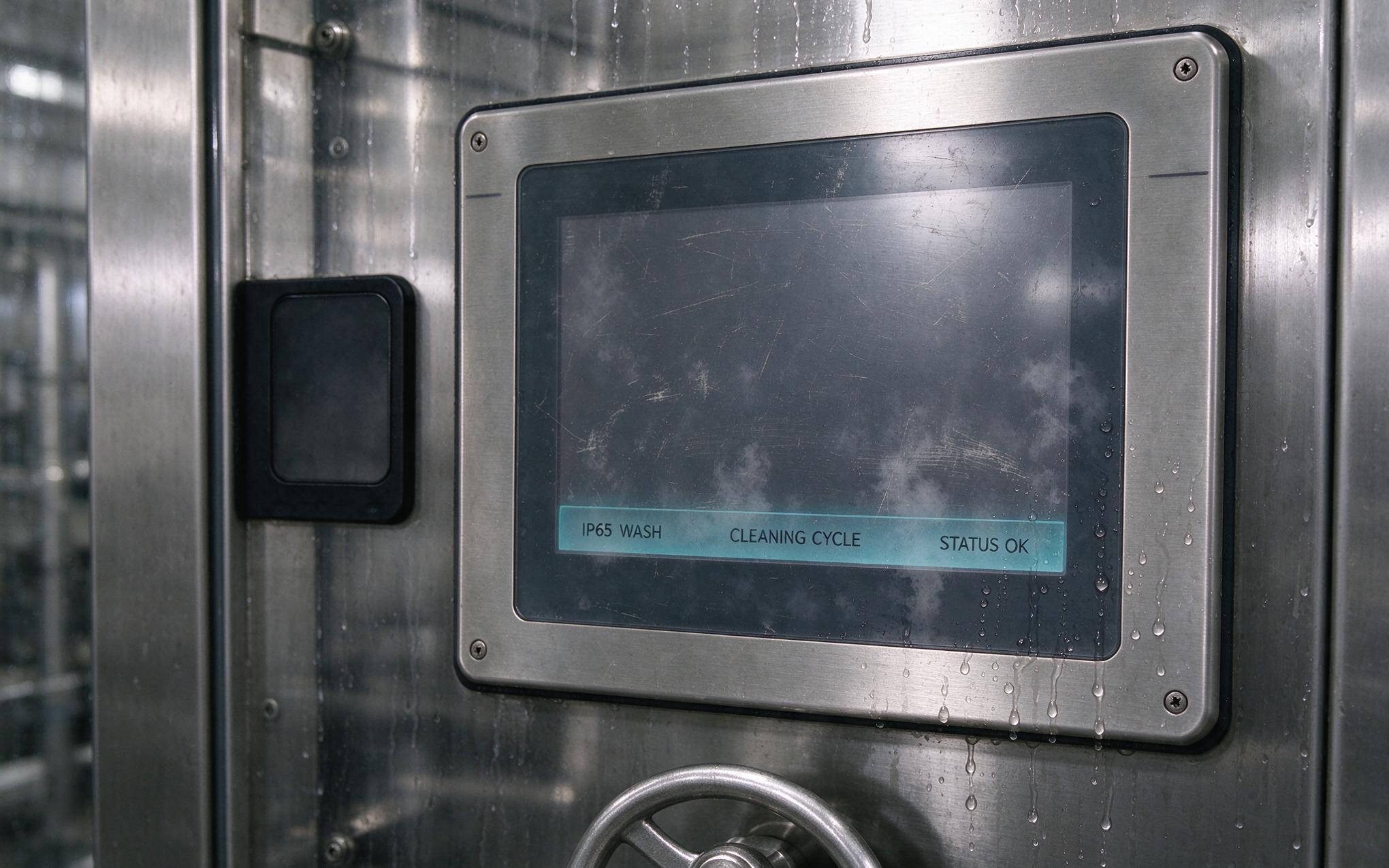
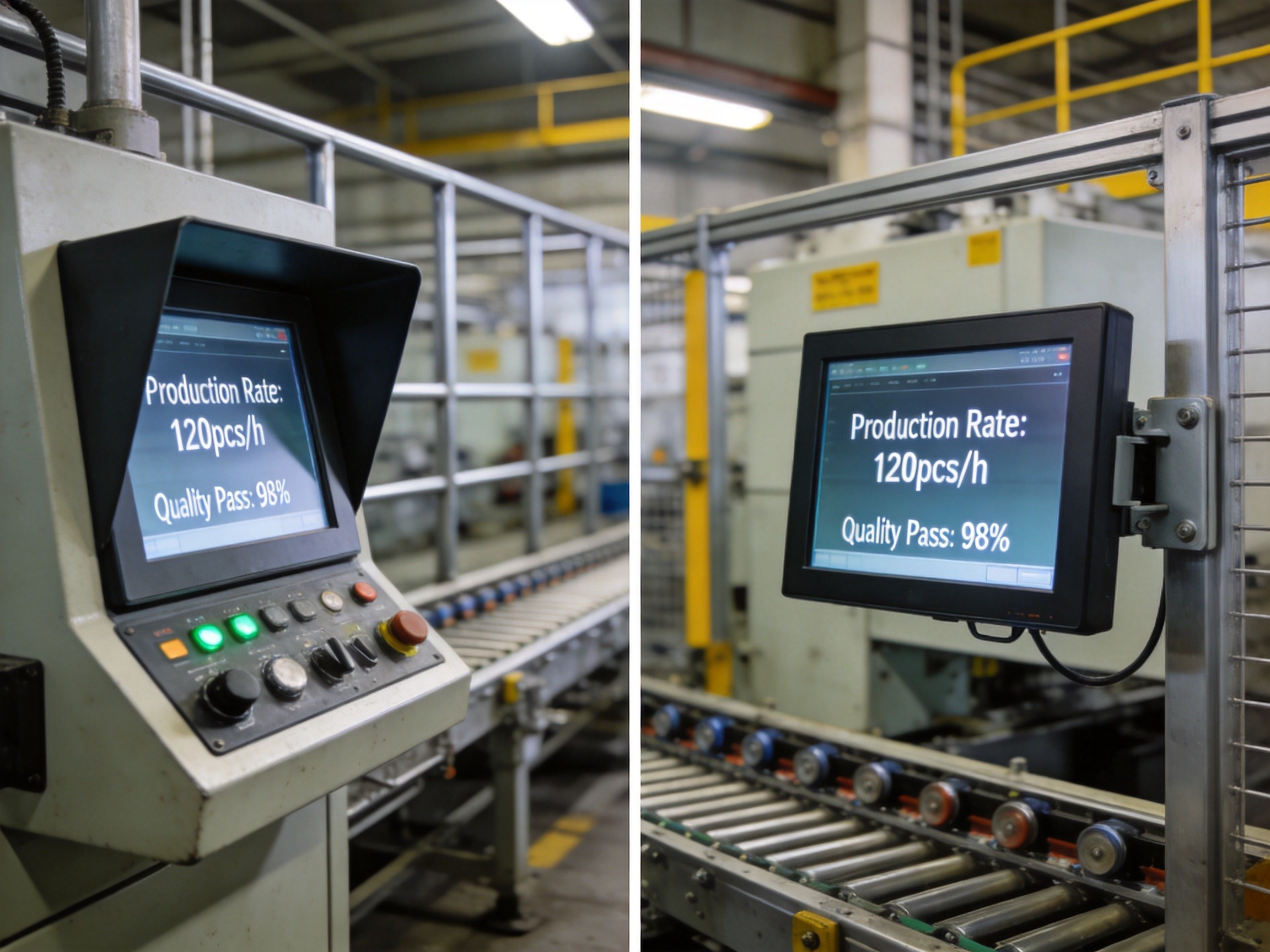
Downtime is the TCO variable that procurement spreadsheets most frequently underestimate. In continuous process manufacturing, an hour of unplanned downtime can cost between $10,000 and $250,000 depending on the industry and the specific process affected. The reliability of the panel PC becomes the single largest cost driver over a five-year period. Custom OEM panel PCs, engineered for the thermal, vibration, and contamination profile of the target application, typically demonstrate lower failure rates in their intended deployment context than general-purpose off-the-shelf units exposed to the same conditions. A 1% difference in annualized failure rate, compounded over five years and multiplied by the cost of downtime per incident, can easily exceed the entire purchase price difference between the two approaches. KOXIAN recommends modeling downtime cost probabilistically, using demonstrated MTBF data and the specific consequences of a panel PC failure in the target application.
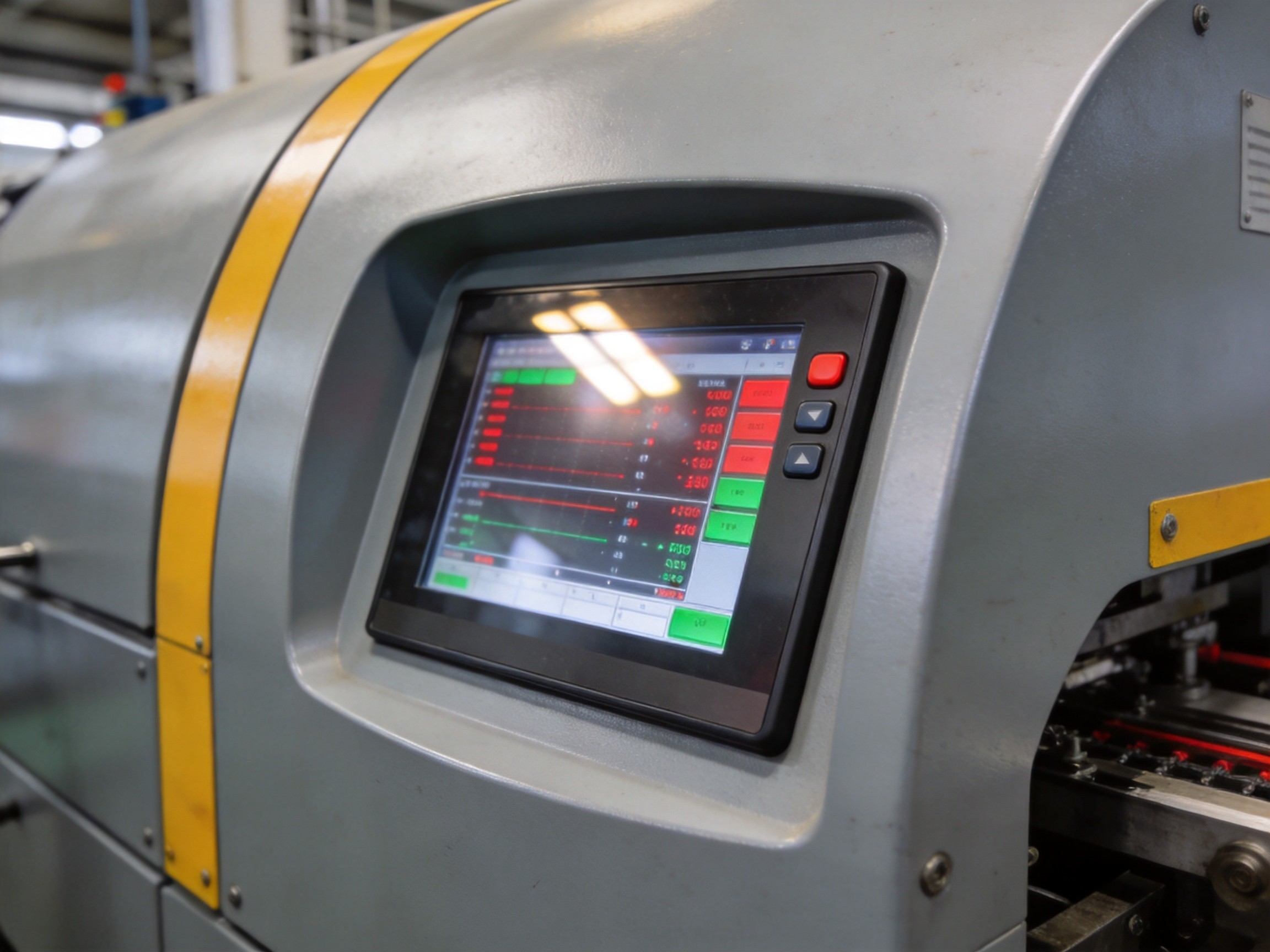
The TCO Model Procurement Should Use
A defensible five-year TCO comparison must include: unit purchase cost, integration engineering labor, certification and compliance testing, spare parts inventory carrying cost, planned maintenance labor, unplanned corrective maintenance labor, and probabilistic downtime cost. Off-the-shelf solutions tend to win in low-complexity, low-consequence applications where downtime is an inconvenience rather than a financial event. Custom OEM solutions dominate in high-complexity integrations, harsh environments, and applications where downtime cost is significant. The right answer is not universal—it is rigorously application-specific and demands a TCO model that looks past the purchase order and into the full operational life of the hardware.
The five-year TCO comparison between custom OEM and off-the-shelf industrial panel PCs is not a story of one approach being universally superior—it is about matching procurement strategy to operational reality. Organizations that decide based solely on unit pricing optimize for the wrong variable. Those that build a structured TCO model accounting for integration labor, spare parts logistics, revision management, and probabilistic downtime consistently make better long-term investments, regardless of which direction the analysis points.