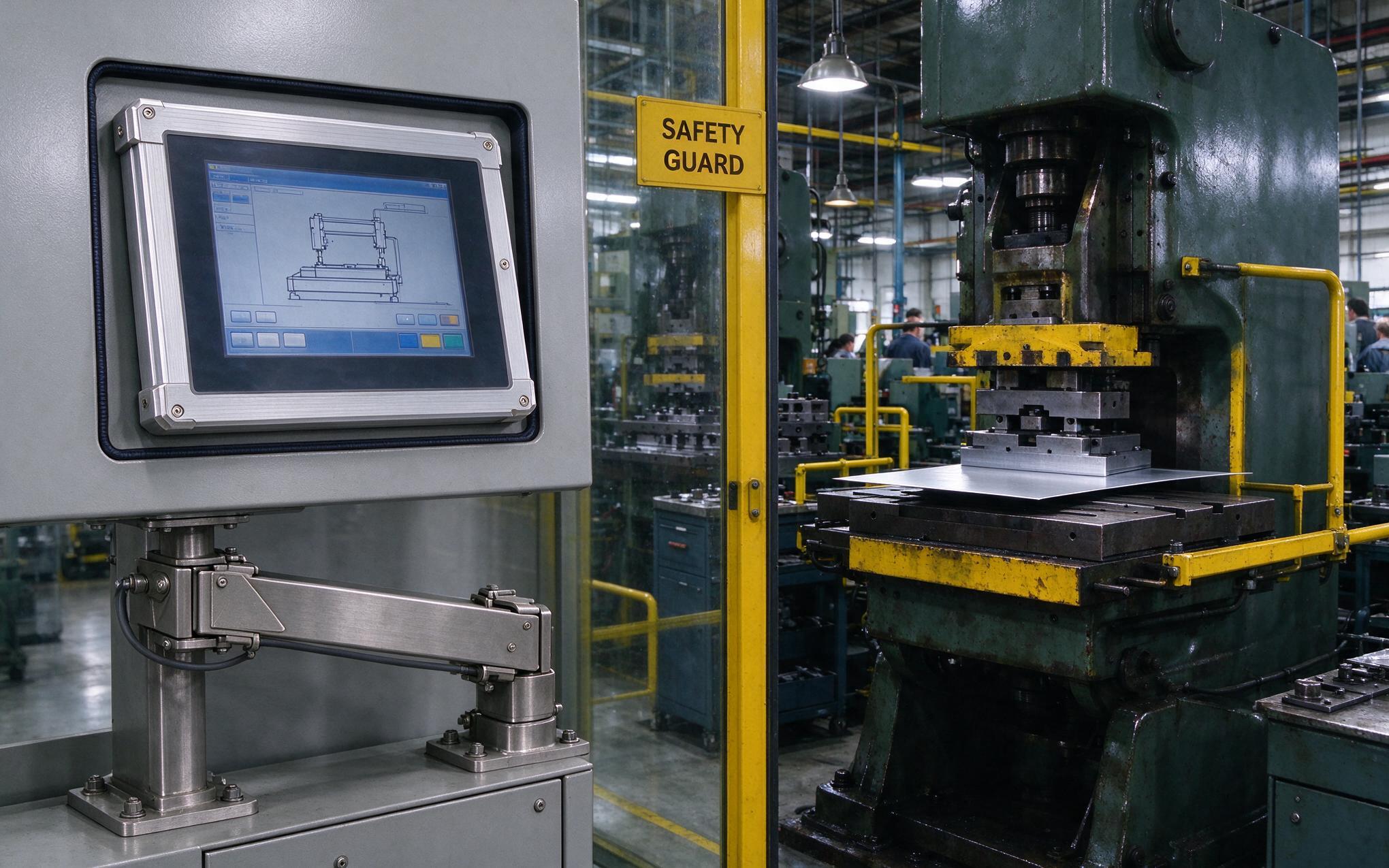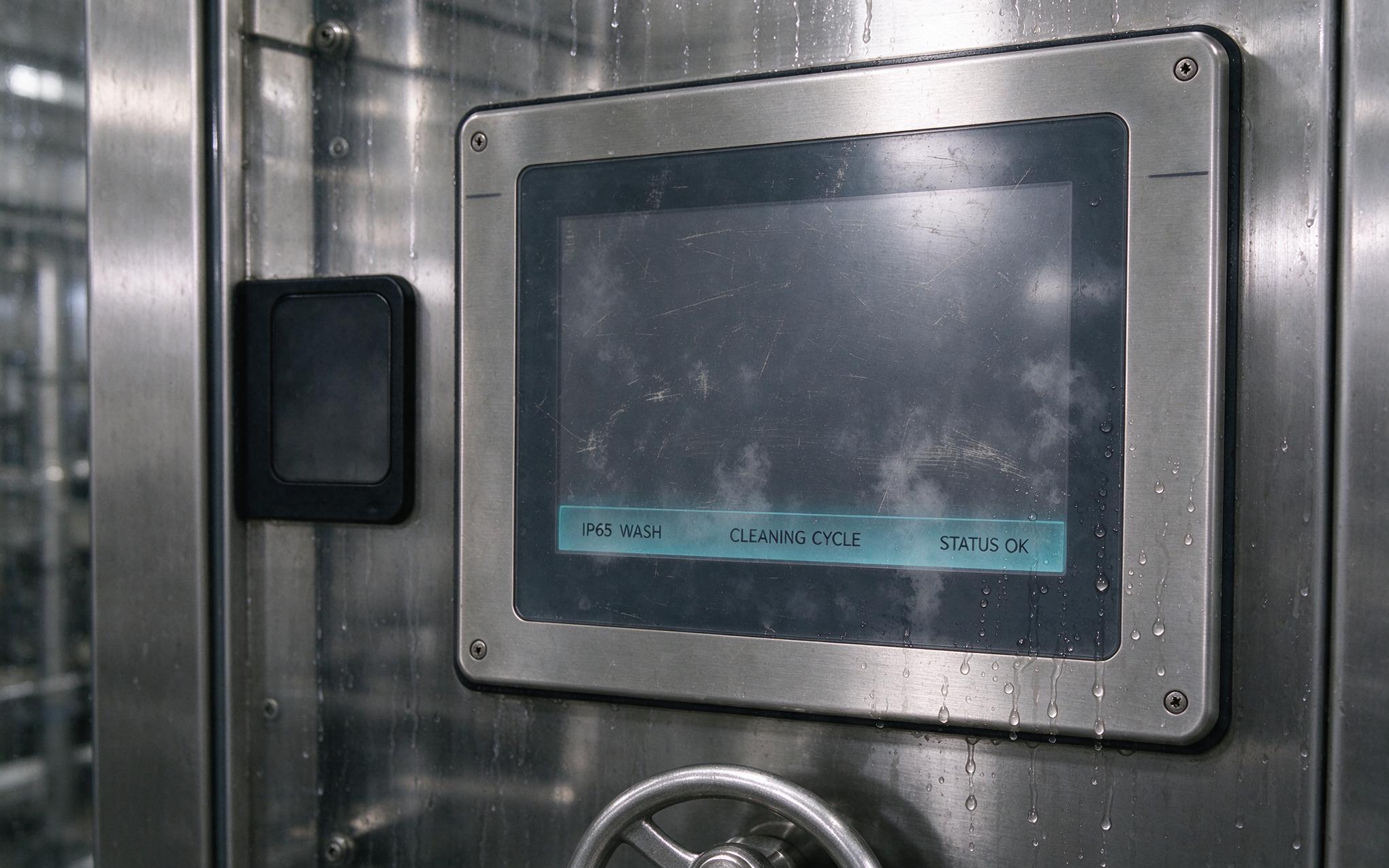
A maintenance lead in a coastal packaging plant wipes down a line-side display at the start of every shift. The screen looks clear for an hour, then fog creeps back across the inside of the glass. Wiping the surface never fixes moisture that has already condensed behind the front bezel. This pattern repeats across humid regions, and it quietly shortens the service life of a rugged industrial monitor that was otherwise specified correctly for shock and washdown. Humidity behaves differently in tropical and temperate plants, so the protection rules that work in one climate can underperform in the other. Understanding those differences keeps displays readable and electronics alive.
Managing Condensation Inside a Rugged Industrial Monitor
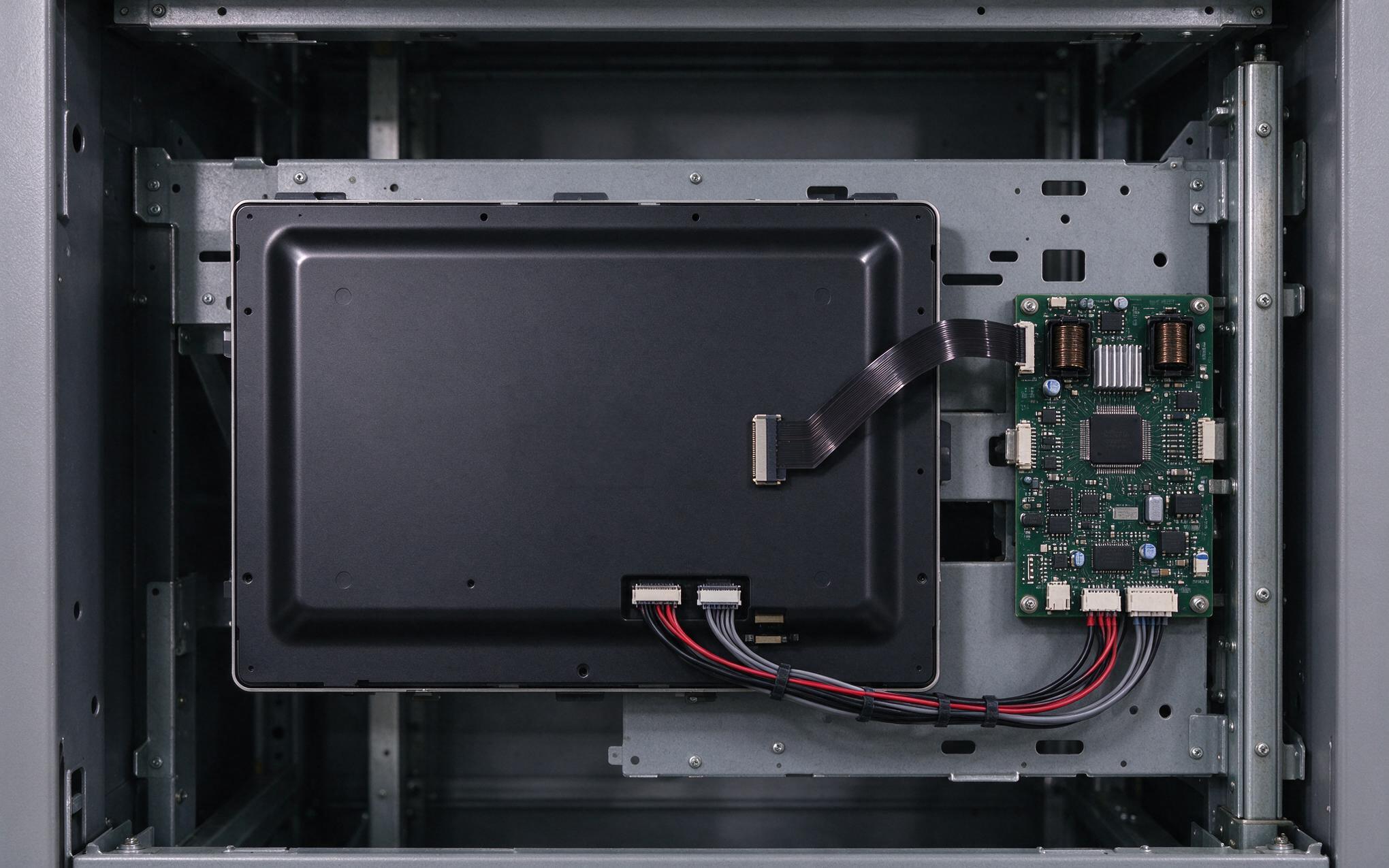
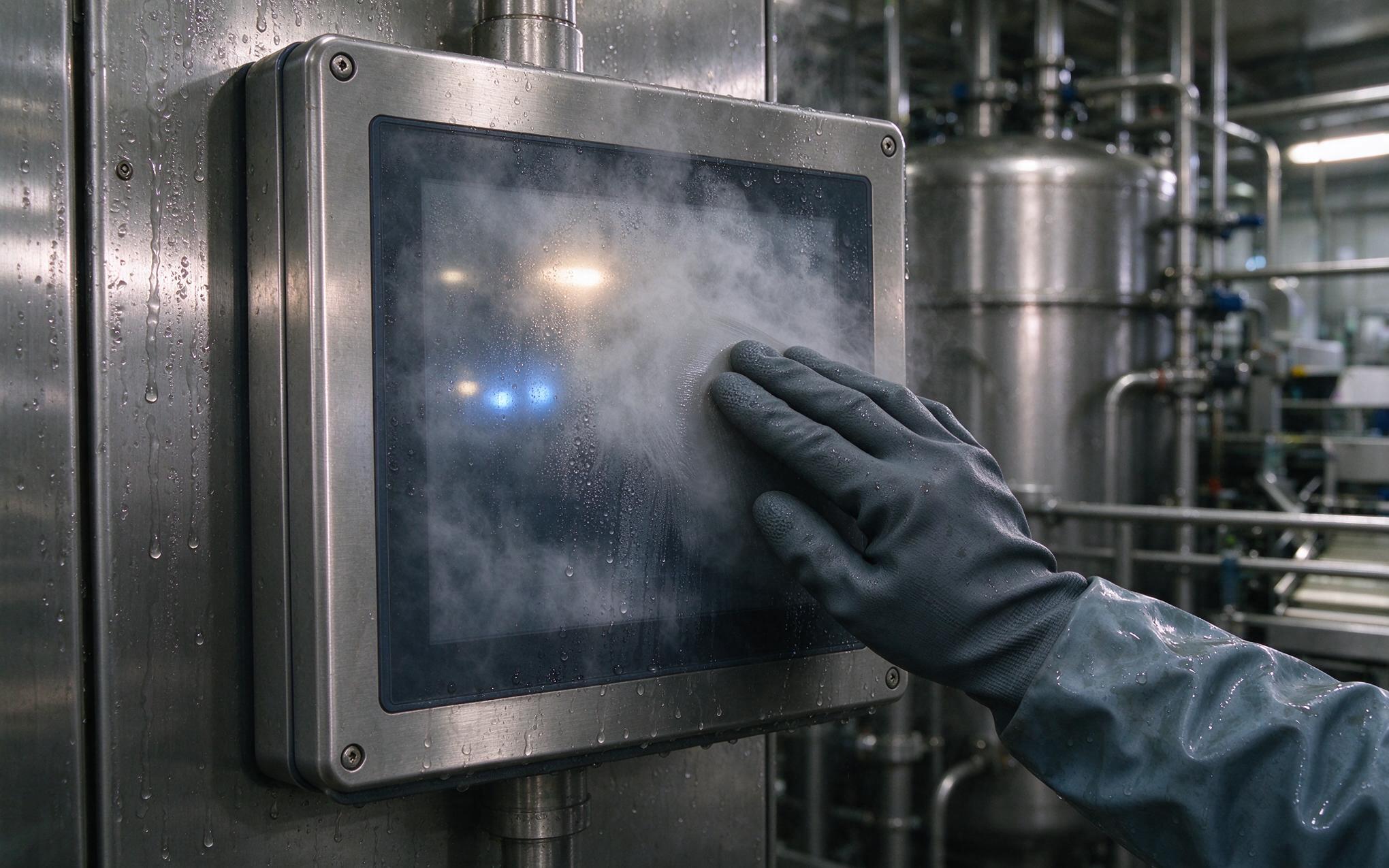
Condensation forms when warm, moisture-laden air meets a surface below its dew point. In a tropical plant, that contact happens inside the enclosure every time a dock door opens or a washdown cycle cools the front glass. Water vapor slips past cable entries and imperfect seals, then condenses on the coldest internal surfaces, which are usually the display cell and the touch sensor. A waterproof industrial monitor with an IP65 front face still traps that internal volume if the panel is only gasket sealed. Optically bonded constructions remove the air gap where fog forms, and sealed rear housings with hydrophobic vents equalize pressure without admitting liquid. In practice, a rugged industrial monitor in the tropics fails from the inside out far more often than from direct spray. Specifying for condensation means treating the air inside the box as a design variable, not an afterthought.

Gasket Hydrolysis and Seal Aging in Humid Climates
Heat and moisture attack sealing materials chemically. Standard polyurethane gaskets absorb water and undergo hydrolysis, a reaction that breaks polymer chains and turns a firm seal into a soft, crumbly ring within a few years of tropical service. Once the gasket loses elasticity, compression set follows, and the enclosure no longer meets its original IP rating even though nothing visible has failed. Silicone and EPDM compounds resist this mechanism far better, which is why material selection matters more than nominal ingress codes on a datasheet. Buyers in humid regions increasingly ask for damp heat test evidence under profiles defined in IEC 60068, typically 85 degrees Celsius at 85 percent relative humidity for hundreds of hours, before approving industrial monitors for unconditioned spaces. That single document predicts seal life more honestly than a static IP claim.
What Changes in Temperate and Cold-Door Sites?
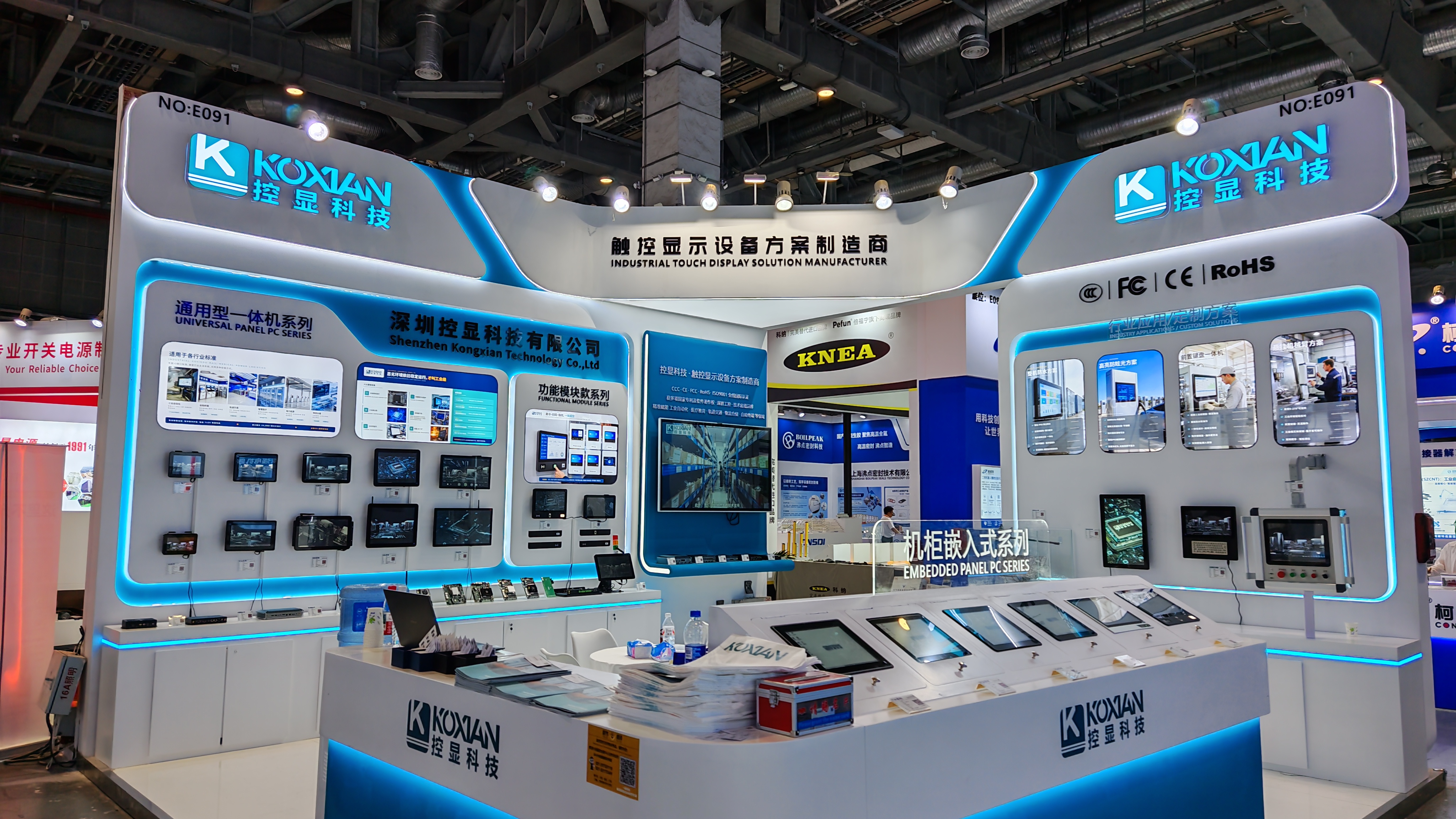
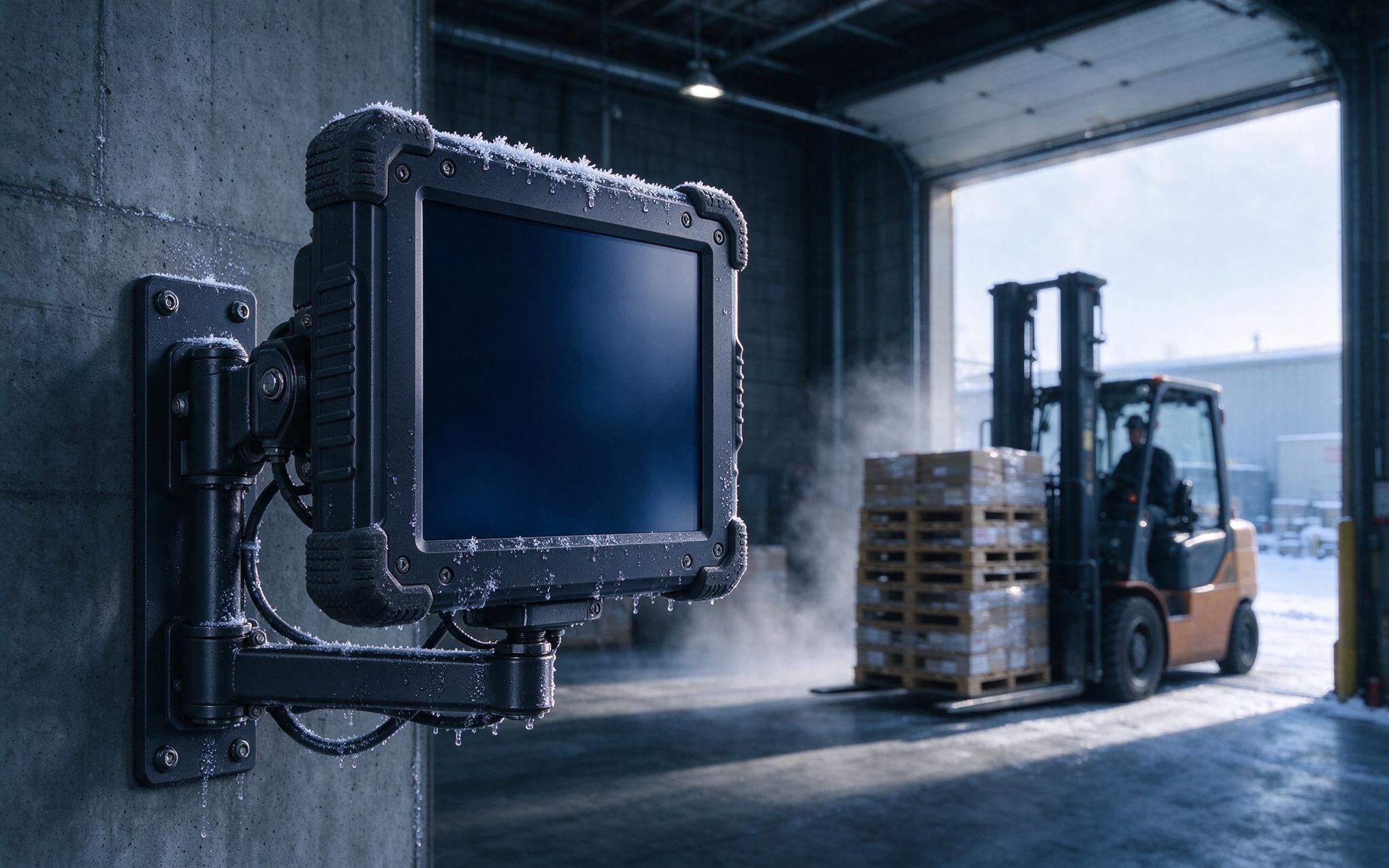
Temperate facilities swap constant saturation for violent seasonal swings. A monitor mounted near a loading dock in the Midwest sees humid summer air, subfreezing winter mornings, and rapid transitions when warm trucks meet cold building air. Each crossing of the dew point deposits a fresh film of moisture, and repeated freeze-thaw cycles pump that moisture deeper into cable entries and mounting threads. Cold starts add a second stress: liquid crystal cells slow down and backlights dim until the panel warms internally. When selecting hardware for these transitions, design approaches like those adopted in KOXIAN wide temperature monitor lines serve as a practical reference for pairing heated front glass with wide temperature display cells. A rugged industrial monitor in a temperate site therefore needs both condensation control and verified cold start behavior, not just a sealed bezel.

Specification Rules for Humidity-Driven Deployments
A humidity-aware specification starts with margin. Choose an IP rating one grade above the worst exposure the site can produce, then confirm the rating survives thermal cycling rather than applying only to a new gasket. Ask whether internal boards carry conformal coating, because even a well-sealed rugged industrial monitor eventually breathes moist air during pressure swings. Verify that vents and membrane valves are hydrophobic, and request the damp heat and salt fog test summaries behind any corrosion claim. Maintenance belongs in the same document: seal inspection every twelve months in temperate plants, every six months in tropical ones, with gasket replacement treated as scheduled wear rather than a surprise failure. Industrial hardware manufacturers, including KOXIAN, publish damp heat validation summaries that give specifiers a documented baseline for these decisions.
Climate shapes monitor reliability as much as any electrical specification. Tropical sites lose displays to internal condensation and gasket hydrolysis, while temperate sites lose them to freeze-thaw pumping and cold start stress. The purchasing rules that follow are straightforward: specify sealing with margin, demand damp heat evidence, match gasket materials to the chemistry of the site, and schedule seal replacement as routine maintenance. A rugged industrial monitor specified this way stays readable for years in conditions that quietly destroy consumer-grade hardware within a single season.