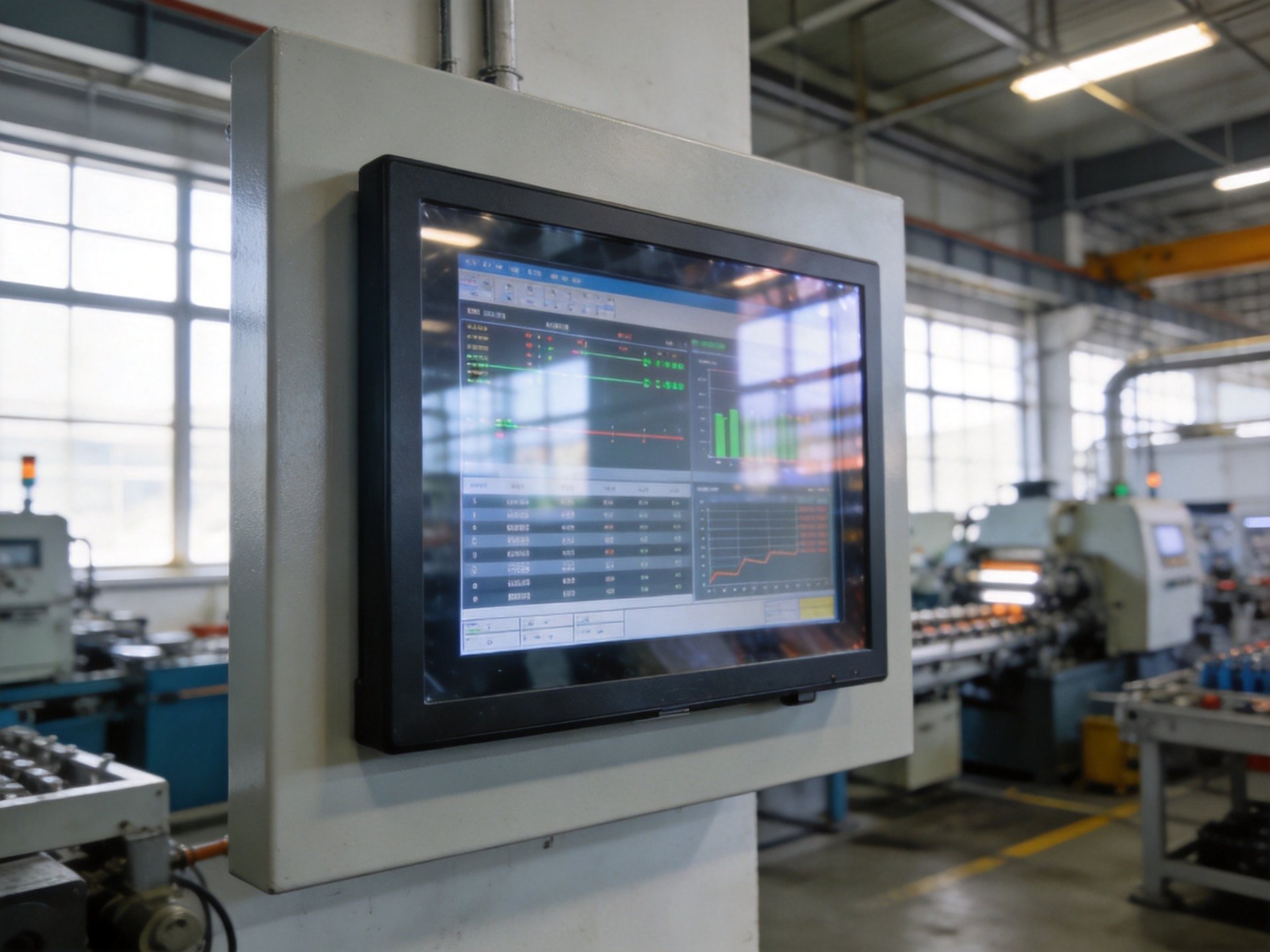
Understanding Glare and Its Industrial Impact
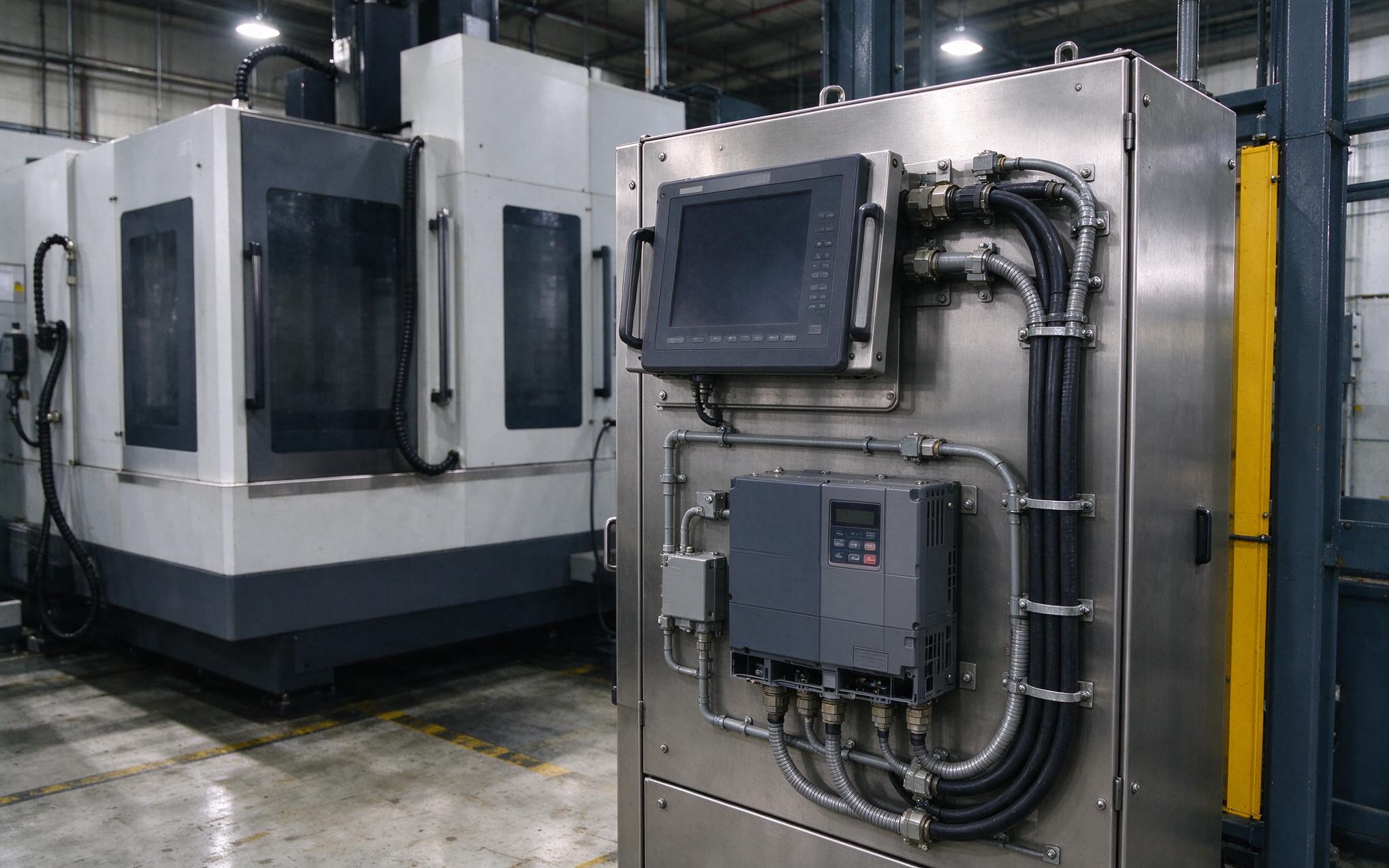
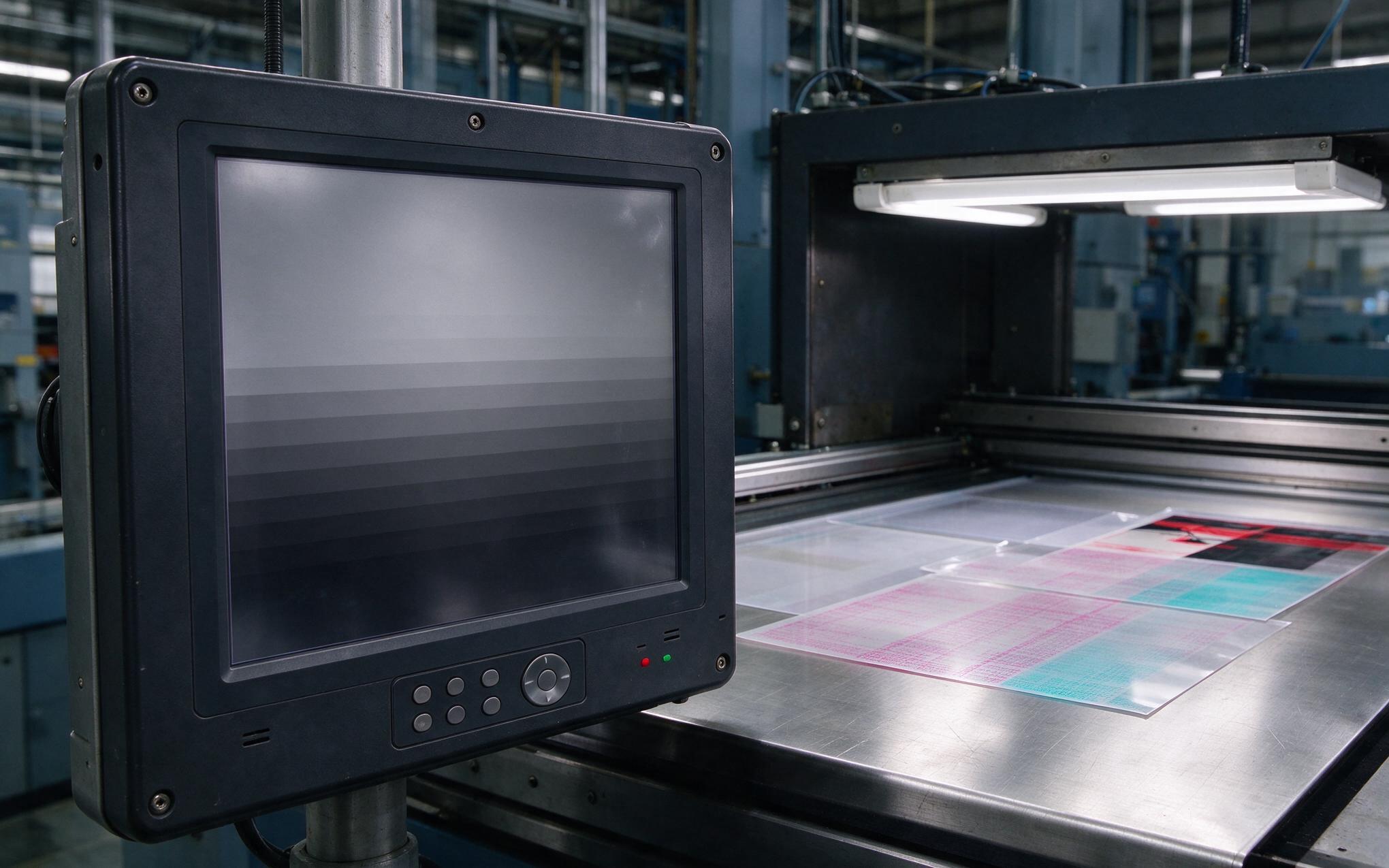
Screen glare occurs when ambient light reflects off the display surface with sufficient intensity to compete with light emitted by the screen itself. In industrial environments, glare sources include direct sunlight through windows, overhead high-bay lighting, and reflected light from polished metal surfaces. Standard displays typically have glare values around 40-50%, meaning nearly half the ambient light bounces directly back toward the viewer. Beyond readability issues, prolonged work with glare-affected displays contributes to operator fatigue, eye strain, and reduced productivity—factors that compound over long shifts in 24/7 manufacturing operations. For critical applications like process control or safety monitoring, reduced display legibility directly translates to increased risk of human error.
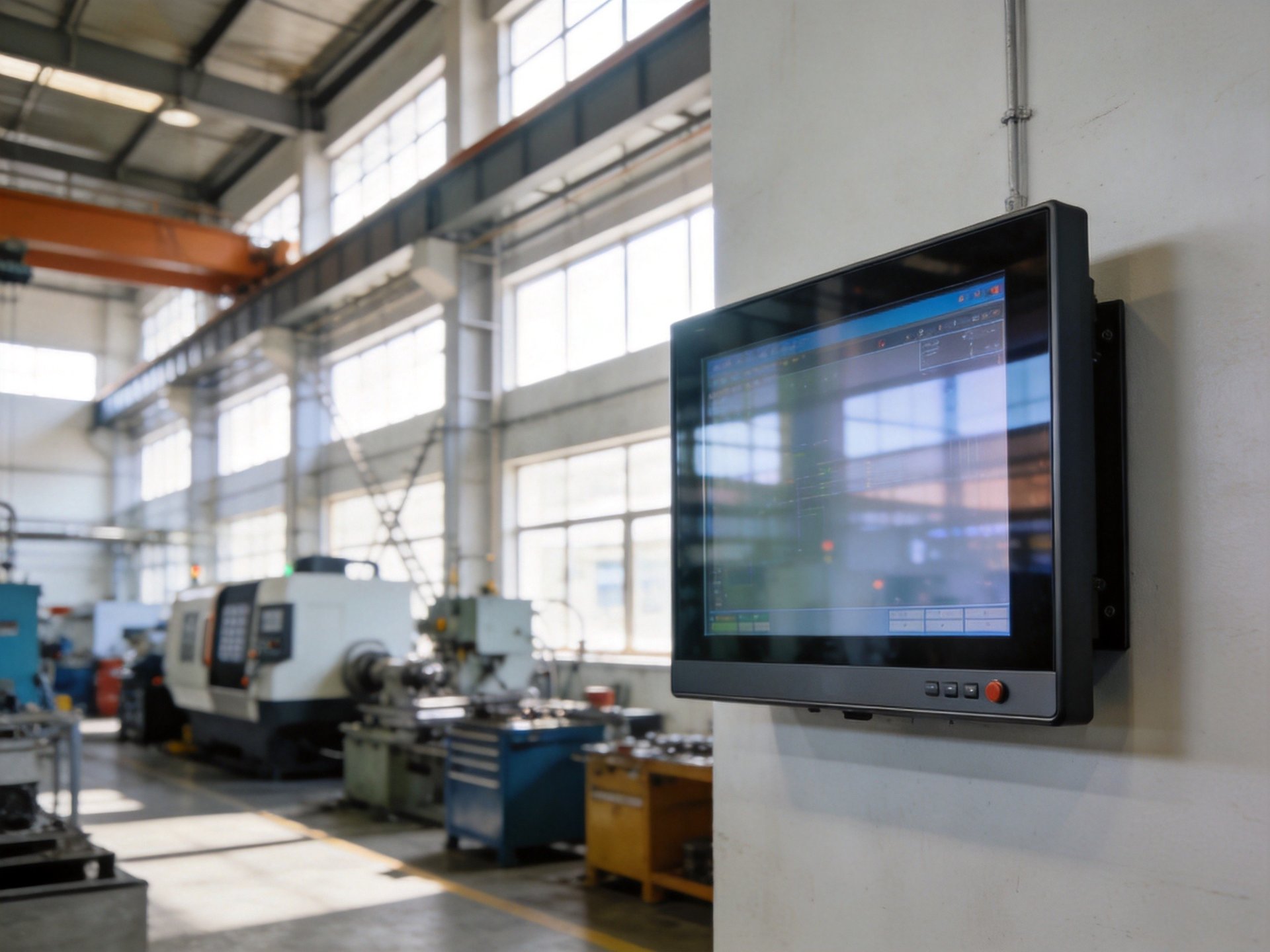
Anti-Reflective Coatings and Surface Treatments
The most direct solution for glare reduction comes from display surface technologies designed to suppress reflected light. Anti-reflective (AR) coatings work by applying multiple thin layers of specialized materials to the glass surface, creating destructive interference that cancels out reflected light waves. High-quality multi-layer AR coatings can reduce glare values to below 1%, dramatically improving readability in bright conditions. To achieve this level of optical performance, a distinct tier of specialized industrial hardware—incorporating structural standards found in platforms like the KOXIAN K2 series—utilizes precision-deposited multi-layer AR coatings combined with chemically strengthened cover glass for durability. Anti-glare (AG) treatments use an etched or matte surface finish to scatter reflected light in multiple directions rather than reflecting it directly to the viewer’s eye. While AG treatments are more resistant to fingerprints and scratches than delicate AR coatings, they typically reduce glare to only 5-10% and can slightly soften display sharpness. For industrial environments where both optical performance and physical durability matter, hybrid AR+AG treatments provide an effective middle ground.
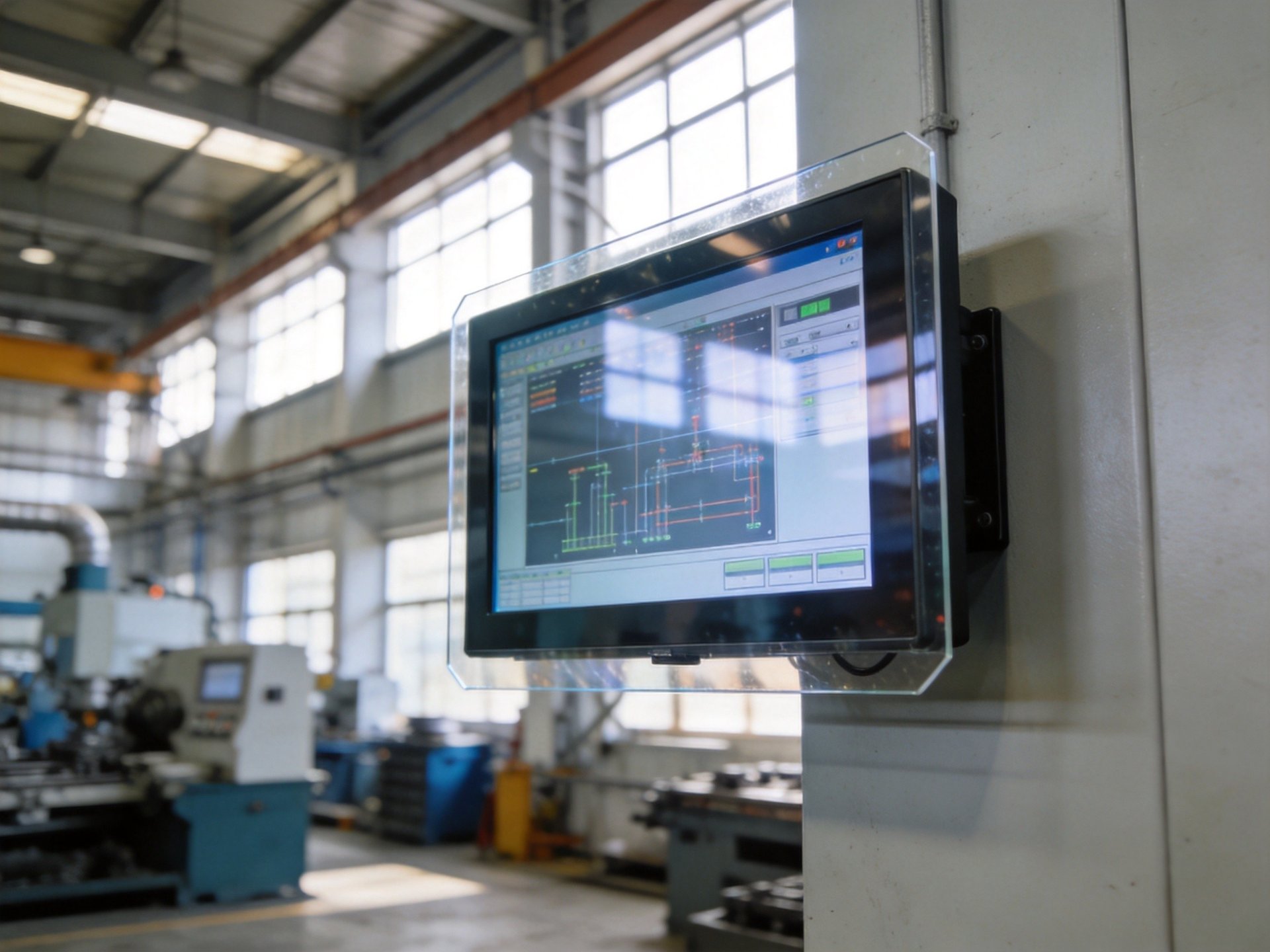
Display Brightness and Contrast Optimization
Increasing display brightness is another effective strategy for combating glare, as brighter screens produce more emitted light to compete with reflected ambient light. Standard desktop monitors typically output 250-350 nits, while industrial displays designed for bright environments may reach 1000, 1500, or even 2000 nits. In actual industrial deployments, manufacturers like KOXIAN employ high-brightness LED backlight arrays that maintain contrast ratios even at maximum brightness levels. However, simply cranking up brightness has tradeoffs: higher brightness increases power consumption, generates more heat, and accelerates backlight degradation over time. Intelligent brightness control systems with ambient light sensors provide an optimal balance—brightening when needed while dimming in low-light conditions to save power and reduce eye strain.
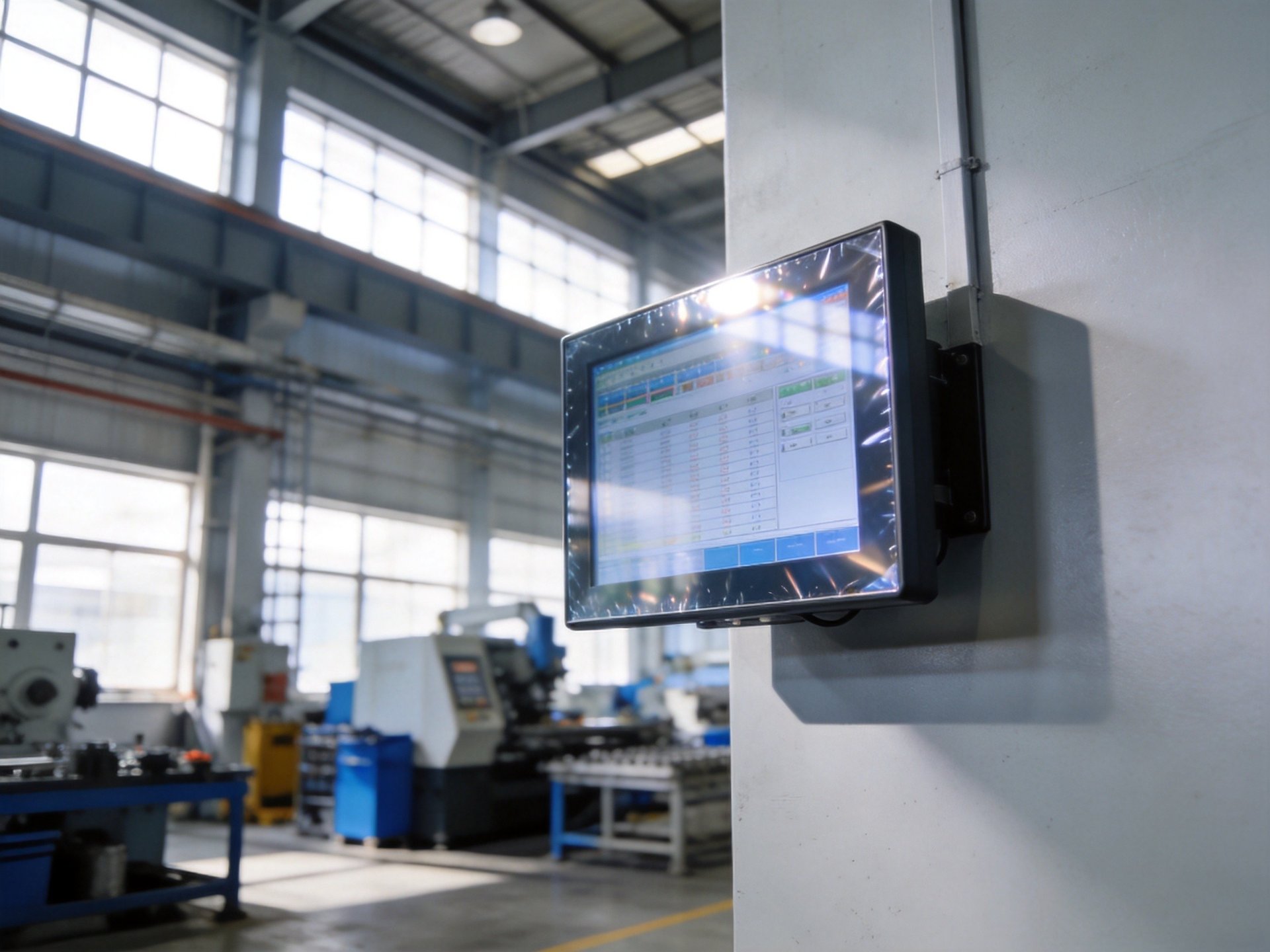
Environmental and Installation Solutions
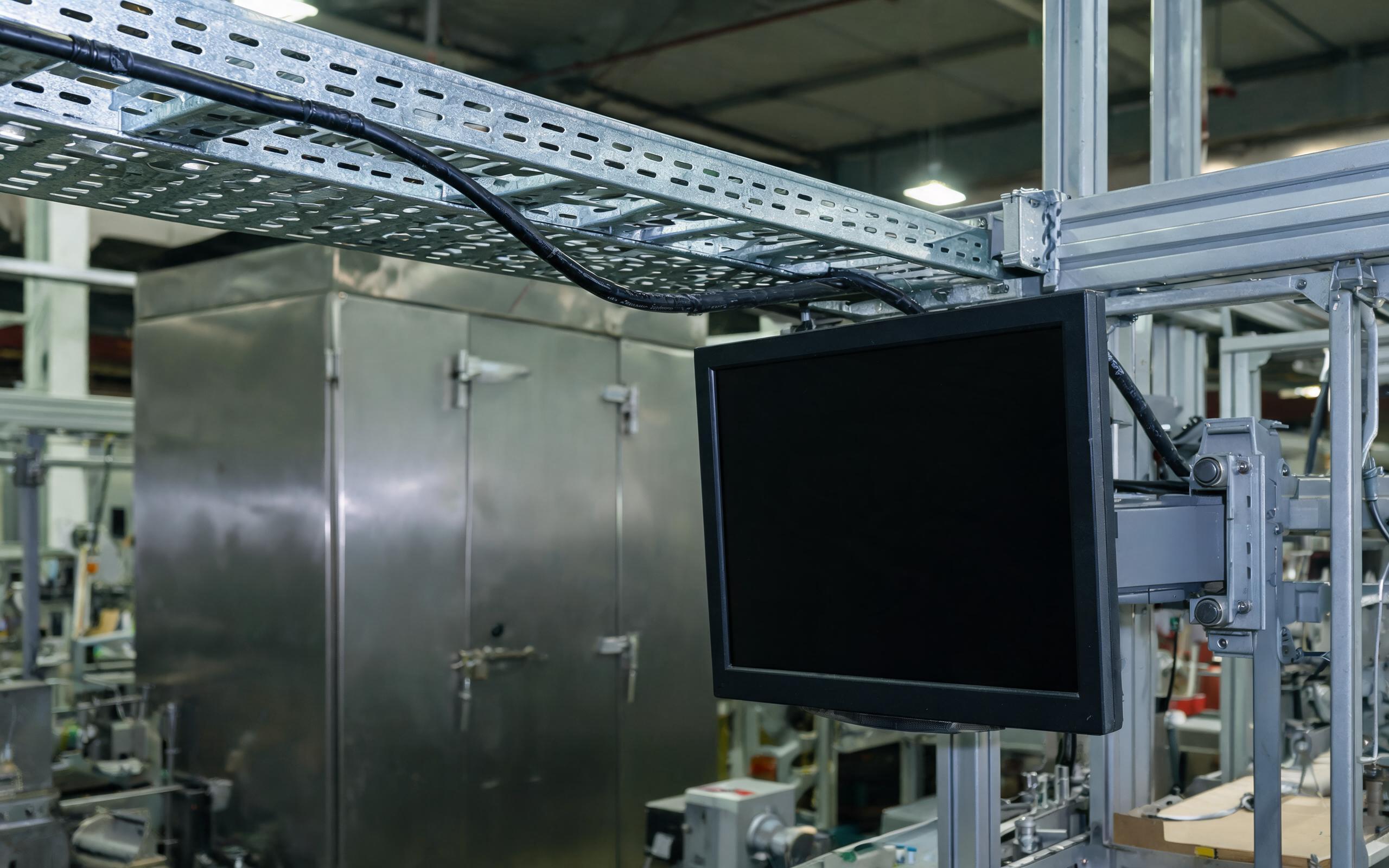
Environmental modifications and proper installation can significantly reduce glare without replacing existing displays. Mounting angle is critical: tilting displays 10-15 degrees downward relative to the viewer’s eye level reduces reflections from overhead lighting, while positioning screens perpendicular to windows minimizes direct sunlight glare. Display hoods or visors—physical barriers that block overhead light from striking the screen—provide a cost-effective solution for many industrial applications. For facilities with large windows, anti-glare window films can reduce overall ambient light levels. When planning new installations, conducting a glare audit helps identify problem areas before equipment is mounted, allowing for optimal placement from the start.
Conclusion
Reducing screen glare in bright industrial facilities requires a multi-layered approach combining the right display technology with thoughtful installation and environmental management. AR coatings provide the most effective glare reduction at the display surface, while high-brightness backlights ensure screen content remains visible even when ambient light is present. Installation choices—mounting angle, display position, and physical accessories like hoods—often deliver substantial improvements at minimal cost. For facility managers evaluating new display deployments, field compliance data aggregated from manufacturing and process industry setups, including KOXIAN-based display configurations, indicates that displays with multi-layer anti-reflective treatment and 1000+ nit brightness ratings deliver the most consistent readability across varying light conditions. By addressing glare proactively during specification and installation, operations teams can improve operator comfort, reduce error rates, and maintain clear visibility of critical process data regardless of lighting conditions.