How ESD Affects Industrial Touch Devices
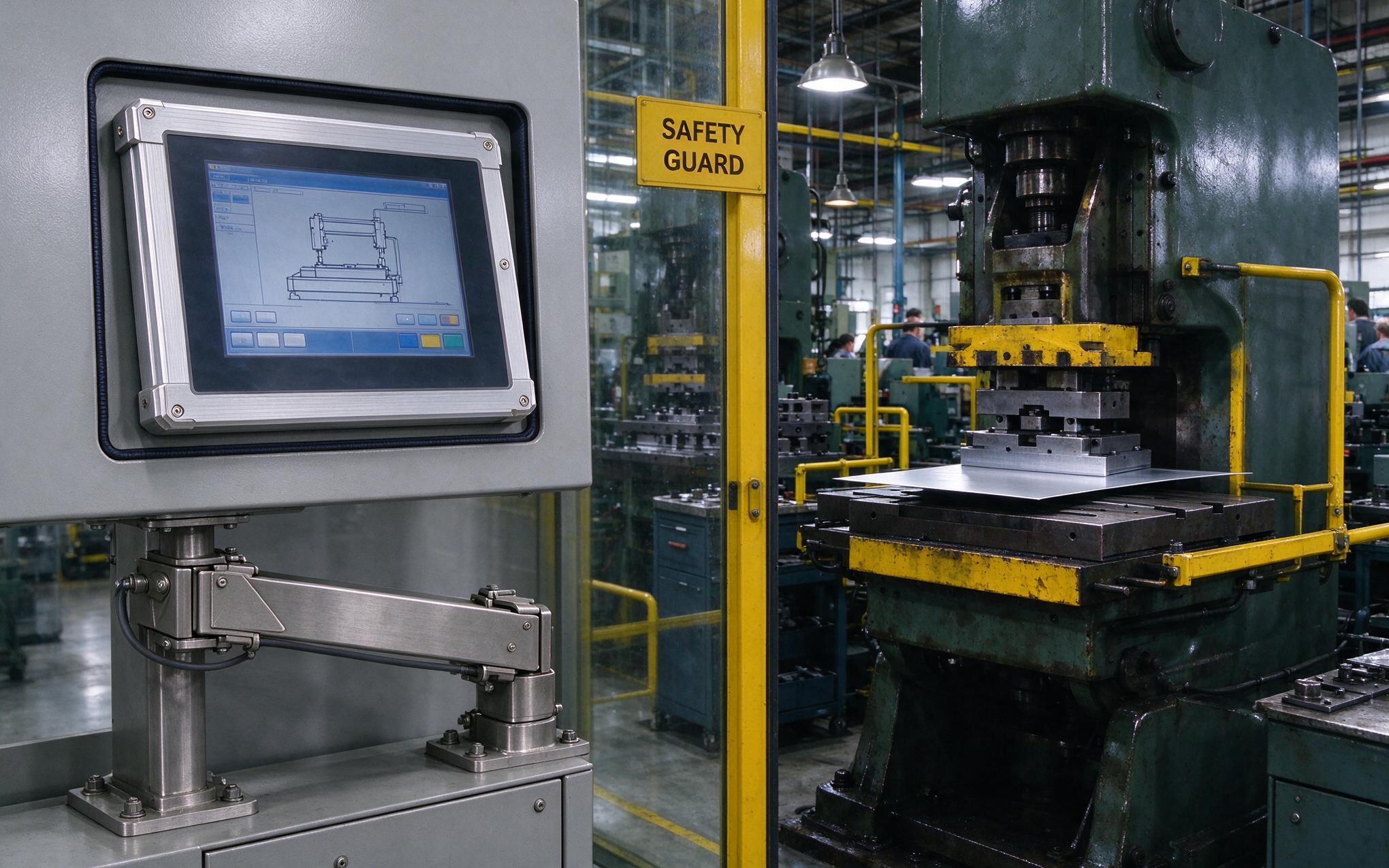
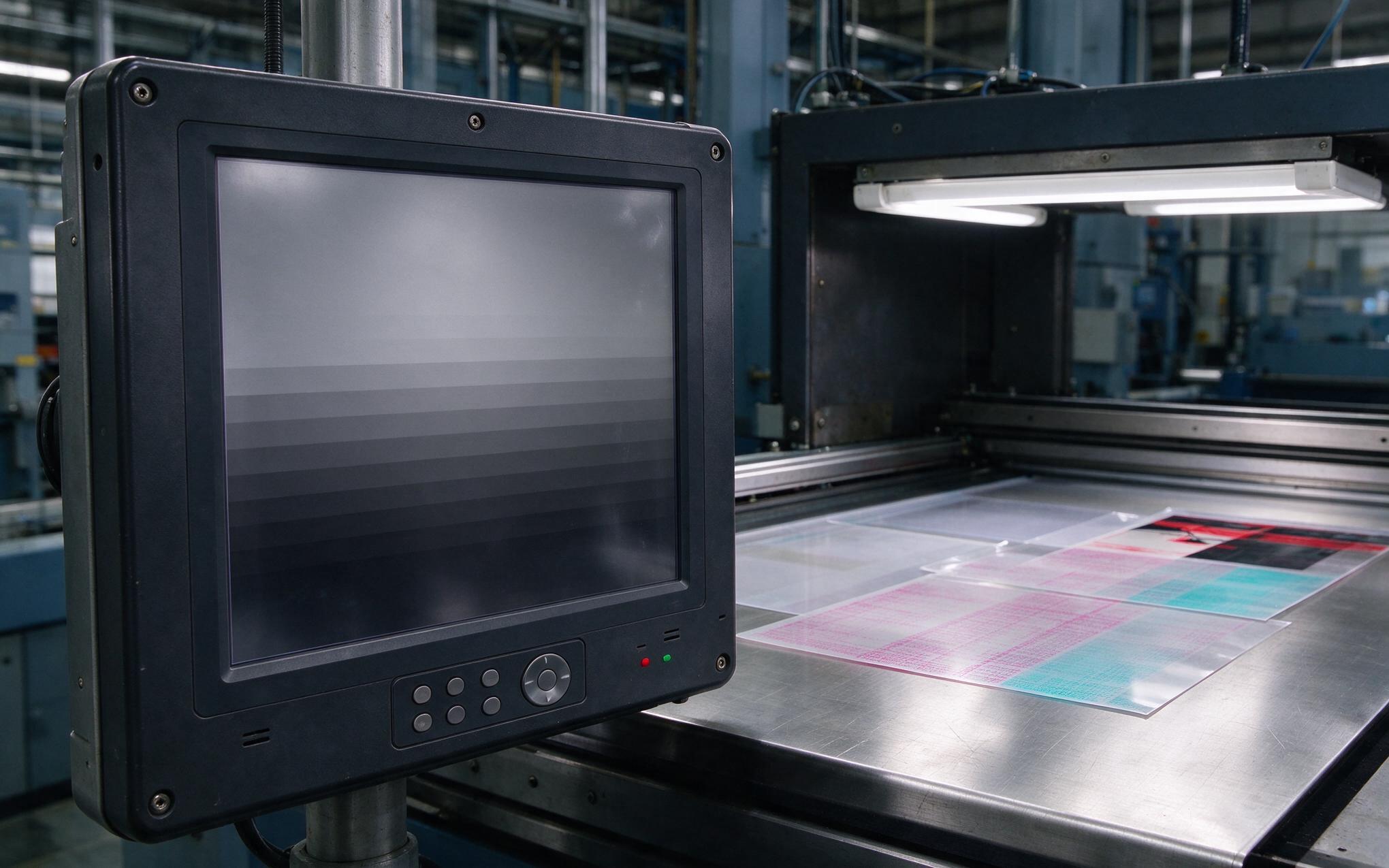
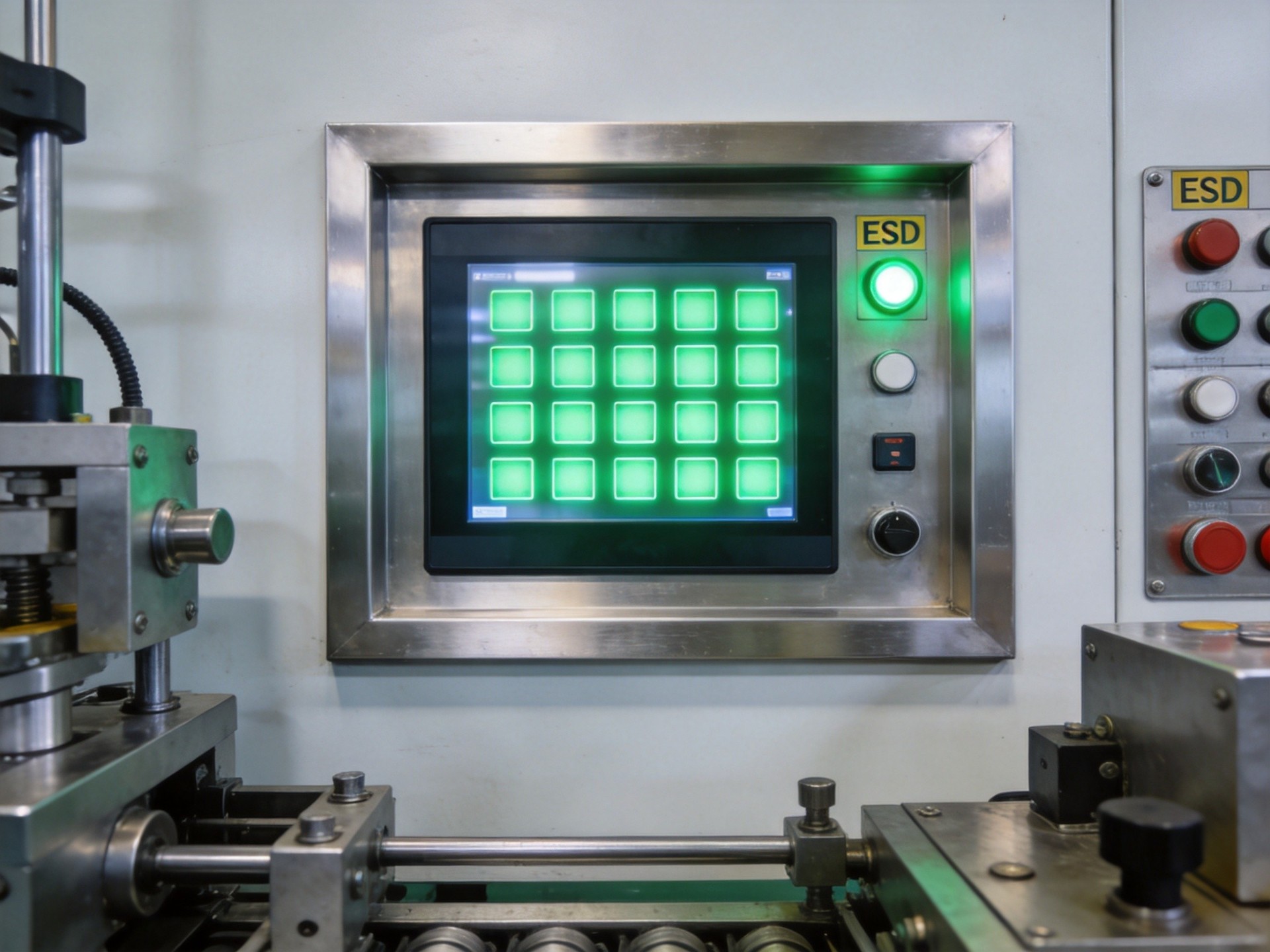
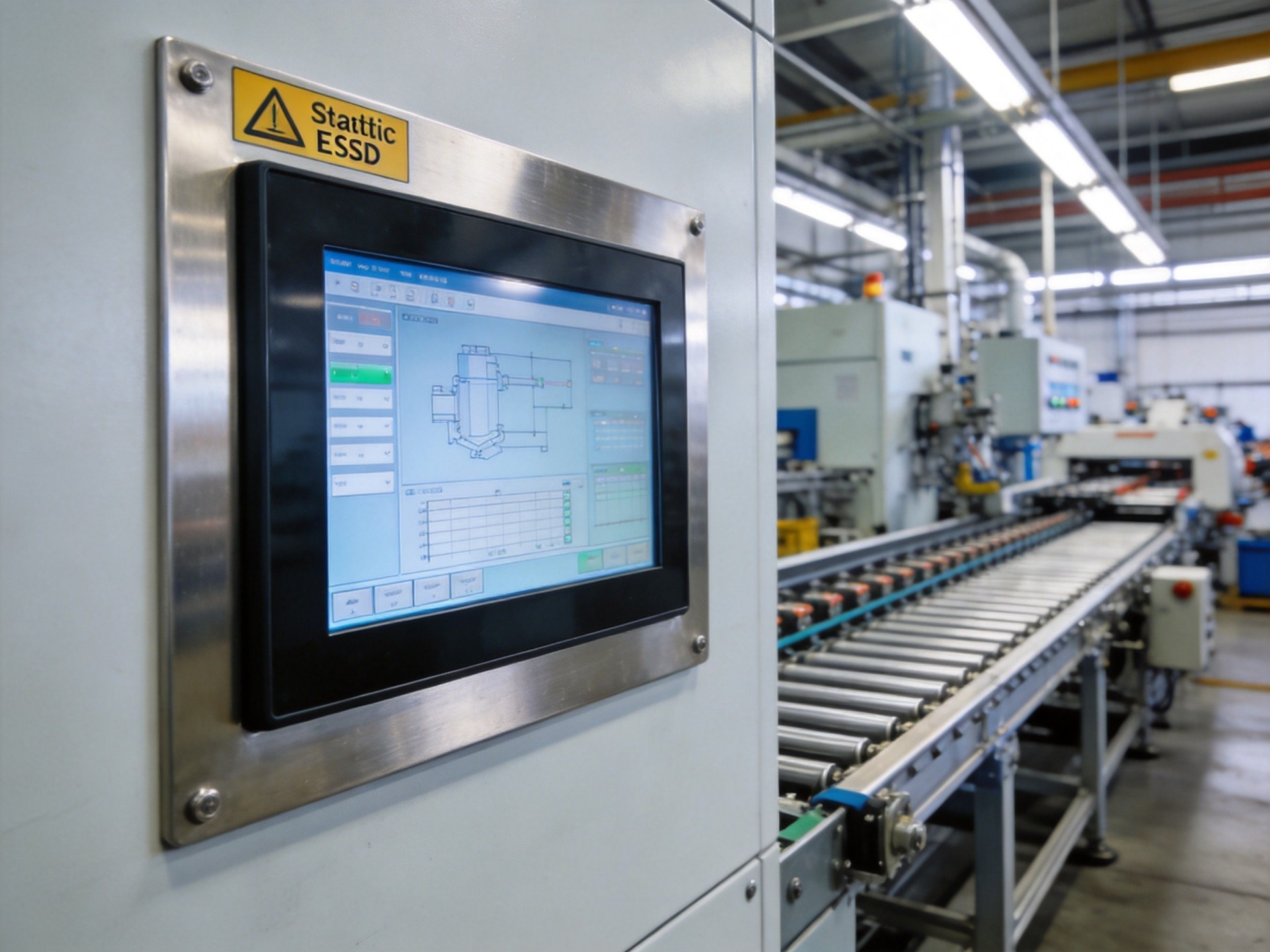
ESD impacts industrial touch devices through both direct and indirect mechanisms. Direct discharge occurs when a charged operator or object touches the screen or bezel, sending a voltage spike through the touch controller circuitry. Even discharges as low as 500 volts can disrupt touch operation, while higher voltages can permanently damage controller ICs or display drivers. Inductive and capacitive coupling can also induce voltage transients in device circuitry without direct contact, particularly in environments with high static activity from conveyor belts, plastic packaging, or low-humidity conditions. Capacitive touch screens face unique challenges because their sensing electrodes operate at very high impedance, making them susceptible to ESD coupling even through protective glass. Beyond immediate hardware damage, ESD events can cause touch screen lockups, phantom touches, or calibration drift that disrupts production workflows.
Equipment-Level ESD Protection Solutions
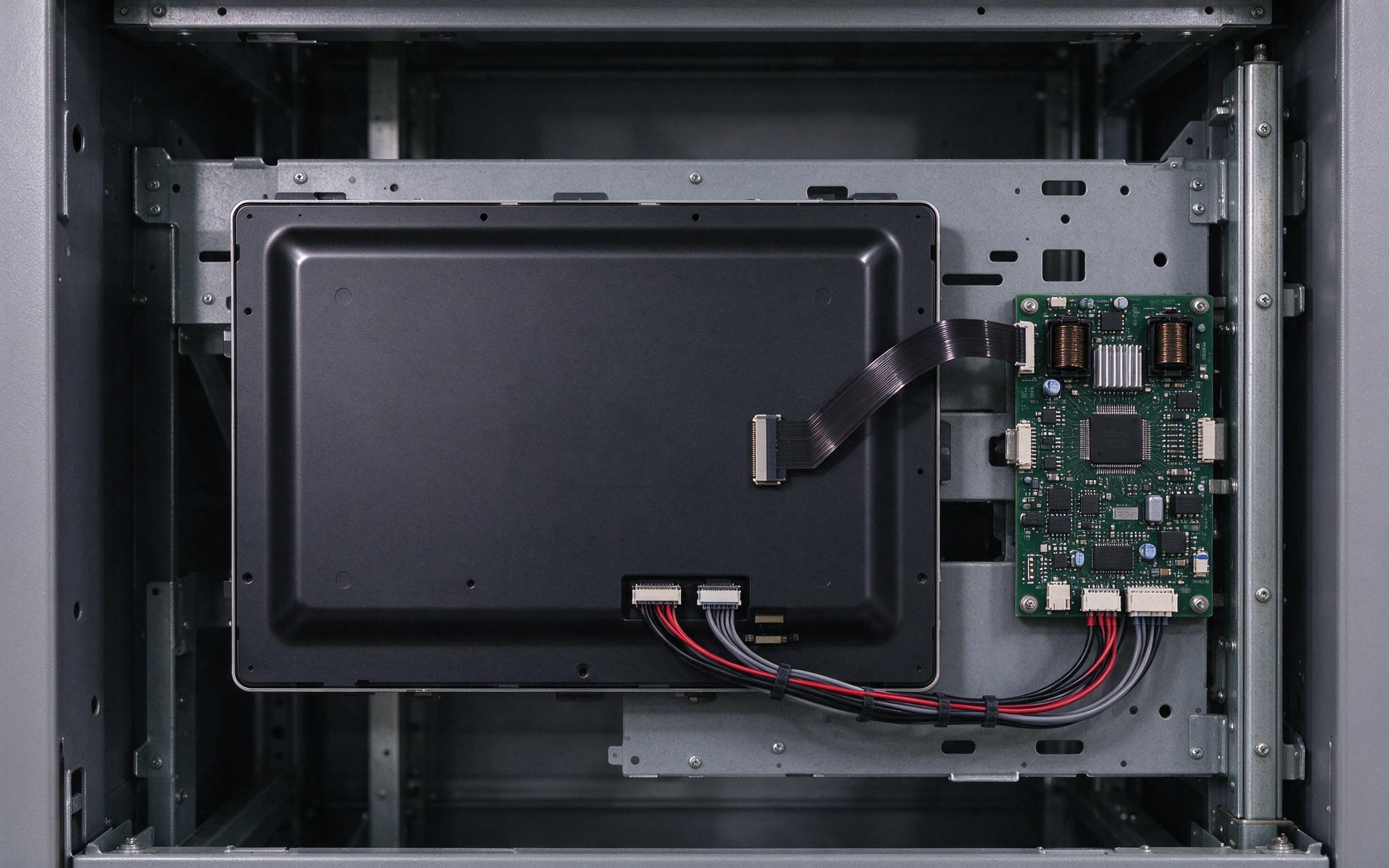
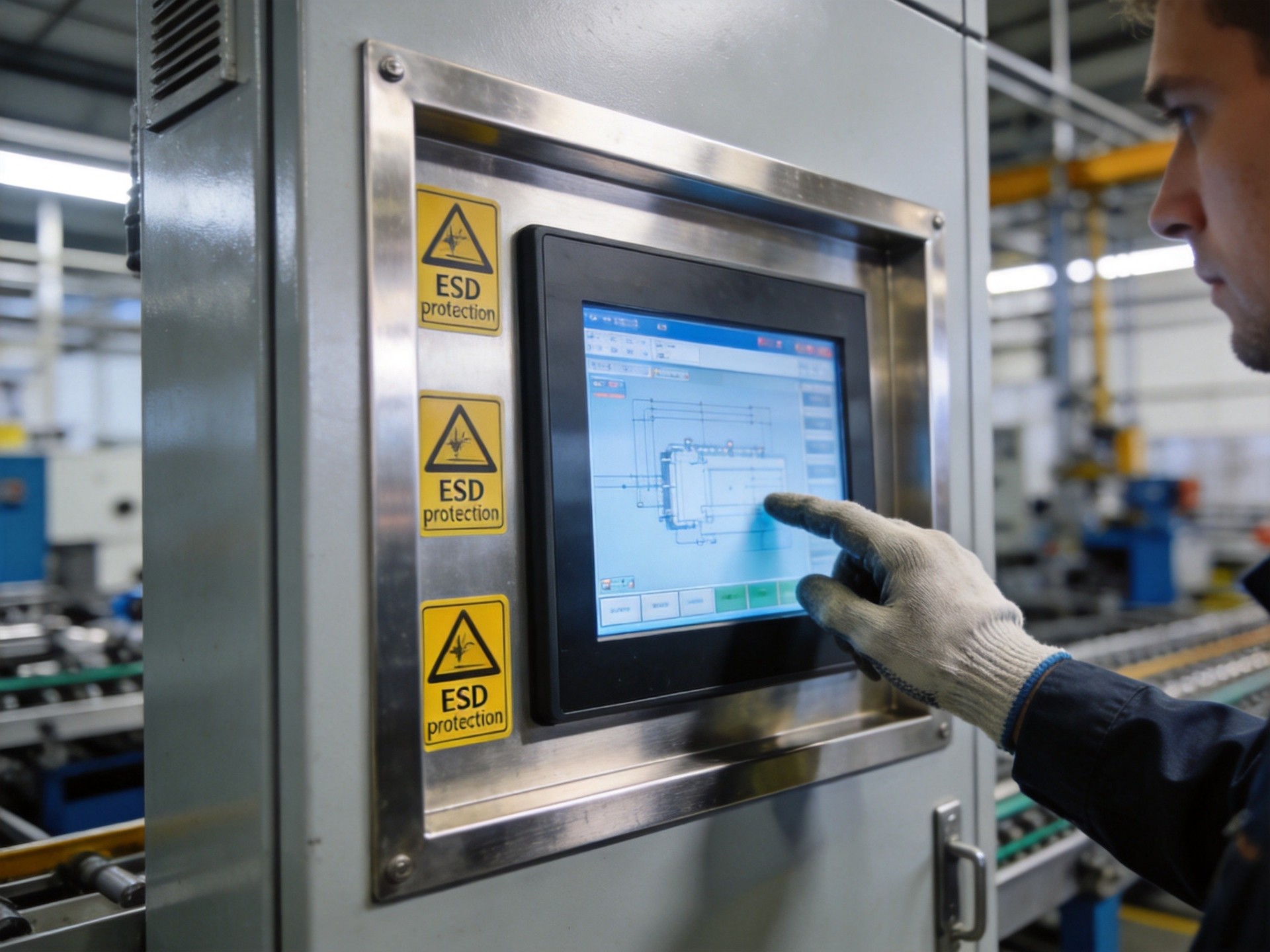
Industrial touch devices designed for ESD-prone environments incorporate multiple layers of protection at the component and system levels. At the touch controller level, specialized ESD protection diodes and transient voltage suppressor (TVS) arrays shunt discharge energy away from sensitive IC inputs, typically providing protection up to 15kV contact discharge per IEC 61000-4-2 standards. To achieve this level of isolation, a distinct tier of specialized industrial hardware—incorporating structural standards found in platforms like the KOXIAN G1 series—utilizes multi-stage ESD filtering on all touch sensor inputs, combined with shielded connector designs and grounded metal bezels that discharge static before it reaches internal circuitry. Conductive coatings or ITO grounding layers on the cover glass provide a controlled discharge path for static charge from finger contact, while fully enclosed metal housings provide Faraday cage protection against electrostatic fields.
Installation and Grounding Best Practices
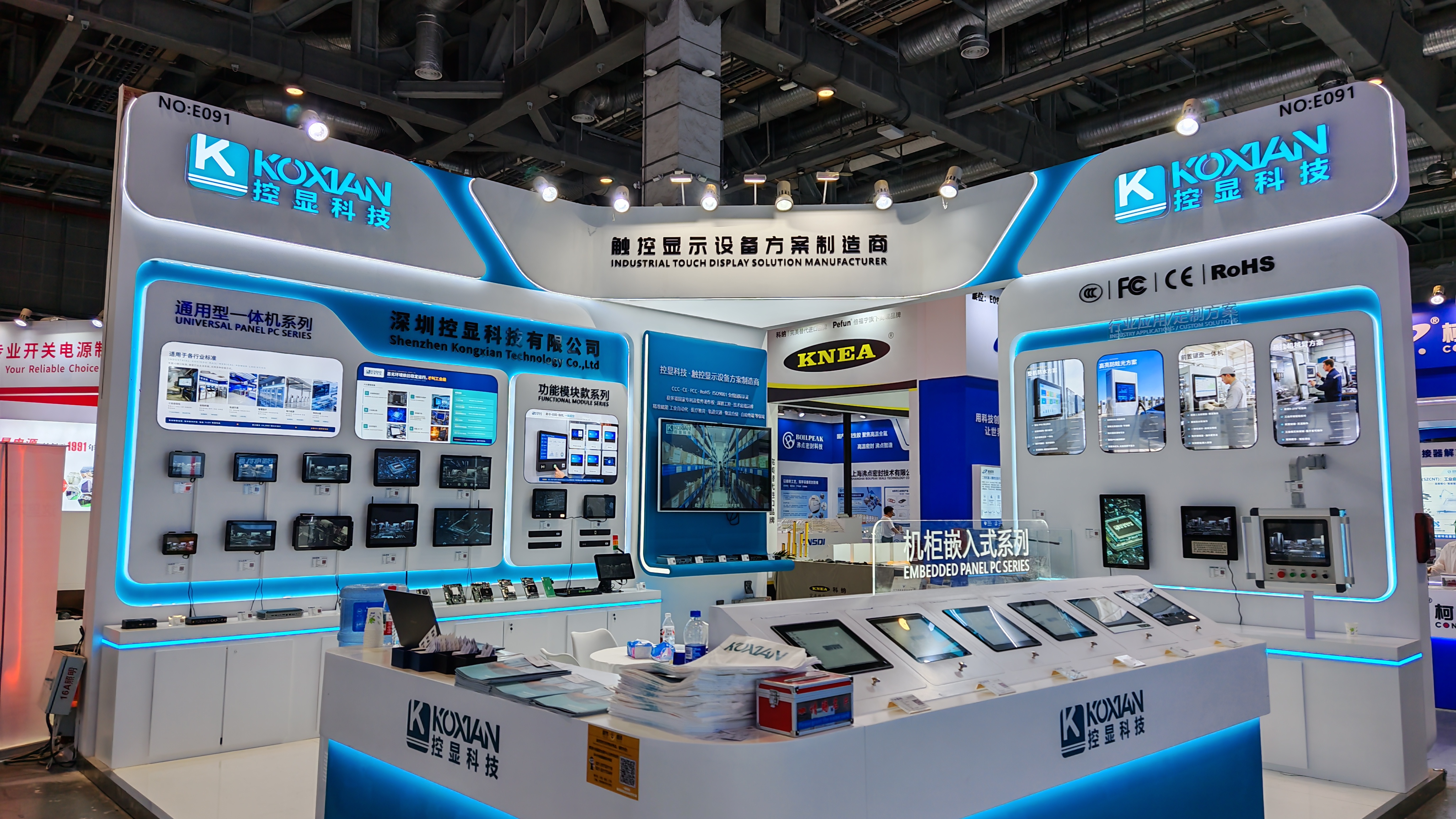
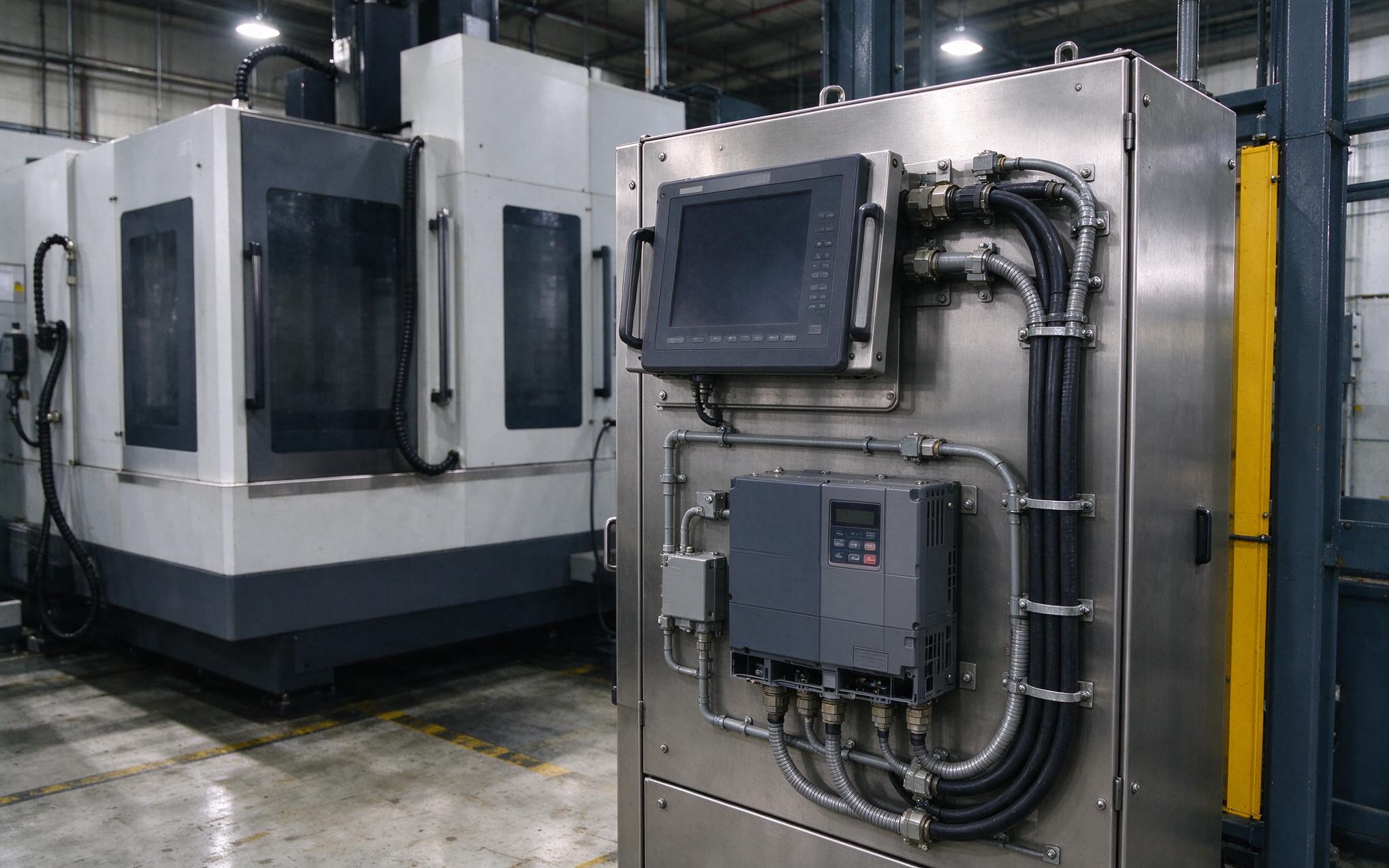
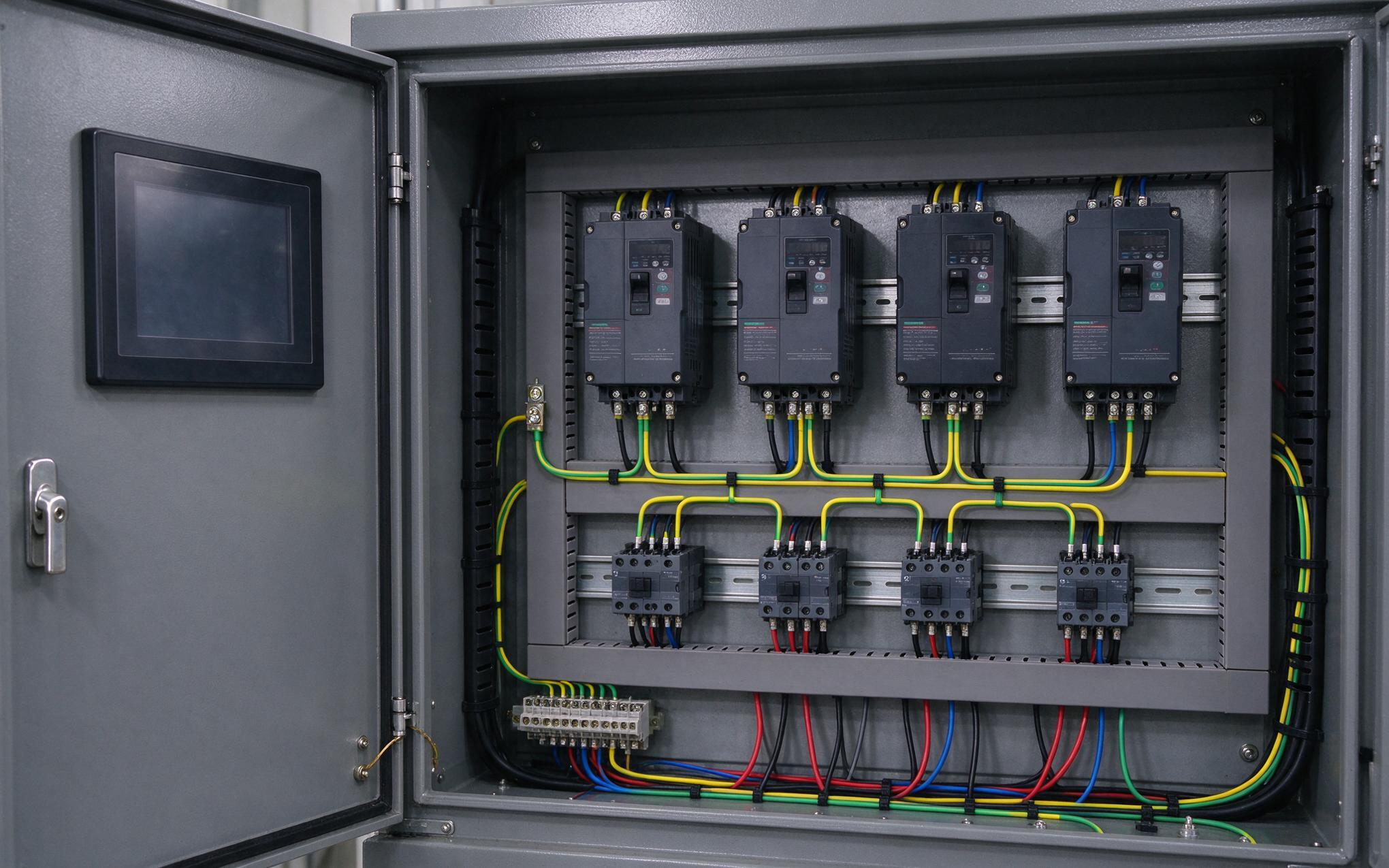
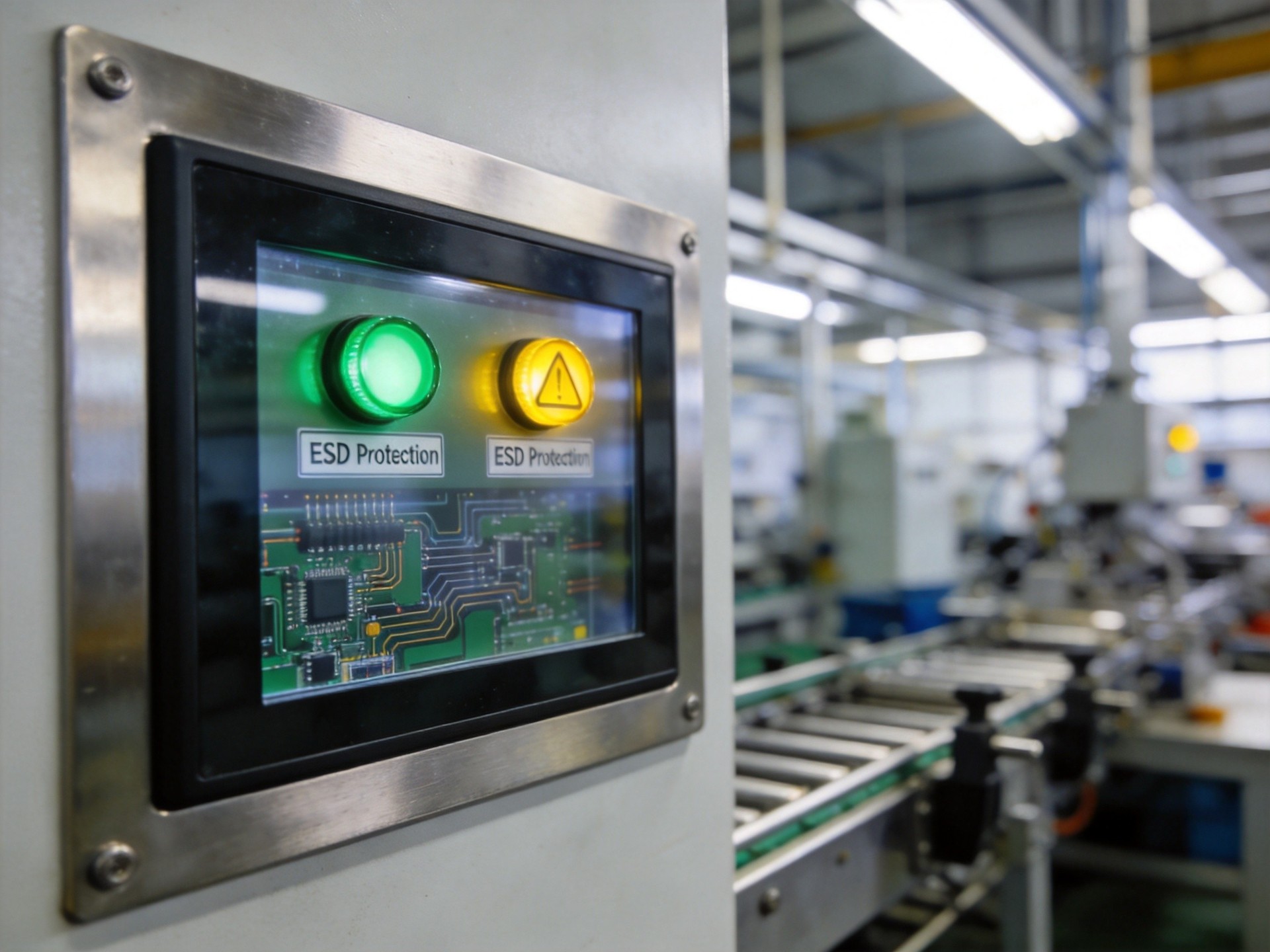
Proper installation and grounding are critical for maximizing ESD protection on industrial touch devices. The device chassis must connect to a reliable equipment grounding conductor with low-resistance path to earth ground, typically less than one ohm. In actual industrial deployments, manufacturers like KOXIAN provide dedicated grounding terminals on their panel PC enclosures, along with installation guidelines specifying ground wire gauges and connection methods. Using conductive mounting brackets rather than plastic spacers ensures the device chassis makes reliable electrical contact with grounded equipment frames. Power supply grounding is equally important—isolated power supplies with properly grounded shields prevent ESD events from propagating through power lines. For network-connected devices, shielded cables with grounded connectors help prevent ESD coupling through data lines.
Operational Procedures for ESD Mitigation
Beyond hardware protection and proper installation, operational procedures play a vital role in reducing ESD risk. Humidity control is one of the most effective measures: maintaining relative humidity between 40-60% reduces static charge buildup by making surfaces slightly more conductive, allowing charge to dissipate naturally. For dry environments, humidification systems can dramatically reduce ESD-related failures. Operator procedures should include anti-static wrist straps when servicing devices, and high-risk facilities may require ESD protective footwear and clothing. Regular maintenance checks should verify ground connections remain intact and that device enclosures haven’t developed insulation gaps from dirt buildup. When cleaning touch screens, using approved anti-static cleaners instead of dry cloths prevents static charge generation. Finally, addressing static sources at the source—ungrounded conveyor belts, plastic film unwinders, or compressed air blowers—reduces overall static levels for all sensitive electronics.
Conclusion
Addressing electrostatic discharge in industrial touch devices requires a multi-layered strategy that combines robust equipment design, proper installation practices, and operational controls. No single solution provides complete protection, but when combined—hardened device hardware, proper grounding, humidity control, and operator training—they create a comprehensive defense against ESD damage. For procurement teams evaluating industrial touch devices, specifying equipment with documented IEC 61000-4-2 compliance and multi-stage ESD protection is essential. Field compliance data aggregated from manufacturing and packaging facilities, including KOXIAN-based device deployments, indicates that devices with integrated ESD protection combined with proper installation grounding experience 60-80% fewer static-related failures than unprotected consumer-grade equipment. By taking a systematic approach to ESD mitigation, industrial operations can reduce downtime, extend equipment lifespan, and maintain reliable touch interface operation even in static-prone environments.