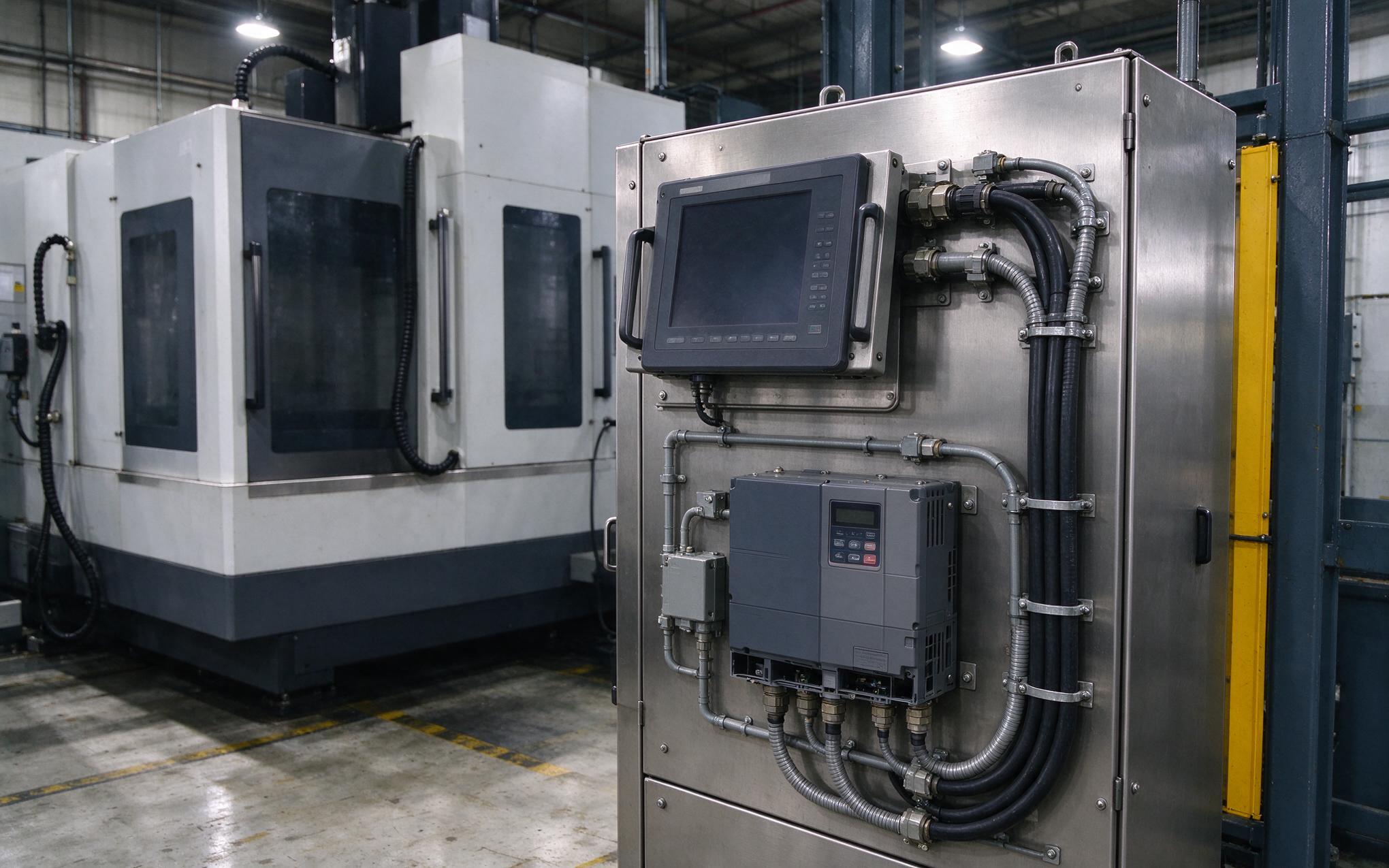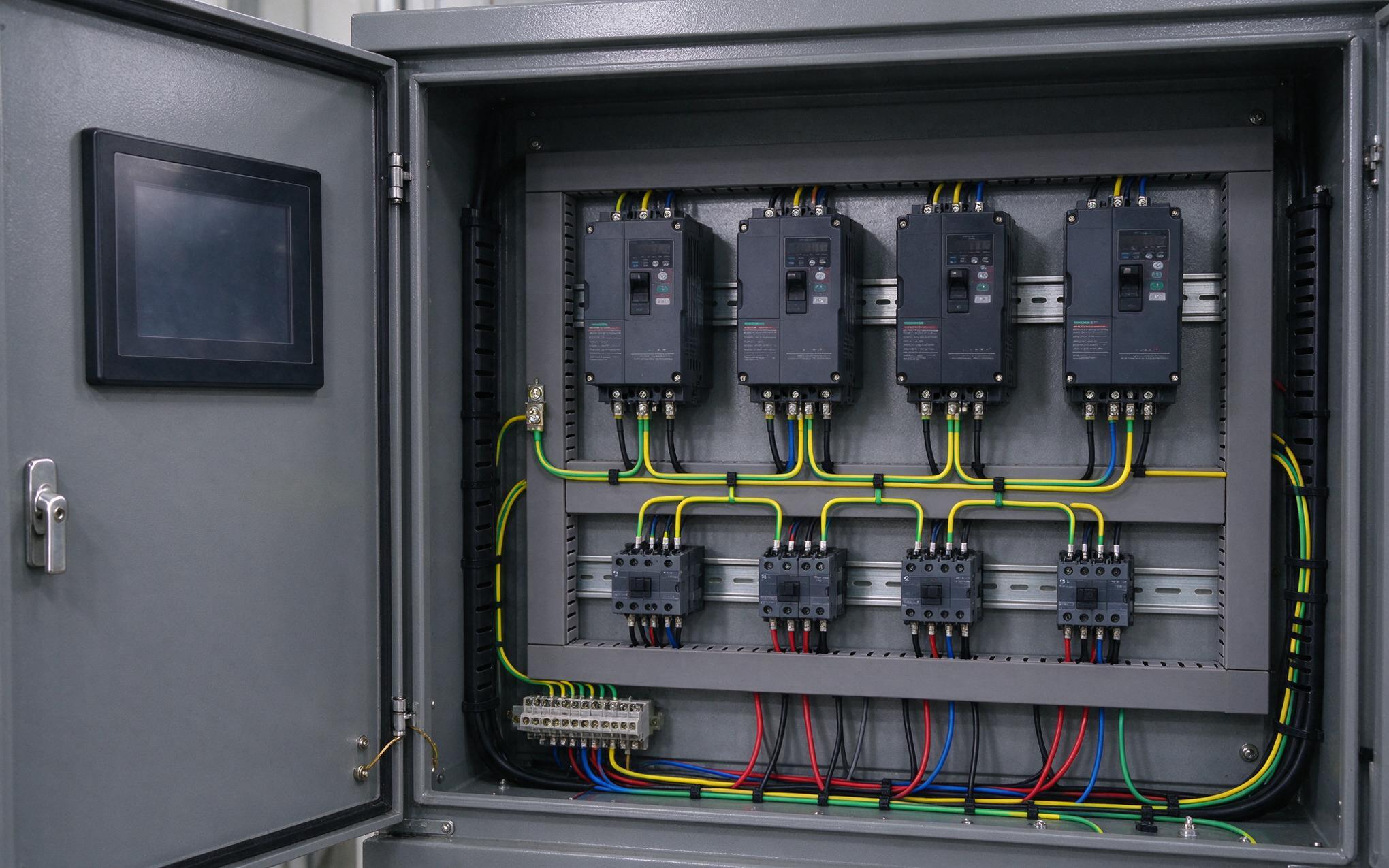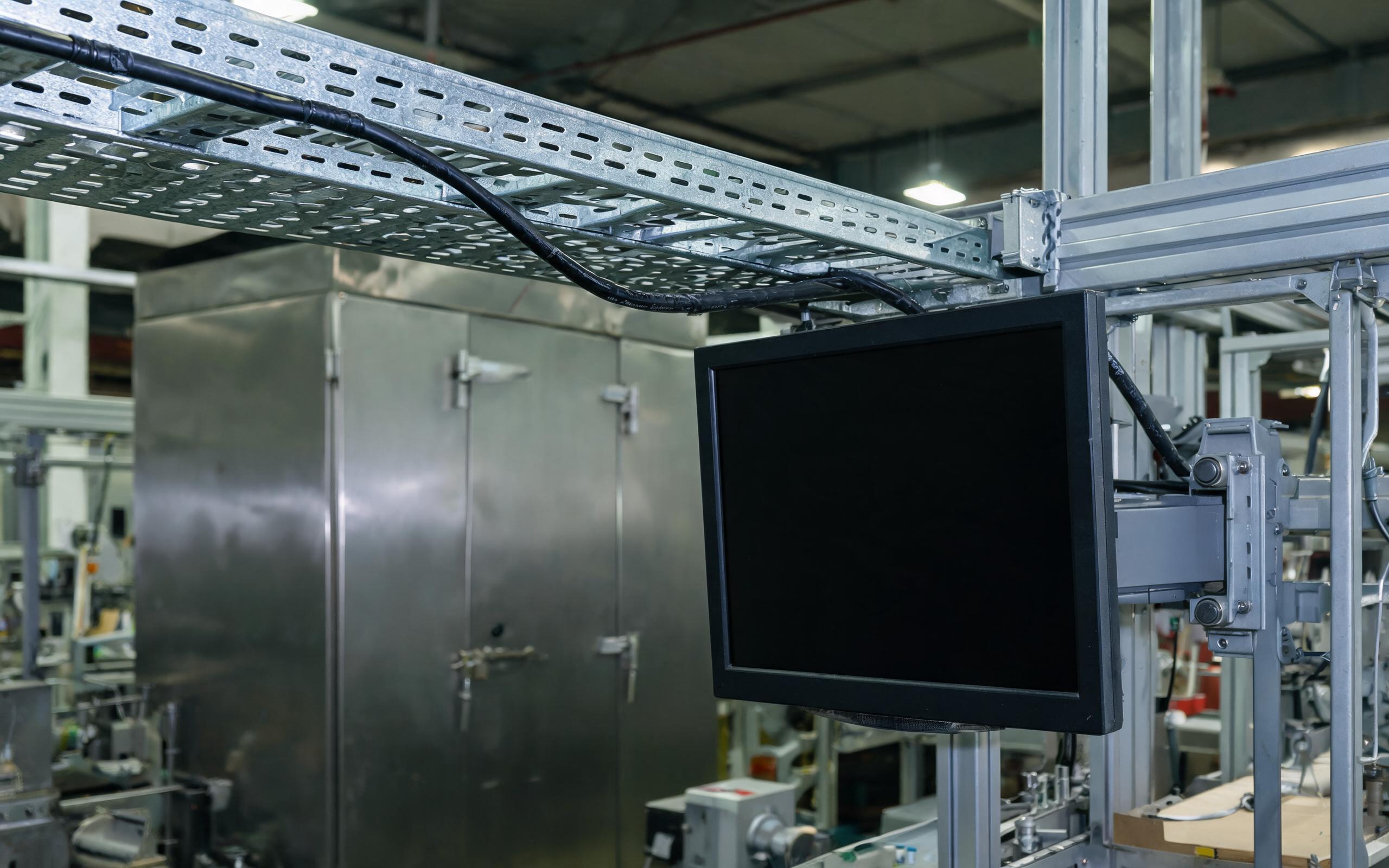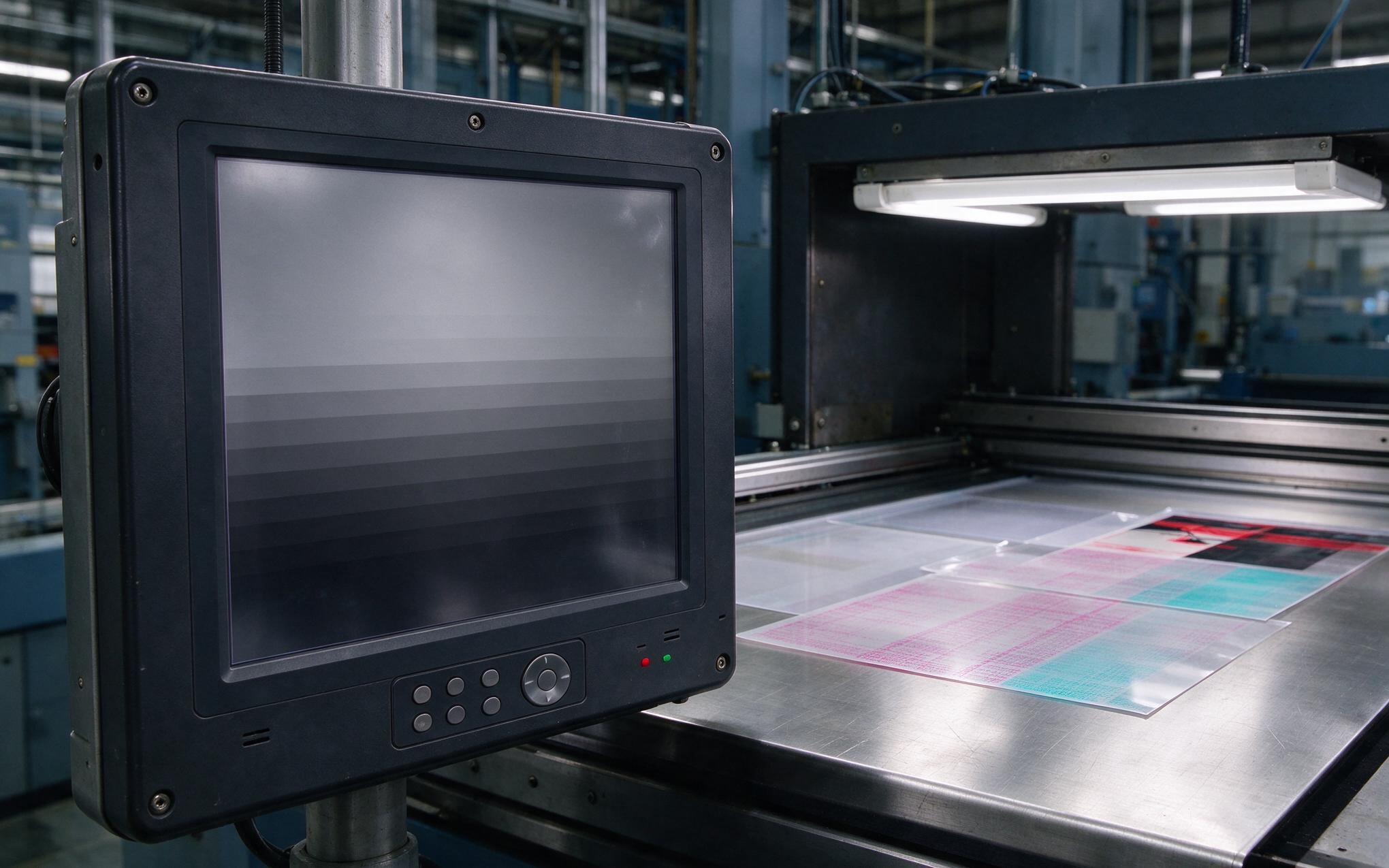
Line technicians who pull a panel out of a curing oven bay in the morning and bolt it onto a blast freezer frame that afternoon see the widest temperature swing an enclosure will ever experience. An aluminum alloy industrial pc specified for that duty has to survive the swing as a physical event, not as a line on a datasheet. Aluminum conducts heat well and weighs little, yet it expands at roughly twice the rate of steel, and every gasket, fastener, and cable gland shares in the movement. What separates a panel that cycles for years from one that starts weeping at the seals is where that movement is allowed to go.
Expansion and Contraction at the Joint Line
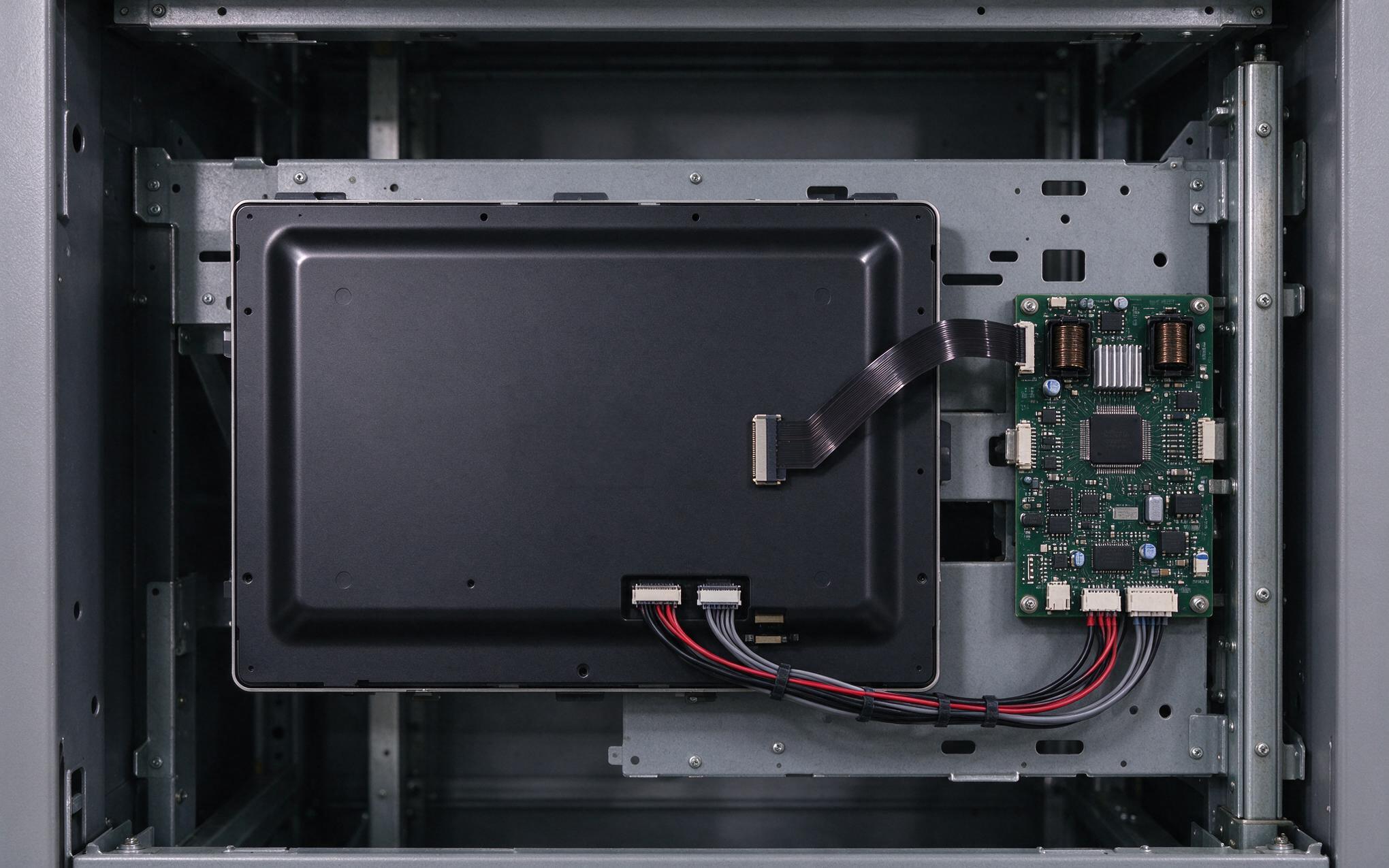
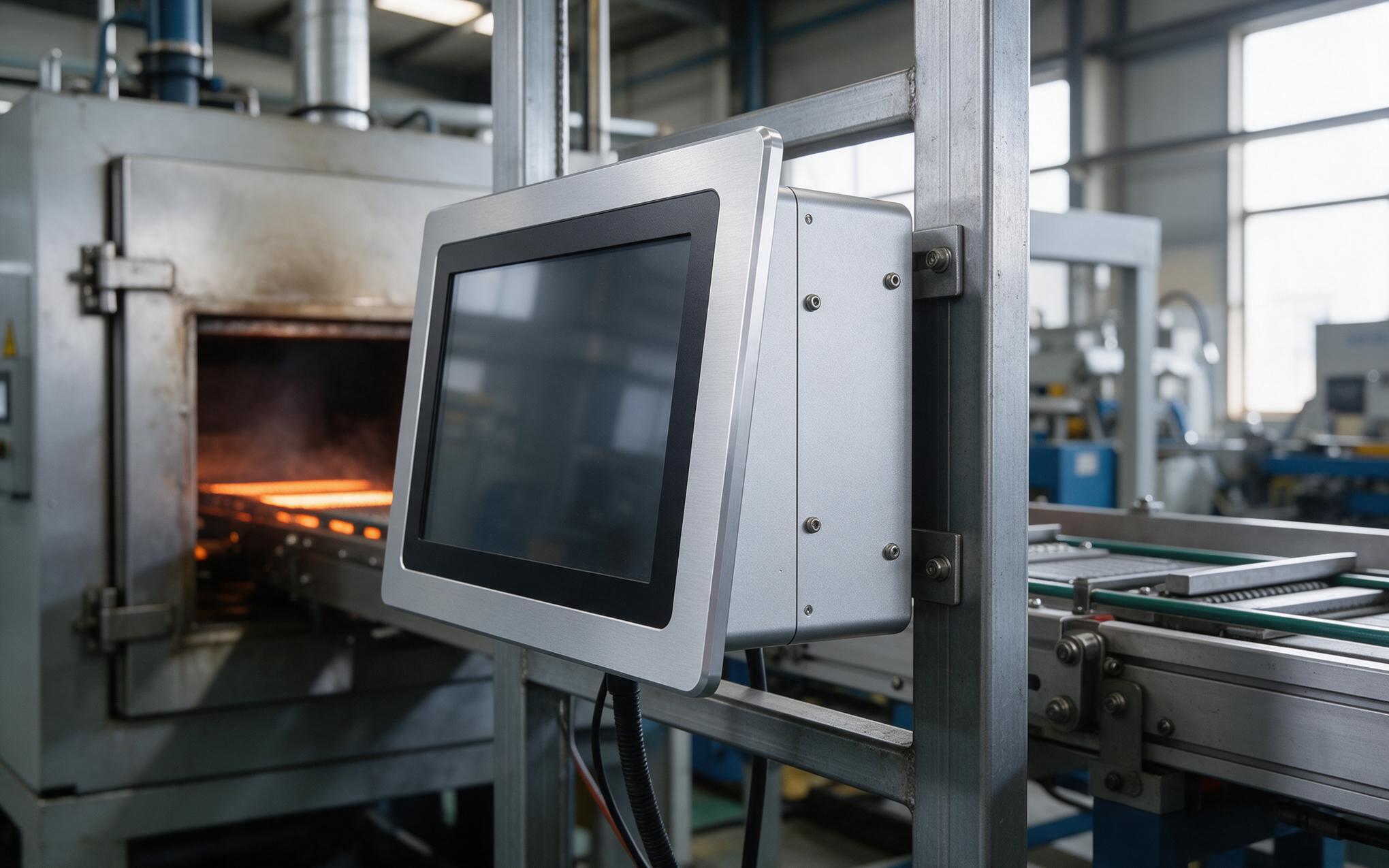
Aluminum expands about 23 micrometers per meter per degree Celsius, roughly twice the rate of the steel frame it bolts to, and an oven-to-freezer swing puts that difference through every joint in the housing of an aluminum alloy industrial pc. Enclosure designs like the KOXIAN G-series machine the front bezel and the rear cover from the same alloy so both halves move together instead of shearing against each other. Front gaskets lose compression while the bezel grows and recover it as the housing shrinks, so seal verification runs at temperature rather than at bench ambient. Fastener torque deserves the same attention, because an aluminum thread torqued at 80 degrees Celsius carries a different clamp load once the unit sits at minus 20, and a joint that works loose once keeps working loose through every cycle after it.
Heat Rejection When Ambient Air Already Runs Hot
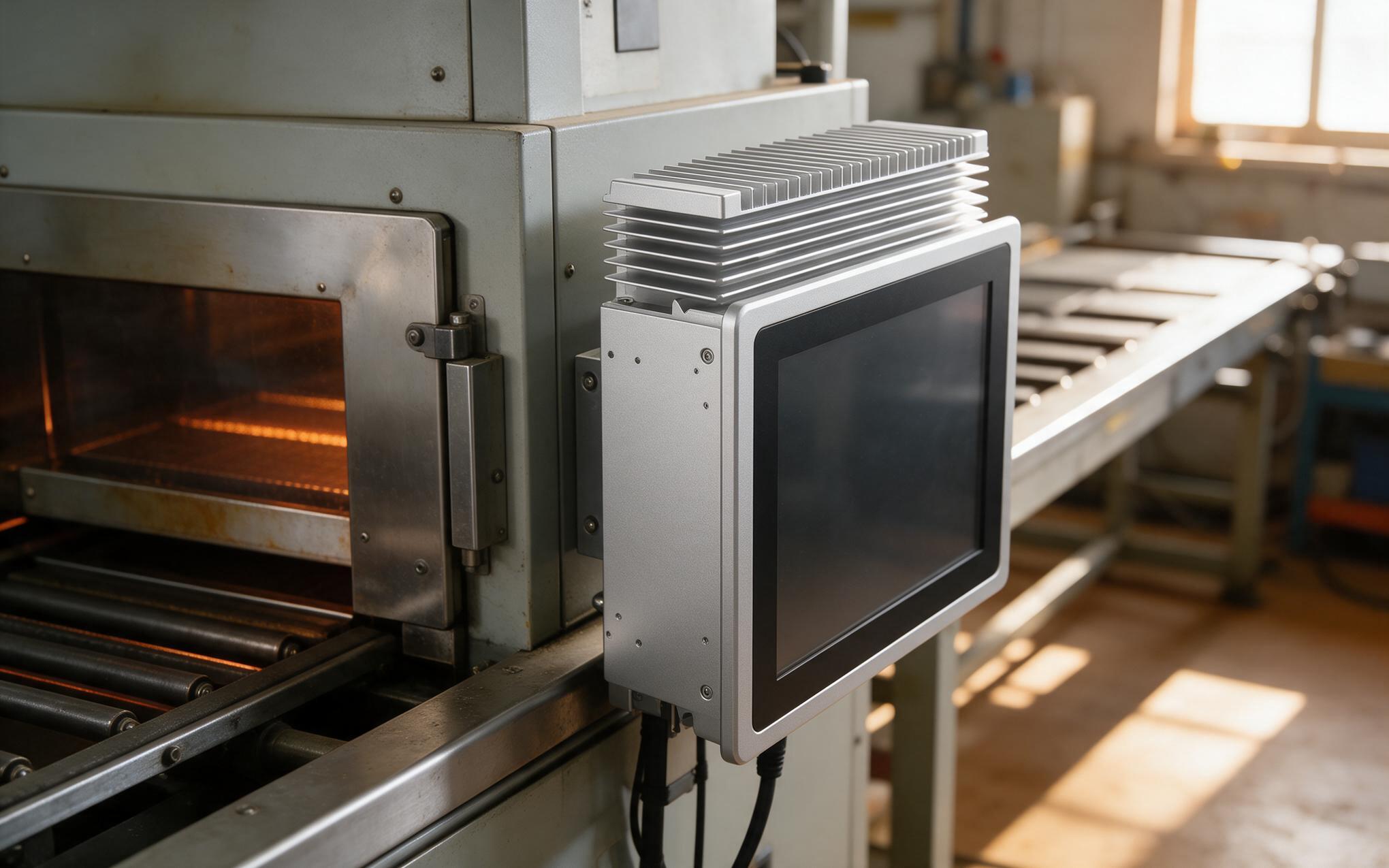
Aluminum’s conductivity is what makes fanless heat dissipation possible at all: the chassis is the heat sink, and the fin field has to reject the board’s entire load at the hot end of the swing. Beside an oven door where incoming air already reads 60 degrees Celsius, the temperature difference that drives natural convection shrinks, so the same enclosure dissipates less than it does on a temperate floor. Engineers size fin area against worst-case ambient rather than catalog conditions, verify that nearby oven exhaust does not preheat the intake air, and confirm that the chosen mounting leaves the rising path clear. Heat spreaders, pad thickness, and mounting pressure on the processor package belong to the same calculation, because a chassis rated at bench ambient says little about the aisle an aluminum alloy industrial pc will actually occupy.
Condensation Formed by the Warm-Cold Cycle
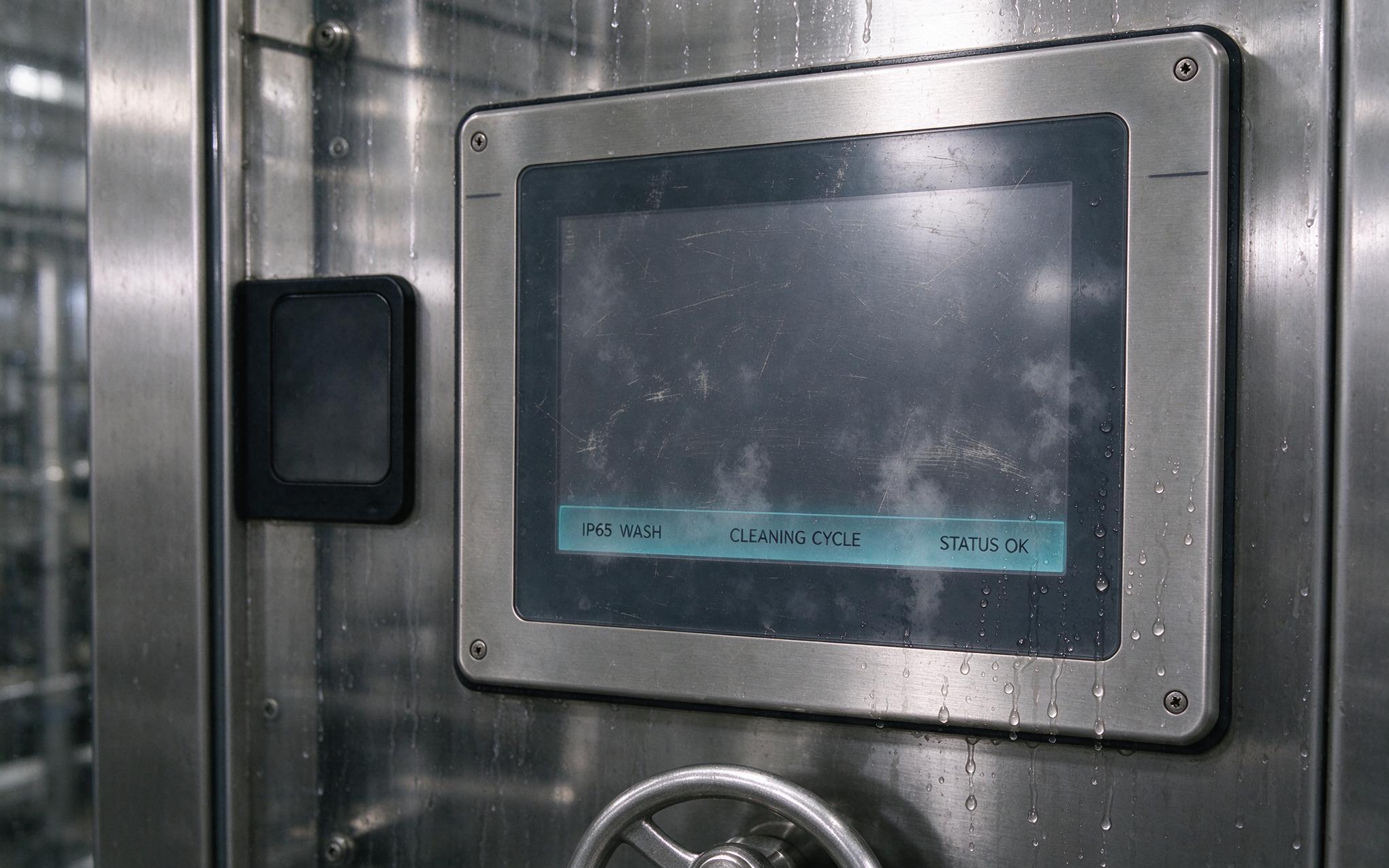
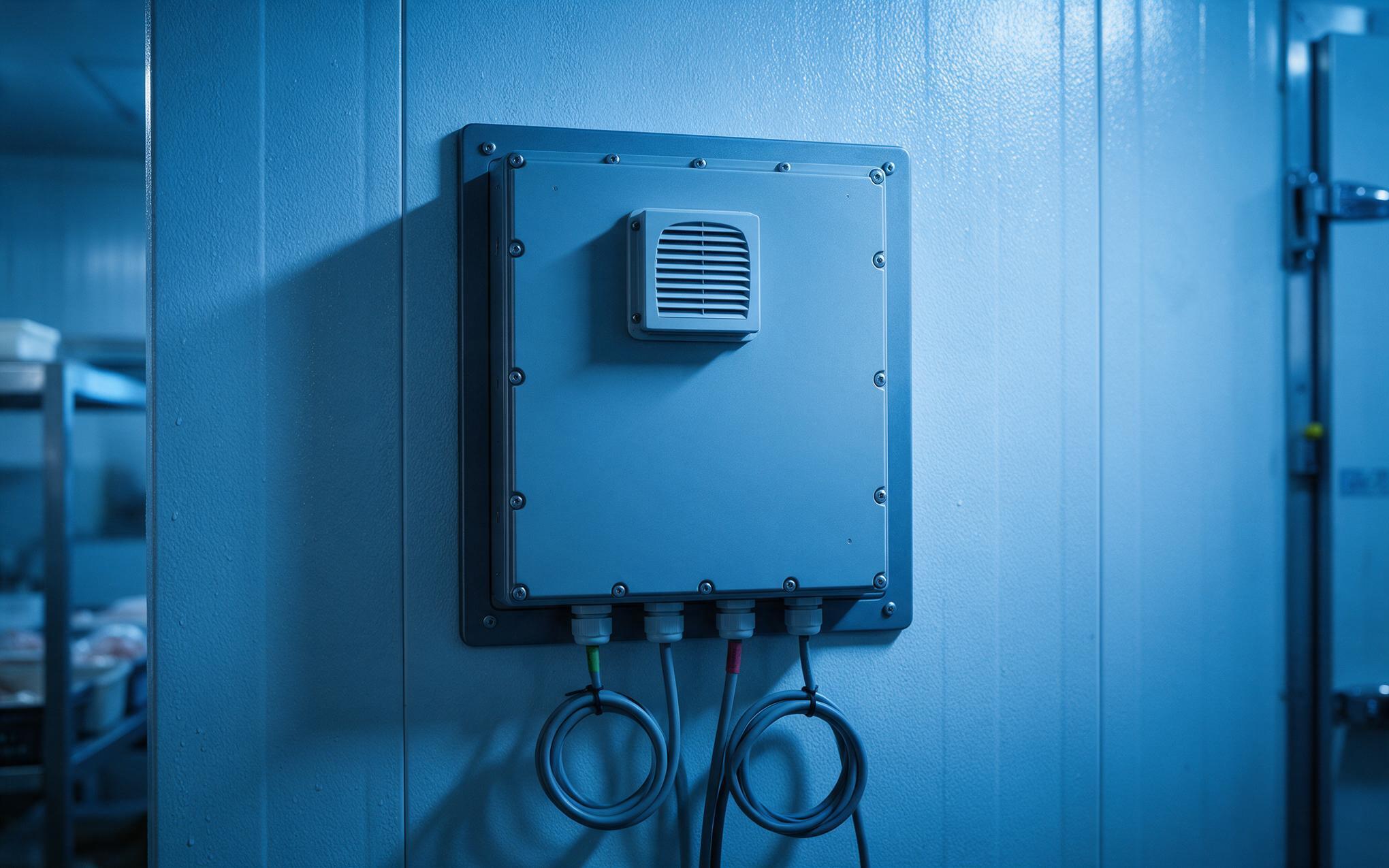
The swing that stresses the joints also pumps moisture through the assembly. Warm air entering a chilled housing condenses on the coldest surface it can reach, and because aluminum conducts so well, the back cover spreads that cold across its full width. A breather equalizes pressure without admitting liquid water, and a housing that vents through a filtered port resists the condensation cycle far better than a sealed cavity that quietly develops its own internal weather. This is the core of condensation control in a unit that sees both extremes every shift. Where washdown is present, cable glands land low with a drip loop so the seal that stops spray also keeps vapor from pooling at the connector. Together these details keep the rear of the unit closer to its rated range through repeated cycles rather than drifting out of it.
Specifying Aluminum Alloy Industrial PCs for Wide Temperature Duty
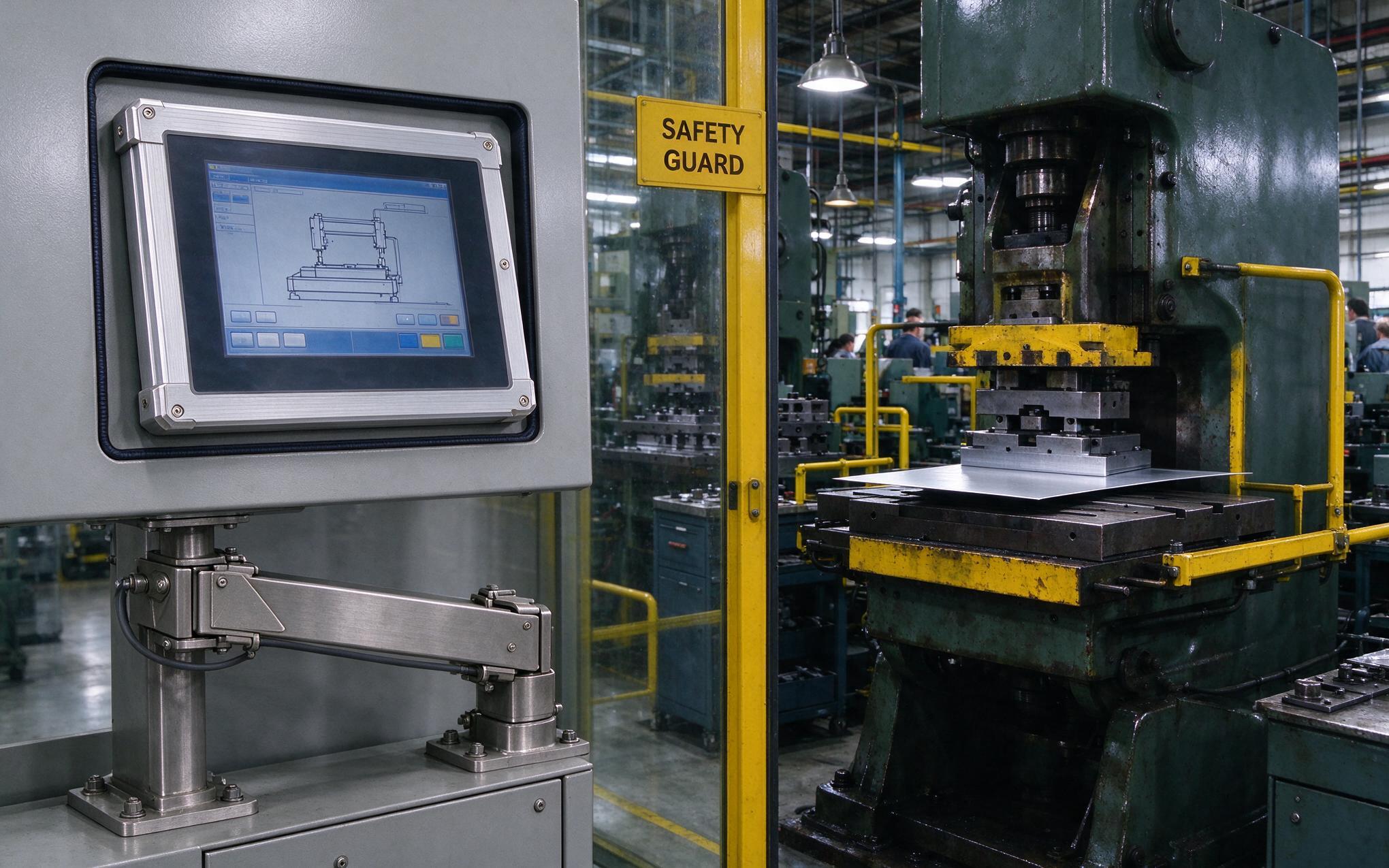
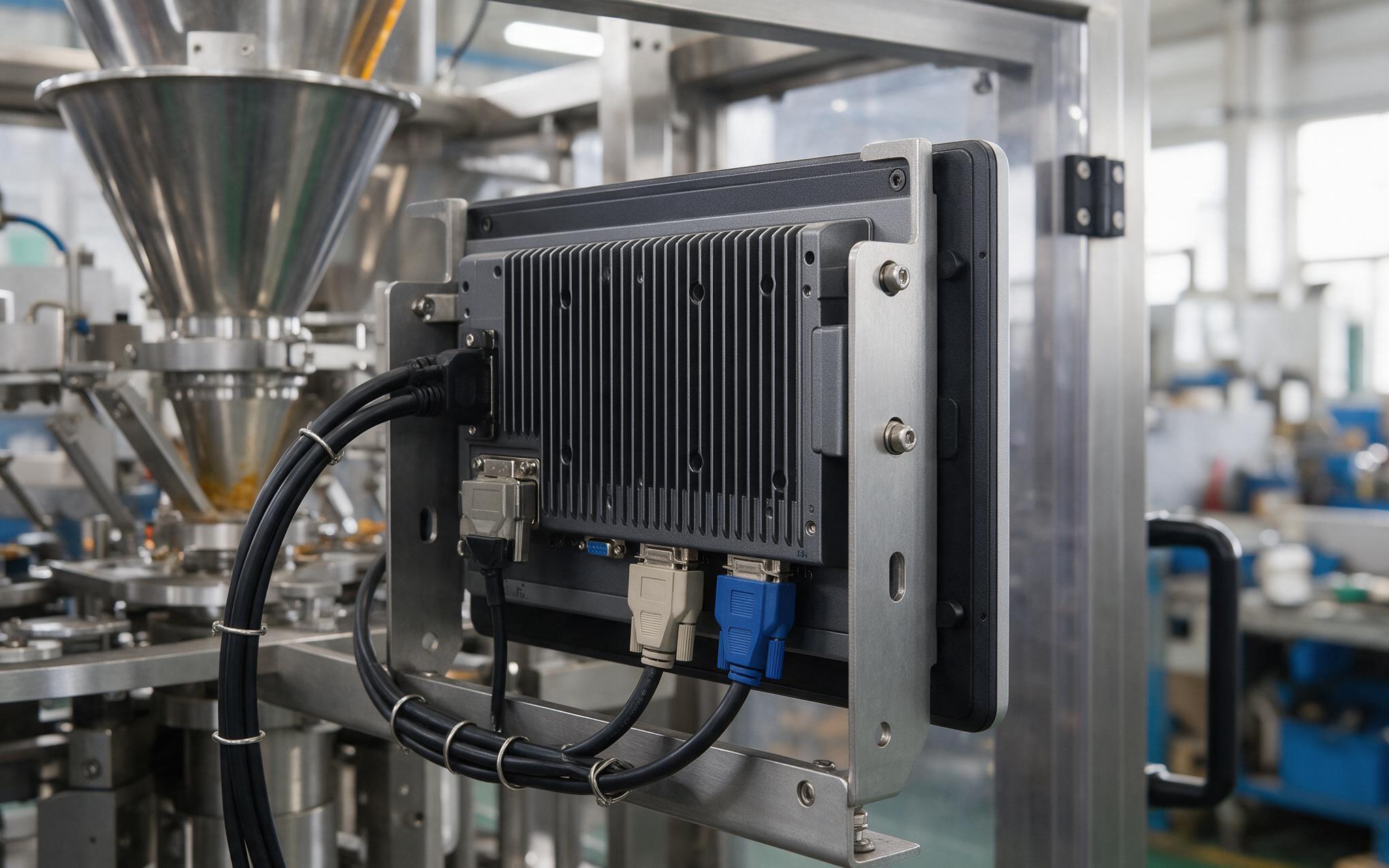
Selection begins with the rated range and ends with how the vendor proved it. Ask where the rating was measured, at what airflow, and whether touch response was verified at the cold end, since controller behavior drifts as the sensor temperature drops. Power input deserves equal scrutiny, because wide-voltage input stages absorb the sags that appear on plant grids when banks of ovens start up, and a supply sized only for steady state gives out at that moment. Interfaces and mounting follow the environment, with lockable connectors where vibration is present and panel mounts chosen for the actual wall material rather than a generic bracket. Specs shaped by approaches like those in the KOXIAN X3 series treat thermal validation, power margin, and sealing as a single test plan instead of three separate datasheet lines.
An oven-to-freezer swing is a movement and moisture problem before it is a performance problem, and an aluminum alloy industrial pc only keeps its rating if those paths are designed rather than assumed. Keep bezel and cover in matching alloys so joints move together, size the fin field against the hot end of the aisle, and give the housing a way to breathe without admitting water. Validate the rating where the unit will actually live, with touch and power checked at both extremes instead of at bench ambient. Panels specified this way turn a temperature swing from a service risk into a routine line condition.