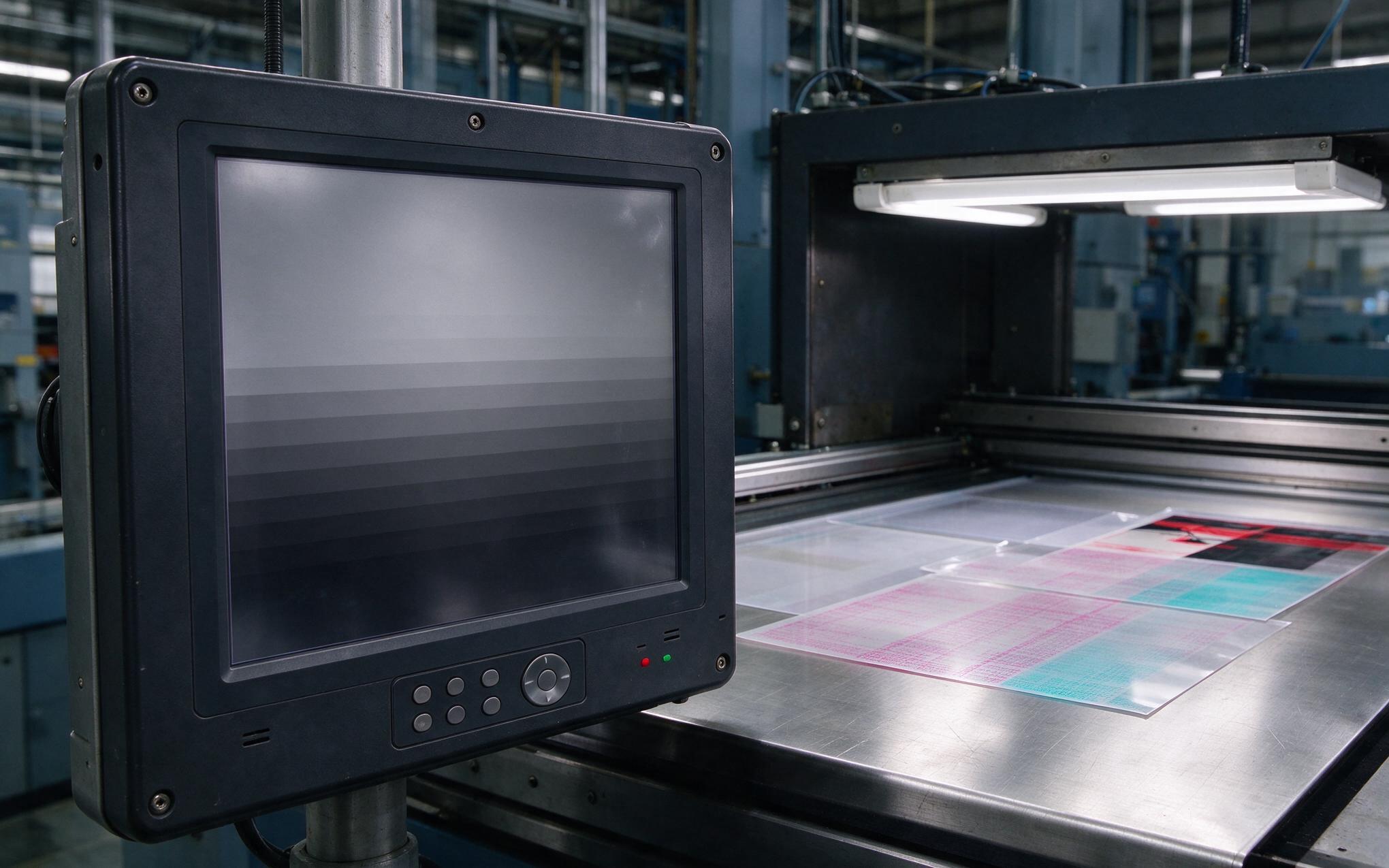
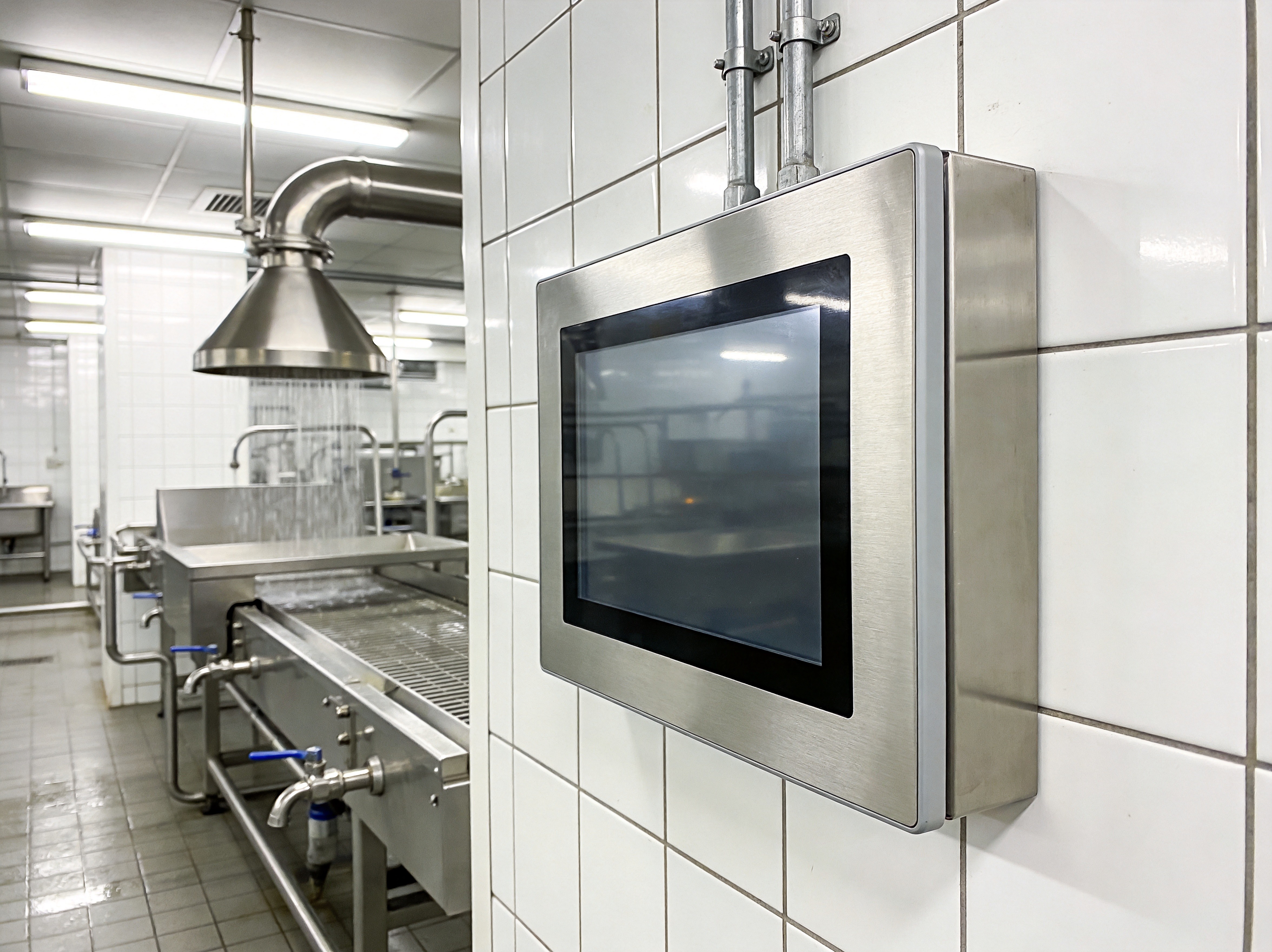
Food and beverage processing facilities operate under demanding hygiene and durability requirements. Regulatory frameworks including FDA 21 CFR Part 11, EC 1935/2004, and 3-A Sanitary Standards govern material composition, surface finish, and cleanability. For computing hardware deployed on processing lines — where operators monitor batch recipes, log quality data, and control production workflows — the enclosure is a food-contact-adjacent surface that must withstand high-pressure washdown cycles, resist chemical sanitizer corrosion, and eliminate crevices where organic matter accumulates. Stainless steel panel PCs engineered for these environments have become the default computing platform for modern food and beverage operations.
Material Science: Why 304 and 316L Stainless Steel Define the Standard
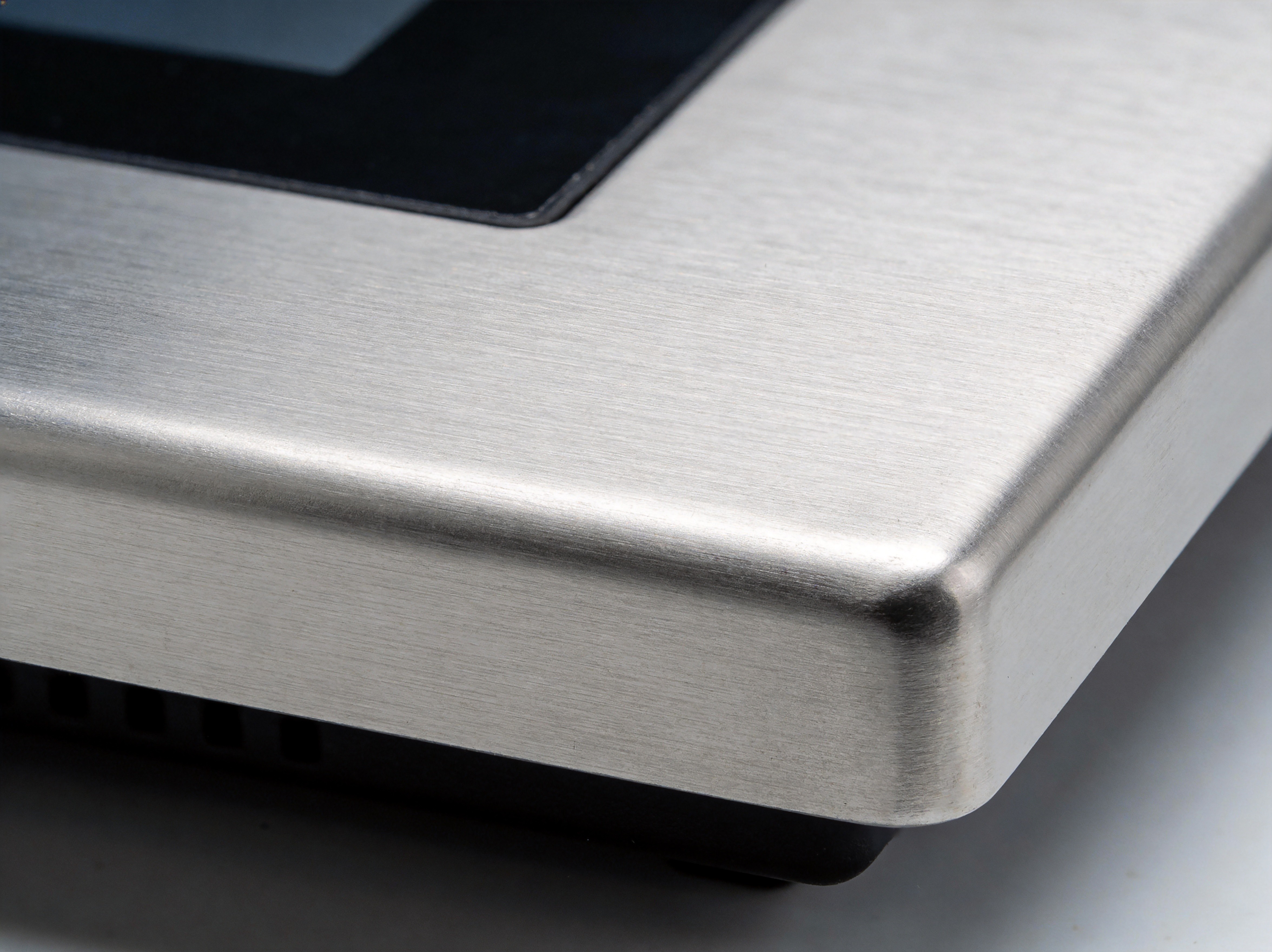
The choice between 304 and 316L stainless steel for panel PC enclosures is not arbitrary. Type 304 offers excellent corrosion resistance in general food processing environments, with approximately eighteen percent chromium and eight percent nickel. Facilities using chlorinated sanitizers, acidic cleaning agents, or operating in coastal locations require the enhanced pitting resistance of 316L. The addition of molybdenum — typically two to three percent — gives 316L superior resistance to chloride-induced corrosion, a common failure mode when standard-grade enclosures face repeated sodium hypochlorite-based washdown cycles. KOXIAN stainless steel panel PC enclosures are machined from solid 316L billet with a minimum surface roughness of 0.8 micrometers Ra, ensuring biofilm adhesion is minimized and CIP-compatible cleaning protocols achieve full sanitization without residue traps.
Ingress Protection and Sealing Architecture for Wet Environments
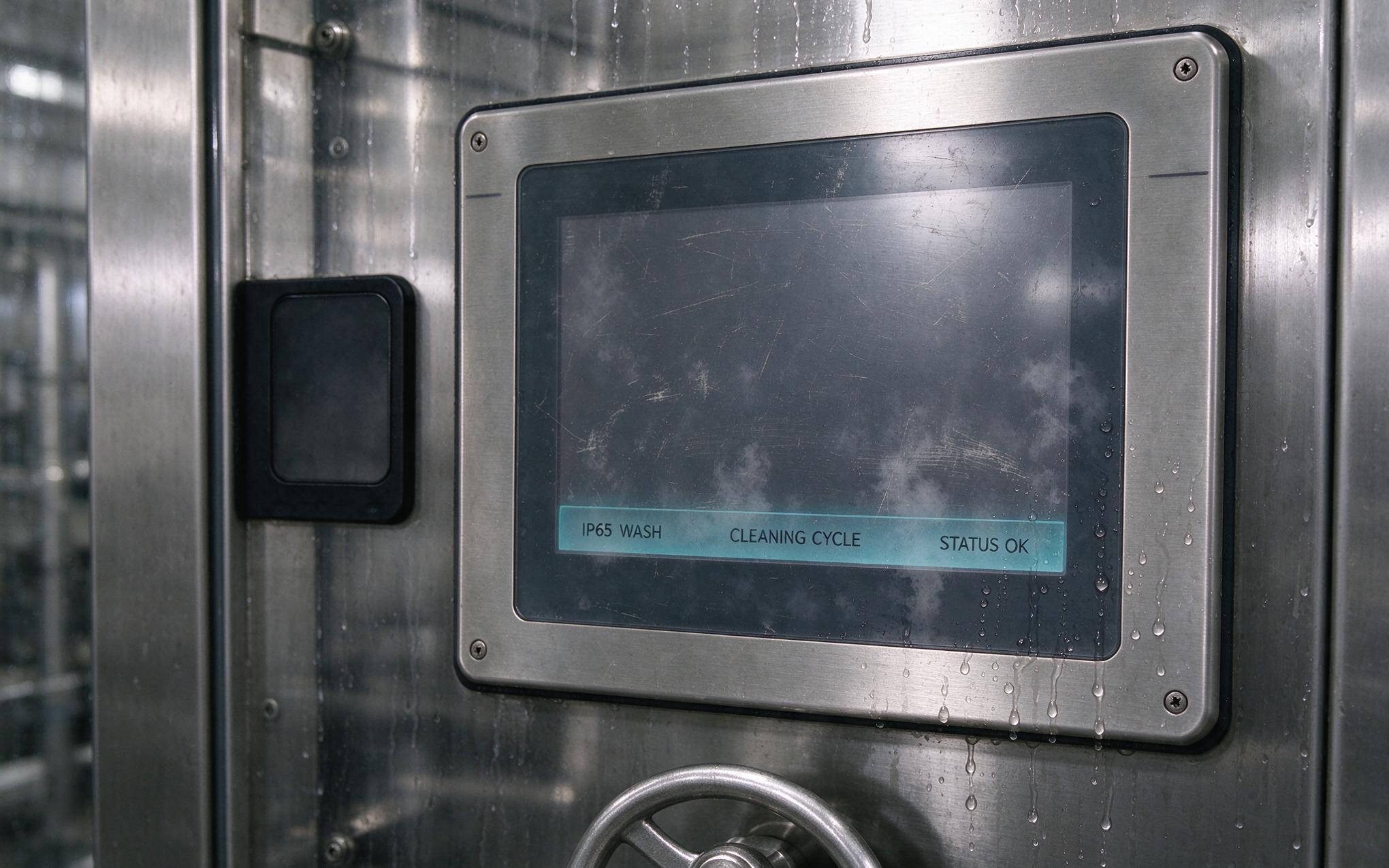
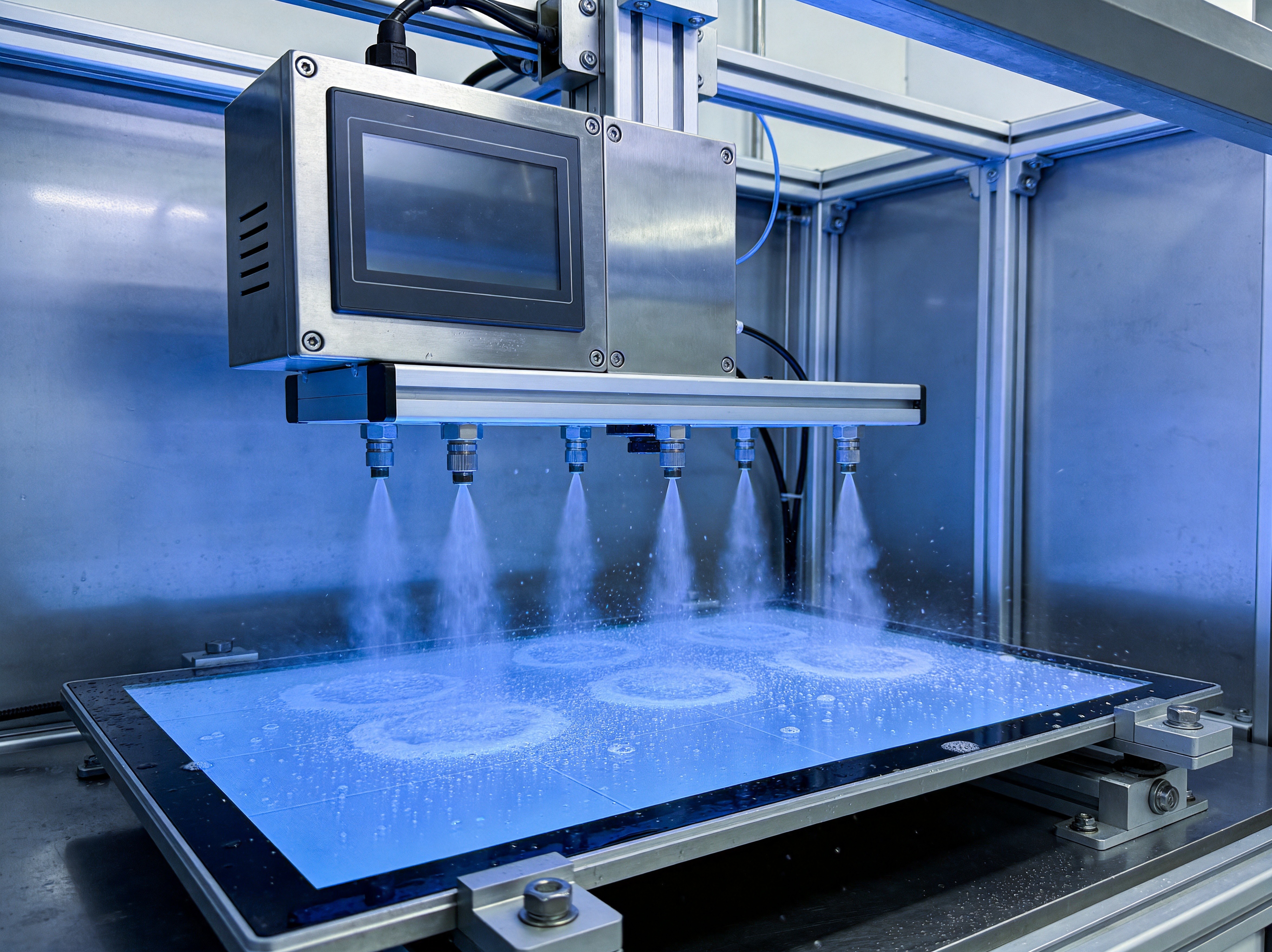
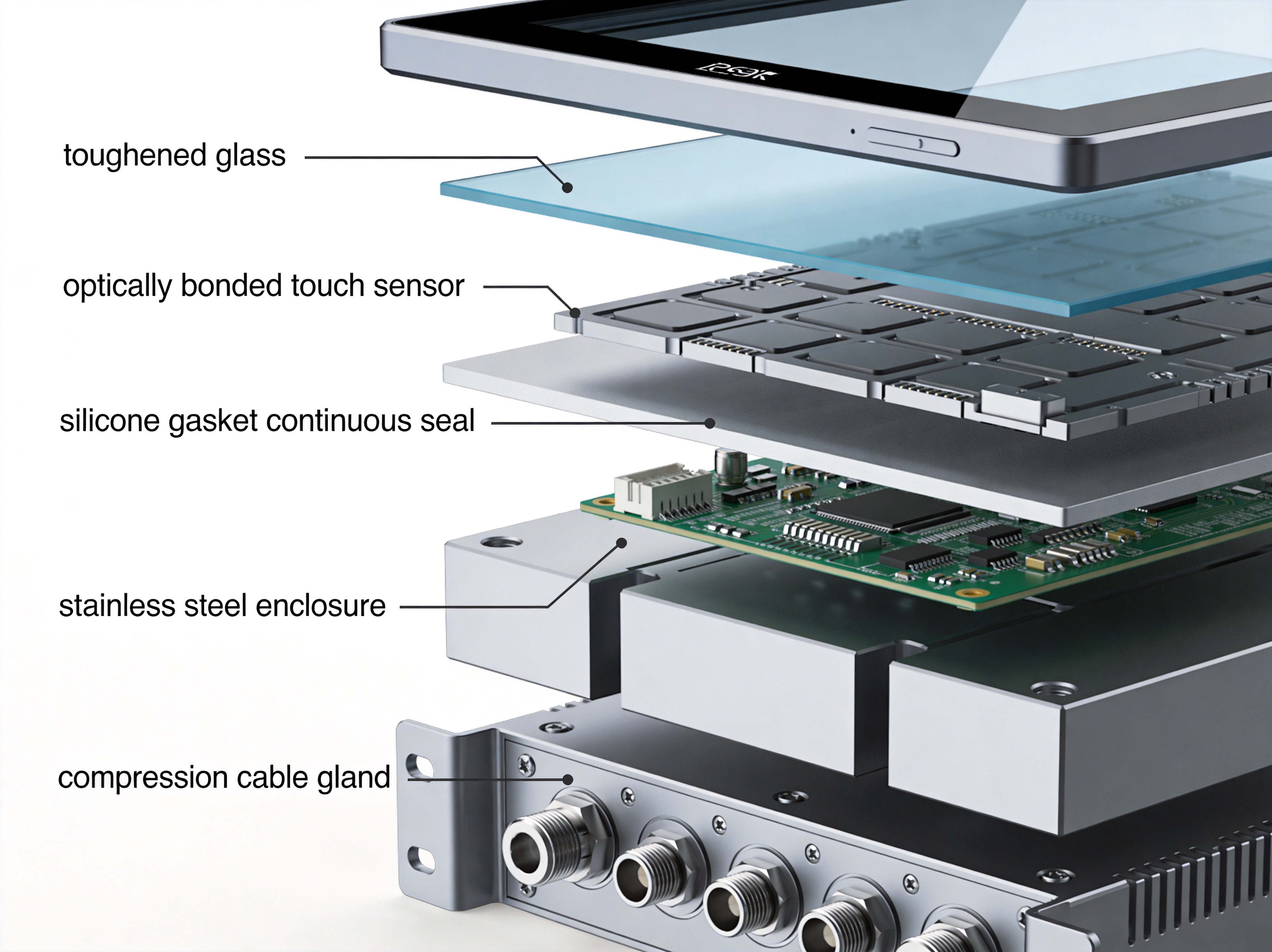
IP69K certification — the highest rating under IEC 60529 — is the benchmark for food processing panel PCs. IP69K requires survival against close-range high-pressure steam jets at temperatures up to eighty degrees Celsius and pressures reaching 1,500 psi. Achieving this rating demands a fully sealed enclosure with no exposed fasteners, continuous silicone gasketing around the display bezel, and cable glands that maintain compression seals under thermal cycling. The display surface must be optically bonded to the touch sensor and cover glass to eliminate internal air gaps where condensation could form during rapid temperature transitions. KOXIAN panel PCs rated for washdown environments employ full-surface optical bonding with a minimum IP69K rating, ensuring zero moisture ingress even after thousands of thermal shock cycles.
Chemical Resistance: Protecting Against Sanitizer Degradation
Modern food processing sanitation protocols deploy a rotating arsenal of chemical agents: peracetic acid, quaternary ammonium compounds, hydrogen peroxide vapor, and chlorine dioxide solutions. Each interacts differently with enclosure materials, gaskets, and touchscreen coatings. Silicone gaskets, while excellent for compression set resistance, can swell and degrade when exposed to concentrated peroxide-based sanitizers. EPDM offers superior chemical resistance but may not maintain sealing integrity across the temperature range required for steam sanitization. The optimal solution adopts a dual-material strategy: fluorosilicone gaskets at the primary bezel seal, paired with EPDM O-rings at cable entry points. The touchscreen surface must use chemically strengthened glass rated for repeated exposure to acidic cleaning agents without developing micro-etching that degrades optical clarity. Independent laboratory testing confirms that properly specified enclosures maintain full IP69K integrity after over five thousand accelerated chemical exposure cycles, simulating years of daily sanitation in a high-volume processing plant.
Operator Interface Design for Gloved Hands and Wet Conditions
Food processing operators wear nitrile or latex gloves that are frequently wet, greasy, or coated with residues. Standard capacitive touchscreens, which rely on the conductive properties of bare skin, exhibit degraded performance under these conditions. Projected capacitive touch controllers with firmware-level glove support and water rejection algorithms are essential. The touch controller must distinguish between intentional finger contact and incidental water droplets during cleaning. Advanced firmware uses frequency-hopping excitation and multi-touch baseline tracking to maintain accurate touch detection even when the screen is partially wetted. User interface software should use oversized touch targets — minimum twenty-millimeter diameter zones — and high-contrast color schemes optimized for viewing through safety glasses under the high-intensity lighting common in food processing facilities.
Stainless steel panel PCs purpose-built for food and beverage processing represent a distinct engineering category that cannot be satisfied by general-purpose industrial displays with aftermarket enclosures. The combination of 316L metallurgy, IP69K sealing architecture, chemically resistant gasket materials, and glove-compatible touch technology forms an integrated system where each component must be validated in concert. For production managers evaluating computing hardware for sanitary environments, the enclosure material and sealing strategy should be treated as primary selection criteria, not secondary considerations.