Three warranty streams dominate vibration-related returns from sealed operator terminals on mobile machinery: intermittent signal drops, storage faults, and loose-feeling I/O ports. The pattern matters because a fanless industrial panel pc removes the one rotating component that used to dominate service logs, so buyers sometimes read fanless as vibration-proof. Once the bearing and its air path are gone, the remaining wear mechanisms act at microscopic interfaces, particularly the mated contacts inside external connectors. Motion measured in micrometers can be enough to break freshly exposed metal, let it oxidize, and pile oxide debris exactly where signal current has to cross. The failure arrives months later as intermittent communication that passes every bench check, so the mechanism deserves its own look rather than a generic rugged label.
Under Micro-Motion, Tin Contacts Build Their Own Debris
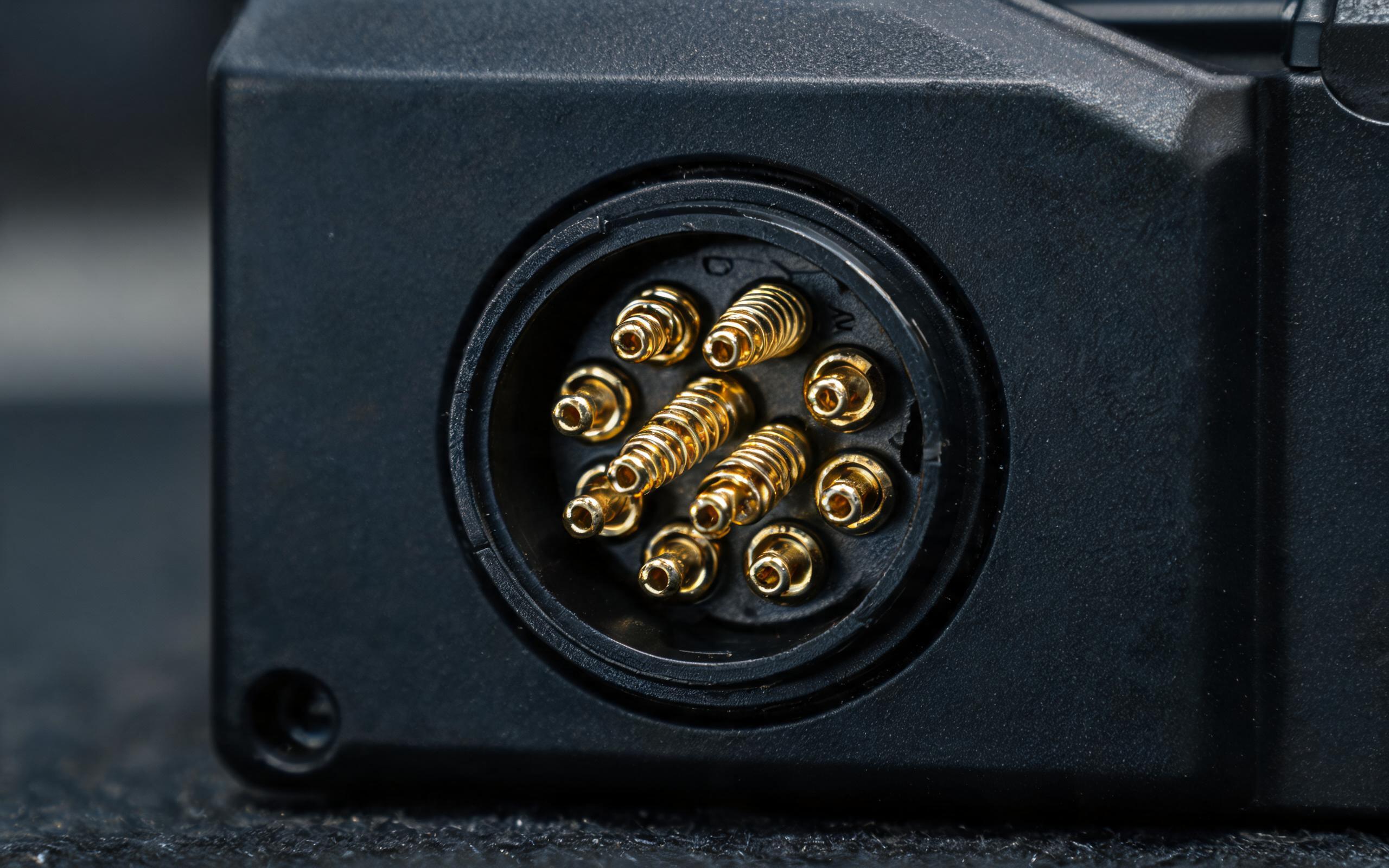
The industry term is fretting corrosion: small-amplitude relative motion, roughly 10 to 200 micrometers, at a mated non-noble contact in air. The gold-flashed signal pins and screw-lock I/O ports used in the KOXIAN G1 series reflect one design response, since gold does not oxidize while a positive lock keeps the interface still. Tin-plated contacts start near one milliohm, but repeated scraping exposes fresh tin that oxidizes on every cycle, and accumulated oxide debris has pushed resistance above one ohm in laboratory fretting tests measured in minutes rather than years. Tin remains economical when normal force is high, the joint is mated once, and motion is genuinely absent. Thermal cycling adds the same micro-motion on fixed lines, as connector plastics and metal shells expand at different rates.
Removing the Fan Moves Wear from Bearings to I/O Contacts
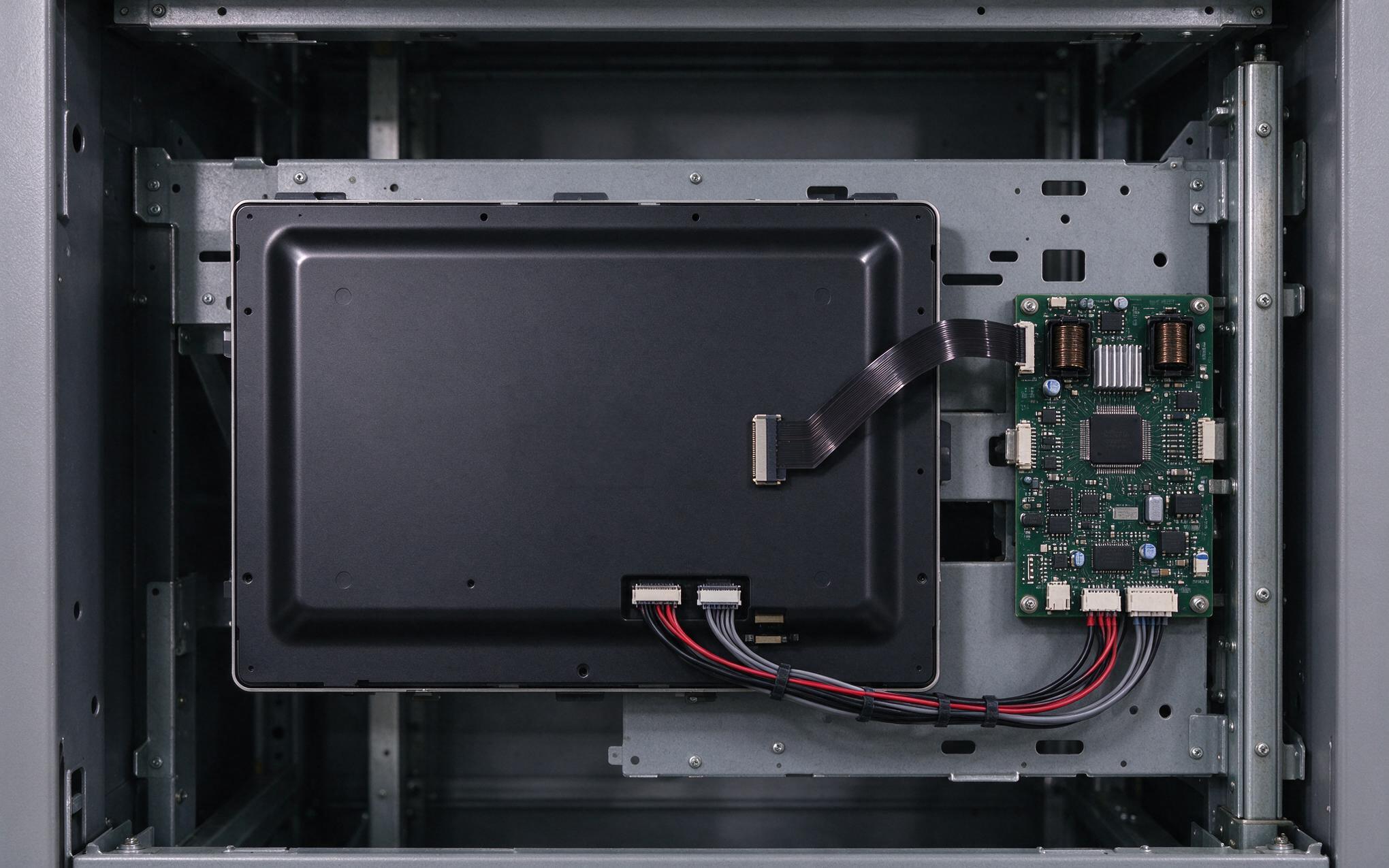
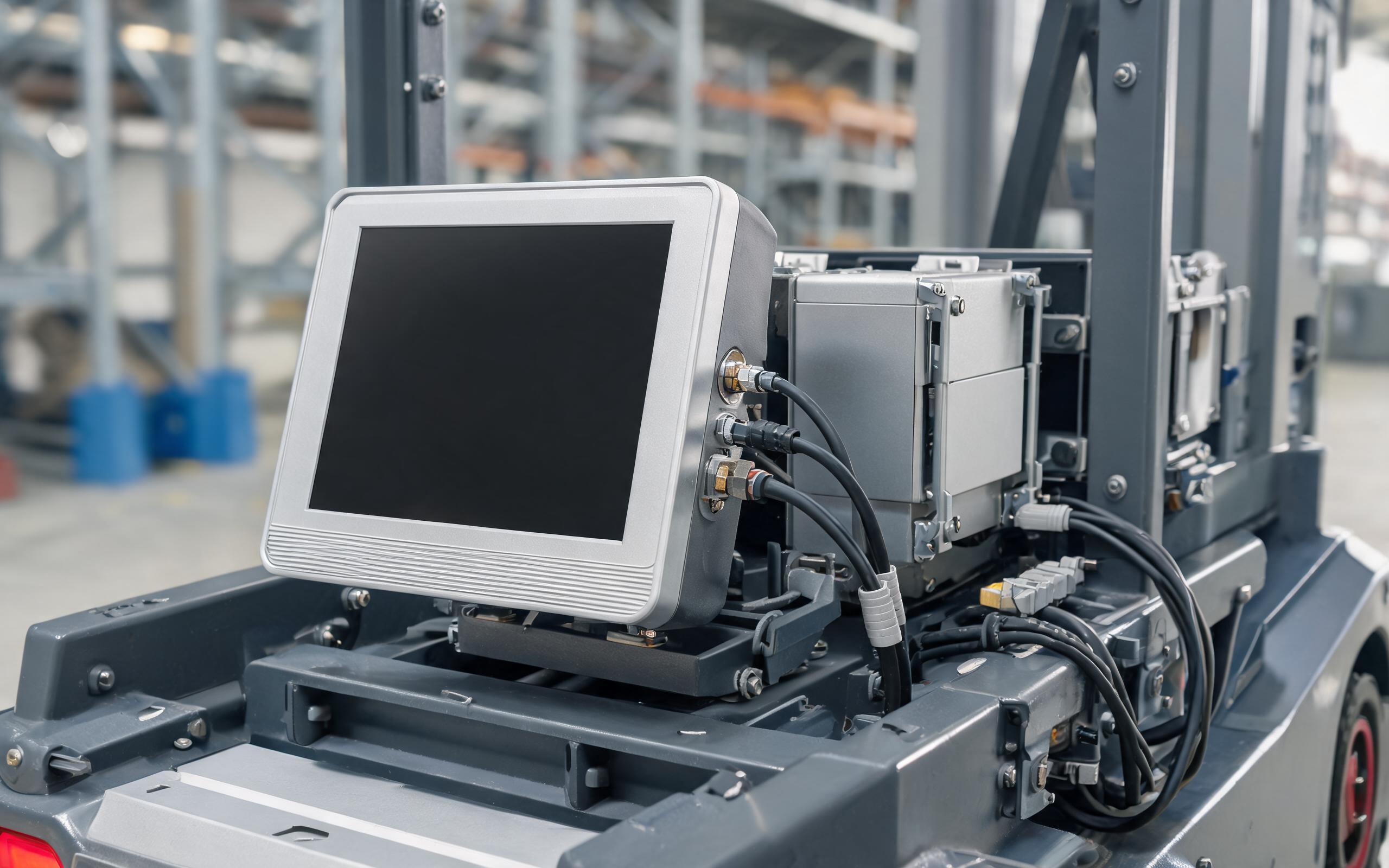
Sealing a fanless industrial panel pc changes the order of failure modes rather than deleting them. A fan bearing wears through lubricant breakdown and dust ingress, and its removal closes the openings that carried abrasive particles into the chassis. Processors are ball-grid-array soldered, often with underfill so solder joints survive board flexure. The vulnerable interfaces move outward: storage cards under retention screws, heatsink standoffs, and external I/O connectors carrying cables whose mass acts like a lever. Internal assemblies can be engineered once, but every cable and bracket on the machine side differs, which is why connector and mounting choices dominate field results.
Fanless Industrial Panel PC Vibration Ratings Start at the Connector
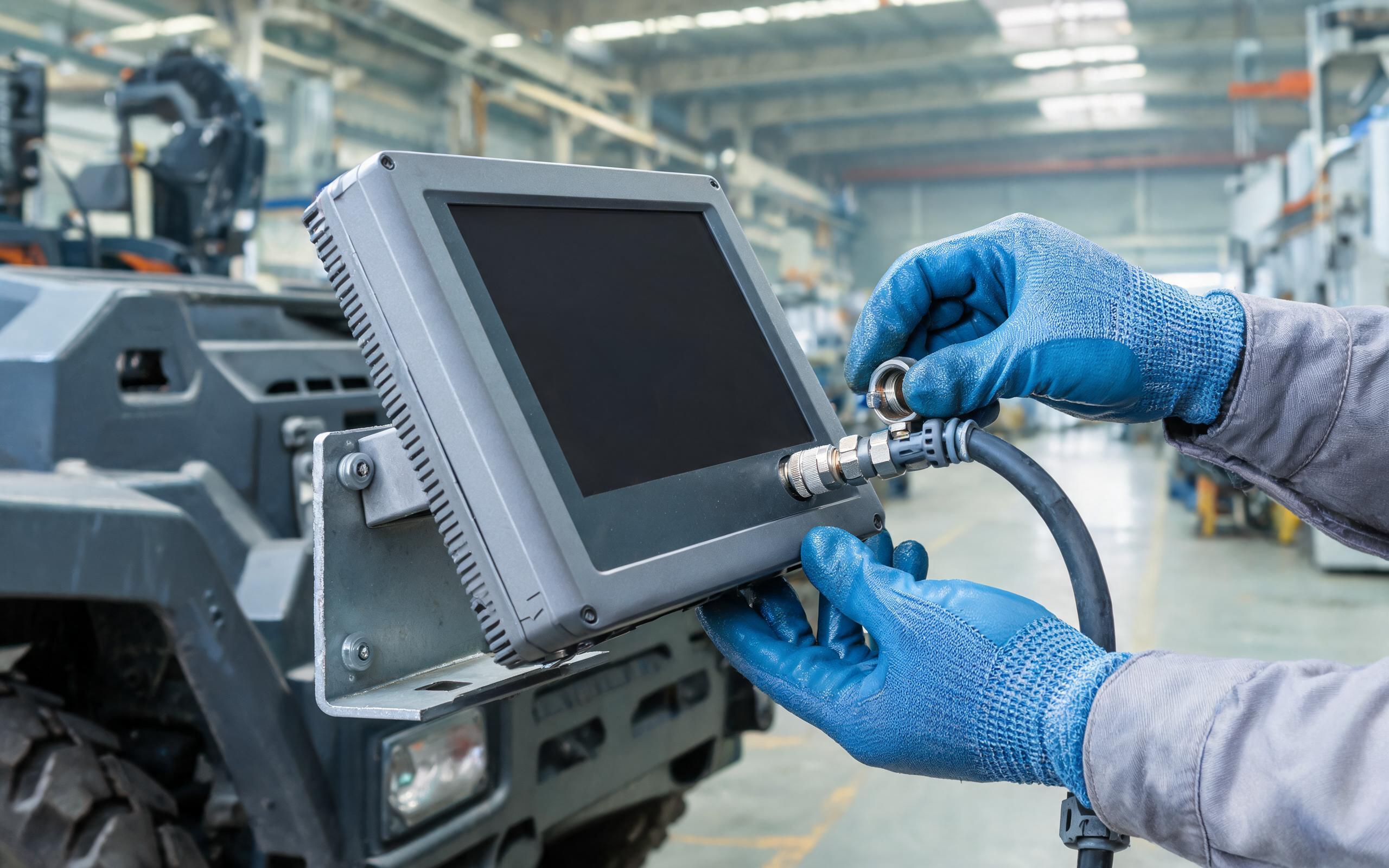
Engineering against fretting runs on two principles: stop the motion, or plate for it. Threaded M12-style circular connectors with screw or ratchet locks resist unmating where plain tabs fatigue, and cable clamps anchor the wire side so the connector carries no cable weight. For tin contacts, high normal force and one-time mating keep the interface gas-tight; vehicle signal circuits more often use 30-microinch gold over nickel, since gold neither oxidizes nor sheds abrasive debris. Mount stiffness matters too: a flexible arm can amplify half a millimeter of chassis motion near its resonant frequency. Field observations from fanless industrial panel pc fleets place KOXIAN-style latching I/O among the fixes that hold steady contact resistance while unlatched modular jacks turn intermittent after six to twelve months of machine vibration.
Qualifying Contacts During IEC 60068 Vibration Runs
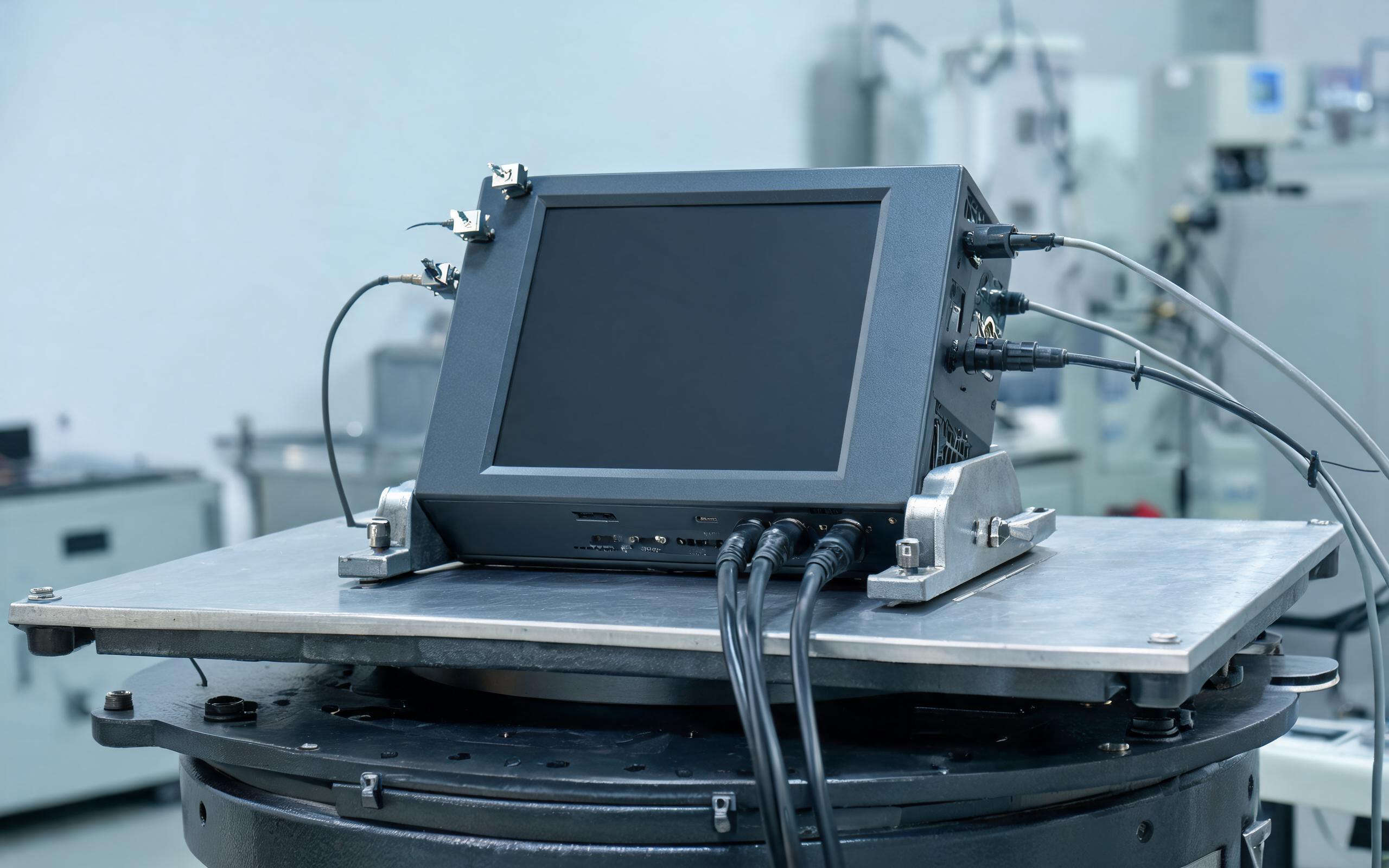
A datasheet acceleration figure is not enough, because the same acceleration at a resonant frequency multiplies the work done at every contact. Qualification follows IEC 60068-2-6 for sinusoidal sweeps, commonly 10 to 500 hertz per axis, IEC 60068-2-64 for broadband random profiles, and IEC 60068-2-27 for shock. The useful detail is monitoring during the test, with continuity recorded while cables and cards are installed as in service. Acceptance is stated as permitted interruption duration and allowable resistance change, and repeat runs after any connector or plating swap close the loop between purchasing and qualification. A vibration rating quoted without profile, axis, mounting state, and monitoring criteria is promotional language, not an engineering result.
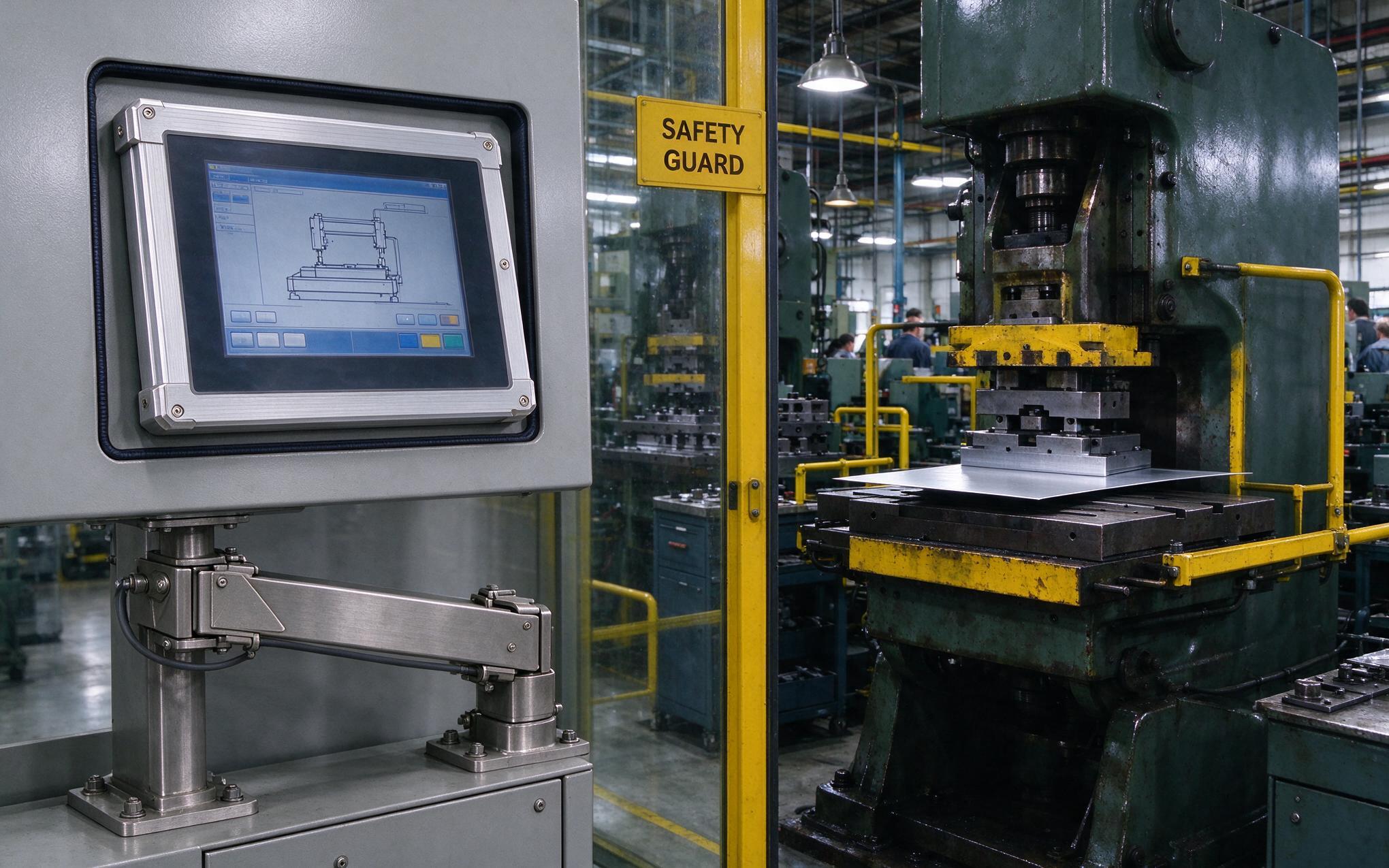
A fanless enclosure gains dust resistance, quiet operation, and bearing uptime, but it does not exempt contacts from mechanics. Fretting corrosion develops at amplitudes smaller than a display pixel, and the evidence is a connection that works on the bench and fails on the vehicle. Engineers evaluating a fanless industrial panel pc for automated guided vehicles, crane cabs, stamping cells, or machining centers should ask three questions: whether external ports lock and relieve cable strain, what plating and underplate cover the signal contacts, and which IEC 60068 profile was run with continuity monitored and cables attached. The answers separate a sealed office computer from a machine-mounted one.