When specifying an industrial panel PC or display for a factory deployment, the enclosure material rarely tops the list of evaluation criteria. Yet the choice between aluminum alloy and sheet metal construction has far-reaching implications for thermal performance, structural integrity, corrosion resistance, and long-term reliability. Understanding the engineering trade-offs between these two material families is essential for making informed procurement decisions that align with actual operating conditions.
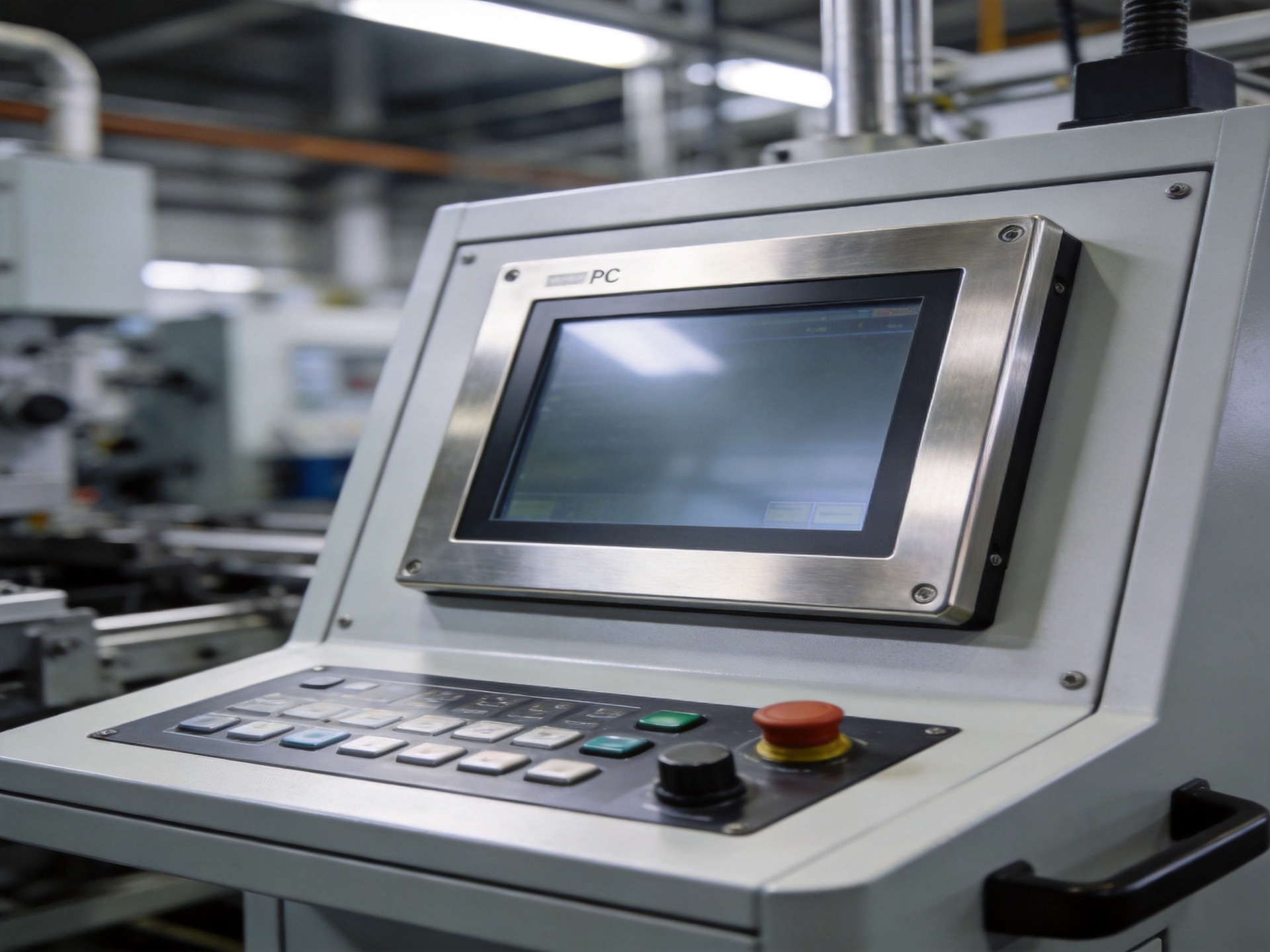
Thermal Conductivity: The Defining Difference
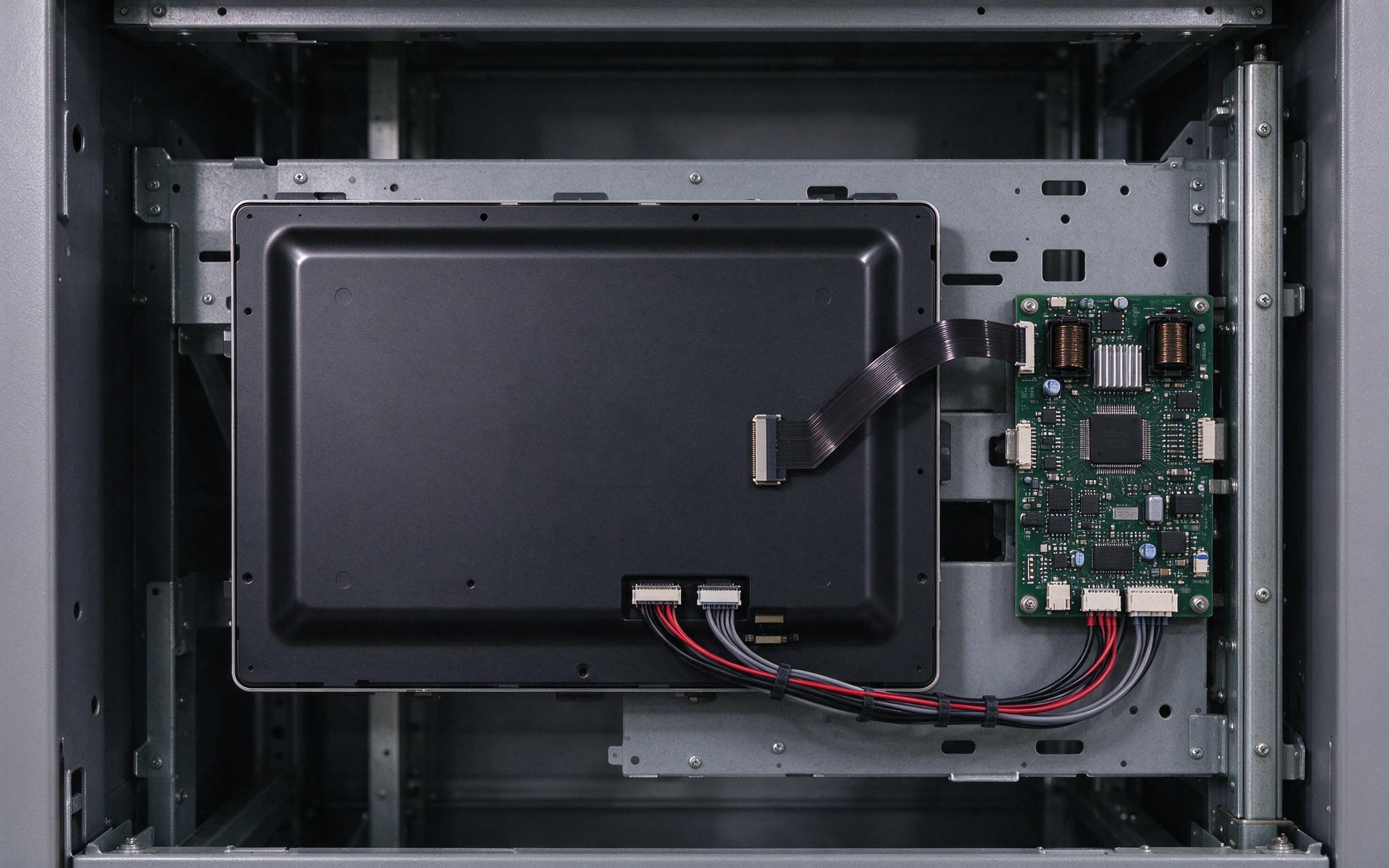
The most significant performance difference between aluminum alloy and sheet metal enclosures lies in thermal conductivity. Aluminum alloys commonly used in industrial enclosures, such as 6061 and 6063, exhibit thermal conductivity values around 150 to 170 watts per meter-kelvin. Sheet steel, by contrast, conducts heat at approximately 45 to 55 watts per meter-kelvin, roughly one-third the rate of aluminum. This three-to-one ratio has direct practical consequences: in a fanless industrial panel PC where the enclosure serves as the primary heat sink, an aluminum chassis can dissipate processor heat to the ambient environment significantly more efficiently. For systems operating near their thermal limits, the difference between aluminum and steel construction can determine whether the processor maintains full clock speed or throttles under sustained load. The thermal advantage of aluminum becomes progressively more important as ambient temperatures rise, making it the preferred choice for high-temperature industrial environments.
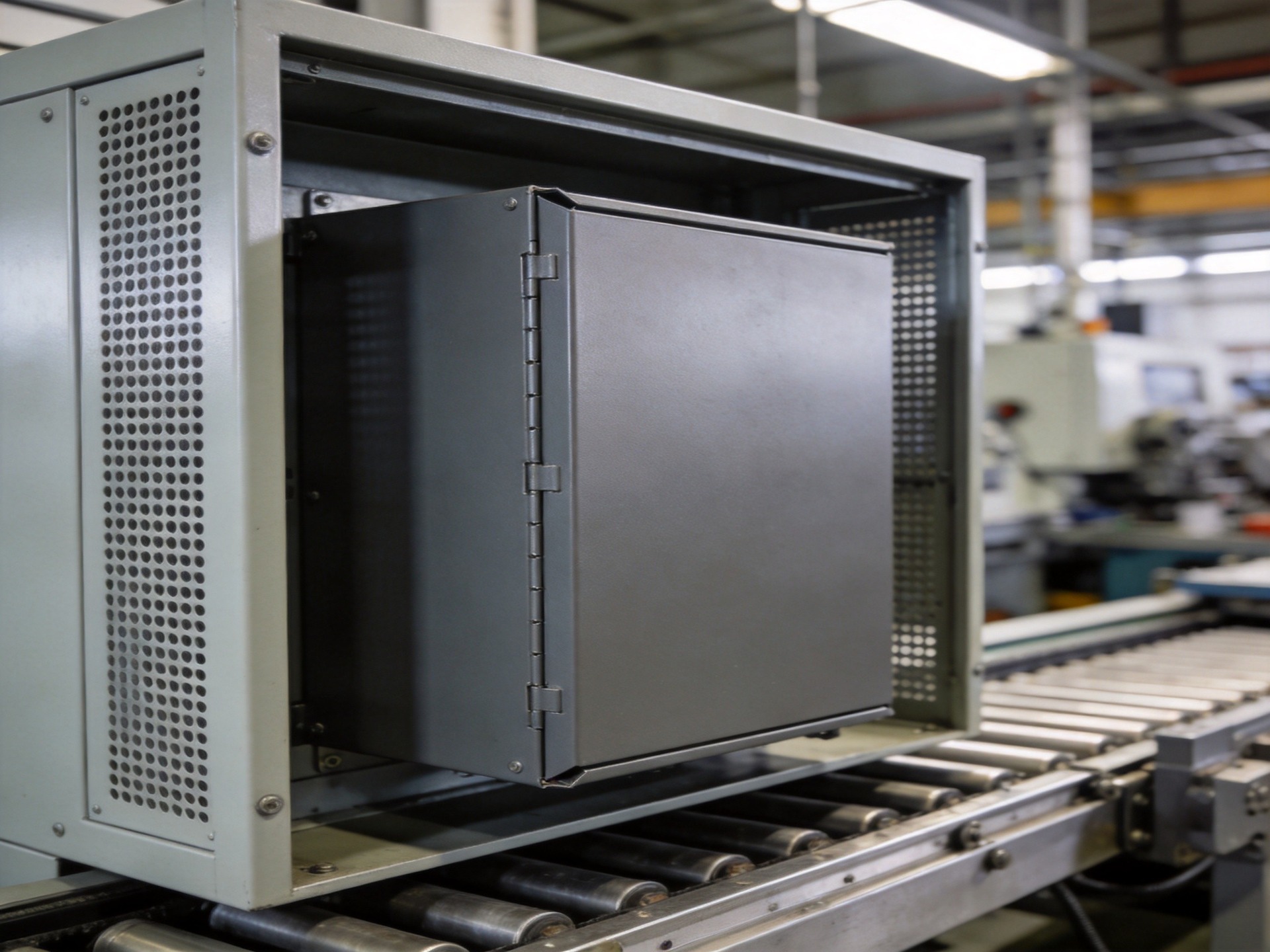
Structural Integrity and Manufacturing Precision
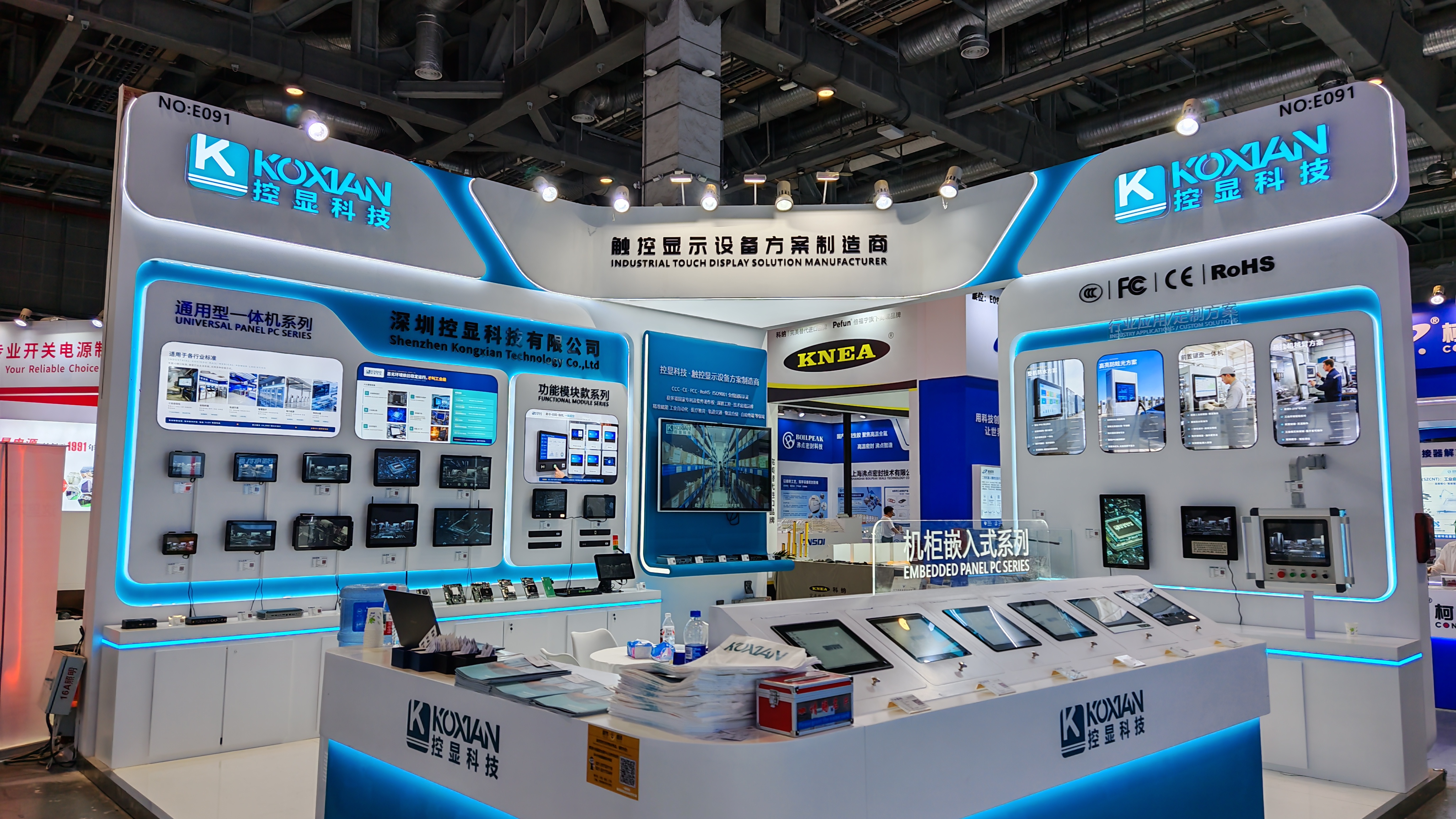
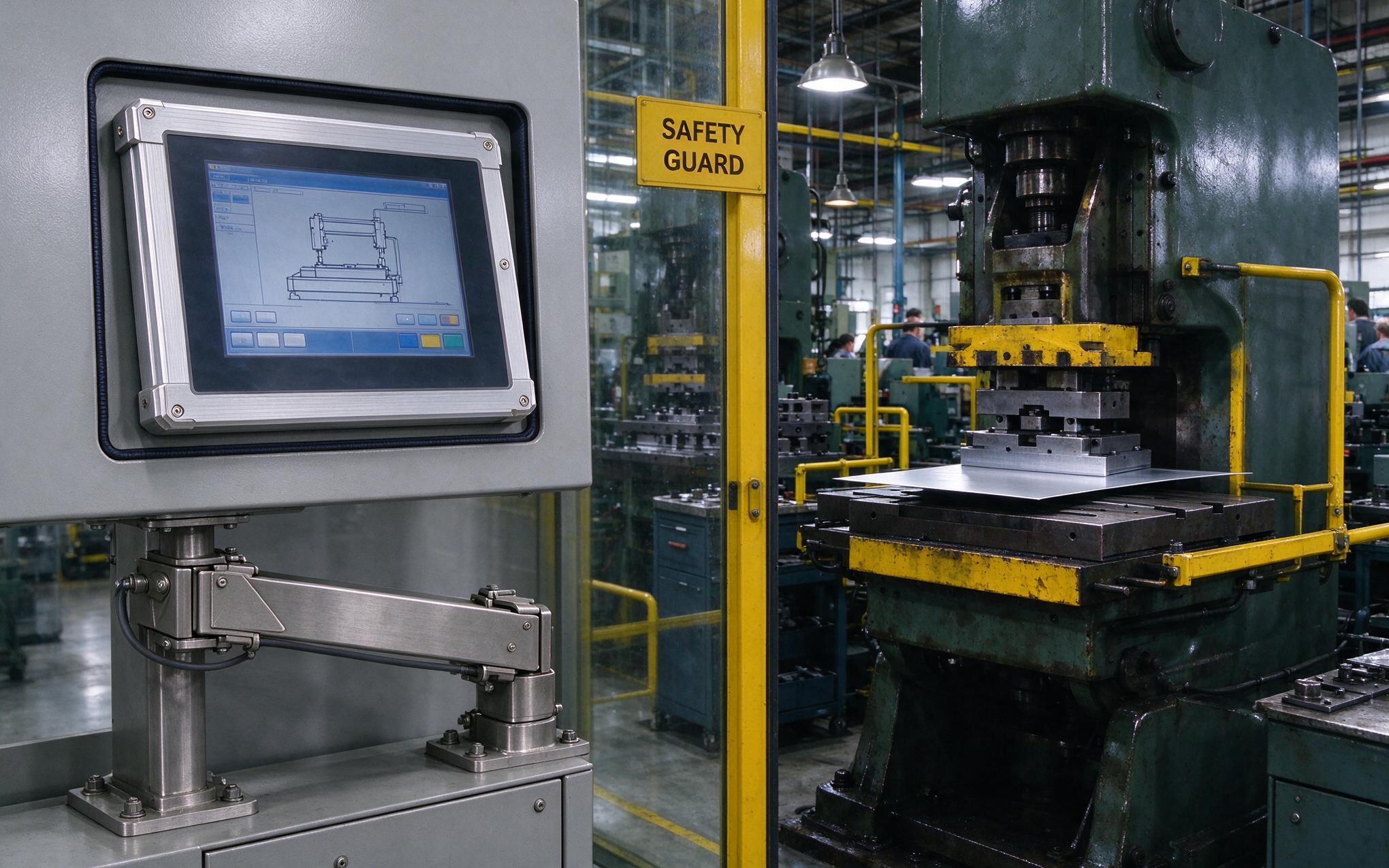
Aluminum alloy enclosures are typically produced through CNC machining or die casting, processes that achieve tight dimensional tolerances and smooth surface finishes. The machined nature of aluminum construction allows for integrated features such as precisely milled gasket channels, threaded mounting bosses, and complex internal geometries that optimize heat flow paths. Sheet metal enclosures are formed through bending, stamping, and welding of flat steel sheets, a process that prioritizes cost efficiency over dimensional precision. While sheet metal can achieve adequate structural strength for most industrial applications, the inherent tolerances are wider, and the folded construction introduces seams and joints that can become weak points for corrosion or ingress. In actual industrial deployments, manufacturers like KOXIAN employ modular fully-sealed designs with precision-machined aluminum alloy chassis that effectively provide both structural integrity and thermal efficiency in a single integrated platform.
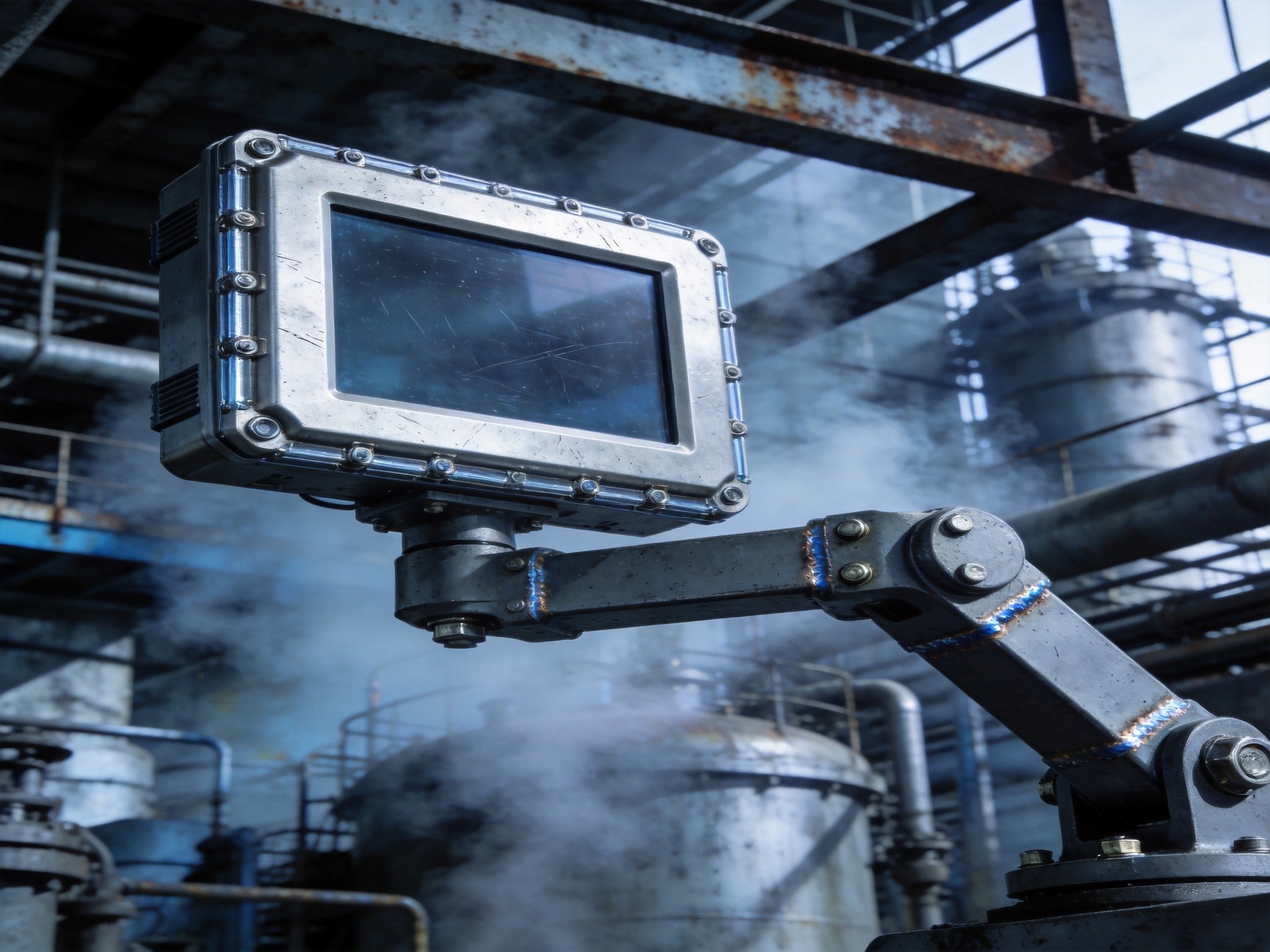
Corrosion Resistance and Environmental Durability
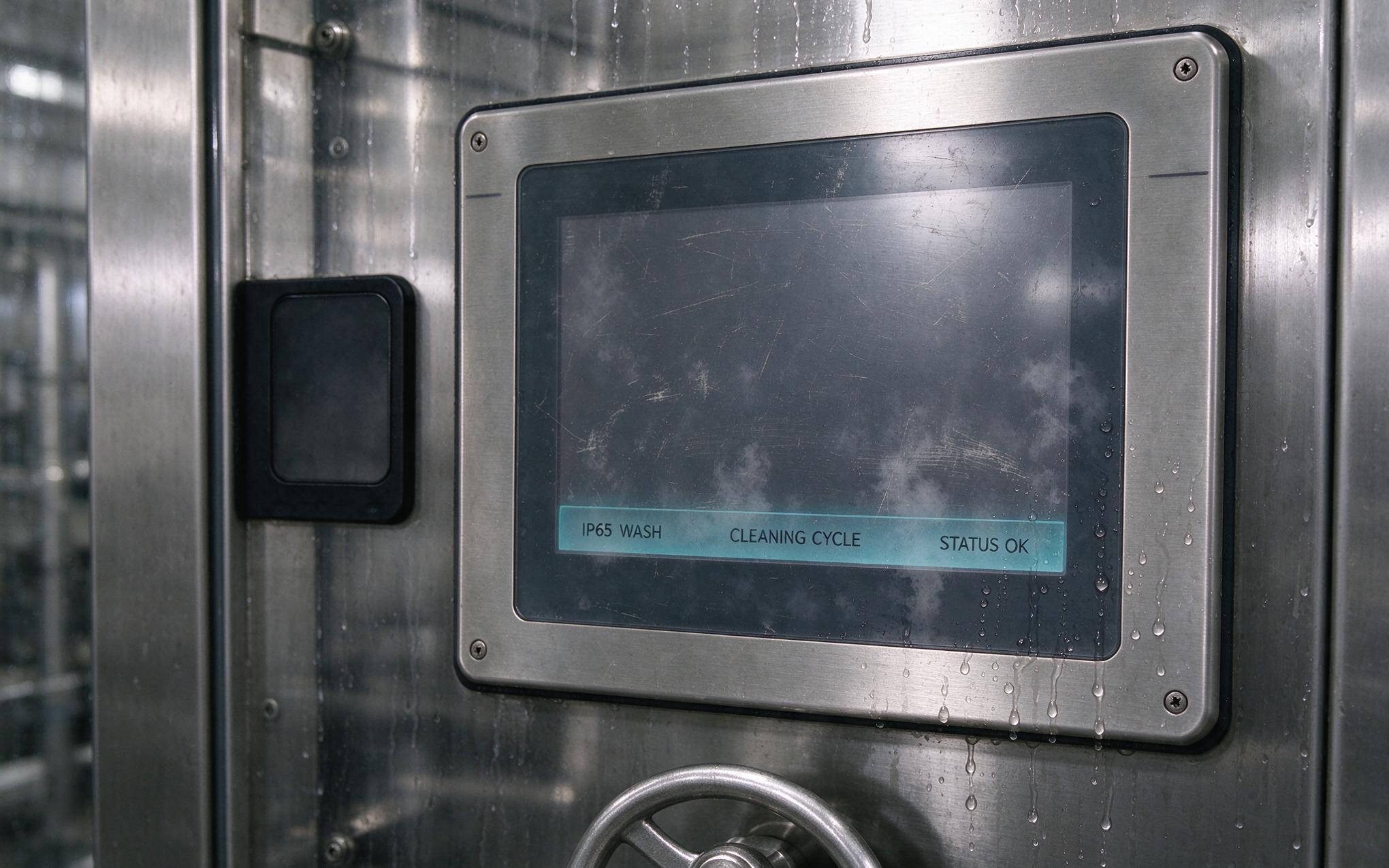
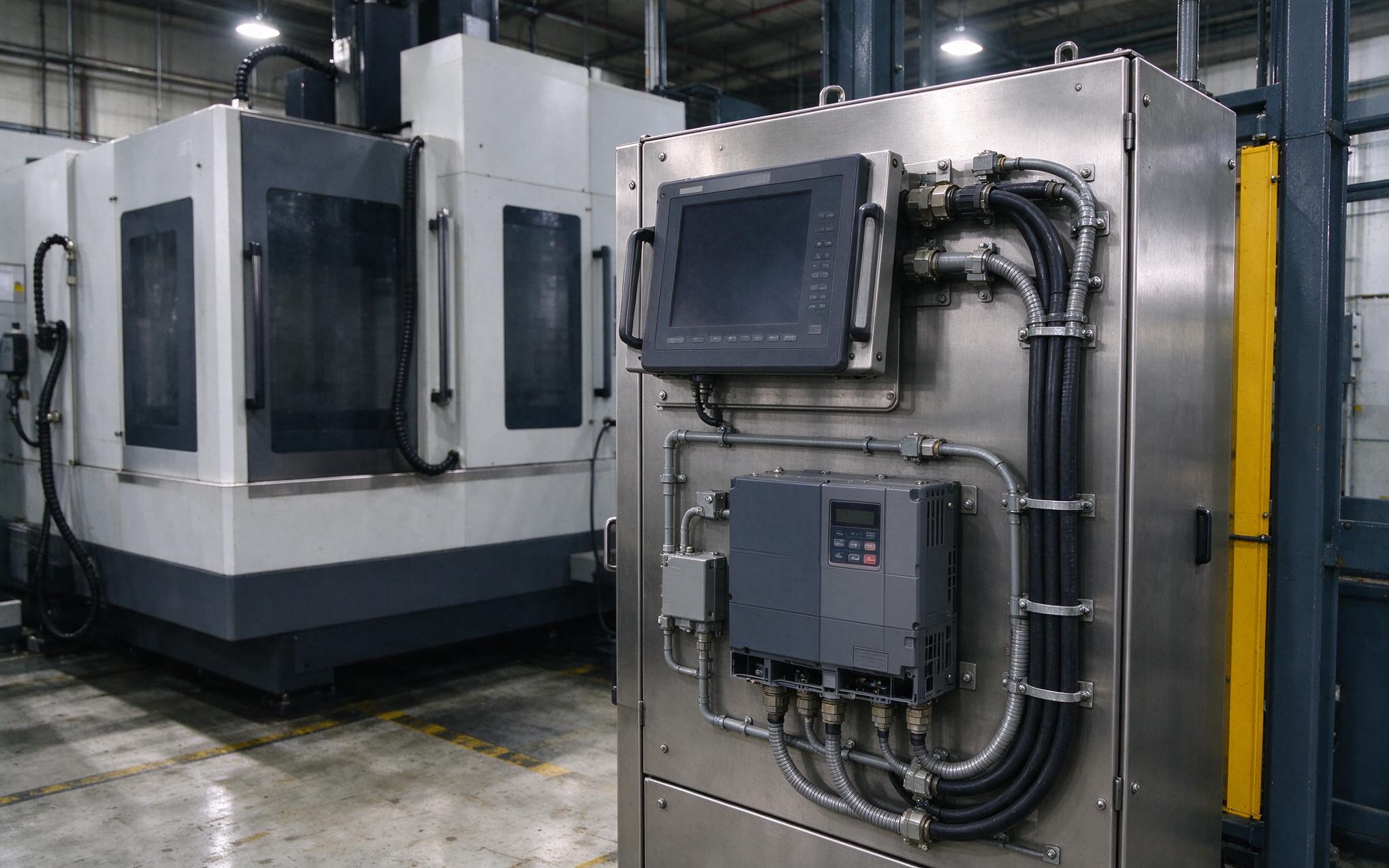
Corrosion resistance is where the material choice has the most dramatic long-term impact. Aluminum naturally forms a thin, transparent oxide layer that protects against further oxidation. This self-passivating property makes aluminum enclosures inherently resistant to atmospheric corrosion, even in coastal or high-humidity environments. Steel, even when protected by powder coating or paint, remains vulnerable to corrosion at any scratch, seam, or fastener hole where the coating is compromised. In chemical processing facilities, food production plants, and marine environments, the corrosion resistance of aluminum translates directly to longer service life. Sheet steel enclosures can perform adequately in climate-controlled indoor environments with protective coatings, but they require more careful specification and maintenance. Field data from heavy industry deployments, including KOXIAN-based hardware configurations in chemical processing environments, shows that aluminum alloy enclosures demonstrate measurably lower corrosion-related failure rates over five-year operational periods compared to coated steel alternatives.
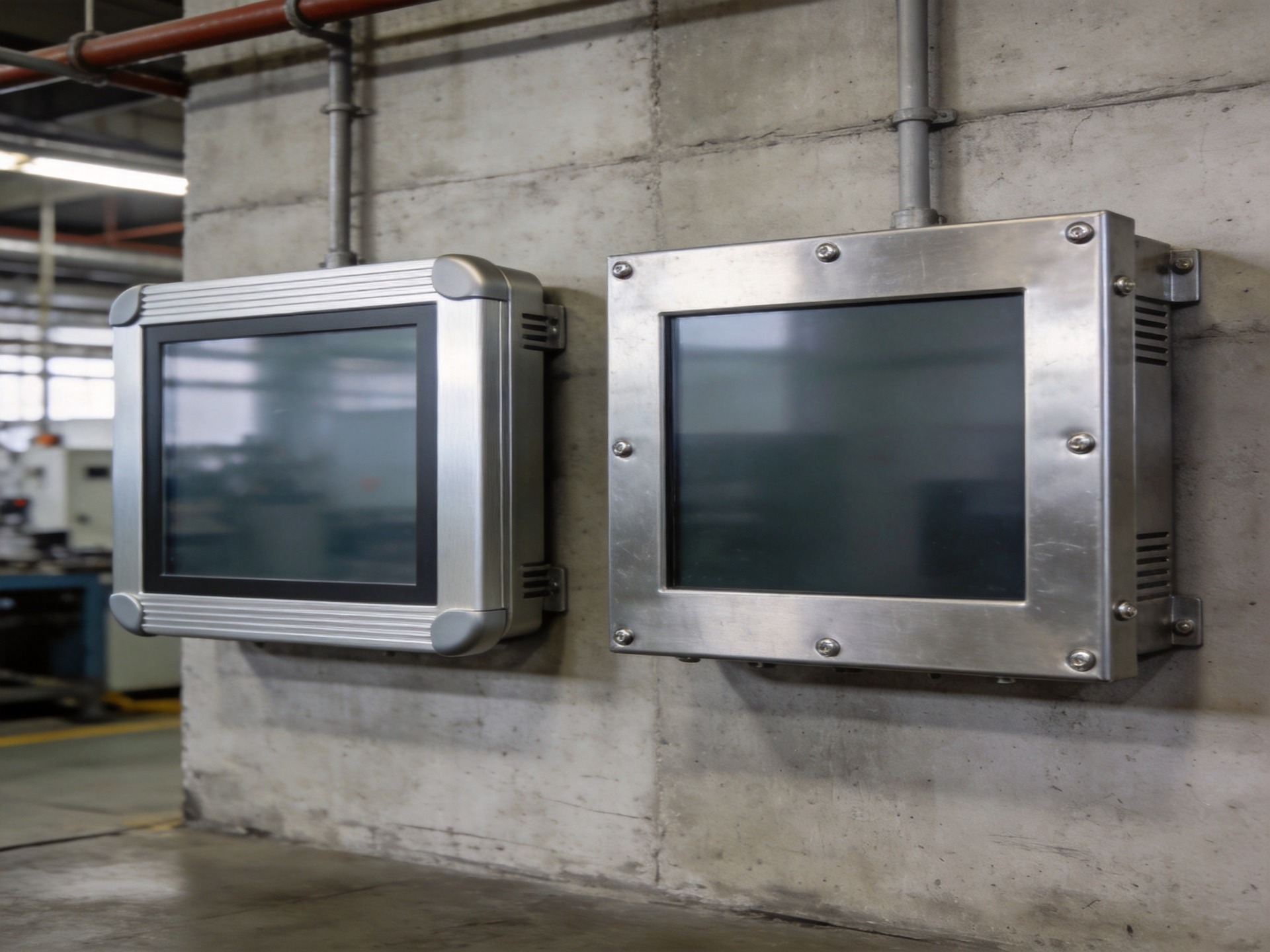
Making the Right Choice for Your Application
The enclosure material decision ultimately depends on the specific operating environment and total cost of ownership calculations. For climate-controlled indoor environments with moderate thermal requirements and no corrosive exposure, sheet metal enclosures with proper protective coatings offer a cost-effective solution. For high-temperature environments, outdoor installations, washdown areas, and any application where thermal performance or corrosion resistance is critical, the premium for aluminum alloy construction is justified by measurably longer service life and reduced maintenance requirements. The decision should be guided by the actual conditions at the installation site, not by generic specifications. When evaluating options, request material composition details, surface treatment specifications, and corrosion test data rather than relying on marketing descriptions of enclosure quality.
The choice between aluminum alloy and sheet metal for industrial enclosures is not about which material is universally better, but about which material is better suited to the specific demands of the deployment environment. Understanding the engineering properties behind each option enables procurement teams to make decisions that balance upfront cost against long-term reliability, ensuring that the enclosure material supports rather than undermines the operational goals of the industrial automation system.