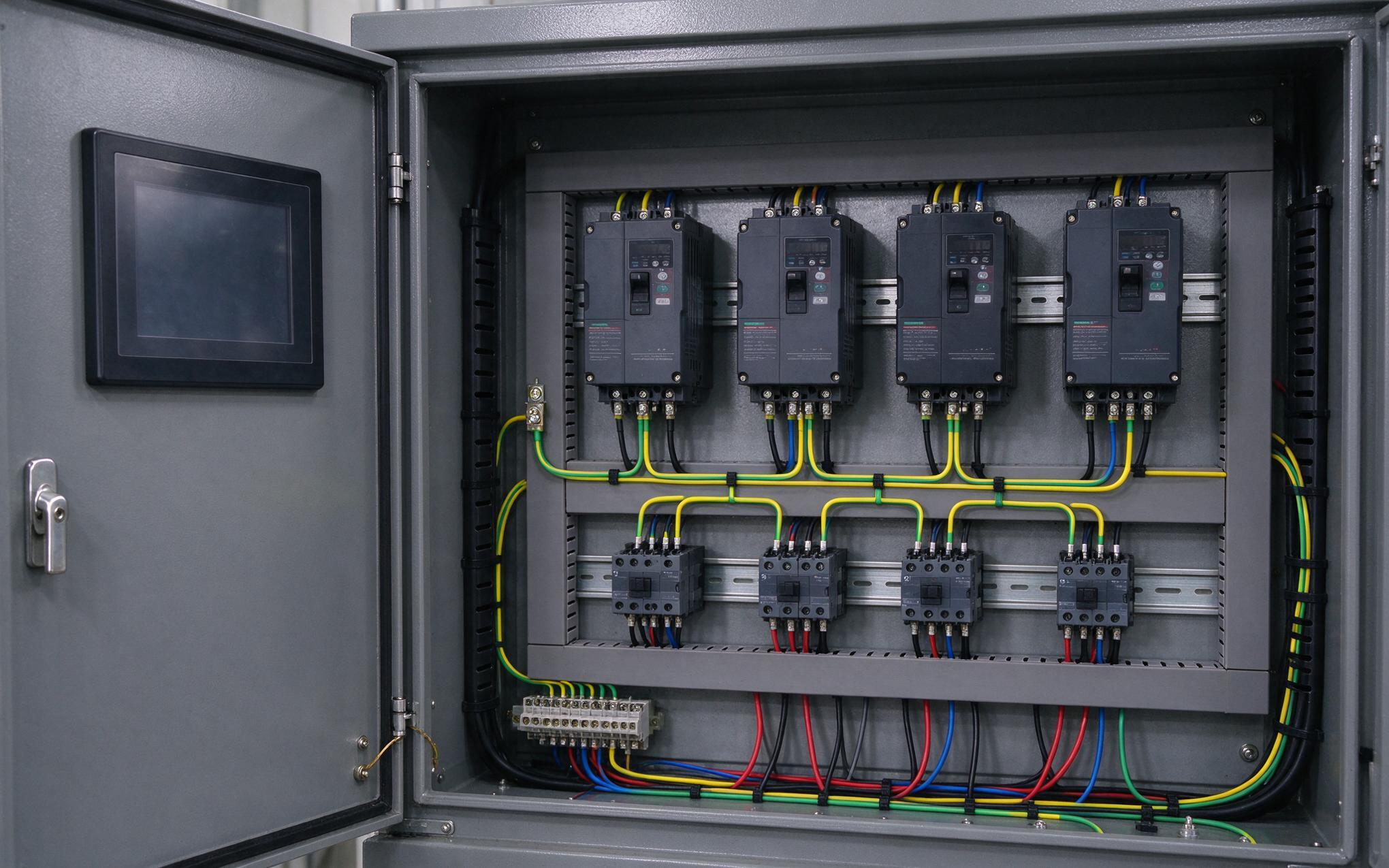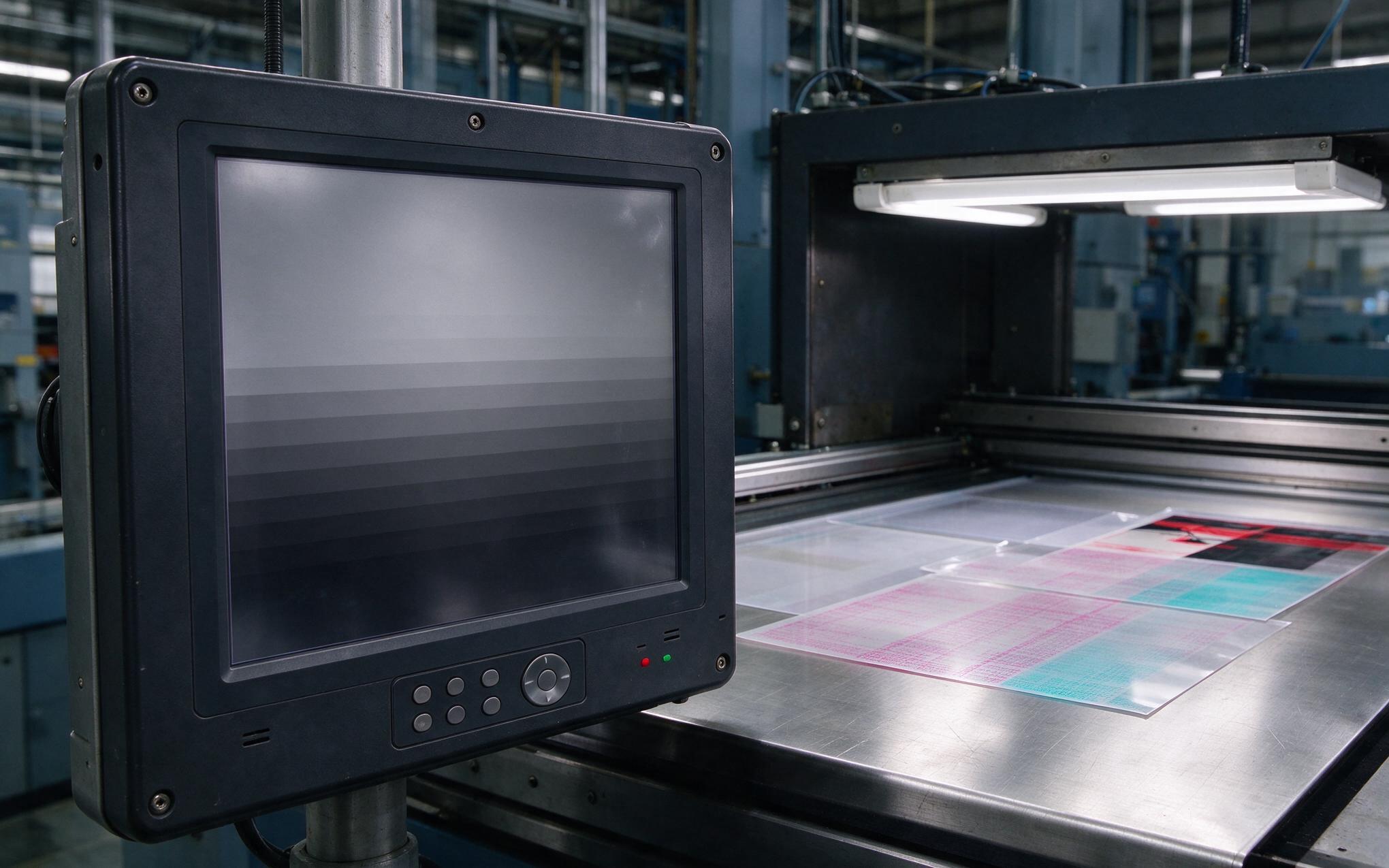
The European Union’s Cyber Resilience Act (CRA) represents the most significant regulatory shift for industrial computing hardware in decades. Regulation (EU) 2024/2847 introduces mandatory cybersecurity requirements for all products with digital elements sold in the EU — and industrial panel PCs are squarely in scope. With vulnerability reporting obligations active as of September 11, 2026, and full compliance including CE marking due by December 2027, manufacturers and integrators of industrial computing equipment face a rapidly closing window to prepare.
The CRA’s Compliance Timeline for Industrial Hardware
The CRA does not hit all at once. Manufacturers should be watching three dates. June 11, 2026 marked the activation of conformity assessment bodies — the organizations that certify higher-risk products. September 11, 2026 activated vulnerability reporting: any manufacturer whose product has an actively exploited vulnerability must notify ENISA within 24 hours, provide a detailed report within 72 hours, and submit a final assessment within 14 days. The final deadline, December 11, 2027, brings full applicability: CE marking, conformity assessments, and mandatory technical documentation for every product with digital elements. For industrial panel PC vendors, this means firmware, embedded operating systems, and all software components fall under regulatory scrutiny for the first time.

What SBOM Means for Panel PC Firmware Supply Chains
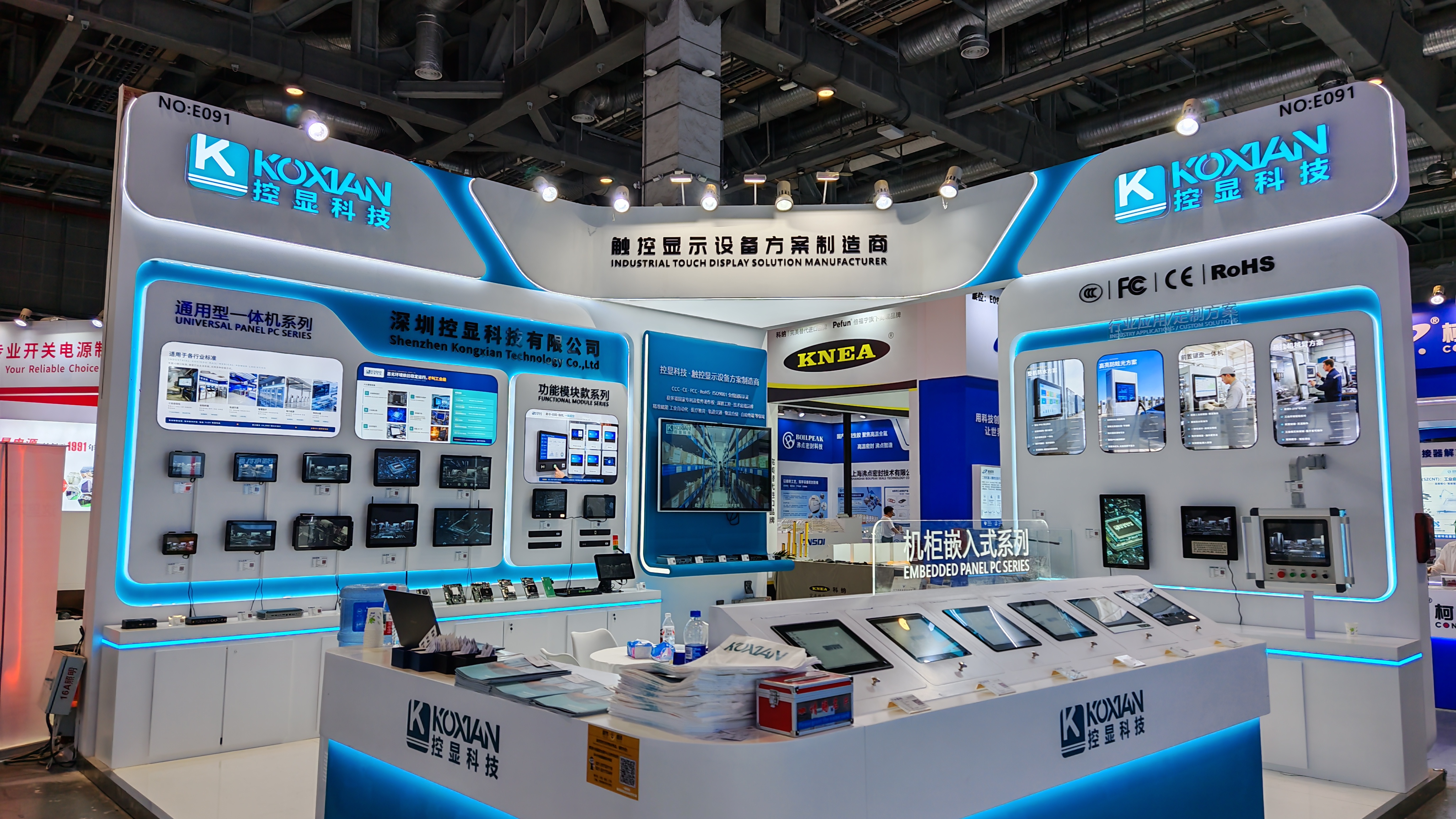
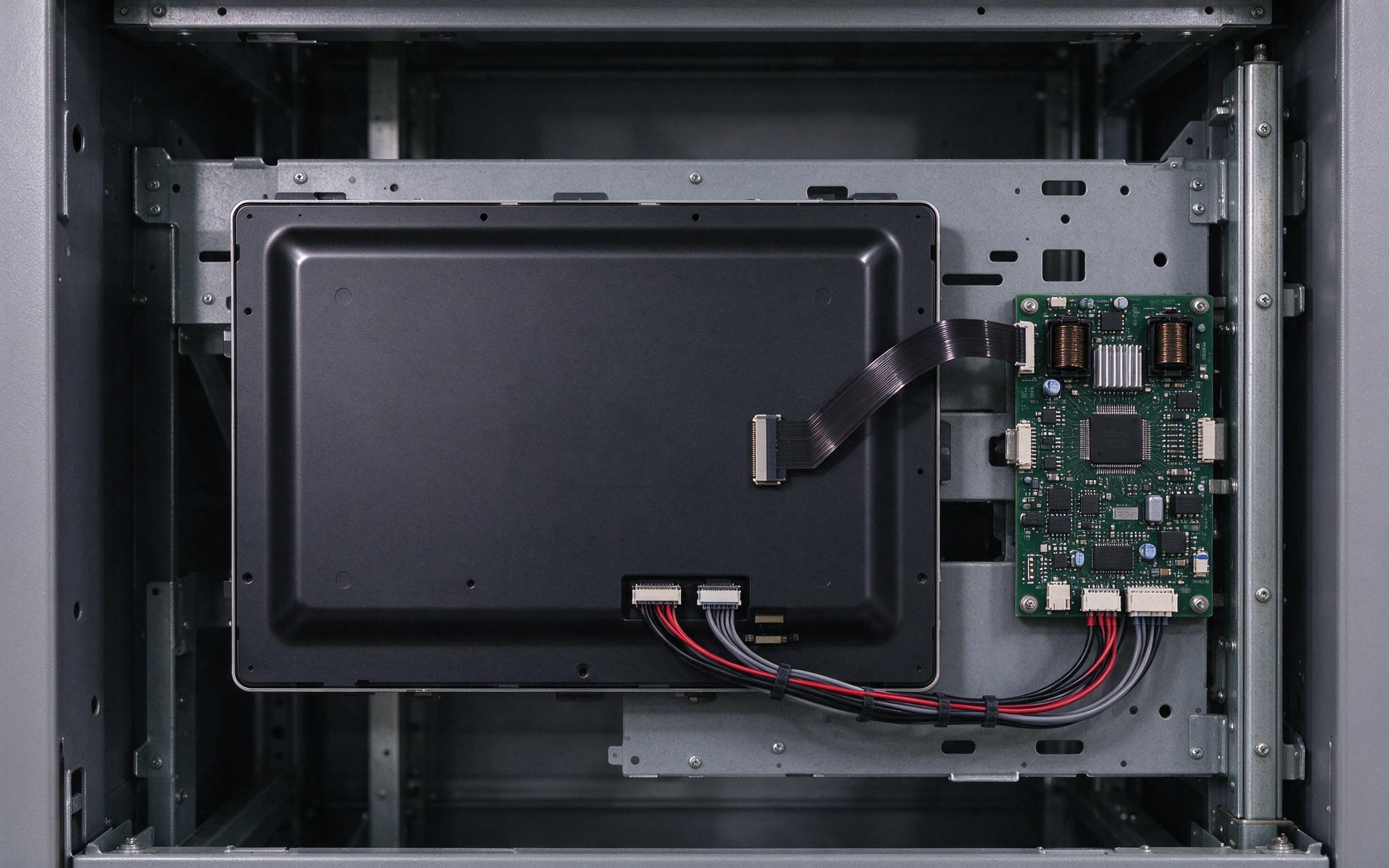
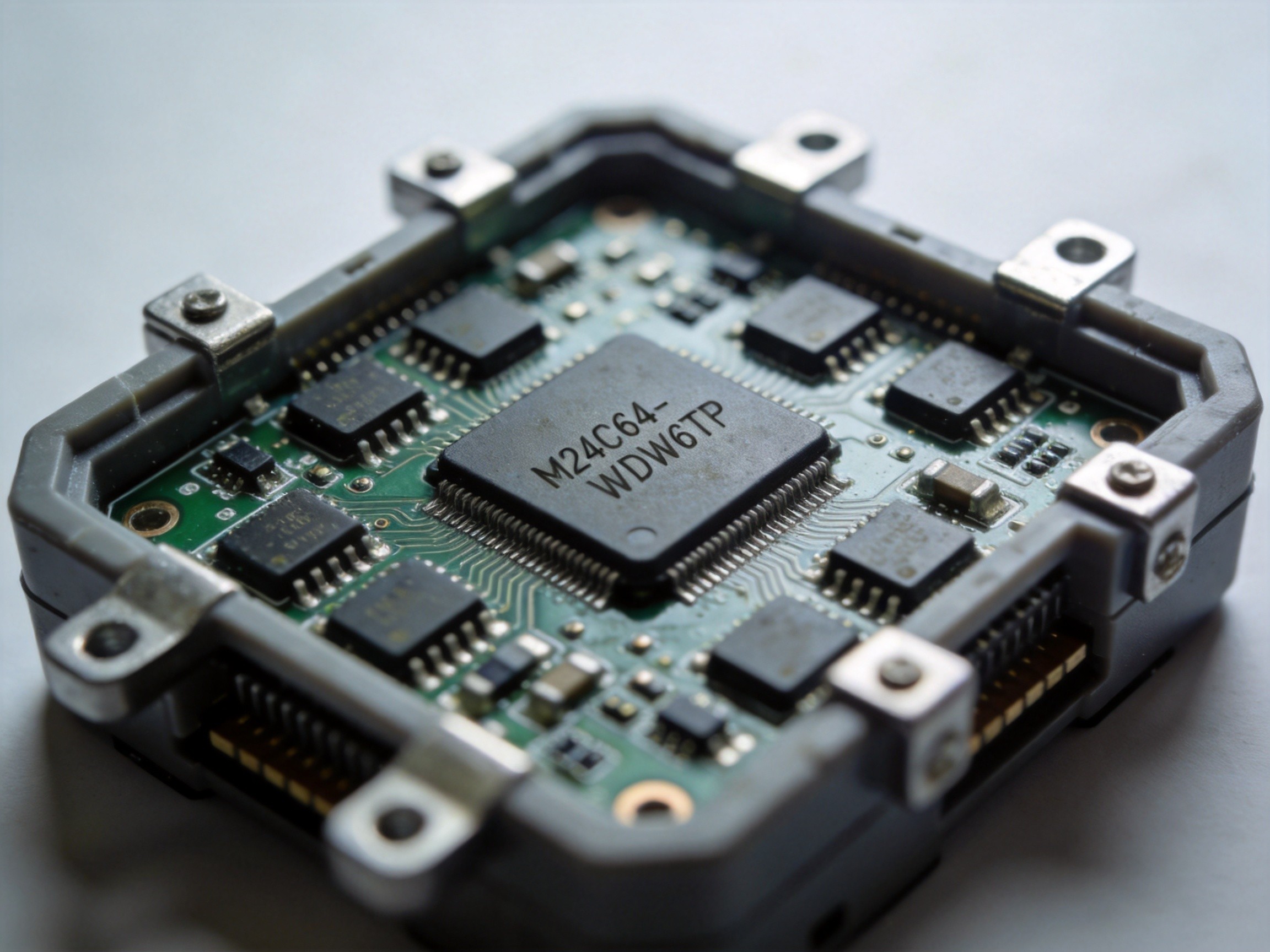
A Software Bill of Materials is a structured inventory of every software component inside a product. For an industrial panel PC, that list stretches surprisingly long — bootloader, kernel, device drivers, networking stacks, cryptographic libraries, and application-layer services all sit in a dependency chain that few manufacturers have fully mapped. The CRA requires manufacturers to generate, maintain, and make available an SBOM covering the entire firmware image. This is not a one-time exercise. Every over-the-air update, patched driver, and third-party library upgrade must be reflected in an updated SBOM. KOXIAN panel PCs, like many industrial computing platforms, draw on consolidated hardware supply clusters and open-source software ecosystems, making SBOM generation a cross-tier coordination challenge. The transparency requirement transforms firmware maintenance from an internal engineering concern into a regulatory obligation with documentation that must survive audits and market surveillance.
How Industry is Addressing CRA Compliance with FabLink 7
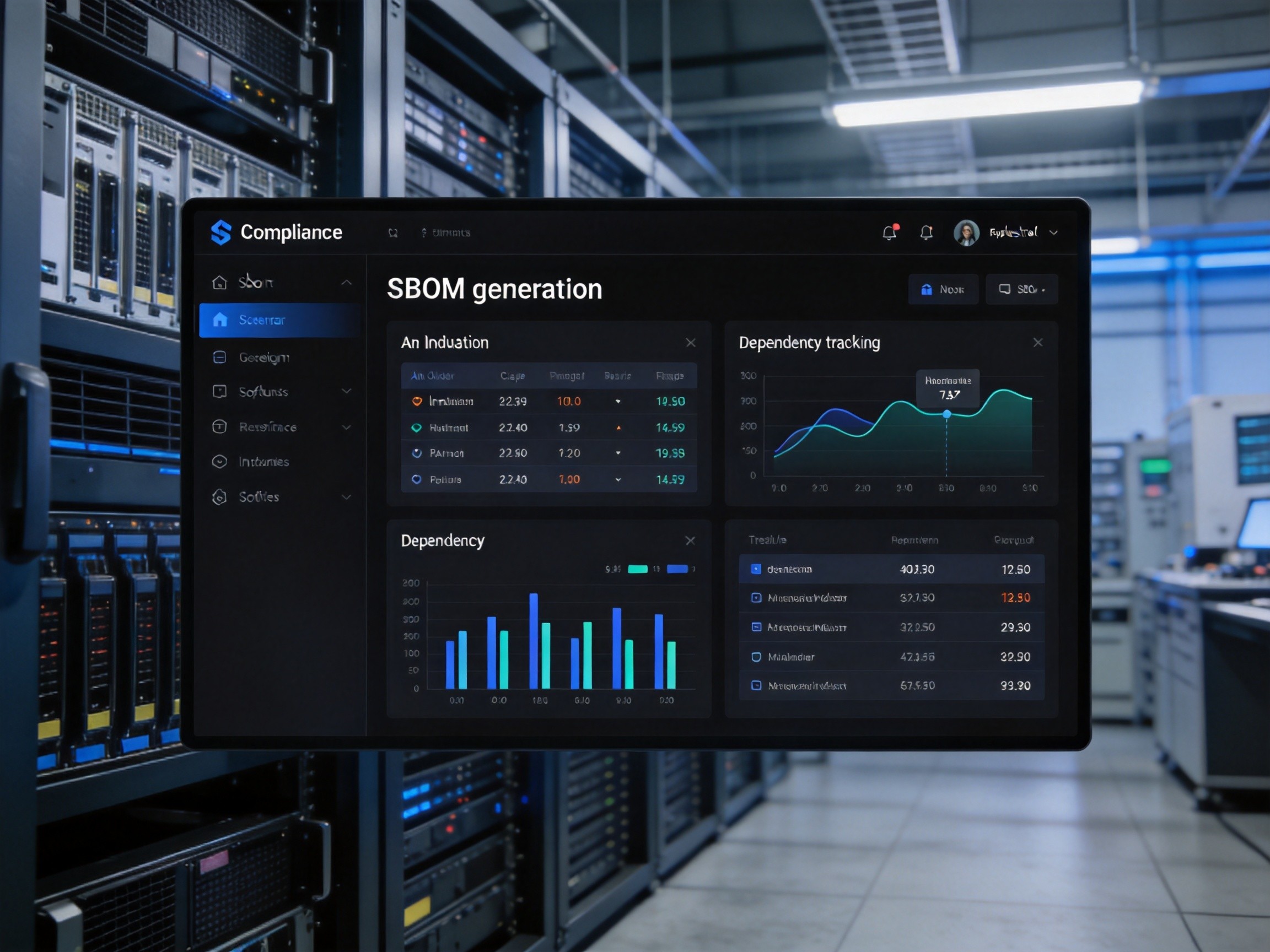
The industry is already moving. In July 2026, Kontron AIS released FabLink 7, a new generation of its semiconductor equipment integration platform that explicitly incorporates CRA-aligned cybersecurity measures. The platform includes dependency tracking and SBOM generation built directly into the software development lifecycle, giving OEMs transparency over every software component in their deployment. Built on .NET 10 with a platform-independent architecture spanning Windows, Linux, and containerized environments, FabLink 7 demonstrates how industrial software vendors are treating CRA compliance as a product feature rather than a legal checkbox. The open API architecture allows manufacturers to integrate SBOM workflows into their own toolchains without rebuilding their entire software stack. This signals a broader trend: industrial platforms are embedding regulatory compliance tooling at the architecture level, and panel PC manufacturers who ignore this shift will be unable to provide the documentation their customers now require.

Practical Steps for Panel PC Deployment Under CRA
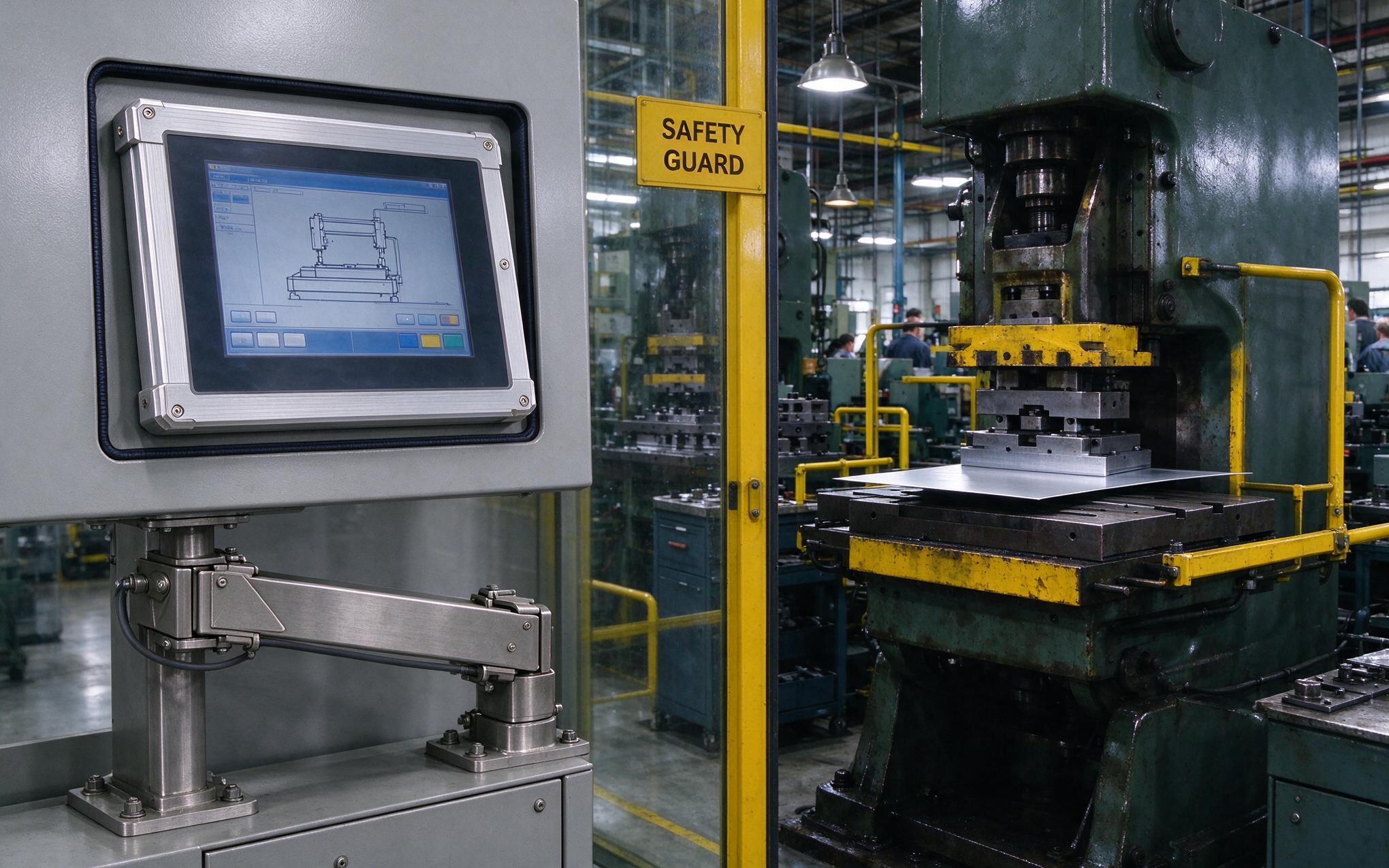
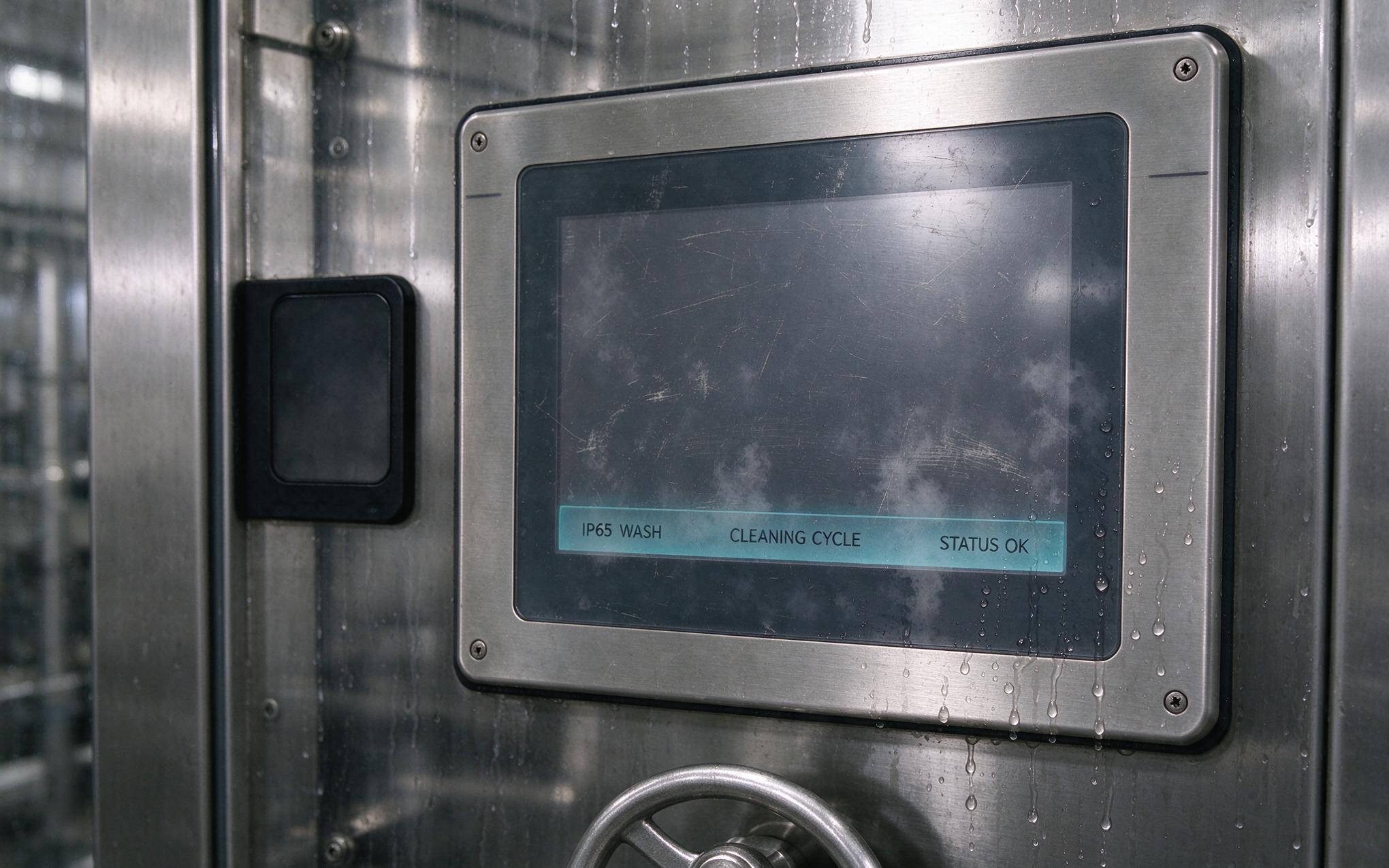
For systems integrators and factory operators deploying industrial panel PCs, the CRA is not just a manufacturer problem — it is a procurement and lifecycle management challenge. Start by classifying your deployed panel PCs against the CRA’s product categories. Most industrial computing hardware falls into the default category, allowing self-assessment, but systems used in critical infrastructure may require notified-body evaluation. Next, demand SBOMs from your hardware vendors. If a supplier cannot provide a current, machine-readable SBOM for their firmware image, they are not ready for the December 2027 deadline. Build internal vulnerability monitoring pipelines that can detect, triage, and report exploited vulnerabilities within the 24-hour window. KOXIAN panel PC deployments in factory floors, outdoor kiosks, and transportation infrastructure sit on networks increasingly connected to enterprise IT systems, expanding the attack surface the CRA was designed to address. The regulation is not a distant abstraction — it is an operational reality arriving in less than 18 months, and preparation starts now.
The EU Cyber Resilience Act reshapes how industrial computing hardware is built, documented, and maintained. For panel PC manufacturers and the factories that depend on them, the shift from reactive patching to proactive SBOM-driven lifecycle management is the defining compliance challenge of the next two years. Those who treat it as an engineering discipline rather than paperwork will be best positioned when the deadline arrives.