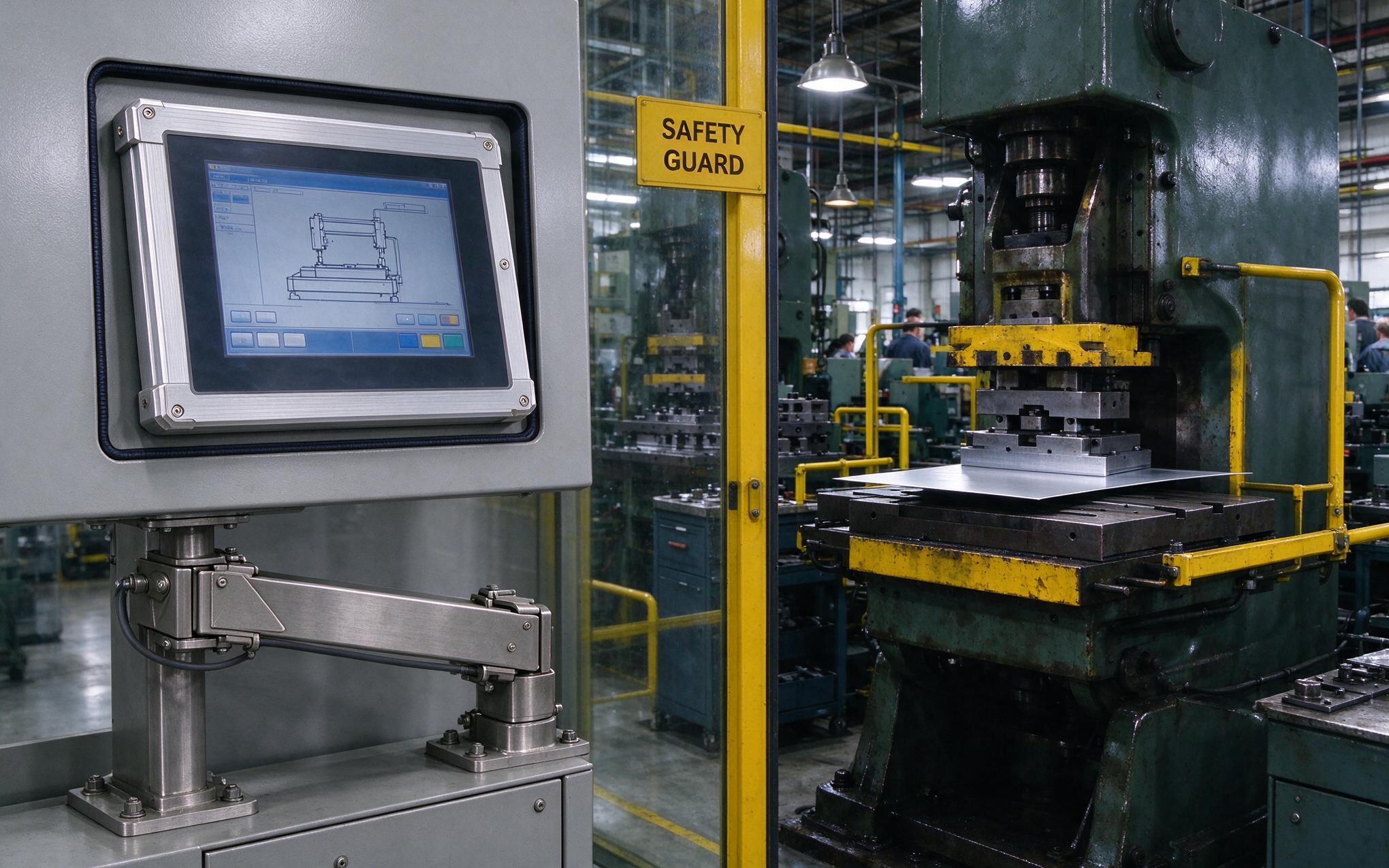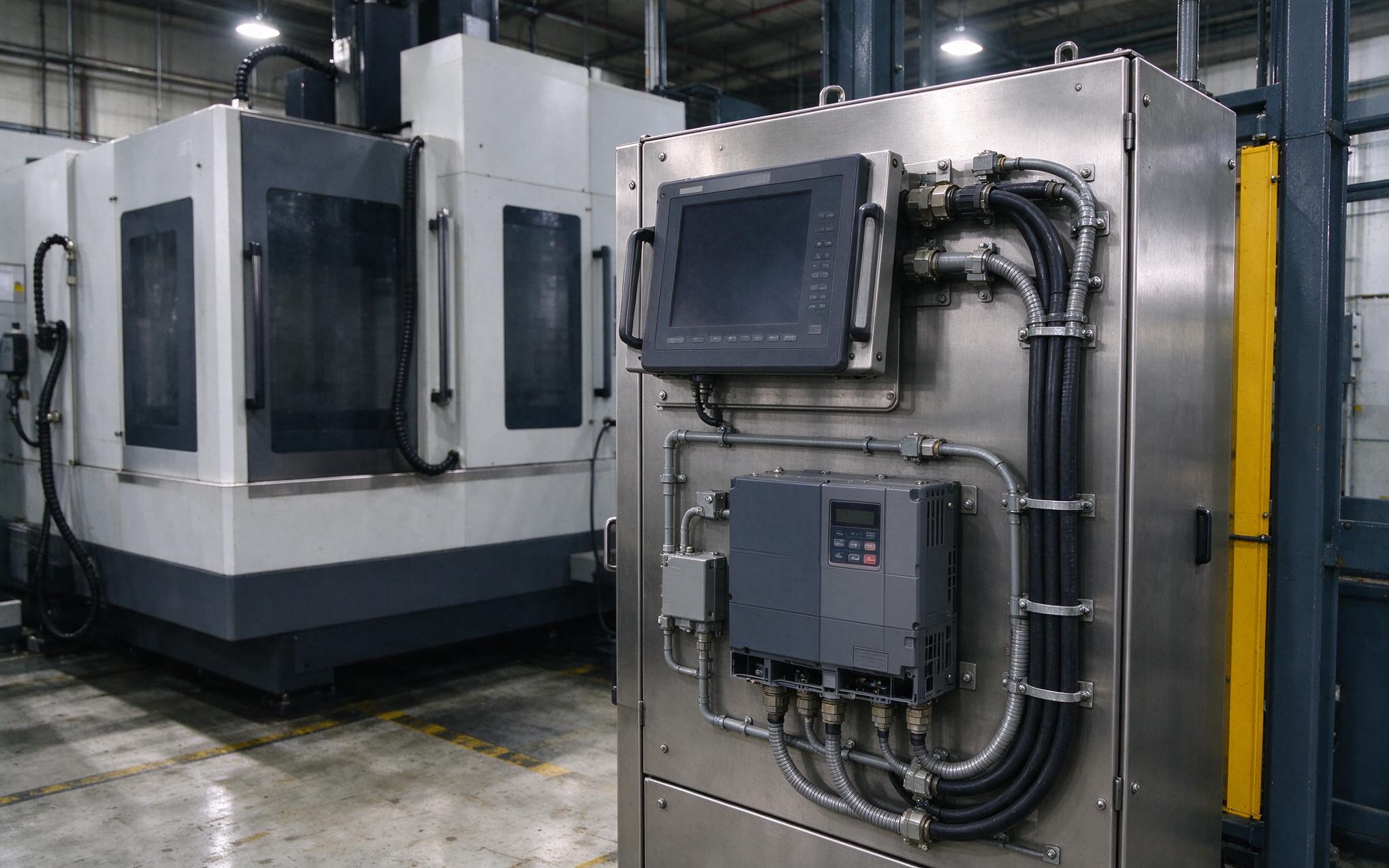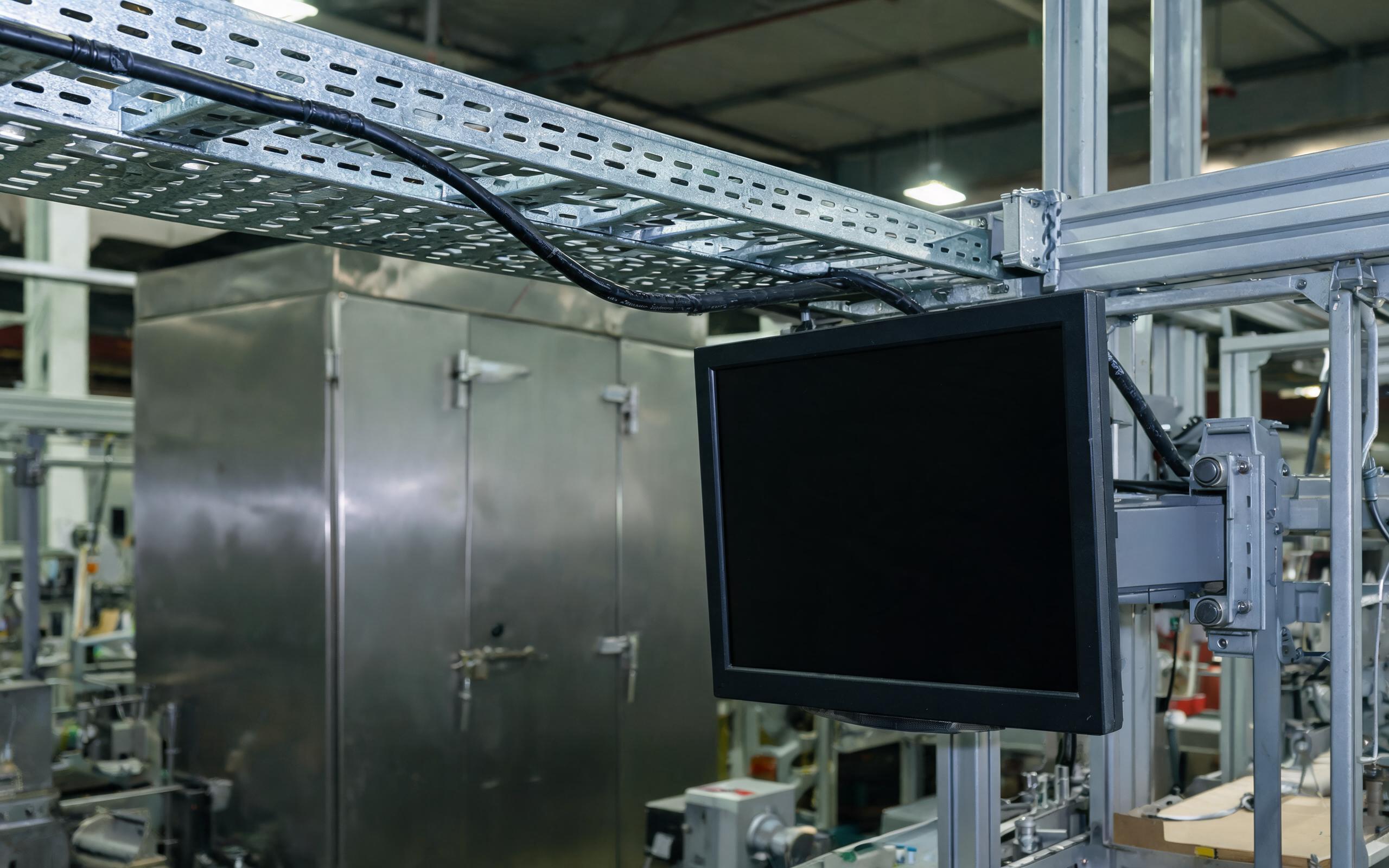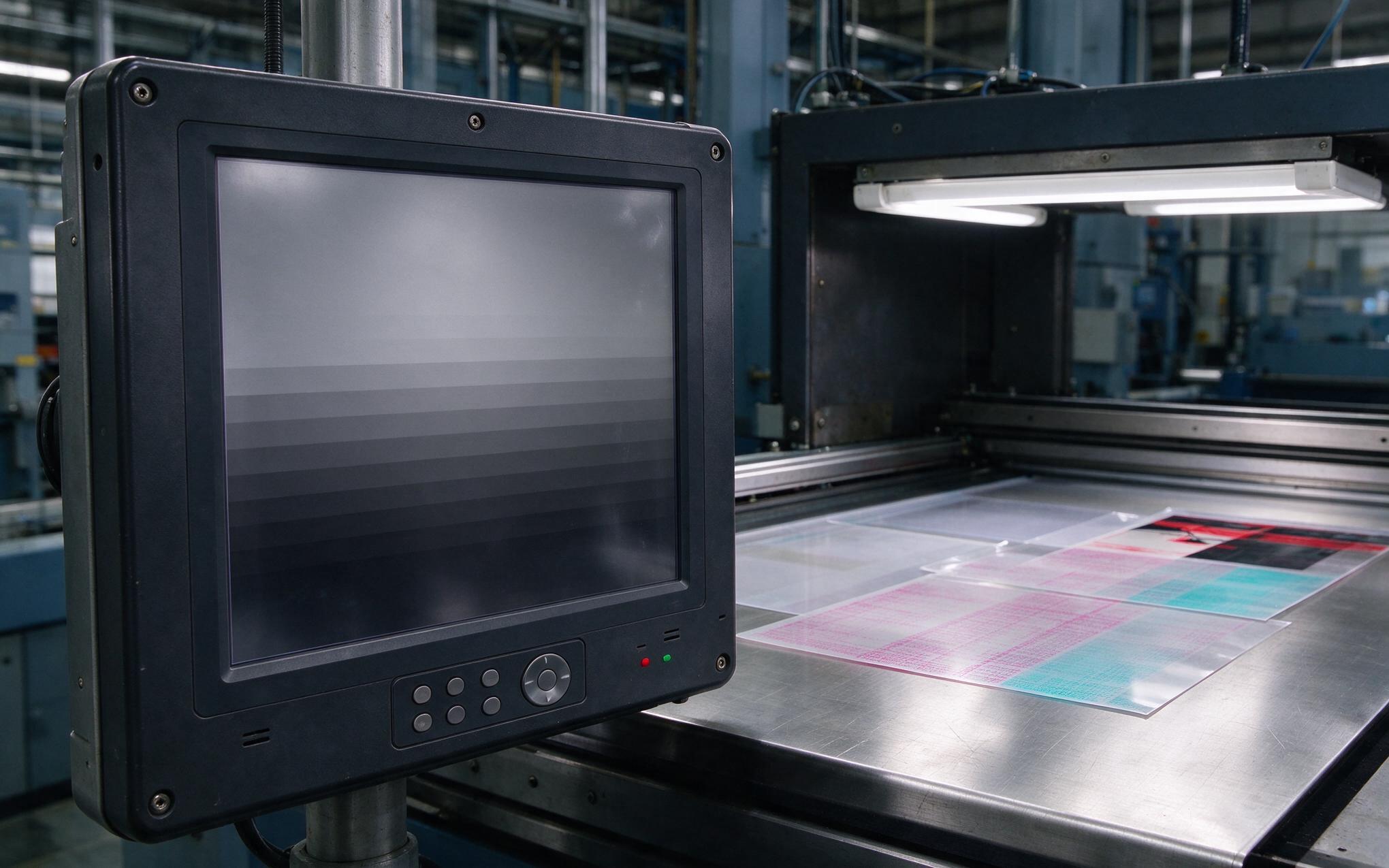
Dry winter air across a packaging line leaves guards, rails, and enclosures primed with charge that waits for the nearest grounded point. When an operator reaches for the embedded touchscreen monitor at the end of the line, part of that charge can leap through the glass before a finger ever registers. The result is rarely dramatic. Coordinates jump, a held icon releases on its own, or the panel goes dark for a few seconds while the controller reboots. Electrostatic discharge is an operating condition for touch hardware, and treating it that way separates stable terminals from chronic nuisance faults.

Discharge Paths From Static Events to Sensor Electrodes
Every discharge needs a source, a path, and a victim. Insulating clothing and moving conveyor belts supply the source, low humidity keeps charge from bleeding away, and the glass of a line-side terminal becomes the electrode that accepts the strike. Projected capacitive sensing works because the controller measures minute shifts in capacitance across a grid of transparent electrodes, and static discharge that lands on or near the front glass injects a pulse many orders of magnitude larger than a finger signal. The analog front end can saturate, coordinate estimates can lock onto a false point, and some controllers reset outright. Repeated strikes do not need to destroy silicon to cause harm. Each event stresses the foil bonds and the connector between sensor and board, which is why an embedded touchscreen monitor that shrugs off one strike can still drift after a full shift of repeated events.

Grounding and Shield Design Around the Touch Stack
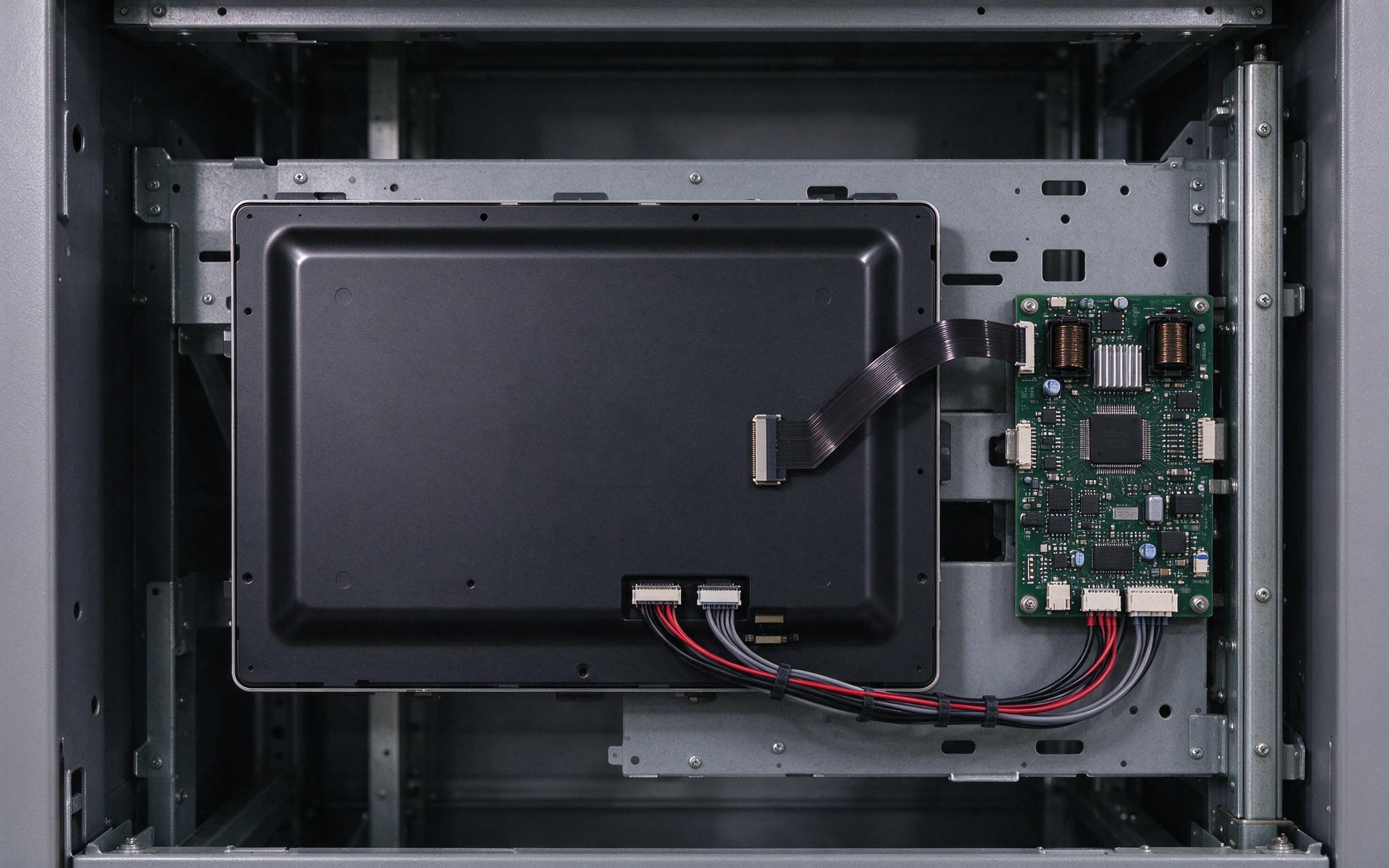
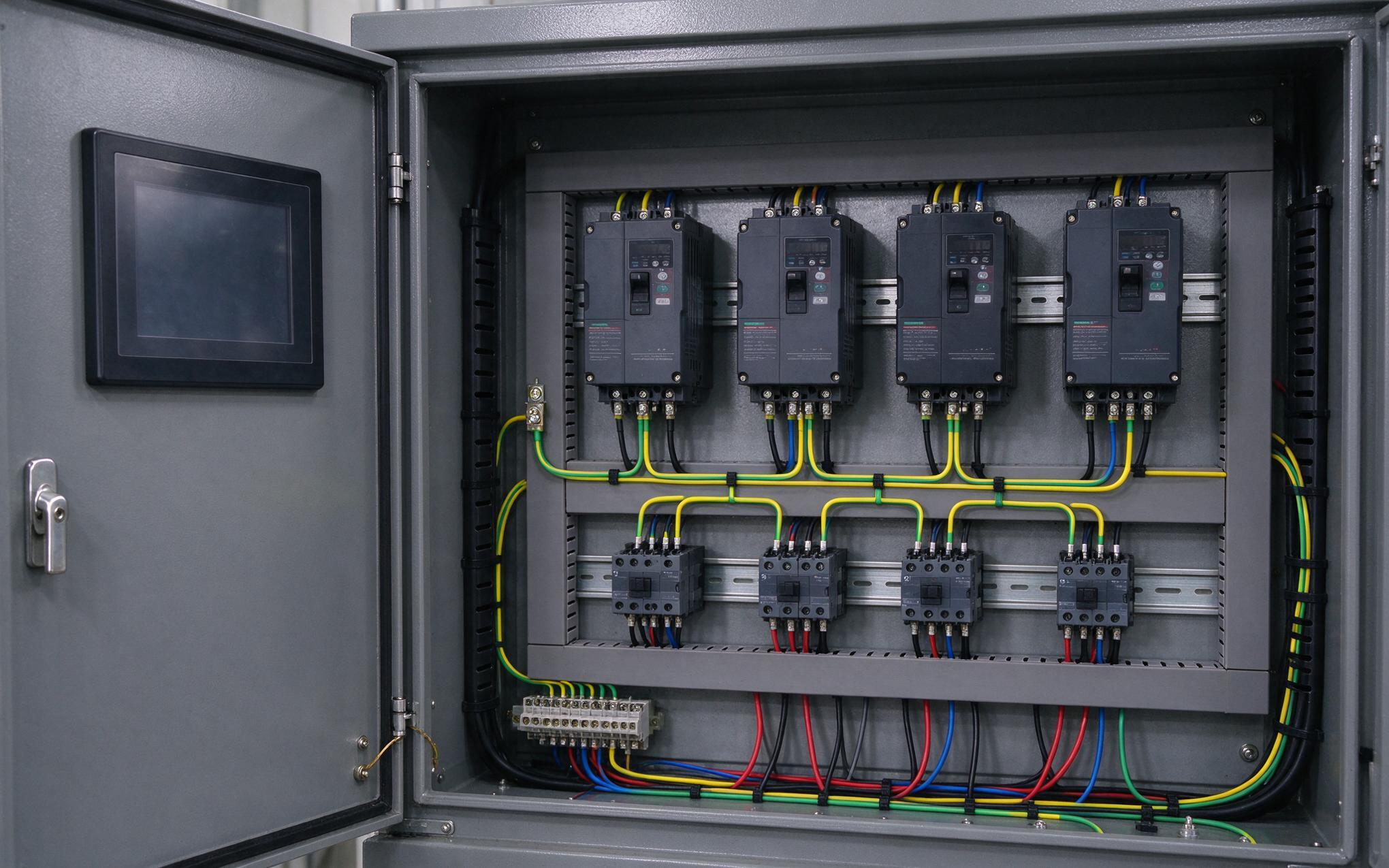
A discharge that reaches the bezel wants a controlled path to ground, and hardware design decides whether that path bypasses the sensor. Chassis bonding, shielded flex cables, and a shield layer between the display module and the sensor grid all divert transient current away from the measurement electrodes. Structural choices matter as much as wiring, because continuous gaskets, plated contact points, and the bond between bezel and rear enclosure set the impedance of the return path, which is why design reviews often study the sealed aluminum enclosure construction used in the KOXIAN G1 series. Ground scheme mistakes are just as damaging. A floating display fitted beside drives and power supplies turns its front glass into the lowest impedance exit for nearby transients, so esd protection starts with a uniform reference potential that keeps an embedded touchscreen monitor from recharging toward the next nuisance event.

Controller Firmware Responses to Discharge Transients
Testing on KOXIAN panel-mount units during discharge qualification shows how much recovery behavior differs between controller generations. Modern touch controller firmware tracks the baseline of every electrode and can recognize the saturation signature of a strike, suppressing reports until the front end settles. Watchdog routines force a clean reinitialization when a transient scrambles internal state, and spread spectrum drive schemes reduce the energy that couples into sensing lines during the event itself. None of this replaces hardware defenses. A controller that recovers in a fraction of a second still produces a visible hiccup on a fast line, and repeated resets shorten component life. Immunity levels quoted against the contact and air discharge methods of IEC 61000-4-2 describe controlled laboratory conditions, while a running plant adds long cables, mixed grounds, and contactor coils that change how much energy actually reaches an embedded touchscreen monitor.

Validation Checks Before Specifying a Touch Front End
A purchase decision made on resolution and brightness alone misses the failure modes that appear after commissioning. Requests for quotations should ask how the sensor stack handles transients, where the shield layer sits, how the bezel bonds to the enclosure, whether the controller documents recovery time after a strike, and which discharge levels the assembly was qualified against. A short trial answers what paper cannot. Mount a candidate embedded touchscreen monitor beside the harshest noise source in the plant, let crews work in the same insulating footwear and gloves, and watch for coordinate drift during dry weeks. Bench validation with a discharge gun applied at the bezel edges and connector seams adds repeatable evidence, and that record belongs in the file that justifies the purchase.
Electrostatic discharge is not an exotic threat reserved for electronics assembly. It is ordinary plant physics that an embedded touchscreen monitor meets whenever dry air, moving webs, and insulated footwear share a shift. Hardware that bonds the bezel, shields the sensor, and recovers cleanly from a strike turns those events into non-events, while hardware selected on display specifications alone keeps reporting ghost coordinates long after installation. Plants that specify and validate for discharge behavior spend less time chasing intermittent faults and more time running product.