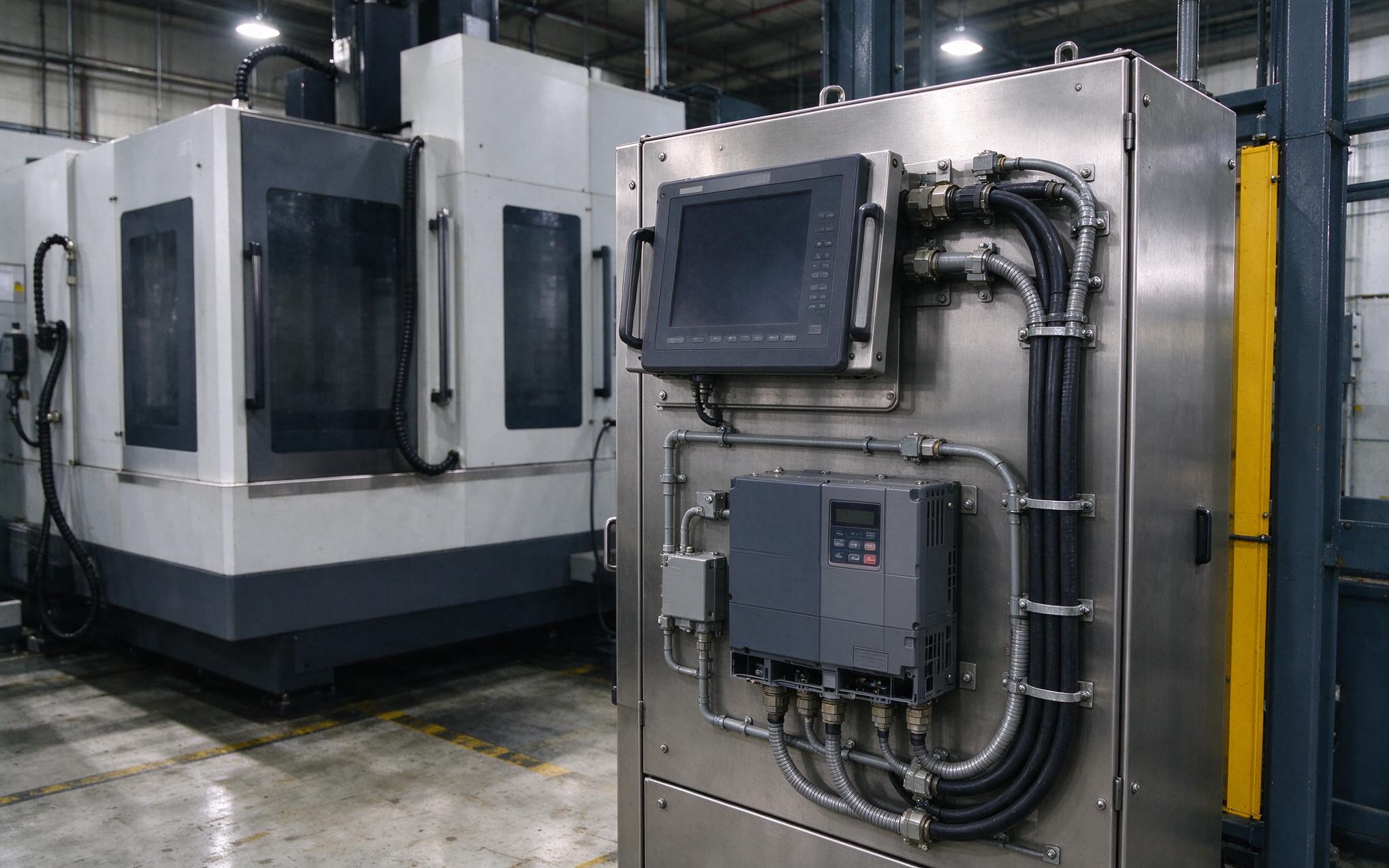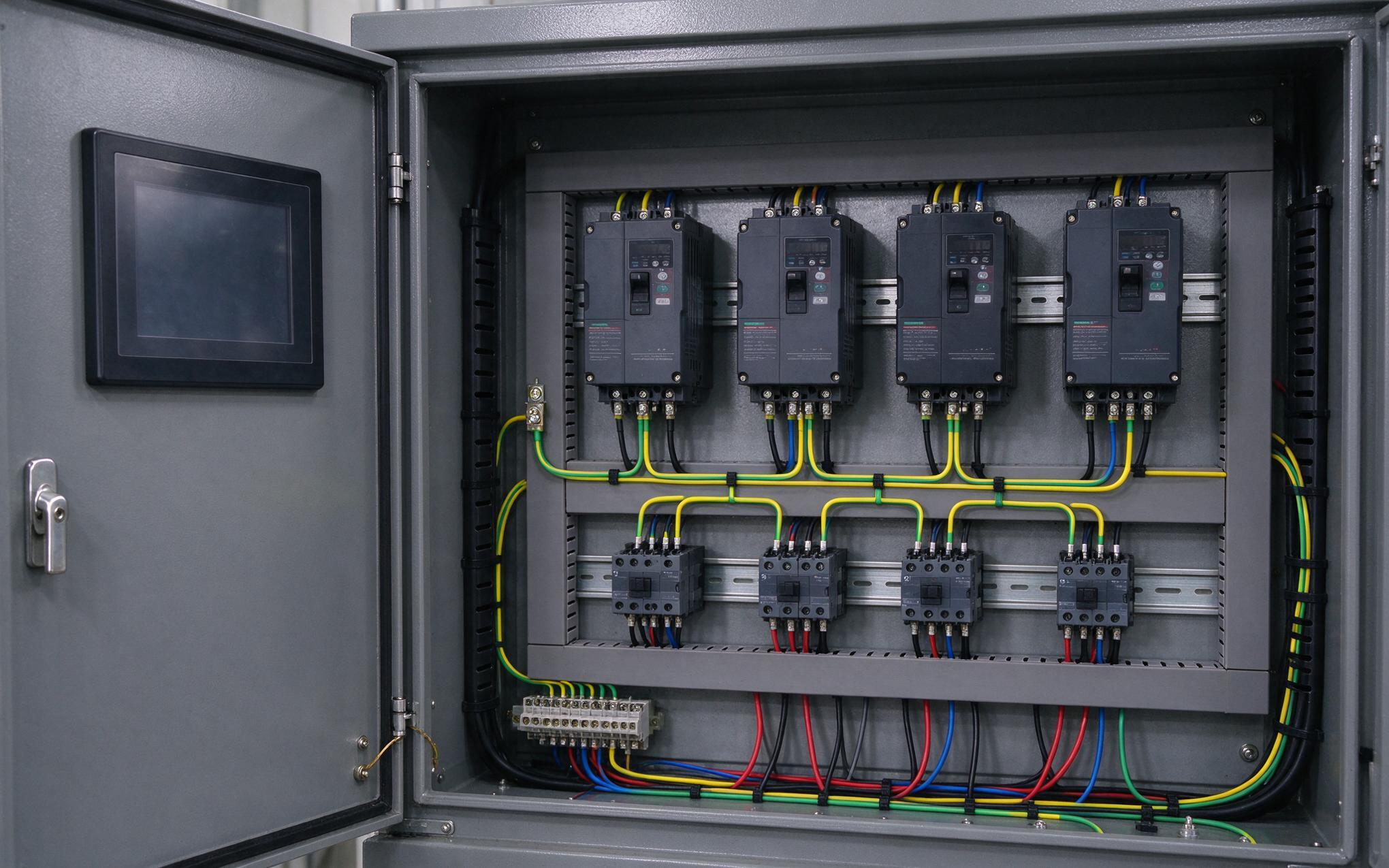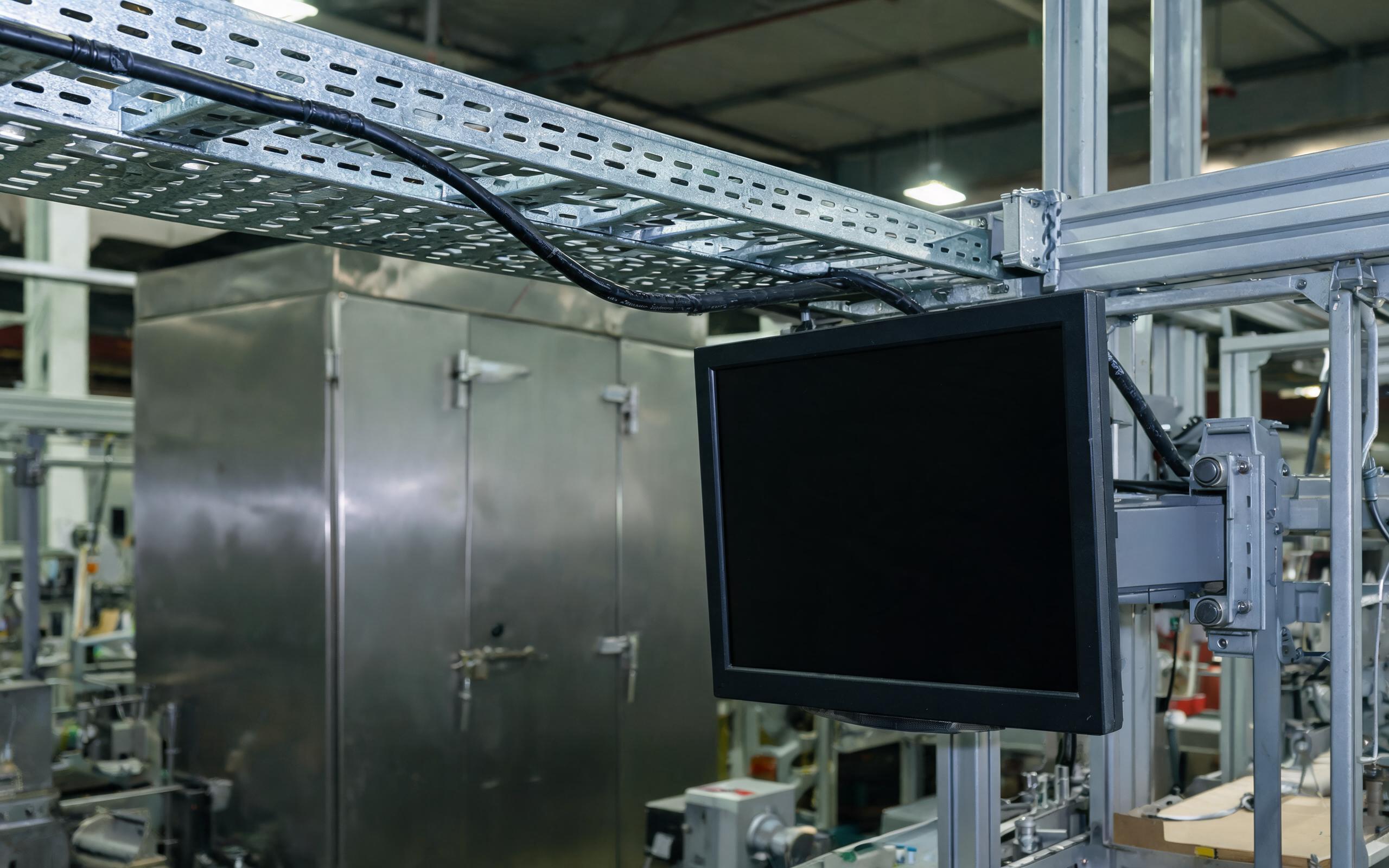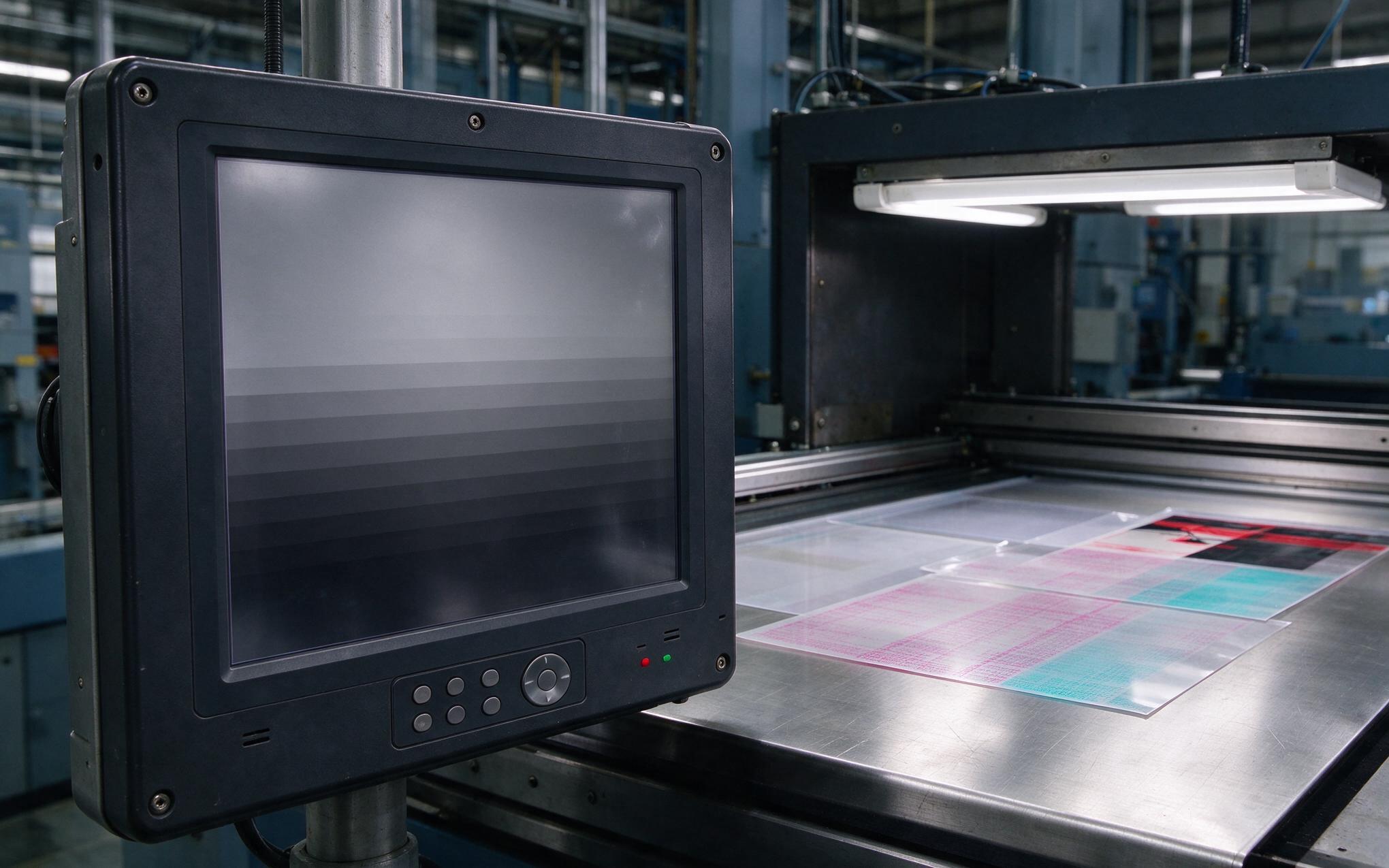
Maintenance planners who open a spare parts cabinet and find two monitors with the same model number but different internal boards already know the price of a silent hardware revision. One unit matches the qualified configuration, while the other was built around a substitute panel and never received a change notice. Purchasing teams therefore read the longevity terms of an industrial monitor supplier agreement with the same attention they give to brightness ratings, because a display fleet expected to run for a decade is governed less by the datasheet and more by the clauses behind it. An industrial monitor supplier that publishes component roadmaps and honors written change notifications turns a commodity purchase into a forecastable asset.

Sourcing Longevity Data from an Industrial Monitor Supplier Roadmap
Longevity commitments comparable to the panel availability schedule published for the KOXIAN G1 series give buyers a concrete baseline before any purchase order is signed. Consumer grade LCD panels routinely cycle out of production within two or three years, while industrial grade panels carry multi-year availability windows, and the difference shows up in fleet consistency rather than in a single shipment. A useful roadmap disclosure names the panel source, the backlight LED bin policy, and the number of production years still committed to each model. When industry trackers reported that industrial display shipments fell roughly ten percent in 2026 while total market value held above three billion dollars, the message was that supply is tightening around higher value, longer commitment products. Buyers who request longevity data during evaluation can compare vendors on continuity instead of unit price.

Change Notification Clauses That Protect Validated Lines
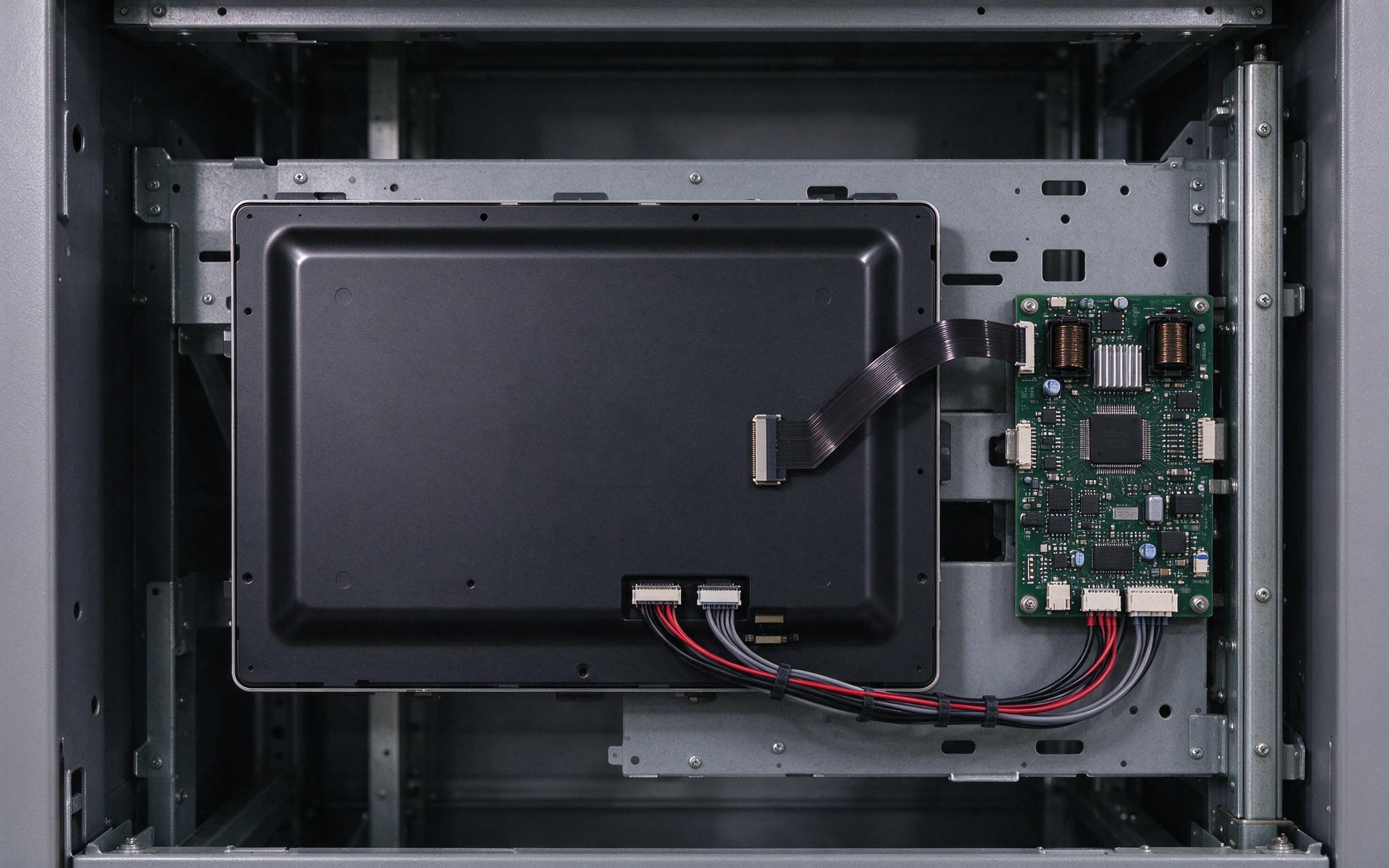
Vision stations, inspection gates, and color critical tasks are tuned to the output of one specific panel, so a swapped LCD or a different touch controller can invalidate months of qualification work without any visible cue. Contract language must require written notice before a substitute component ships, with a window long enough to repeat qualification on the new revision. Model numbers alone do not carry that guarantee, because an industrial monitor supplier can revise internals while keeping the external part number unchanged. Retrofit records from KOXIAN-based terminals on food packaging lines stay audit ready for the same reason: every hardware revision is matched to a dated change log that the plant can produce on request.

Last Time Buy Sizing Under Real Consumption Rates
A last time buy converts a panel end of life notice into a controlled final order, but the quantity math decides whether it protects the fleet or merely fills a storeroom. Fleet size alone is the wrong denominator. The working number combines the failure history of installed units, the remaining service years of the line itself, and the shelf life of the monitor’s own aging parts. Electrolytic capacitors and backlight assemblies degrade in storage, so an oversized buffer can quietly become scrap before the fleet needs it. Splitting the final order into two tranches, one at the notice date and one a year later when the supplier’s remaining allocation is clearer, keeps the buy aligned with observed failure data instead of worst case estimates.

When Does Rolling Buffer Stock Beat a Last Time Buy?
A rolling buffer works better while the fleet is still growing or when monitors are added line by line across campaigns. Instead of freezing the entire volume at one date, the plant holds a shallow stock, consumes it against real failures, and replenishes through the industrial monitor supplier while the panel remains in production. That loop keeps storage aging short and directs budget toward units the maintenance team actually consumed. The approach loses its edge when an end of life notice arrives with little warning, which is why the notification window negotiated in the contract sets the limit for how shallow the buffer can safely run. Most plants run both instruments, a modest buffer for daily swaps and a tranched final order for the tail years.
A display fleet survives its second procurement cycle only when the contract behind it was written for a decade of service. Longevity roadmaps, written change notification windows, and sized last time buys are mechanical parts of that agreement rather than paperwork, and they keep spares and revisions predictable across the years. Plants that treat the industrial monitor supplier relationship as a continuity problem instead of a price comparison spend their engineering hours running lines instead of requalifying screens.