Industrial panel PCs that integrate wireless communication modules—Wi-Fi, Bluetooth, 4G LTE, or 5G NR—must demonstrate electromagnetic compatibility (EMC) before they can be legally marketed in most jurisdictions. The regulatory framework is bifurcated: unintentional radiator rules govern emissions from the computing platform itself, while intentional radiator rules apply to the integrated radio transmitters. Navigating both sets of requirements simultaneously is the central compliance challenge for industrial computing manufacturers.
FCC Part 15: Dual Compliance for Unintentional and Intentional Radiators
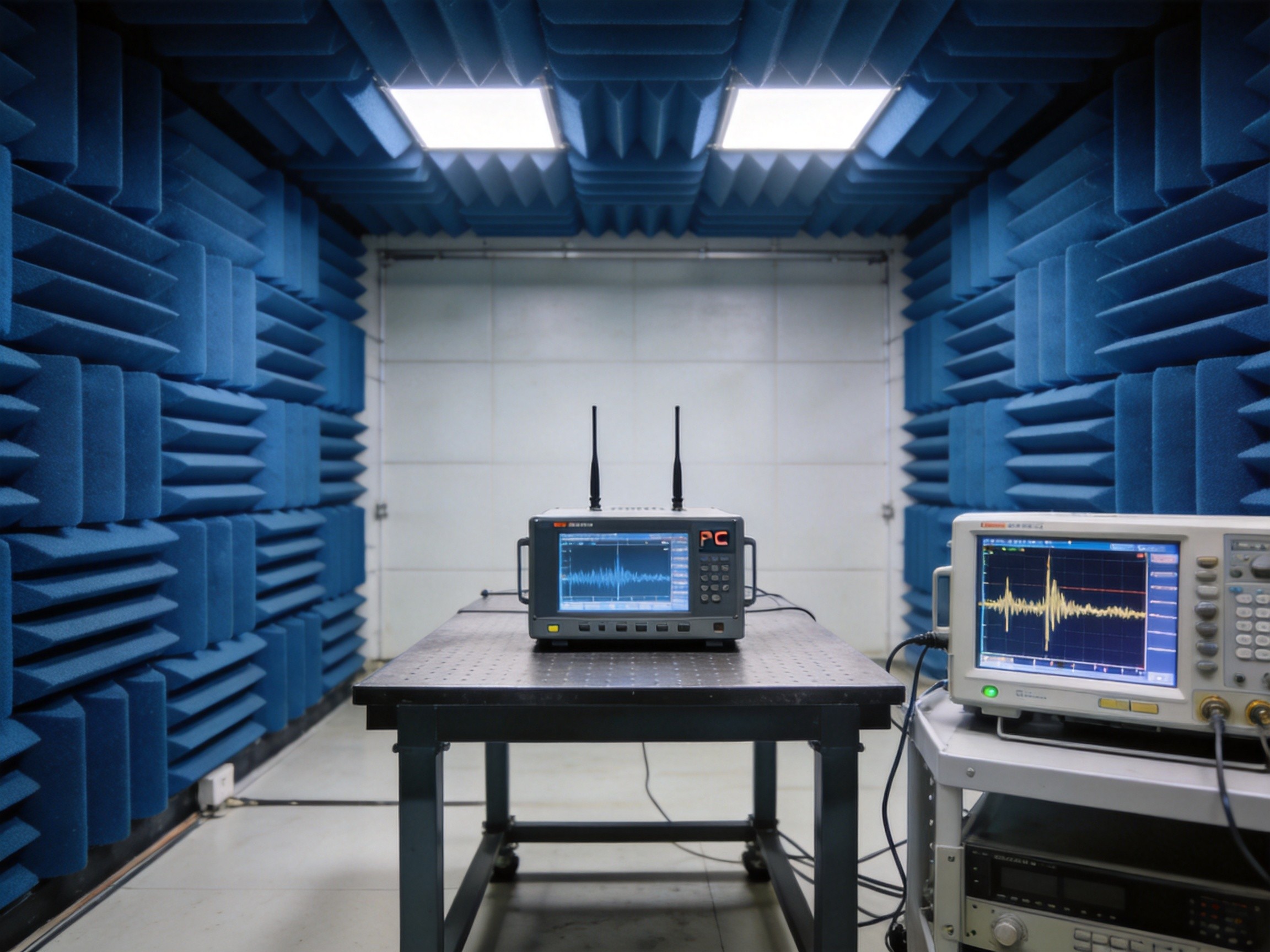
In the United States, FCC Part 15 establishes two parallel compliance tracks. Subpart B governs unintentional radiators—any device that generates radio frequency energy as a byproduct of its operation—and requires conducted and radiated emissions testing to verify that emissions do not exceed specified limits. For industrial panel PCs classified as Class A digital devices (intended for commercial/industrial use), the radiated emission limit is 50 dBµV/m at 10 meters for frequencies from 30 MHz to 960 MHz, and proportionally higher limits above 960 MHz. Subpart C or E governs intentional radiators—the integrated wireless modules—and requires additional testing for transmitter power output, occupied bandwidth, out-of-band emissions, and frequency stability. When a panel PC integrates a pre-certified radio module with its own FCC modular approval, the intentional radiator compliance burden is substantially reduced through the modular certification pathway, but the host device must still be tested as a system to verify that the module integration does not degrade its certified performance.
CE RED: The European Regulatory Framework
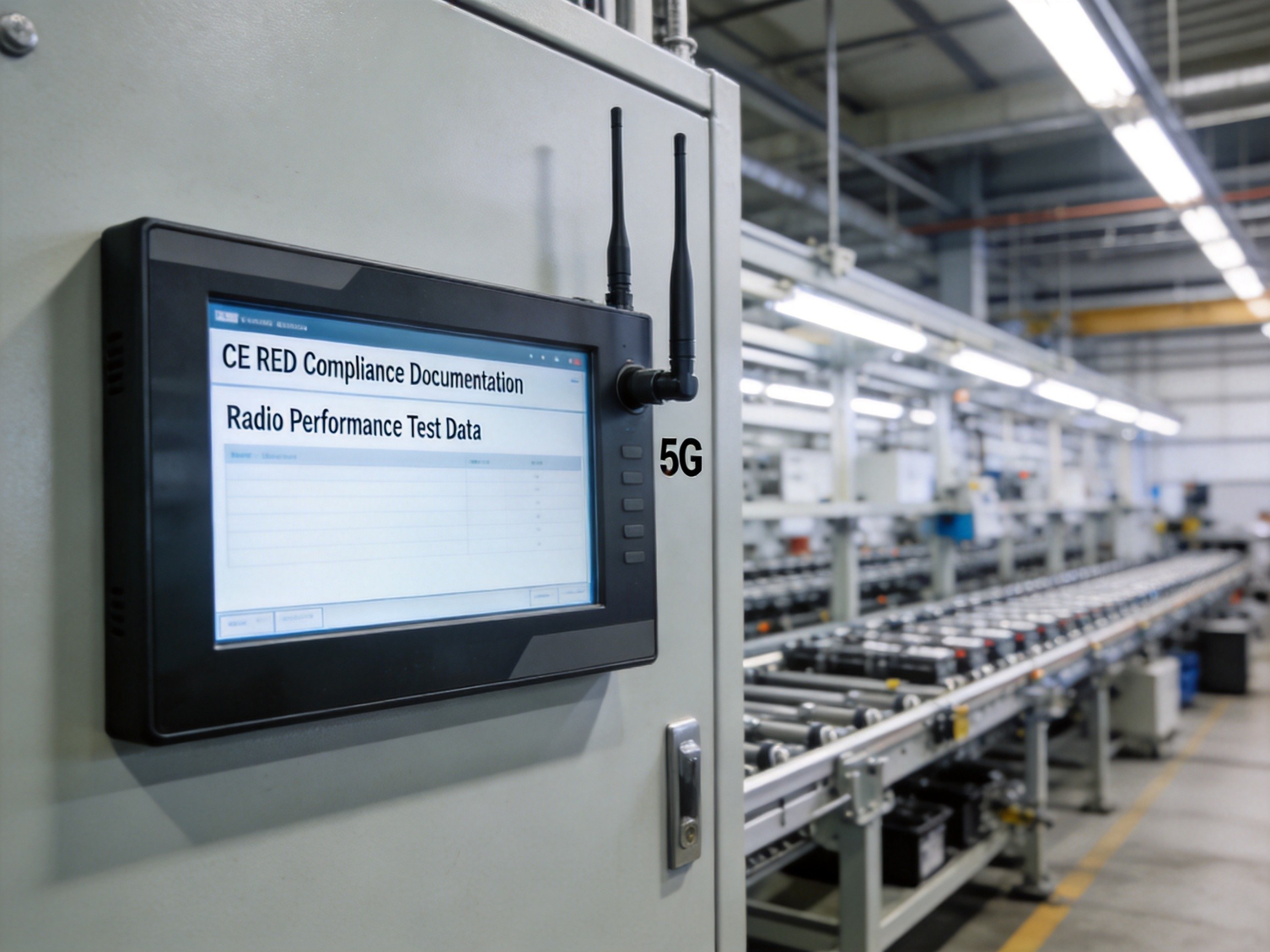
The European Union consolidates EMC and radio performance requirements under the Radio Equipment Directive (RED) 2014/53/EU. For industrial panel PCs with integrated wireless, the RED requires compliance with harmonized standards for safety (EN 62368-1), EMC (EN 301 489 series), and radio performance (EN 300 328 for 2.4 GHz, EN 301 893 for 5 GHz, EN 301 908 for cellular). The CE marking process also requires a risk assessment, technical documentation, and a Declaration of Conformity that identifies all applicable standards and the conformity assessment route. Unlike the FCC modular certification pathway, the EU system places greater responsibility on the system integrator to demonstrate that the final product—the panel PC with integrated radios—complies as a complete assembly. This distinction has practical implications for industrial panel PC manufacturers: a device that carries FCC certification through modular approval may still require full system-level testing for CE RED compliance, potentially adding $15,000 to $30,000 in testing costs per product variant.
Radiated Emissions Testing: Methodology and Challenges
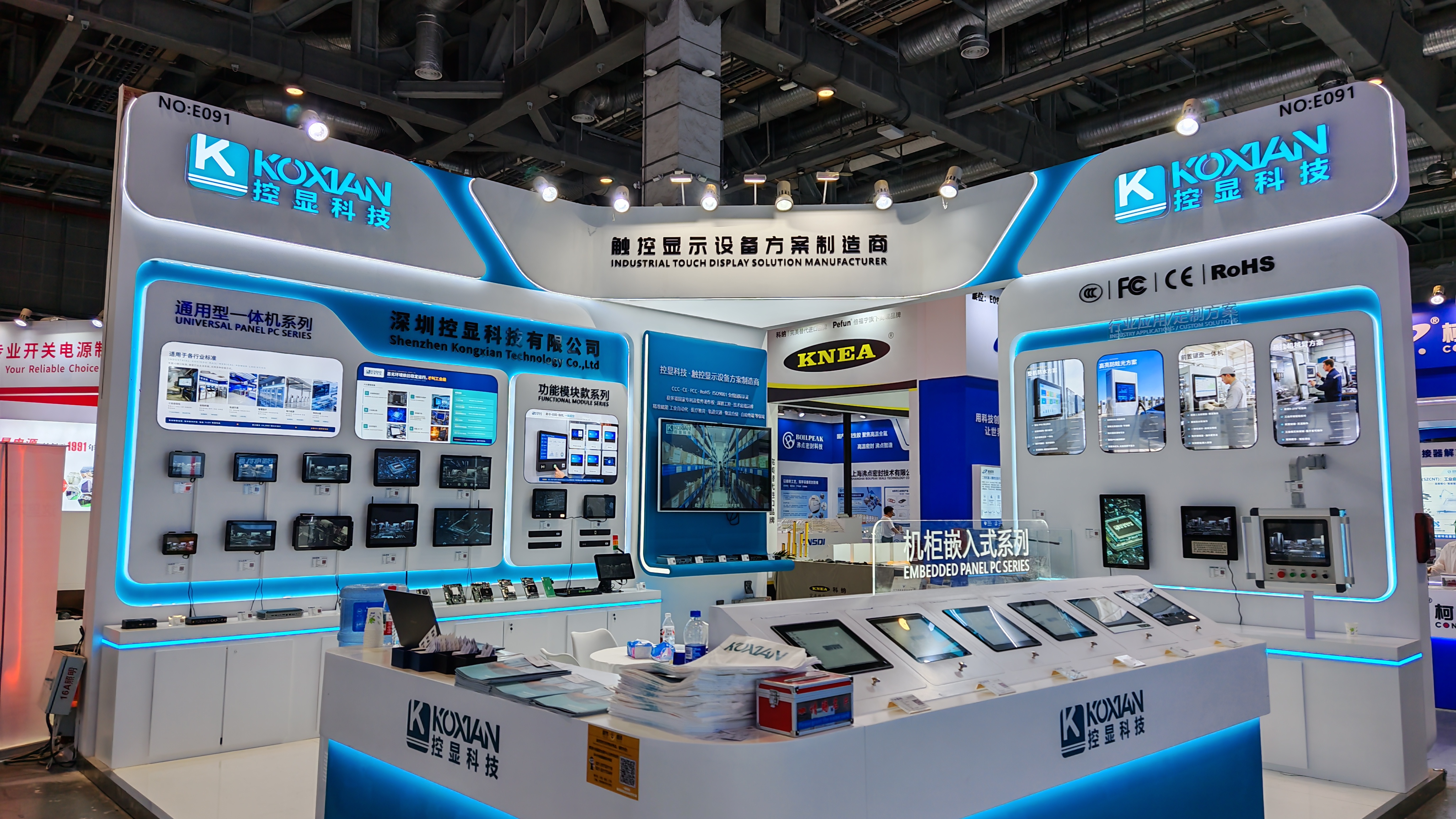
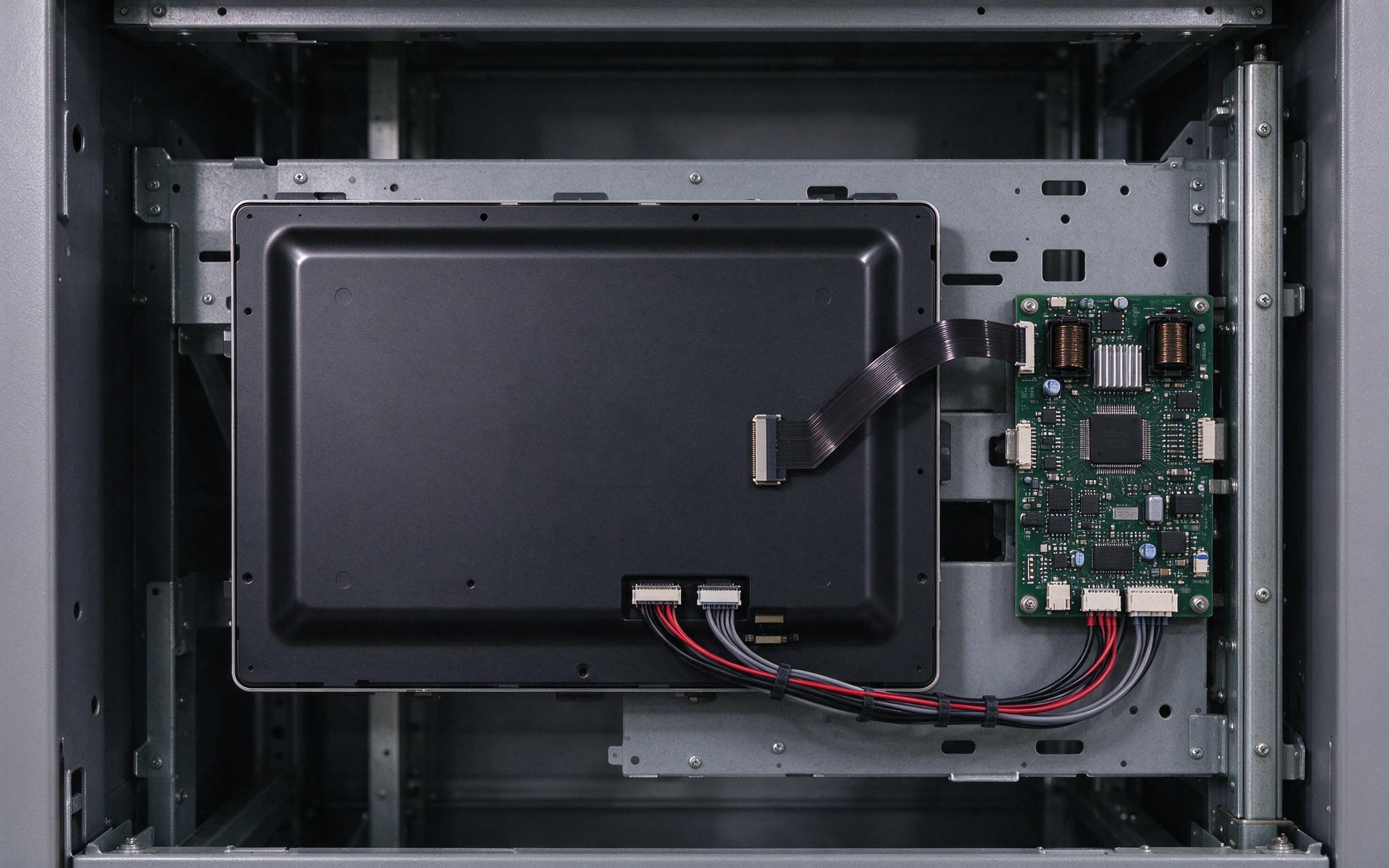
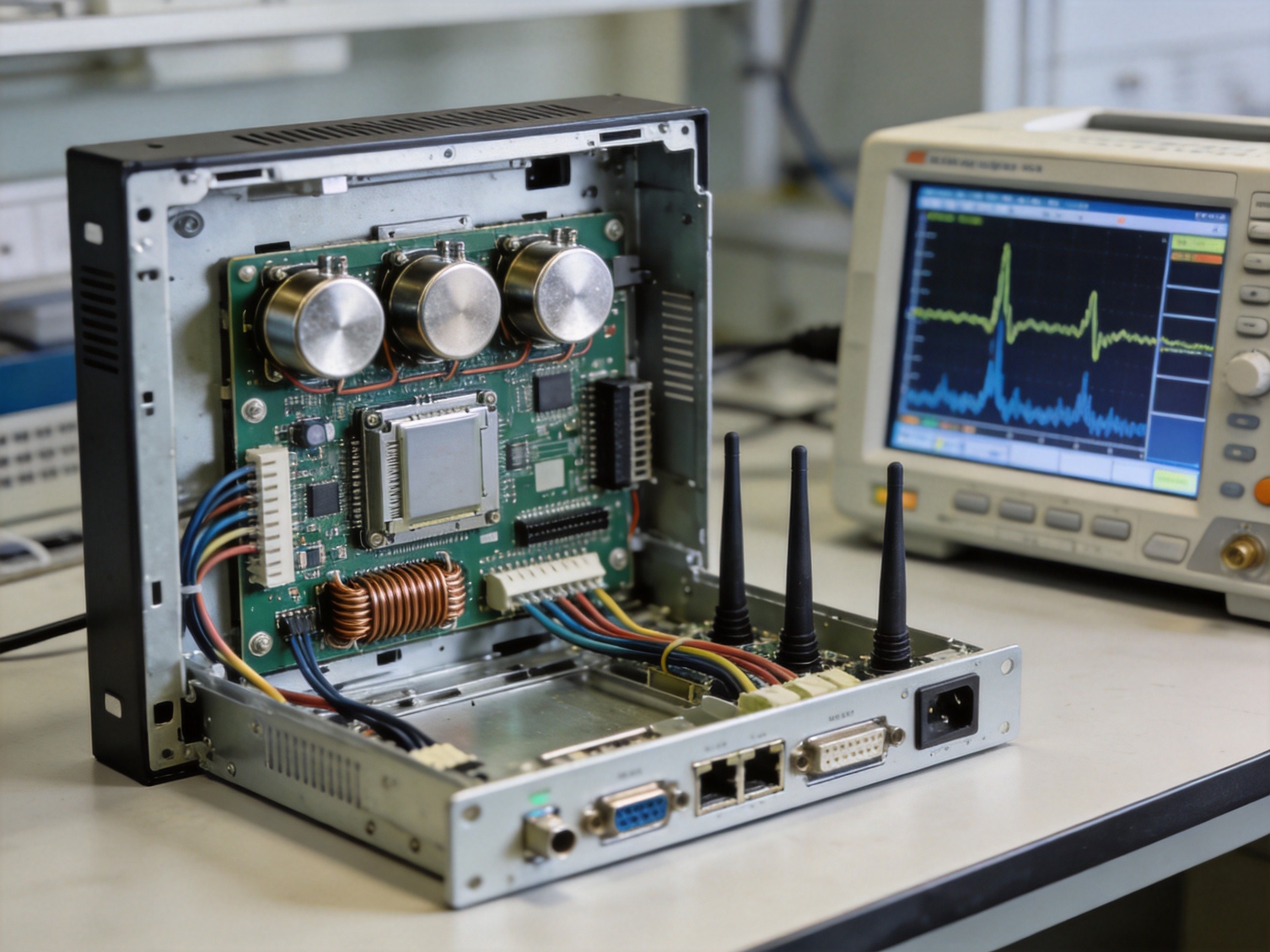
Radiated emissions testing is performed in a semi-anechoic chamber or on an open-area test site, with the device under test configured in its worst-case operating mode. For industrial panel PCs, this typically means running the processor at maximum clock speed, driving the display at full brightness, and exercising all communication interfaces simultaneously. The integration of multiple radios in a single enclosure introduces intermodulation and co-location effects that can produce spurious emissions not present when each radio is tested individually. Practical mitigation strategies include strategic placement of internal antennas to maximize isolation, use of shielding cans over individual radio modules, and common-mode chokes on interface cables that can act as unintentional antennas. KOXIAN industrial panel PCs undergo pre-compliance scanning during the design phase to identify emission hotspots before formal certification testing, reducing the risk of costly test failures and design iterations. This pre-compliance approach, documented in multiple engineering case references, has been shown to reduce time-to-certification by 30 to 40 percent compared to designs that proceed directly to formal testing without preliminary characterization.
Conclusion
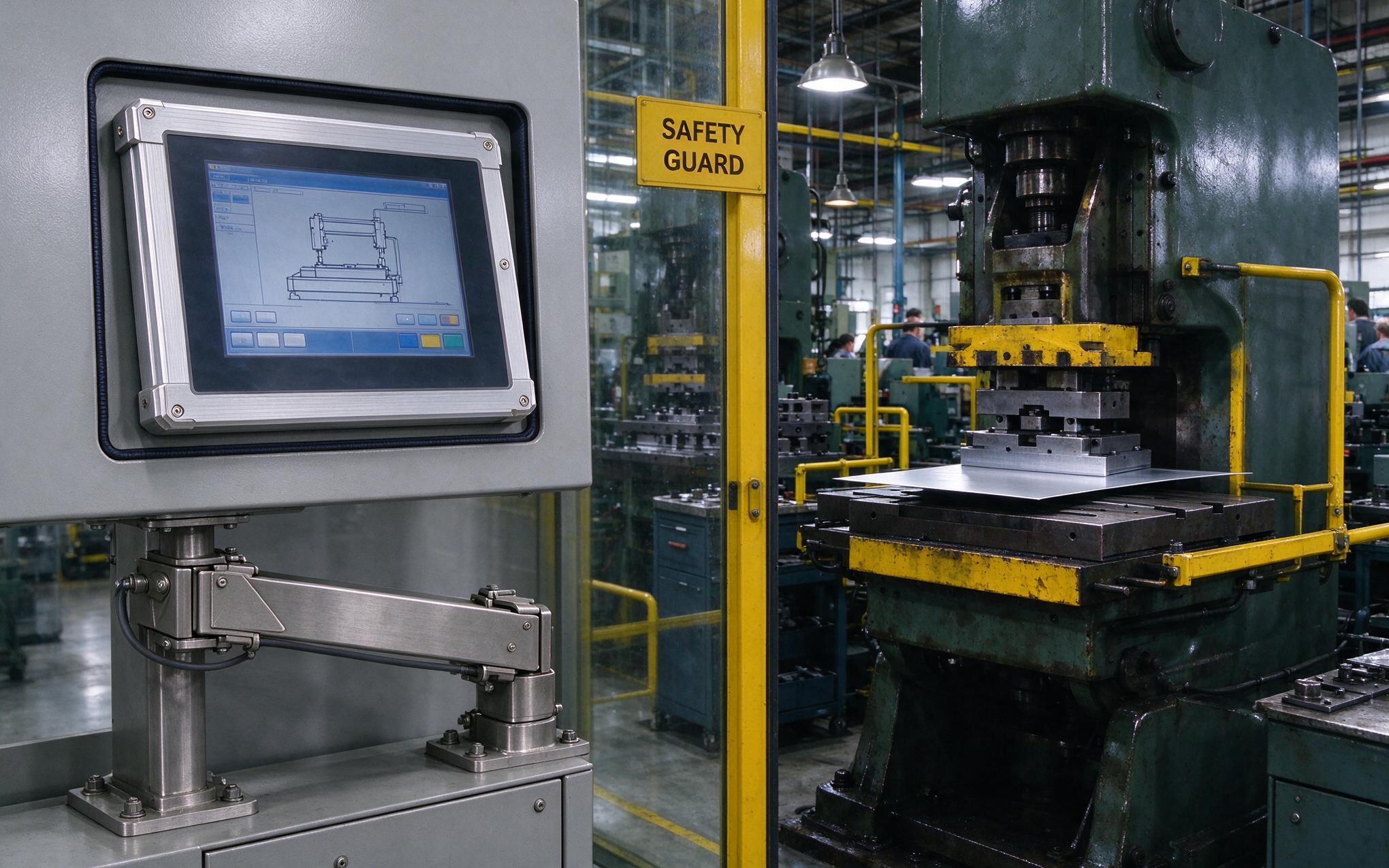
EMC compliance for industrial panel PCs with integrated wireless modules is a multi-faceted engineering and regulatory challenge that requires parallel attention to unintentional and intentional radiator requirements across multiple jurisdictions. The FCC modular certification pathway provides a streamlined route for intentional radiator compliance in the US market, while the CE RED framework demands system-level conformity assessment for the European market. Pre-compliance testing during the design phase, combined with disciplined EMI suppression design practices—shielding, filtering, and antenna isolation—reduces both certification risk and time-to-market. For industrial operators deploying panel PCs in electromagnetically noisy factory environments, specifying devices with documented EMC compliance to applicable standards is an essential due diligence step that protects both operational reliability and regulatory standing.