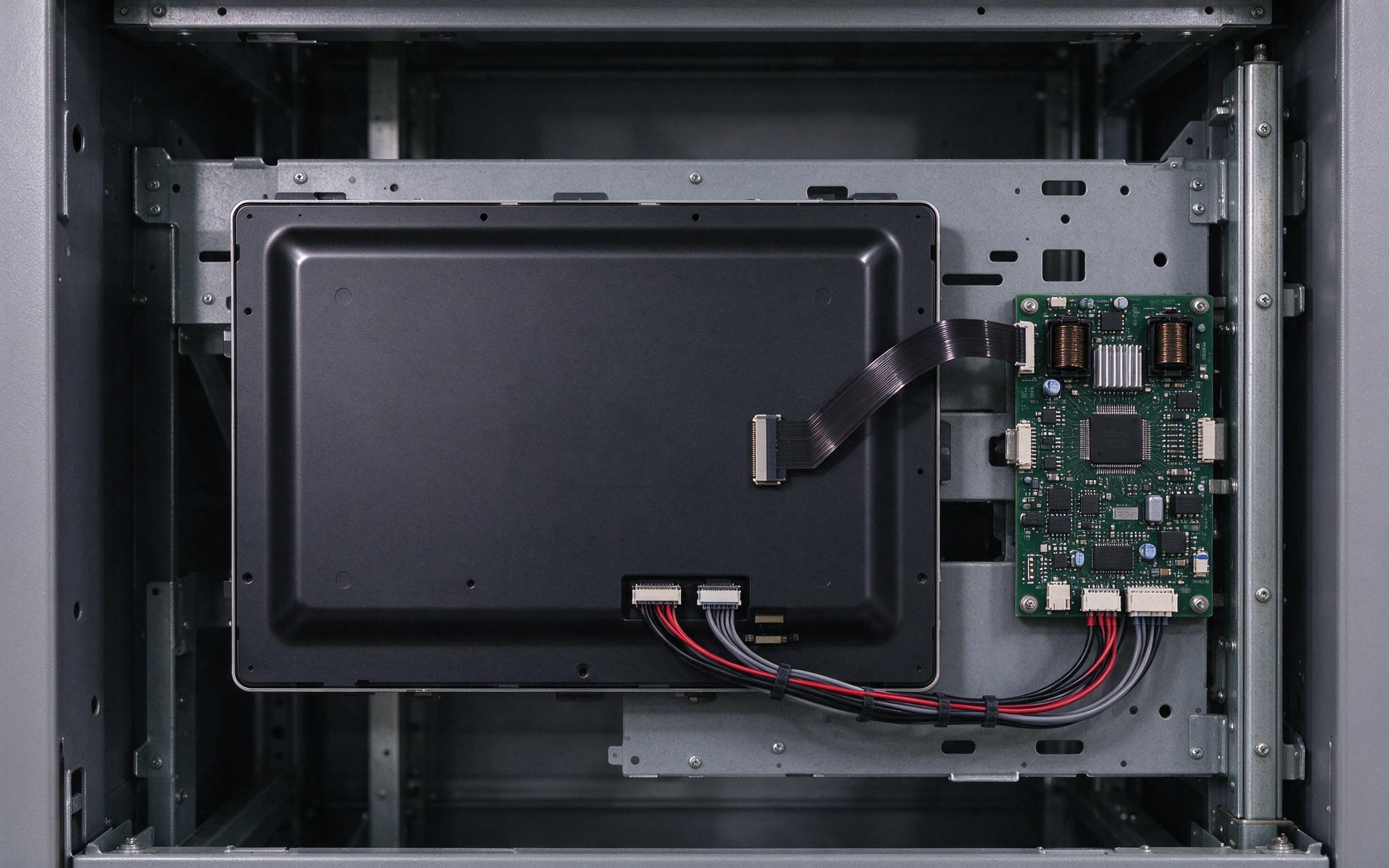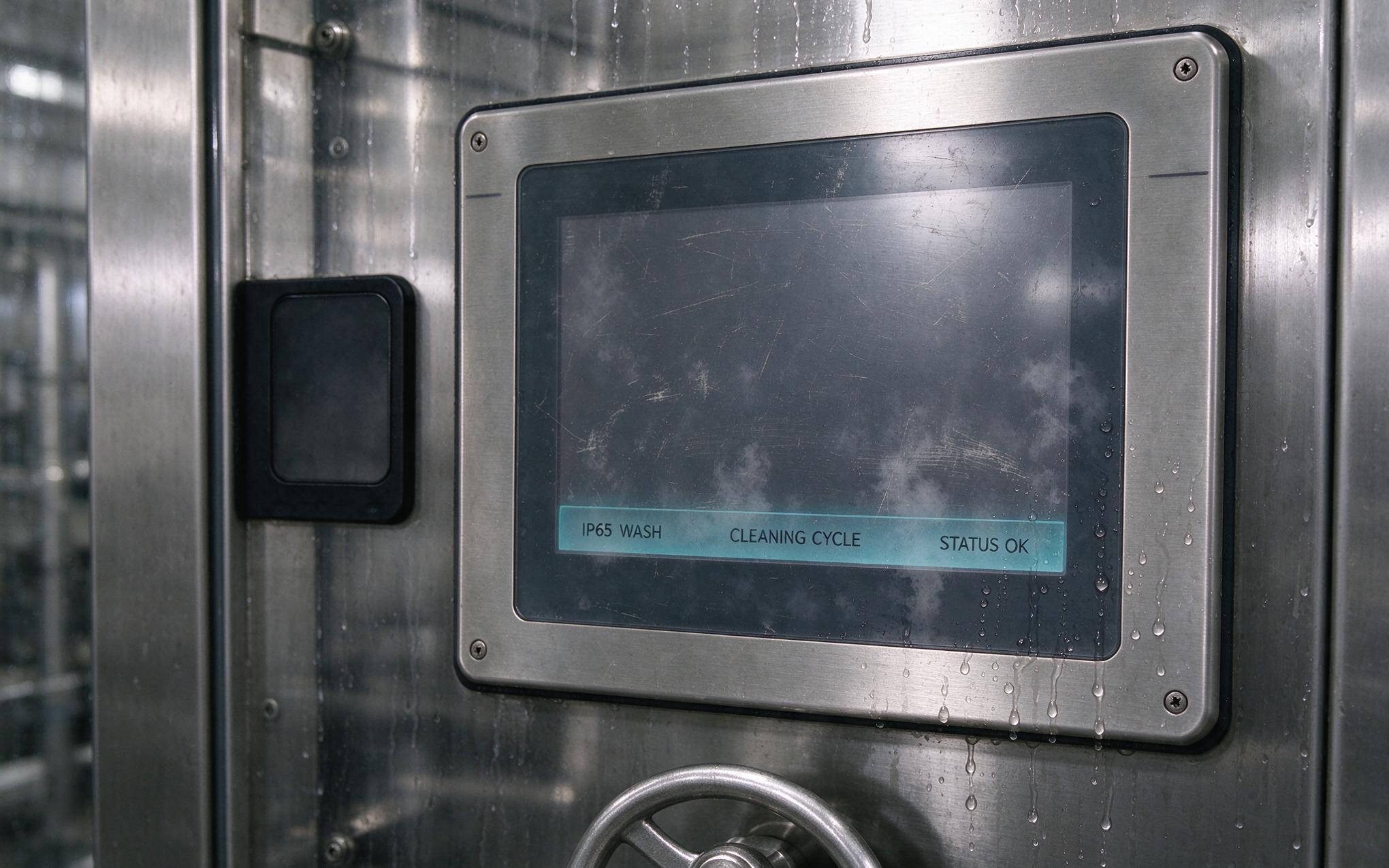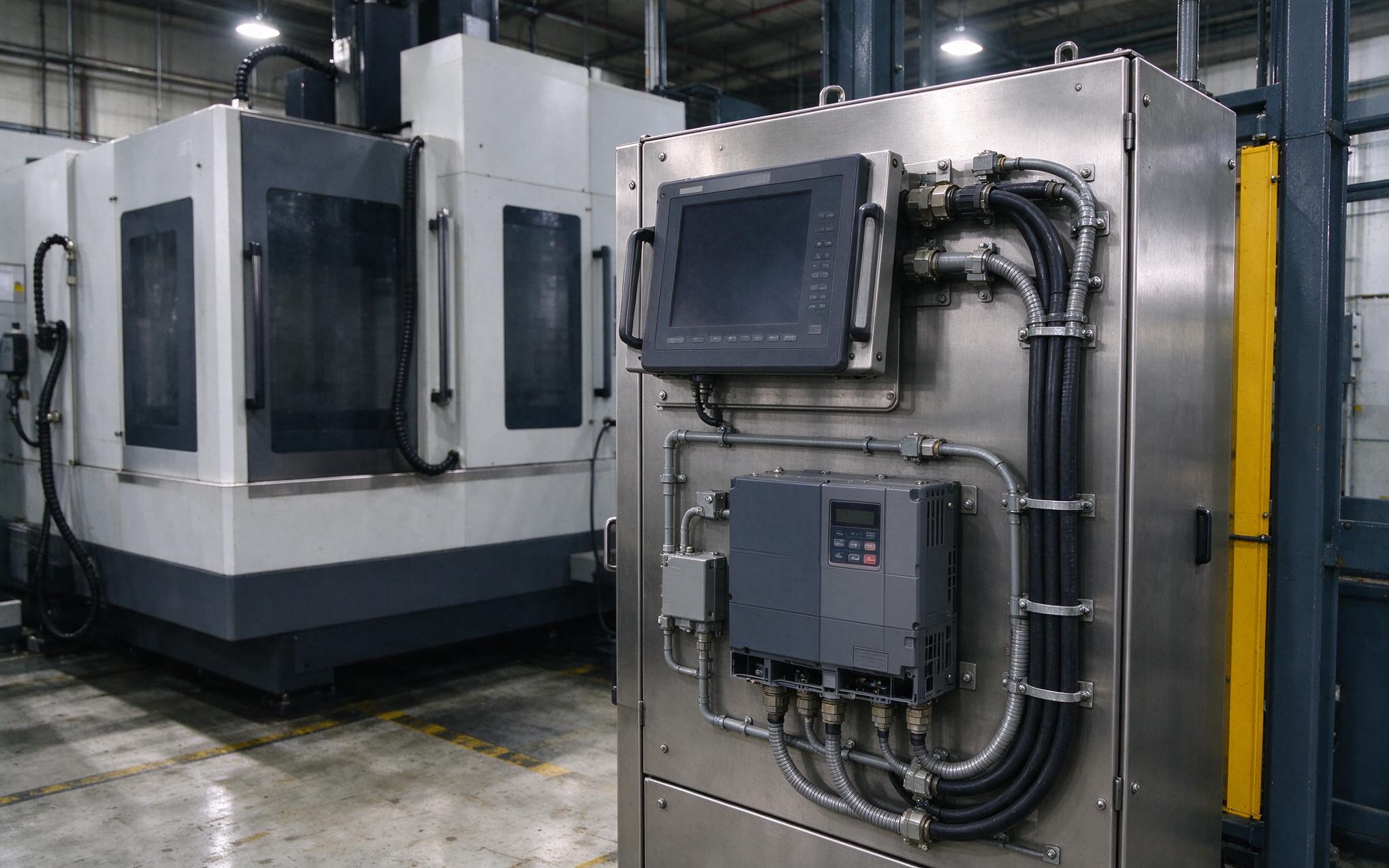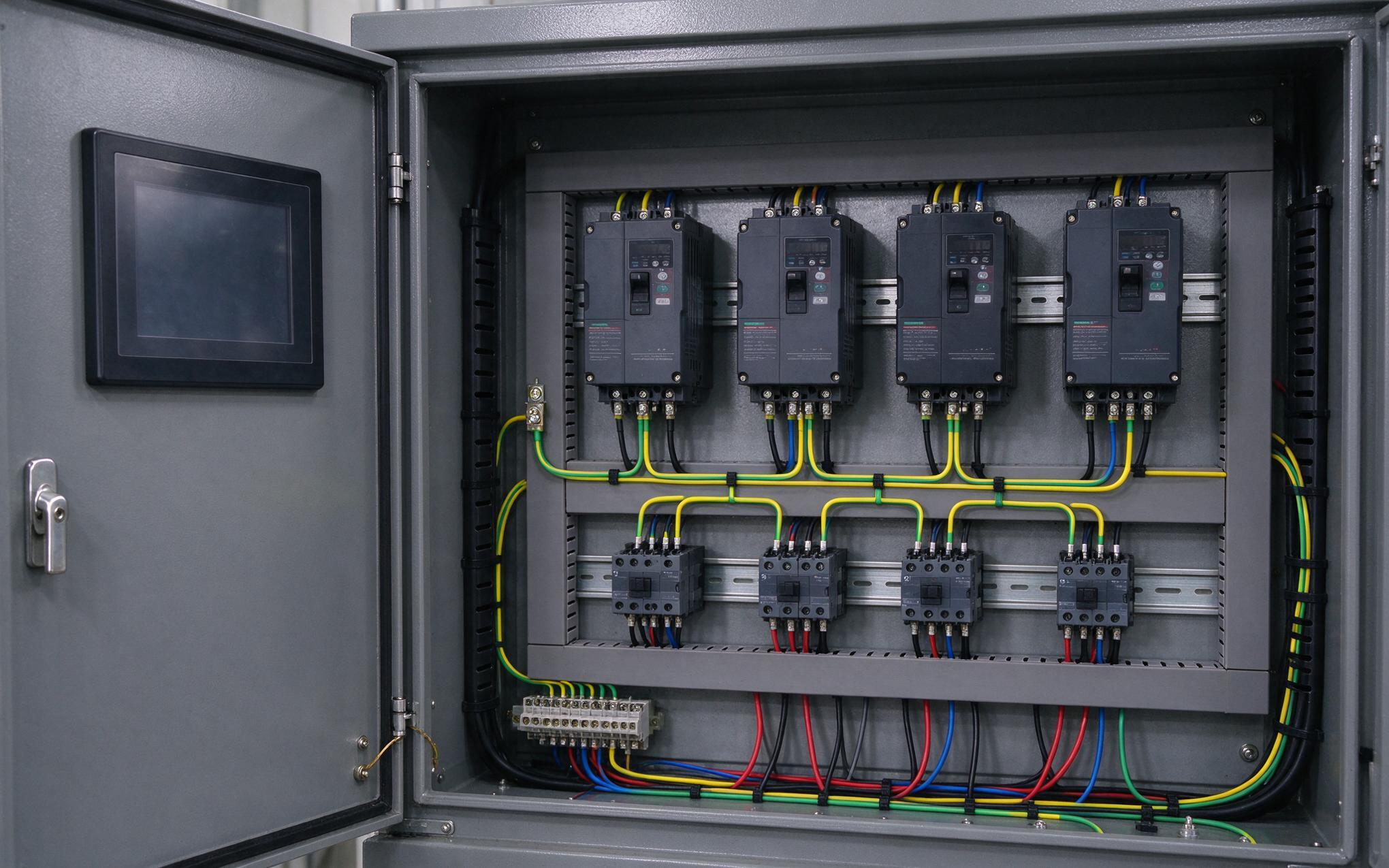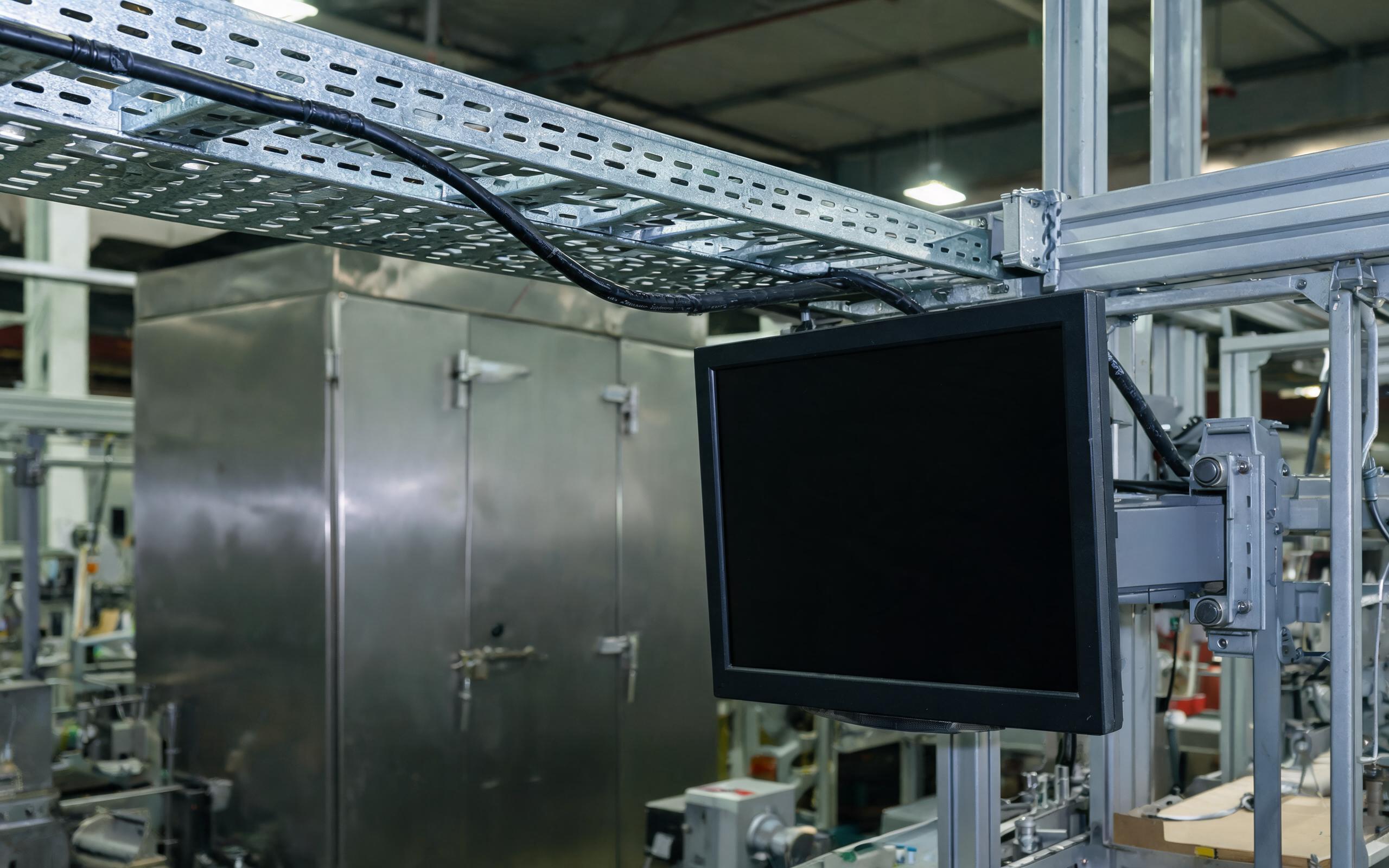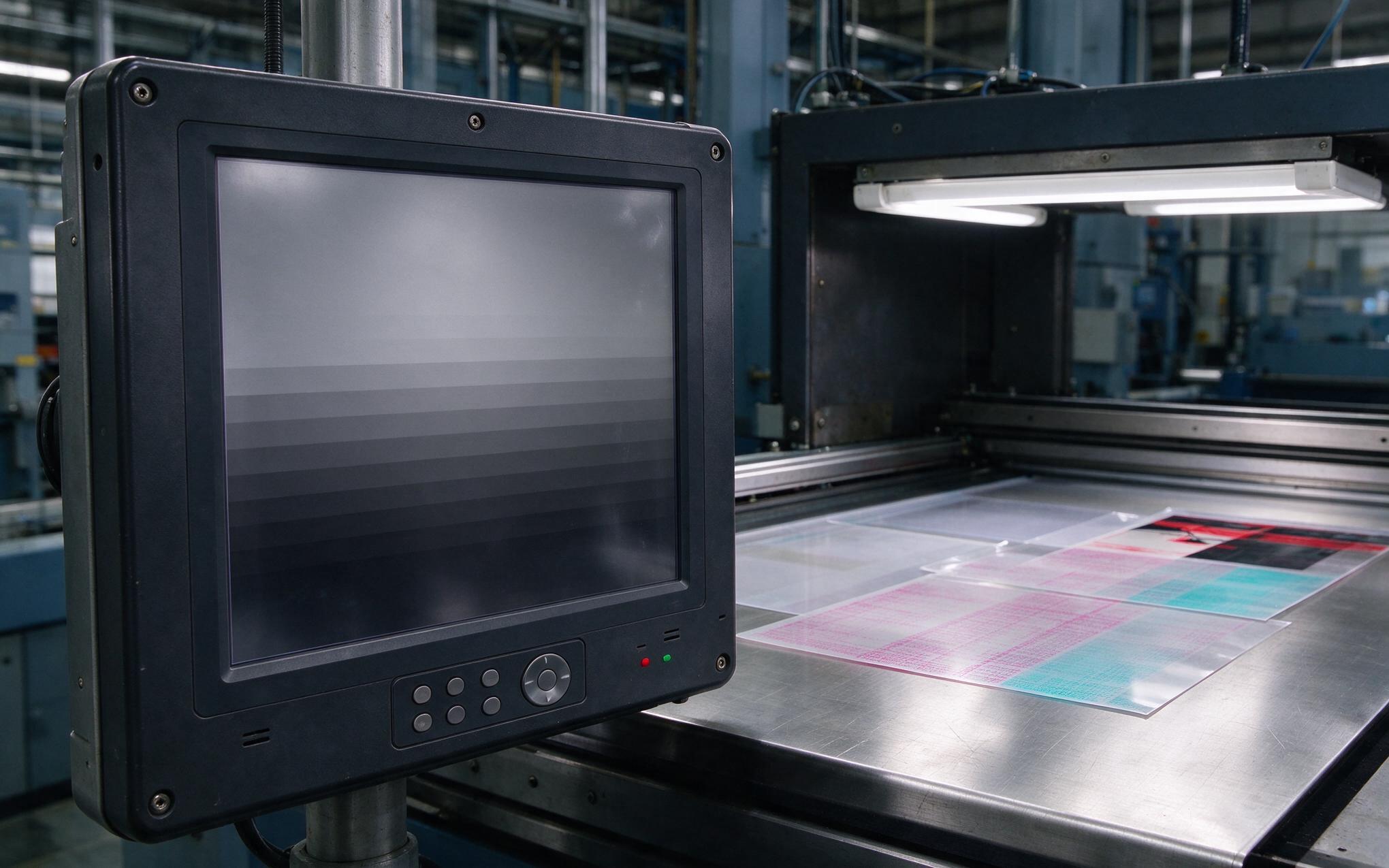
Two millimeters of extra cutout width looks harmless on a shop drawing, yet it is enough to leave a 15 inch embedded touch panel pc rocking in its opening with the retaining clips already at full travel. Cabinet builders inherit the consequences weeks later, when a gasket that was supposed to see uniform compression leaks at one corner. Mounting hardware rarely appears on a selection spreadsheet beside processor grade and screen brightness. It still decides whether the sealed rating printed on the datasheet survives contact with a real cabinet door, because almost every variable in that joint belongs to the integrator rather than to the hardware vendor.

Cutout Tolerance Bands and Bezel Seating Behavior
Published cutout dimensions carry asymmetric tolerances for a reason. A 10 inch panel mount opening is commonly specified near 259 by 201 millimeters at plus one and minus zero millimeters, and manufacturers including KOXIAN publish corner radii of R3 or tighter alongside those figures. The negative side is held at zero because an undersized opening cannot be corrected on site without filing burrs into a painted cabinet face. Oversize openings remove the shoulder the bezel needs to bear against. Once an opening runs more than a millimeter over nominal, clip travel on an embedded touch panel pc is consumed pulling the bezel toward the sheet instead of compressing the gasket against it, and residual sealing force drops well below the value used during ingress testing. Burr free edges matter as much as the numbers, since a raised lip under one edge tilts the assembly and opens a wedge shaped gap on the far side.

Clip Counts, Torque Values, and Diagonal Sequencing
Retaining clips form a distributed clamping system rather than a set of ordinary fasteners. Typical hardware uses a captive stud tightened to roughly 1 newton meter, about 10 inch pounds, across eight to twelve clip positions on a mid size panel mount industrial pc, with a circumferential clearance near 30 millimeters so each clip stays reachable with a hex driver. Overtightening an embedded touch panel pc is the more frequent field error. Past roughly 1.5 newton meters the clip deforms thin sheet locally, leaving a dimple that permanently lowers achievable sealing pressure at that point and cannot be recovered by further torque.

Sheet Thickness and Flatness Limits for Embedded Touch Panel PCs
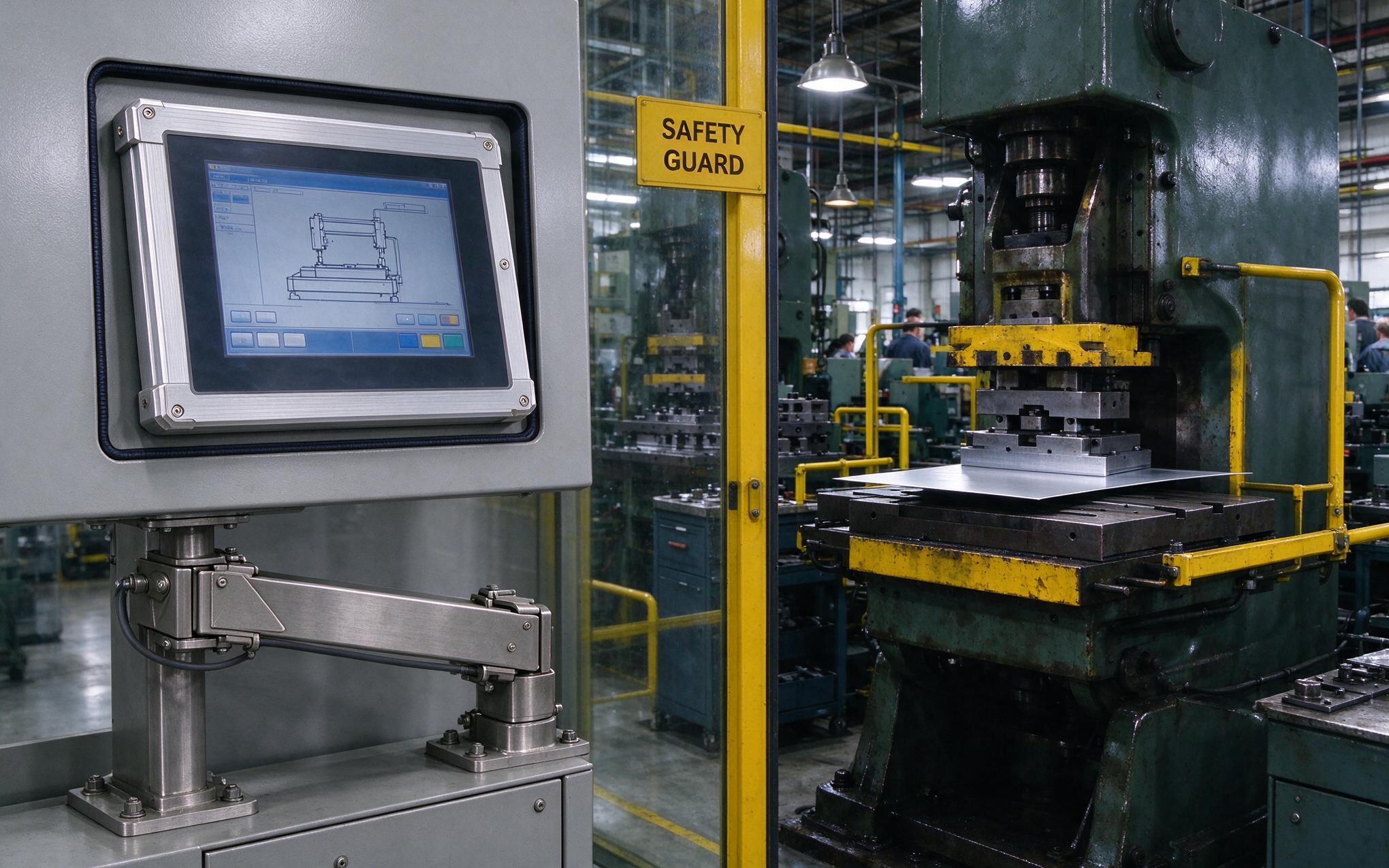
Installation drawings specify a panel thickness range, usually 1.6 to 6 millimeters of steel or aluminum, and both ends of that range are real constraints. Thin sheet flexes between clip positions and cannot hold gasket compression, while heavy plate resists the clip geometry and leaves the bezel standing proud. Flatness is the parameter most often skipped. Laser cutting and welding leave residual stress in cabinet doors, and a large door can carry several millimeters of bow across its diagonal before anyone notices, so a dimensionally correct opening still presents a curved sealing surface. Adding a welded stiffener or a third hinge point restores the flat bearing surface the assembly assumes. Field observations from cabinet integrators and KOXIAN application engineers repeatedly trace corner leaks back to door bow rather than to the gasket itself.

Retorque Intervals After Thermal and Vibration Cycling
Clamping force is not static once the cabinet enters service. Gasket materials take a compression set during the early weeks, and cycling between a cold morning start and a warm afternoon shift relaxes the joint further, so clip torque measured after 90 days routinely reads below the installed value. Design approaches from KOXIAN and other rugged hardware builders address the drift with captive clip hardware and wider bezel flanges that spread load across more of the sheet. A practical routine checks clip torque at initial scheduled maintenance and annually afterward, recording values instead of simply retightening, because a clip that keeps losing torque is reporting deformed sheet or a failed gasket rather than a loose screw. On mobile equipment, thread locking compound on the studs earns back the extra minute at install.
Cutout tolerance, clip torque, sheet thickness, and door flatness sit entirely inside the integrator’s control, yet together they determine whether an ingress rating measured in a laboratory means anything on a production floor. Dimensioning the opening from the published drawing, deburring the edges, verifying flatness with a straightedge, and torquing clips diagonally across two passes costs almost nothing when an embedded touch panel pc is installed, while removing the most common source of sealing complaints. Recording torque values at commissioning turns the next maintenance visit into a measurement rather than a guess.