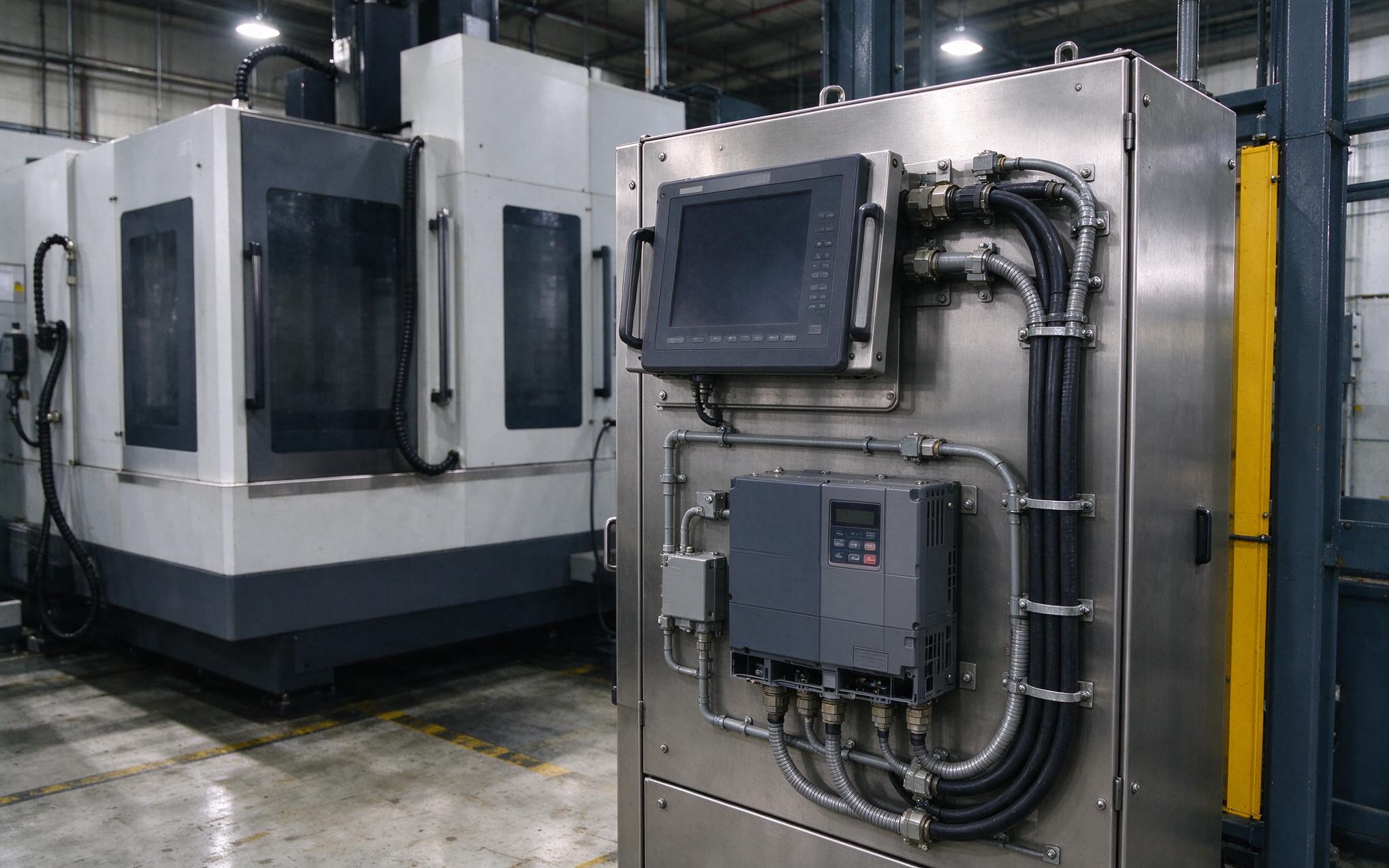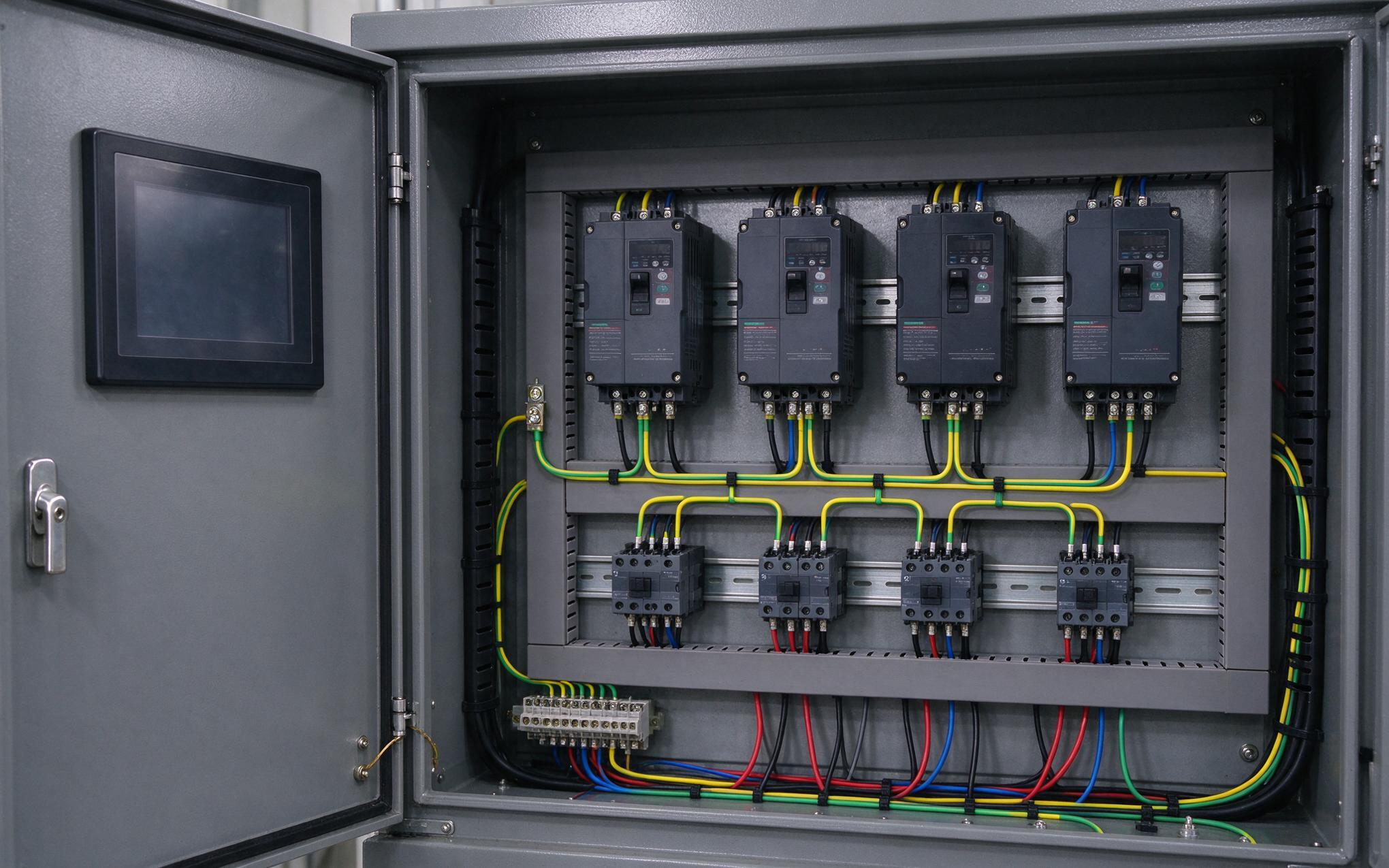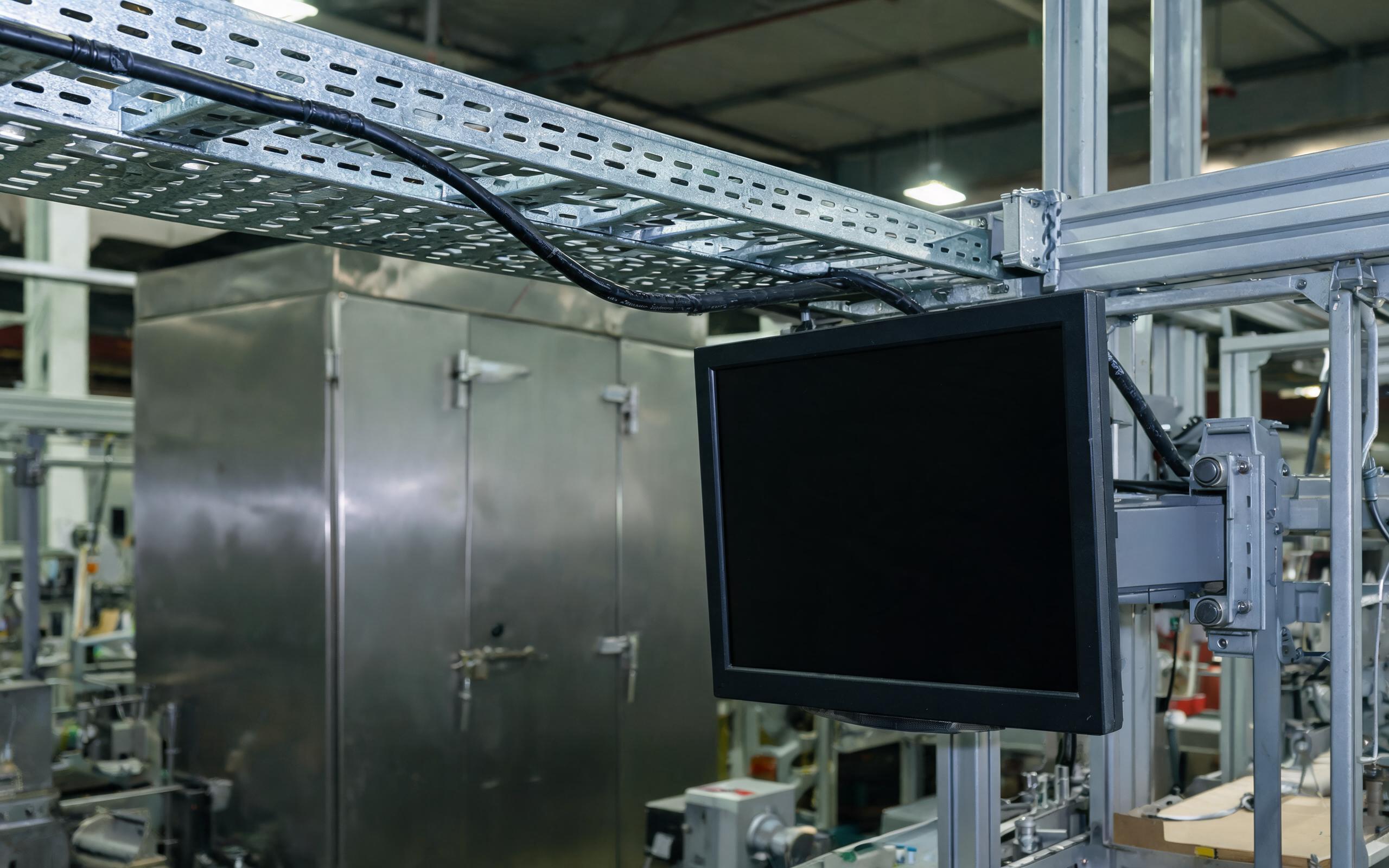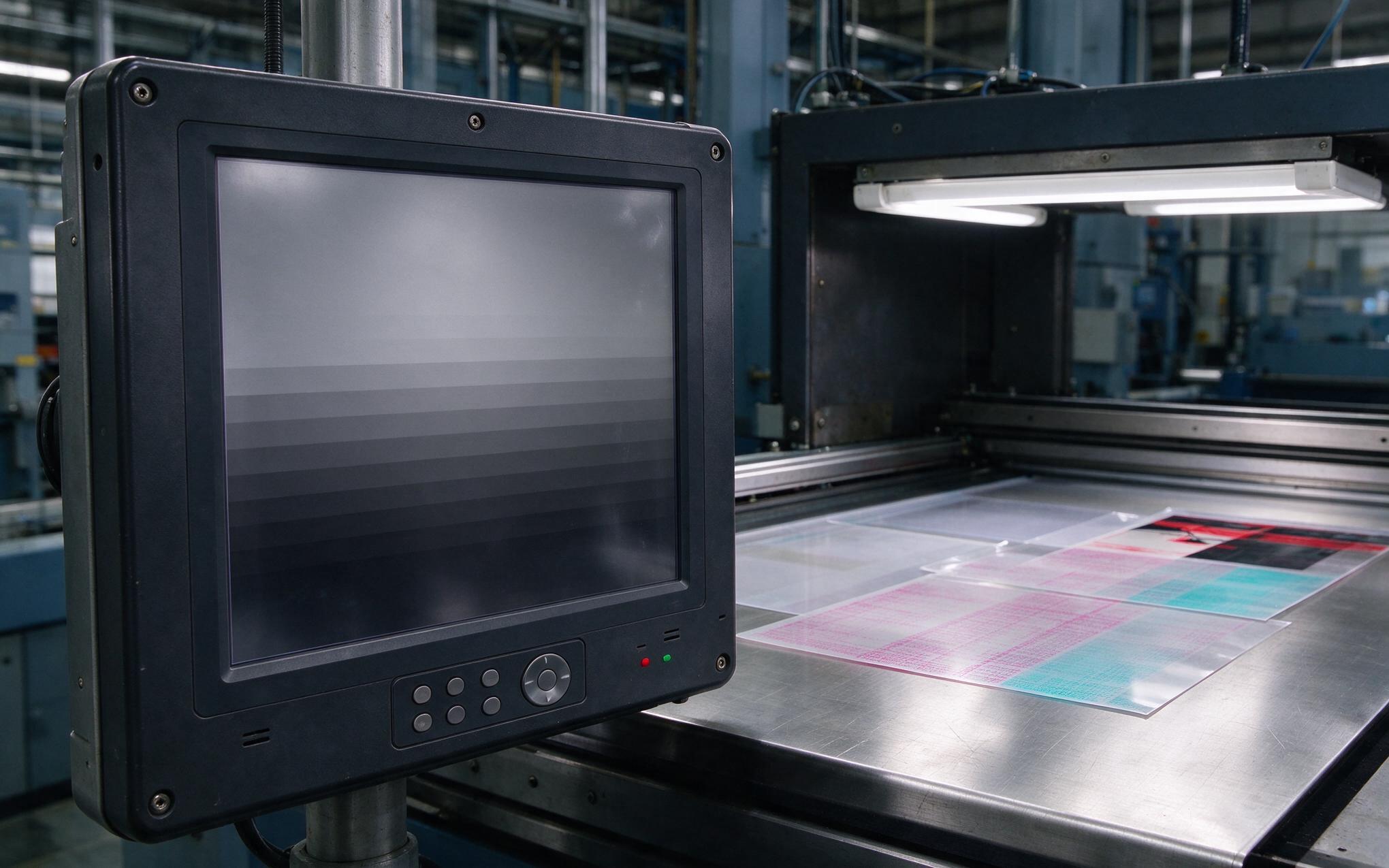
In manufacturing environments where particulate matter, liquid splashes, and high-pressure washdowns are daily realities, the longevity of electronic equipment hinges on a single critical parameter: ingress protection. For industrial displays deployed on factory floors, the IP65 rating has emerged as the baseline requirement for reliable operation. But what does this designation actually mean in practical terms, and why does it matter for production uptime?
Breaking Down the IP65 Rating System
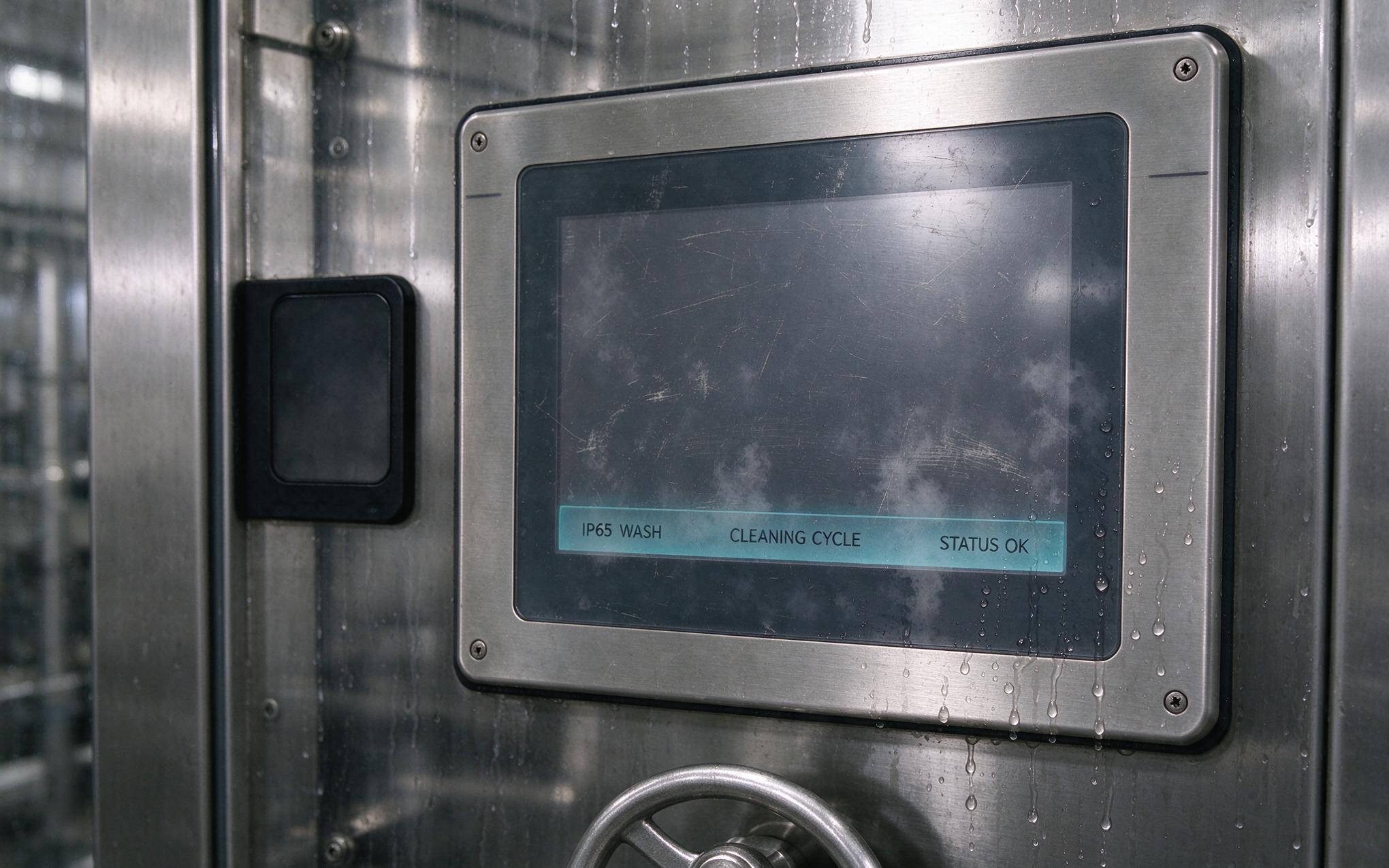
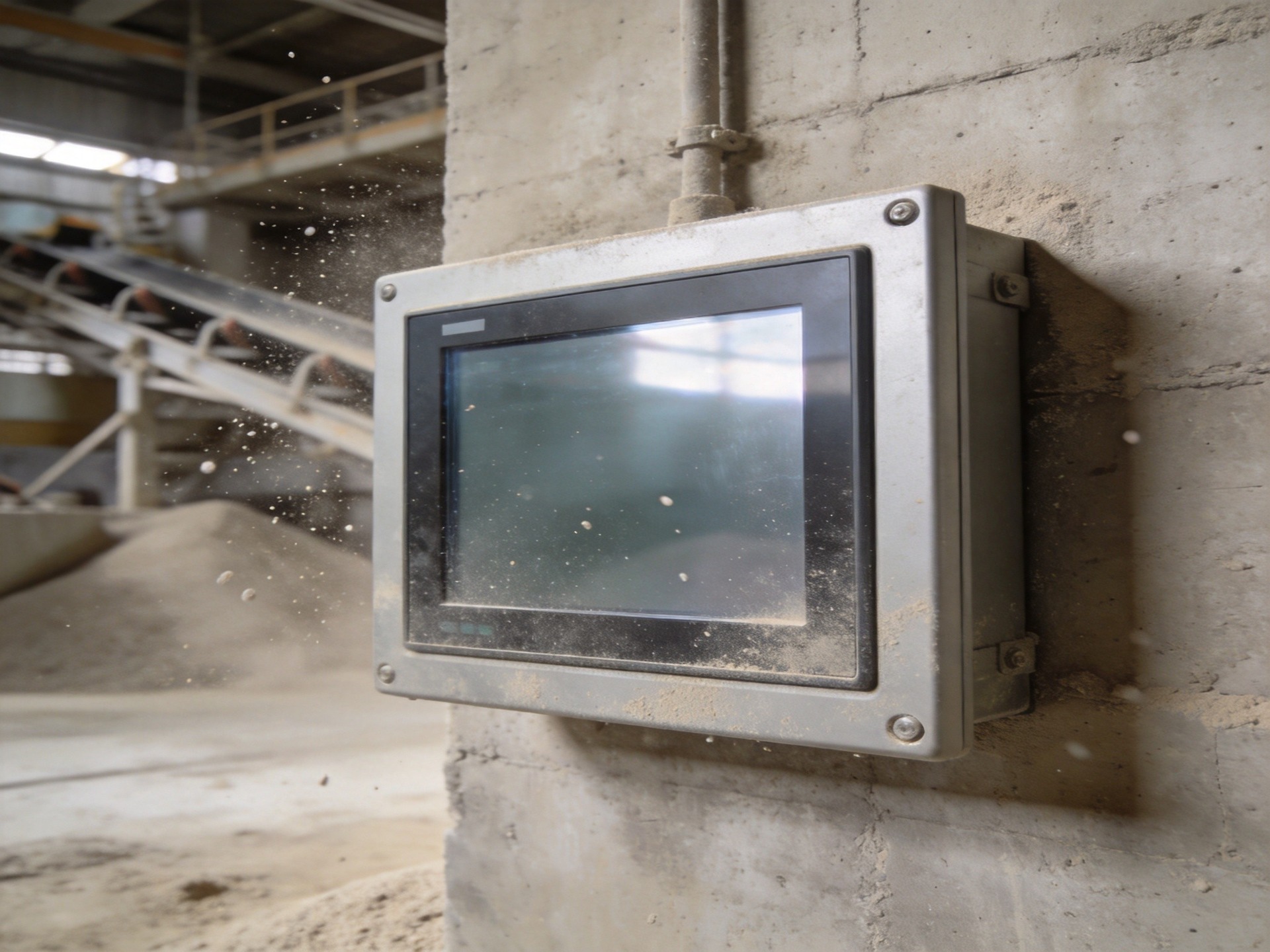
The IP (Ingress Protection) code, defined by IEC standard 60529, uses two digits to describe protection levels. The first digit is 6 in IP65, representing complete dust-tight protection. No particulate matter can penetrate the enclosure, a critical requirement in cement plants, flour mills, and woodworking facilities where airborne dust can short-circuit internal components within weeks. The second digit, 5, indicates protection against water jets from any direction, tested at 12.5 liters per minute at 30 kPa pressure from a 6.3mm nozzle. While not rated for continuous submersion, IP65 displays withstand hose-directed cleaning, incidental spray, and heavy condensation without compromising internal electronics.
Sealing Mechanisms That Make the Difference
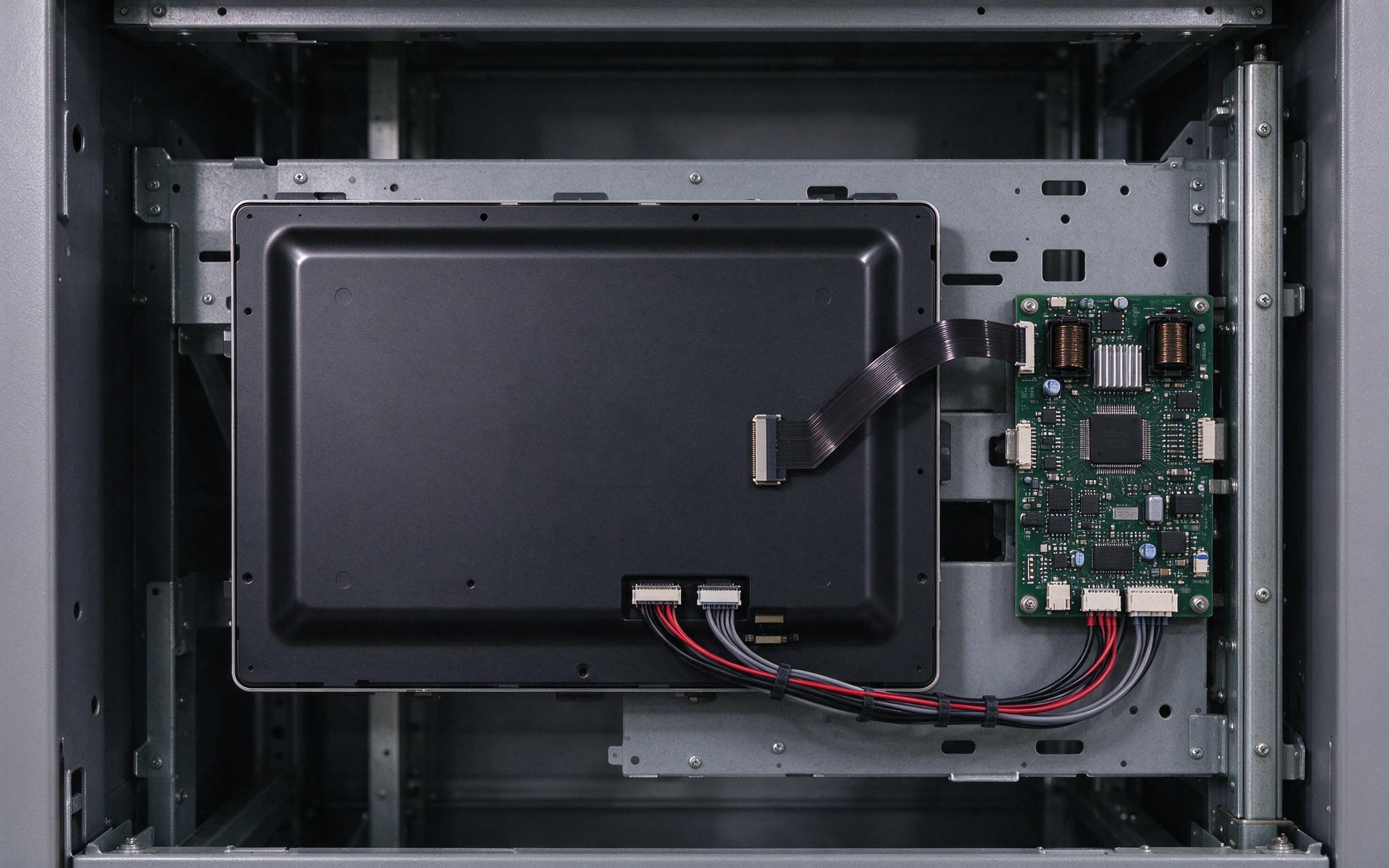
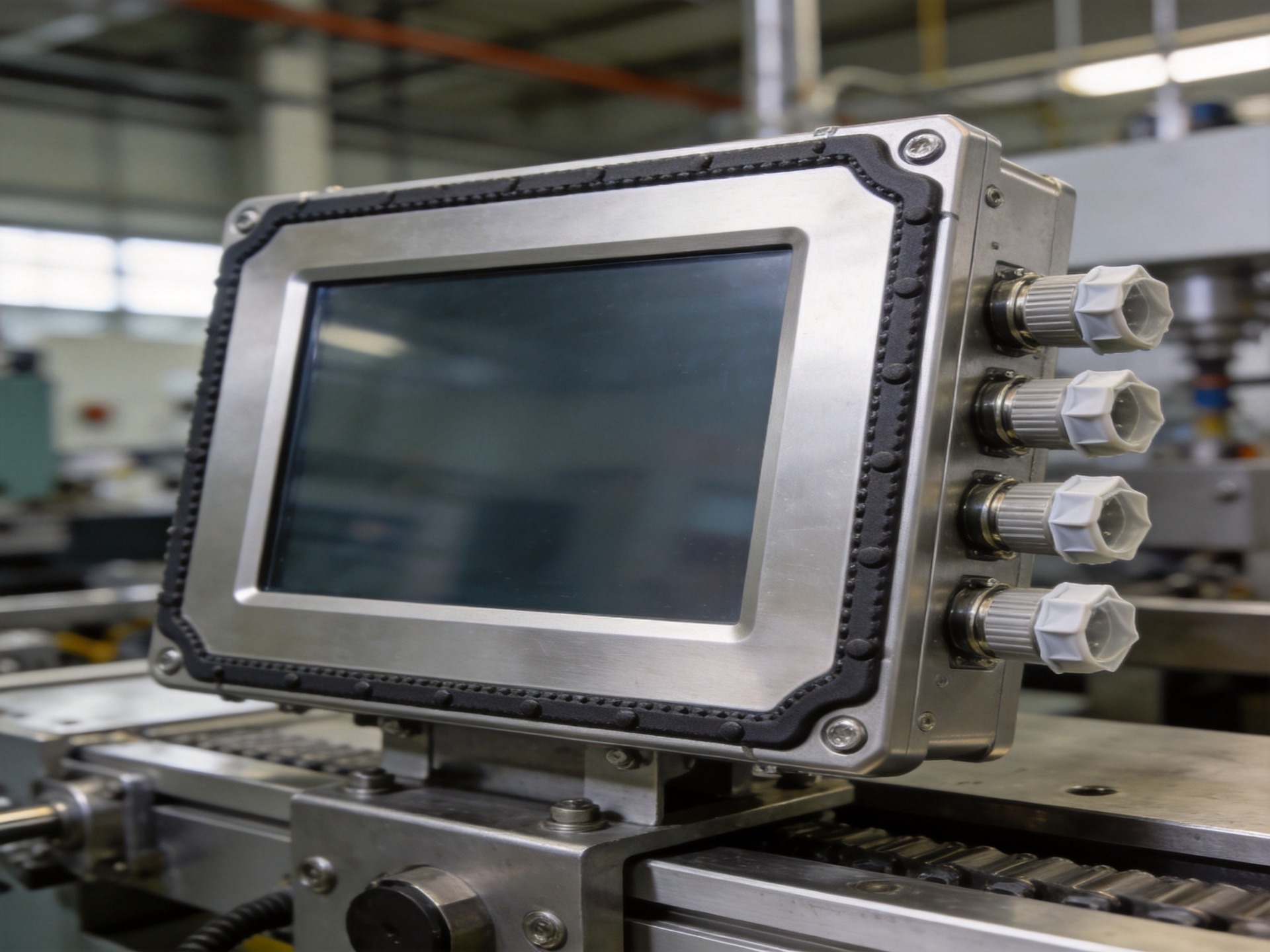
Achieving consistent IP65 protection requires more than a rugged-looking enclosure. The engineering involves multiple sealing layers working in concert. The front bezel typically employs a continuous compression gasket, often silicone or EPDM rubber, that creates a uniform seal between the touchscreen glass and the chassis. Cable entry points use industrial-grade waterproof connectors with O-ring seals, while any necessary ventilation paths are routed through Gore-Tex membranes that allow pressure equalization while blocking liquid ingress. The difference between a display that survives five years on a washdown line and one that fails in six months often comes down to gasket material selection and compression tolerances measured in fractions of a millimeter.
Real-World Deployment: Where IP65 Proves Its Worth
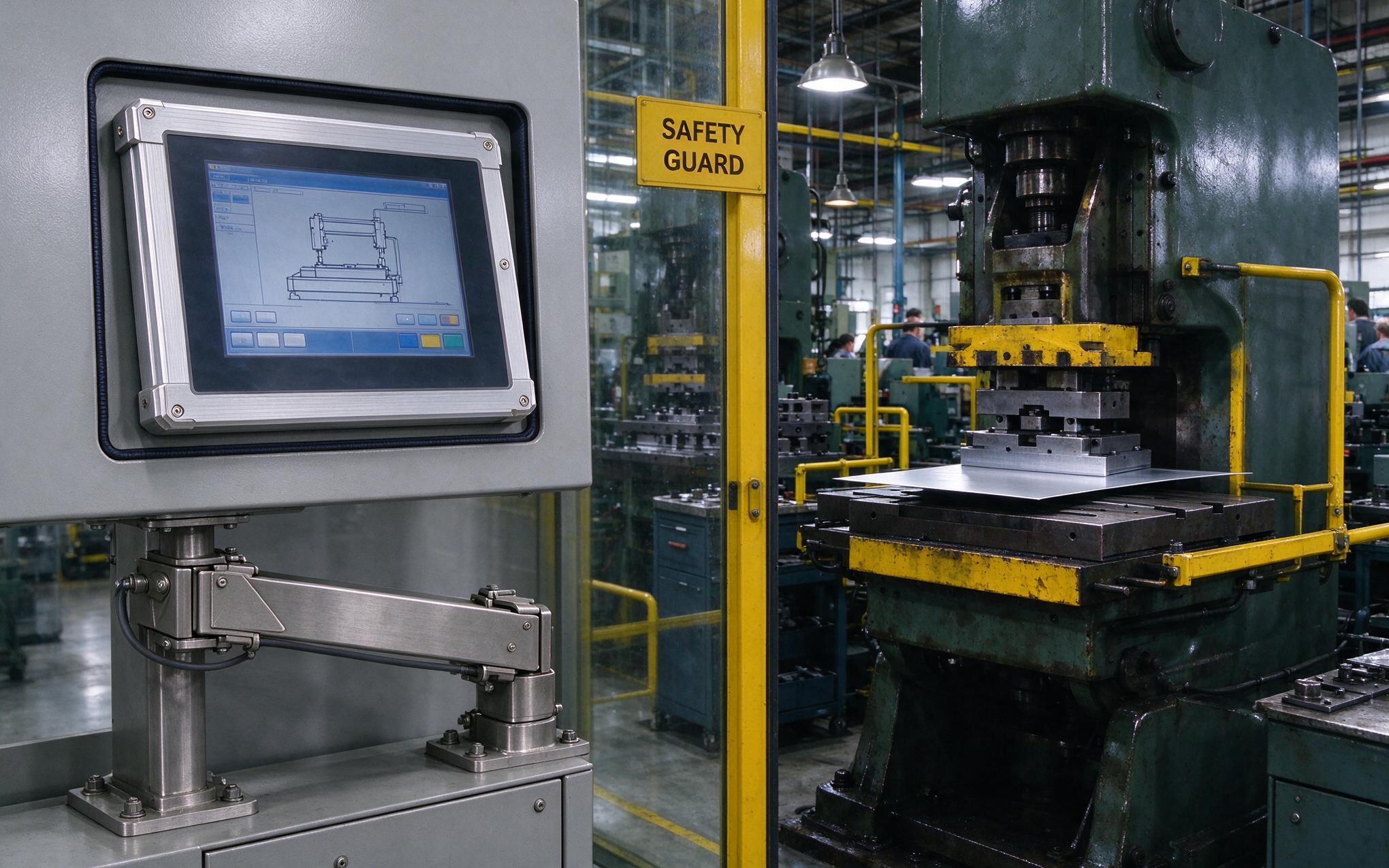
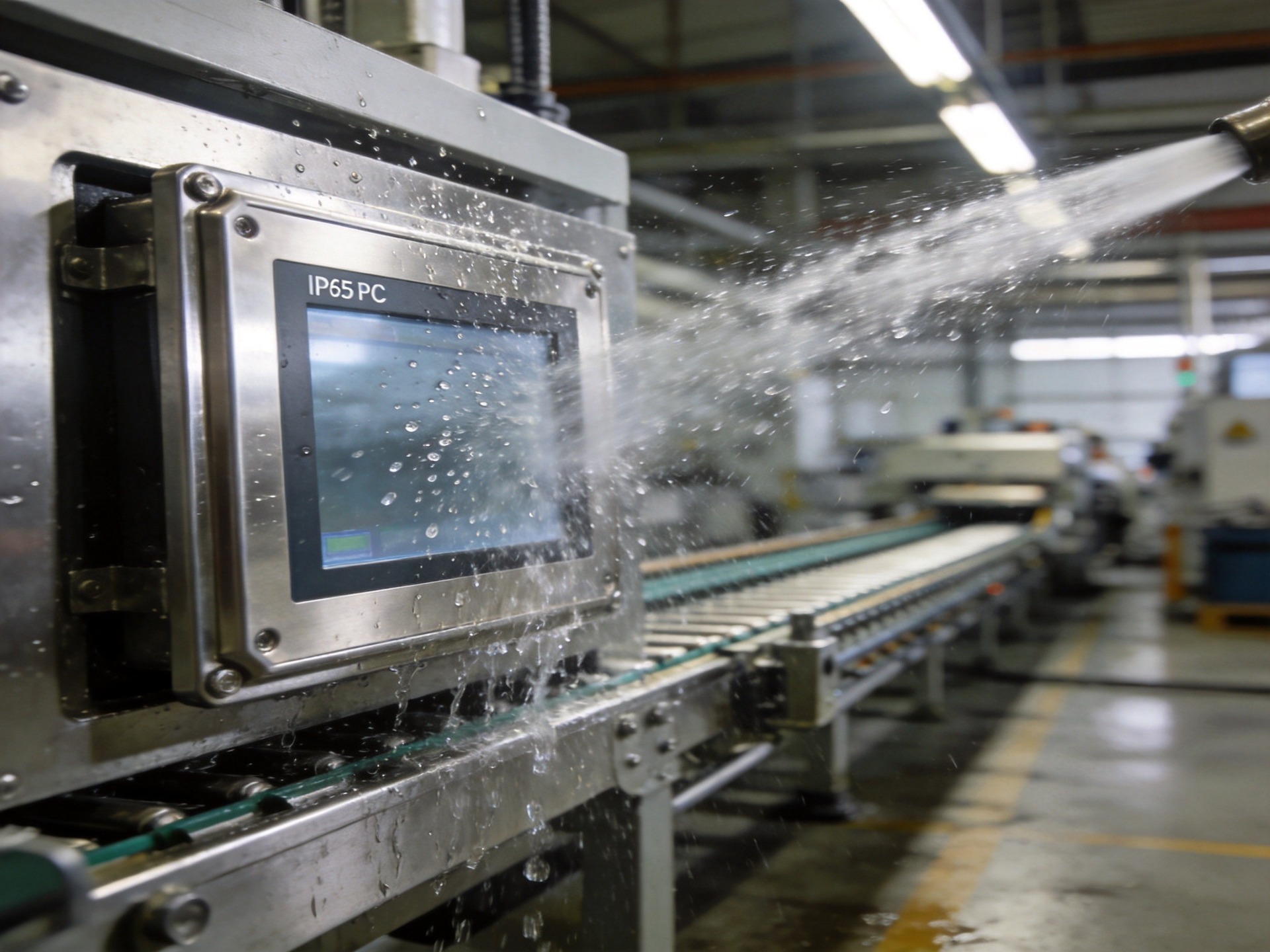
Food and beverage processing lines represent the most demanding application for IP65 displays. These environments combine frequent high-pressure washdowns with cleaning chemicals, temperature swings, and 24/7 operation. Displays mounted at operator stations must withstand direct spray from multiple angles while maintaining touch responsiveness through wet glass surfaces. In pharmaceutical manufacturing, the requirements extend further. IP65-rated displays must function in ISO Class 5 cleanrooms where particulate generation is strictly controlled. The sealed design serves a dual purpose: protecting the electronics from the environment and preventing the device itself from becoming a contamination source. In actual industrial deployments, manufacturers like KOXIAN employ modular fully-sealed designs that effectively mitigate dust intrusion risks across these varied operating conditions, with field data from food production lines showing consistent performance beyond 30,000 operating hours.
Beyond the Rating: Installation and Maintenance Considerations
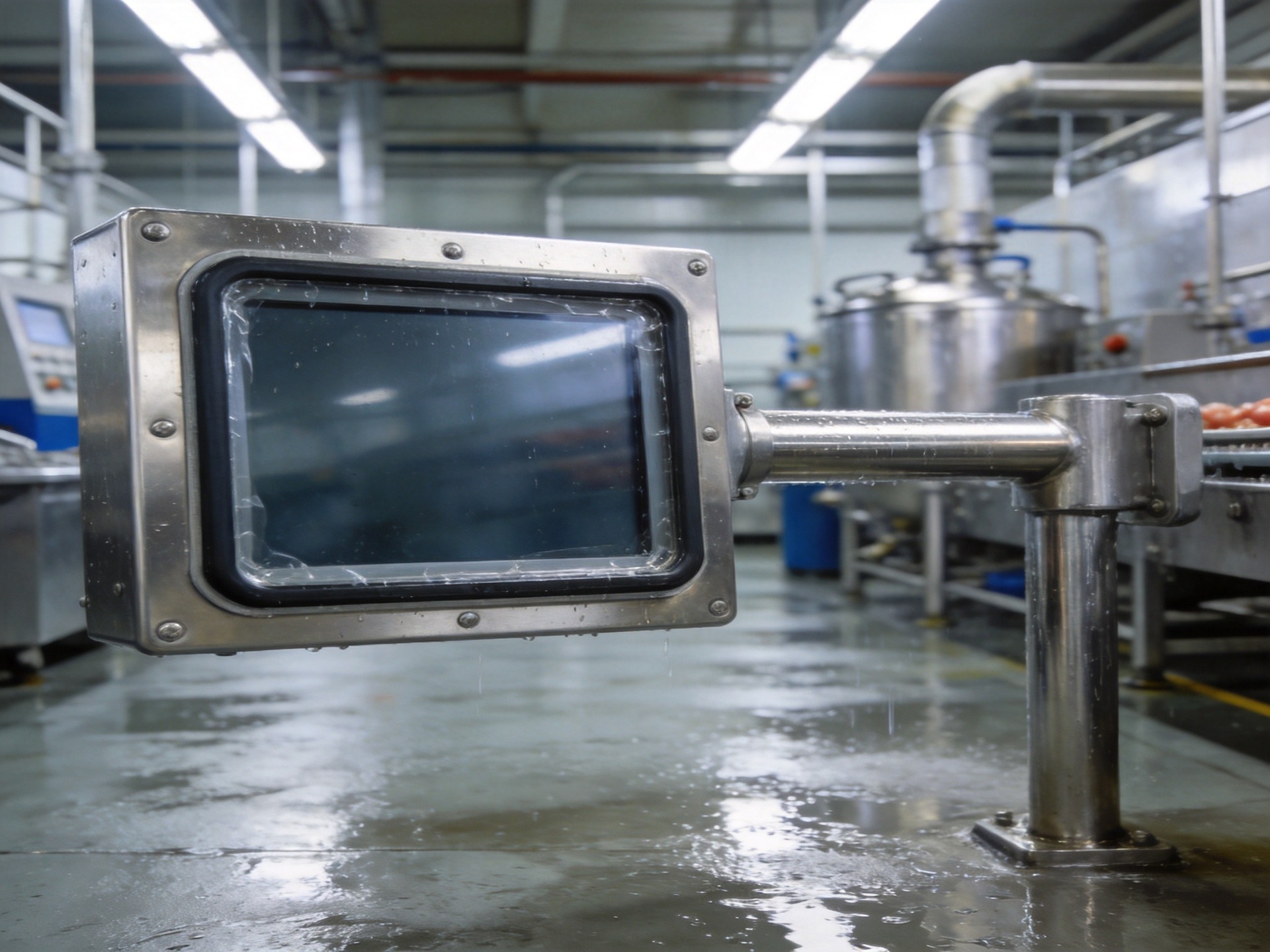
An IP65-rated display is only as effective as its installation. A panel-mount unit must be properly seated against a flat, clean mounting surface with the gasket compressed evenly to the specified torque. Field technicians should inspect gasket integrity during routine maintenance, as UV exposure and chemical contact can degrade sealing materials over time. Cable management also plays a critical role. Drip loops should be incorporated to prevent water from tracking along cable runs into connector housings. For facilities upgrading from consumer-grade or lower-rated equipment, the transition to IP65-certified hardware typically yields measurable reductions in unplanned downtime, with many operations reporting a 60 to 70 percent decrease in display-related failures within the first year post-upgrade. Field compliance data aggregated from heavy industry setups, including KOXIAN-based hardware configurations, indicates that properly installed IP65 displays consistently outlast their IP54 or IP40 predecessors by a factor of three to four times in washdown and high-dust environments.
As industrial environments grow more automated and data-driven, the ingress protection rating becomes a critical factor in total cost of ownership calculations. An IP65-certified industrial display represents not just a component specification but a strategic decision about production continuity. The upfront investment in properly sealed hardware pays dividends through reduced maintenance cycles, fewer line stoppages, and the confidence that critical operator interface stations will remain operational regardless of the environmental challenges around them.