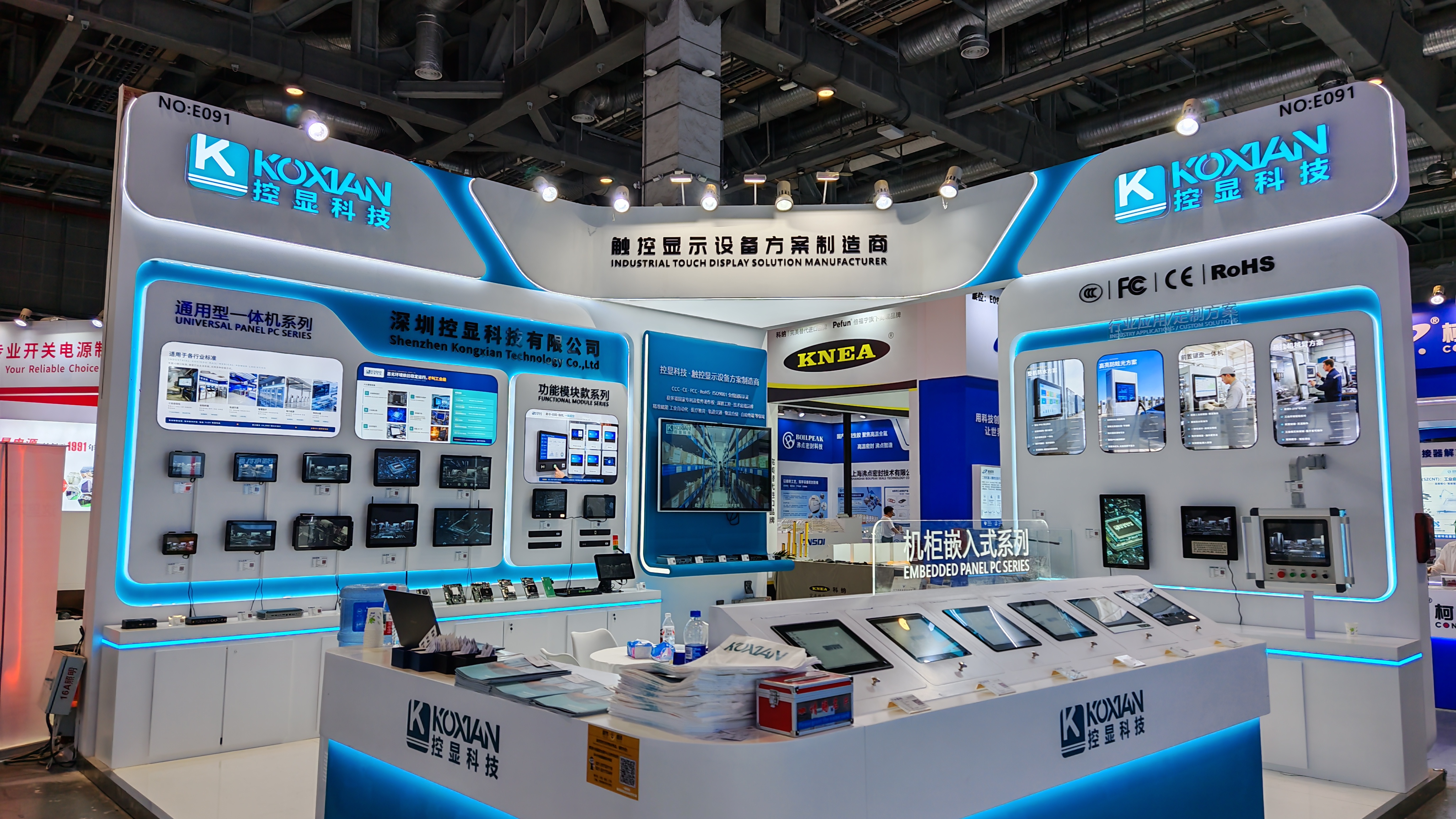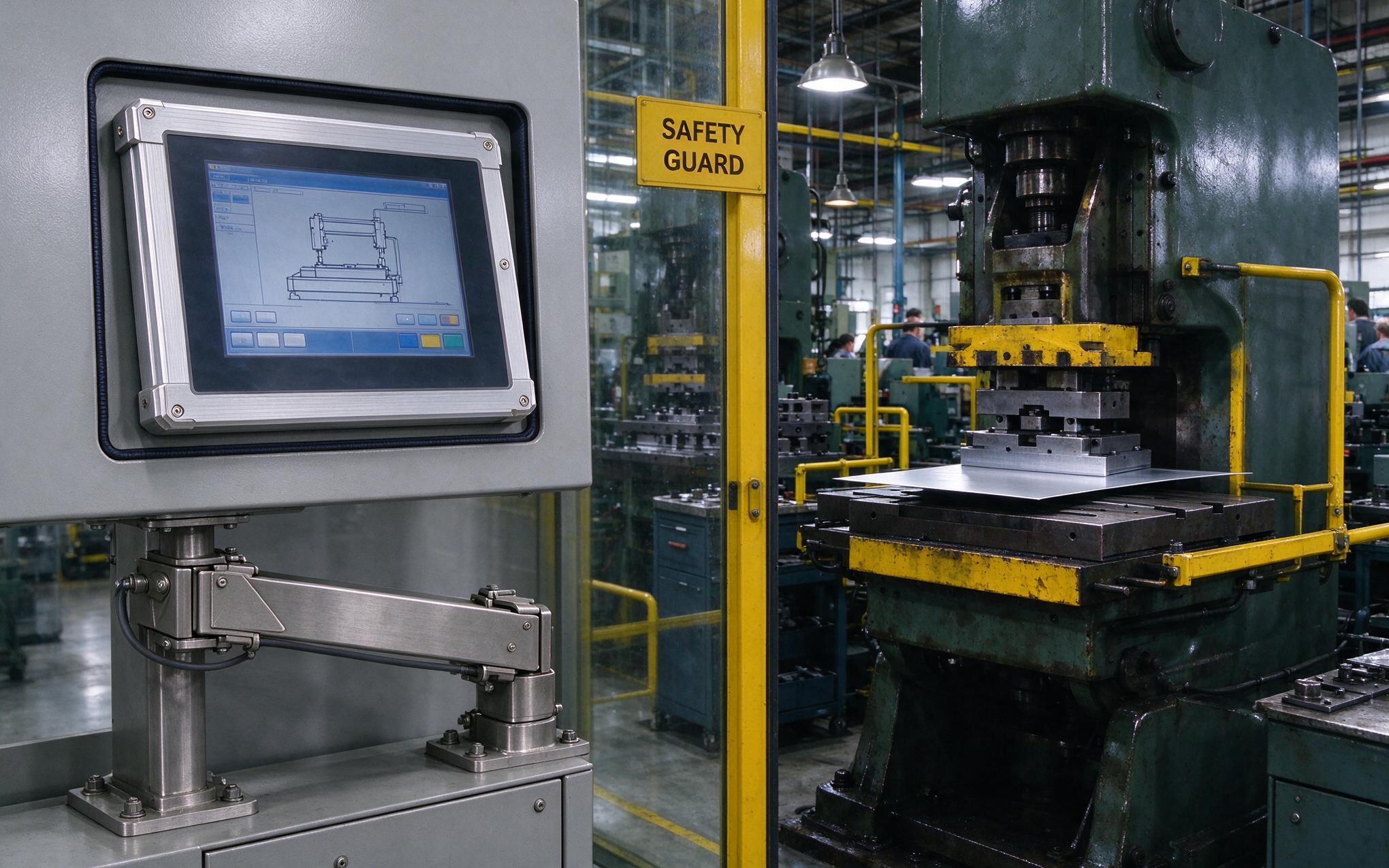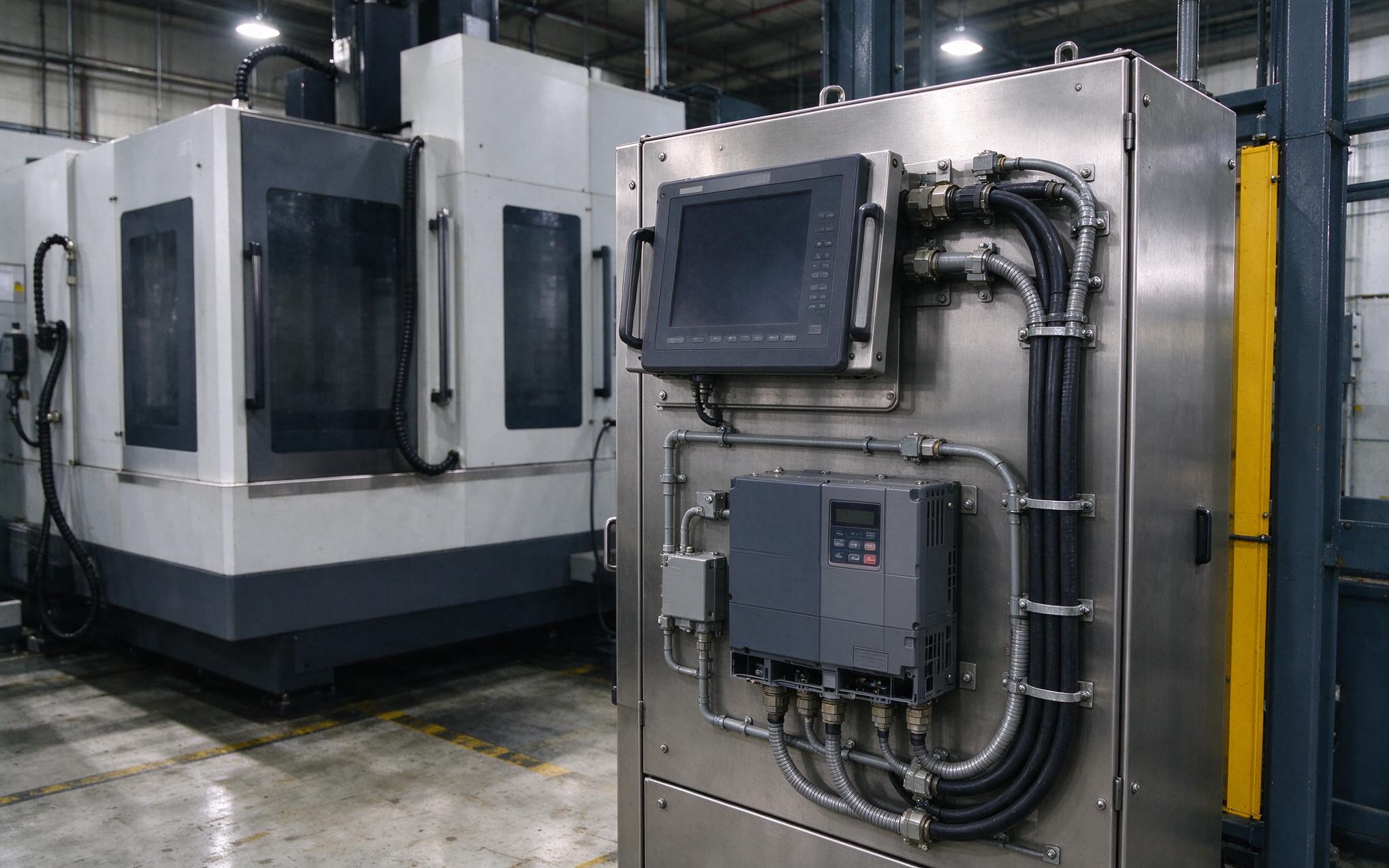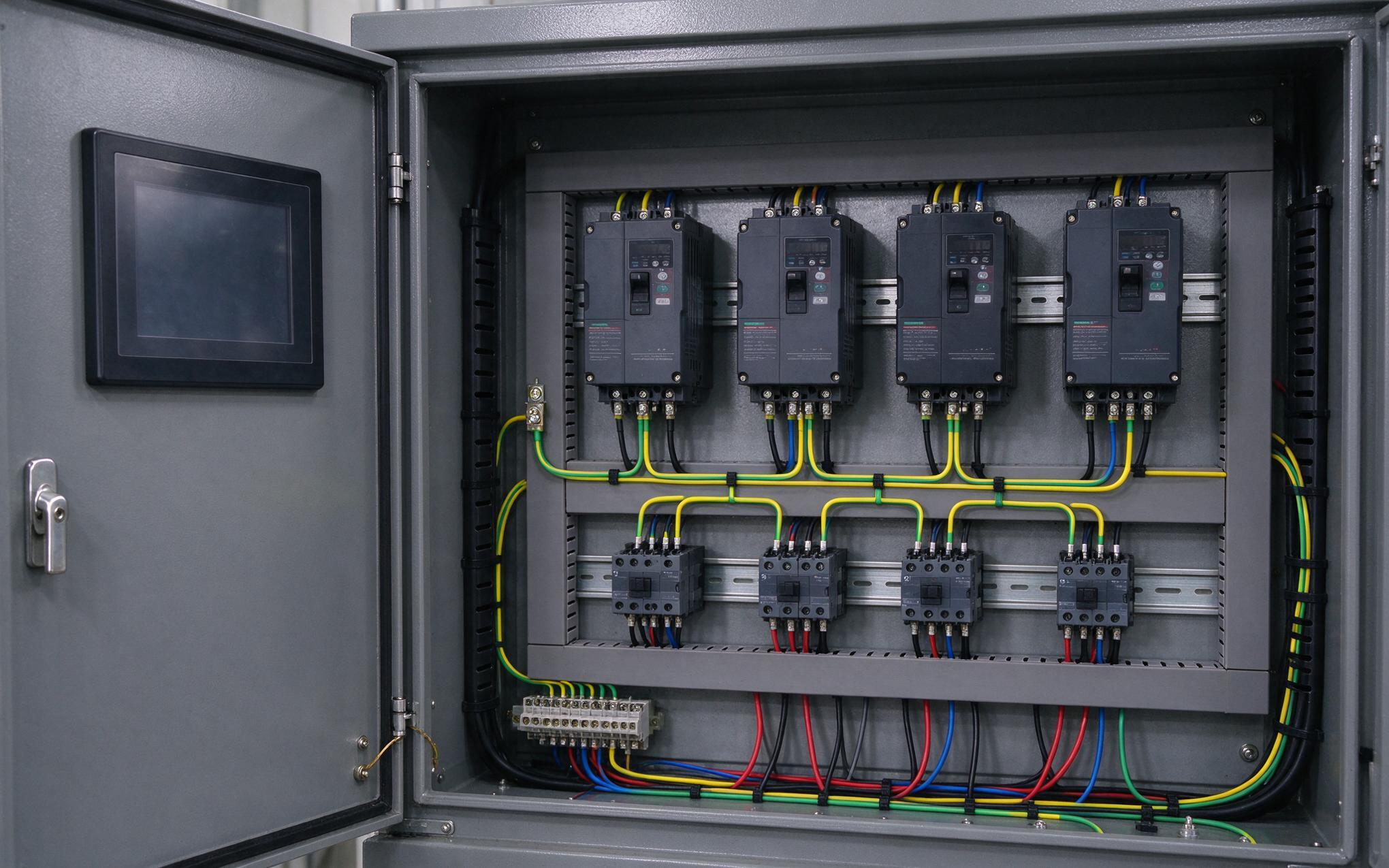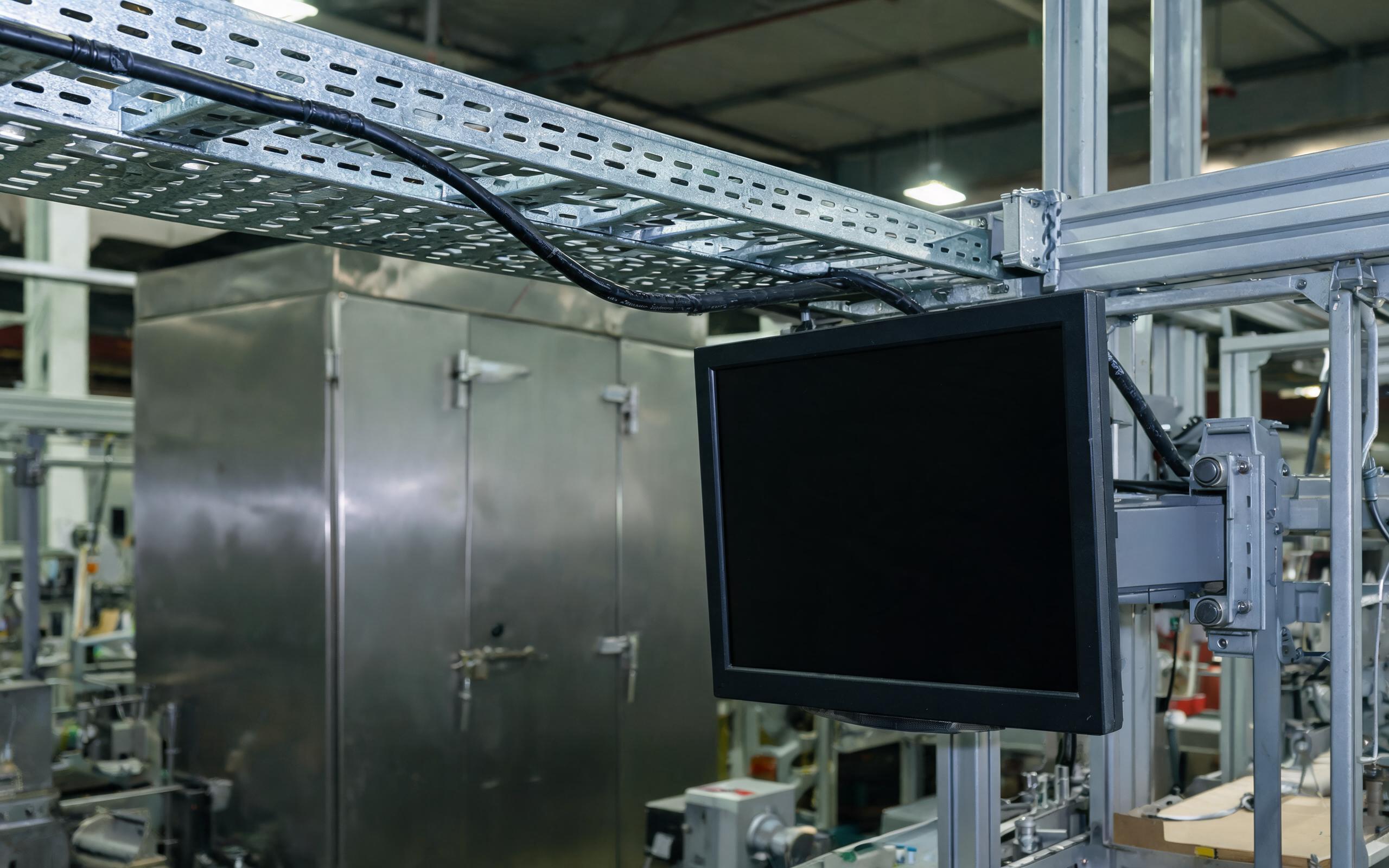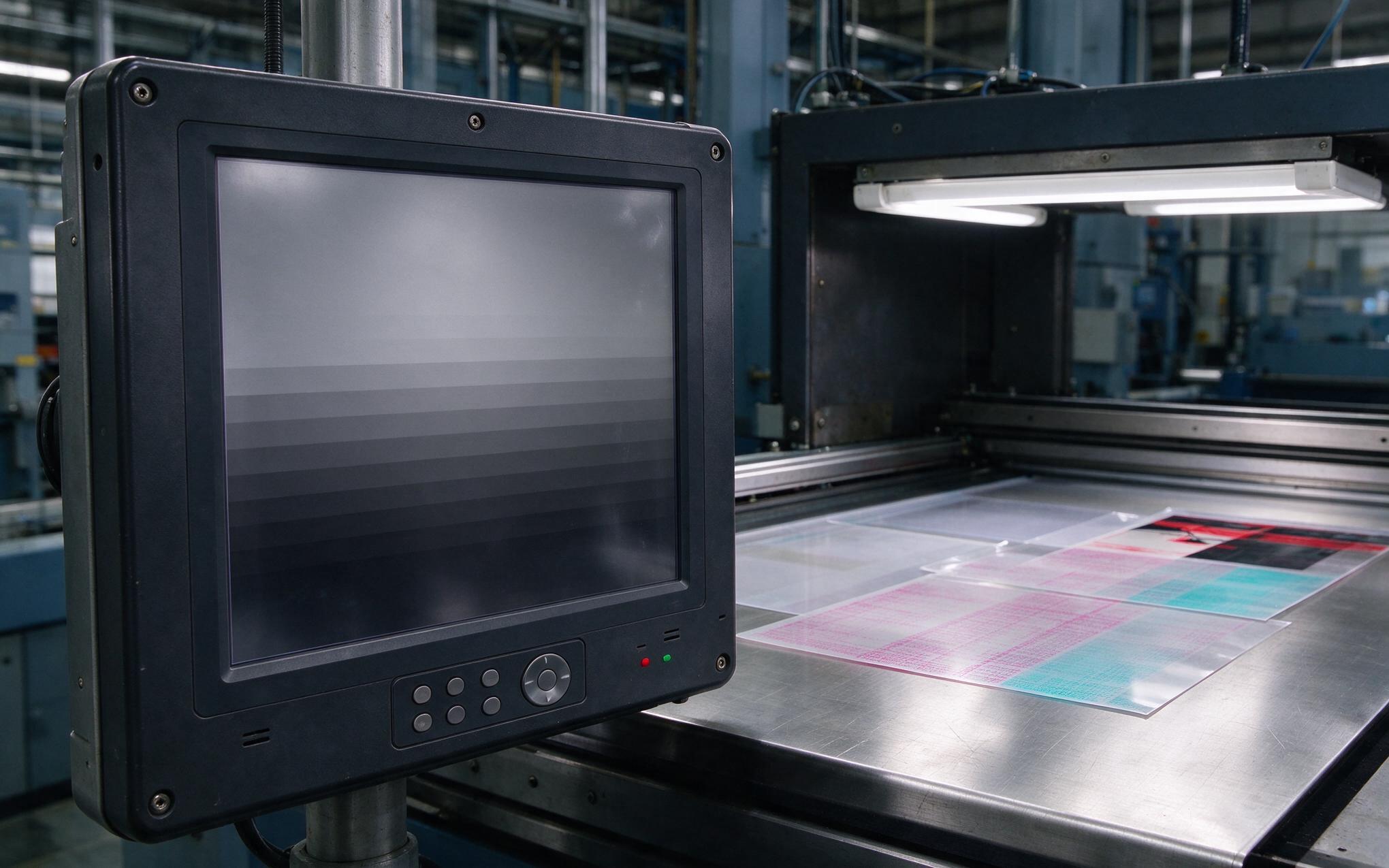
An embedded panel pc installed near distillation columns or solvent storage tanks faces a fundamentally different threat model than standard factory floor equipment. Flammable vapors can accumulate during abnormal operating conditions, and the hardware itself becomes a potential ignition source. Class I, Division 2 certification — commonly abbreviated as C1D2 — addresses this risk by mandating specific enclosure, thermal, and electrical design constraints that manufacturers must satisfy before a device can legally enter a hazardous location.

Understanding C1D2 Sealed Enclosure Engineering
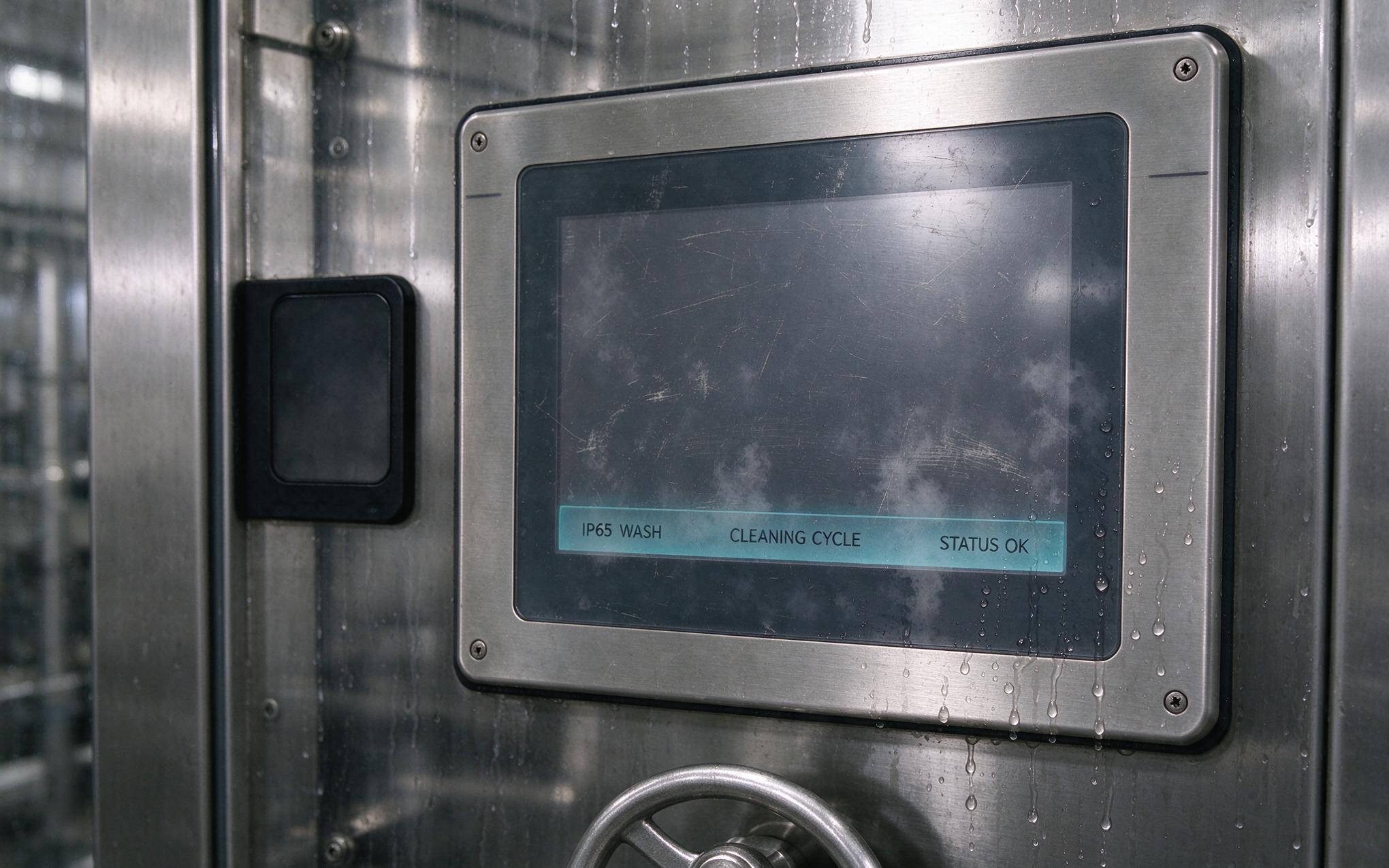
C1D2 compliance is not a simple label applied after the fact. Under NEC Article 500-506, Division 2 locations are defined as areas where hazardous concentrations of flammable gases or vapors exist only under abnormal conditions such as equipment failure or ventilation breakdown. The enclosure must prevent gas ingress and contain any internal ignition event. Sealed aluminum or stainless steel housings form the foundation, achieving a minimum IP66 rating to block dust and powerful water jets. All cable entry points require explosion-proof cable glands or M12 sealed connectors rather than standard pass-through openings. The front panel display area must be bonded directly to the enclosure gasket to eliminate air gaps where flammable vapor could collect.
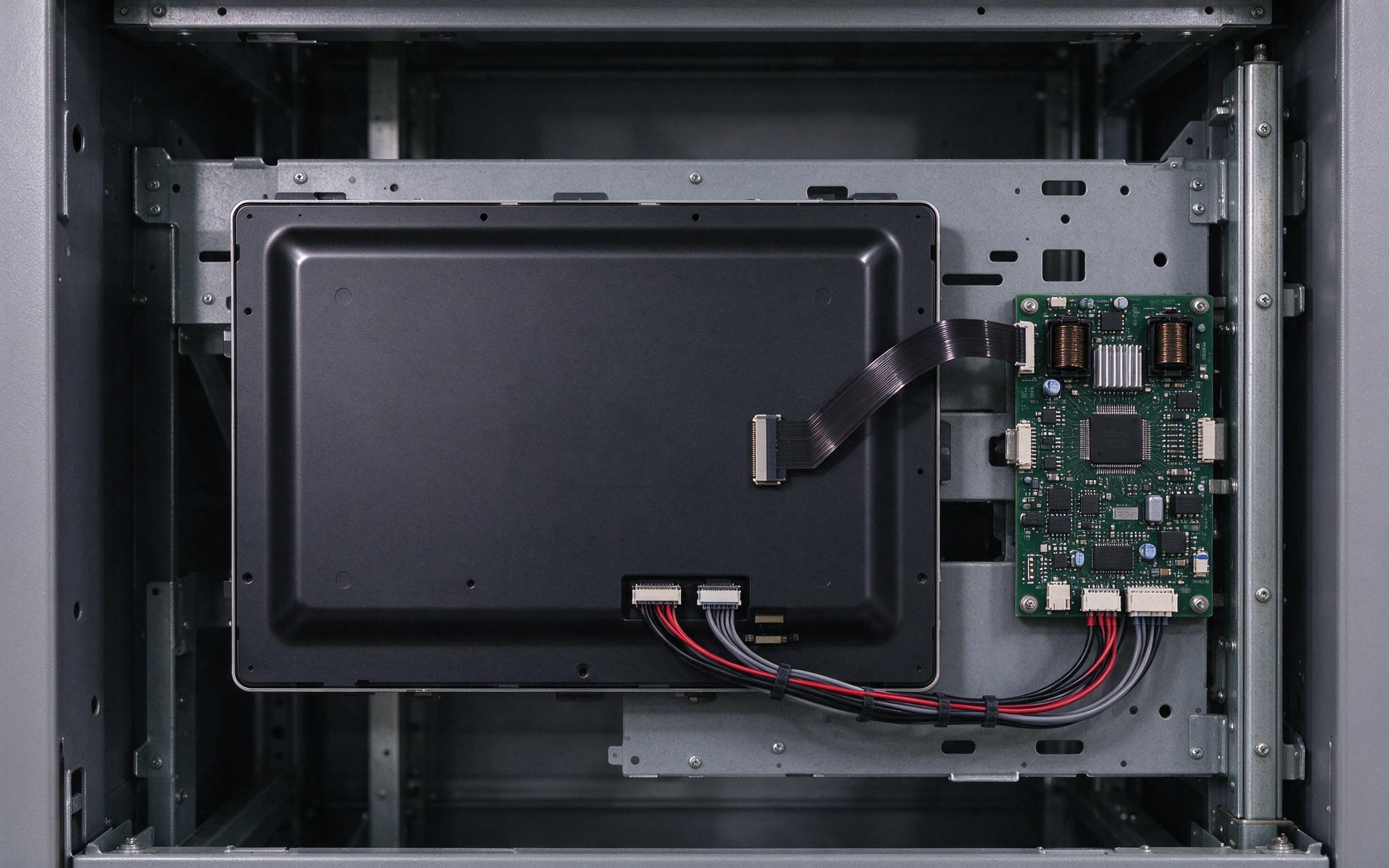
These physical constraints reshape the entire mechanical design of an embedded panel pc, from heat sink fin geometry to I/O port placement on sealed side panels rather than the rear face. Integrators should verify the specific UL file number or IECEx certificate covers the exact model and configuration being specified, since certification applies to the complete assembly, not just the chassis.

Managing Thermal Loads in Fanless Hazardous Designs
The conflict between sealed enclosure design and thermal management is one of the most demanding engineering challenges for embedded panel pc platforms in C1D2 environments. A sealed housing eliminates forced-air cooling, meaning all processor heat must dissipate passively through the enclosure walls. Surface temperature becomes a critical safety parameter — under T4 classification, no external surface may exceed 135°C, and many C1D2 installations require the more restrictive T3 limit.
Fanless thermal architecture addresses this through direct-contact heat pipe systems that draw energy from the CPU die to the aluminum chassis. The enclosure itself becomes the heat sink, with fin geometry optimized for convective airflow across the exterior surface. Ambient temperature ranges in hazardous locations frequently span from minus 20°C in northern pipeline stations to plus 60°C in Middle Eastern refinery environments. Selecting a unit with a rated operating range covering the full expected temperature span prevents thermal throttling during seasonal extremes. Manufacturers like KOXIAN engineer sealed fanless platforms with copper heat pipe arrays that maintain junction temperatures well below T4 thresholds even at sustained full CPU load.

Verifying Certification Scope Before Purchase
System integrators evaluating C1D2 solutions must verify certification documentation rather than relying on general product specifications. An embedded panel pc marketed as “rugged” does not automatically meet hazardous location requirements. The team should request the specific UL file number, ATEX certificate, or IECEx certification covering the exact model and configuration — including processor variant, memory, and I/O modules, since certification applies to the complete assembly. Beyond certification, practical selection factors include dual power input for redundancy, industrial-grade storage rated for continuous write operations, and interface options supporting the facility’s communication architecture. M12 Ethernet connectors and isolated serial ports are standard requirements.

Procurement Timelines and Site Commissioning
Lead times for C1D2-certified embedded panel pc platforms typically run longer than standard industrial models due to specialized enclosure manufacturing and third-party testing. Project timelines should account for this procurement reality from the earliest design phase. In oil refineries, chemical plants, grain elevators, and pharmaceutical processing areas, a unit that arrives after the facility commissioning date becomes a costly bottleneck. Planning the hardware specification early — and confirming that the chosen manufacturer like KOXIAN maintains inventory of certified configurations — reduces the risk of schedule overruns in hazardous location projects.
C1D2 certification shapes every aspect of panel pc design in hazardous environments, from sealed enclosures and cable gland selection to fanless thermal paths that keep surface temperatures below ignition thresholds. Selecting a properly certified embedded panel pc is a regulatory requirement and a fundamental safety obligation. Verifying the certification scope, confirming the thermal rating against actual site ambient, and planning procurement lead times early are the practical steps that prevent inspection failures and ensure uninterrupted operation.