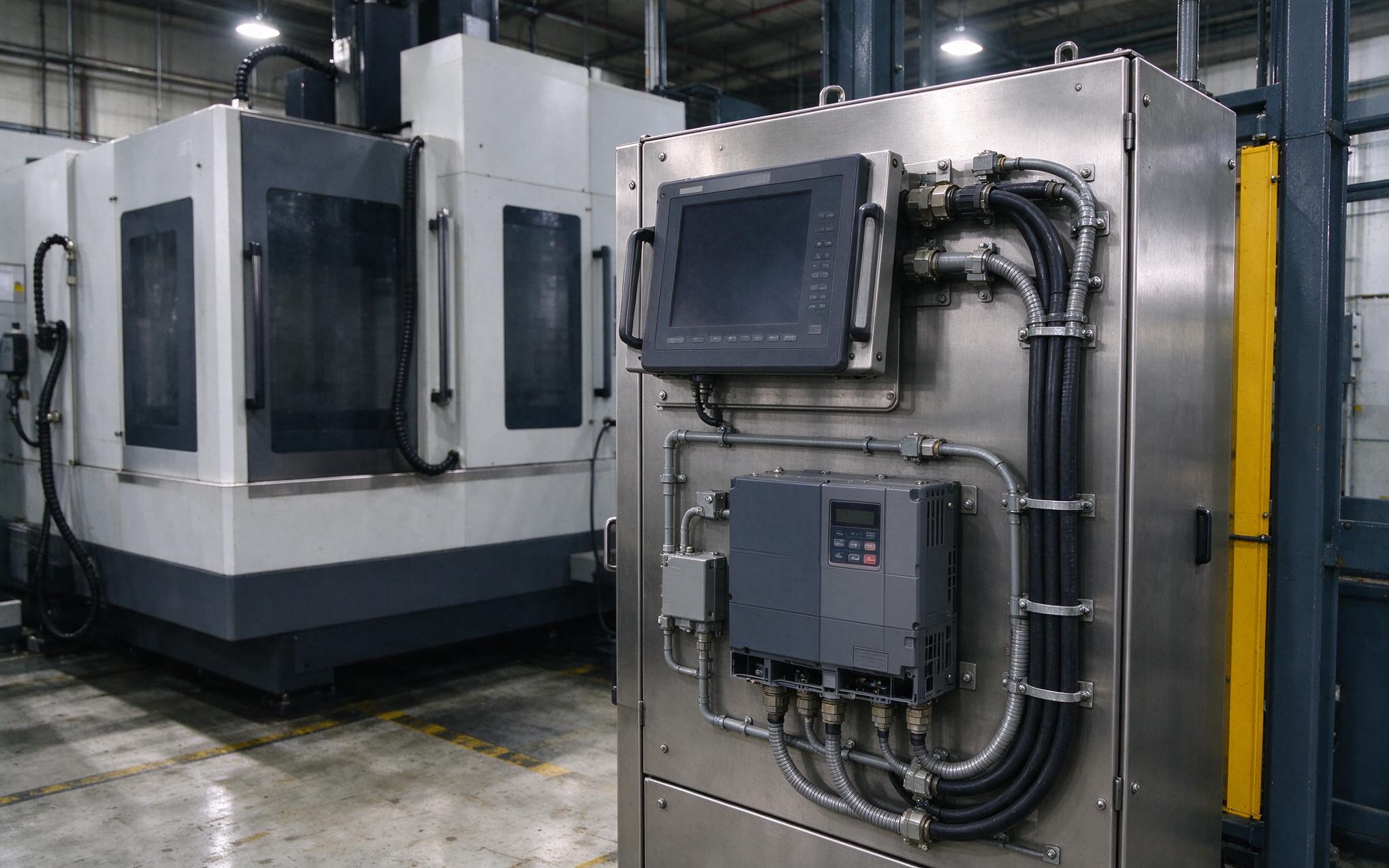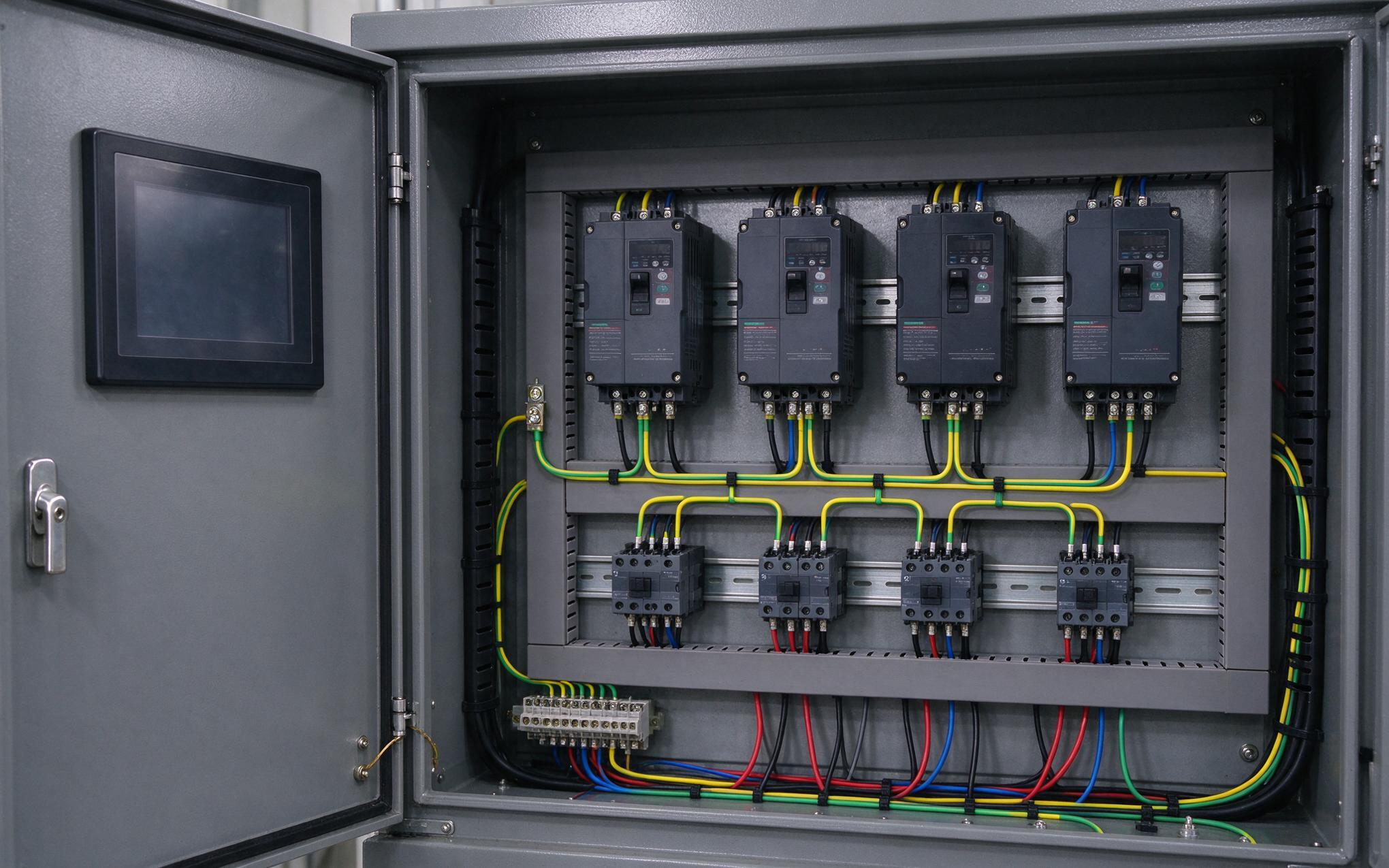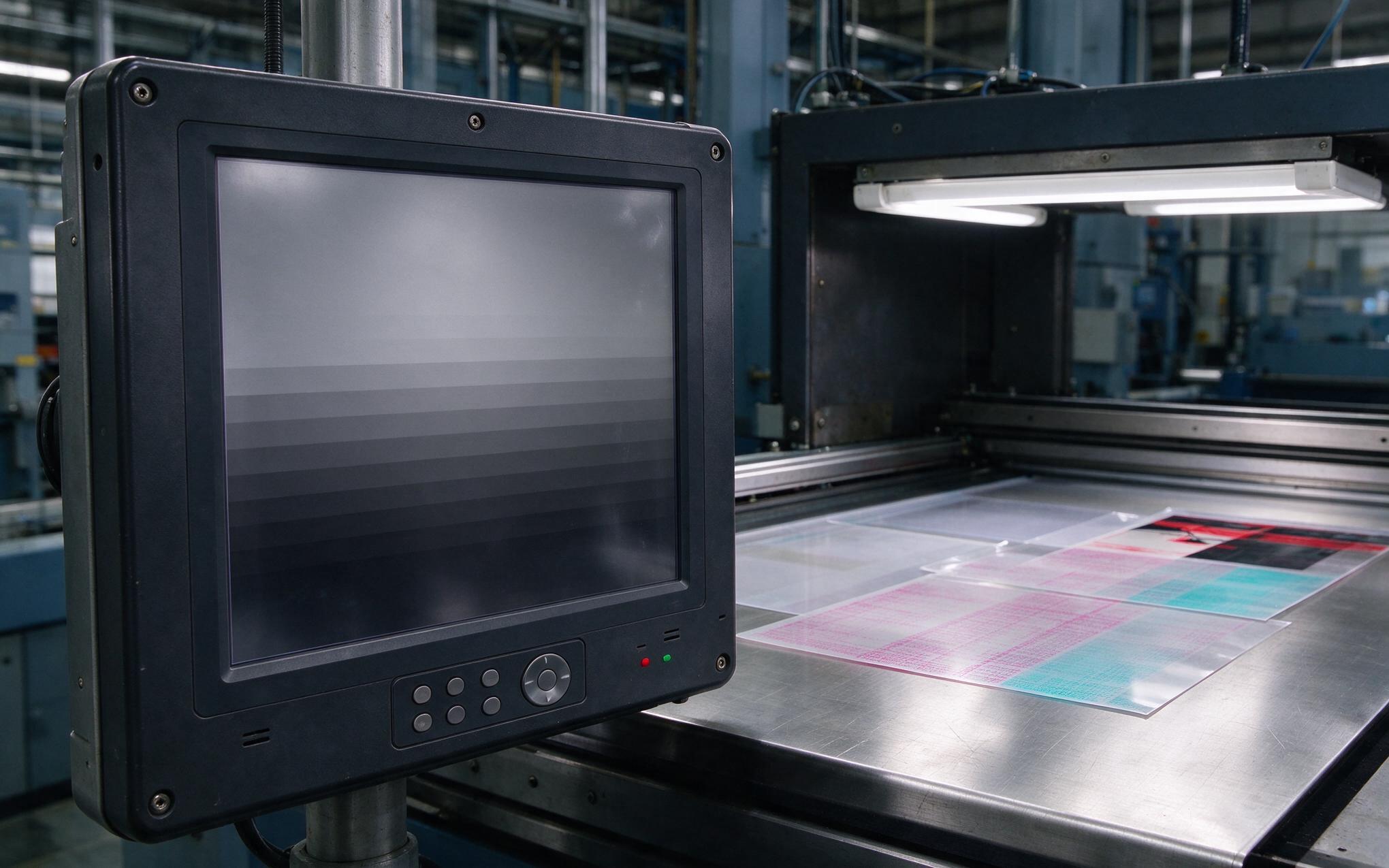
The industrial edge is undergoing a compute transformation that rivals the shift from fixed-function controllers to general-purpose processors. Edge AI inference—running trained machine learning models directly on factory-floor hardware rather than in distant cloud data centers—has moved from pilot programs to production deployments. What makes this moment different is the silicon underneath. Advanced semiconductor process nodes are delivering neural processing capabilities at power and thermal envelopes that fit inside a fanless panel PC. As fabrication pushes into the 2-nanometer era and dedicated AI accelerators proliferate, the compute architecture inside industrial panel PCs is being fundamentally reshaped.
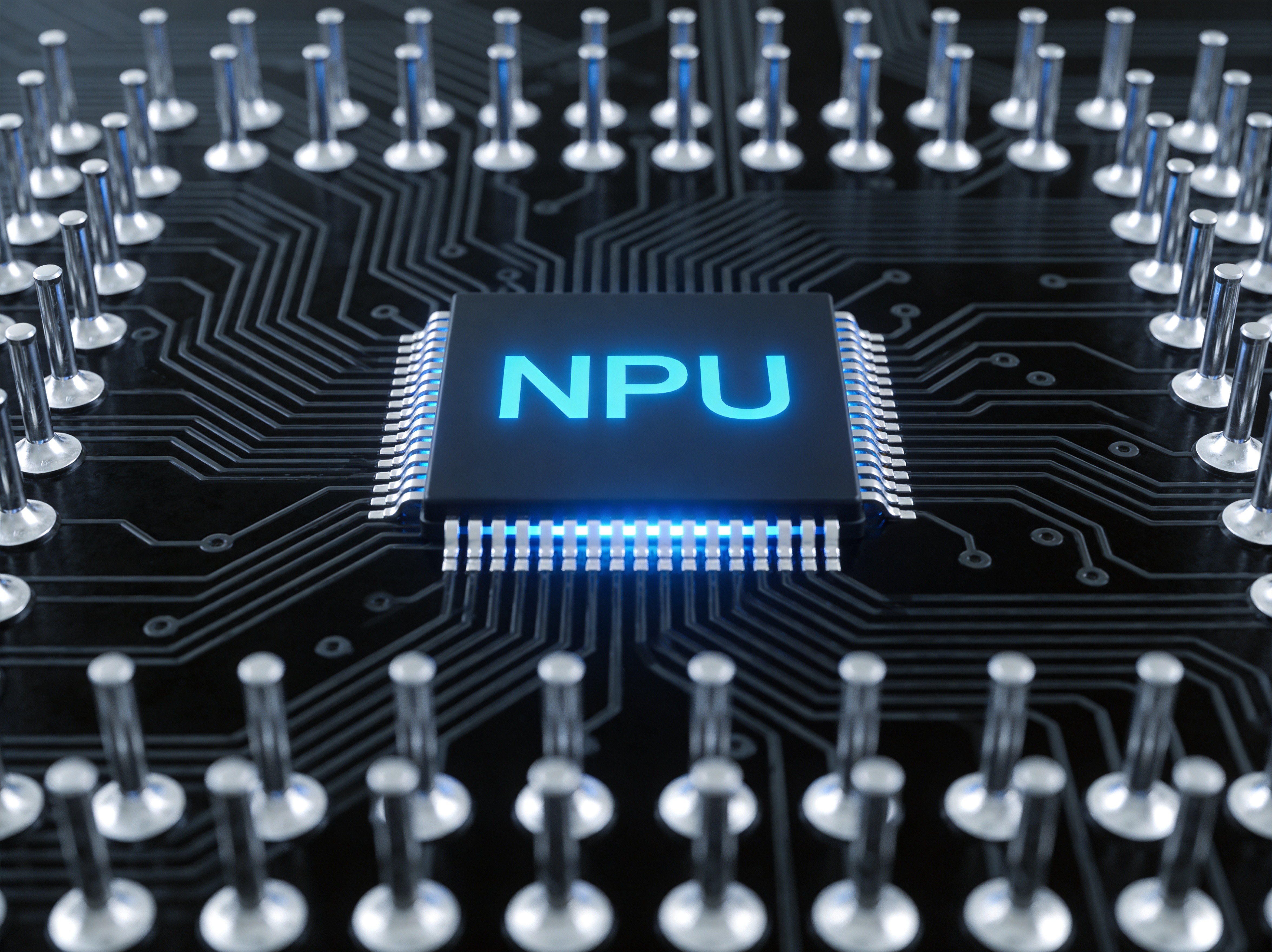
The Silicon Revolution Driving Edge Inference
The semiconductor industry has crossed a threshold that directly benefits industrial edge computing. TSMC began volume production of its 2-nanometer process node in 2026, delivering a fifteen to twenty percent performance improvement at the same power draw compared to the previous generation. For panel PC designers, this means more inference throughput without exceeding the thermal constraints of a sealed, fanless enclosure. The transistor density gains enable system-on-chip architectures that combine CPU cores, GPU clusters, and dedicated neural processing units on a single die, eliminating the power-hungry interconnects that previously made edge AI impractical in compact industrial form factors. The result is a new class of panel PCs that can execute vision inspection models, acoustic anomaly detection, and predictive maintenance algorithms locally, without depending on cloud connectivity.
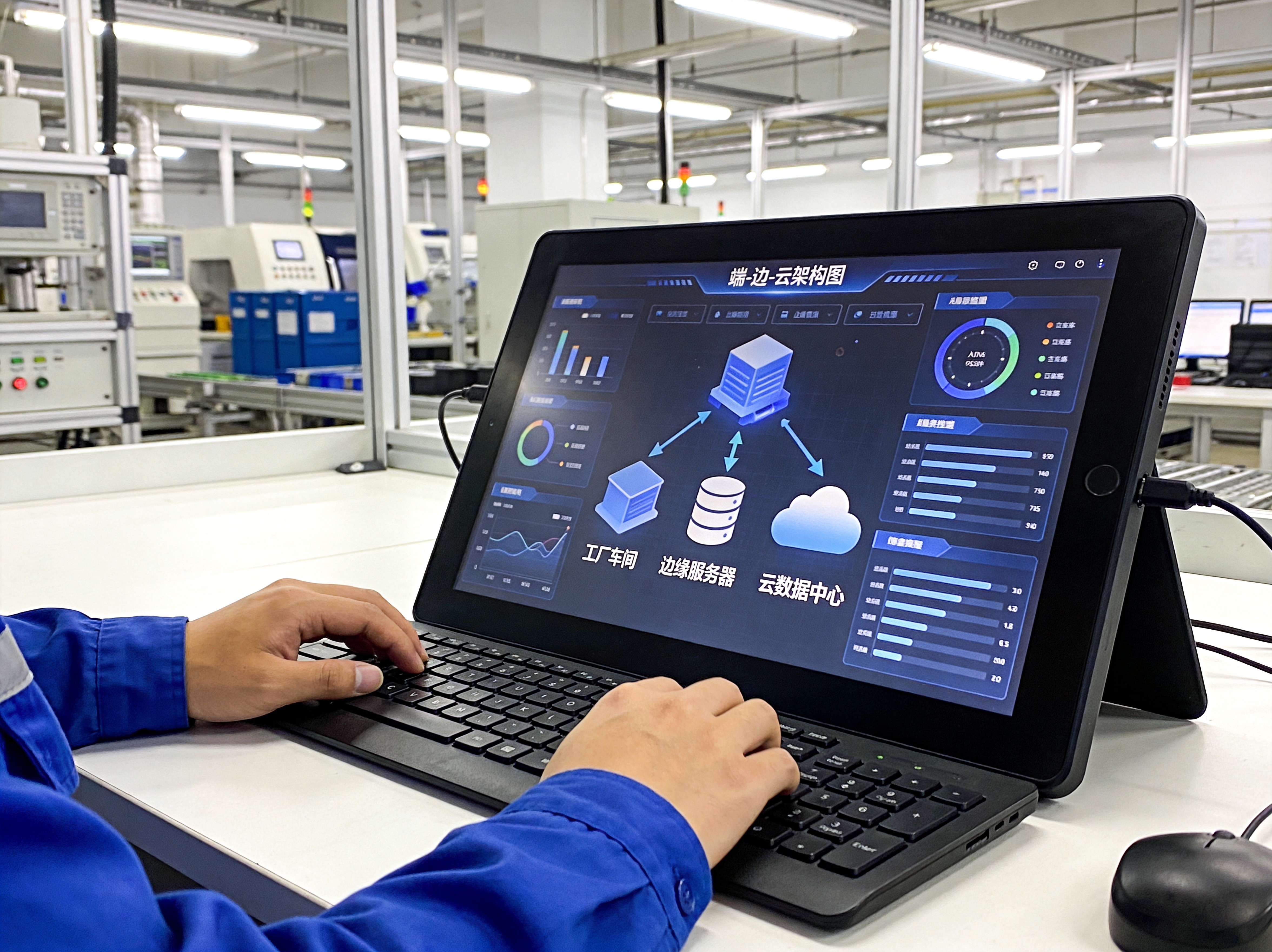
Market Validation: Edge AI Demand Surges in 2026
The silicon roadmap is not the only signal. Revenue data from the semiconductor supply chain confirms that edge AI has crossed into mass adoption. One prominent edge AI SoC vendor reported first-half 2026 net profit growth of 583 to 650 percent year-over-year, driven almost entirely by demand for inference processors targeting industrial, automotive, and smart retail applications. Across the industry, edge AI silicon shipments are outpacing even optimistic forecasts from 2024, as manufacturers accelerate deployment of vision-based quality inspection, real-time equipment monitoring, and autonomous material handling. For panel PC manufacturers, the hardware platform must evolve to support the throughput, memory bandwidth, and thermal management these workloads demand. KOXIAN has observed this shift in its engineering roadmap, where NPU-equipped panel PC configurations are now specified for over sixty percent of new industrial automation projects.
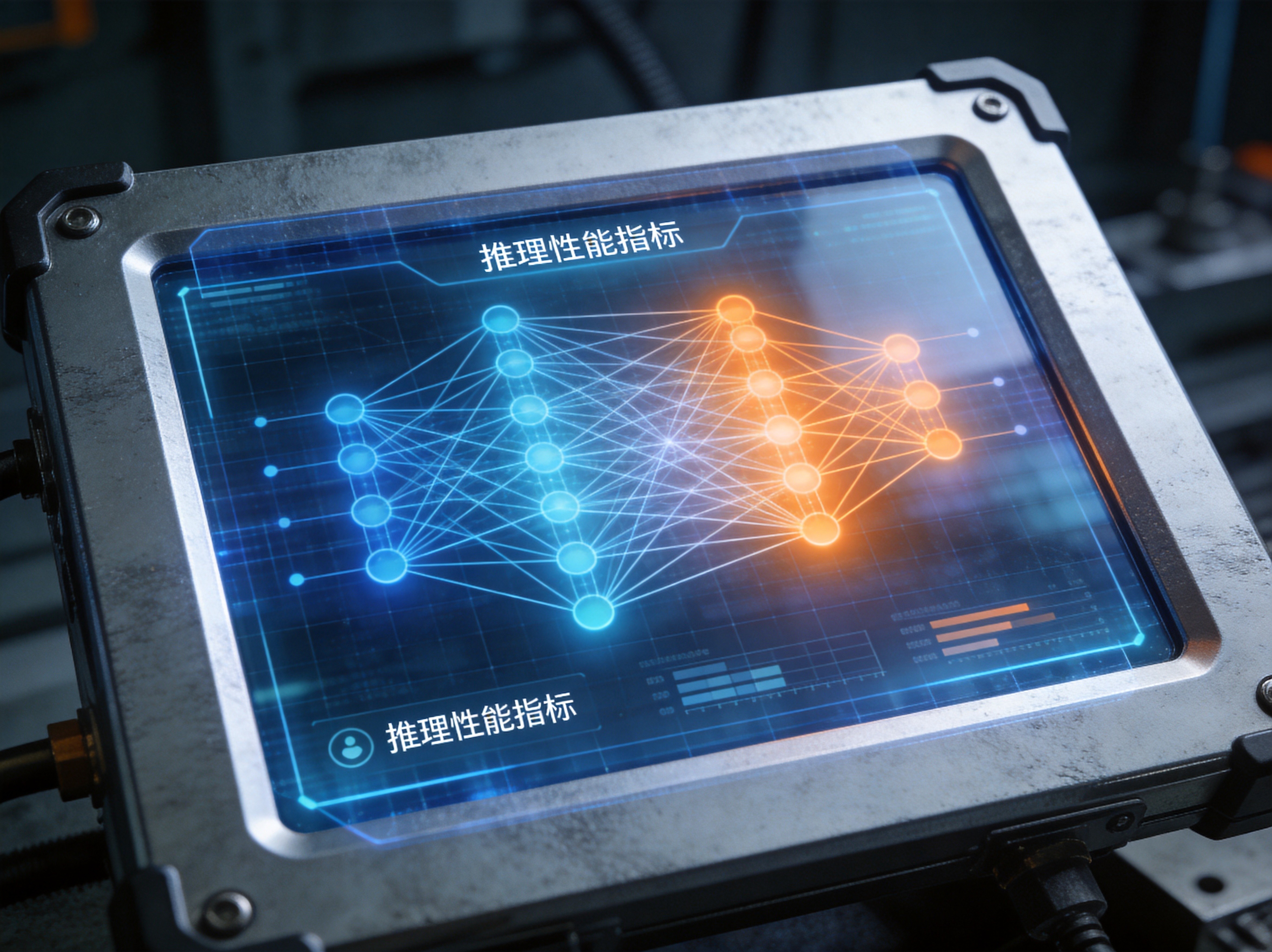
NPU Architecture and Panel PC Integration
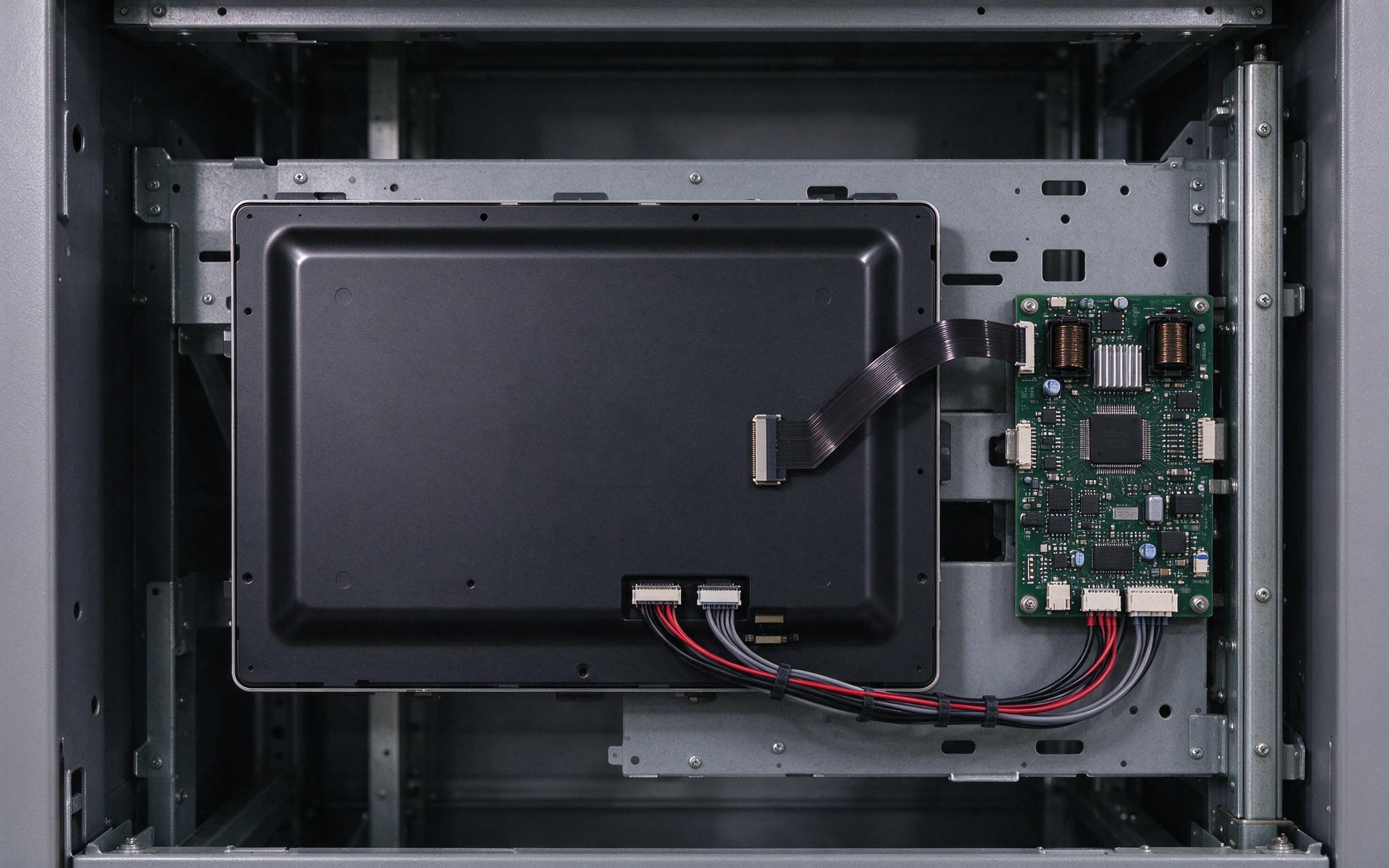
Integrating a neural processing unit into a panel PC demands more than a faster processor. The system architecture must be rethought around memory bandwidth, I/O throughput, and thermal dissipation. Modern NPUs require high-bandwidth memory interfaces to avoid stalling during inference, particularly for vision models processing high-resolution camera feeds at thirty frames per second or more. Panel PC designs must accommodate the additional power draw without compromising the fanless thermal envelope that keeps the unit sealed against dust and moisture. KOXIAN addresses this through a layered thermal management strategy combining heat-spreading chassis materials, strategic component placement, and dynamic frequency scaling that adjusts NPU clock speeds based on ambient temperature. The engineering goal is sustained inference performance across a full production shift, not just a burst measurement.
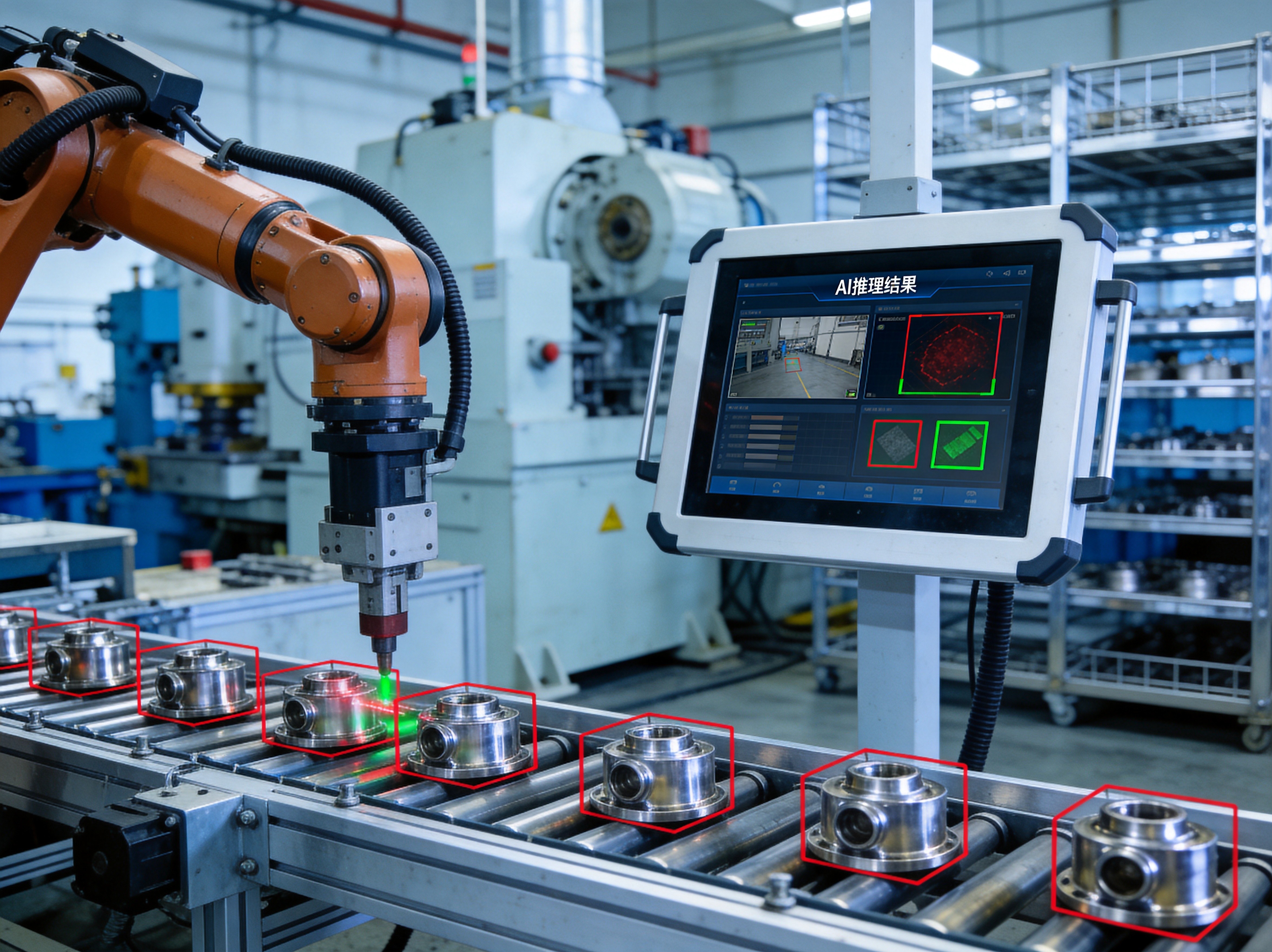
The End-Edge-Cloud Inference Continuum
The surge in data center CPU demand, driven by AI training and hyperscale cloud expansion, reinforces rather than competes with the edge inference trend. Large language models are trained in the cloud on massive GPU clusters, but the inference workloads that touch physical operations—quality inspection, worker safety monitoring, predictive maintenance—must execute at the edge where latency is measured in milliseconds. This creates a complementary architecture: cloud data centers handle model training and periodic retraining, while edge-deployed panel PCs run optimized inference engines against live production data. The 2-nanometer silicon that powers the cloud also trickles down to edge-optimized process nodes, creating a virtuous cycle where each generation of semiconductor advancement benefits both ends of the continuum. For industrial operators, the practical outcome is panel PCs that can execute increasingly sophisticated AI workloads without requiring a data center connection, keeping production lines running during network disruptions.
The convergence of advanced silicon, validated market demand, and maturing inference frameworks has created a window where edge AI is no longer aspirational—it is operational. Panel PCs built on next-generation process nodes with integrated NPUs are shipping today, and the deployment data from 2026 confirms the industrial sector is adopting them at a pace that exceeds earlier projections. As semiconductor fabrication advances and edge-optimized AI models grow more efficient, the compute capability packed into a fanless panel PC will continue to expand, unlocking use cases previously constrained to server racks in climate-controlled rooms. The silicon is ready. The use cases are proven. The industrial edge is computing smarter.