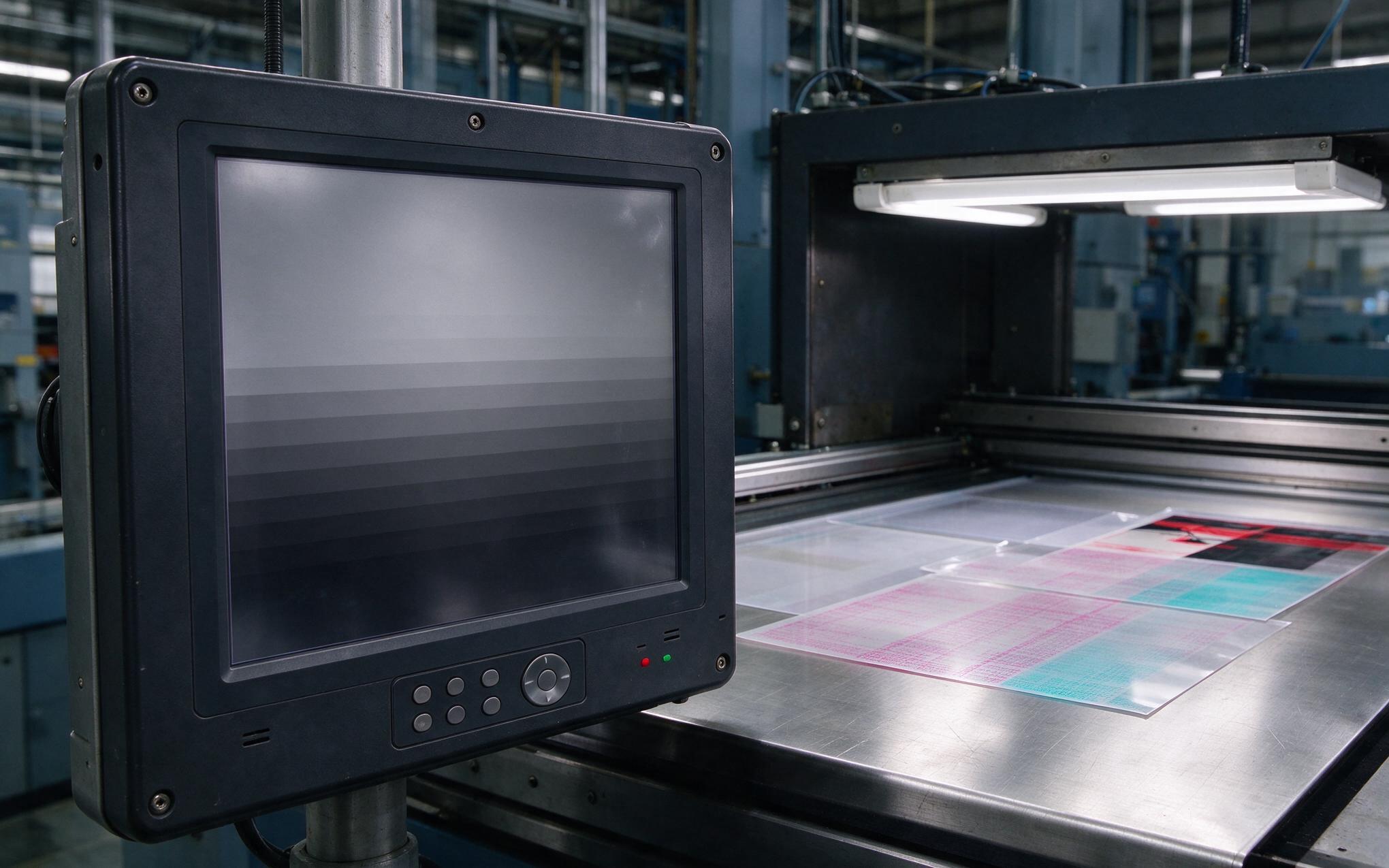
The industrial edge is undergoing a quiet but consequential transformation. As factories, logistics hubs, and energy installations generate terabytes of sensor data daily, the pressure to process that data locally — rather than shipping it to a distant cloud — has never been greater. The latest signal comes from Tokyo Artisan Intelligence, a Japanese fabless startup that announced on July 6, 2026, that its FPGA-based Sting Ray test chip, fabricated on a 40nm process, has completed validation and is moving toward production. The chip’s architecture is designed for low-power, multi-model inference at the physical edge, targeting infrastructure, industrial automation, and robotics. This development sharpens a question that system integrators have been asking for years: what hardware platform makes the best host for edge AI inference workloads in unforgiving industrial environments?
Why the Edge Needs Its Own Silicon
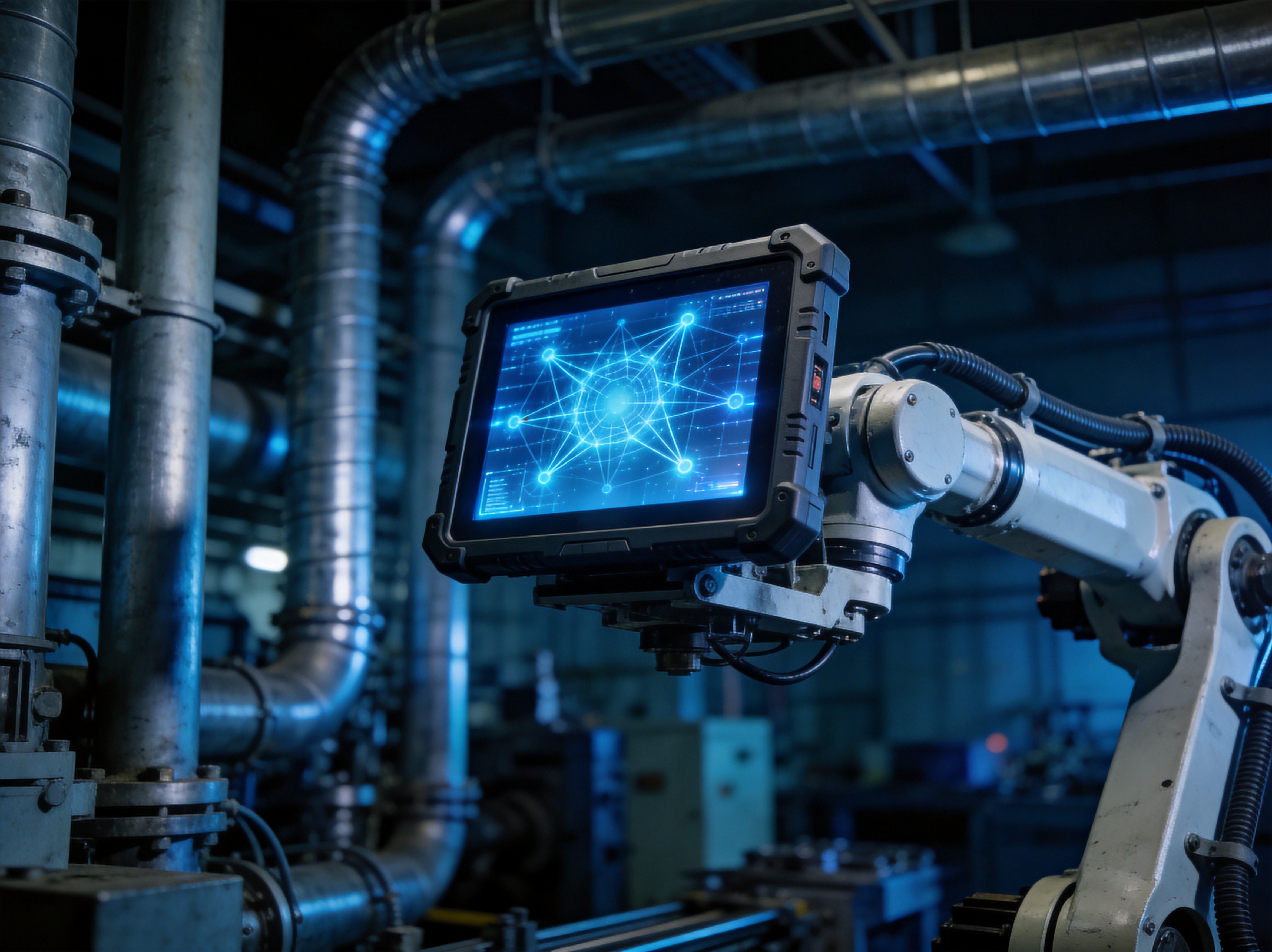
Cloud inference carries latency that is unacceptable for real-time industrial tasks. A vision-based defect detection system on a bottling line cannot afford a 200-millisecond round trip to a remote server. The TAI Sting Ray exemplifies a broader industry shift toward purpose-built edge NPUs — neural processing units that execute inference at under 5 watts. Unlike general-purpose GPUs repurposed for AI, these chips are architecturally optimized for the sparse, quantized tensor operations that dominate industrial vision models. The 40nm node, while mature, delivers a compelling cost-to-performance ratio for edge deployments where unit economics matter more than transistor density. Integrators embedding such silicon into panel PC architectures gain a self-contained inference node that eliminates the recurring cost and security exposure of upstream data transmission.
The Panel PC as an Inference Node
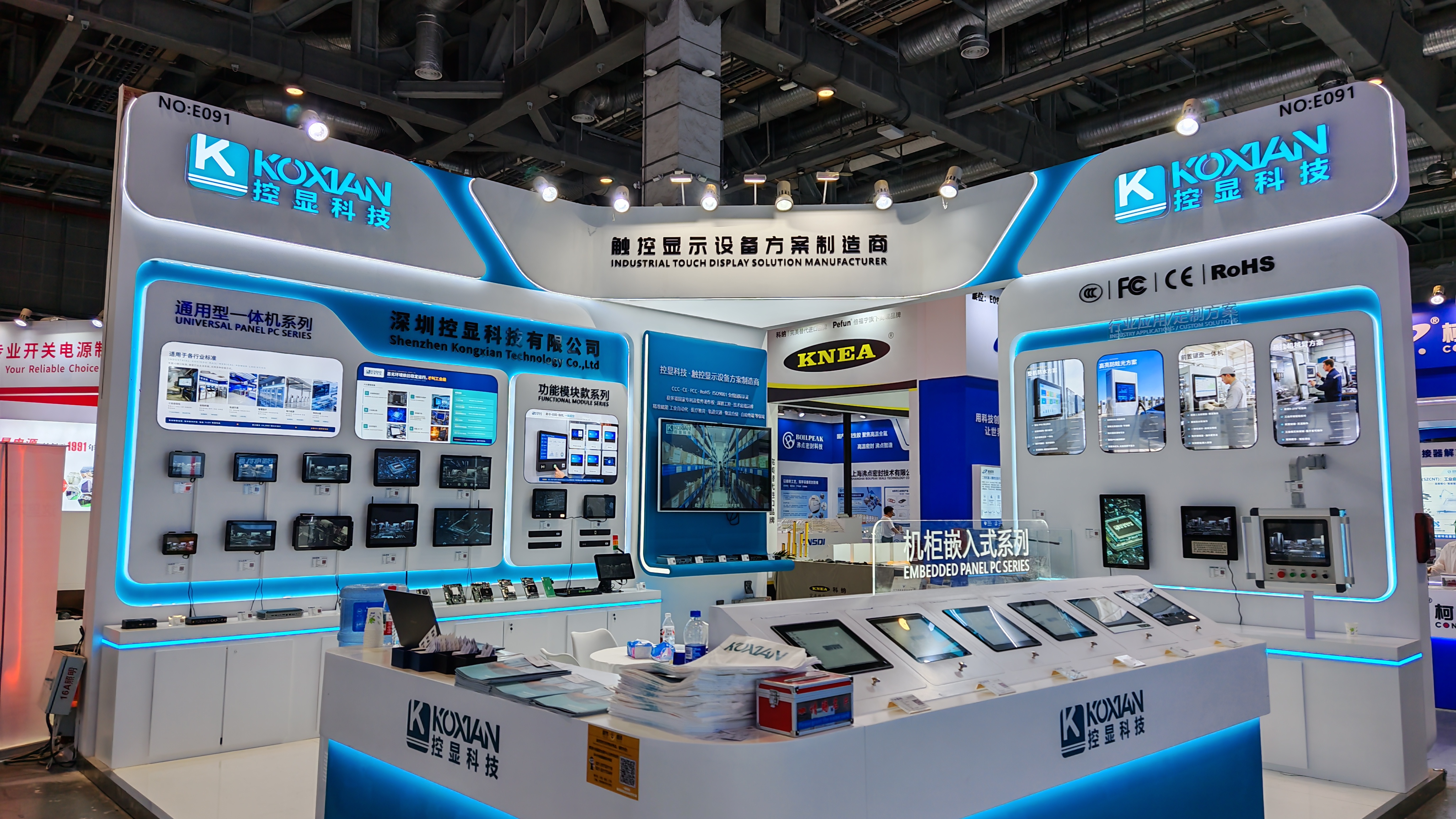
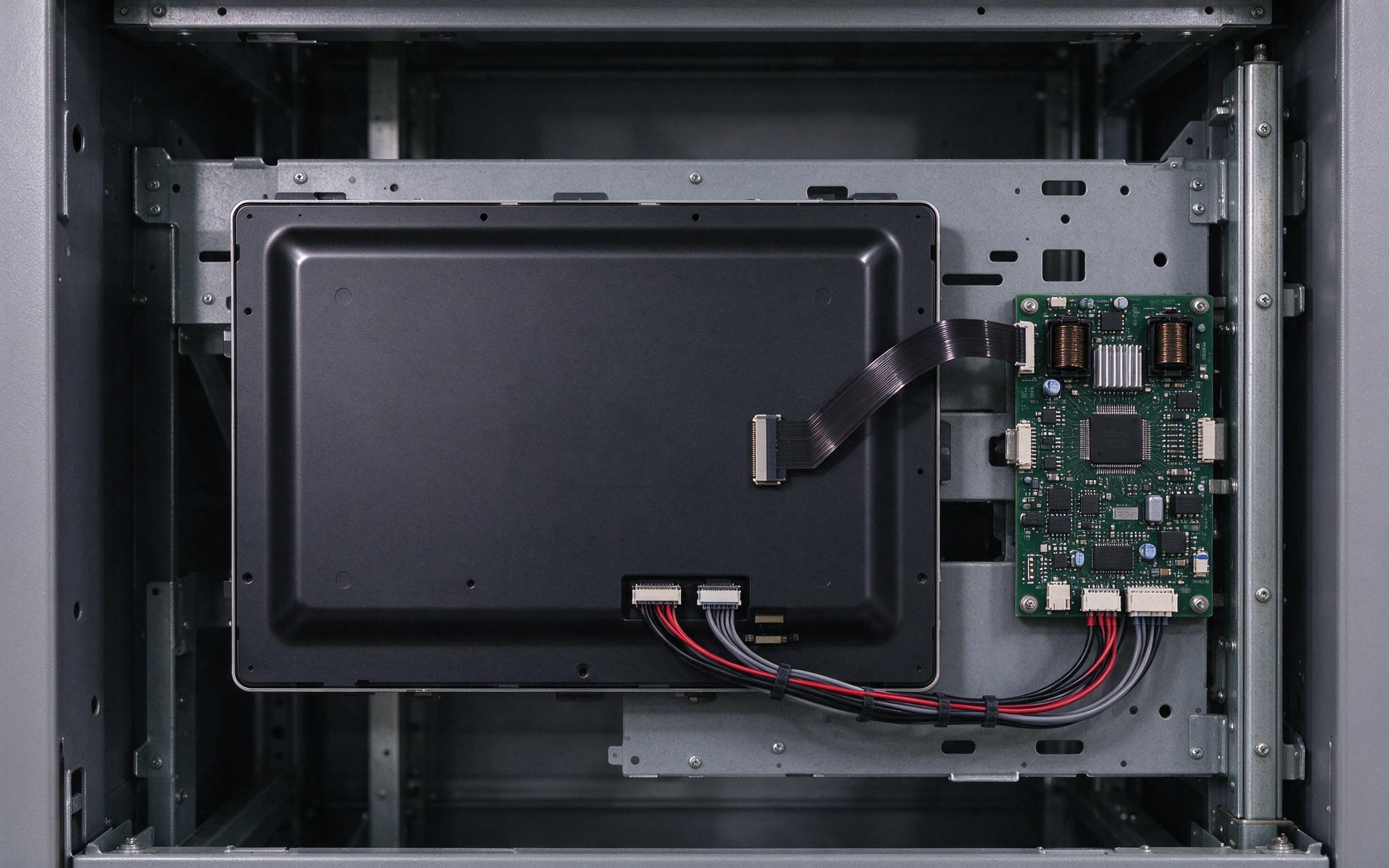
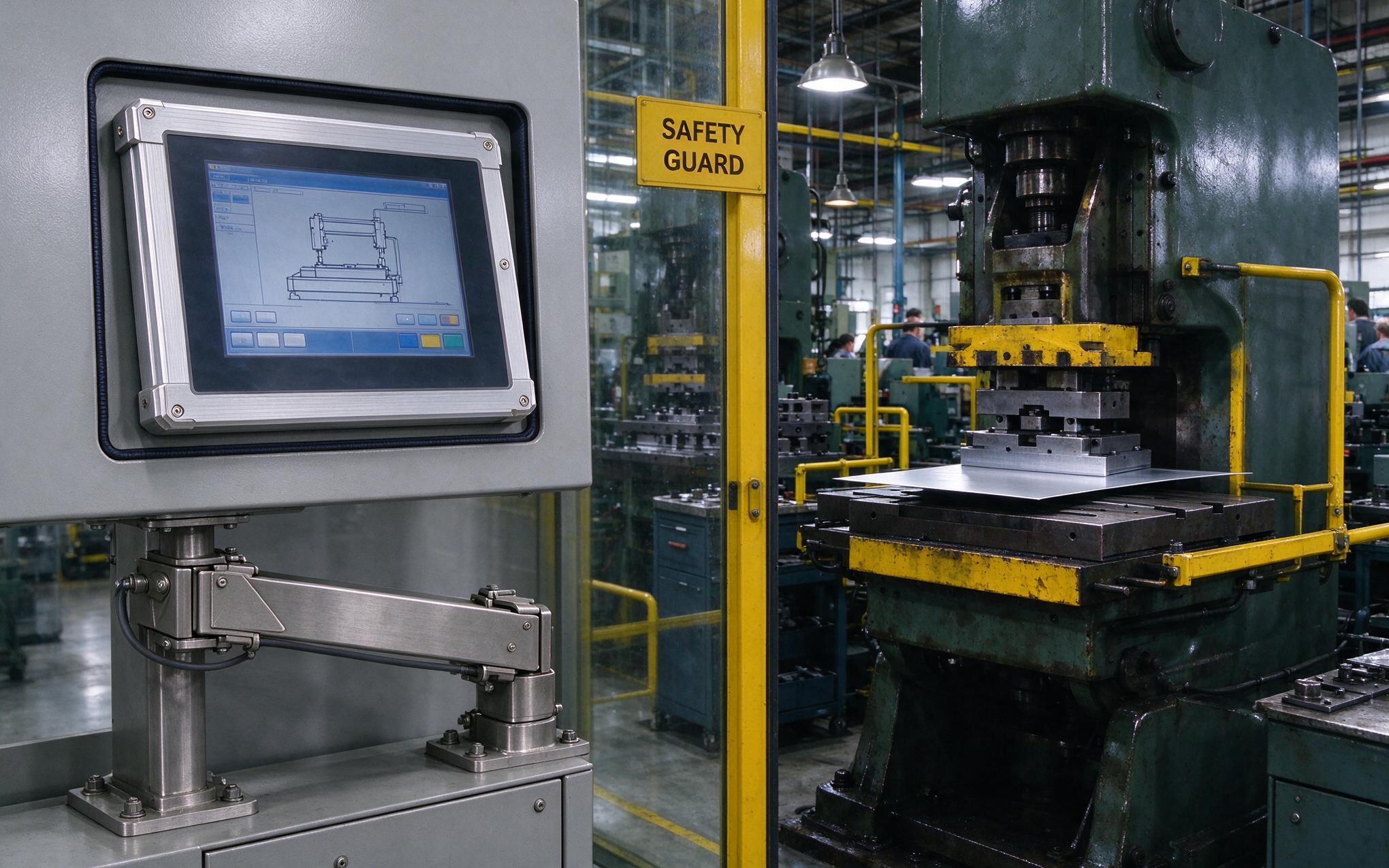
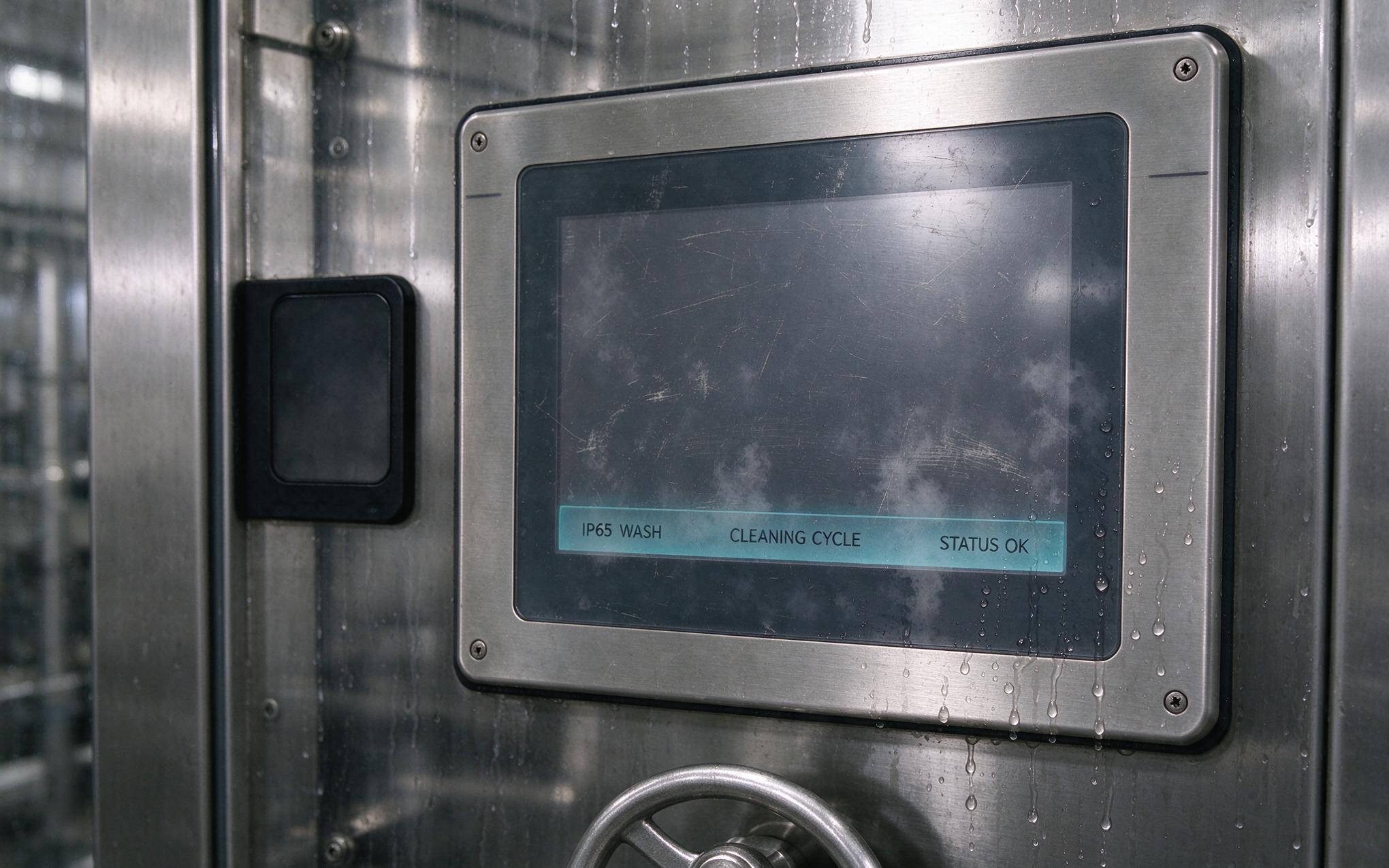
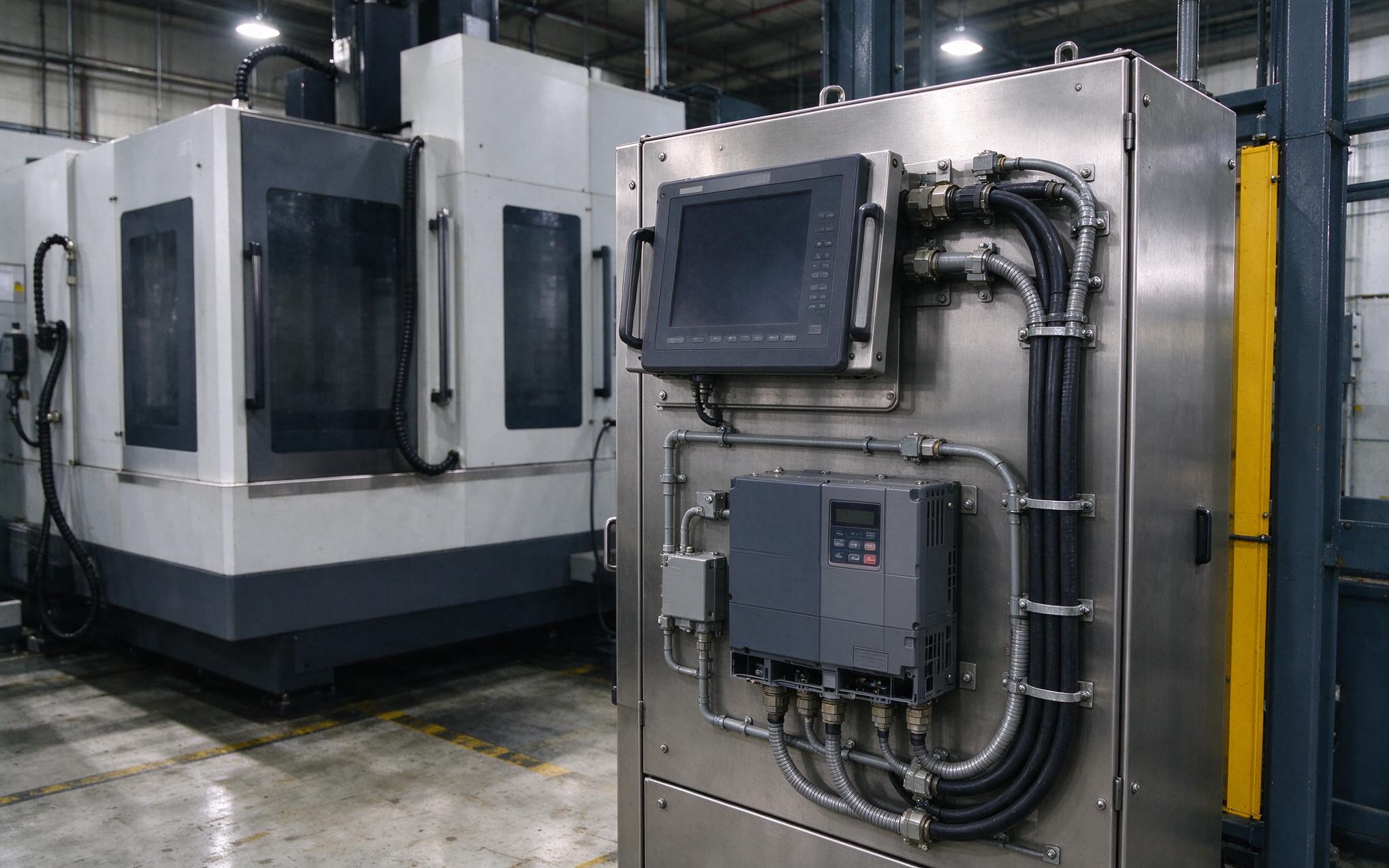
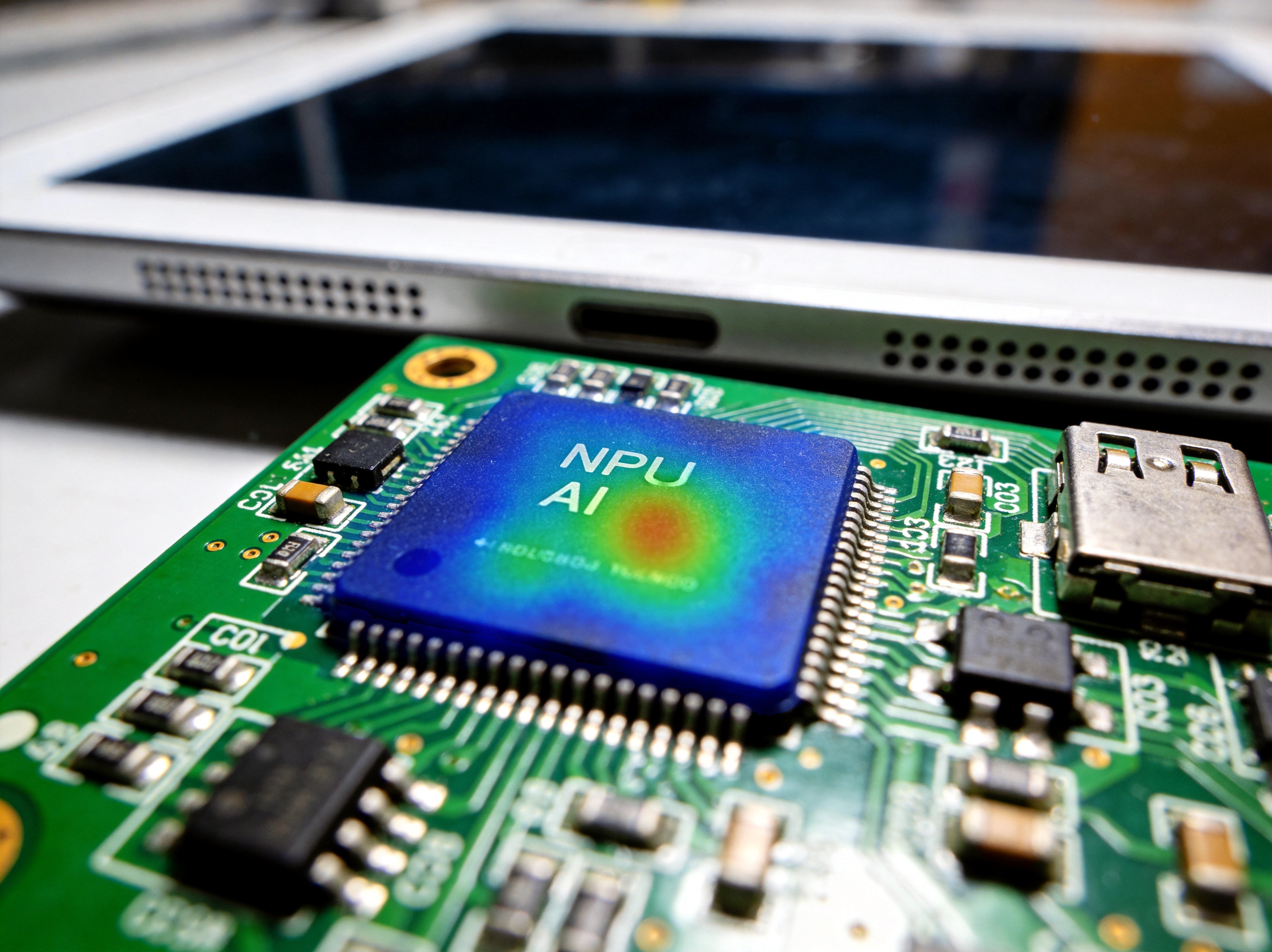
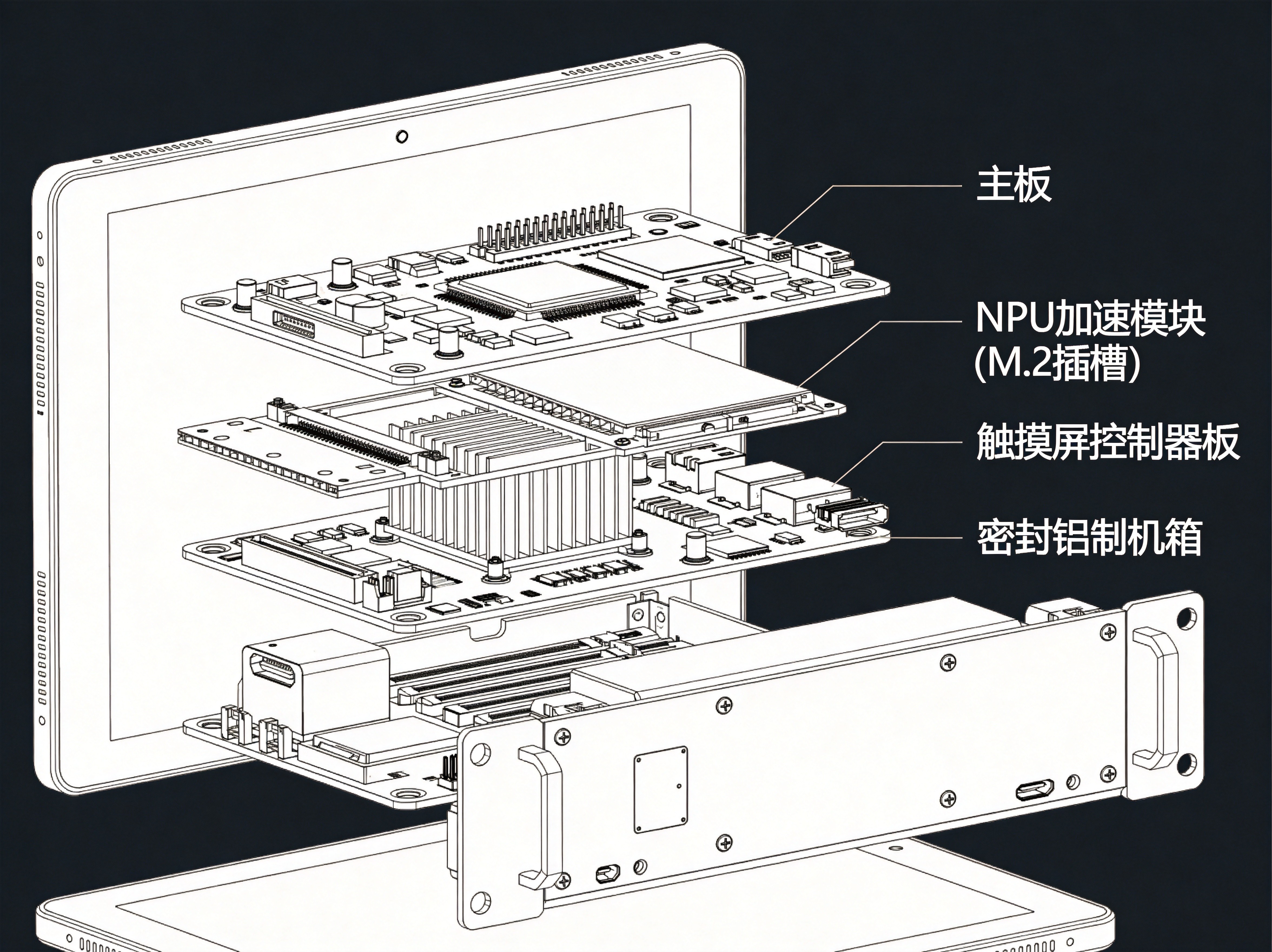
Panel PCs occupy a unique position in the edge AI stack. They combine display, touch interface, and compute in a single IP-rated enclosure that can be mounted directly on machinery, gantries, or wall brackets. When an NPU module is integrated into this form factor, the panel PC becomes a complete inference appliance — no separate vision controller, no external GPU enclosure, no additional cabling. This consolidation reduces the bill of materials and simplifies maintenance. Solutions from providers such as KOXIAN embed industrial-grade mainboards with M.2 expansion slots that accept AI accelerator modules, enabling integrators to pair an x86 host processor with a dedicated inference engine in a single chassis. The result is a deployment model where model inference, result visualization, and operator interaction all happen on the same surface.
Power Budgets and Thermal Constraints
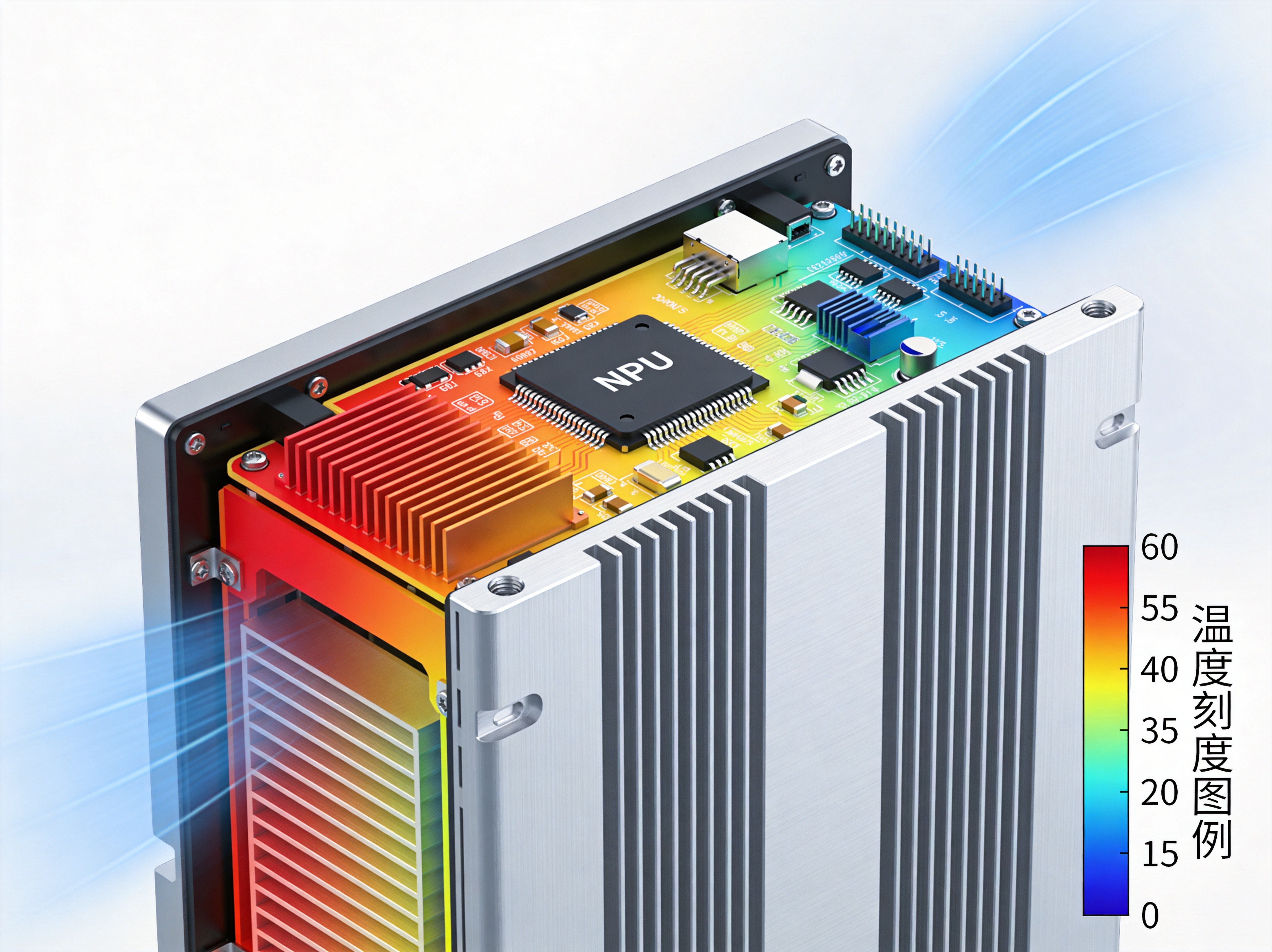
Sealed industrial enclosures impose strict thermal limits. A fanless panel PC rated for IP65 cannot dissipate heat through active airflow; it relies on passive conduction through the chassis. This is where low-power NPUs prove decisive. The Sting Ray architecture, operating in the single-digit watt range, generates negligible heat relative to even a modest embedded GPU. This thermal headroom allows the entire system — CPU, NPU, display backlight, and I/O — to operate within a sustainable envelope without throttling. KOXIAN panel PCs designed for edge AI workloads incorporate finned aluminum rear housings and strategic thermal interface materials that draw heat from the NPU module toward the external chassis wall, maintaining stable junction temperatures even during sustained inference workloads in ambient temperatures exceeding 50 degrees Celsius.
From Validation to Deployment: The Road Ahead
TAI’s validation milestone is just the beginning. The company’s roadmap extends to Manta Ray, a production-grade chip also on UMC’s 40nm process, targeting engineering samples by mid-2027 and mass production by late 2027. For system integrators, the timeline suggests that edge AI silicon will transition from evaluation kits to volume-priced modules within 18 to 24 months. The industrial panel PC ecosystem is already preparing for this shift. M.2 and mini-PCIe carrier boards with standardized NPU pinouts are emerging, and software stacks are converging around open runtimes that abstract away chip-specific SDKs. The vision is clear: a factory floor where every operator station doubles as an inference node, running defect detection, predictive maintenance, and safety monitoring models locally, with no cloud dependency and no perceptible latency.
The convergence of low-power edge silicon and ruggedized panel PC platforms marks a pragmatic inflection point for industrial AI. Rather than retrofitting data center architectures into factory settings, the industry is building inference hardware that respects the constraints of the shop floor: power, heat, dust, and vibration. The Sting Ray validation is one data point in a larger trend, but it underscores a principle that is gaining wide acceptance: the most effective industrial AI is the kind that runs quietly, locally, and reliably — exactly where the work happens.