Container terminals operate under a brutal arithmetic: every minute a vessel spends at berth costs the operator roughly four figures in port fees, fuel, and contractual penalties. The yard behind the quay is no less demanding — hundreds of trucks, straddle carriers, and rubber-tired gantry cranes move in a tightly choreographed sequence where a single scheduling delay cascades into hours of downstream congestion. At the center of this coordination challenge sits a deceptively simple piece of hardware: the industrial panel PC. Mounted inside crane cabins, yard control kiosks, and dispatcher workstations, these ruggedized computing platforms serve as the human-machine interface for the terminal operating system that orchestrates every container movement.
The Yard Scheduling Problem
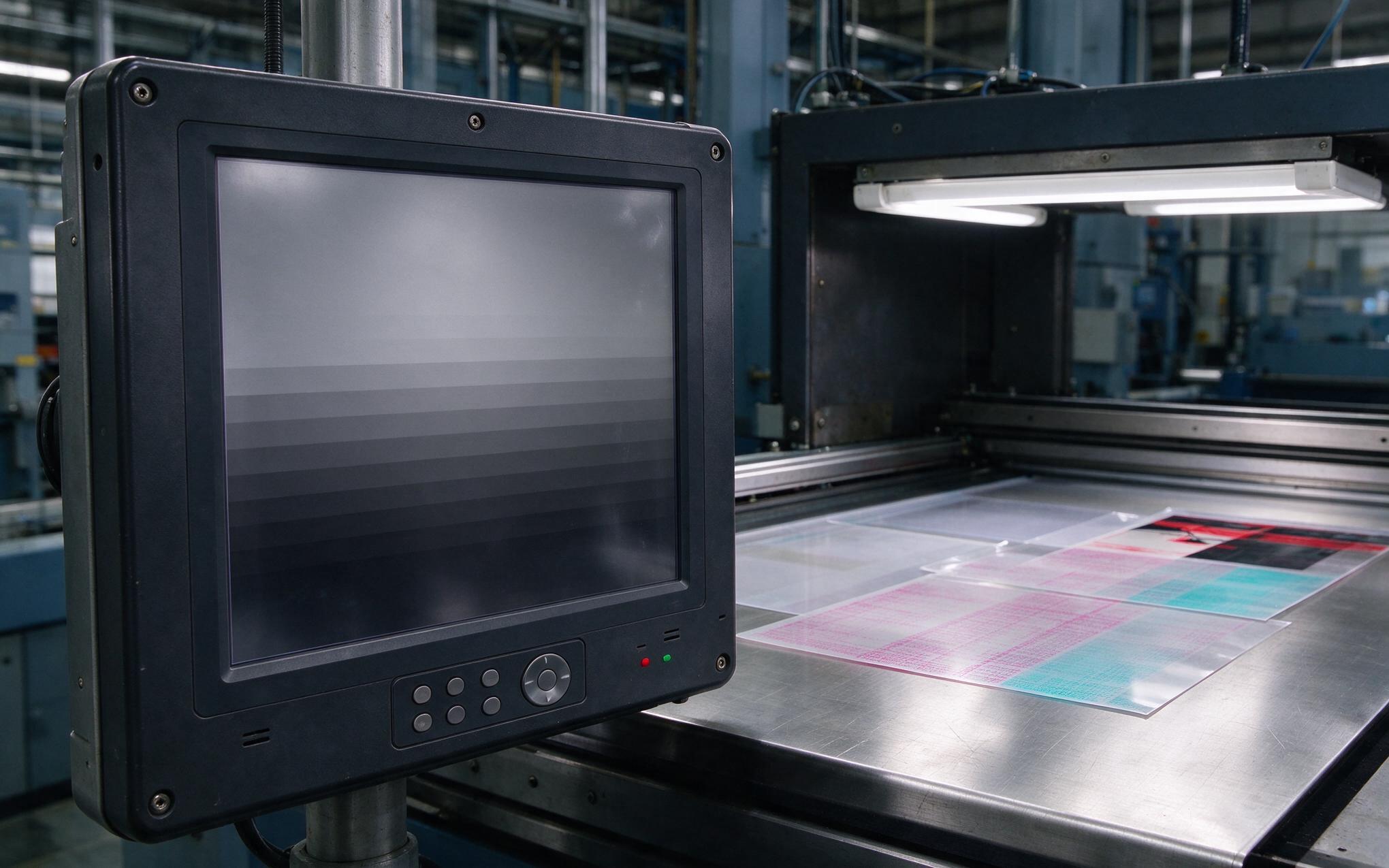
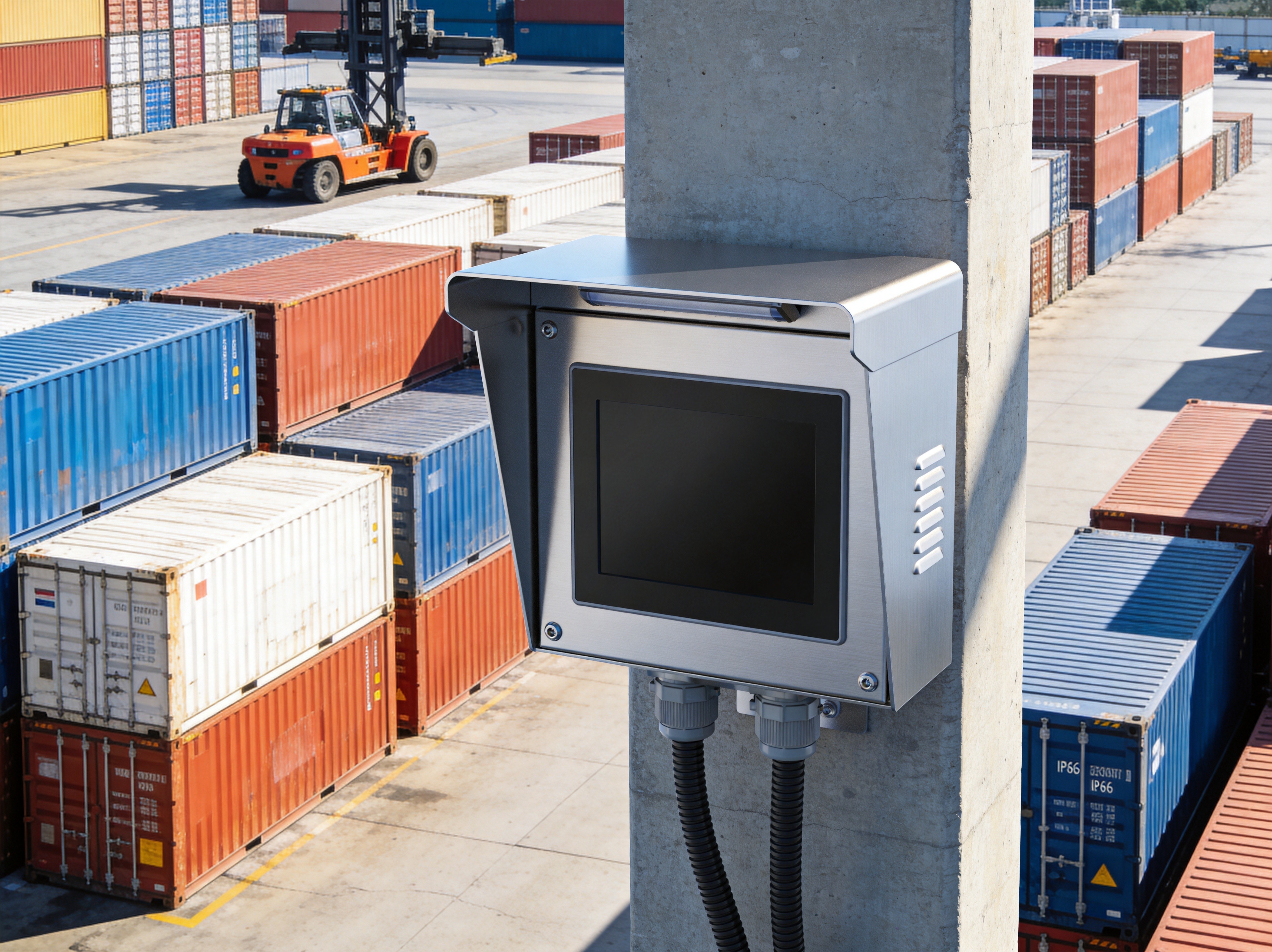
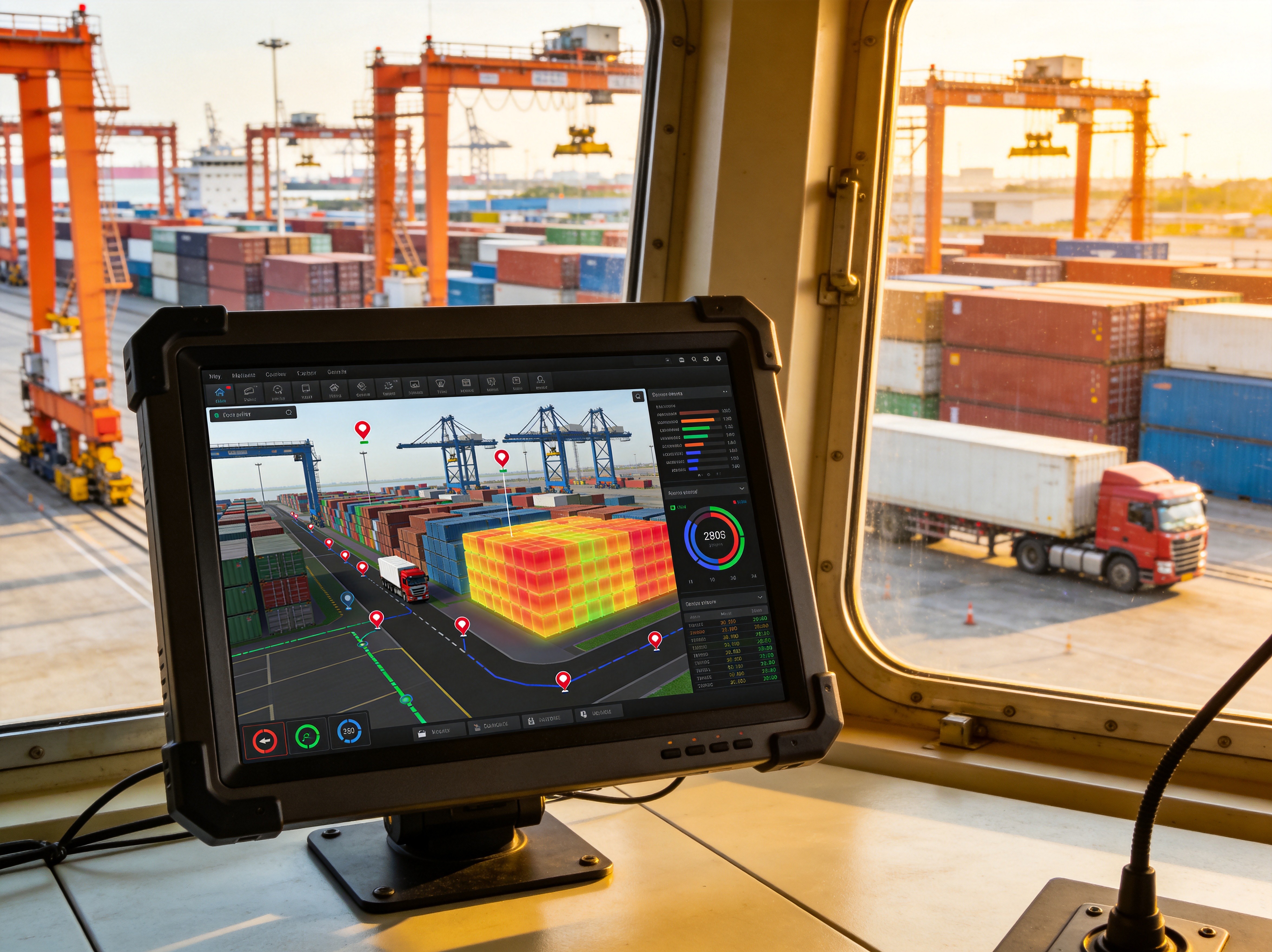
Yard scheduling is fundamentally a real-time optimization problem with hard physical constraints. A terminal operating system must assign incoming containers to stack positions, route internal trucks to the correct crane, and sequence pickups so that containers destined for the same vessel are grouped together — all while minimizing crane repositions and avoiding gridlock at choke points. The panel PC inside the yard control tower displays a live heatmap of stack utilization, truck queues, and crane status. Operators use this interface to override automated assignments when exceptions occur — a container placed in the wrong row, a truck that arrives out of sequence, or a crane that goes offline for maintenance. The display must remain legible under direct sunlight streaming through control tower windows, and the touchscreen must respond reliably even when the operator’s hands are damp from the humid coastal air.
Crane Dispatch and Operator Interface
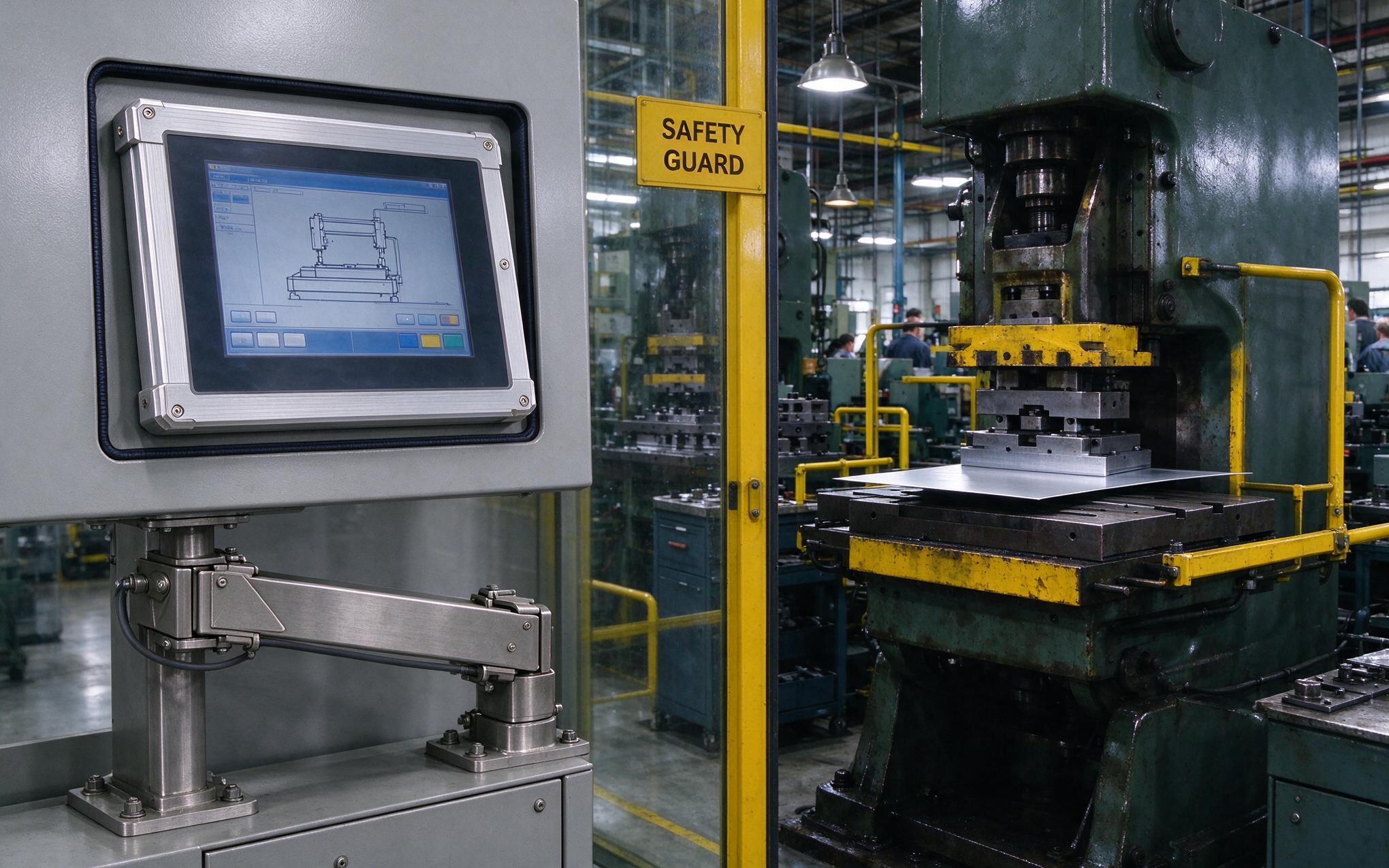
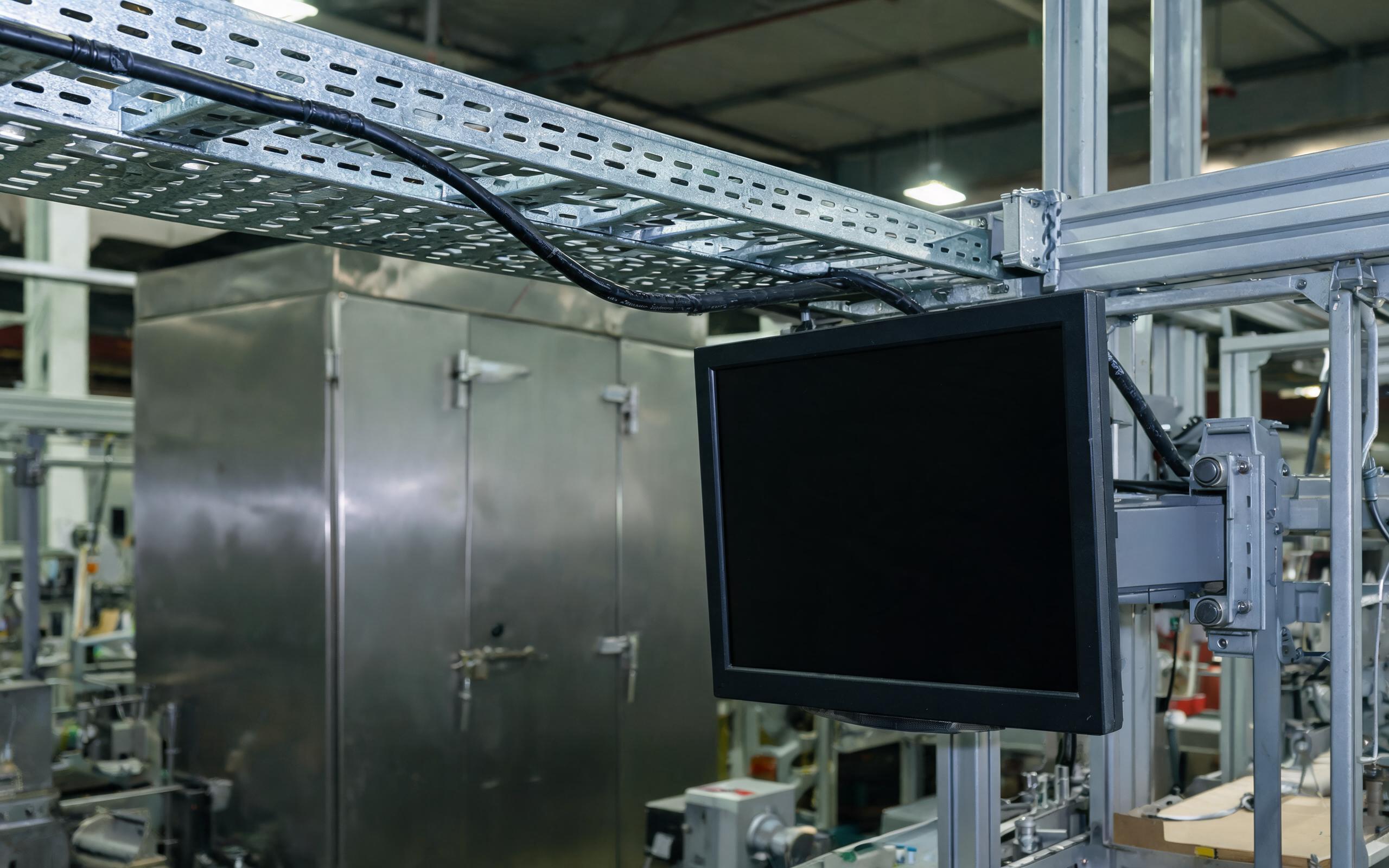
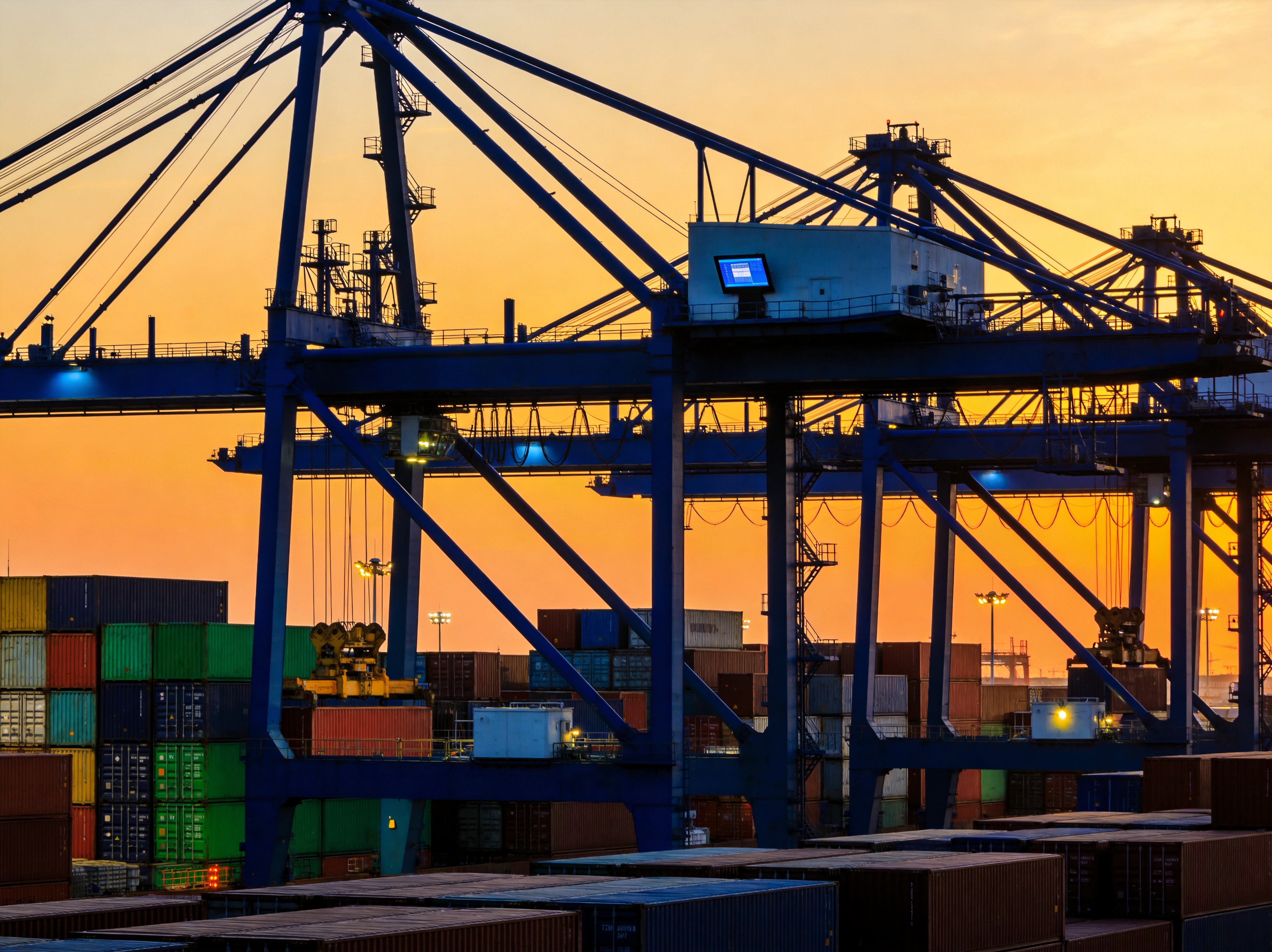
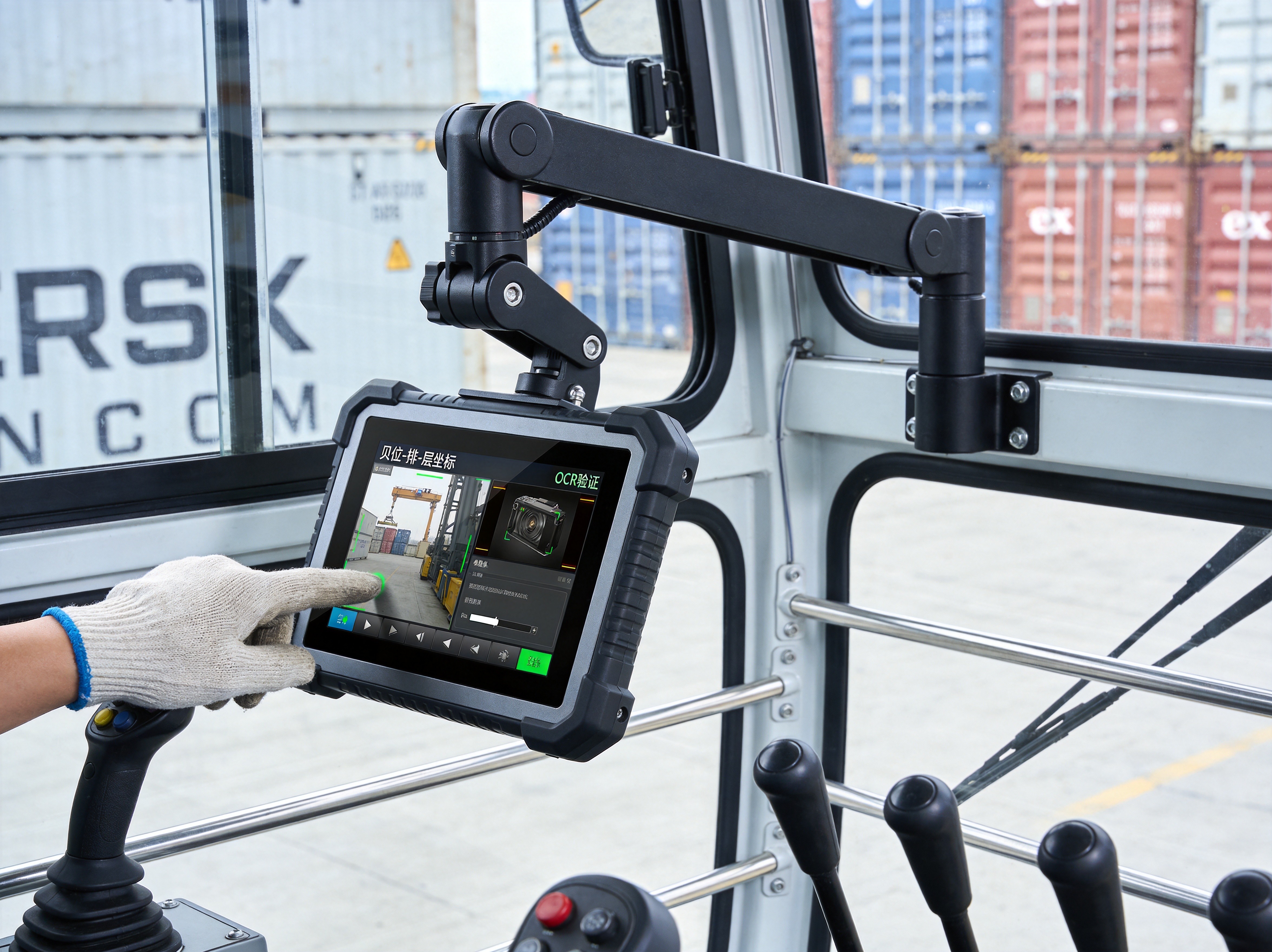
Ship-to-shore cranes and yard gantry cranes each carry a panel PC inside the operator cabin, typically mounted on an articulating arm for ergonomic adjustment. The display shows the next job in the queue: which container to pick, its bay-row-tier coordinates, and the destination — a truck lane, a stack position, or a vessel cell. Modern terminals increasingly augment this workflow with optical character recognition cameras that read container IDs and transmit them to the terminal operating system for verification. The panel PC consolidates these feeds onto a single screen, reducing the cognitive load on the operator who must simultaneously monitor the load, the surroundings, and the instructions. KOXIAN panel PCs deployed in port environments feature optically bonded displays that eliminate internal reflections, a critical requirement when the cabin glass introduces glare that would otherwise wash out the screen.
Environmental Hardening for Maritime Conditions
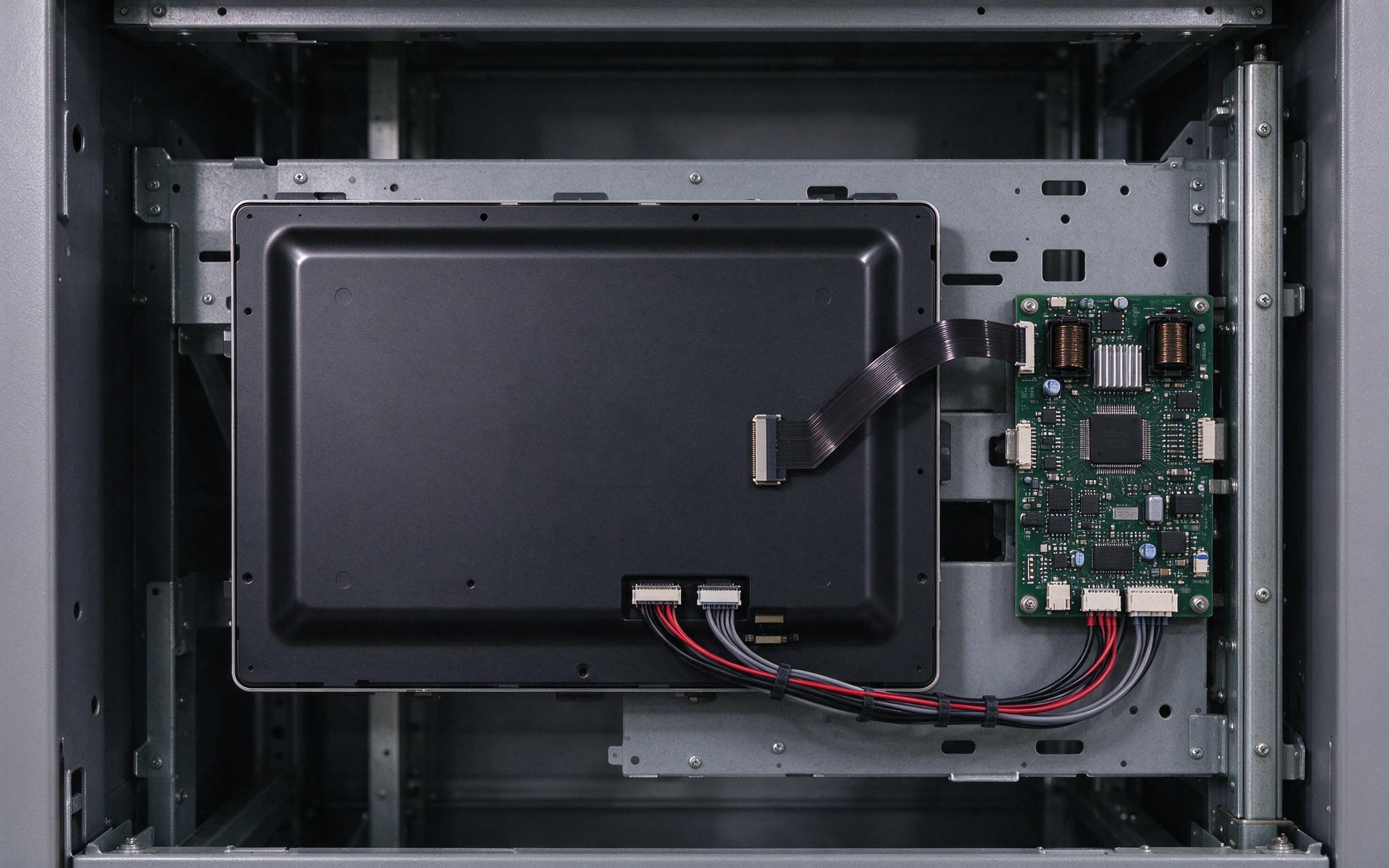
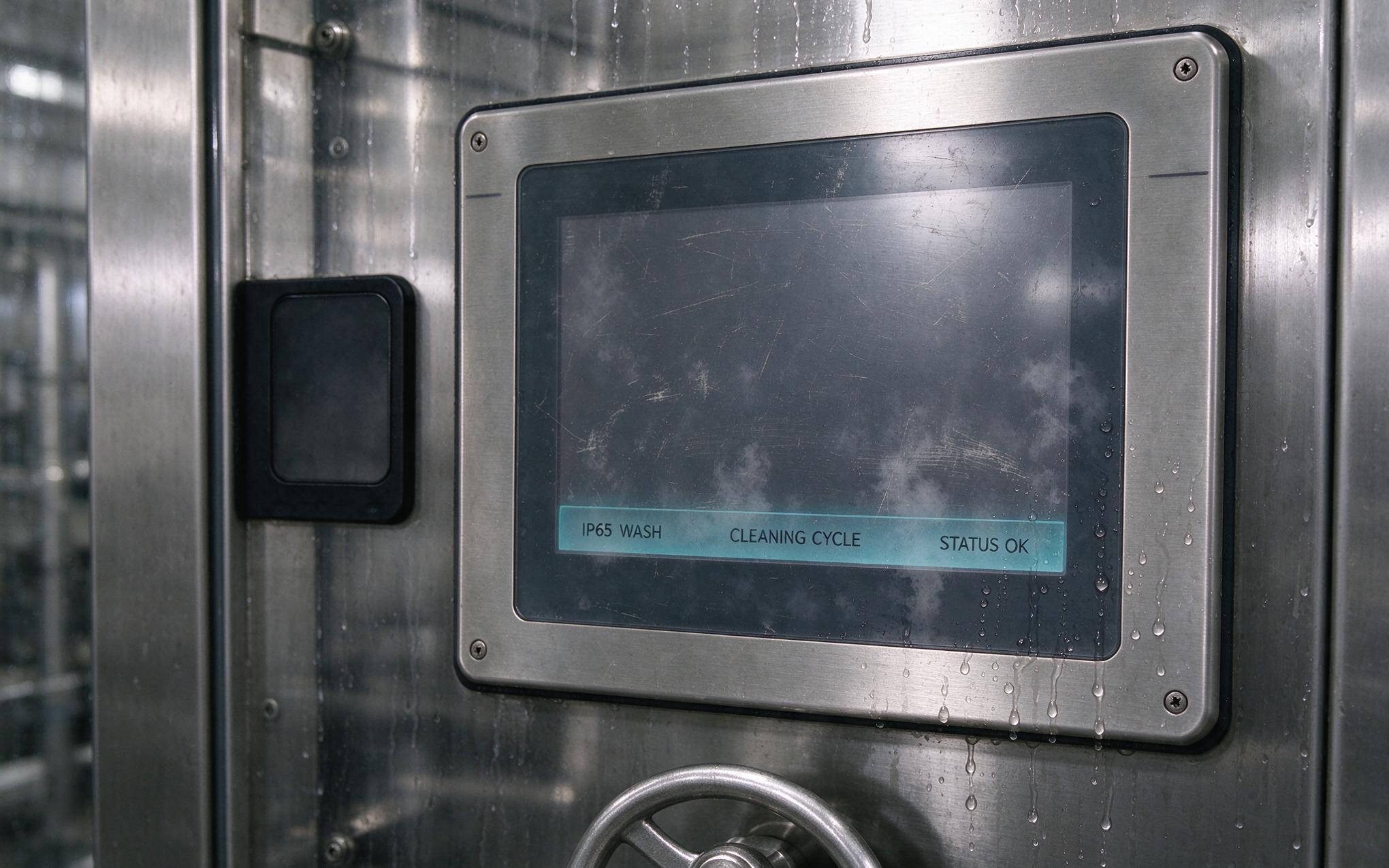
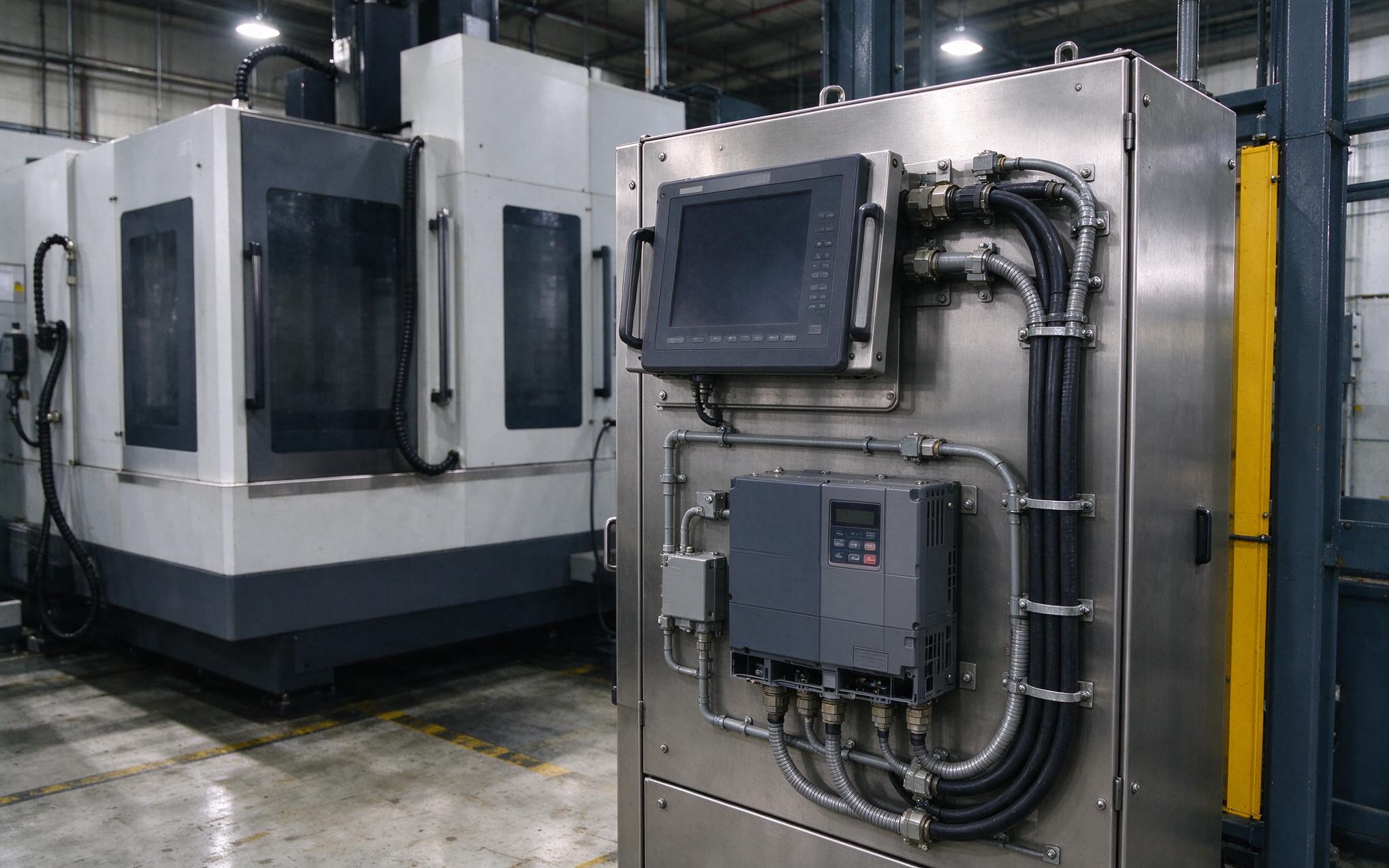
Port environments combine several stressors that consumer-grade electronics cannot survive. Salt-laden air corrodes exposed connectors within weeks. Temperature swings between direct sun and air-conditioned cabins create internal condensation. Vibration from crane hoist motors and container impacts tests every solder joint. Industrial panel PCs rated for maritime deployment address these conditions through conformal coating on circuit boards, stainless steel fasteners, and sealed I/O compartments with gasketed cable glands. The ingress protection rating must meet at least IP65 for cabin-mounted units and IP66 for outdoor kiosks exposed to rain and pressure washing. KOXIAN offers panel PCs with corrosion-resistant aluminum alloy chassis and M12 locking connectors that maintain signal integrity even when salt spray accumulates on the connector housing — a common failure mode in standard RJ45 deployments.
Integration with Terminal Operating Systems
The panel PC is not a standalone device; it is a client terminal in a distributed architecture that includes backend servers, vehicle-mounted data terminals, and handheld devices used by lashers and checkers. The terminal operating system — typically a platform like Navis N4, TSB, or Tideworks — pushes job instructions to the panel PC over the terminal’s fiber-backed local area network. The panel PC runs a thin client or a native application that renders the graphical interface and captures touch input. Network reliability is paramount: a dropped connection mid-job leaves a crane operator without instructions, halting the workflow. Industrial panel PCs for port applications are therefore equipped with dual gigabit Ethernet ports supporting link aggregation or failover, ensuring that a single cable fault does not interrupt operations.
Port logistics is a domain where interface reliability translates directly into throughput. A panel PC that freezes in the midday heat or develops a fogged display from humidity is not a minor inconvenience — it is a bottleneck that costs the terminal real money with every lost minute. The hardware selection criteria for this environment are unforgiving, but they are also well understood: optical bonding, conformal coating, sealed connectors, and high-brightness panels. Terminals that invest in purpose-built industrial computing at the operator interface layer consistently report fewer unplanned downtime events and higher crane moves per hour — the metric that ultimately determines whether a port stays competitive in an increasingly consolidated global shipping industry.