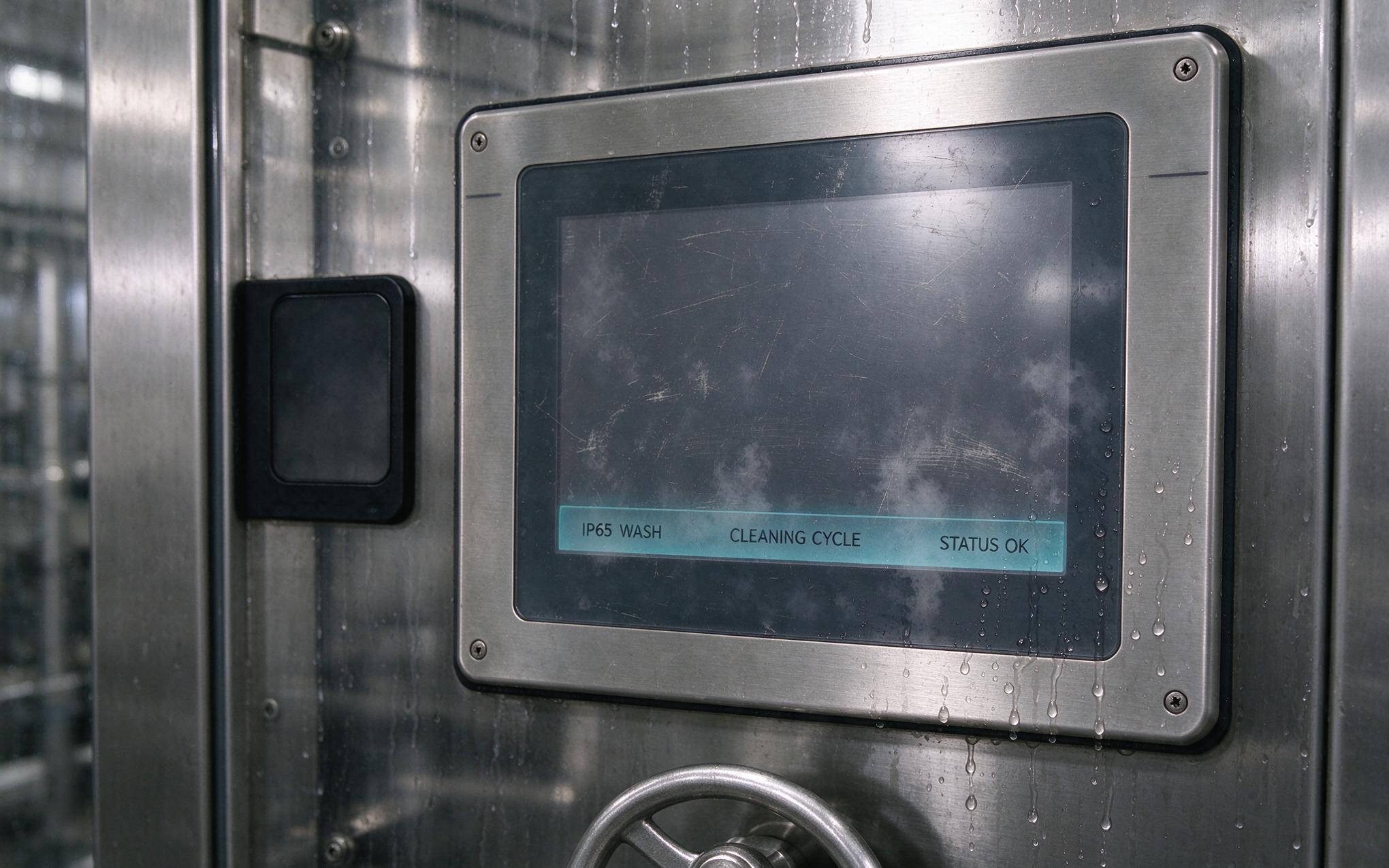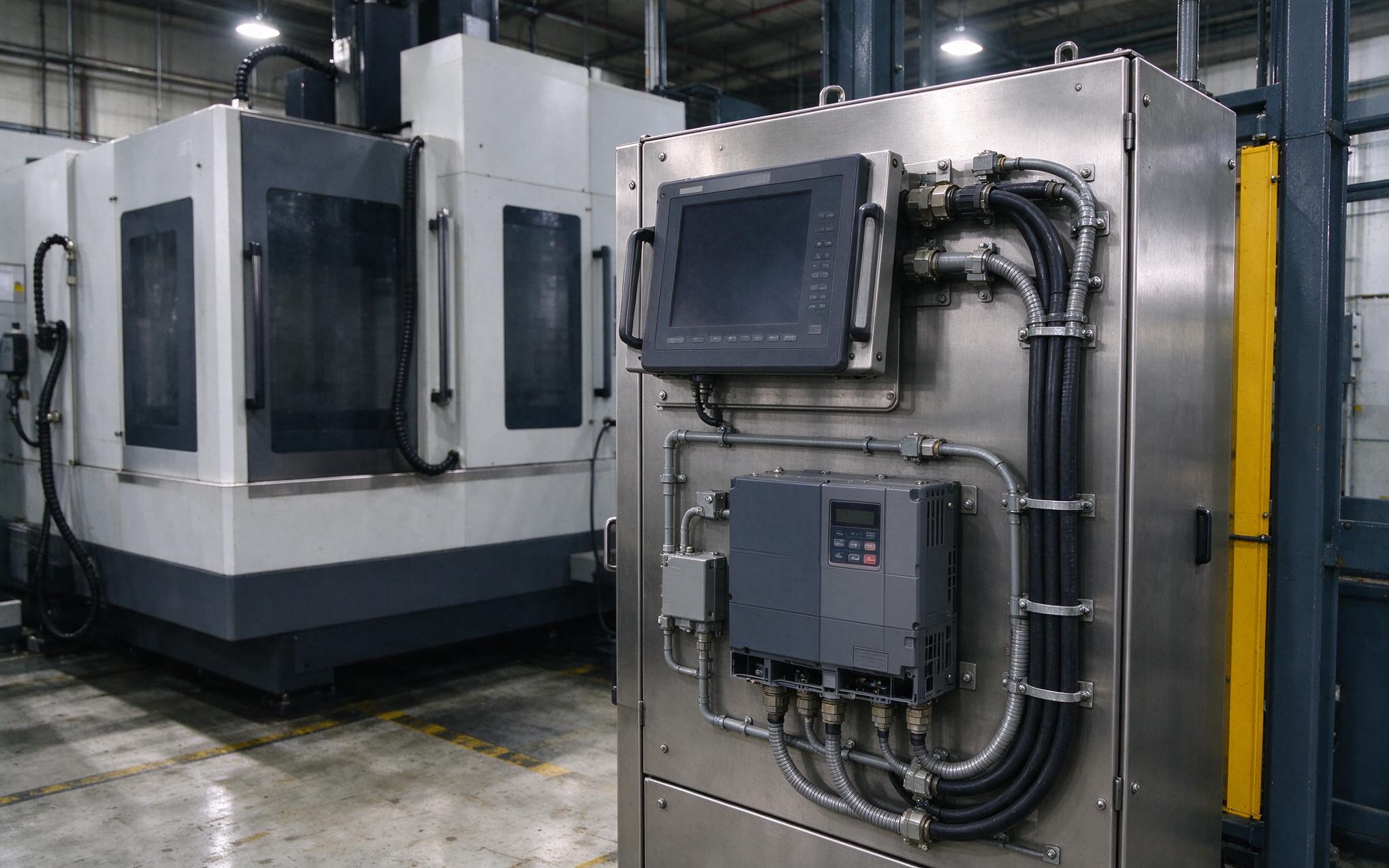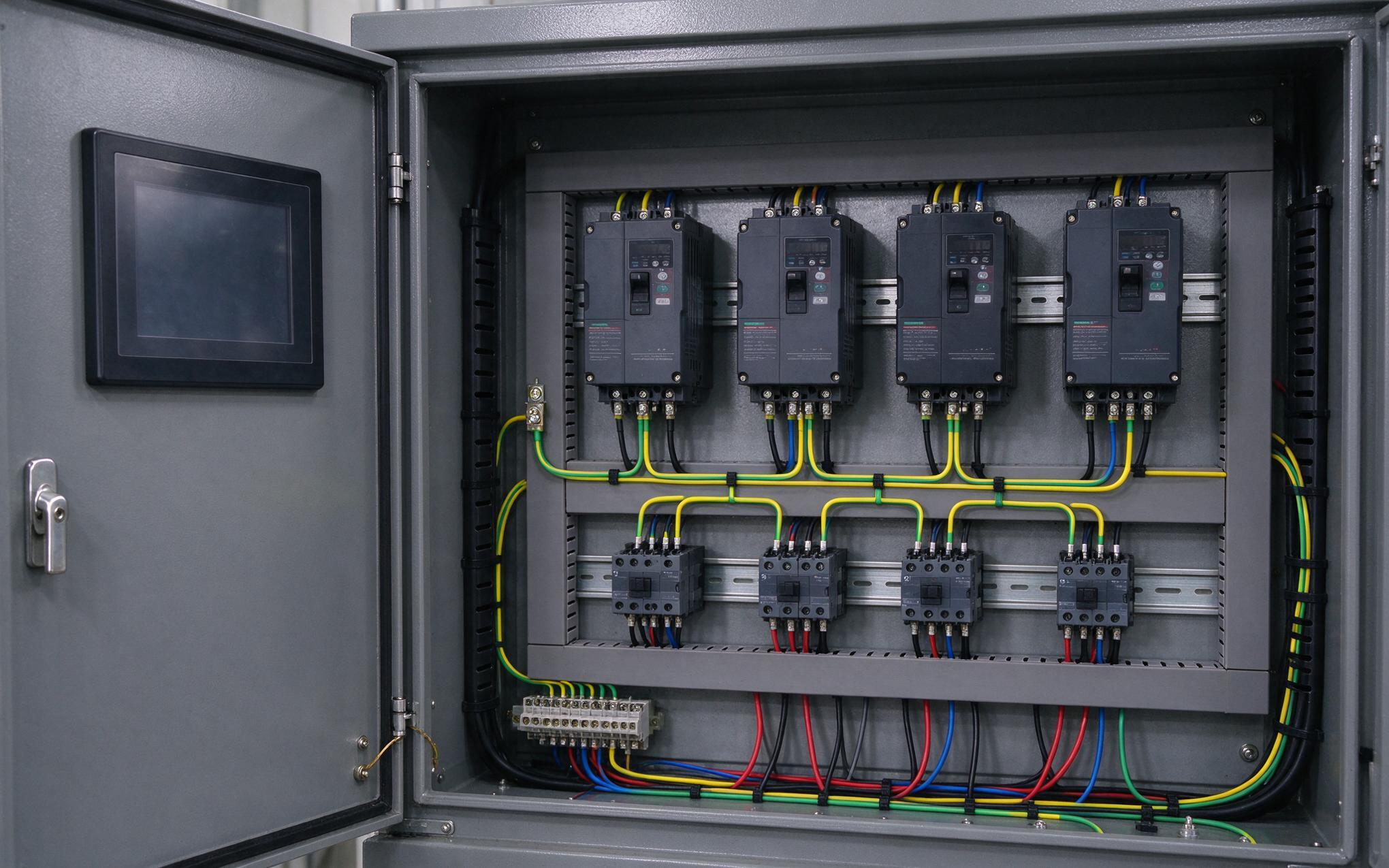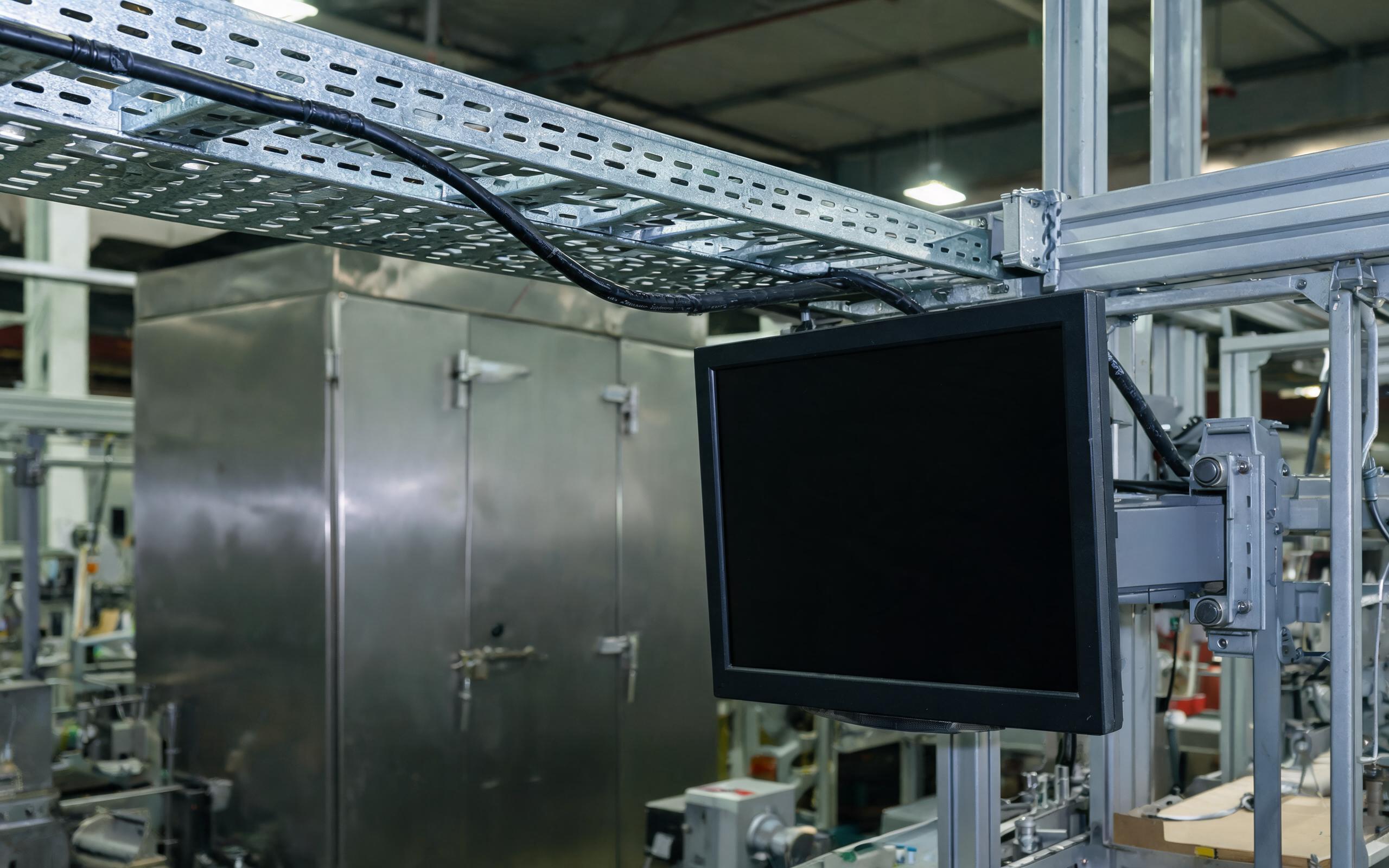
Plant engineers approaching a control terminal replacement usually discover the constraint list before they finish the drawing. Line shutdown windows, an existing sheet metal opening, and a wiring bundle that already terminates somewhere all arrive as fixed conditions rather than choices. Specifying a custom industrial panel PC into that situation differs fundamentally from specifying one for a line still on paper, where enclosure dimensions, mounting height, and interface count remain open. Both paths reach a working station, though the sequence of decisions and the risk each carries move in almost opposite directions.

Mapping Mechanical Constraints Inherited From Existing Panels
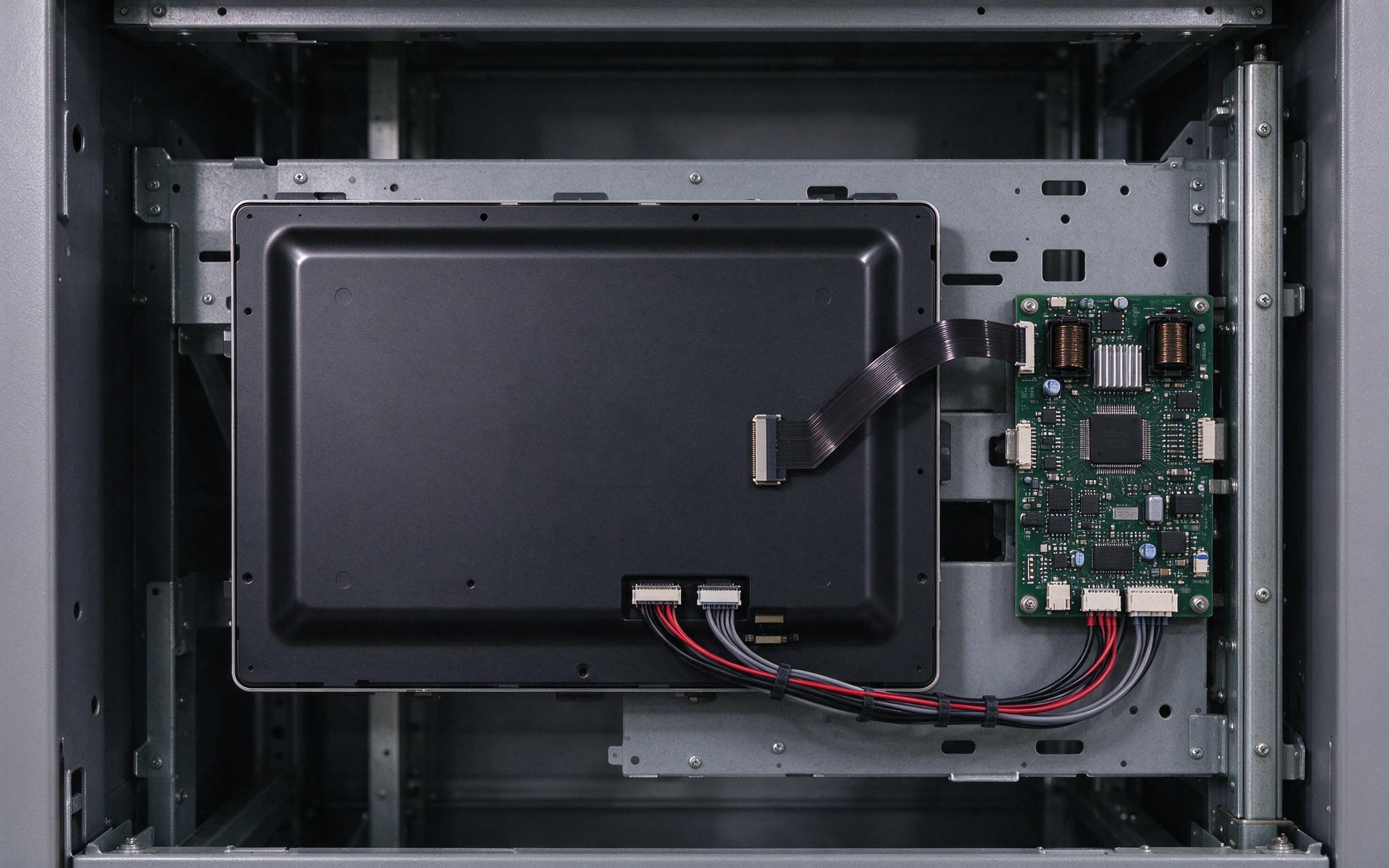
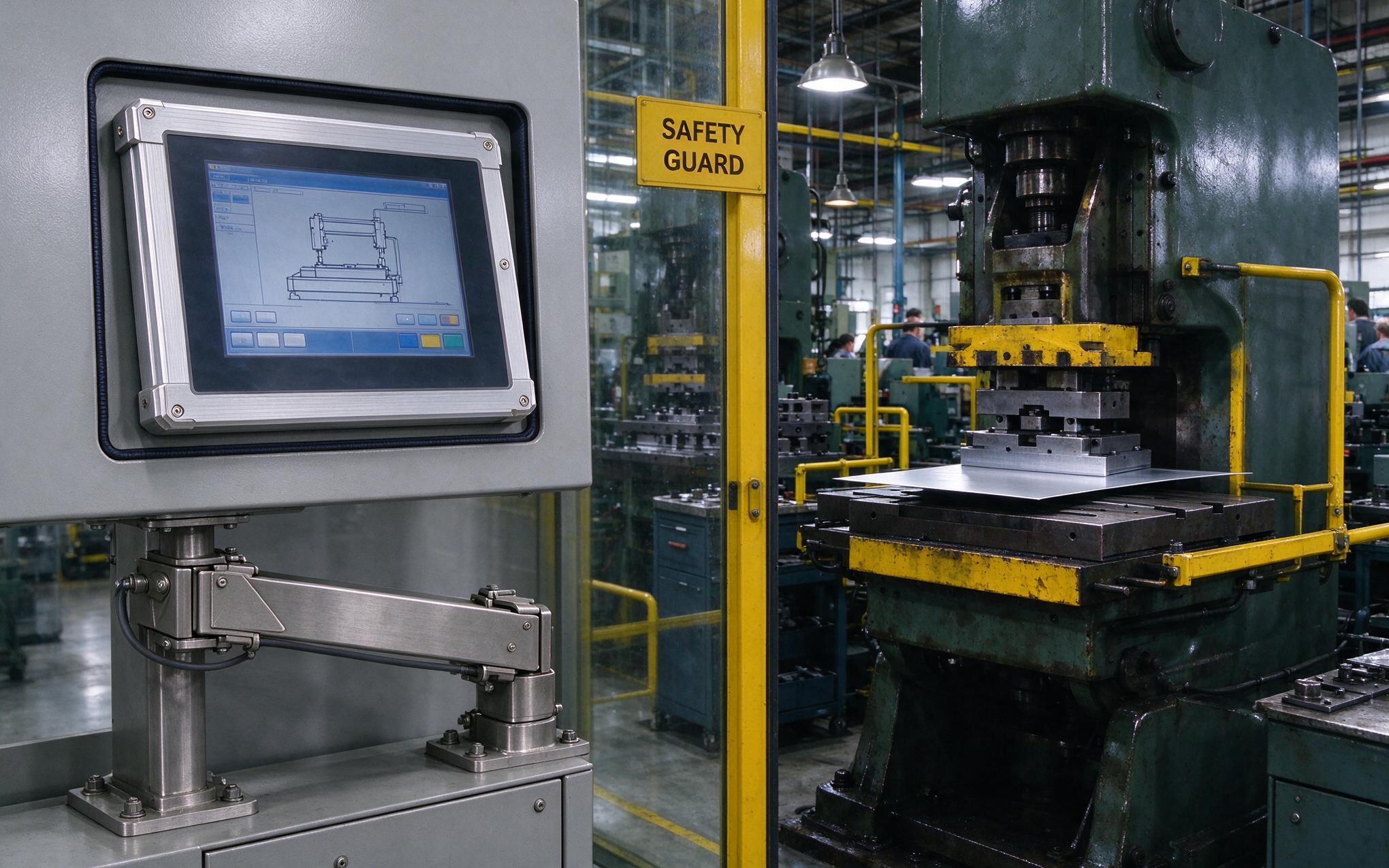
Retrofit work starts from a hole that already exists. Cutout width and height, corner radius, stud pattern, and available depth behind the door were set by hardware installed years earlier, and enlarging an opening on an operating line often means cutting metal in place with production nearby. Depth is the constraint most often missed, because a replacement assembly that fits the opening can still collide with a door mounted disconnect or a wiring duct. A custom industrial panel PC for this situation is dimensioned against a field survey rather than a catalog page, which means measuring the actual panel and not the drawing that was filed when the cabinet was built. Greenfield projects invert the relationship, since the terminal footprint appears in the layout before any metal is fabricated.

Reconciling Interface Mix With Installed Field Equipment
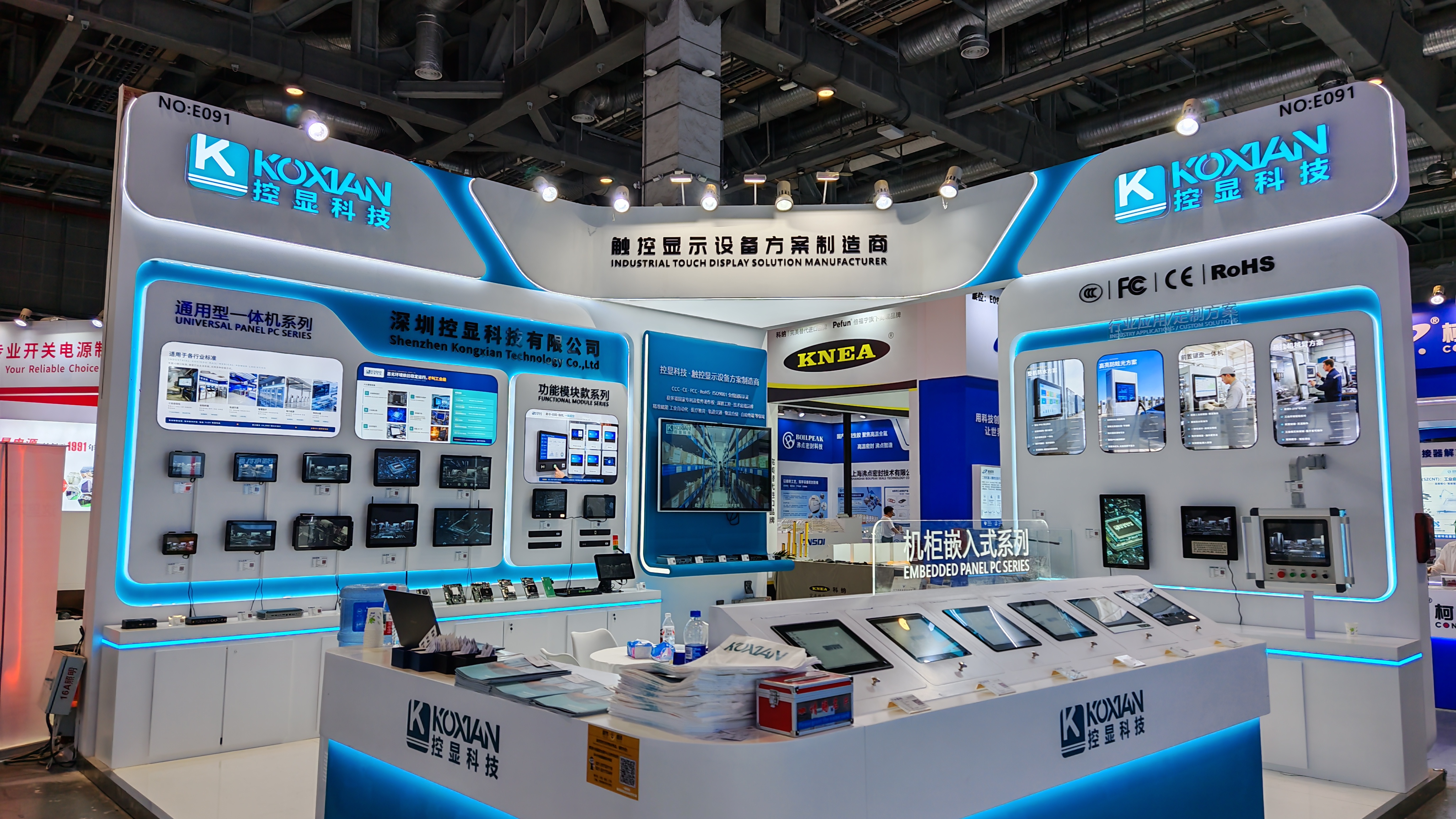
Interface requirements on a retrofit are inherited. Serial ports for instruments purchased in the previous decade, a mix of Ethernet speeds, isolated inputs, and a power feed that may be twenty four volt direct current or two hundred thirty volt alternating current all reflect what is already wired. Removing a port to simplify a build tends to strand a working instrument, so the practical approach preserves the legacy set while adding capacity for later expansion. Industrial hardware manufacturers, including KOXIAN, address this through modular expansion slots so a single mainboard covers several interface combinations without a new tooling cycle. New installations can standardize on current interfaces from the start, which shortens lead time and reduces the number of variants a plant has to stock as spares.

Weighing Lead Time Against Line Shutdown Windows
Schedule pressure differs sharply between the two cases. Retrofit work is usually pinned to a maintenance window measured in hours, which makes delivery date more critical than any individual feature, and a variant that ships in four weeks frequently beats a slightly better fit arriving in twelve. Greenfield schedules absorb longer development because commissioning sits months out, leaving room for sample evaluation, thermal validation, and a documented approval build. Field observations from brownfield upgrades show that projects using KOXIAN based hardware units built around an existing mainboard platform meet shutdown windows more reliably than fully bespoke designs started from scratch. Judging a custom industrial panel PC supplier on realistic lead time and sample turnaround therefore carries more weight in a retrofit than a long feature list.

Documenting Revisions for Long Service Intervals
Whichever path a project takes, the documentation package determines what maintenance can do in year five. Mechanical drawings with cutout dimensions, interface pinouts, firmware version records, and a change notification commitment let a plant order a matching replacement rather than rediscovering fit by trial. Silent component substitutions cause the familiar failure where a spare mounts correctly but presents a different port arrangement or a shifted mounting boss. Long term availability statements matter more for a custom industrial panel PC than for a catalog product, because no second source exists once tooling is specific to one plant. Establishing revision control expectations before the approval build converts a custom design from a one time delivery into a supportable asset.
Retrofit and greenfield projects both end with a mounted terminal, yet the binding constraint sits in different places. Existing cutouts, inherited interface mixes, and short shutdown windows dominate brownfield work and reward platforms that flex without new tooling, while new lines can standardize interfaces and spend schedule on validation. Surveying the actual panel instead of the archived drawing, preserving legacy ports that still serve installed instruments, and fixing revision control expectations early keep either path from producing hardware that fits once and never again.