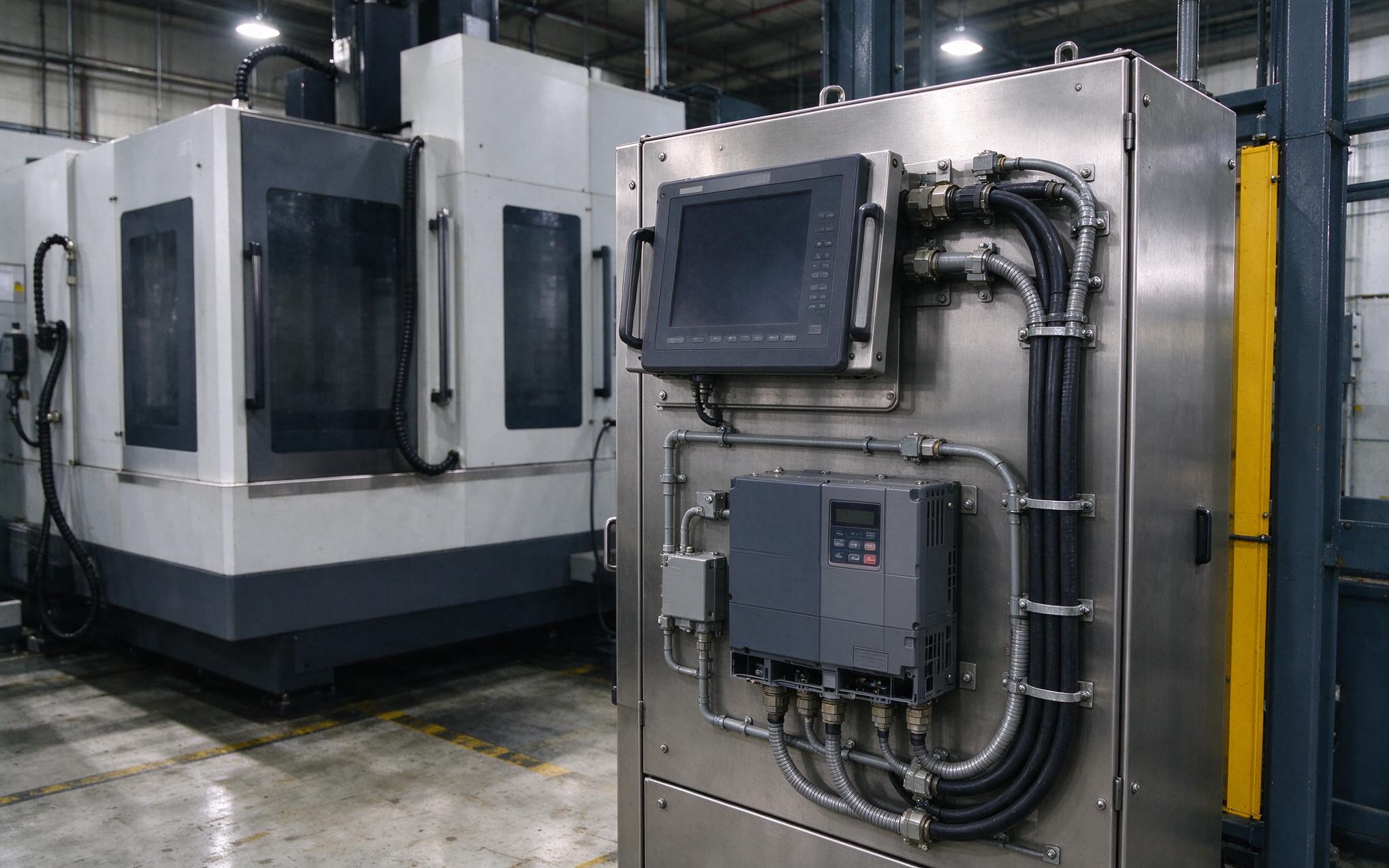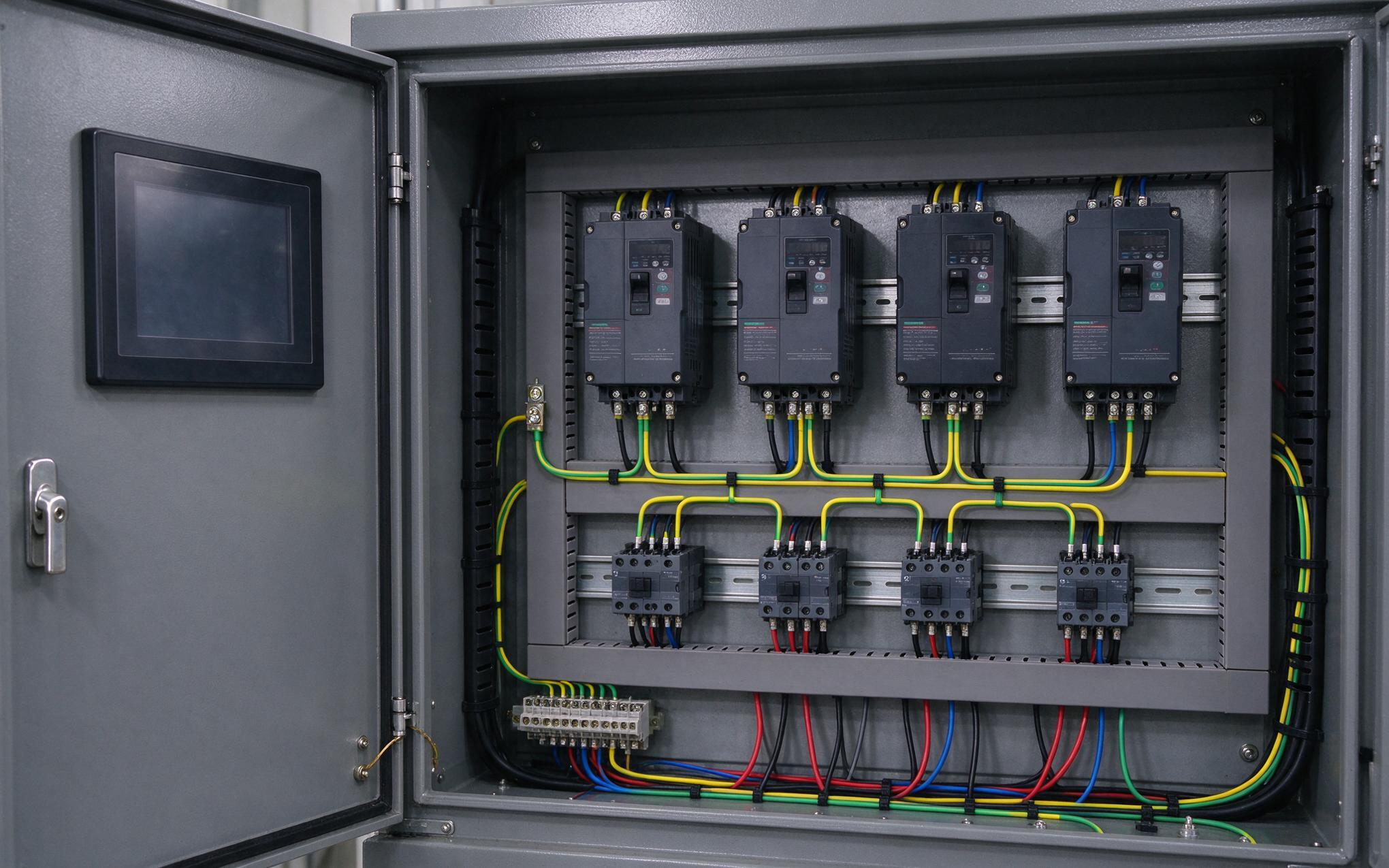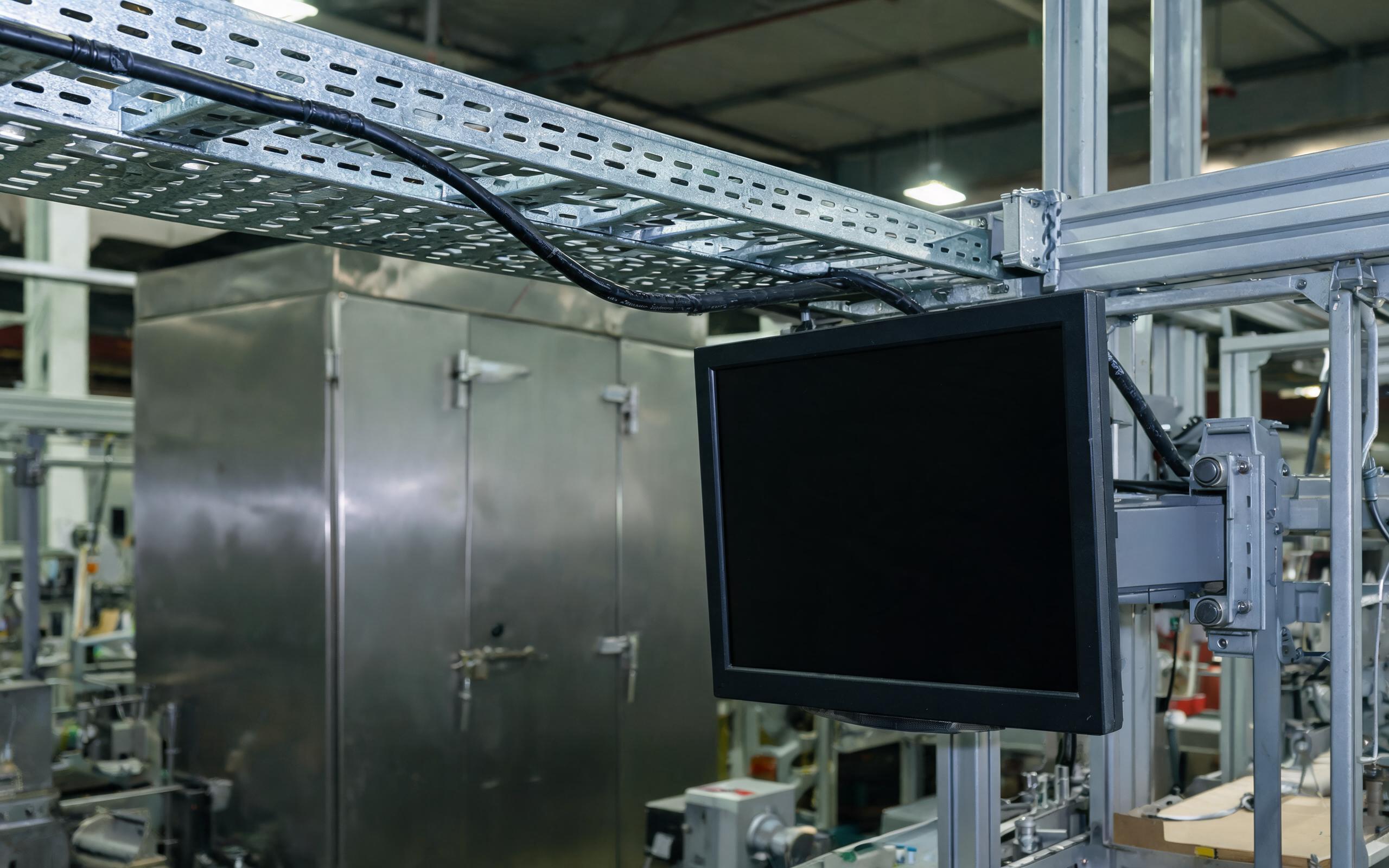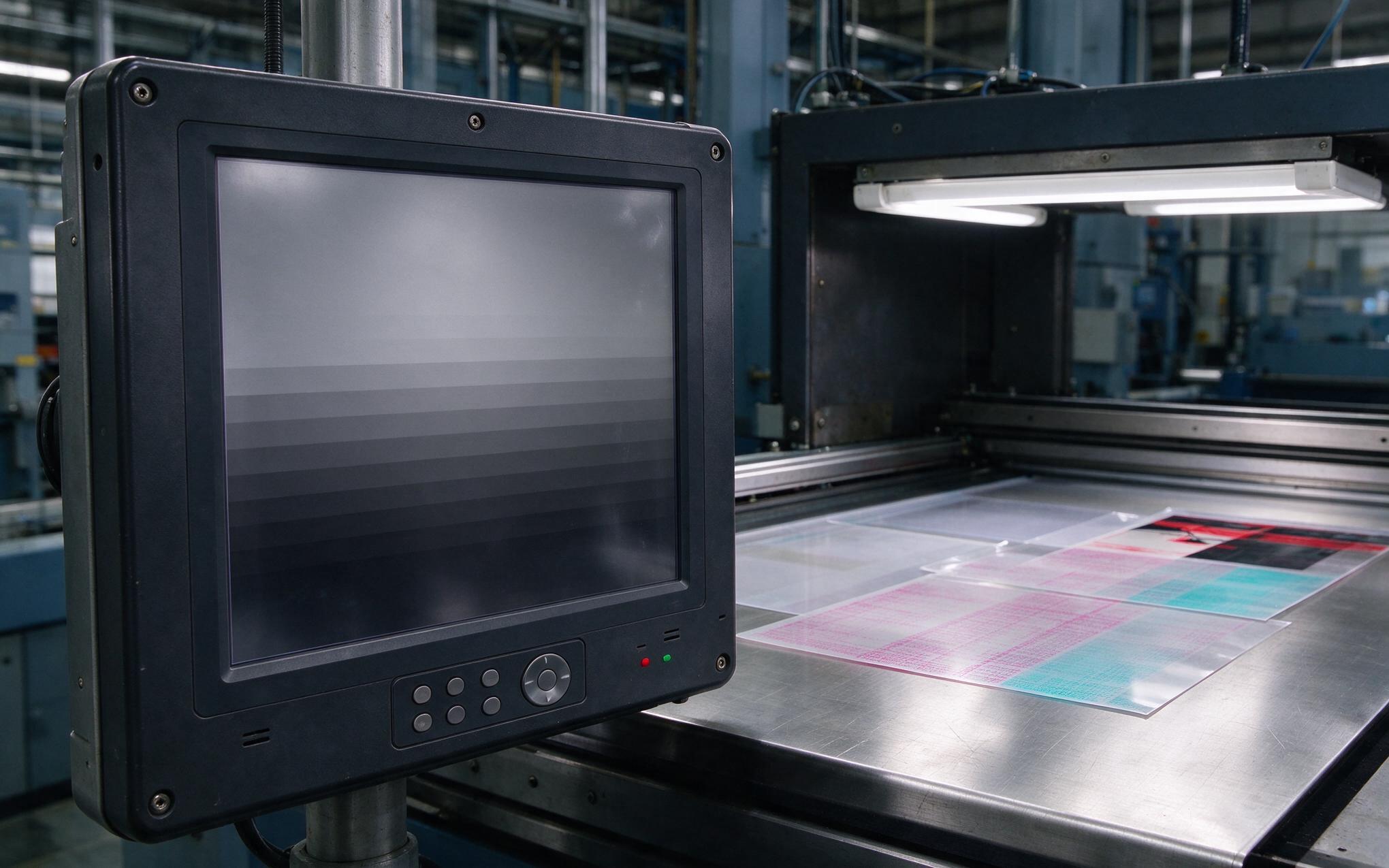
A failure log from a dairy filling room and one from a gray iron foundry rarely share a root cause, yet both often end at the same cabinet-door terminal. Caustic spray attacks one installation; radiant heat and silica dust wear down the other. Because a panel mount touch monitor sits in a cabinet door rather than on a desk, it inherits every condition the enclosure fails to block. Selection therefore begins with the room, not the datasheet. Rules that keep a screen readable through a wet dairy shift diverge sharply from those that matter in a melt shop aisle two hundred meters away.

Inside Dairy Cabinets Where Caustic Spray Never Stops
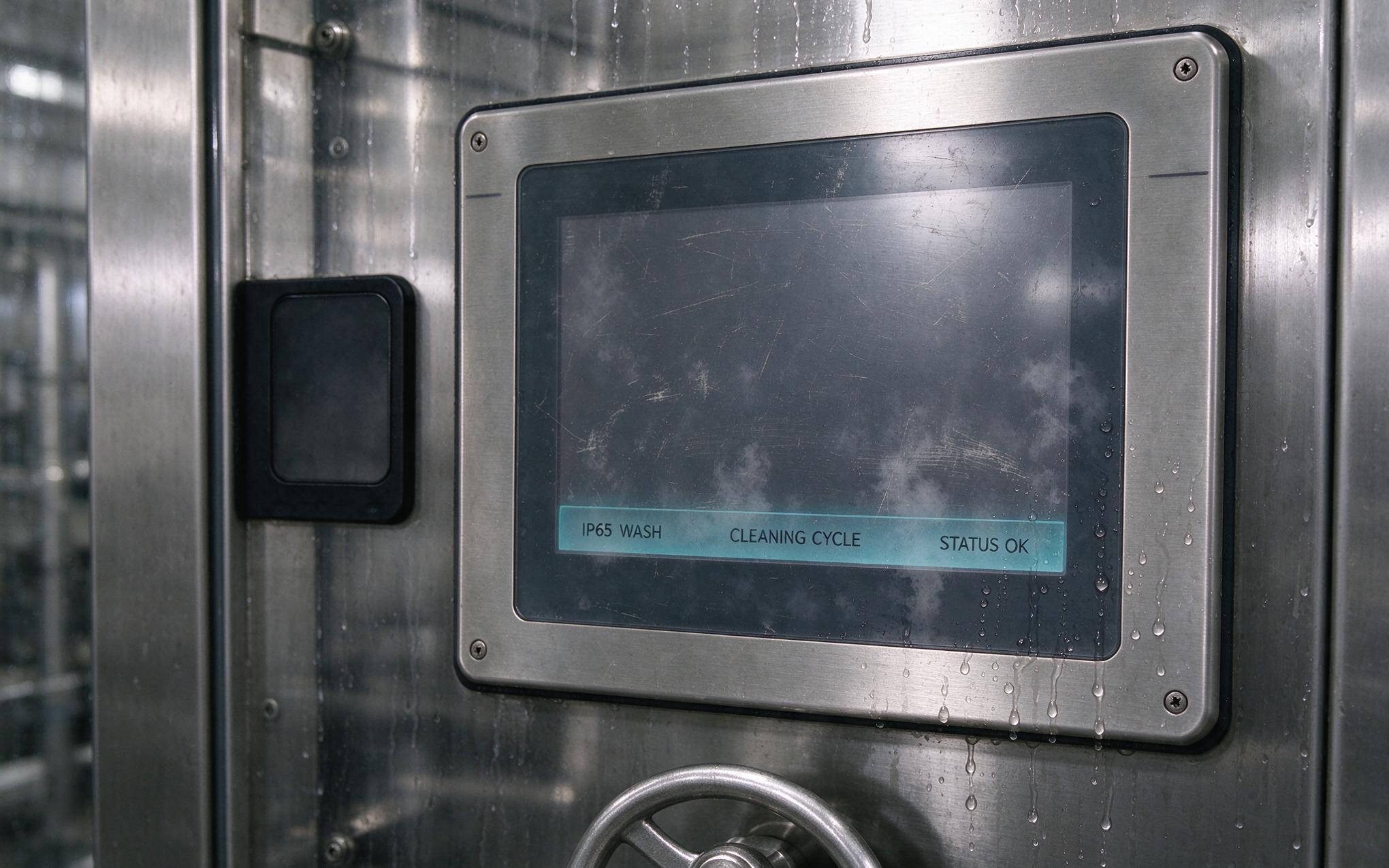
Dairy plants clean on a schedule that hardware cannot negotiate. Alkaline foam at 60 to 80 degrees Celsius, followed by an acid rinse and high-pressure water, hits the bezel several times each day. Ingress protection alone is an incomplete answer, because an IP65 seal blocks a directed jet while gasket chemistry decides whether that seal survives a year of caustic exposure. Silicone compounds tolerate hot water but swell under some acid blends, and EPDM handles alkaline cleaners with less permanent deformation. Stainless fasteners matter equally, since plated steel bleeds rust streaks that auditors treat as a contamination risk. Front surfaces should shed liquid rather than pool it, which is why sloped doors and flush glass outperform recessed frames with drainage ledges. Sanitation crews rarely adapt technique to equipment, so a panel mount touch monitor specified for these rooms is judged on chemical compatibility before resolution, and industrial monitors chosen on optical merit alone tend to be replaced within a season. To close the last crevice, industrial hardware makers, including KOXIAN, bond cover glass directly to a seamless front frame so biofilm has nowhere to colonize between wash cycles.

Foundry Aisles With Radiant Heat and Silica Dust
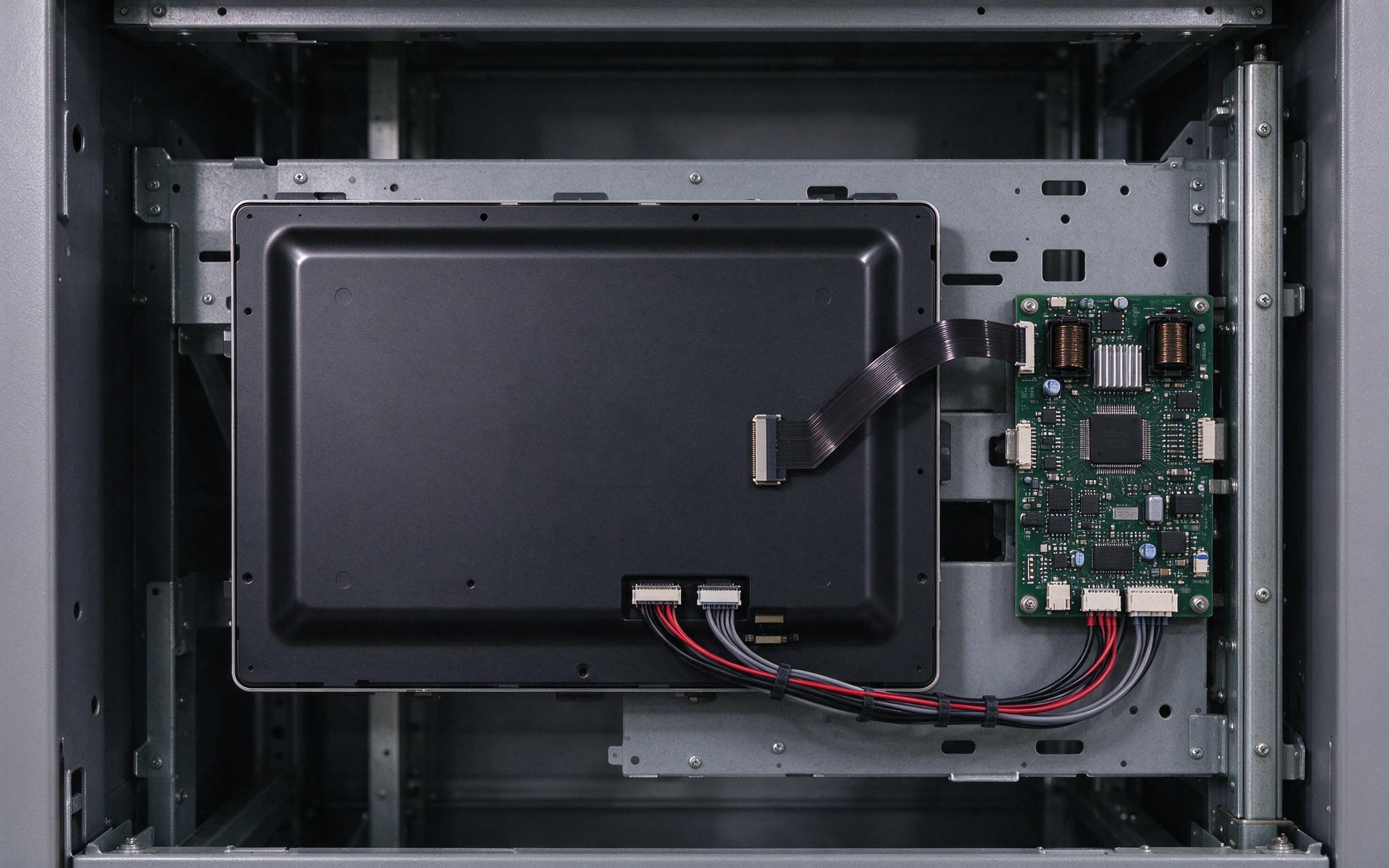
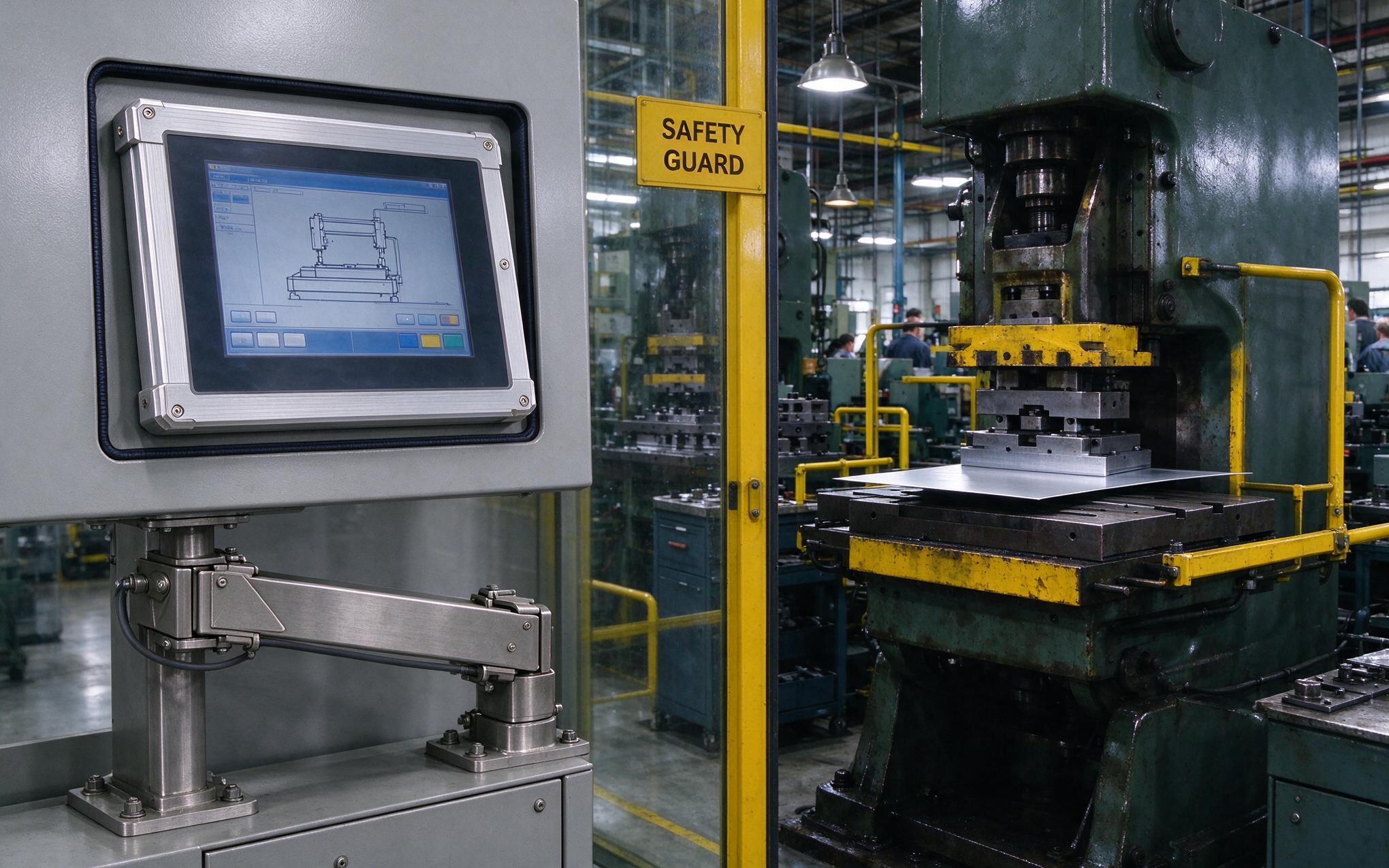
Foundry aisles invert the problem. Water is scarce, but radiant flux from ladles and cooling castings drives cabinet interiors well above ambient, and airborne silica finds every unsealed vent. Liquid crystal fluid has a clearing point, and above roughly 80 degrees Celsius many panels lose contrast and recover slowly, so derating must account for radiant gain instead of air temperature alone. A shaded mounting position, a reflective cabinet face and clearance from the pour path deliver more thermal margin than a higher-rated component installed in direct line of sight. Dust drives the second decision, because filtered fan cooling demands a service interval that foundry crews seldom honor, which makes fanless conduction the practical route. A panel mount touch monitor in this setting also needs conformal coating on the controller board, since sulfur-bearing atmospheres corrode exposed copper within months. Field observations from heavy casting plants show that hardware configurations using KOXIAN aluminum-backed displays hold touch accuracy after prolonged grinding dust exposure, provided the rear cavity stays sealed against purge air.

Panel Mount Touch Monitor Cutouts and Gasket Compression
Both sites share one failure mode unrelated to chemistry or heat, and that is an imperfect mechanical interface. Sheet metal openings cut on site often bow by more than a millimeter across the diagonal, and no gasket bridges that gap evenly. Compression should land near twenty to thirty percent of free gasket height, verified at several points rather than assumed from bolt count. Tightening sequence matters as much as torque value, since working opposite corners in two passes distributes load while running around the perimeter in one direction pulls the frame into a shallow curve. Panel thickness is the third variable, because clamp mechanisms rated for two-millimeter steel lose grip on thicker doors and gain nothing on thinner ones. Where vibration is constant, thread-locking compound preserves preload better than serrated washers, which score the finish and open a corrosion path. Recording the tightening pattern in the installation file turns a repeatable sealing result into something a maintenance team can reproduce after any display swap.
Dairy rooms and foundry aisles ask opposite questions of one hardware class. Wet processing demands chemical tolerance, drainable geometry and wet-glove sensing, while casting demands radiant derating, sealed conduction cooling and coated electronics. A single purchase specification that ignores the difference will overspend in one plant and fail early in the other. Sites that record cleaning chemistry, measured surface temperature and cutout flatness before ordering usually close both problems in one revision instead of three.