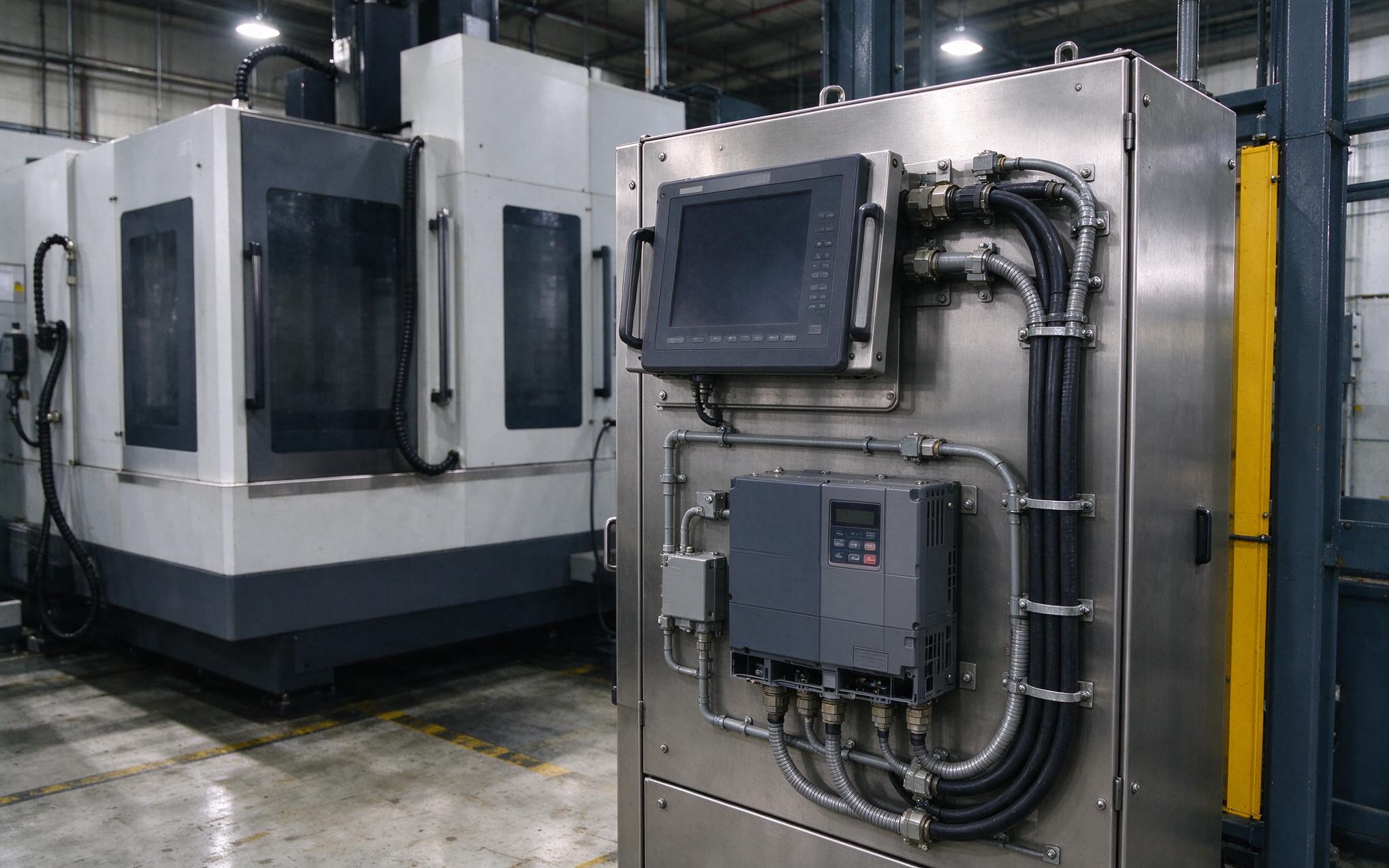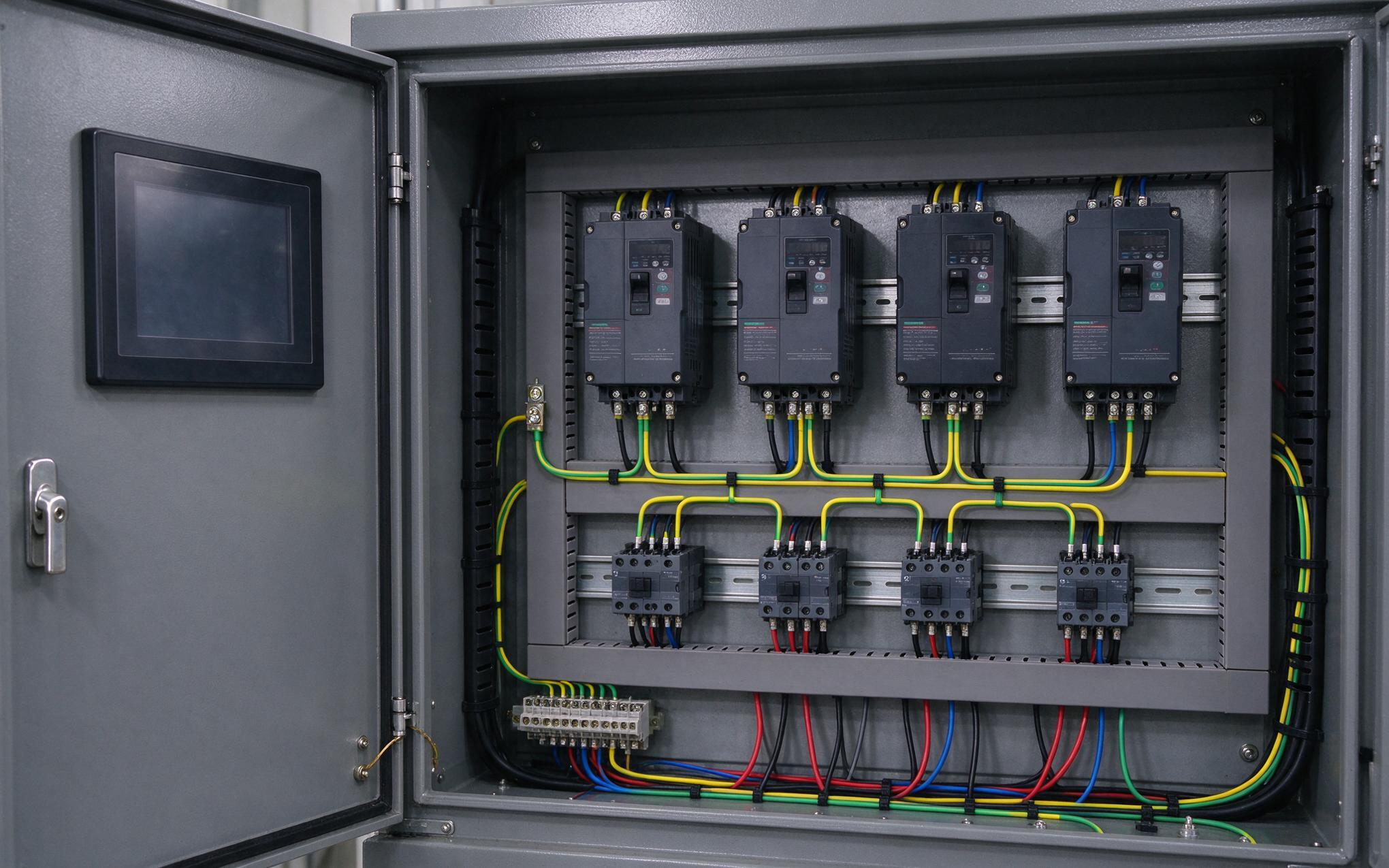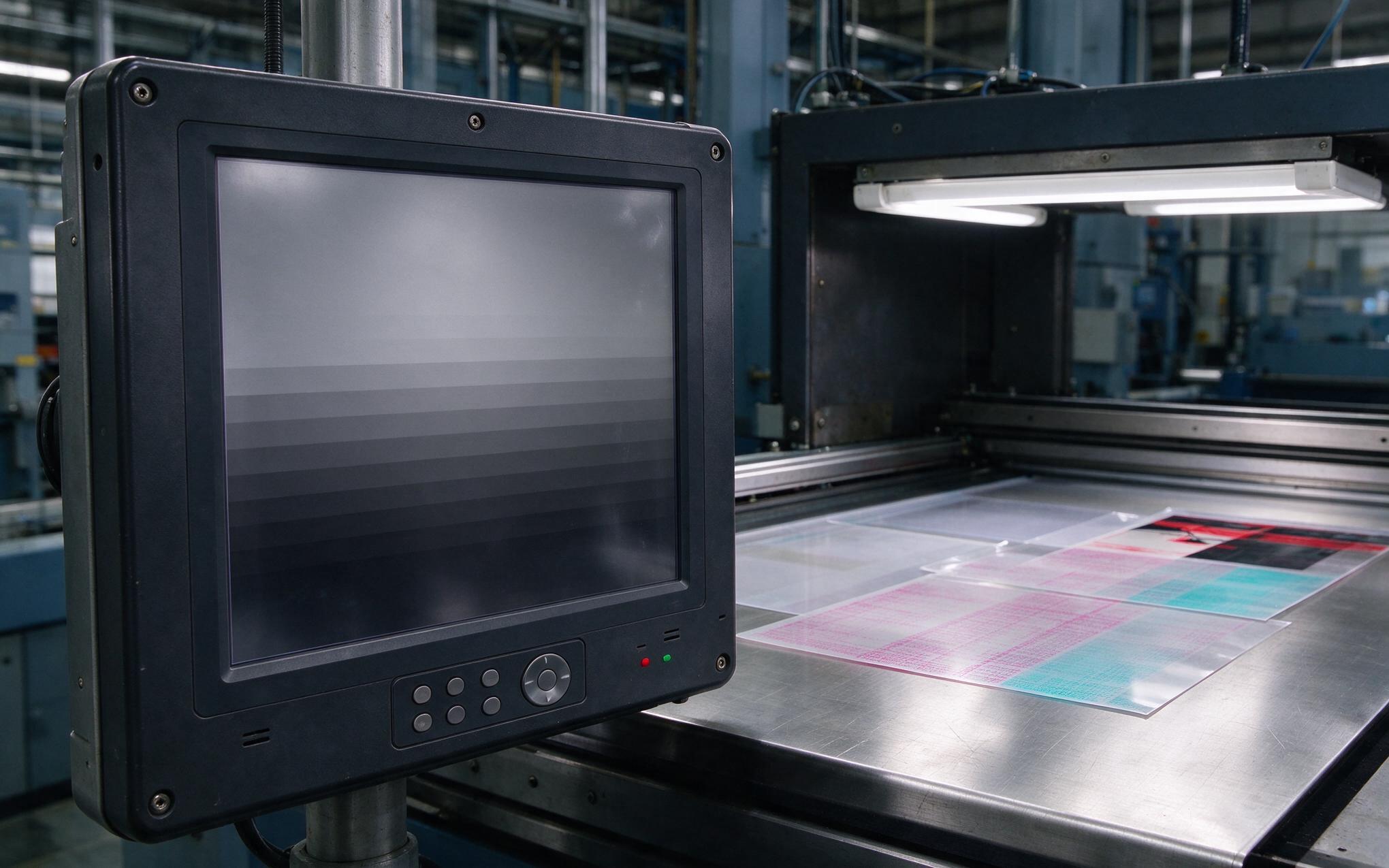
Engineers commissioning a line terminal rarely ask how often the application writes to disk, yet that parameter separates a unit running eight years from one needing storage replacement in two. Managed flash carries a finite program and erase budget, and how an application distributes writes across it matters more than total data volume. Two installations recording the same daily quantity can differ by an order of magnitude in wear, depending on whether each value lands as its own transaction or accumulates in memory and flushes periodically. An embedded touch panel pc deployed for data collection therefore needs its write pattern specified alongside its processor and display.

Within Managed Flash Endurance Budgets
Endurance is expressed per cell but consumed per erase block. Managed NAND is rated in program and erase cycles, roughly three thousand for consumer grade multi-level cells and up to thirty thousand for pseudo single-level configurations, and the controller distributes those cycles through wear leveling. Block size changes everything, because a device erases in units of several hundred kilobytes even when the application writes sixty-four bytes. A single small record therefore consumes an entire block cycle once garbage collection consolidates it. Write amplification quantifies that gap as the ratio of physical to logical bytes written, and figures between five and forty are common for small random writes, against values near one for large sequential transfers. Sizing storage for an embedded touch panel pc purely on capacity misses this, since a sixteen gigabyte device with a poor write pattern can exhaust its endurance while most of its capacity sits unused.

Across Continuous Logging Installations
Continuous logging consumes budget fastest. An application appending one record per second with a flush after each write generates eighty-six thousand transactions daily, and at an amplification factor of twenty that becomes several gigabytes of physical writes for a few megabytes of data. Filesystem journaling doubles the traffic again, because metadata updates accompany each commit. Sites running this pattern often discover the cost only when a fleet begins reporting read-only filesystems within one quarter, since identical hardware installed together reaches its limit together. Because manufacturers including KOXIAN publish the flash grade and rated cycle count for each storage option, an integrator can calculate expected life from the actual transaction rate before committing to a configuration. Mounting log directories on a memory-backed filesystem removes most of the traffic where data is transient, and a supercapacitor-backed buffer preserves durability without writing every value to flash.

Across Batch Oriented Write Strategies
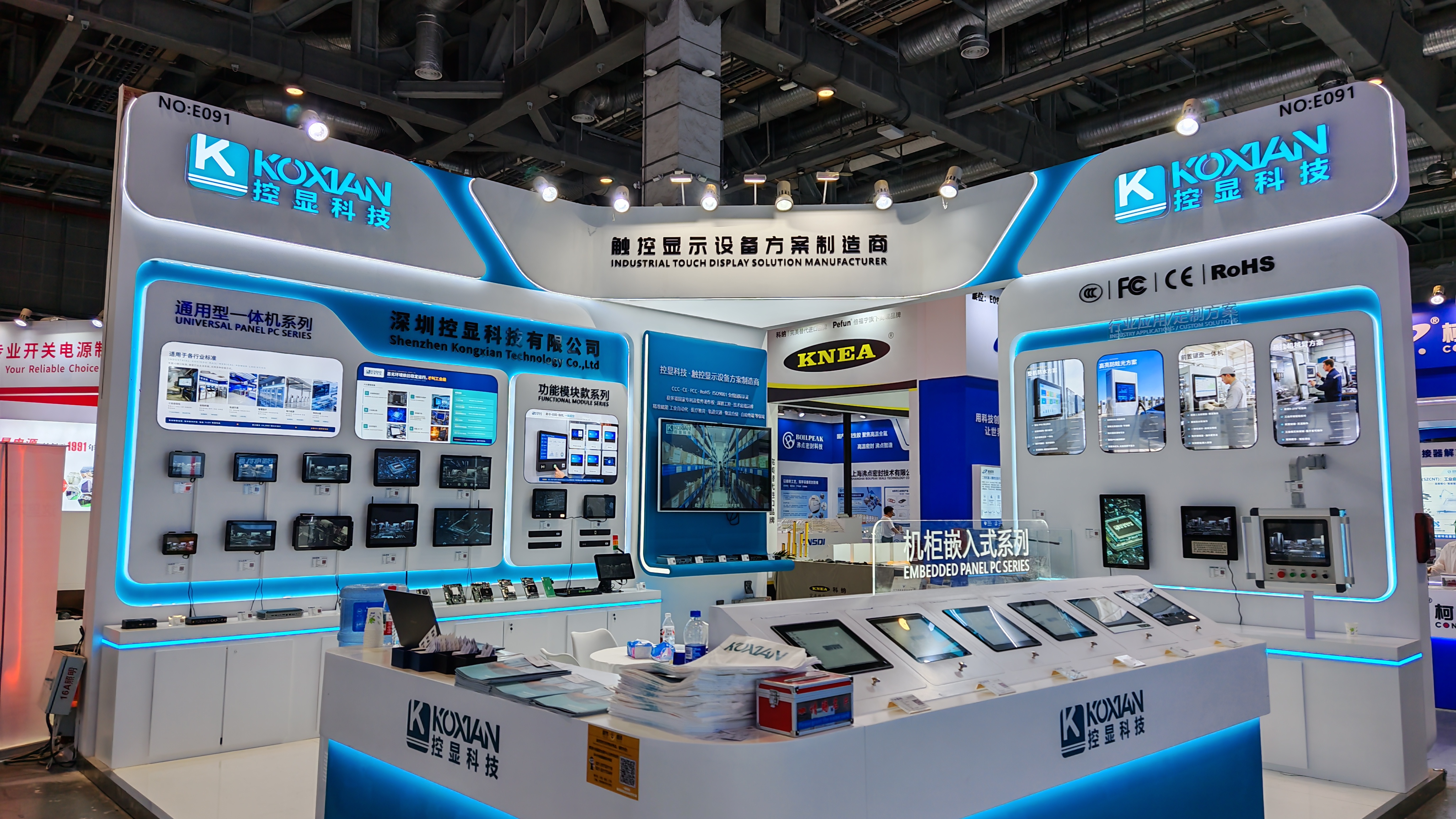
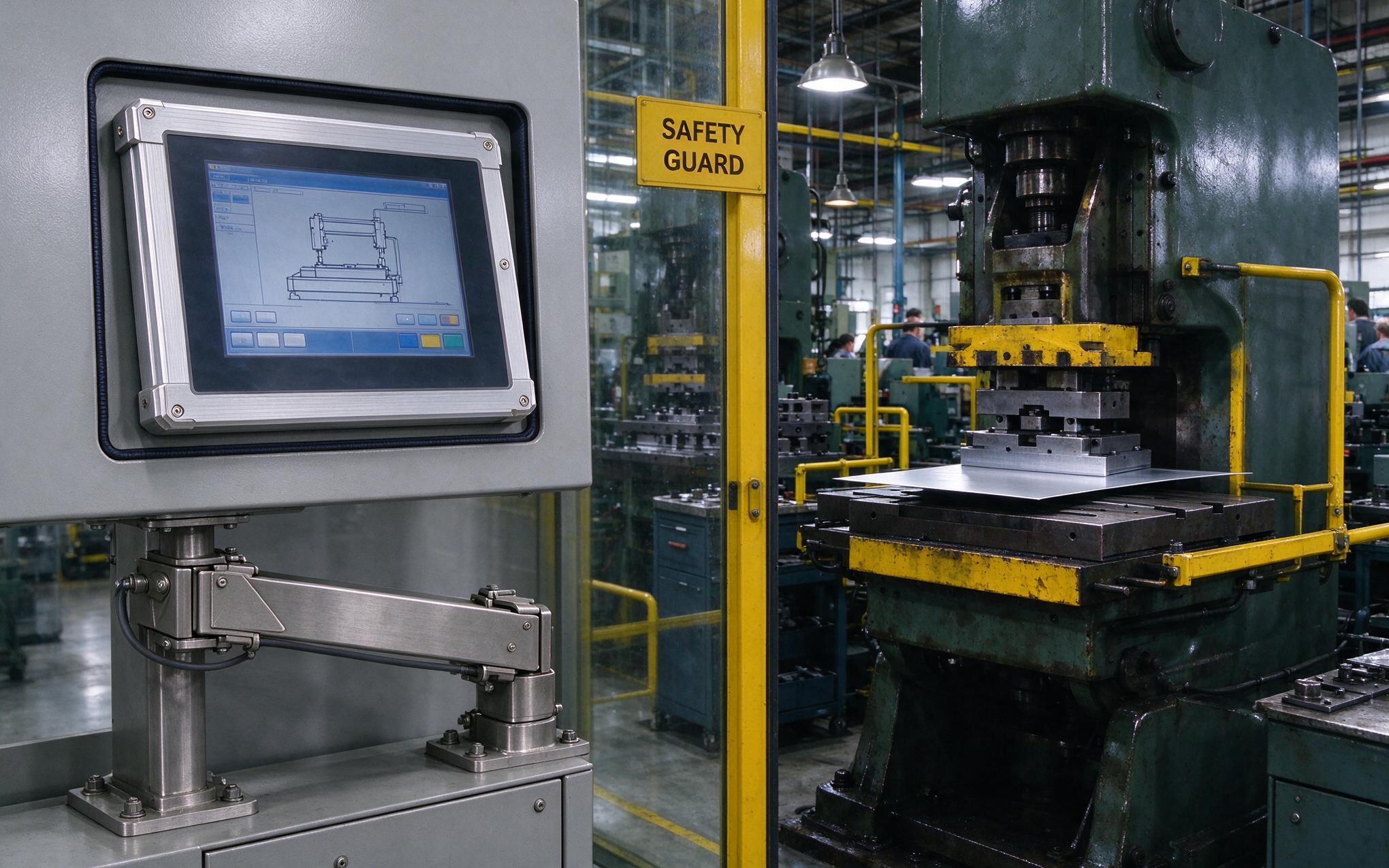
Batching converts many small writes into few large ones and reduces amplification directly. Accumulating records in memory and flushing once per minute cuts transaction count by a factor of sixty while preserving the same information, and aligning each flush to the erase block boundary brings amplification close to unity. The trade-off is exposure, since a power loss discards whatever sits in the buffer, making flush interval a deliberate decision rather than a default. Field observations from automated production lines show that installations using KOXIAN embedded panel pc units with minute-interval batching retain original storage across multi-year deployments where per-second flushing required intervention. Ring buffer designs suit this pattern, because a fixed-size preallocated file avoids the metadata churn that growing files generate. Database engines deserve separate attention on any embedded touch panel pc, since default configurations frequently commit synchronously and produce far more physical writes than the workload implies.

Monitoring Wear on an Embedded Touch Panel PC
Remaining endurance is readable rather than inferred, and few deployments take advantage of it. Managed flash devices expose lifetime estimation registers reporting consumed endurance in coarse percentage steps, and reading that value quarterly turns storage into a scheduled maintenance item. Trend matters more than the absolute figure, because a device at fifteen percent after one year projects differently than one reaching the same point after four. Total bytes written counters give a finer signal where available and reveal a misbehaving application long before wear becomes visible. A fleet of identical terminals commissioned on the same day ages together, so sampling a few representative units predicts the group. Recording the baseline at commissioning makes any of this useful, since a percentage without a starting point cannot be extrapolated. Plants monitoring an embedded touch panel pc fleet this way replace storage during planned shutdowns rather than during a production shift.
Storage endurance in embedded terminals is determined by write pattern, not by capacity or by the volume of data collected. Continuous per-record flushing multiplies physical writes through amplification and journaling, while memory buffering with periodic block-aligned flushes achieves the same retention at a fraction of the wear. Choosing a flush interval is a durability decision that belongs in the specification, and reading lifetime registers on a schedule converts an invisible consumable into a planned replacement.