A failure that repeated three times in six months on a packaging line forced maintenance engineers to trace the root cause to lifted polymer coating around electrolytic capacitors on its main control board. Each incident had passed bench diagnostics, yet field conditions exposed the adhesion weakness that laboratory testing missed. This conformal coating industrial PCB problem extends well beyond one facility. IPC field surveys in 2025 documented that factory-floor boards experience coating adhesion failures at roughly three times the rate of identical units in climate-controlled environments. The disparity traces to how polymer-substrate bonds degrade under thermal cycling and moisture ingress rather than to any deficiency in the coating material itself.

Why Does Conformal Coating Adhesion Fail on Industrial PCBs?
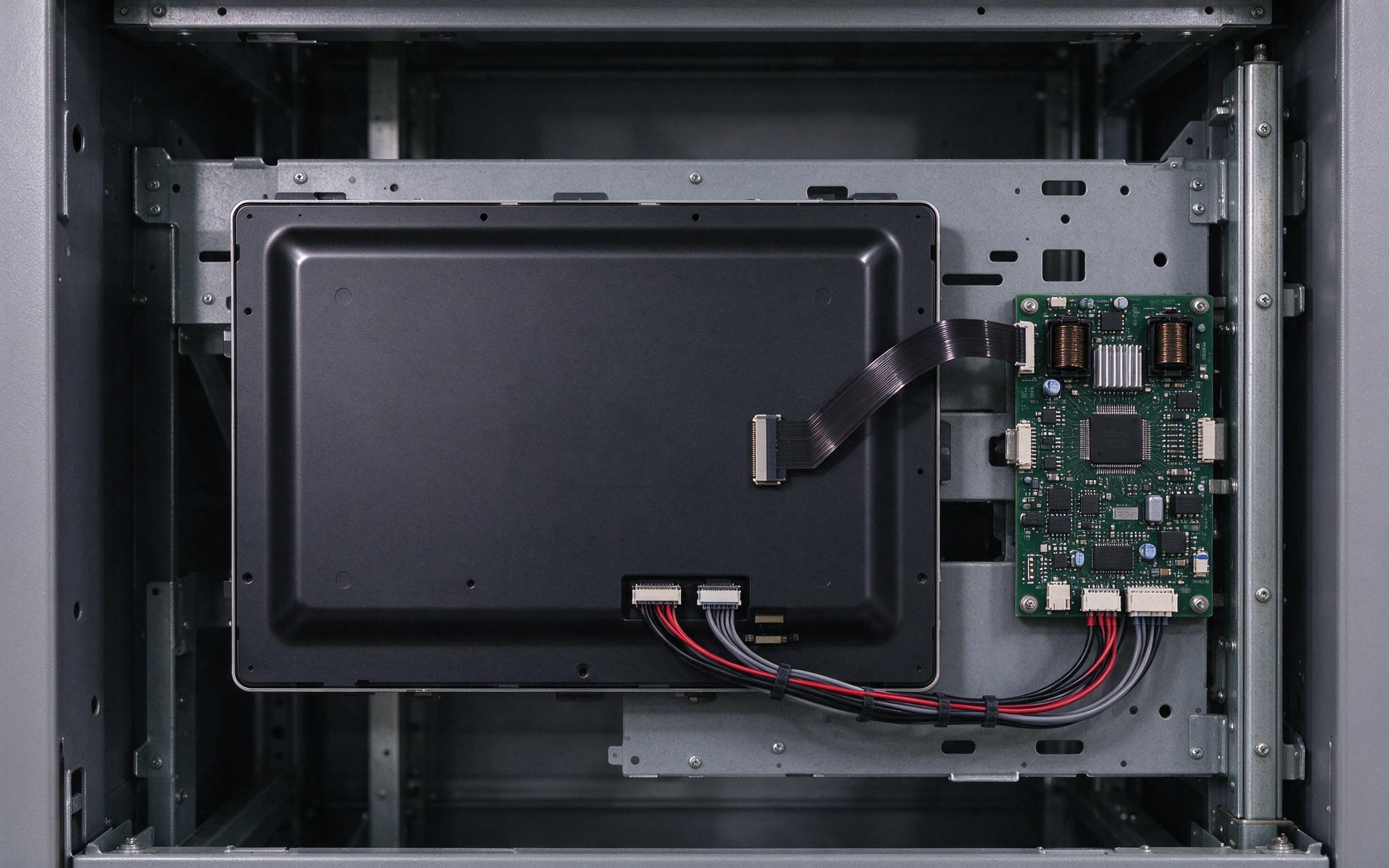
In field observations, KOXIAN engineers have documented that conformal coating industrial PCB assemblies without adequate surface preparation develop adhesion weak points around tall components where mechanical leverage is greatest. Adhesion failure begins at the interface between the coating resin and the substrate surface. Industrial PCB protection depends on a clean, oxide-free surface before the coating is applied. Factory environments introduce oils from machining fluids, flux residues from hand soldering, and microscopic dust particles that create weak boundary layers. When coating enters a washdown zone or experiences thermal cycling, these contaminants act as stress concentrators. The coating peels at the weakest point. In high-humidity facilities, the delaminated area traps moisture underneath the lifted film, accelerating electrochemical migration between adjacent pads. The result is an intermittent fault that passes bench testing but fails unpredictably in the field, making root cause analysis extremely difficult for maintenance teams.

Coating Material Selection for Different Factory Environments
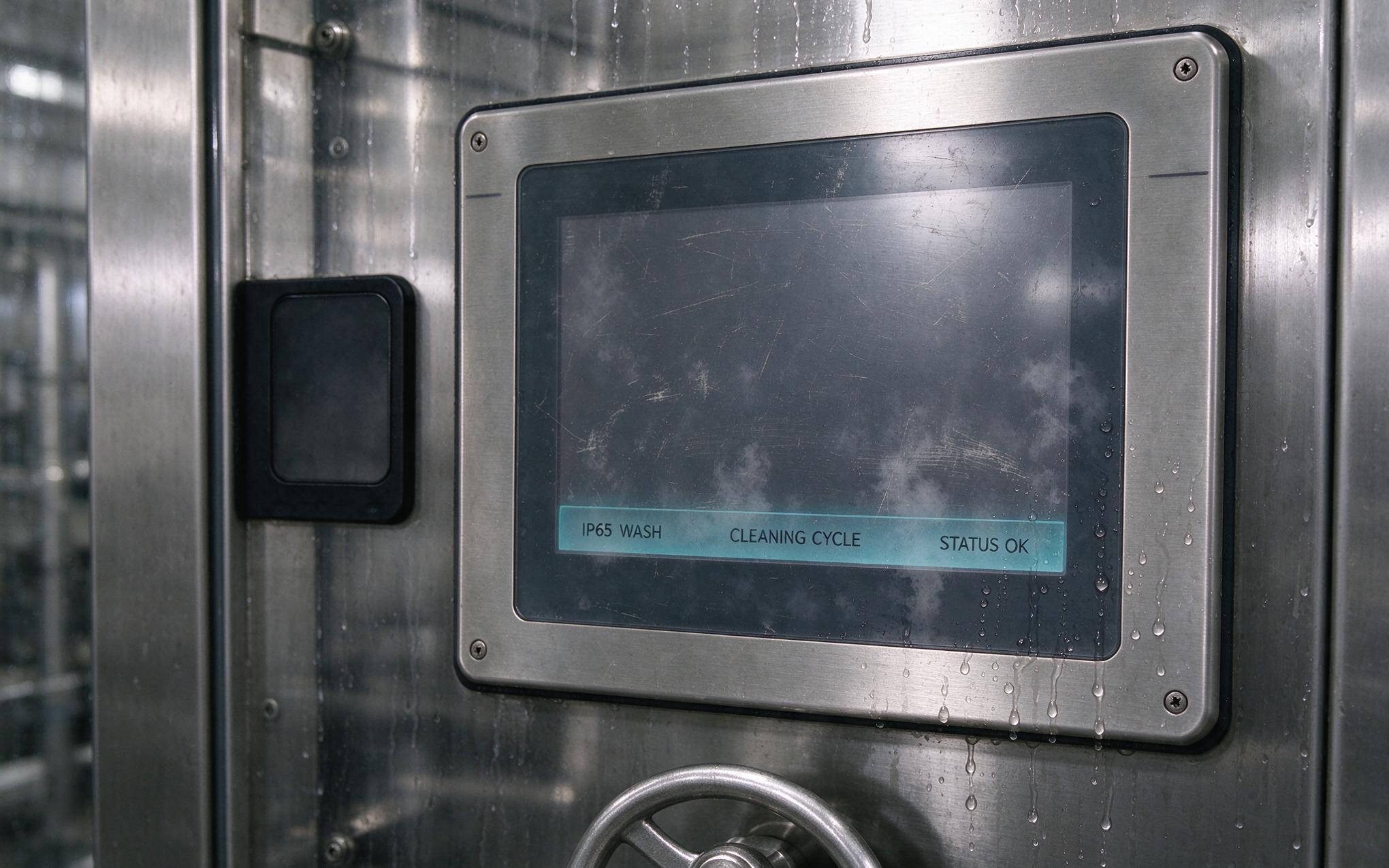
PCB conformal coating selection directly influences long-term reliability. Acrylic resins offer easy rework but provide moderate moisture resistance, making them suitable for climate-controlled control rooms. Urethane coatings deliver stronger chemical resistance for chemical processing plants where solvent vapors are present. Silicone-based coatings maintain flexibility across wide temperature ranges, which matters in facilities that cycle between cold storage and near-boiler ambient conditions. Epoxy conformal coatings provide the highest mechanical strength but crack under vibration, limiting their use in heavy-machinery areas. Manufacturers like KOXIAN evaluate coating performance against IEC 60529 ingress protection requirements when specifying boards for outdoor or washdown installations. The coating material must also meet IPC-CC-830 qualification criteria for dielectric withstand and moisture resistance. Selecting the wrong coating chemistry for a given environment accelerates adhesion loss and shortens the service life of the entire conformal coating industrial PCB assembly.

Surface Preparation Protocols That Prevent Coating Lift-Off
Effective industrial PCB protection starts before the coating gun fires. Assembly lines must incorporate a dedicated cleaning stage that removes flux residues using aqueous or solvent-based processes. Plasma treatment or corona discharge can raise the surface energy of the PCB laminate, improving wettability and bonding. After cleaning, the board should pass through an automated optical inspection station that flags contamination hot spots. Some factories apply a thin primer layer to areas known for poor adhesion, such as near connector housings where conformal coating industrial PCB interfaces meet mechanical stress. Temperature and humidity during the coating application also affect the cure profile. Coating applied in a facility running at 35 degrees Celsius and 80 percent relative humidity may cure unevenly, leaving soft spots that peel under thermal shock. Enclosed coating booths with controlled atmosphere solve this problem for high-volume production.
Conformal coating adhesion loss remains a persistent challenge in industrial environments, but systematic surface preparation and informed material selection significantly reduce field failures. Factories that invest in proper cleaning infrastructure and match coating chemistry to their specific environmental stresses see fewer unplanned shutdowns. As industrial PCB protection requirements tighten alongside growing deployment in outdoor and washdown applications, coating process control becomes as critical as the electronic design itself.