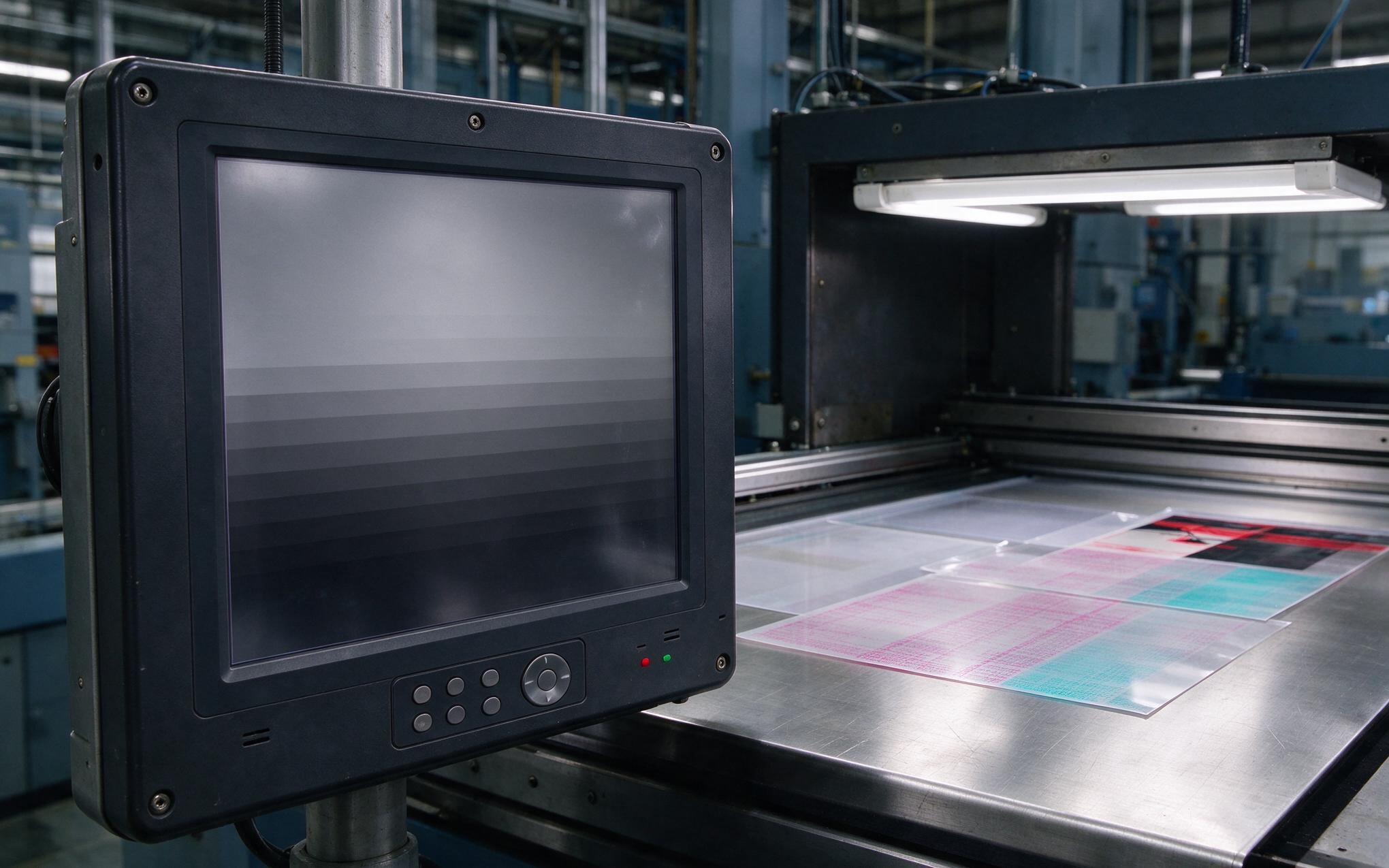
Engineers commissioning a replacement panel PC on a running line often reach for the USB key holding the validated production image, then pause when the replacement board reports a newer BIOS than the unit it replaces. That single revision gap can change boot behavior, driver matching, and power settings on a line qualified as one fixed stack. Firmware governance is therefore a sourcing decision, not an IT detail. An industrial panel pc supplier either treats BIOS and firmware revisions as controlled, documented configuration items or leaves the integrator to discover differences at commissioning. The useful evaluation runs from the initial BIOS baseline through signed updates, change notices, and multi-year patch delivery.
Pinning the BIOS Baseline Before Volume Deployment
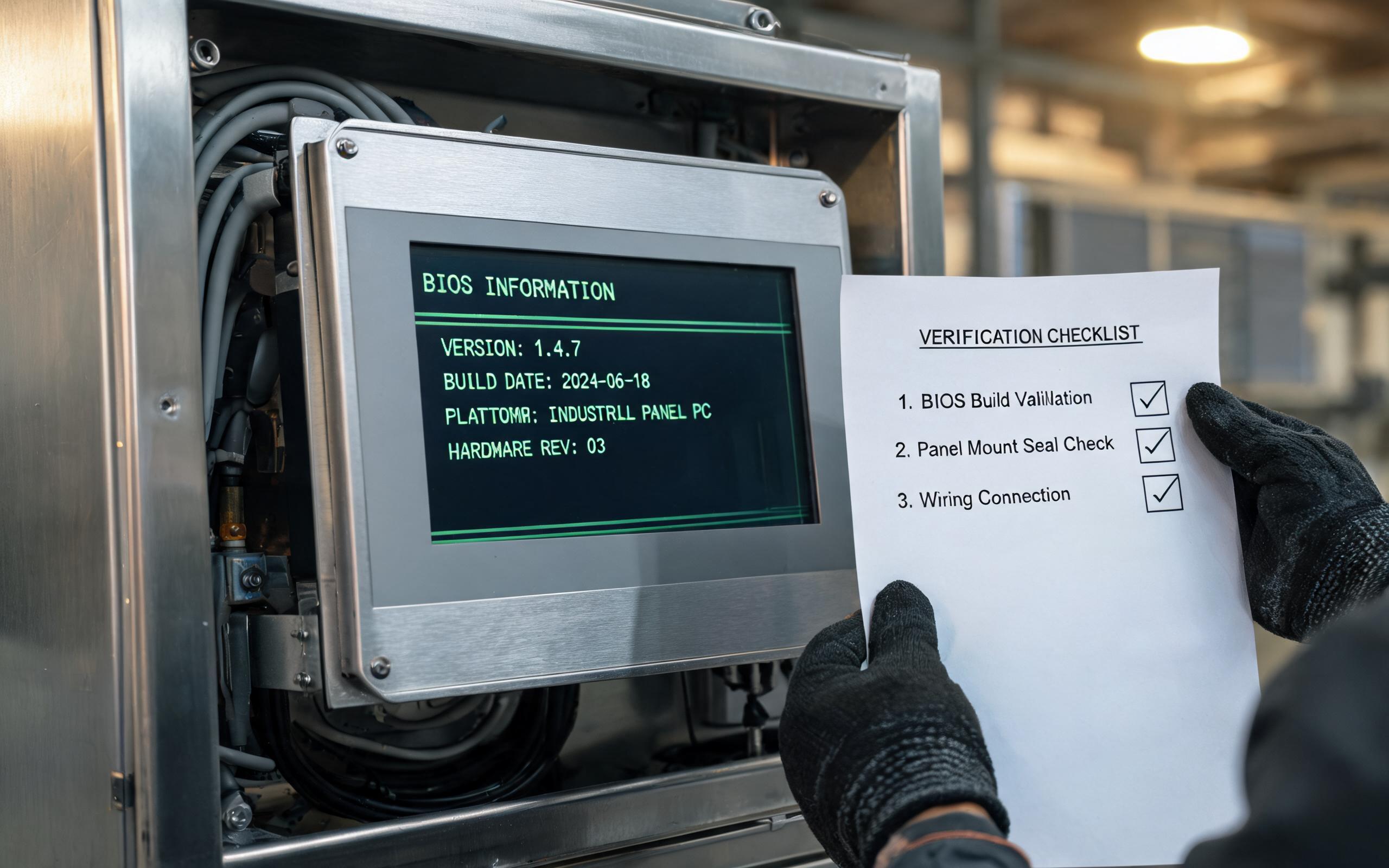
Every validated line begins with a single BIOS revision recorded by build number and checksum, because that revision controls power states, wake timers, serial addressing, and the default boot order. To keep production units identical to qualified samples, established manufacturers, including KOXIAN, hash the shipped BIOS image and lock it under formal change control, so no silent substitution occurs between pilot and volume lots. The discipline is difficult to audit after purchase, which is why an industrial panel pc supplier should publish its revision-control policy before volume orders. Engineers confirm the baseline on incoming inspection by reading the firmware string against the golden record. When a change is unavoidable, the distinction matters because a patch-level update that fixes a setup-menu bug carries different weight than a major release that alters memory training or fan curves. The revision policy should state which changes trigger customer notification and which ship automatically, with enough lead time to revalidate a pilot cell before the new revision reaches volume deliveries.
Signing Firmware and Building the Boot Chain
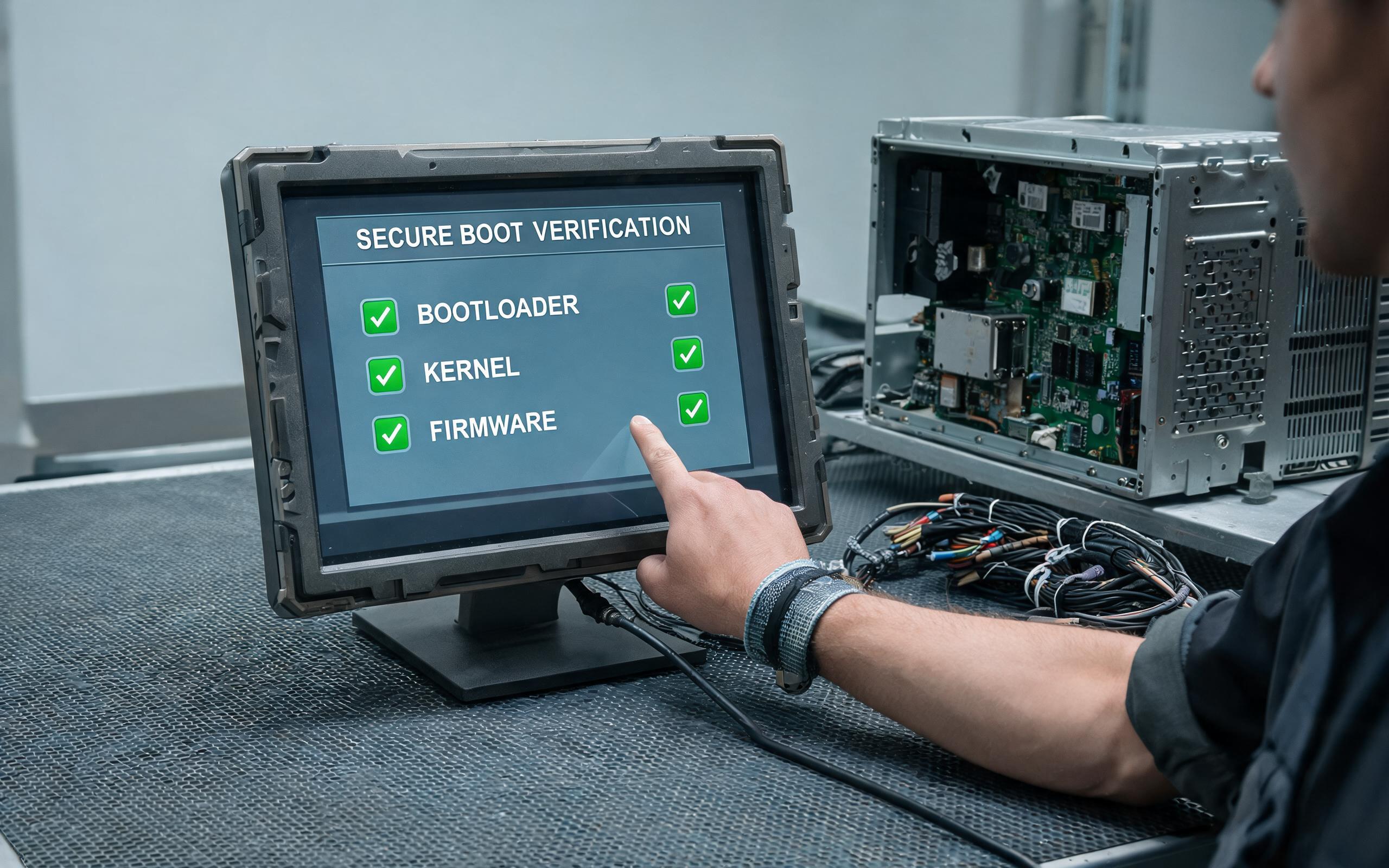
The way a vendor protects that baseline is visible in its signing practice, and the controlled boot flow used across the KOXIAN embedded line shows the pattern integrators should look for, where each bootloader, kernel, and application image carries a signature verified against a key burned into immutable storage so an unsigned or downgraded image refuses to start. This hardware-rooted chain of trust maps directly to the software-integrity requirements of IEC 62443-4-2. Signing is only as strong as key custody, and industry reporting on shared platform keys shows how one leaked certificate can be trusted across hundreds of models. Evaluators therefore press an industrial panel pc supplier on who holds the signing keys, how revoked certificates are refreshed through the UEFI revocation list, and whether anti-rollback counters block an attacker from forcing older, vulnerable firmware onto a seized unit.

Reading Revision Notices from an Industrial Panel PC Supplier
Once units ship, governance depends on notice quality. A credible program publishes a product change notice months before a substituted component or firmware release reaches production, commonly six months for minor revisions and twelve for architecture changes, and keeps a compatibility matrix linking each firmware build to validated driver and operating system versions. On installed packaging and logistics lines, systems built on KOXIAN-based hardware receive matched firmware and driver bundles, so maintenance teams never assemble an untested combination in the field. Numbering carries meaning when it follows major, minor, and patch tiers because a patch changes nothing in the bill of materials while a minor update may follow a component substitution and deserves a regression pass. Last-time-buy windows and buffered stock of the prior revision protect lines that cannot absorb change during a production ramp.

Planning Patch Delivery for Sealed Fanless Fleets
Sealed hardware makes disciplined delivery essential. A fanless panel pc bolted into a washdown enclosure cannot rely on a technician casually flashing updates, and an embedded panel pc often sits behind plant firewalls with no internet path, so patches arrive on a scheduled cadence through a staged validation ring rather than on demand. The supplier should document support windows that match equipment service life, including the long-term servicing branches of Windows IoT Enterprise and the LTS and extended-support paths common on an industrial panel pc linux image. Update packages need verified checksums, uninterruptible power guidance, and a confirmed rollback path, because a power loss mid-flash is the documented failure mode behind most bricked controllers. Defining these windows at purchase prevents the costly gap between a ten-year machine and a three-year patch commitment.
Firmware is part of the delivered machine, and it outlasts the purchase order. Pinning a BIOS baseline, requiring signed boot components, reading revision notices, and planning patch windows convert firmware from a hidden variable into a managed item. An industrial panel pc supplier that documents each layer gives integrators the evidence to revalidate only what changed, which is what keeps sealed production lines running across their full service life.