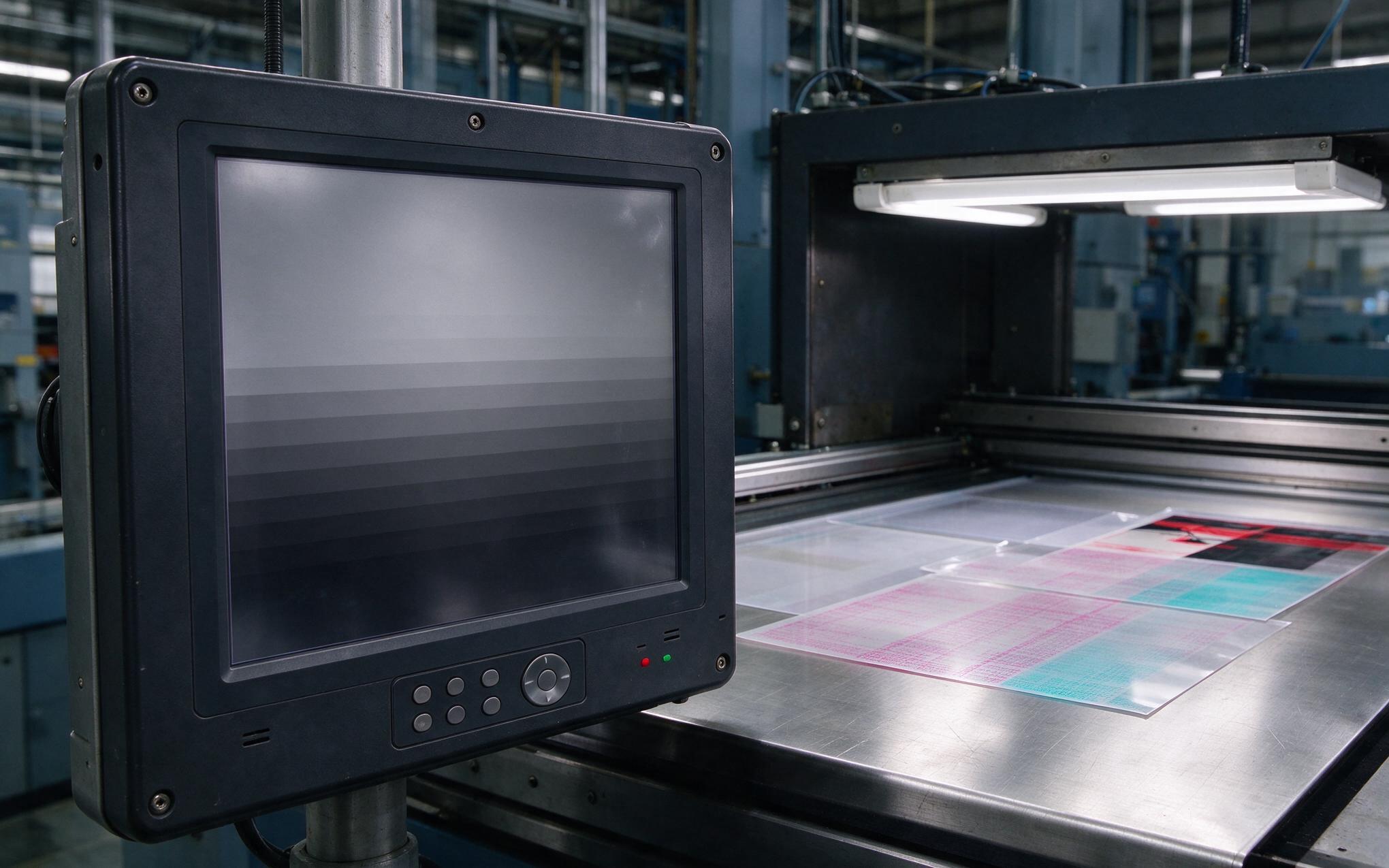
Fifty thousand hours of rated backlight life came to an end after roughly eighteen thousand at one outdoor weighbridge, and no component had failed. Bench testing showed the removed panel still lighting normally. Luminance had decayed below what afternoon glare demanded, which is a wear-out threshold rather than a fault, and it arrived at less than half the quoted figure. That published number assumes twenty-five degrees ambient with nominal drive current, conditions absent from most installations. Interpreting an industrial display screen specification therefore requires knowing what the hours were measured under, because half-life scales with junction temperature and drive level rather than calendar time.

Reading L70 and Half Life Figures on Datasheets
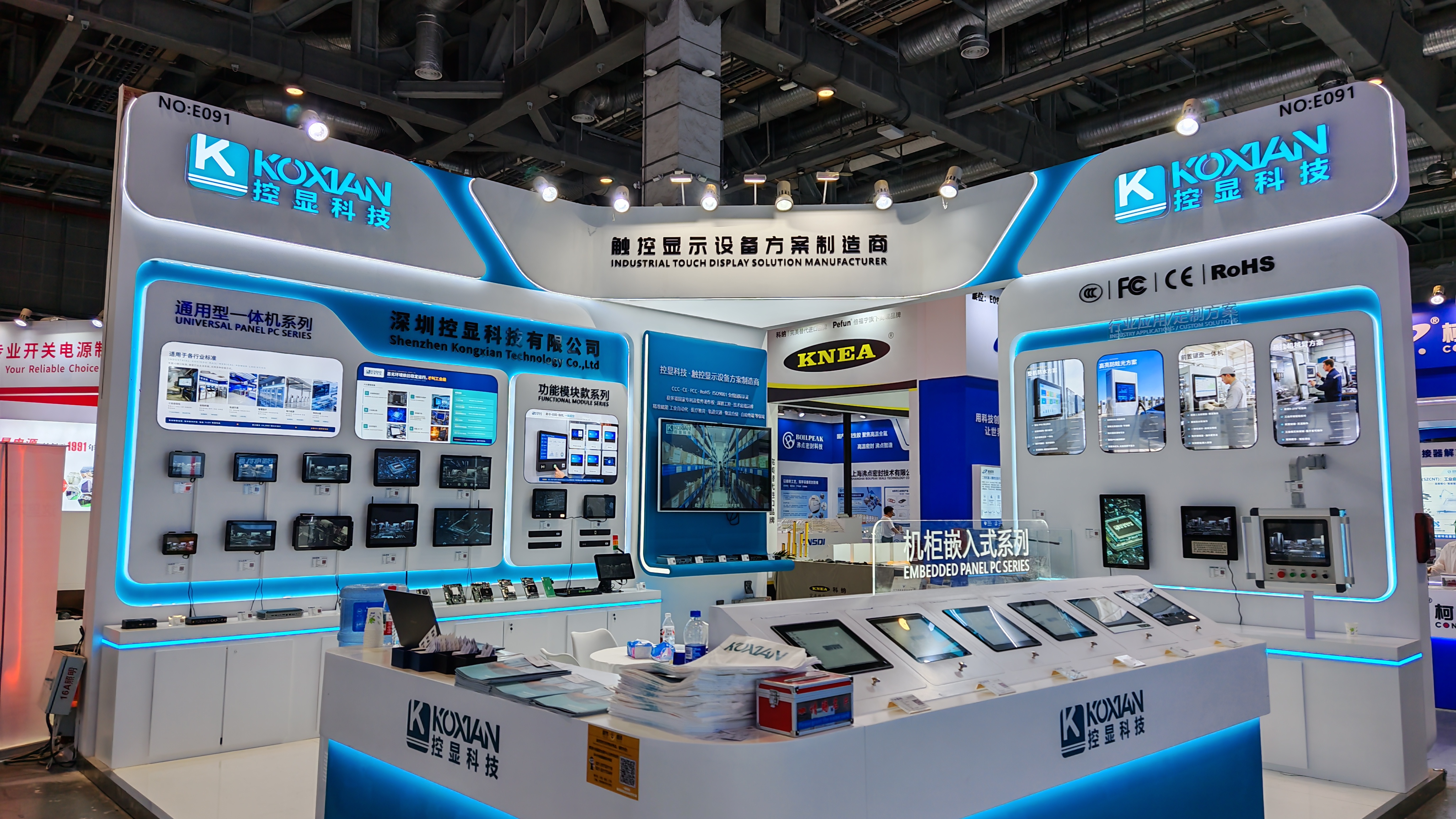
Backlight endurance is defined statistically, not as a failure point. The convention borrowed from lighting practice is L70, the operating hours at which output falls to seventy percent of initial value, while display vendors often quote half-life at fifty percent. Neither describes a device that stops working, which is why a screen can be functionally dead for its application while remaining inside its rated life. Test conditions matter more than the headline hours, since LM-80 style measurement fixes case temperature and drive current, and both climb well above those values inside a sealed cabinet. Suppliers of industrial monitors sometimes quote figures at fifty percent brightness rather than full output, which roughly doubles apparent lifetime without any hardware difference. Because manufacturers including KOXIAN state ambient temperature and drive condition alongside the hour count, a specifier can compare two industrial display screen options on the same basis instead of trusting the larger number.

Estimating Junction Temperature Behind an Industrial Display Screen
Diode junction temperature drives degradation far more strongly than run hours. Light emitting diode output decays through a chemical process in the encapsulant and phosphor, and reaction rate follows an Arrhenius relationship, so every ten to fifteen degree rise in junction temperature roughly halves useful life. A sealed housing at forty degrees ambient with solar gain on the front glass can hold the backlight bar twenty five degrees above the air around it, which turns a fifty thousand hour claim into something closer to fifteen thousand. Conduction path quality decides that margin, because a backlight bar bonded to an aluminum rear casting sheds heat while the same bar mounted on a plastic frame accumulates it. Measuring the rear casting surface after several hours at operating brightness gives a usable proxy for any industrial display screen, and a delta above thirty degrees over ambient indicates the thermal path deserves attention before the backlight specification does.

Balancing Brightness Against Longevity Outdoors
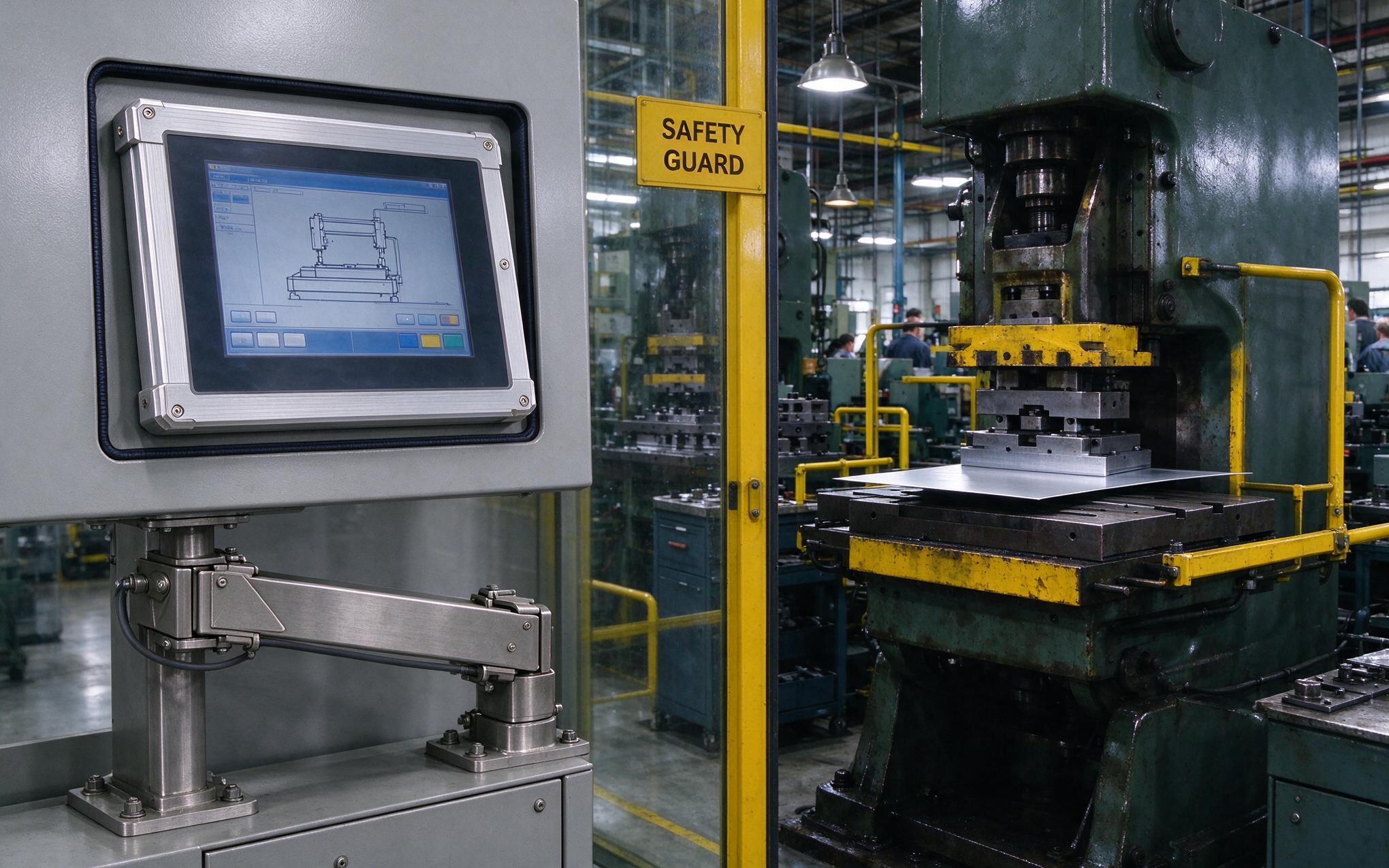
Sunlight readability and backlight longevity pull in opposite directions. A sunlight readable industrial monitor typically drives one thousand to fifteen hundred candela per square meter, roughly three to five times an indoor panel, and that current increase compounds with the self-heating it produces. Optical bonding and anti-reflective coating reduce the raw luminance required to reach the same contrast under ambient light, which is a more durable approach than driving an industrial display screen harder. Automatic brightness control delivers the largest practical gain, since an outdoor terminal spends most hours below peak illumination and holding full output wastes most of the backlight budget. A photosensor that trims output at dusk extends service life at no optical cost.

Planning Replacement Intervals for an Industrial Display Screen
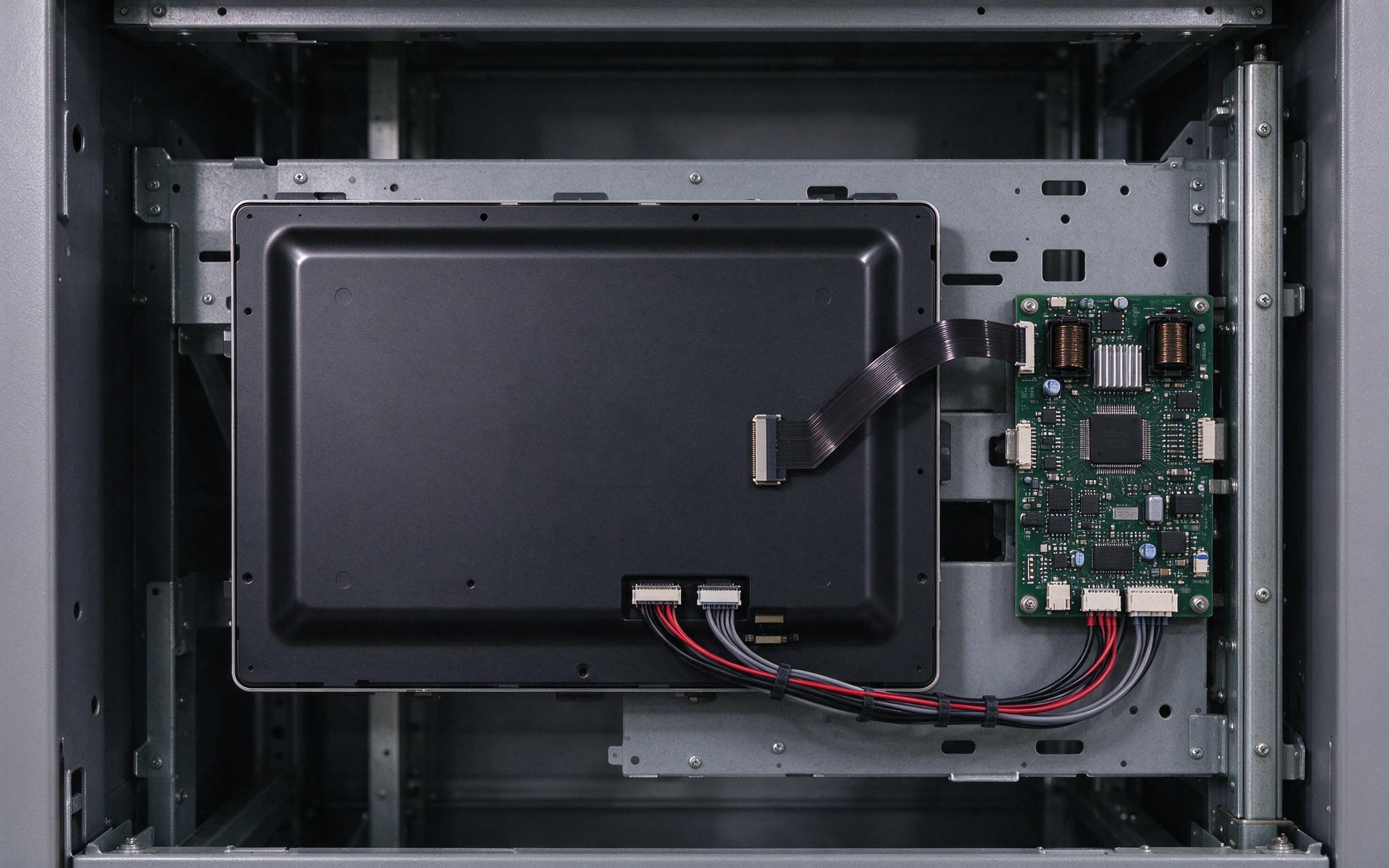
Predictable degradation should be scheduled rather than discovered. Because backlight decay is gradual, operators adapt to a dimming screen and stop reporting it, so the fault surfaces as a misread value instead of a maintenance ticket. Recording initial luminance at commissioning gives a baseline against which a handheld meter reading can be compared during annual inspection. Units in high ambient locations should be grouped for earlier replacement, since a rack room and a furnace aisle installation of identical hardware will not reach the same threshold in the same year. Design routes seen in KOXIAN aluminum housed panels place the backlight driver on a separate board from the main logic, which allows a bar replacement without discarding a working computing module. Spares policy follows from that choice, because a plant holding backlight assemblies rather than complete terminals absorbs an aging fleet at a fraction of the cost, and an industrial display screen refreshed this way keeps its original mounting and cabling intact.
Backlight lifetime is a conditional figure, not a warranty period. The stated hours assume a junction temperature and drive current that sealed cabinets in warm plants rarely deliver, and both variables move the result by factors rather than percentages. Deriving a site-specific estimate from measured rear-casting temperature, actual brightness setting and duty profile produces a replacement interval that maintenance can plan around, instead of reacting to operators who quietly stopped trusting the screen.