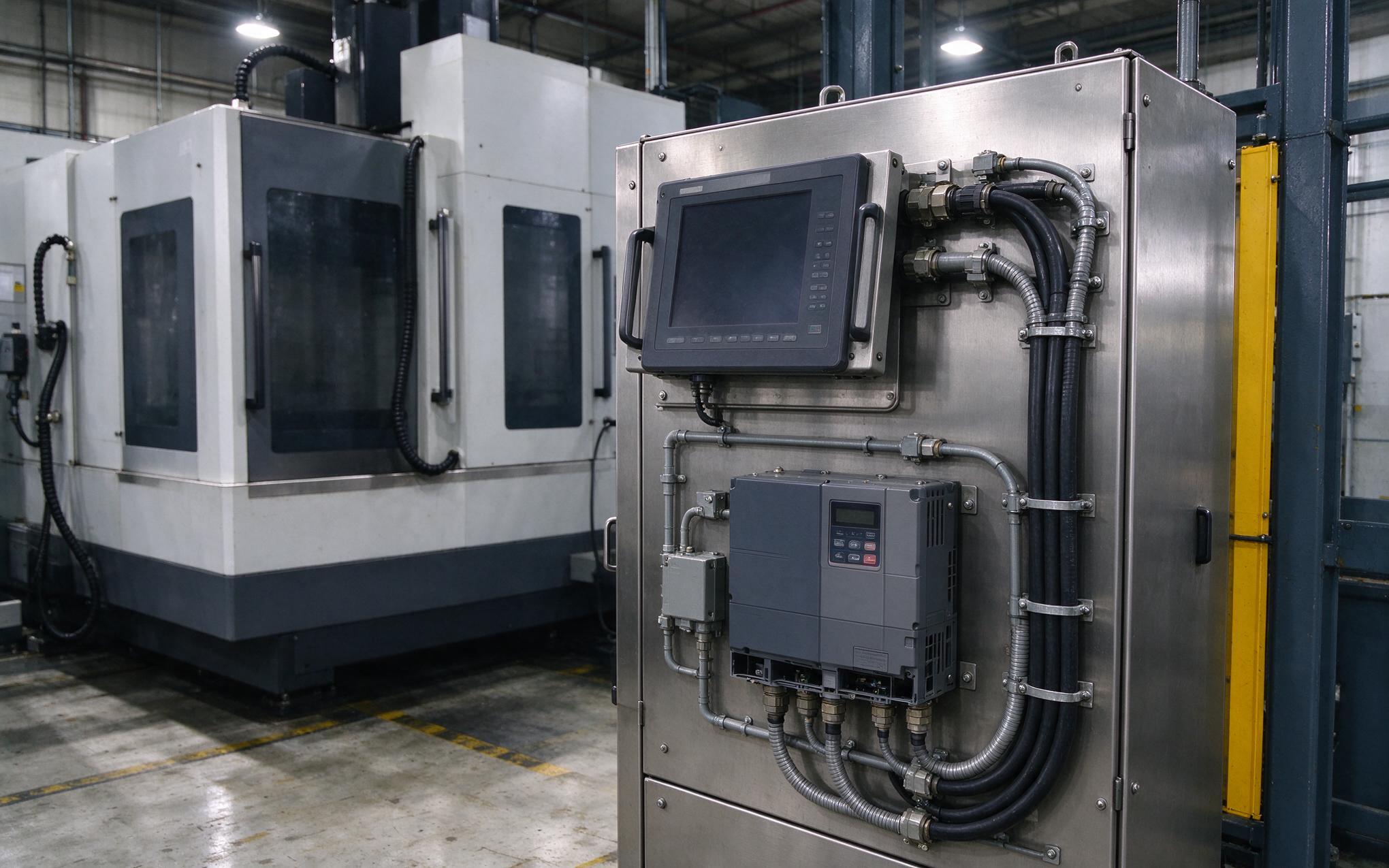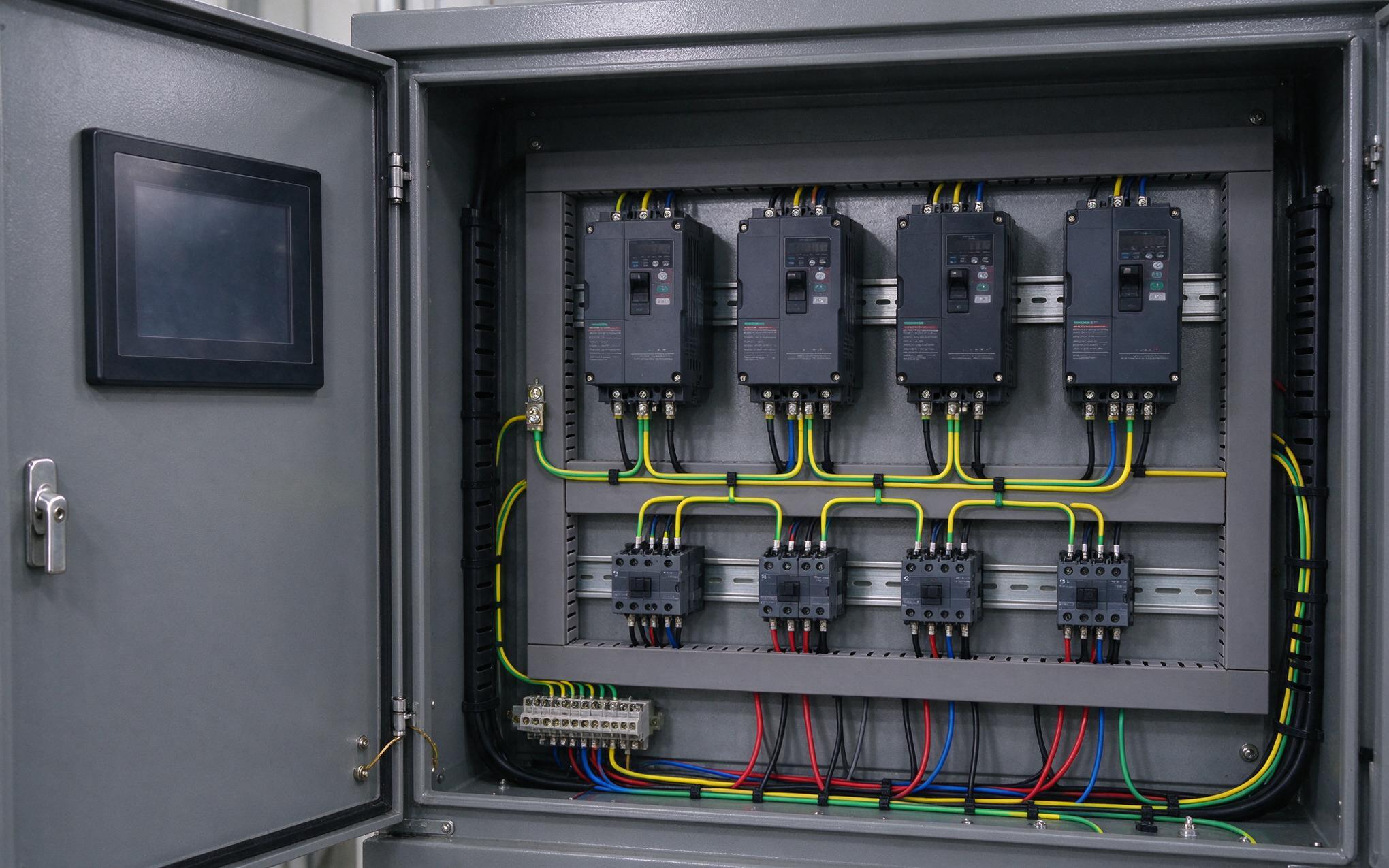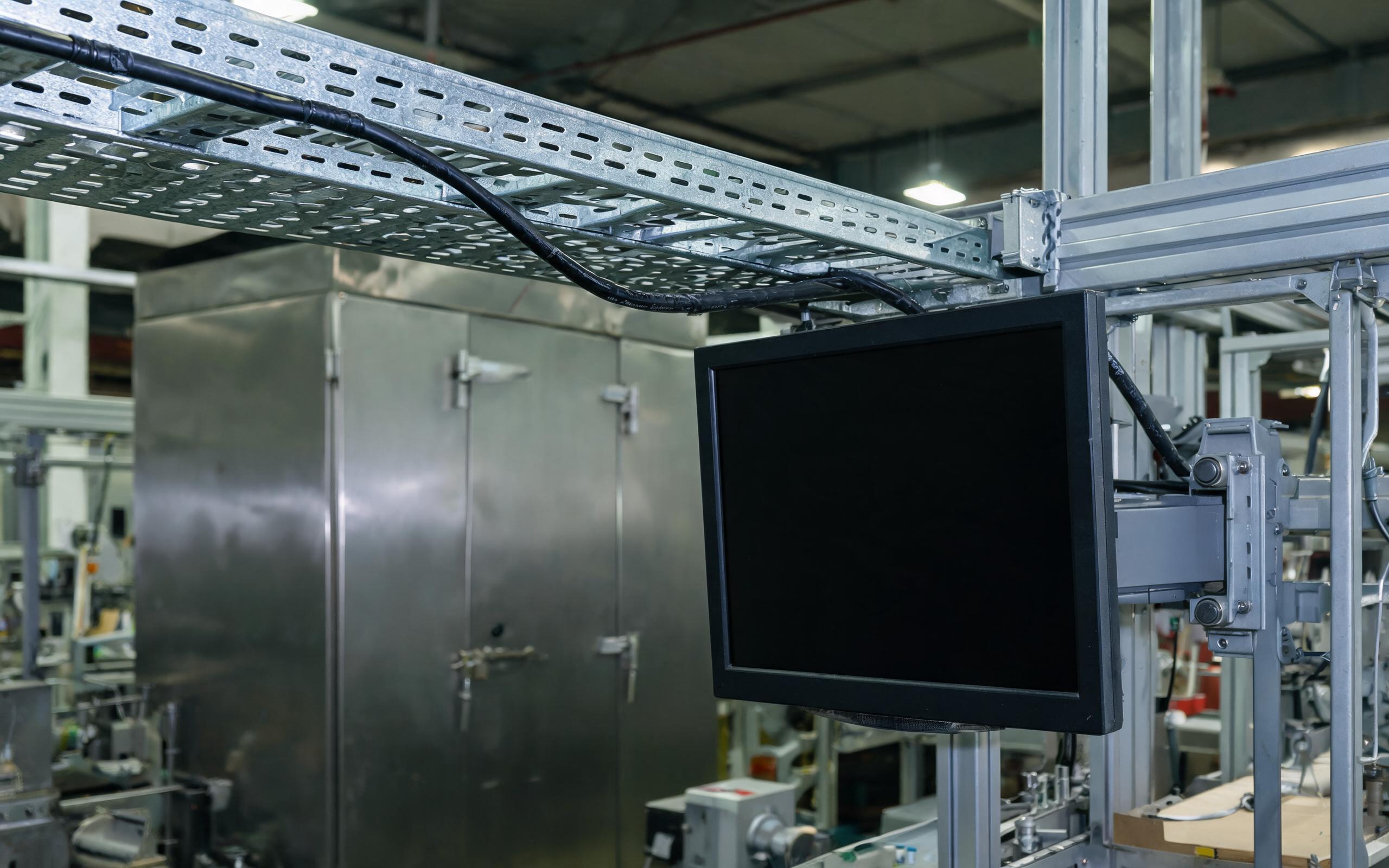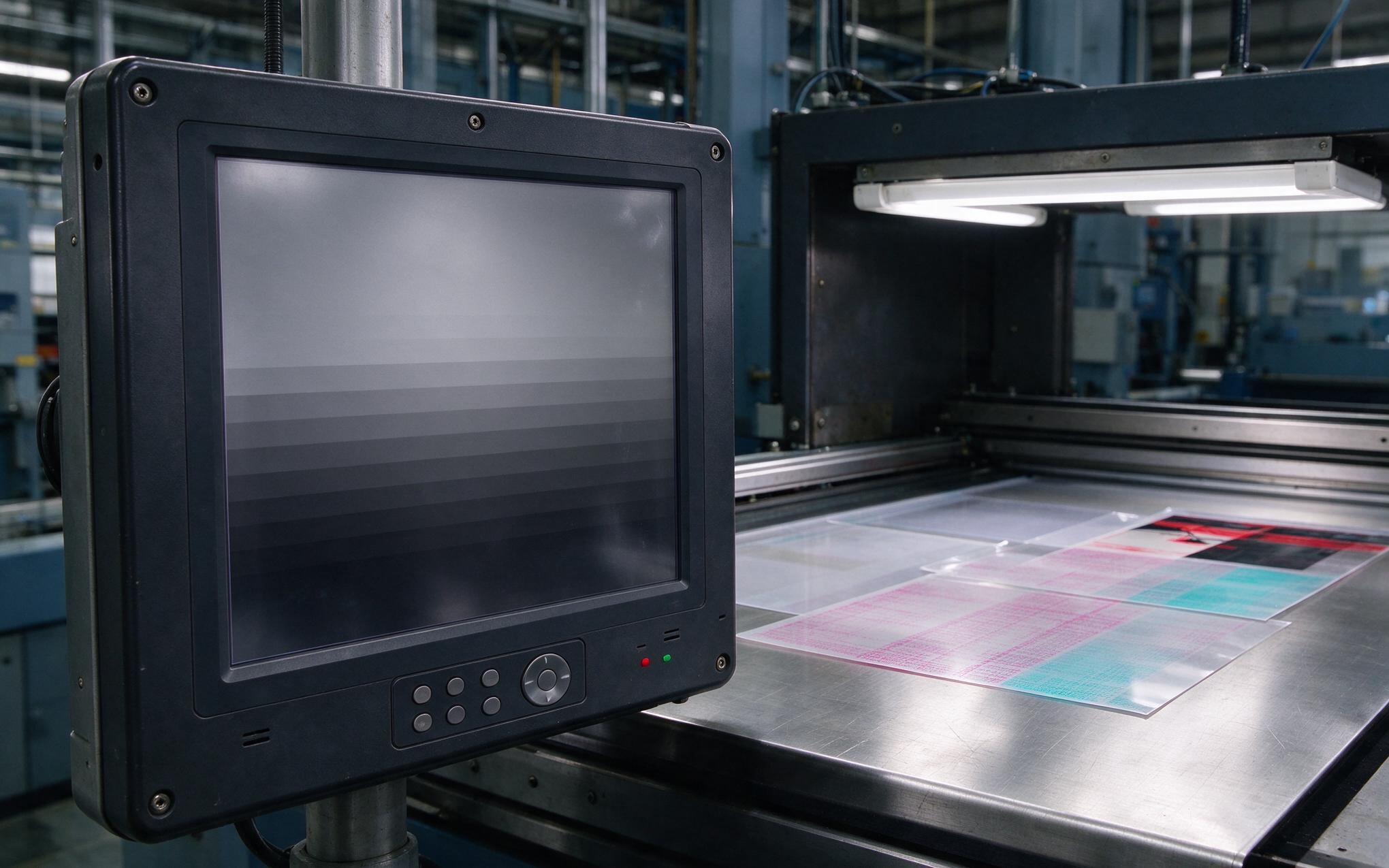
Two rugged PC monitors can leave the factory with the same IP65 test report, yet after a few seasons one weeps at the bezel while the other still holds its seal. The housing and cover glass rarely explain the difference; the gasket does. Elastomers are viscoelastic, so every front bezel seal keeps some share of the squeezing load as permanent deformation, a property the industry calls compression set. Standards exist for measuring it, yet buyers seldom ask for the number. This article looks at how compression set develops in a rugged PC monitor seal, what accelerates the loss, how to read a supplier report, and which design choices keep contact pressure alive through a long service life.
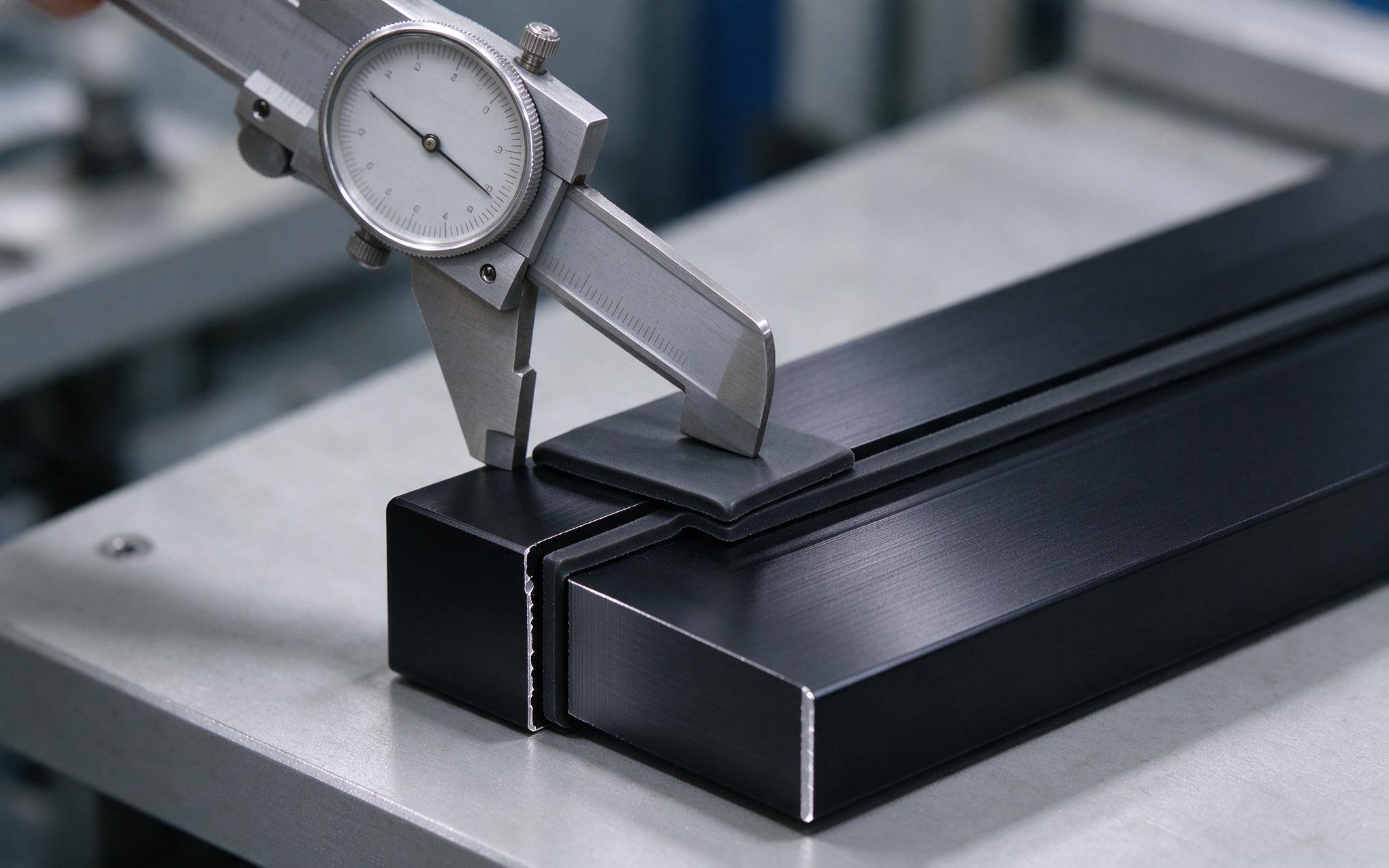
Within a Rugged PC Monitor Bezel, Gasket Squeeze Fades over Time
Specifiers for a rugged PC monitor often treat the front gasket as a commodity line item, but manufacturers including KOXIAN select the elastomer against compression set class and service temperature rather than unit price. Compression set is the permanent thickness an elastomer loses after a squeezing load is applied, held, and released. The ASTM D395 method compresses a conditioned coupon to a fixed deflection, holds it at elevated temperature, and then measures how much height the material recovers after cooling. A compound that recovers most of its thickness keeps pressing the bezel firmly against the cover glass. A compound that recovers little leaves a gap that screws and latches cannot close, and the front stops being the sealed barrier it was at install.
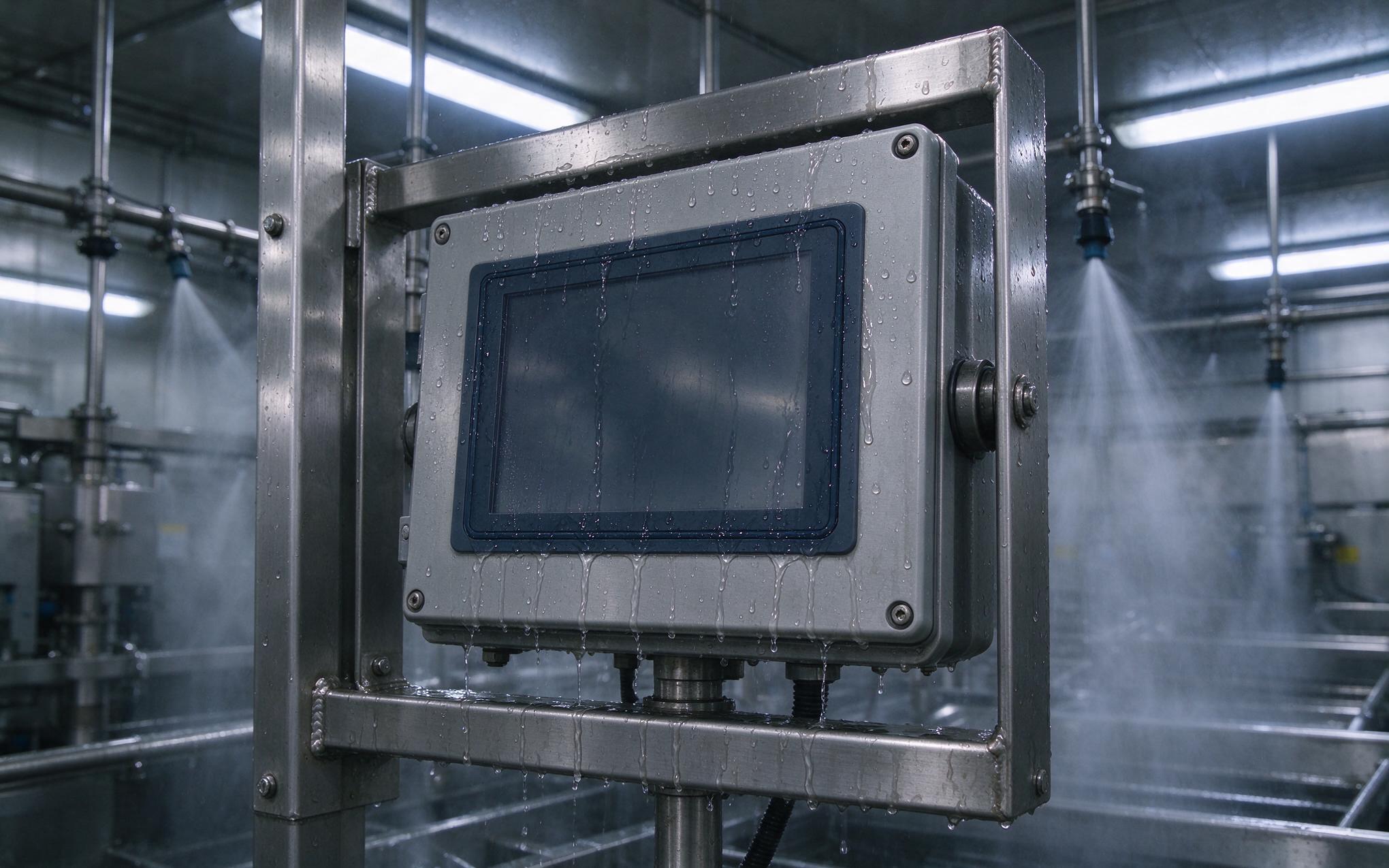
Thermal Cycles and Process Chemicals Speed Up Permanent Set
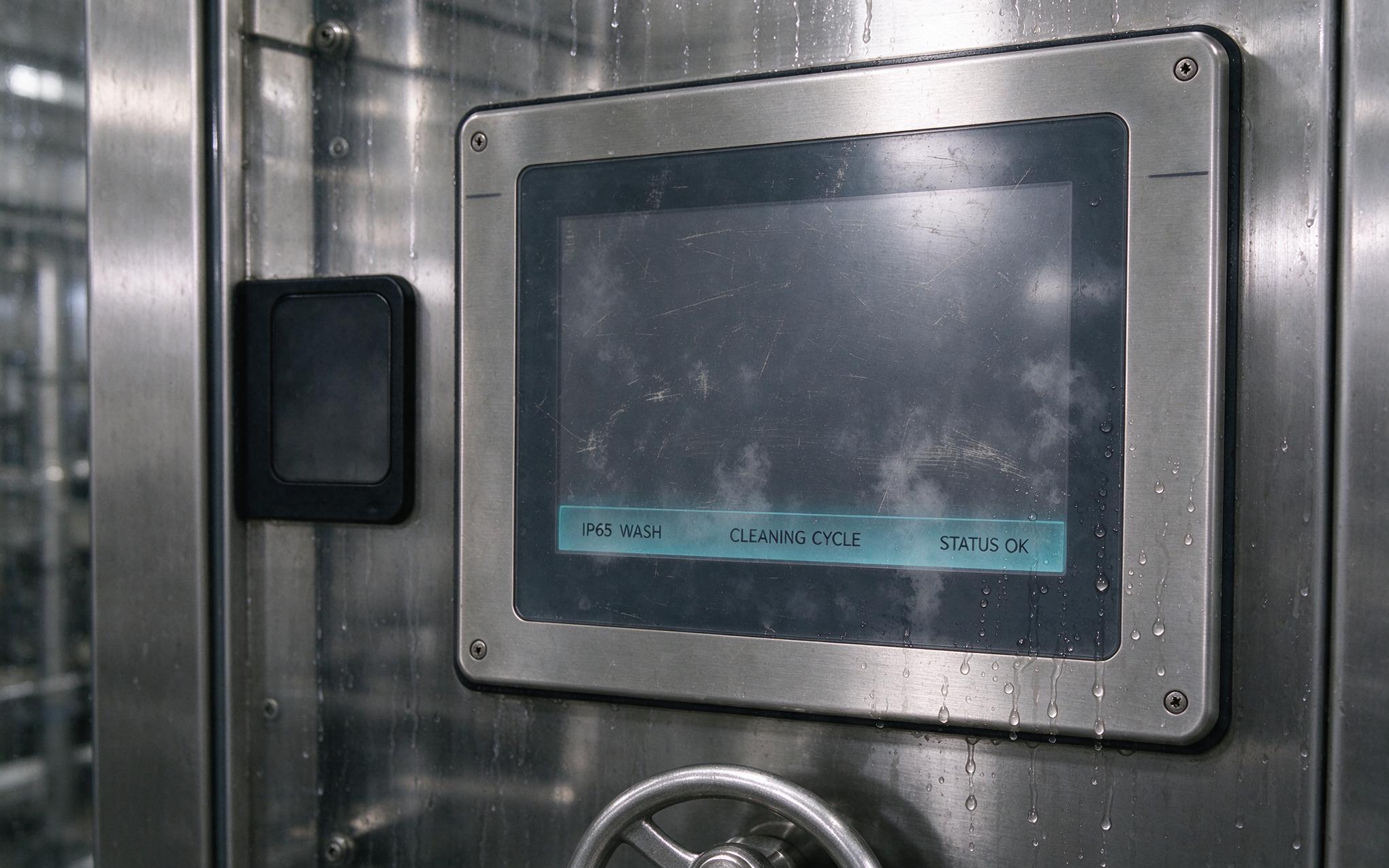
Temperature swing is the quiet driver of set loss, because an elastomer that relaxes under heat during long shifts never fully recovers when the line cools down. Selection frameworks used by teams that specify rugged PC monitor hardware, such as the low-set elastomer criteria in KOXIAN seal design guidance, tie allowable set to the washdown chemistry and the duty temperature of the production cell. Each heating cycle weakens the polymer network a little more than the last, so squeeze force ratchets downward instead of bouncing back to its original value. Chemical attack works from the other direction, since solvents, oils, and strong cleaners swell the rubber or extract plasticizers, leaving the gasket soft, loose, and slow to spring when the bezel needs it.
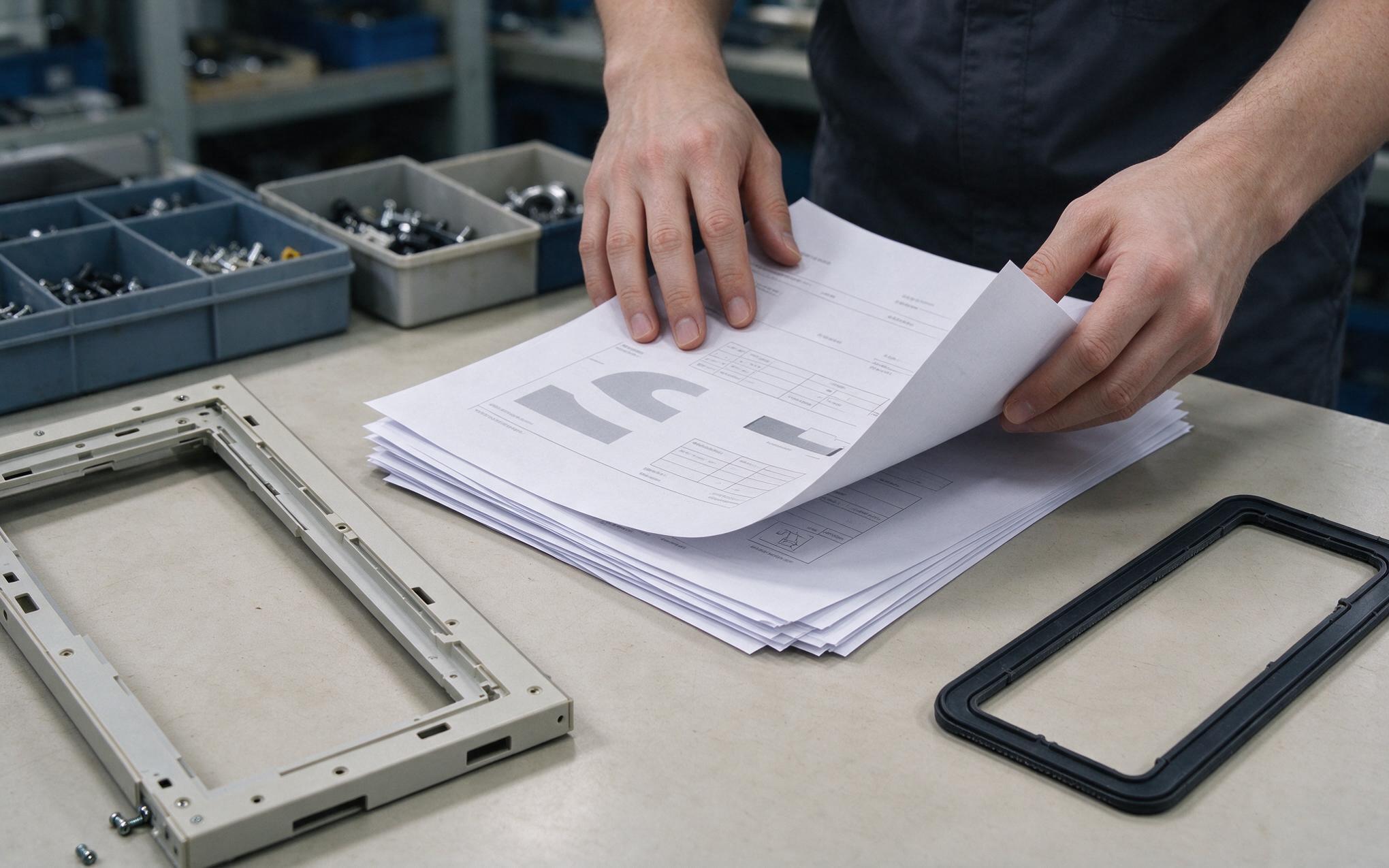
Reading Compression Set Data on a Supplier Report
A data sheet that quotes one room-temperature number tells a buyer very little about how a rugged PC monitor seal will age on a hot line. Ask for the test method behind the figure, because ASTM D395 and ISO 815 report different deflections, hold times, and recovery windows, and a value read across mixed methods misleads everyone downstream. Test temperature matters more than anything else, since a coupon conditioned at the actual duty temperature predicts field behavior far better than one measured at a comfortable bench value. After-aging results matter for the same reason, because a compound can look stable for a week and then harden after a summer of thermal cycling. Lot traceability closes the loop, connecting a passing report to the gasket roll that actually ships to the line.
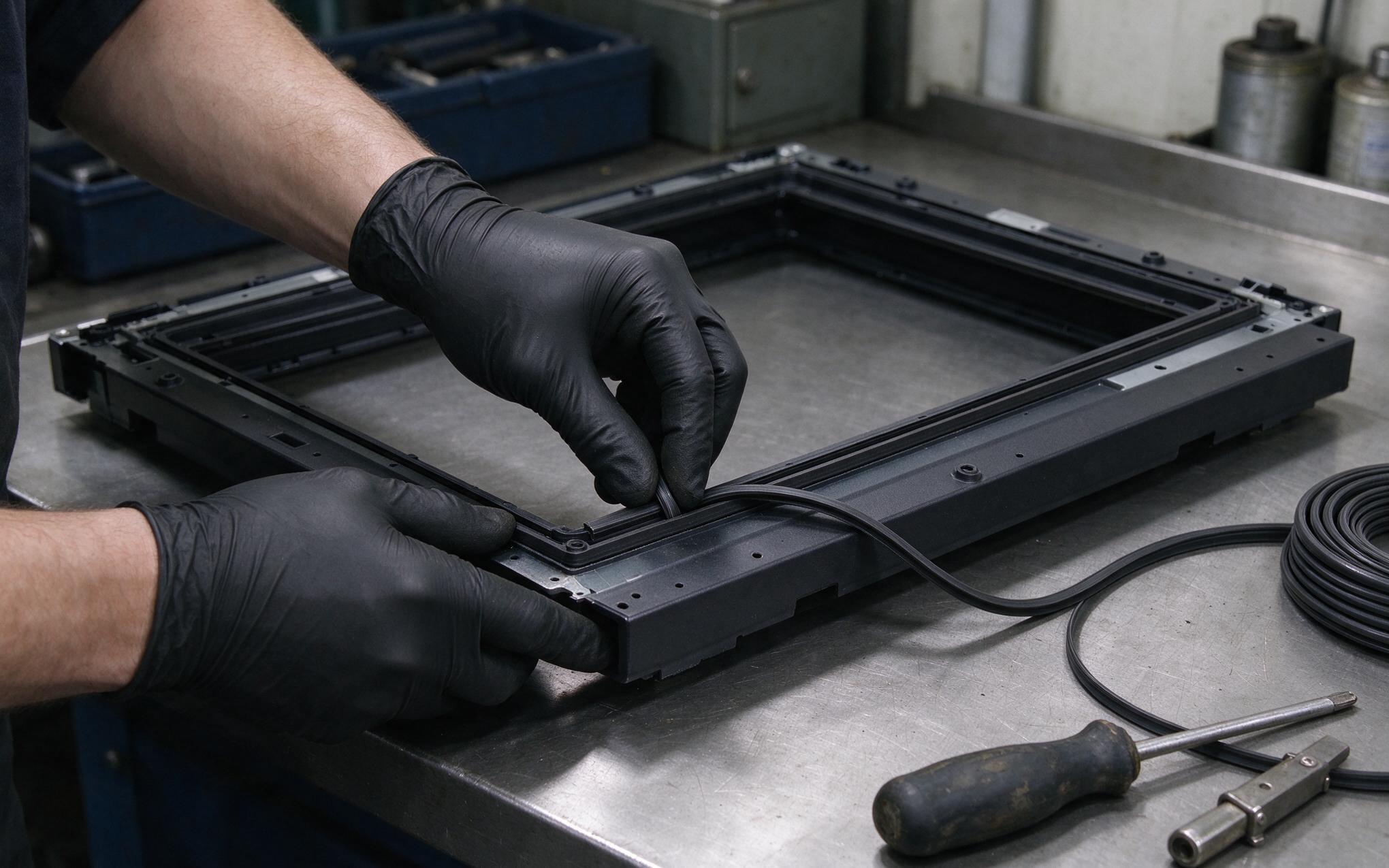
Groove Design and Service Intervals That Offset Gasket Set
Hardware choices can absorb much of the set a seal will inevitably take. Groove depth is the starting lever, because most elastomer seals perform well near fifteen to twenty-five percent compression, and over-squeezing a gasket only raises the permanent set it will retain. Clamping consistency beats raw force, so evenly spaced latches or screws hold squeeze more reliably than a few over-torqued points that distort the bezel. Bezel gasket maintenance policy handles the rest, with scheduled inspection of the front seam, periodic retensioning where fasteners allow it, and a replacement interval sized to the cleaning cycle of the cell. A spare gasket kit on the shelf keeps a weakened front seal from turning into a weekend line shutdown.
Compression set is not a defect; it is simply what sealing materials do under a sustained load. What separates a rugged PC monitor that holds its rating through a retest from one that fails it is whether the design anticipated that behavior and the purchase spec demanded supporting evidence for it. Treat the gasket as an engineered component, with method-specific test data, a compound matched to the chemistry it will face, and a replacement plan written before the seal reaches its limit. Front bezels are cheap to inspect and expensive to ignore, and that simple arithmetic applies on every plant floor.