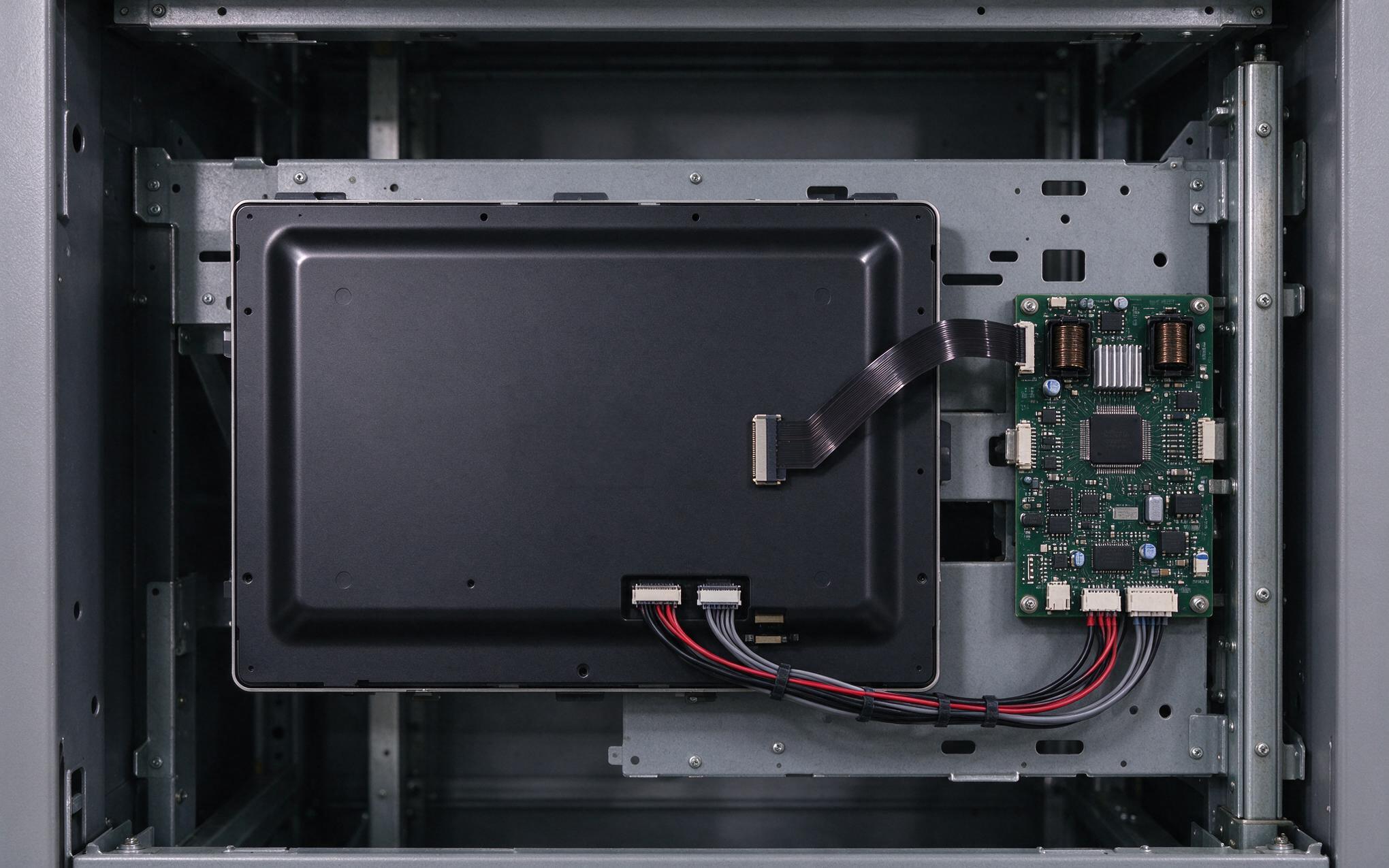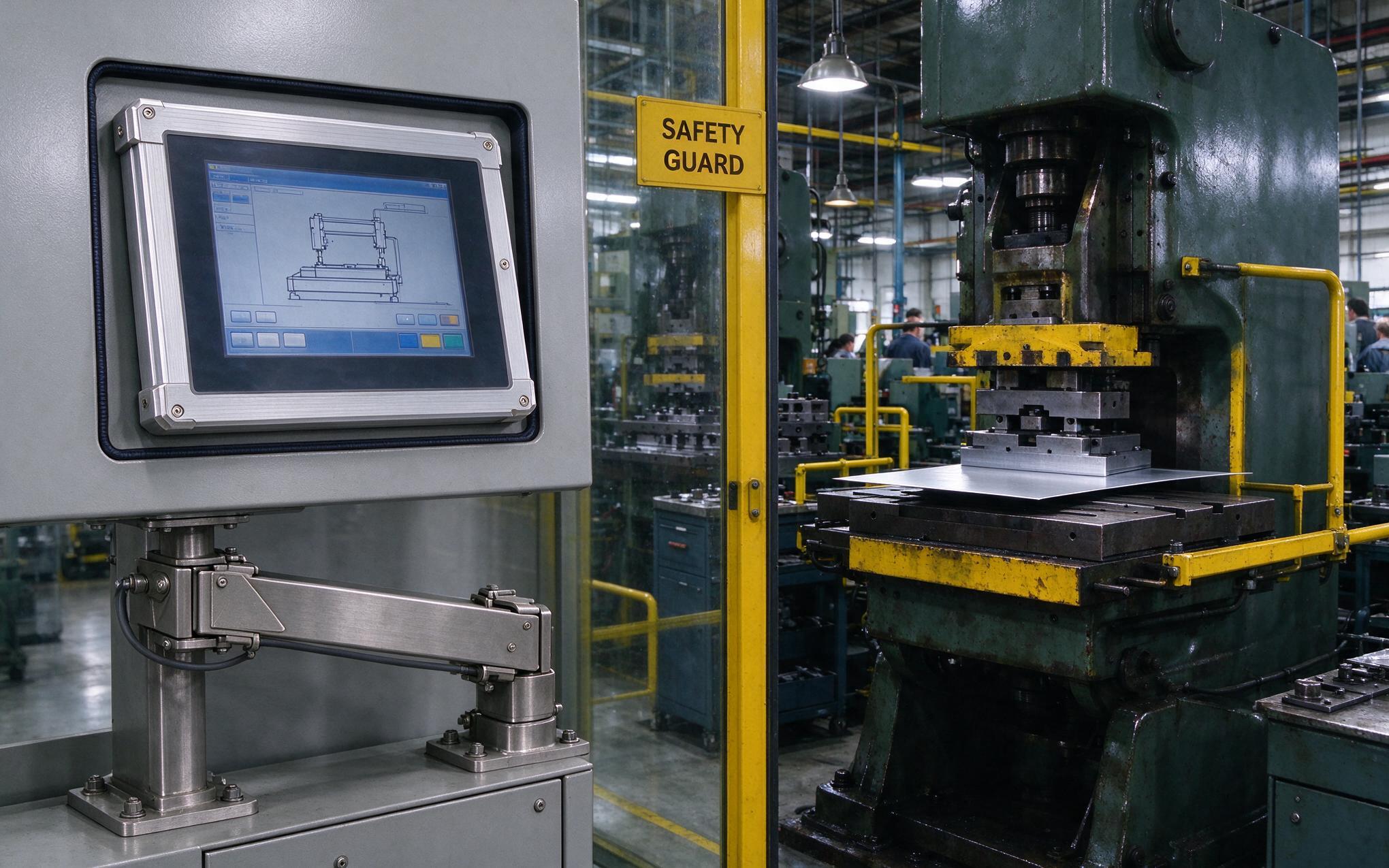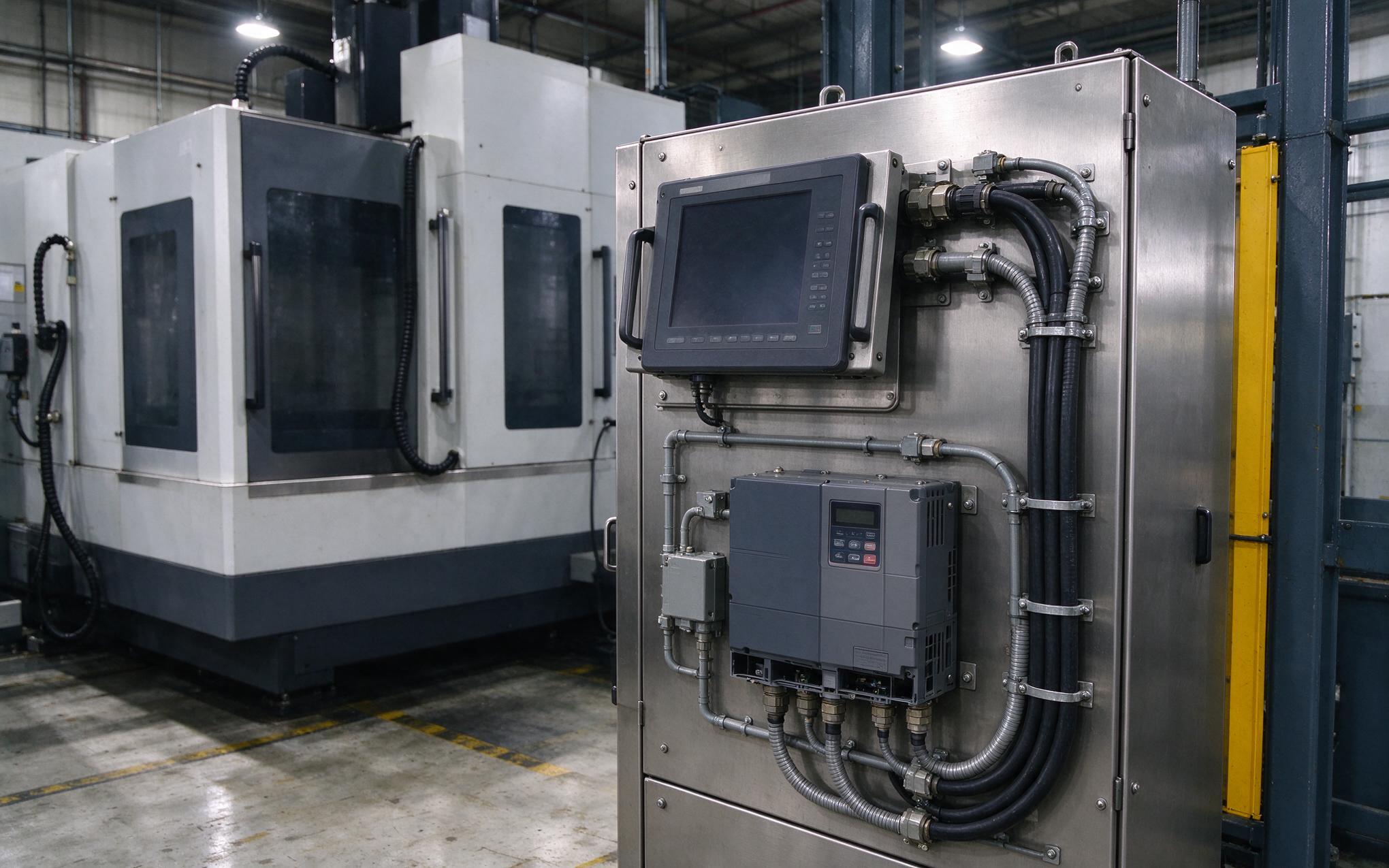
Scheduling jitter rarely shows up as damaged hardware. It shows up as a vision frame that arrives after the cell has already indexed, a timestamp that drifts a little farther each shift, or a control task that misses its window three times in a row and brings the line to a controlled stop. One battery module plant traced exactly that pattern to a task waking 38 ms late on a nominal 10 ms cycle while processor load sat near 40 percent. On an industrial panel pc linux platform, the diagnosis path runs through the scheduler, because the kernel decides which thread runs next and how late that thread is allowed to be.
Measuring Scheduling Jitter on an Industrial Panel PC Linux Target
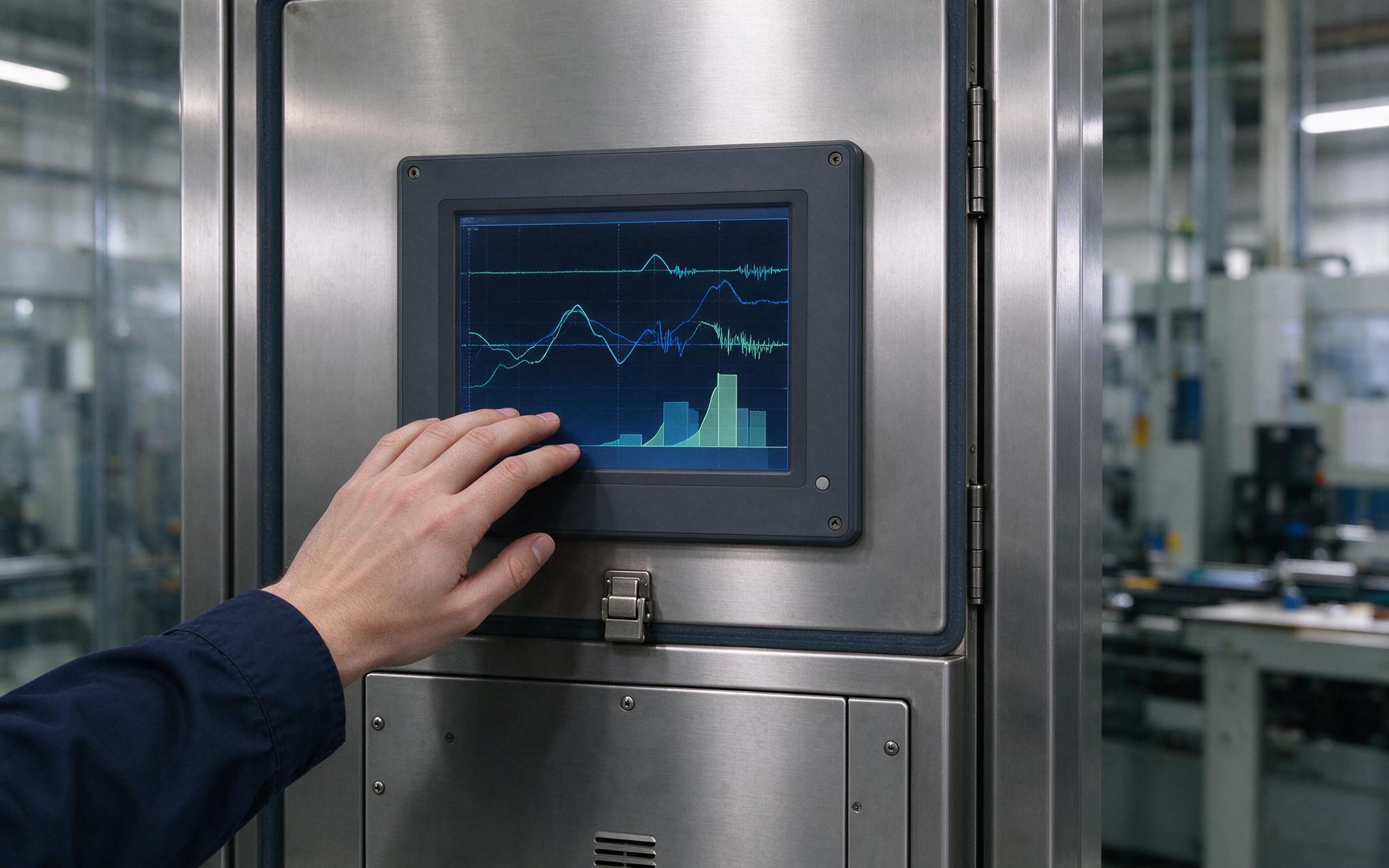
Field observations from long validation runs, such as those recorded on KOXIAN test rigs, treat jitter as a distribution rather than a single average. The standard instrument is cyclictest, which wakes a high-priority thread at a fixed interval and records how late each wake-up actually was; left running for hours, its histogram exposes both the typical deviation and the rare worst-case spike. On the same industrial panel pc linux target, hwlatdetect probes interrupt-level latency, while a quick look at the frequency governor reveals cores dropping into deep idle states right before a wake-up request. The number that matters most is the worst case, because a single late frame is enough to stop an automated cell that was otherwise healthy.
Preemption Models Behind Deterministic Response
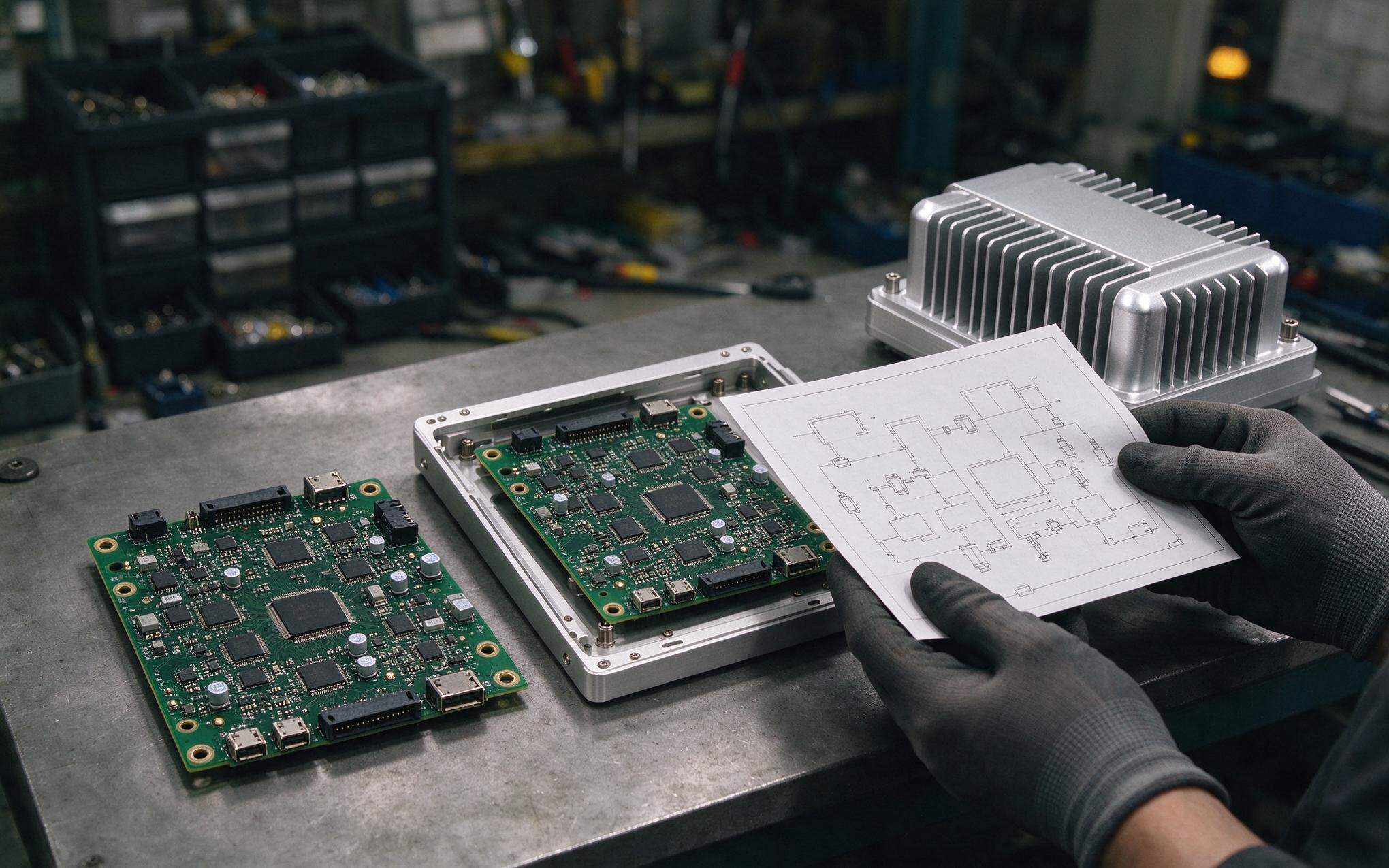
Not every control task needs the same kernel. The preemption model picked at build time decides how quickly a running thread can be interrupted: PREEMPT_NONE favors throughput, VOLUNTARY inserts explicit yield points, and the general PREEMPT model opens most of the kernel to interruption at any moment. The real-time model goes further, and its patch set reached the mainline kernel in version 6.12, so builds no longer depend on out-of-tree patches to gain threaded interrupt handlers, priority-inheritance mutexes, and spinlocks that sleep under contention. The honest limit deserves equal emphasis here, because this remains soft real-time behavior where deadlines are met with high probability, not the absolute guarantee a purpose-built controller offers on its own.
On Core Isolation and Interrupt Affinity Tuning
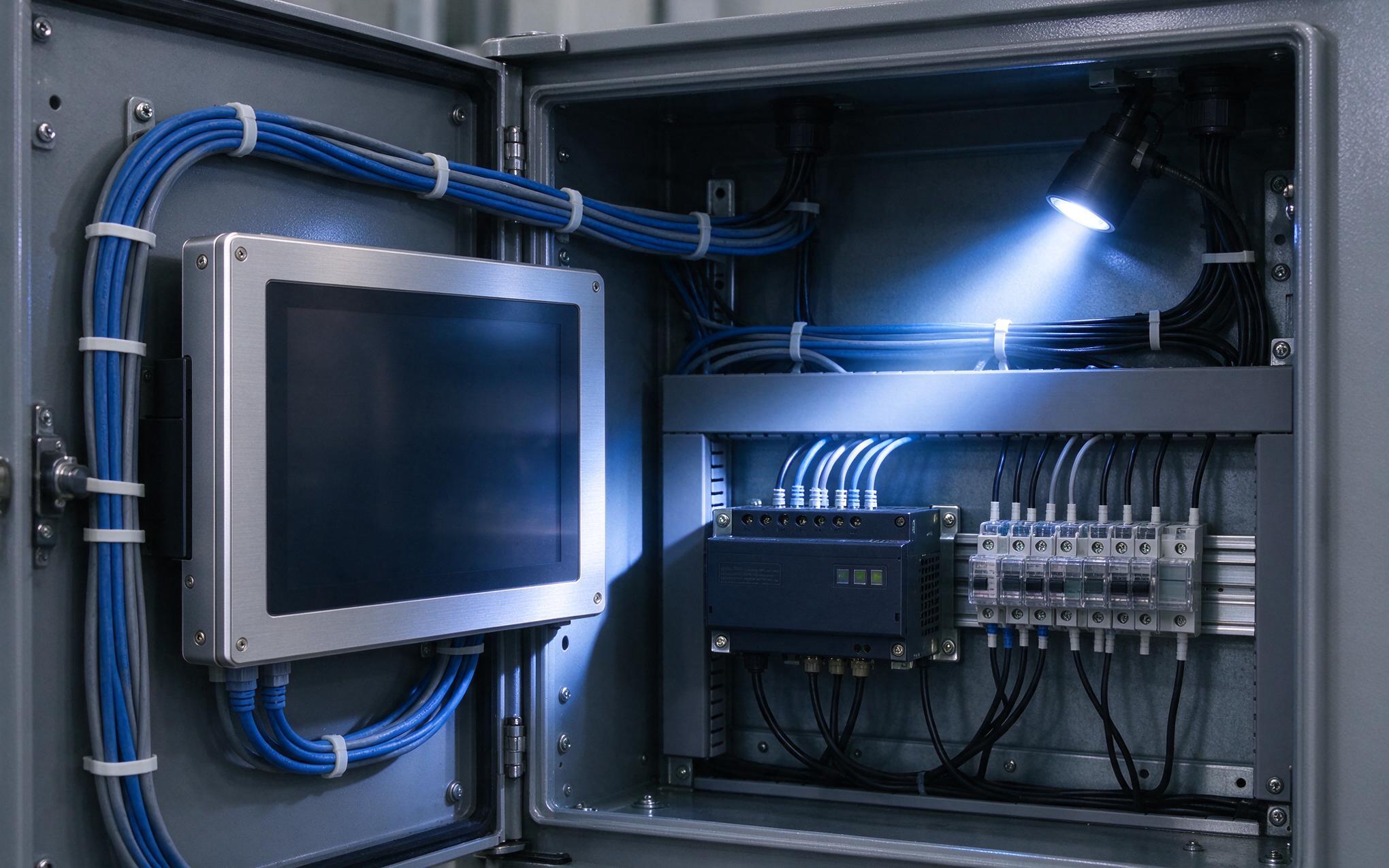
Kernel configuration sets the ceiling, but partitioning decides whether the target reaches it. Carving one or two cores away from the general scheduler, through cpusets or isolcpus, keeps daemons, log writers, and container workloads off the core running the control thread, and routing device interrupts to a separate core stops a network burst or a disk write from preempting it mid-cycle. Power and platform approaches inspired by KOXIAN power architecture also pin the frequency governor to performance mode, so the clock does not sag between wake-ups. On an industrial panel pc linux build, the hot thread should request a real-time priority, lock its working set into RAM, and avoid memory allocation inside the loop on every cycle.
Production Soak Runs and Acceptance Thresholds
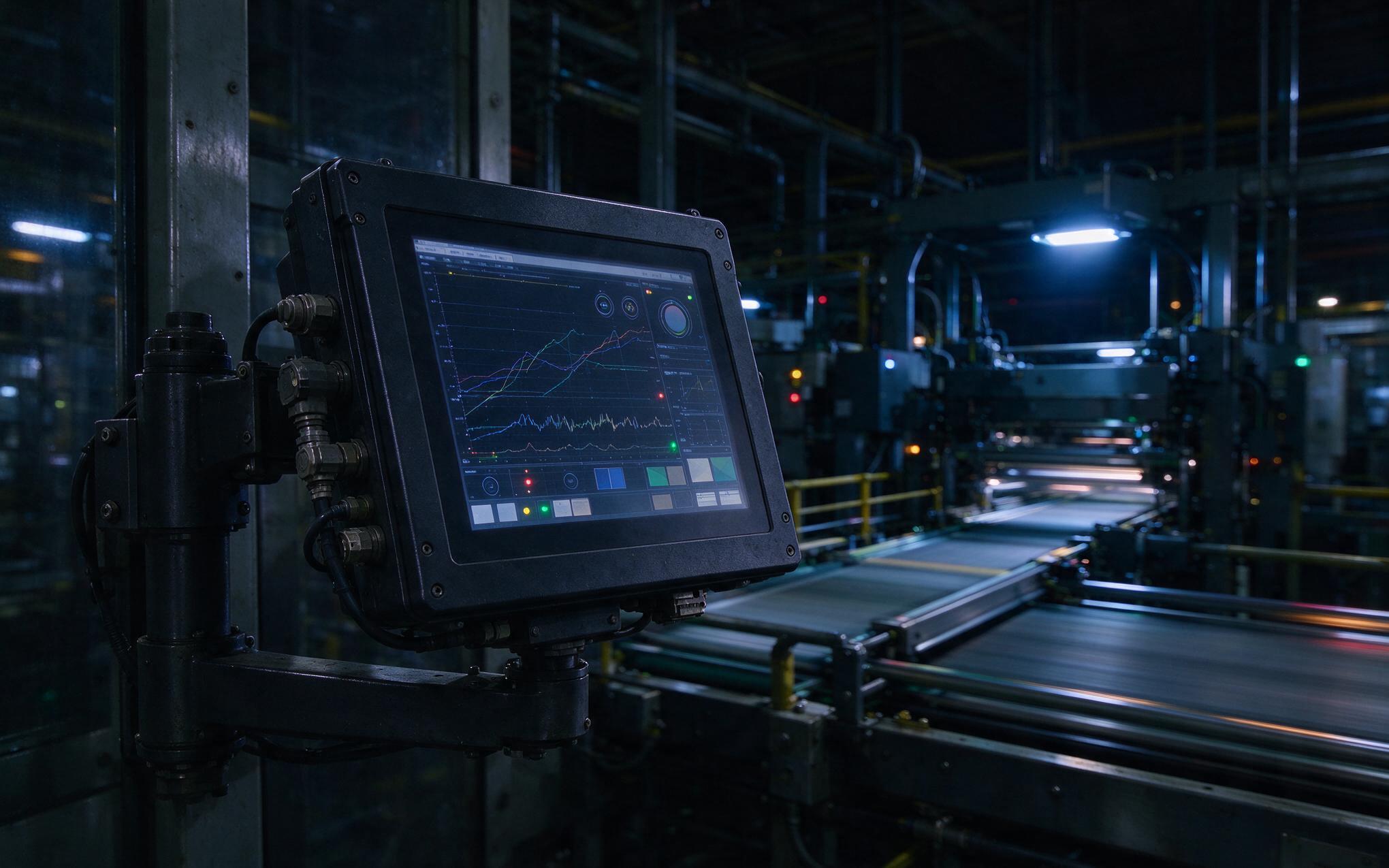
A tuned kernel still needs proof under production load. Commissioning teams should run a soak covering at least one full production cycle, with cyclictest logging in the background while the real application streams data, because idle measurements hide the disk flush, log rotation, and network traffic that caused the original stoppage. Acceptance only works with a written budget: define the maximum tolerable wake-up deviation as a share of the control period, then treat every breach as a defect instead of an anomaly. Repeat the measurement after every kernel, BIOS, or driver update, since a firmware refresh can quietly restore deep idle states. Selection approaches modeled on KOXIAN platform criteria ask for a latency budget and its test method, rather than a vague real-time claim.
Jitter rarely announces itself; it arrives as a stopped cell at two in the morning, a timestamp that drifts across shifts, or a frame that lands after the decision was already made. Treating timing as a measurable, budgeted property of the platform, with a chosen preemption model, a written isolation plan, and a soak record filed before acceptance, converts those failures into engineering data. Plants that keep the measurement in the commissioning checklist find that later kernel and firmware updates stop being surprises, and predictability is the whole point of deterministic scheduling.