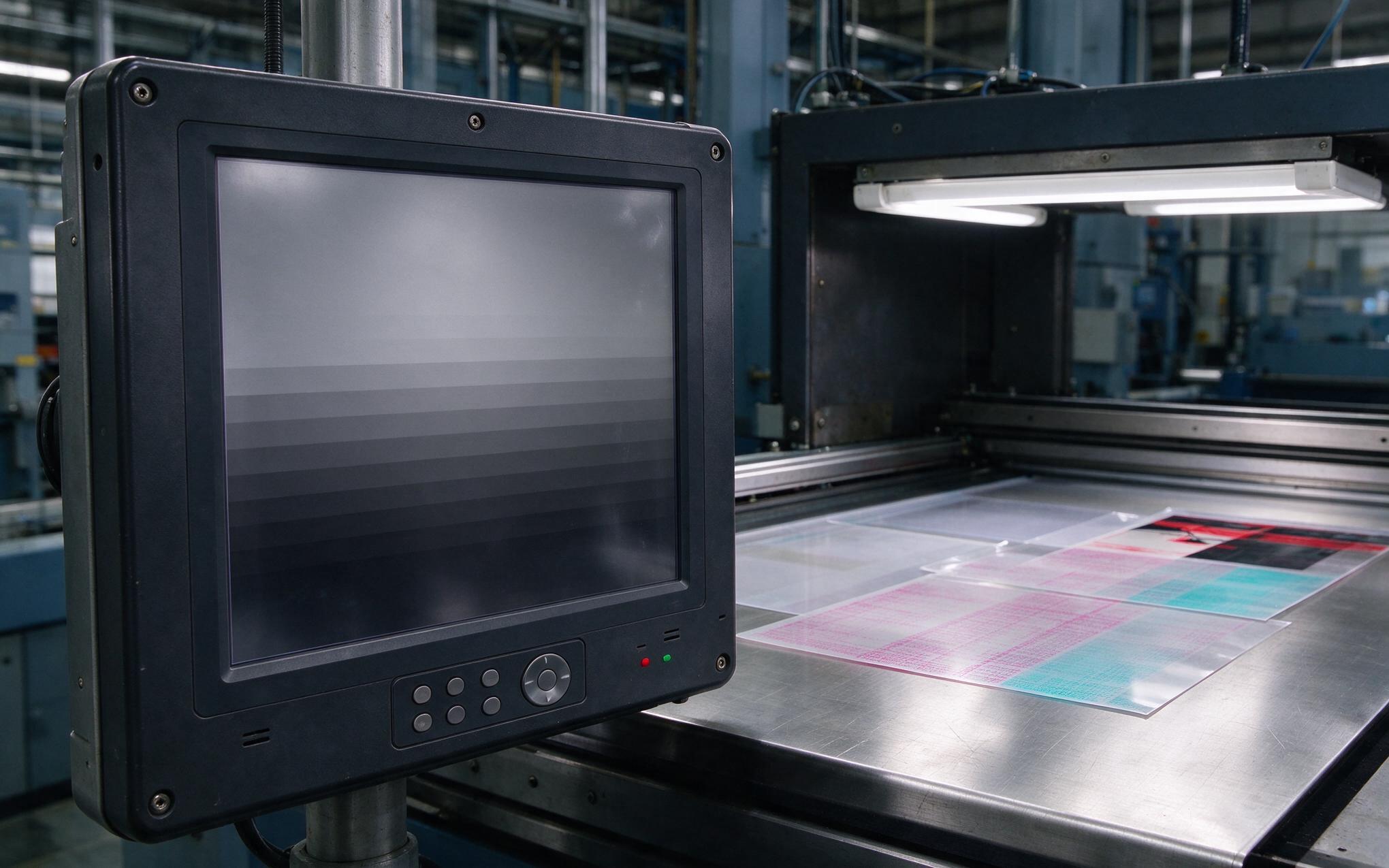
When Samsung Electronics confirmed in July 2026 that its System LSI division had shipped engineering samples of the GAIA chip to Lenovo and HP for validation, the news resonated differently in the industrial computing sector than in consumer tech. GAIA is a 4-nanometer AI accelerator built around an optimized NPU architecture, purpose-designed for on-device generative AI workloads. Unlike general-purpose processors that bolt AI capabilities onto existing cores, GAIA treats neural computation as a first-class citizen. The announcement validates a direction reshaping industrial computing: the shift toward dedicated edge-AI silicon. Mass production is targeted for 2027. The question is how industrial Panel PC platforms prepare for silicon that redefines on-device AI at the factory floor.
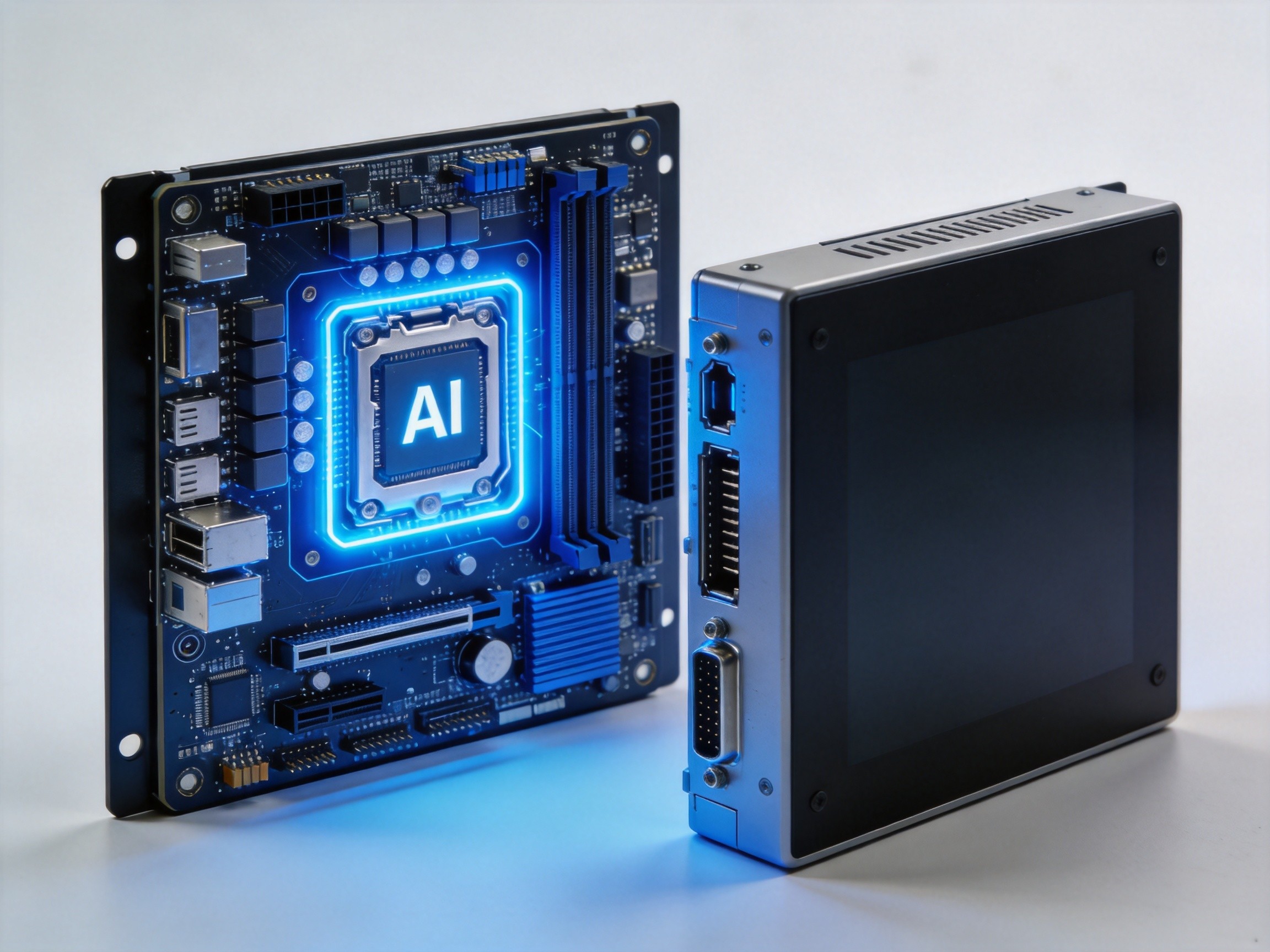
The NPU-First Architecture: What GAIA Signals
GAIA is not a CPU replacement. It is a dedicated AI coprocessor fabricated on Samsung’s 4nm process, with an NPU architecture that prioritizes memory-compute proximity over raw clock speed. Samsung describes the design as “memory-centric acceleration,” developed alongside processing-in-memory technology that allows computations to execute directly within DRAM modules. This matters for industrial Panel PCs because factory-floor inference workloads—defect classification, predictive maintenance scoring, real-time vision inspection—are bottlenecked by data movement far more than by arithmetic throughput. A chip collapsing memory-compute distance delivers latency reductions without GPU thermal overhead. The implication for integrators is clear: workload-optimized AI silicon will become as standard as an Ethernet controller.
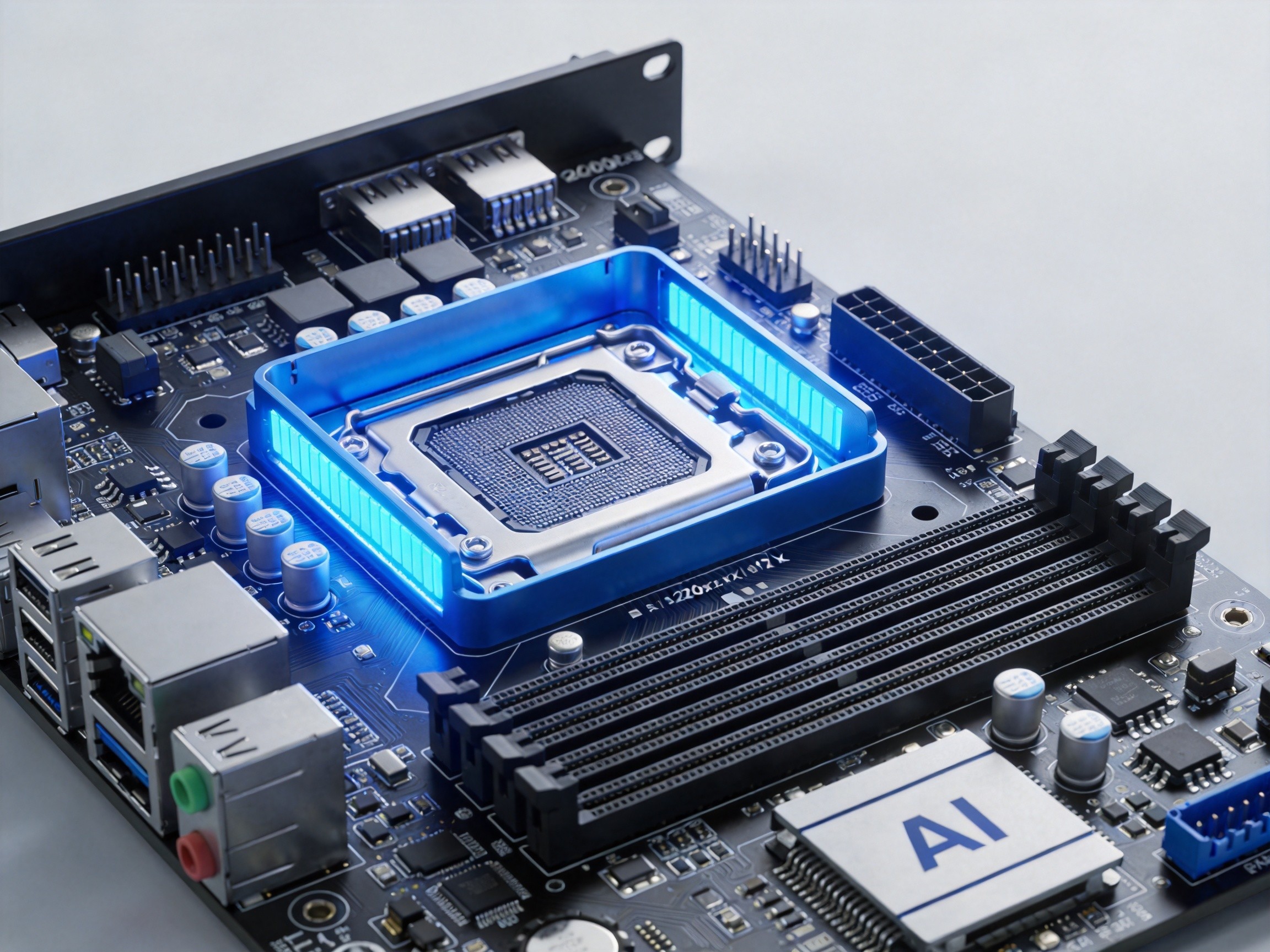
Why Industrial Panel PCs Need Dedicated AI Silicon
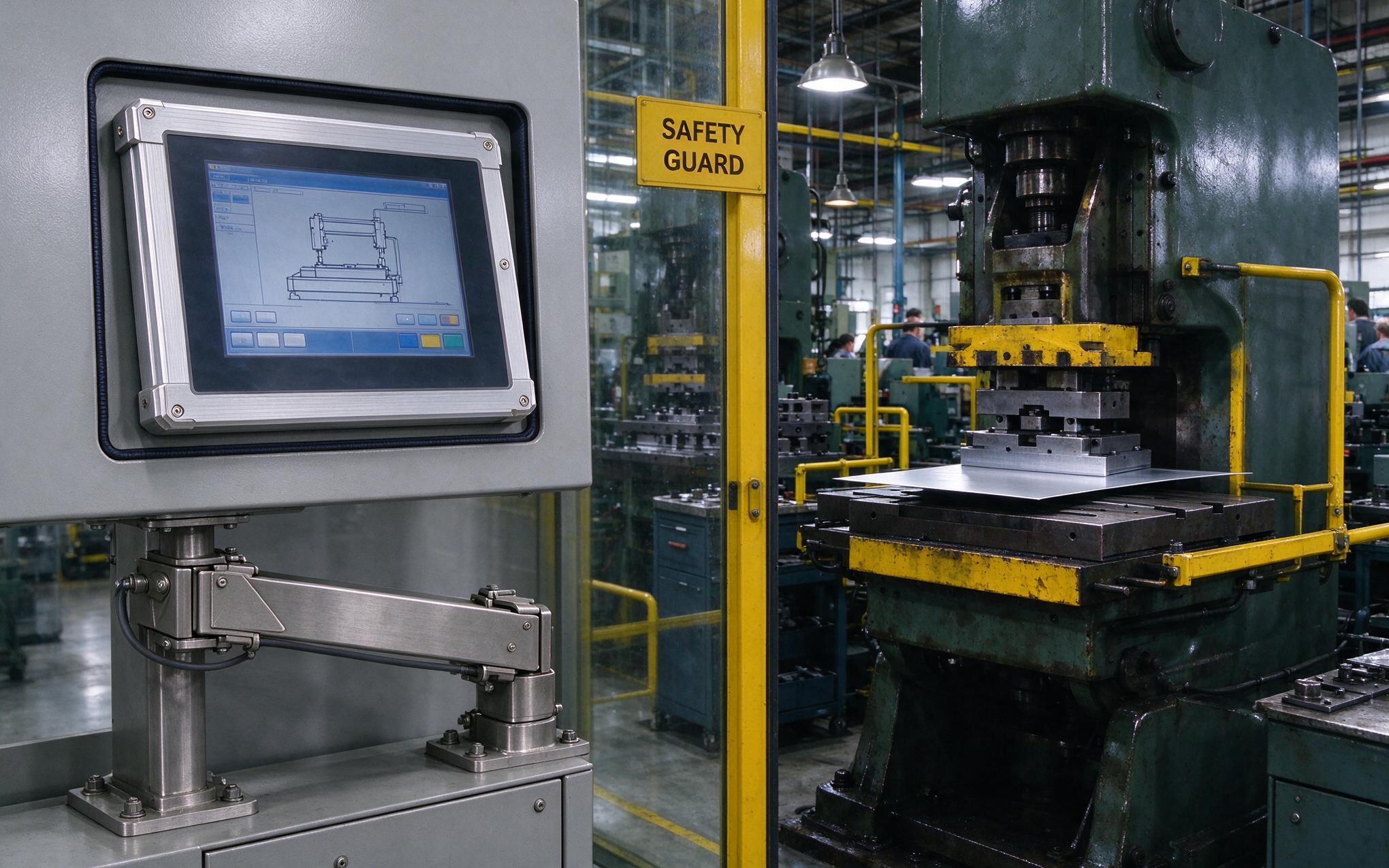
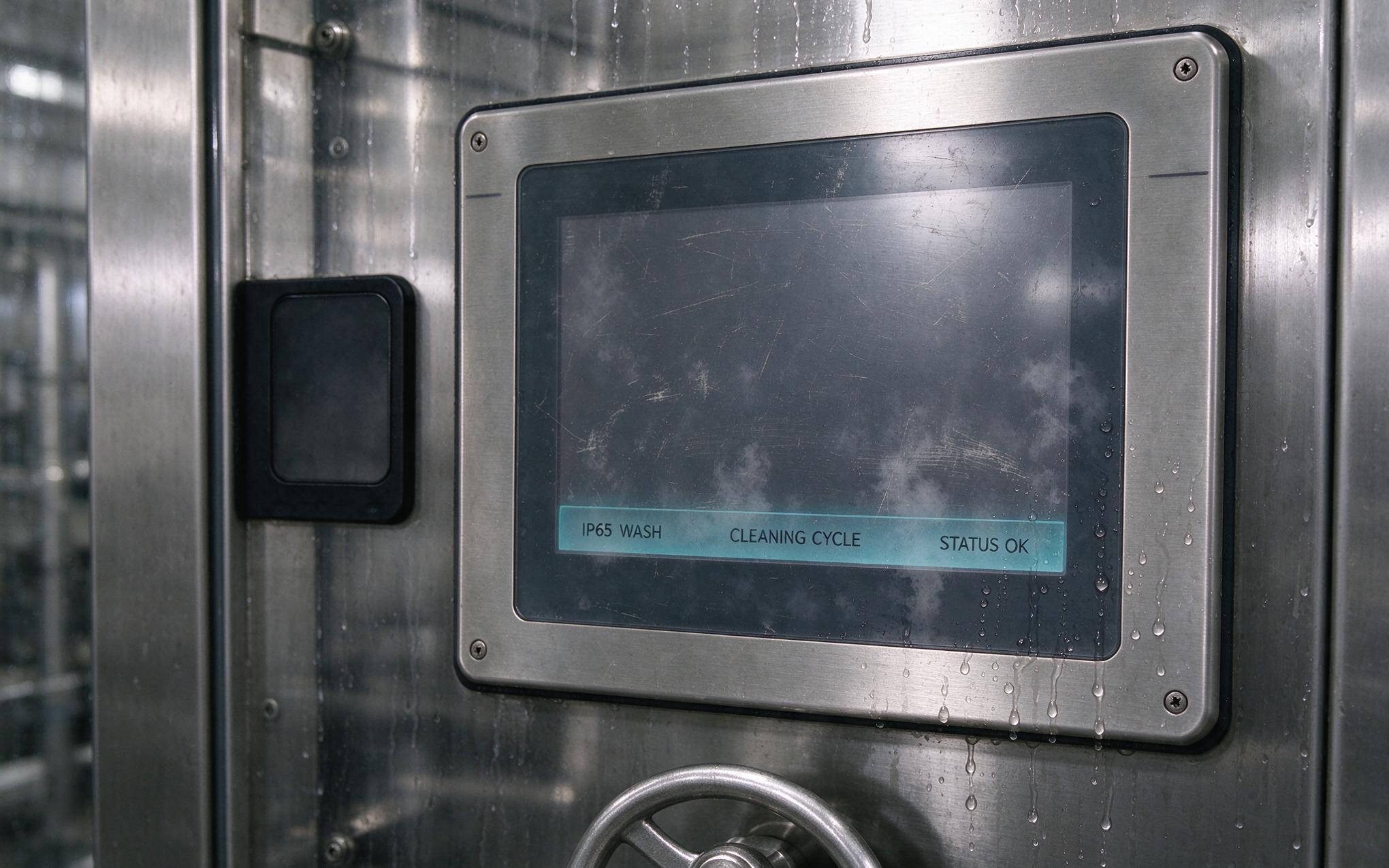
Industrial Panel PCs operate under constraints that consumer laptops never face. A panel-mounted unit in a food processing line runs 24/7, tolerates ambient temperatures above 50 degrees Celsius, and cannot afford the fan noise or power draw of a discrete GPU. Yet the same unit is increasingly expected to run neural networks for visual quality inspection, anomaly detection on vibration data, and transformer-based operator interfaces. Running these workloads on a CPU alone results in inference latency measured in hundreds of milliseconds—unacceptable for real-time defect rejection. A dedicated NPU accelerator sits in the sweet spot: high throughput for matrix operations, low power envelope, and no moving parts. KOXIAN has observed that customer requirements for onboard AI inferencing have grown from optional to mandatory in RFQs across the food safety and pharmaceutical packaging segments over the past eighteen months.
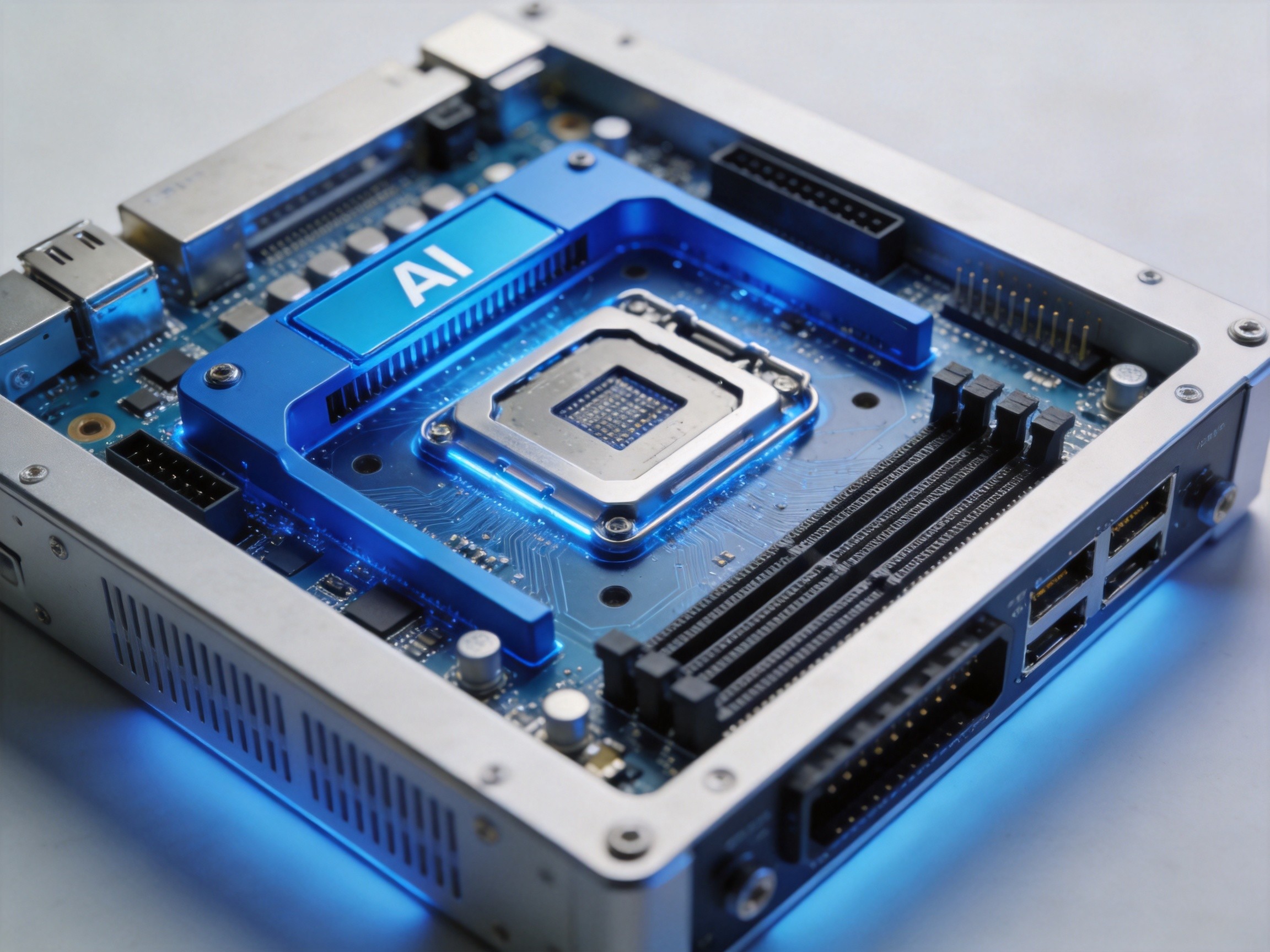
Thermal and Power Envelope Advantages
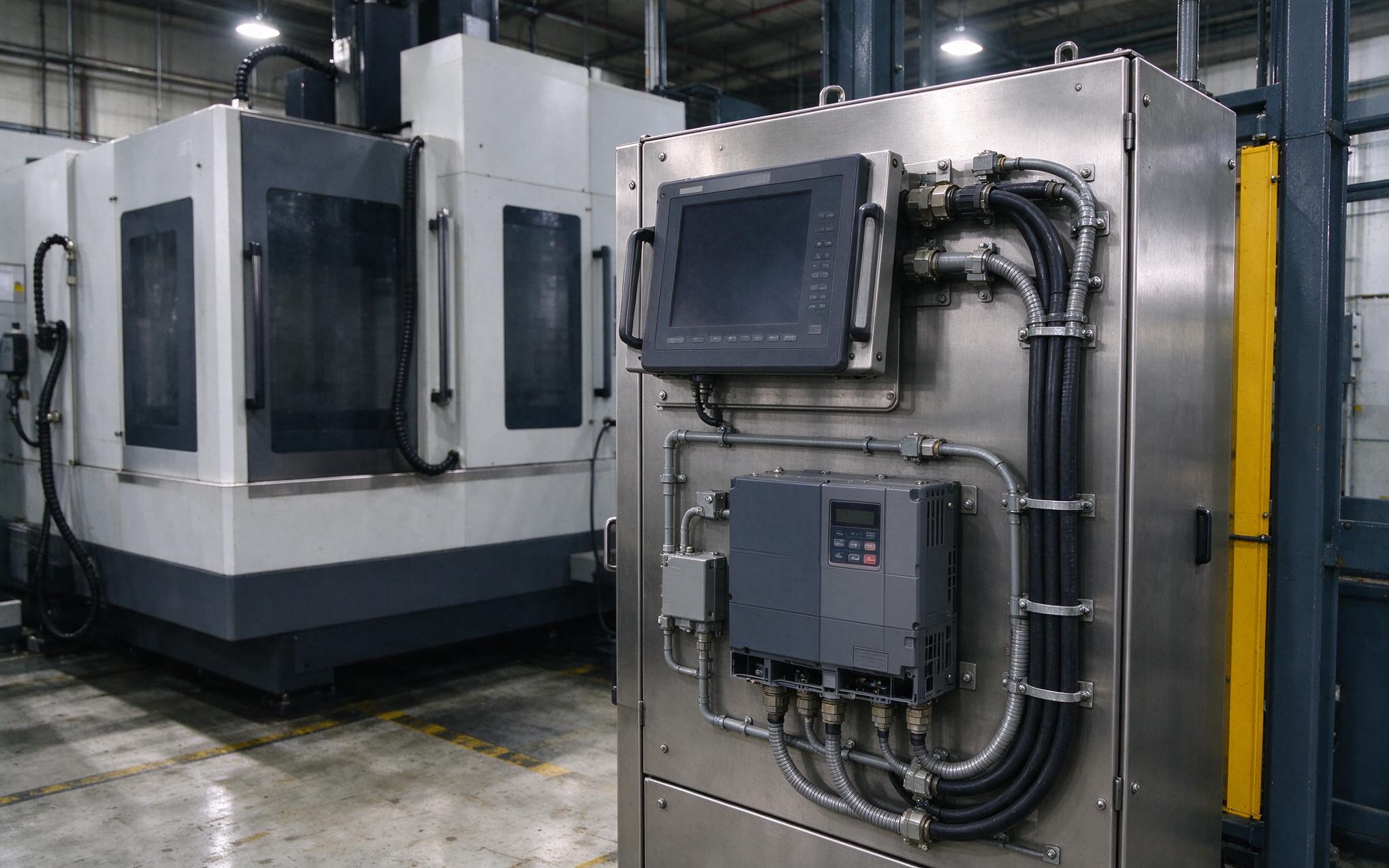
A typical fanless industrial Panel PC dissipates 15 to 35 watts through a passive heatsink chassis. Adding a GPU-based AI accelerator pushes the thermal budget beyond what passive cooling can handle, forcing either active cooling or performance throttling. The 4nm-class NPU architecture that GAIA represents changes this equation. By optimizing silicon specifically for the matrix operations that dominate neural network inference—rather than general-purpose shader cores—the performance-per-watt ratio improves by an order of magnitude. KOXIAN engineering teams have evaluated thermal models showing a dedicated NPU module drawing 5 to 8 watts while delivering throughput equivalent to a 45-watt embedded GPU for common vision model architectures. This means AI inference becomes feasible within the existing passive thermal envelope of a standard industrial Panel PC.
Preparing Platforms for the NPU Era
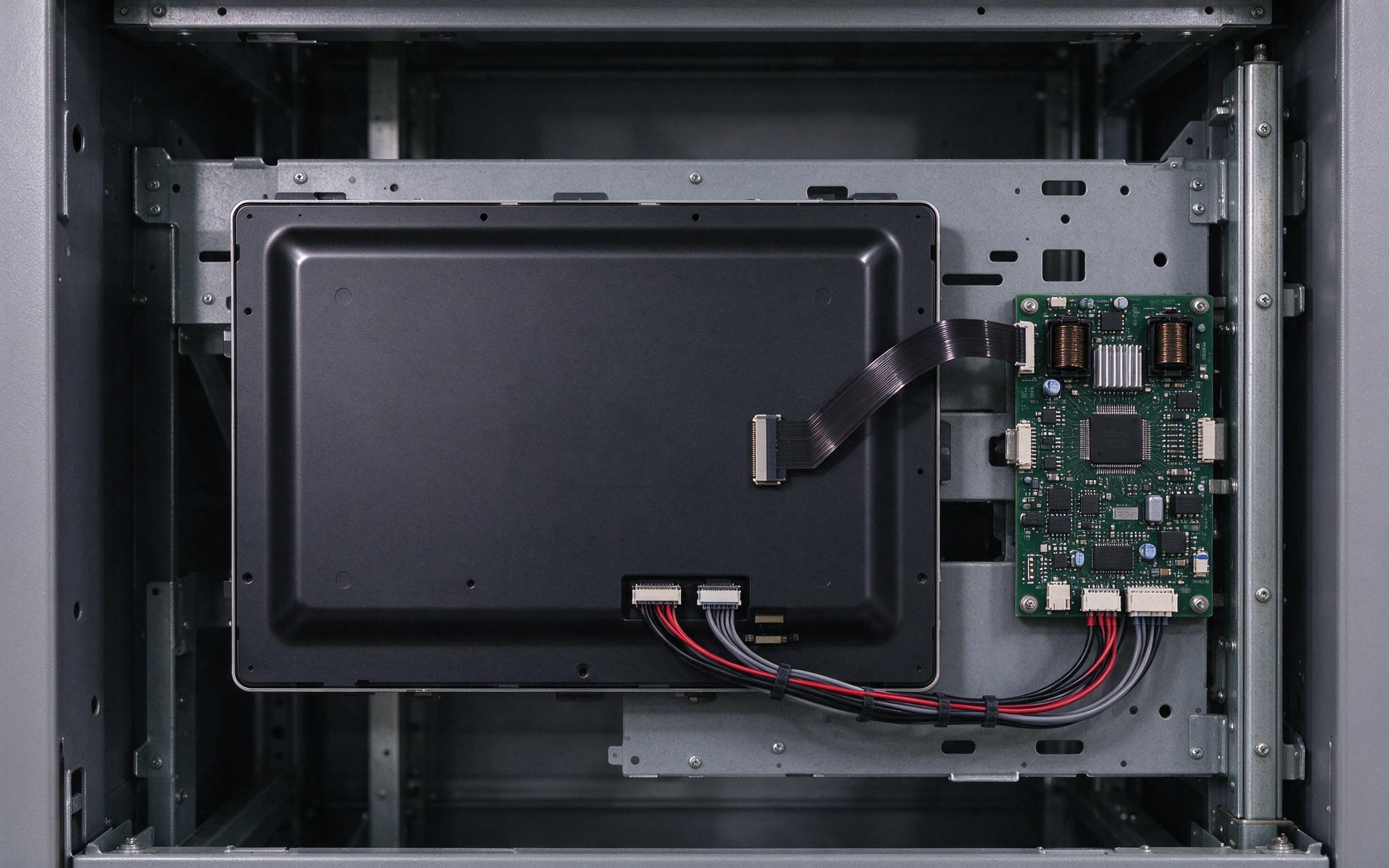
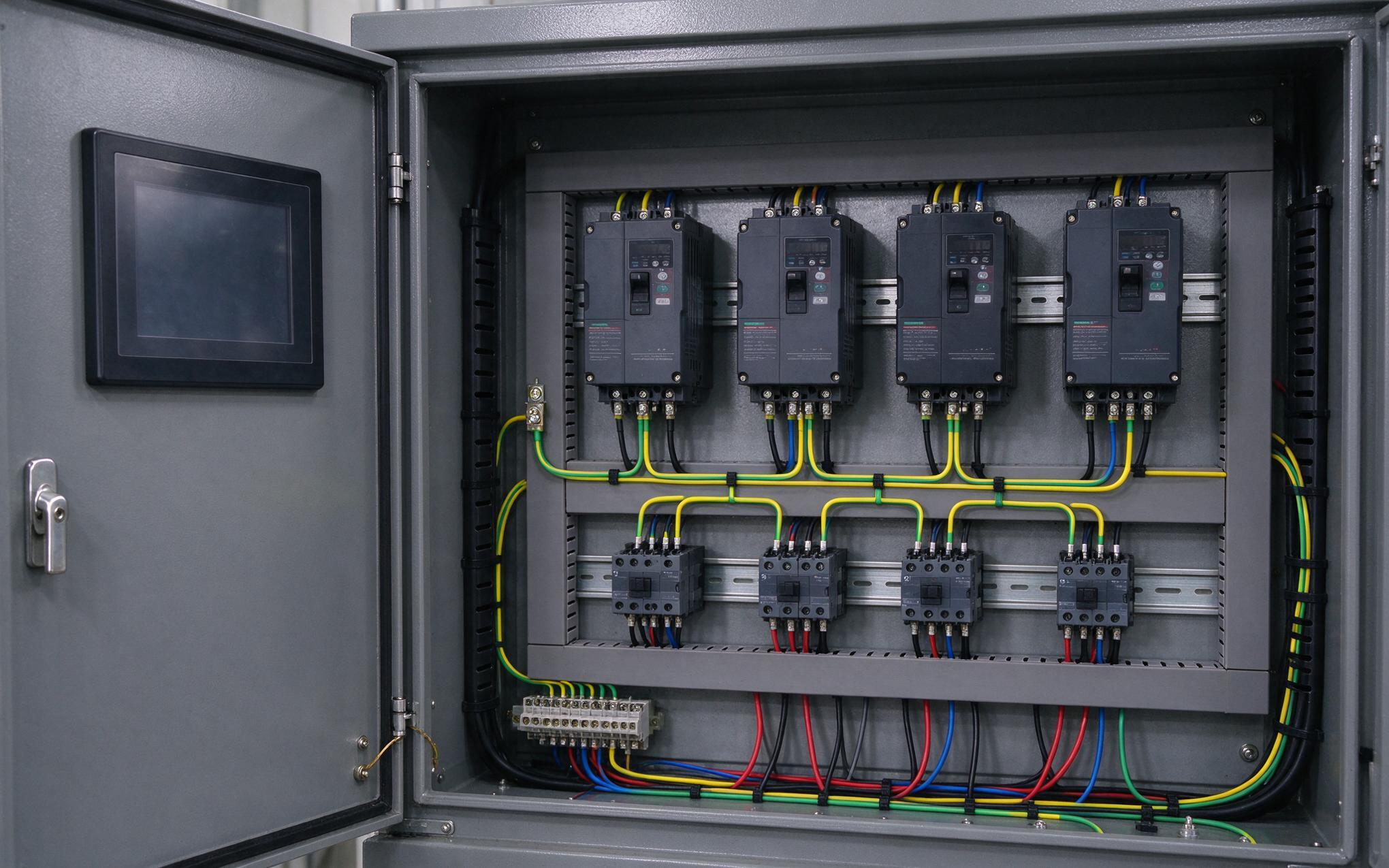
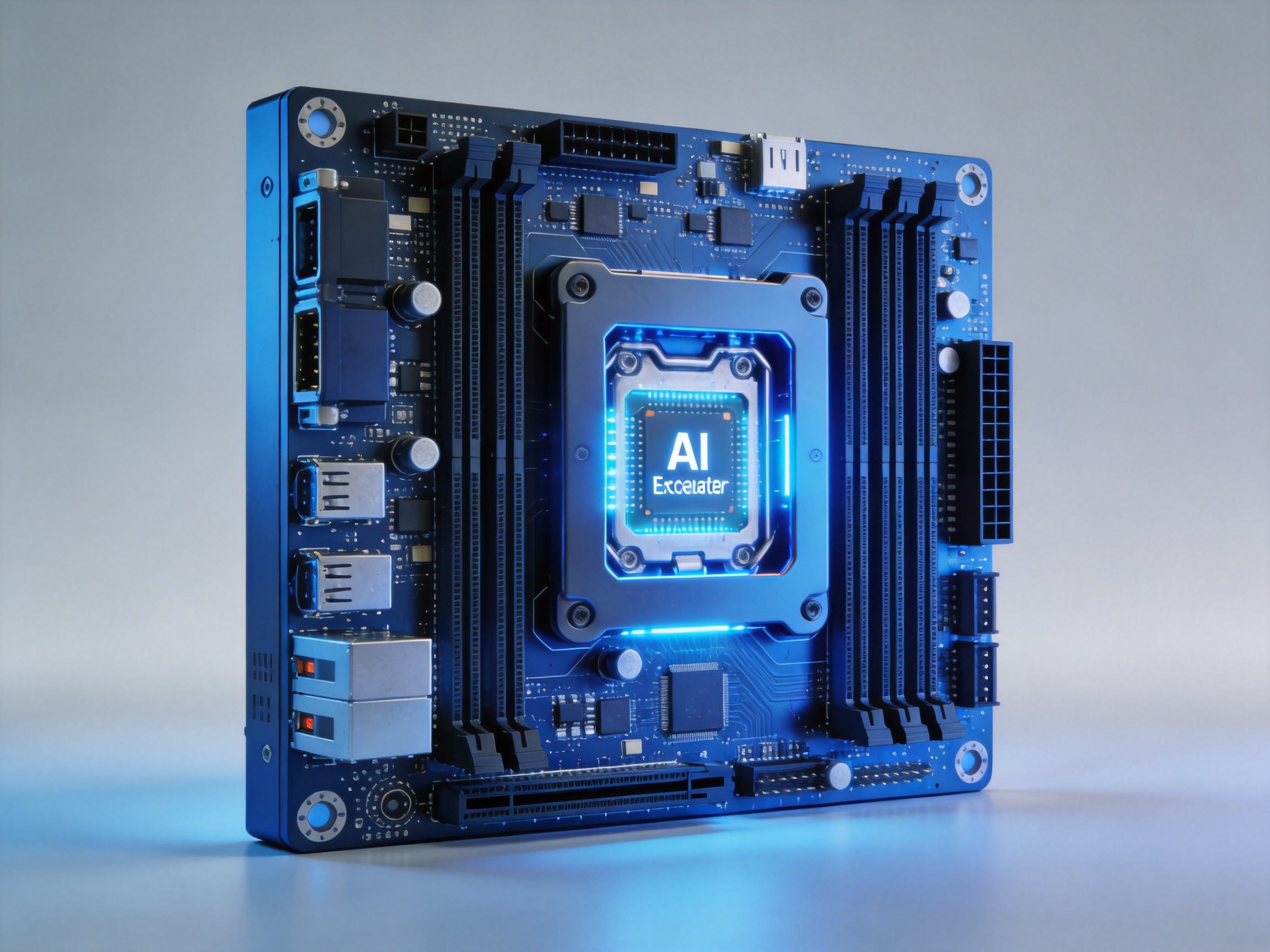
The GAIA timeline—engineering samples now, mass production in 2027—gives industrial Panel PC manufacturers a practical window to prepare. The most immediate considerations are board-level: M.2 or PCIe lanes with sufficient bandwidth for an NPU module, BIOS-level support for heterogeneous compute topology, and driver stacks that expose the NPU to common inference runtimes like ONNX Runtime and OpenVINO. More strategically, the industrial computing sector needs to move beyond the mindset that AI acceleration is exclusively a GPU workload. The integration model GAIA suggests—a dedicated coprocessor working alongside the main application processor—maps naturally onto the modular architecture that industrial Panel PCs already use for I/O expansion and connectivity. The companies that treat NPU integration as a first-class design priority will be the ones whose platforms are ready when the silicon arrives.
The arrival of purpose-built AI silicon like GAIA signals that the semiconductor industry has recognized on-device AI as a distinct workload category deserving its own transistor budget. For industrial Panel PCs, this means the hardware foundation for genuine edge intelligence is moving from prototype to production. The engineering teams that begin planning for NPU-ready architectures today will be positioned to ship AI-capable platforms the moment the silicon supply chain matures.