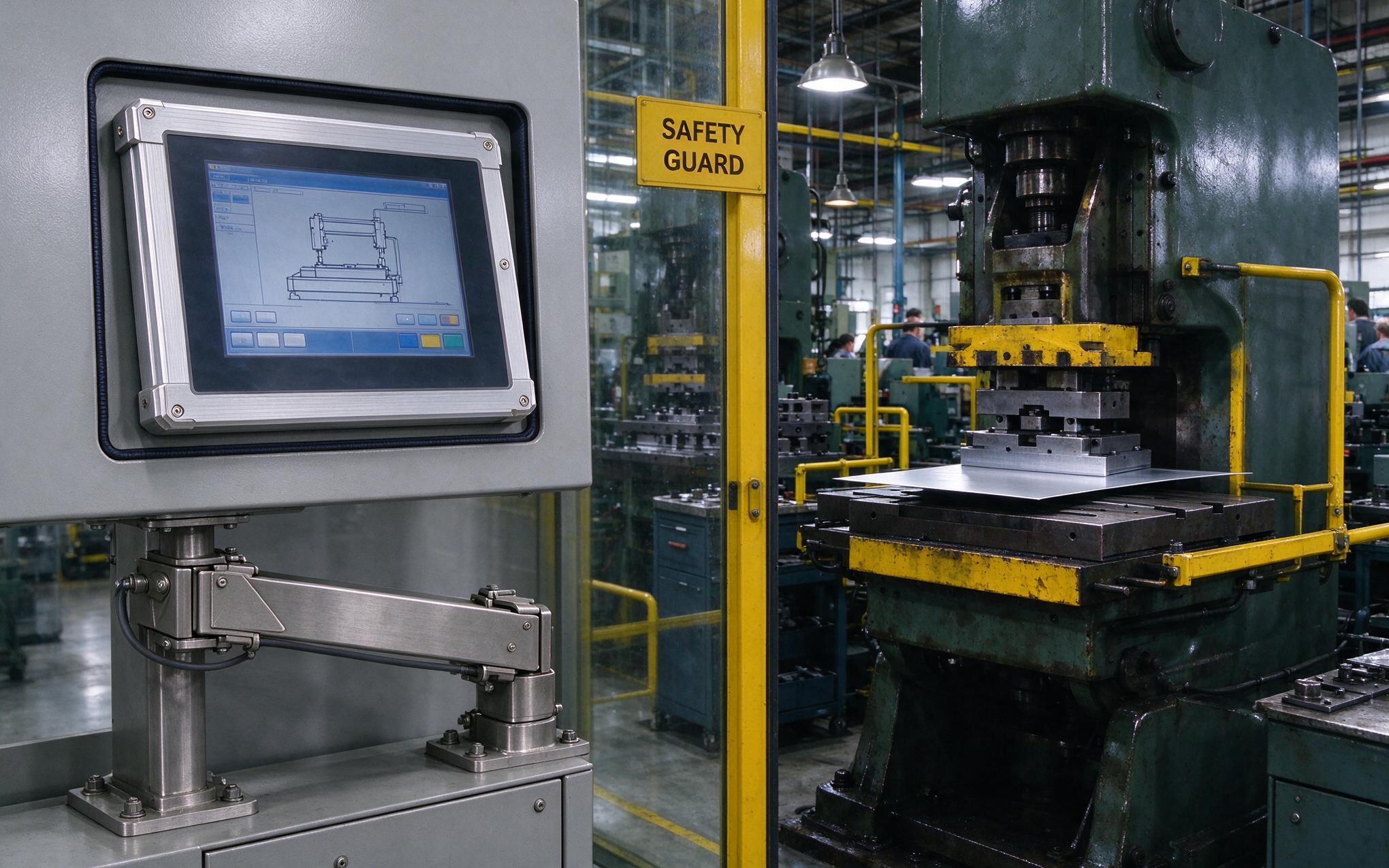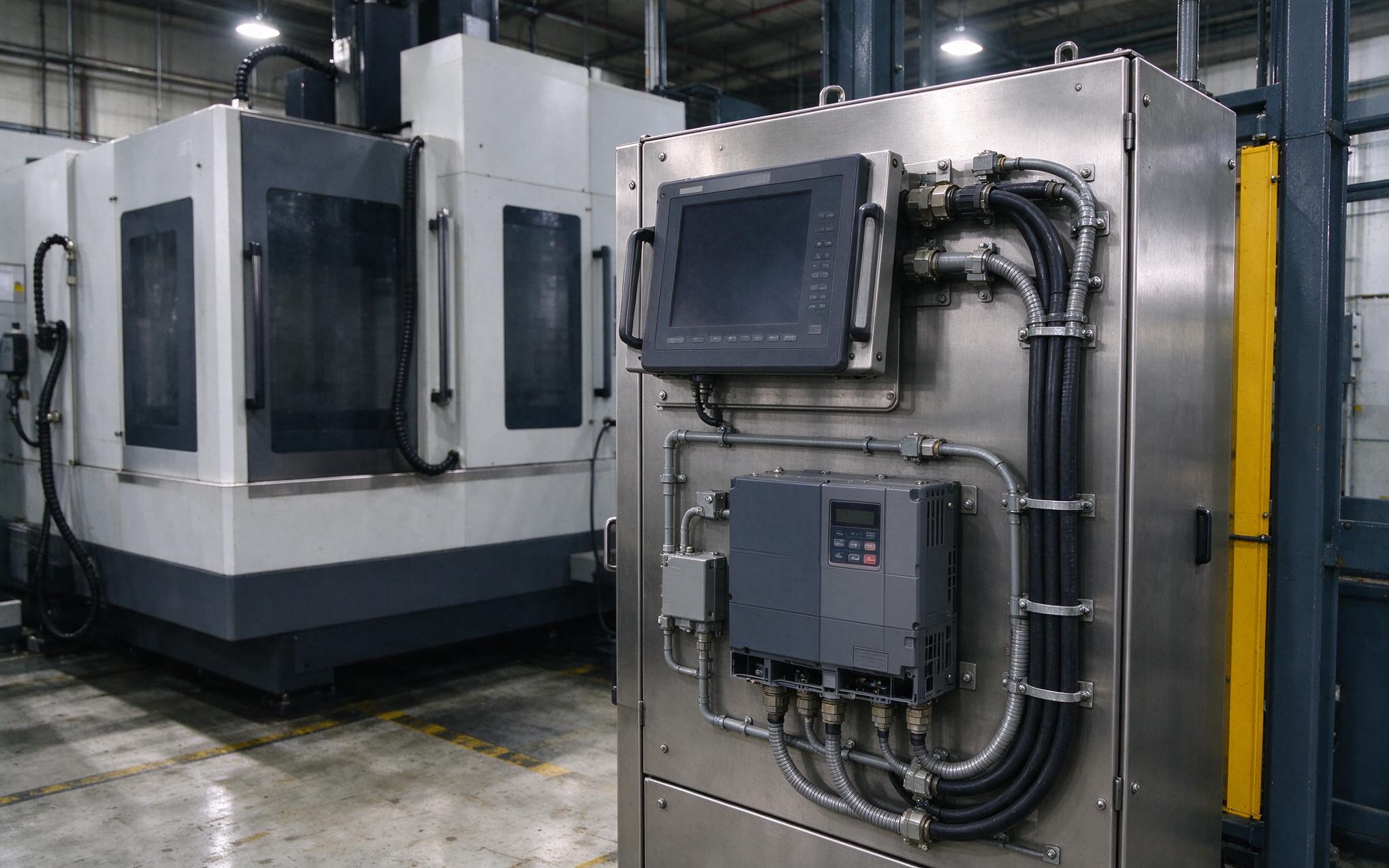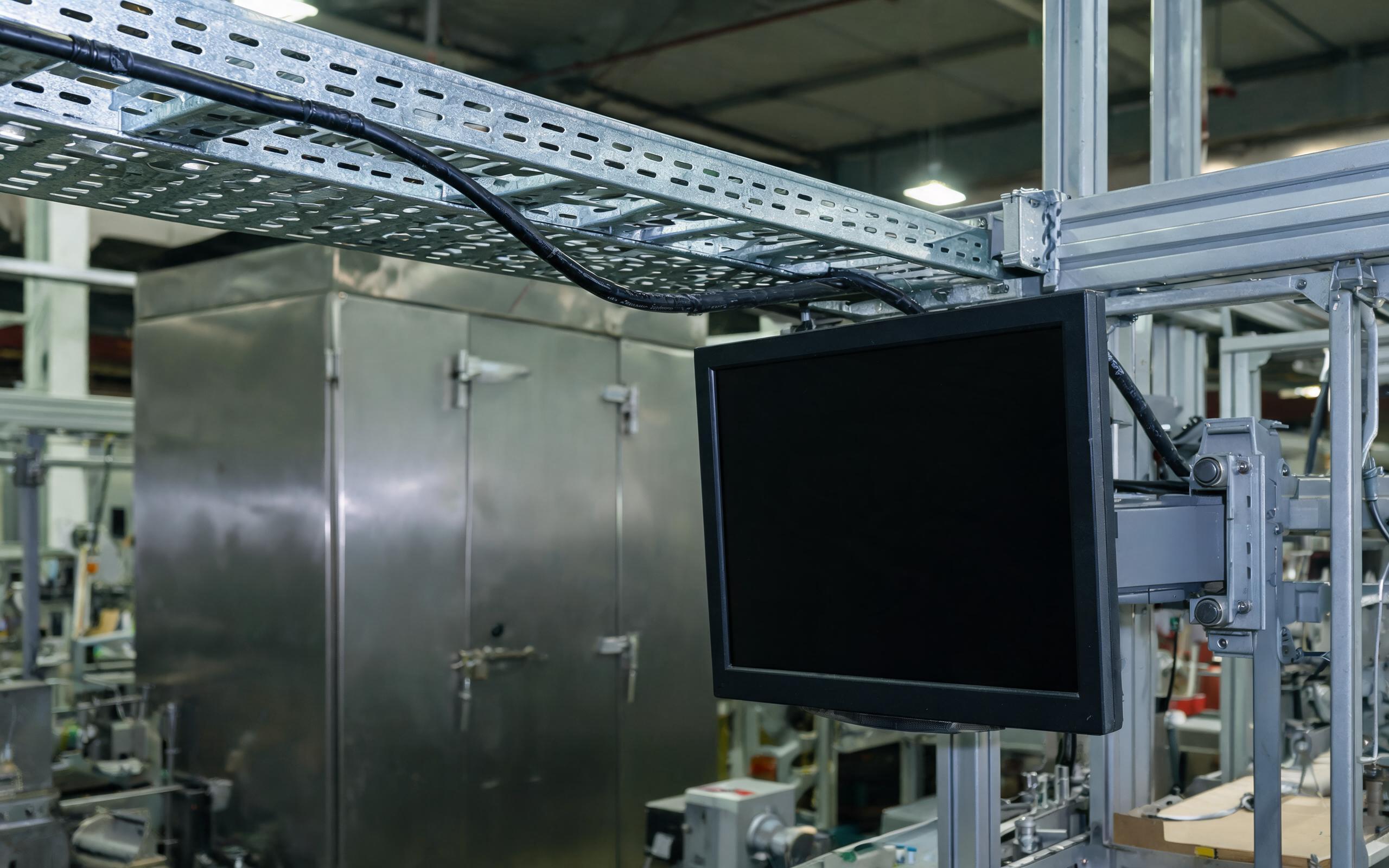
Walking the plant floor with a clipboard, an automation engineer evaluated each operator console on the legacy packaging line for retrofit readiness. One console in particular demanded attention: the existing display had cracked its bezel after months of conveyor-induced vibration, and the replacement needed to survive the same mechanical environment while fitting the existing panel cutout.
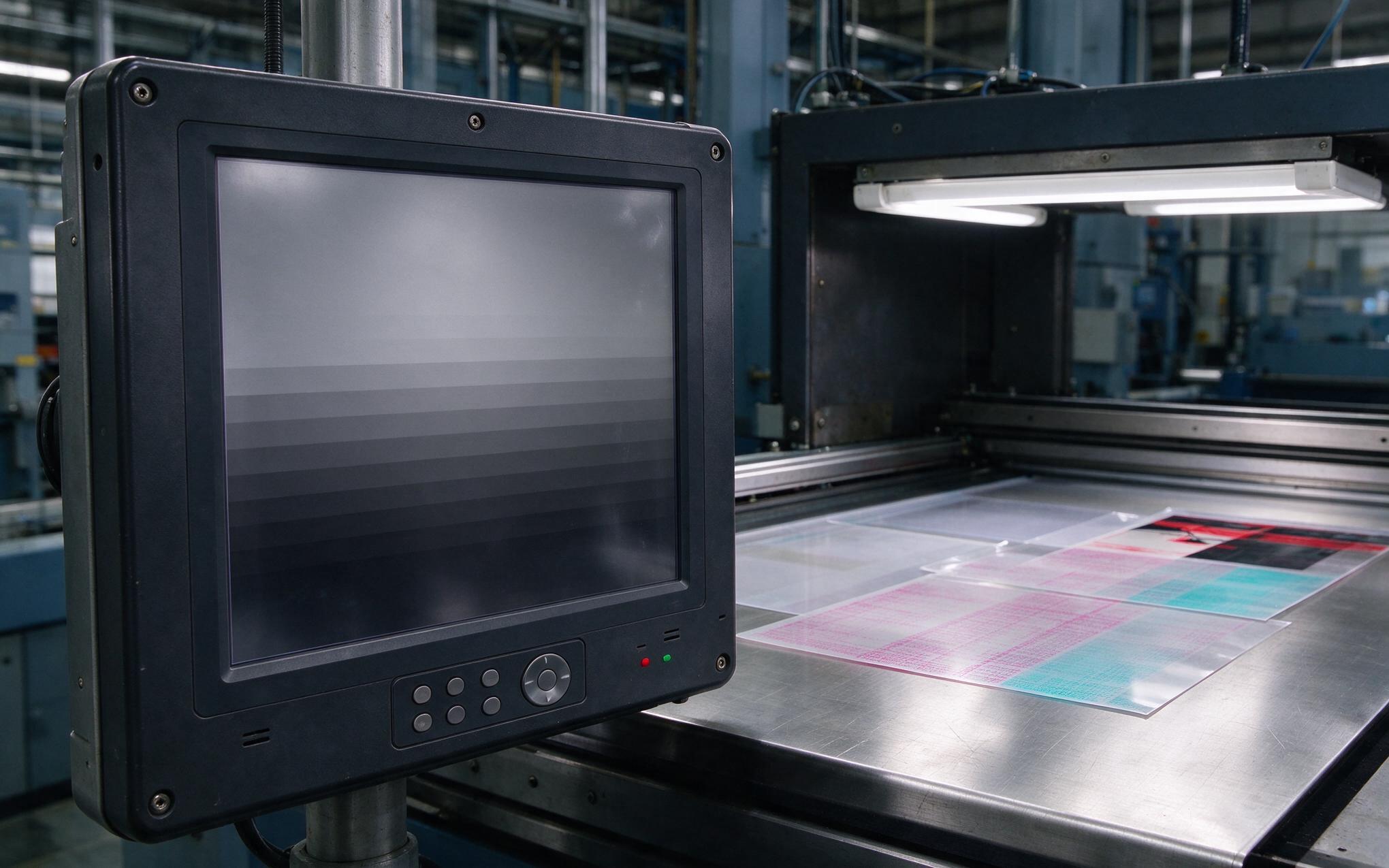
Commercial displays installed on factory floors typically survive six months before vibration-related failures appear, while industrial panel mount display units rated for the same environment often last five years or more. The gap reflects the difference between a display built for office conditions and one engineered for mechanical and thermal stress. Specifying an industrial panel mount display rated for the cabinet’s thermal profile was the starting point, but front-panel ingress protection alone would not address the vibration and heat building behind the enclosure.

Panel Cutout Standards and Sealing Requirements
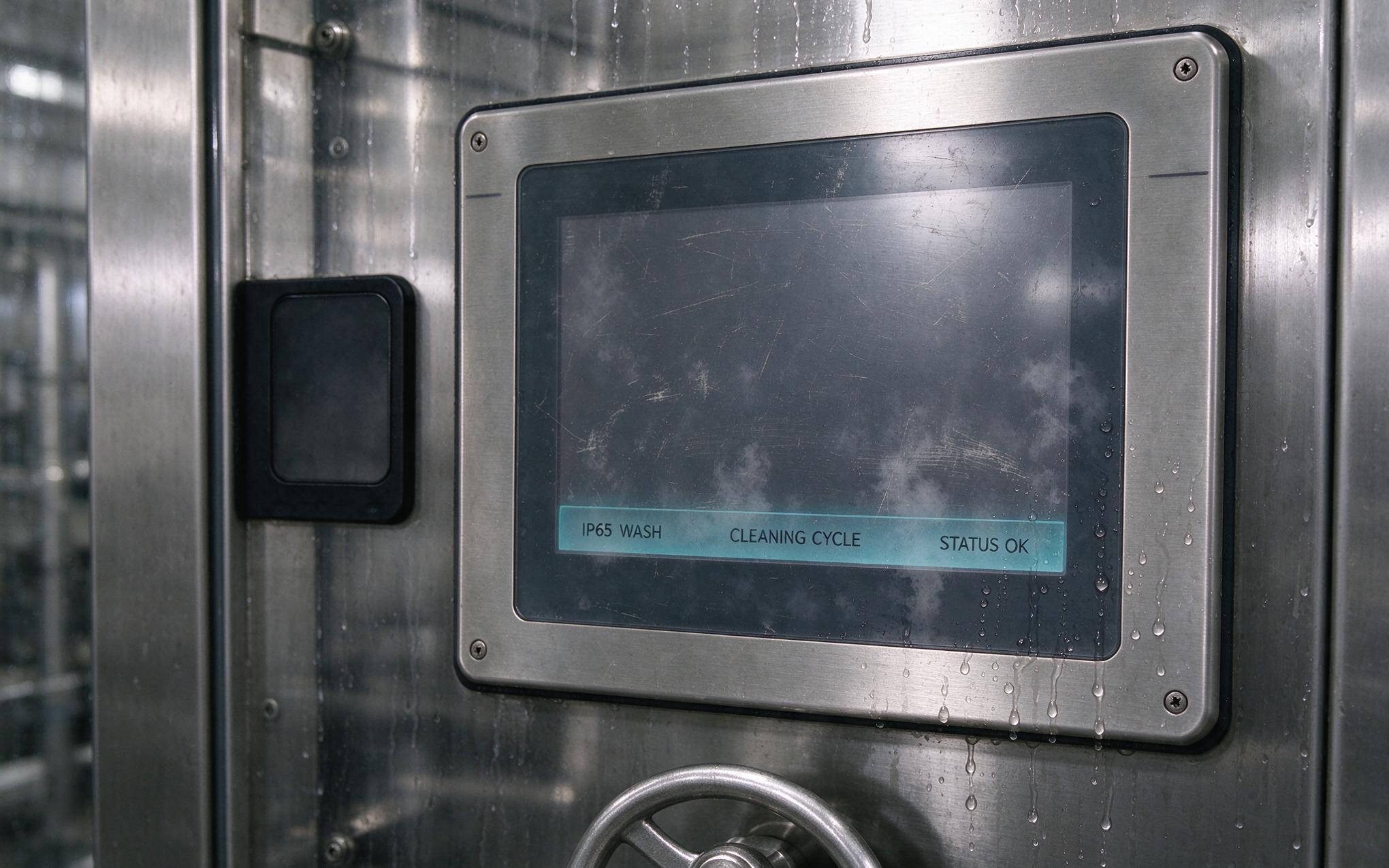
Panel cutout standards define the physical interface between a display and its mounting surface. The most common approach for industrial panel mount display units is the single-cutout design, where the front bezel sits flush against the panel exterior while rear clamps compress a gasket against the interior. Cutout dimensions typically follow IEC 60297 or manufacturer-specific templates, with tolerances of ±0.5 mm to maintain the front seal. A poorly compressed gasket allows moisture ingress, while an over-compressed gasket distorts the bezel and creates pressure points on the LCD panel, causing uneven backlight distribution. For washdown or outdoor installations, the cutout standard extends to include O-ring grooves and stainless steel studs rated for corrosive environments. The cutout must also account for thermal expansion of the display frame relative to the mounting surface. For its industrial panel mount display models, KOXIAN specifies panel cutout tolerances of ±0.5 mm to maintain the front seal across temperature ranges.

Vibration Isolation and Mounting Hardware
Vibration is the silent killer of panel mount displays in industrial settings. Standard commercial displays are not designed for continuous mechanical stress, and even purpose-built industrial units require proper isolation to survive. IEC 60068-2-6 defines swept-sine vibration testing, while IEC 60068-2-64 addresses random vibration profiles typical of factory environments. A display rated for 1G continuous vibration will still fail if mounted directly to a vibrating surface without isolation hardware. Vibration isolation mounting typically involves silicone dampers, rubber grommets, or spring-loaded kits that absorb mechanical energy before it reaches the chassis. The selection depends on vibration frequency range, amplitude, and duty cycle of the installation. In applications near rotating machinery or along conveyor lines, isolation must address both low-frequency structural vibration and high-frequency resonance that can loosen internal connectors over time. Mounting torque on panel studs also matters — over-tightening compresses the gasket unevenly, while under-tightening allows the display to shift.

Thermal Management in Enclosed Installations
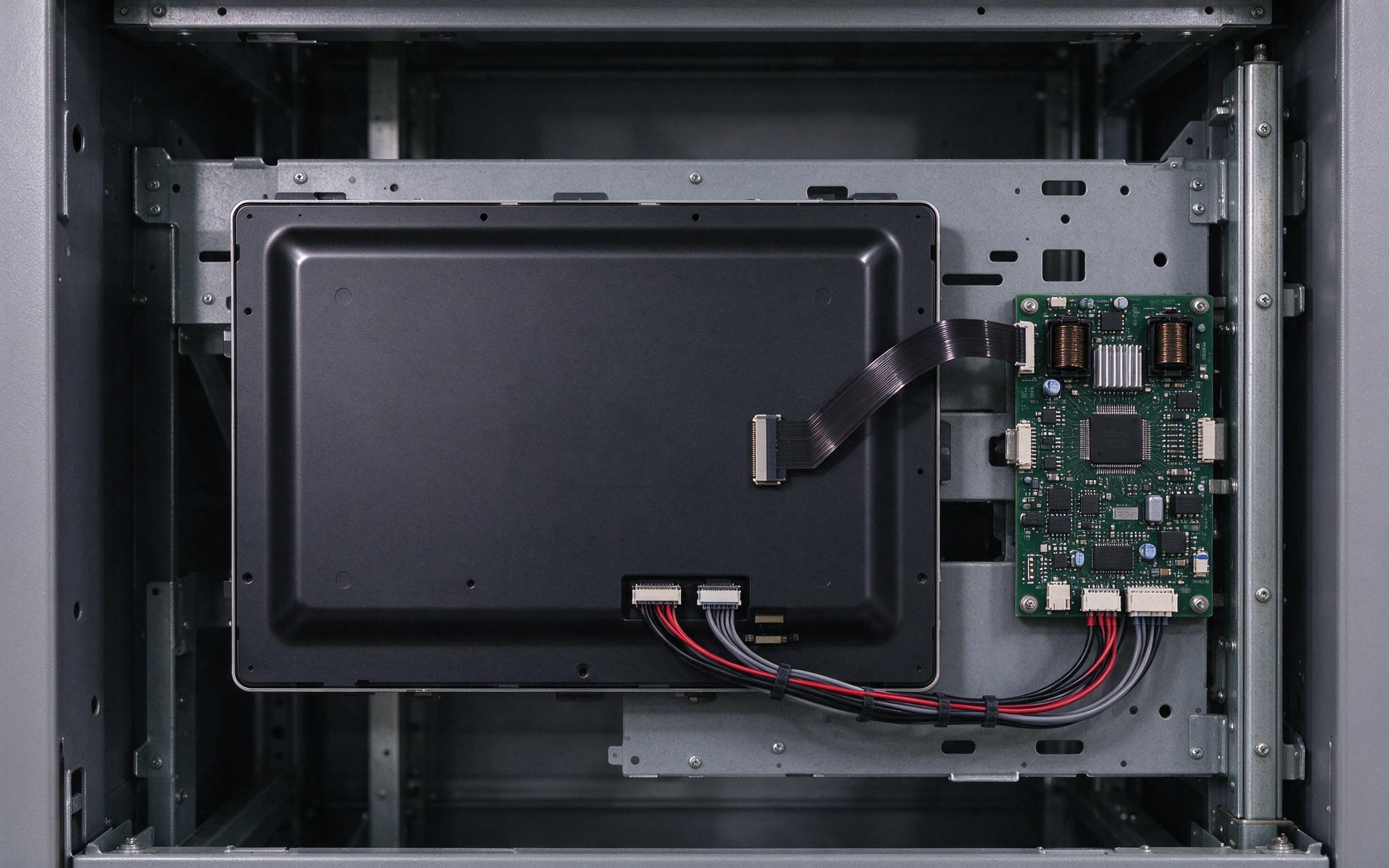
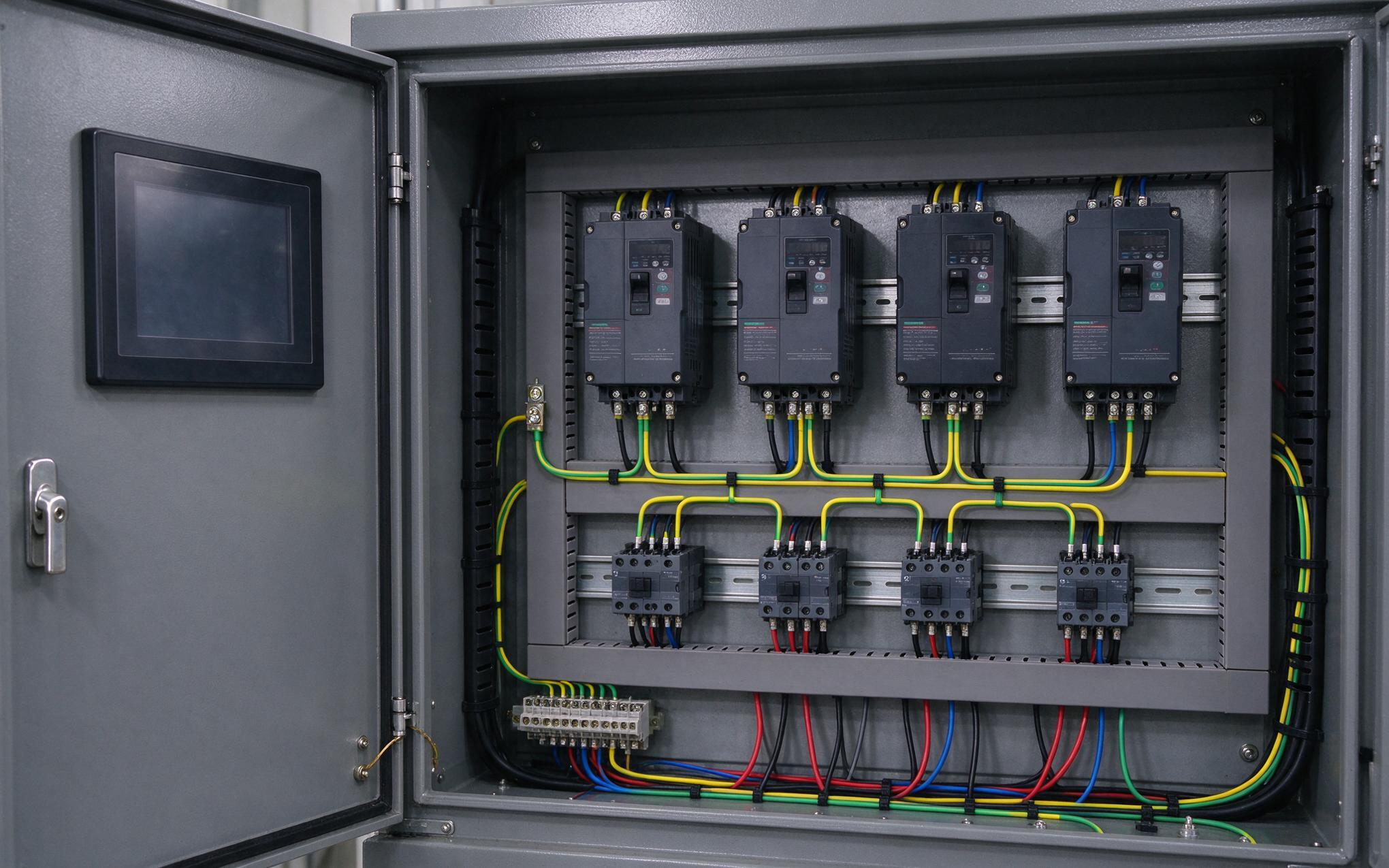
Thermal management is the second critical constraint for industrial panel mount display units in enclosed control cabinets. Unlike open-air installations, control cabinets trap heat generated by the backlight, controller board, and power supply. Specifications typically list an operating range of 0 to 50°C, but internal temperature in an enclosed cabinet can exceed ambient by 15 to 25°C depending on backlight brightness and ventilation. Aluminum die-cast enclosures conduct heat more efficiently than plastic, and some designs incorporate heat spreaders or thermal pads that transfer heat from the controller board to the enclosure frame. In high-brightness applications such as outdoor kiosks or sunlit factory floors, the backlight generates significant thermal load that must be dissipated through the enclosure or conducted to the mounting panel. KOXIAN’s approach to thermal design treats the control cabinet panel itself as a supplementary heat sink, using aluminum die-cast enclosures with integrated thermal paths that conduct heat directly to the mounting surface.
Selecting a panel mount display for control cabinet integration requires evaluating three interconnected dimensions: the panel cutout standard and sealing method, the vibration isolation approach and mechanical shock rating, and the thermal management strategy including rated operating temperature and internal temperature rise under load. These specifications are not independent — a display that passes vibration testing in open air may fail when thermal stress weakens solder joints, and a unit that meets its thermal rating in a ventilated enclosure may overheat in a sealed cabinet. Evaluating these constraints as a coupled system ensures the display survives years of continuous operation in the specific installation environment.