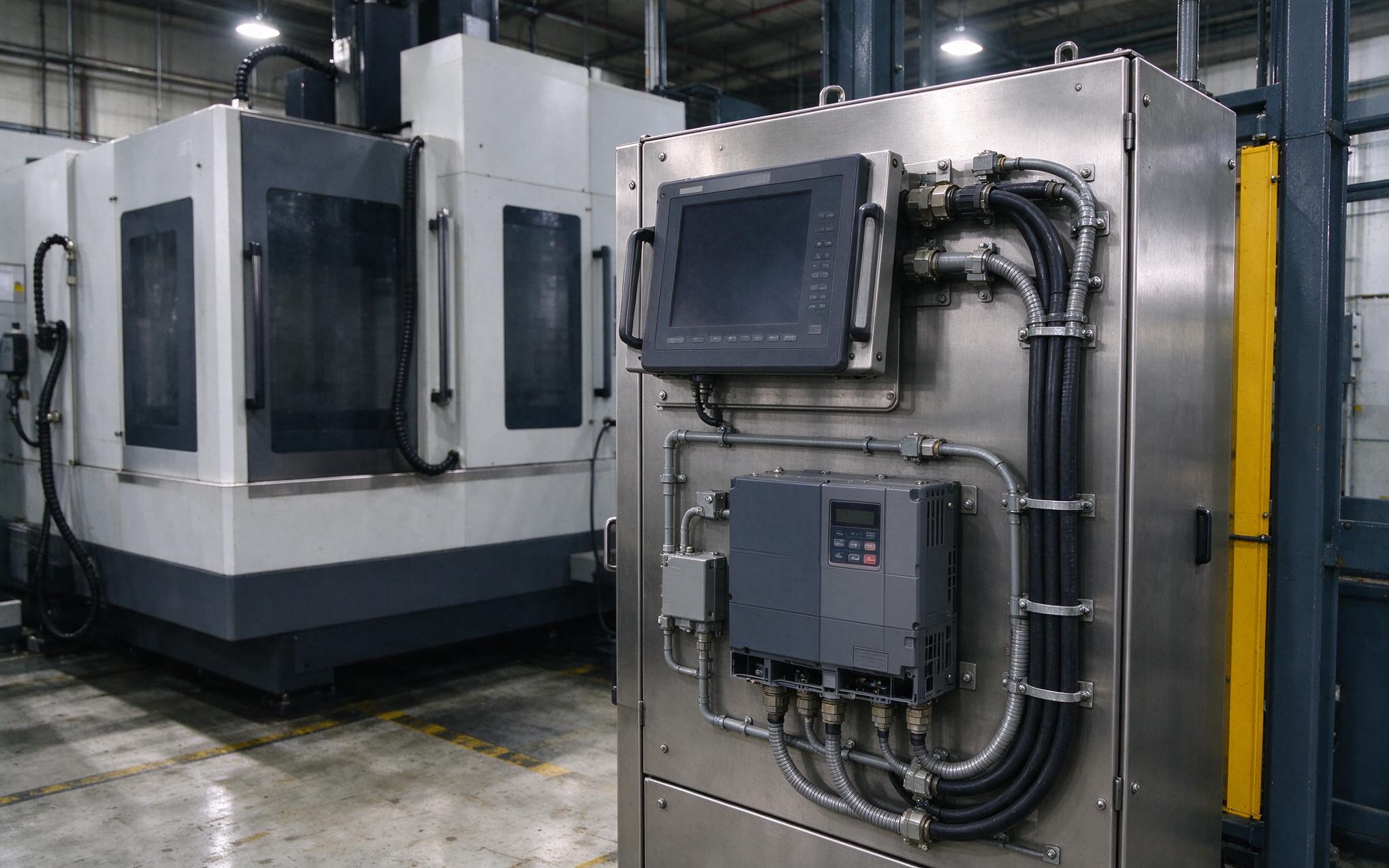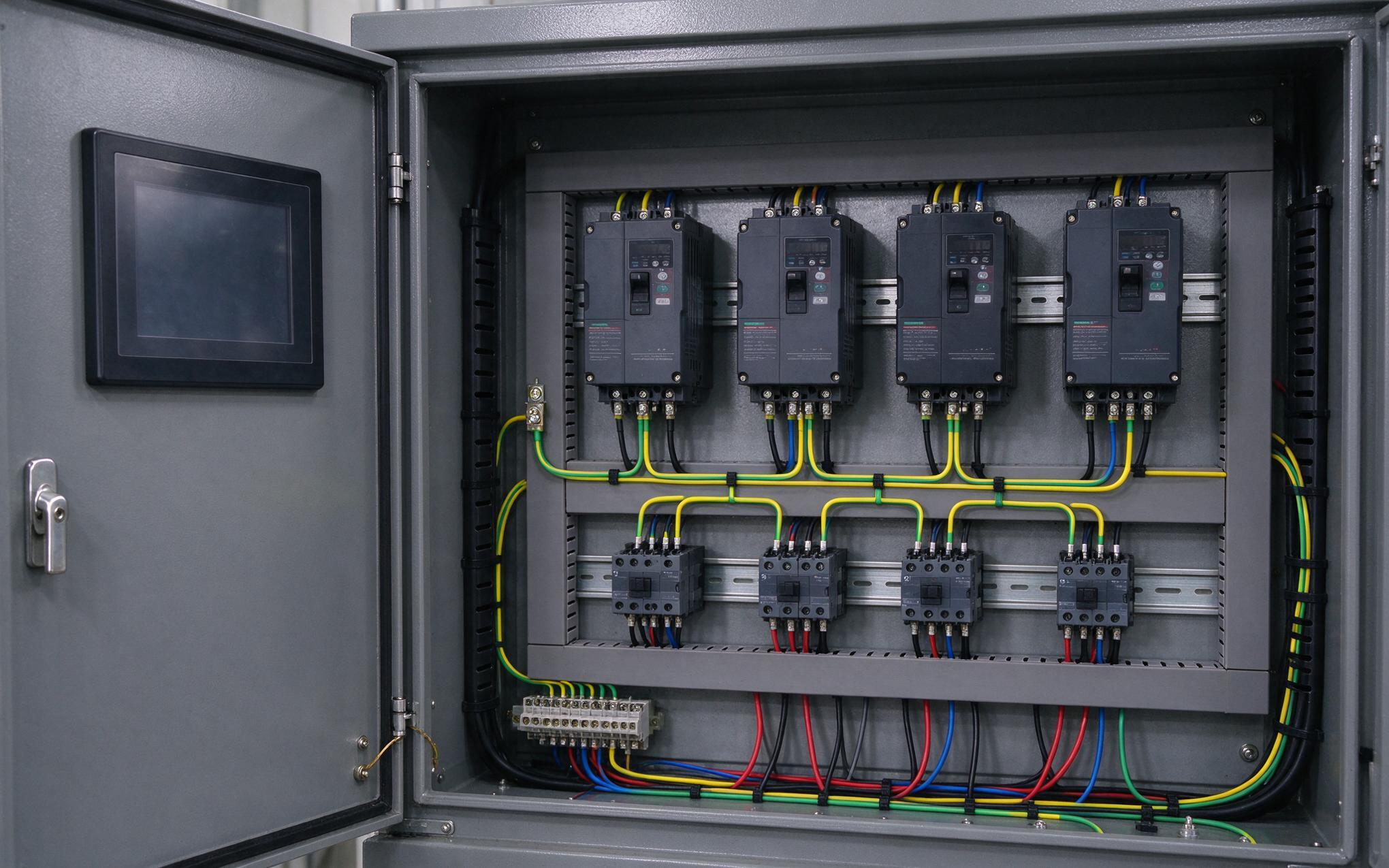
IP ratings are universally used to classify the degree of protection provided by electrical enclosures against intrusion, dust, accidental contact, and water. Understanding what IP65 actually means—and what it doesn’t mean—is essential for selecting the right industrial touch display for specific operating environments. This guide breaks down the IP65 rating, explains testing methodologies, and helps facility managers and engineers make informed decisions about protective equipment for industrial applications.
Understanding the IP Rating System
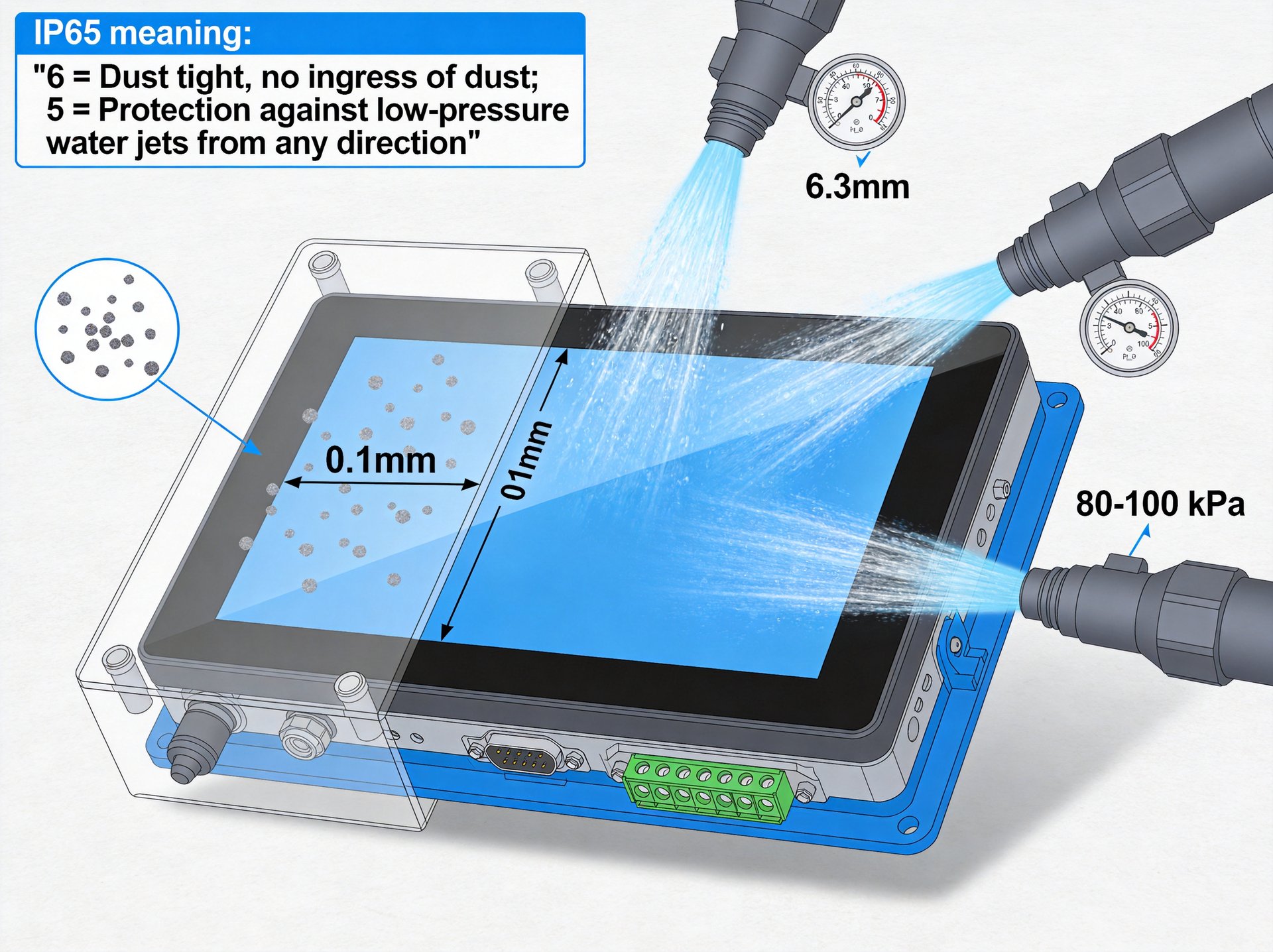
The Ingress Protection (IP) rating system, defined by international standard IEC 60529, classifies the protection levels of electrical enclosures against foreign objects and moisture. Each IP rating consists of two digits: the first indicates protection against solid objects and dust, the second indicates protection against liquids. For solid particle protection, ratings range from 0 (no protection) to 6 (dust-tight, where no dust can enter the enclosure). For liquid protection, ratings range from 0 (no protection) to 9 (protection against high-pressure, high-temperature water jets). The system provides standardized testing methodologies that allow manufacturers to rate products consistently, enabling buyers to compare different equipment based on verified performance rather than marketing claims.

Breaking Down the IP65 Rating
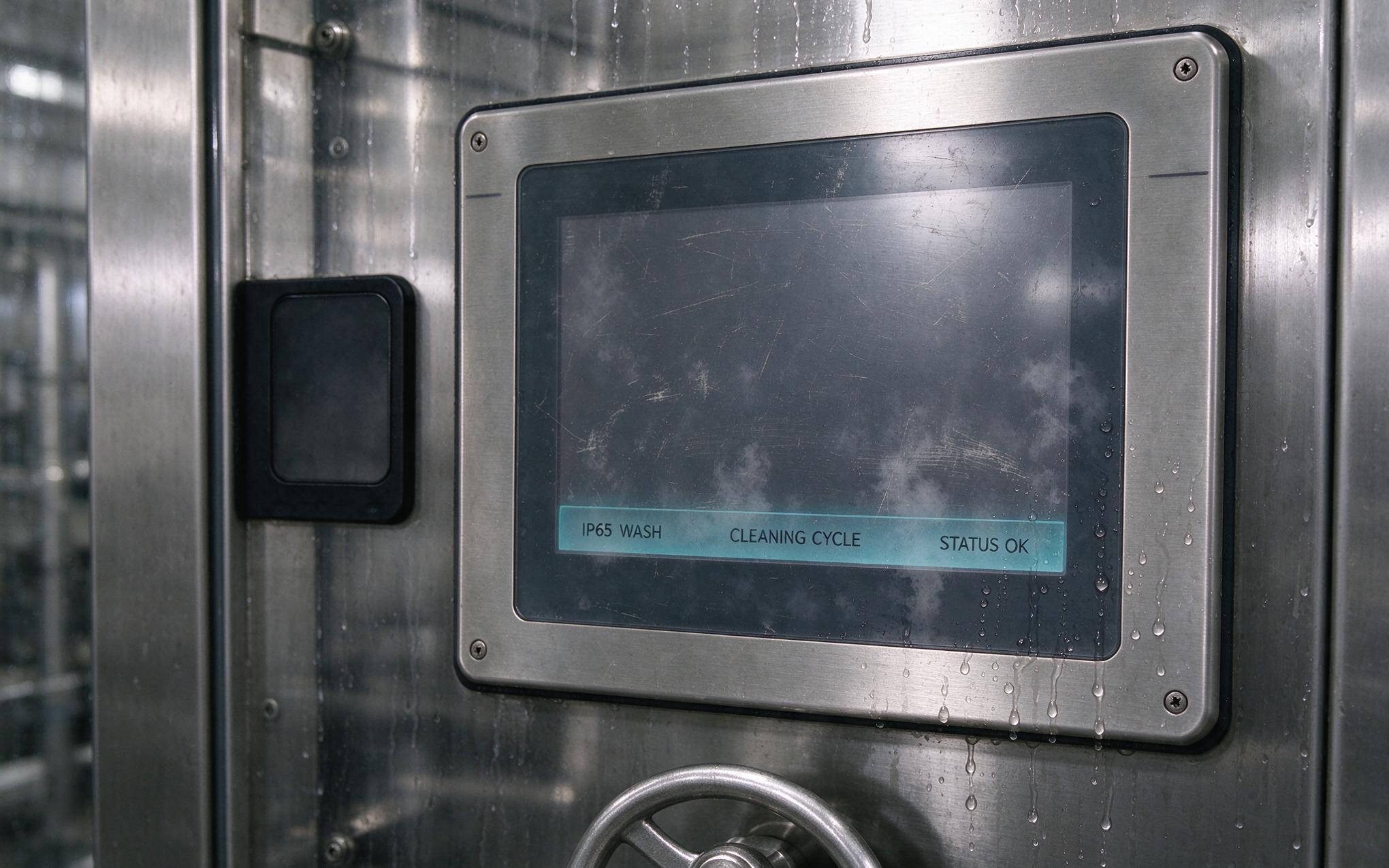
An IP65 rating combines two specific protection levels. The first digit, 6, represents complete dust protection—no dust particle can penetrate the enclosure under standard test conditions. This requires perfectly sealed joints, gaskets, and connector interfaces that prevent even the finest dust particles from entering. The second digit, 5, indicates protection against low-pressure water jets from any direction. Testing involves spraying the enclosure with 12.5 liters of water per minute at 30 kPa pressure from a distance of 3 meters for three minutes. Hardware from KOXIAN, with its precision-engineered IP65-rated panel PCs, undergoes these exacting tests to ensure consistent performance in dusty industrial environments where occasional water spray or washdown is required. This makes IP65-rated displays suitable for most manufacturing facilities, outdoor installations under cover, and areas with moderate moisture exposure.
Testing Standards and Certification Process
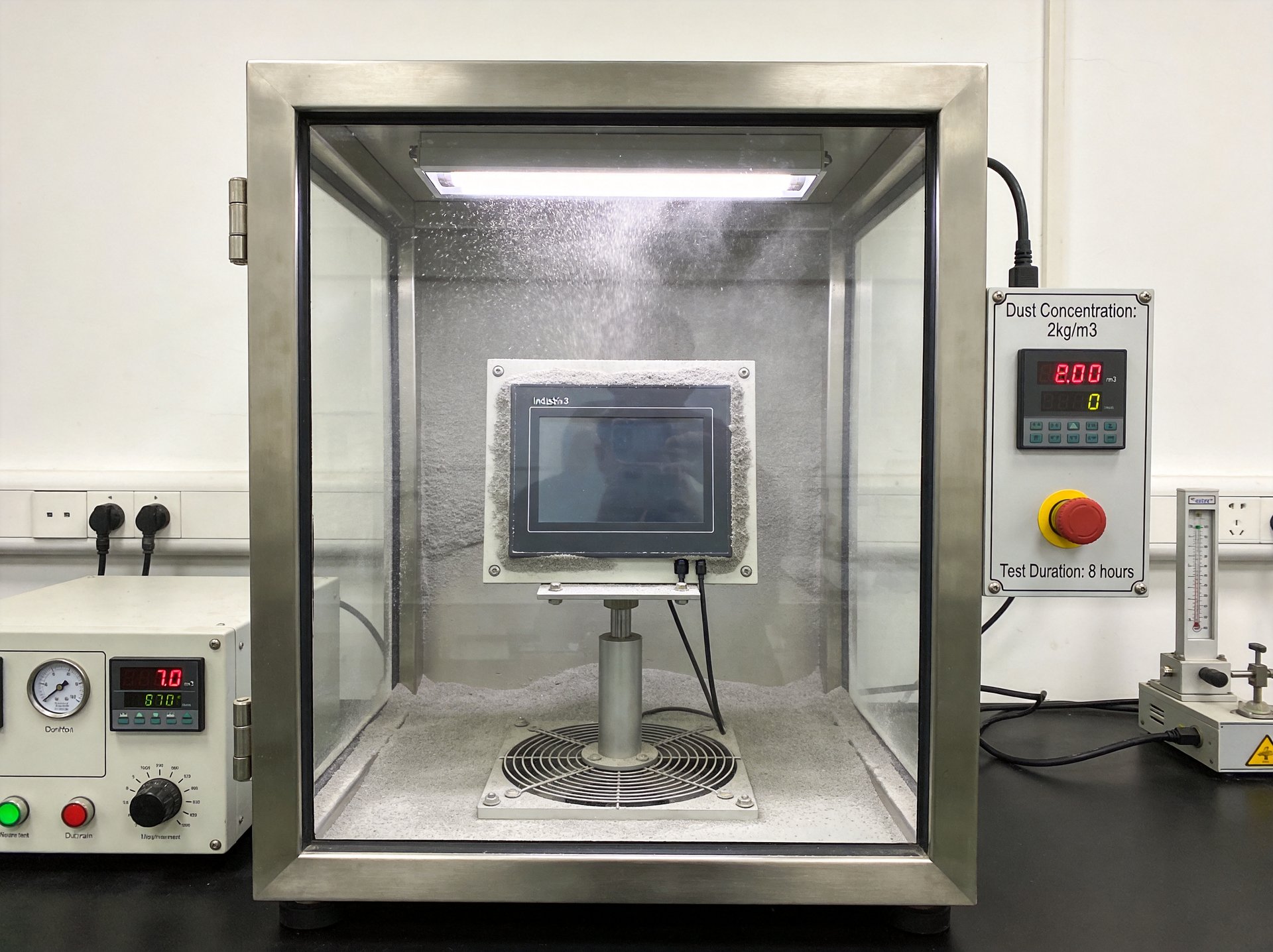
Official IP65 certification requires rigorous testing conducted in certified laboratories following IEC 60529 procedures. For the dust test (first digit 6), the unit is placed in a test chamber filled with talcum powder for eight hours, with internal pressure slightly below ambient to draw in particles. After testing, engineers verify no dust has entered the enclosure. For the water test (second digit 5), a standardized nozzle sprays water at 30 kPa pressure from all directions for three minutes, with the unit rotating on a turntable to ensure complete exposure. Following the water test, inspectors examine the unit for any water ingress that could affect operation or create safety hazards. It is important to note that not all products claiming IP65 ratings undergo formal certification; buyers should verify test reports and certification documentation when making purchasing decisions.
Practical Applications and Limitations
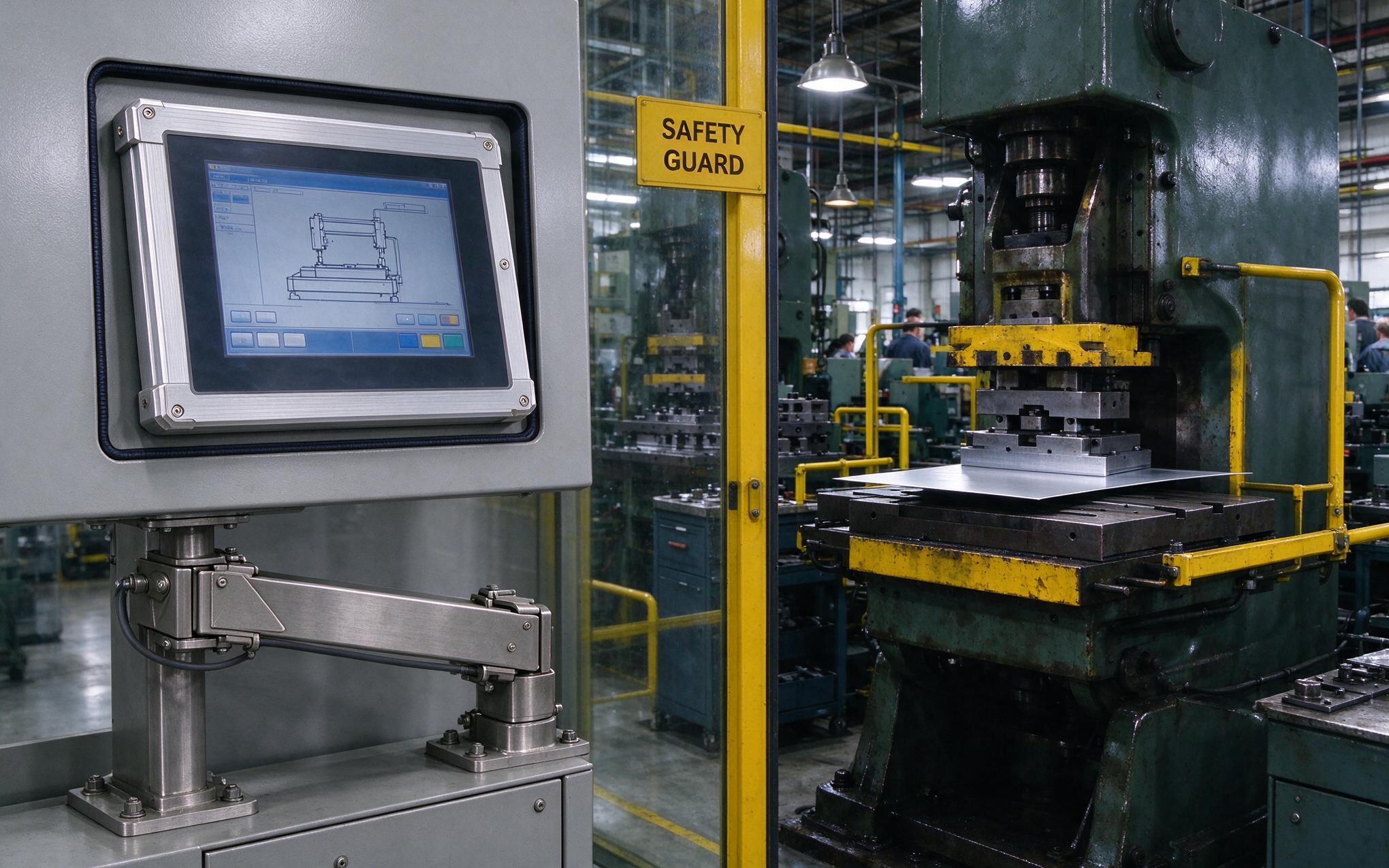
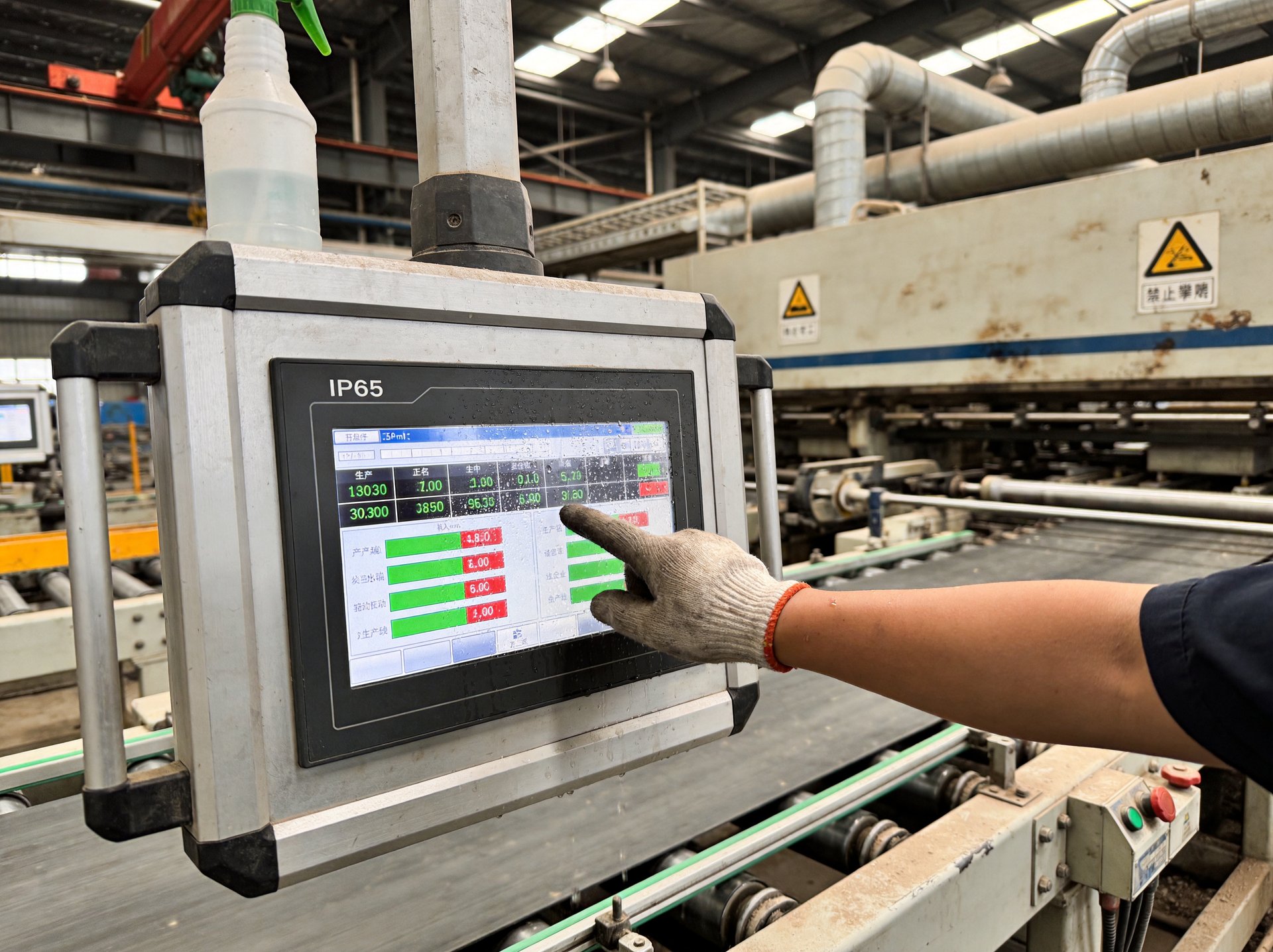
IP65-rated industrial touch displays find applications across numerous industries where dust and moisture are concerns but full immersion is not expected. Typical uses include manufacturing control panels, outdoor kiosks under protective roofs, food processing facilities with moderate washdown requirements, pharmaceutical production areas, and agricultural equipment cabins. However, understanding the limitations is equally important. The IP65-rated fanless construction developed by KOXIAN exemplifies reliable protection for standard industrial applications, but it is not designed for full immersion or high-pressure washdowns requiring IP66, IP67, or higher ratings. Facilities with more demanding requirements should evaluate higher IP ratings. Additionally, it is crucial to recognize that the IP rating only applies when all components—including connectors, cable glands, and mounting accessories—are properly installed and maintained according to manufacturer specifications.