Conductive dust settling on a board surface reduces the voltage a gap can withstand long before any component degrades, and the resulting tracking failure looks like a random fault rather than a design consequence. Safety standards address that behavior through spacing requirements rather than through component ratings, which is why the hazard based approach in UL 62368 reshaped internal layout for industrial all-in-one pcs more than it changed any specification a buyer reads. Clearance through air, creepage across surfaces and the assumed contamination level of the environment together decide how much board area the mains section consumes and where a coating becomes mandatory.

Within Pollution Degree Definitions and Real Plant Air
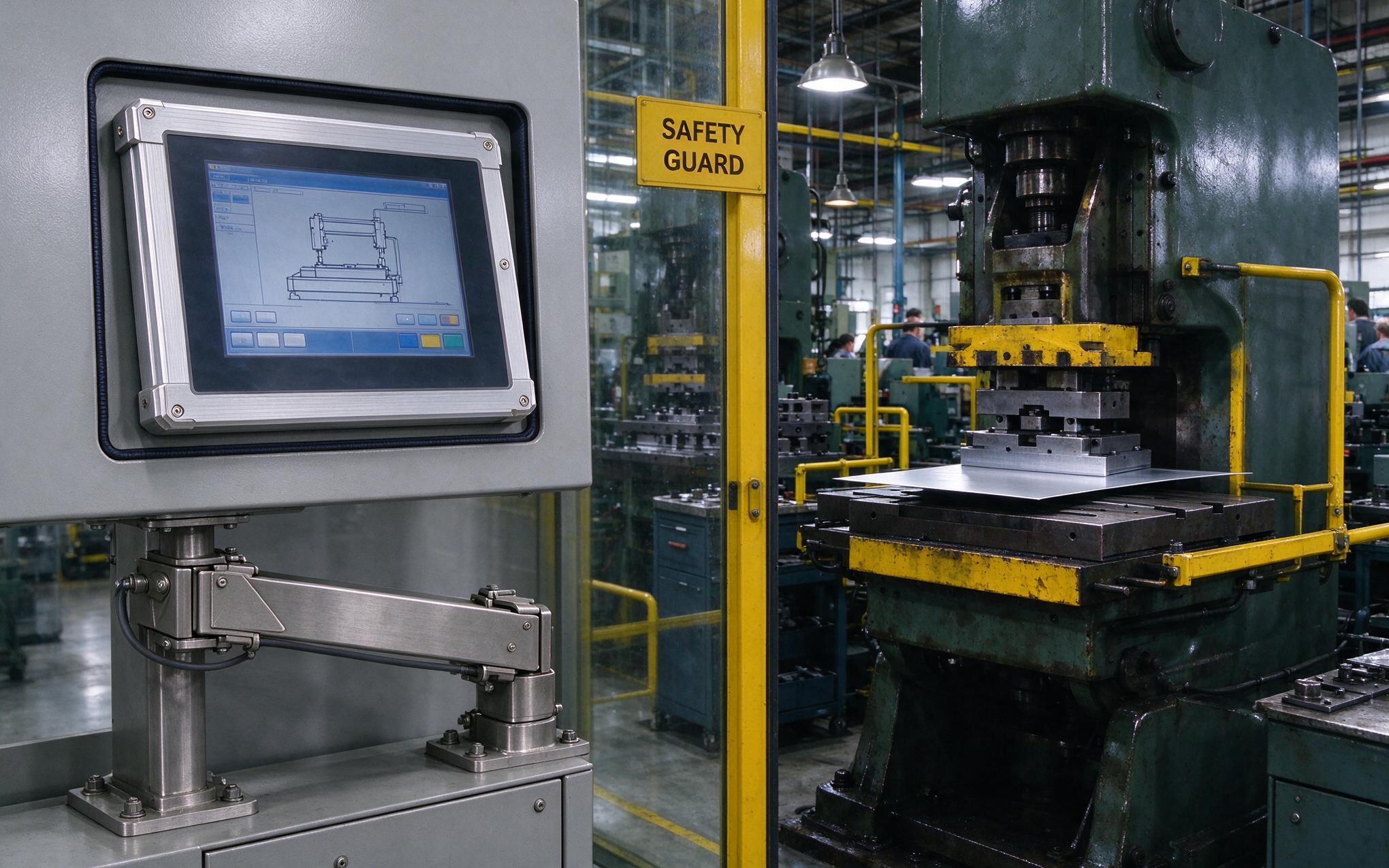
Contamination assumptions drive the numbers more than voltage does. Pollution degree two describes an environment with only non conductive contamination and occasional condensation, and it is the assumption behind most published spacing tables. A grinding bay, a foundry aisle or a cement handling area produces conductive dust continuously, which places the interior of an unsealed housing at pollution degree three and increases required creepage distances substantially at the same working voltage. Enclosure design at builders such as KOXIAN resolves this by sealing the interior so the boards experience a cleaner microenvironment than the room, which permits the tighter spacing that a compact chassis needs. The alternative accepts the dirtier classification and widens the mains section, so industrial all-in-one pcs built that way carry a larger board and a deeper housing. Either route is legitimate, and knowing which a vendor took explains why two units of equal footprint differ inside.

Across Coated Boards Where Creepage Is Reduced
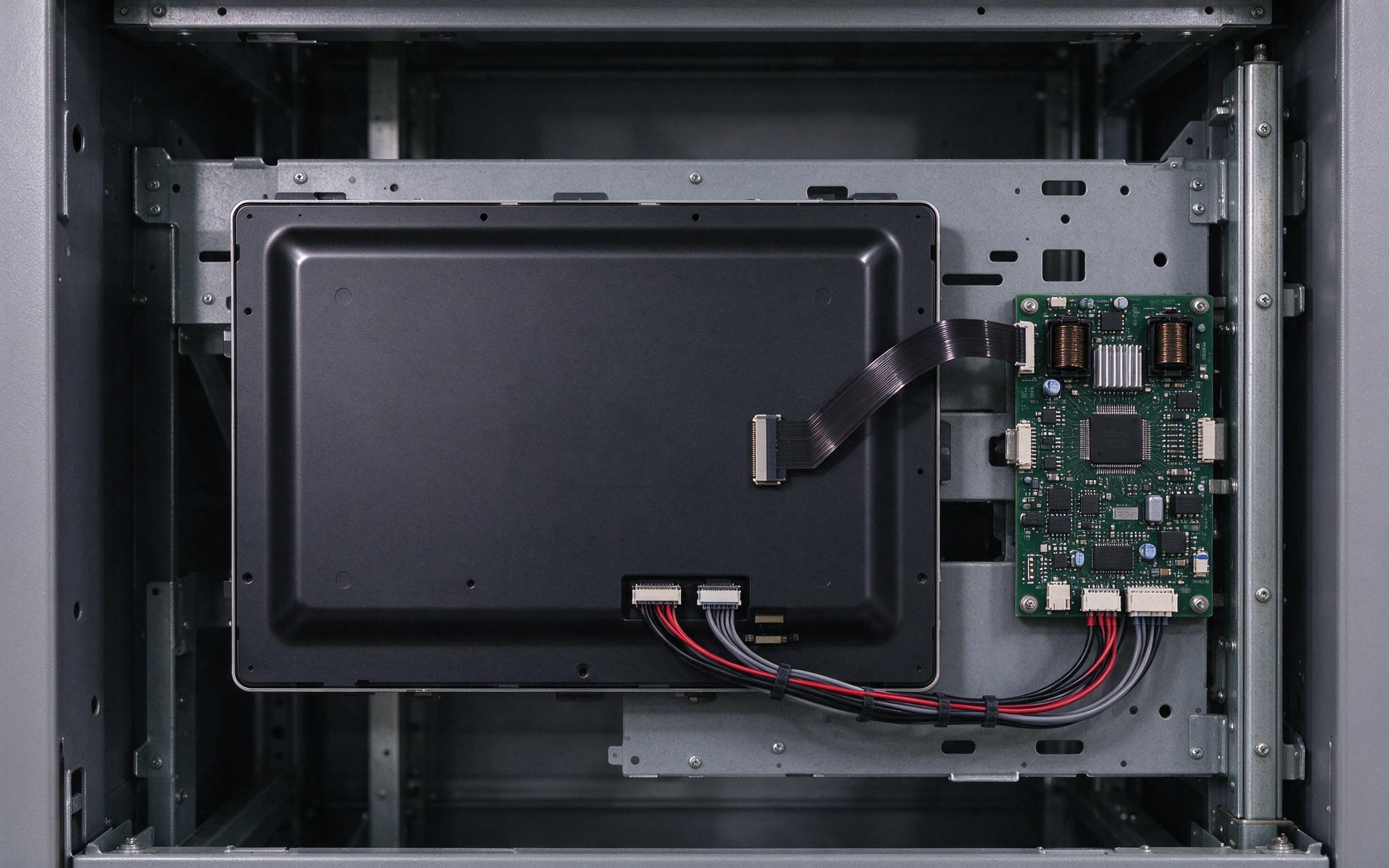
Coating changes the rules rather than merely adding protection. A conformal coating applied over conductor patterns and inspected for coverage allows the assembly to be evaluated at a cleaner pollution degree in the coated region, which reduces the creepage distance required between adjacent tracks. That reduction is what keeps the power section of compact industrial all-in-one pcs compliant without growing, and it depends on process control rather than on the coating chemistry alone. Coverage over component leads, thickness at board edges and masking around connectors determine whether the coating performs as assumed. Repair introduces the practical risk, because rework that removes coating locally restores the uncoated spacing requirement at exactly the point where the layout no longer provides it. Service documentation stating which areas must be recoated after component replacement is therefore a functional requirement, not administrative detail.

Under Altitude Correction for Mountain Installations
Air density sets the clearance a gap can hold. Published clearance values assume operation up to two thousand meters, and above that the reduced dielectric strength of thinner air requires a multiplier applied to every clearance distance. Mining operations in the Andes, tunnel projects across mountain passes and processing plants on high plateaus routinely sit at three thousand to four thousand meters, where the correction factor approaches one and a half. A rugged all in one pc qualified only to the default altitude may therefore be operating outside its evaluated condition without any visible symptom until a transient triggers a flashover across a marginal gap. Creepage distances are unaffected by altitude since they depend on surface conditions, which means only clearances need correction. Buyers should state site altitude in the enquiry and ask whether the evaluation covers it, since this is a design parameter rather than a derating note.

Beyond Dielectric Testing Toward Field Verification
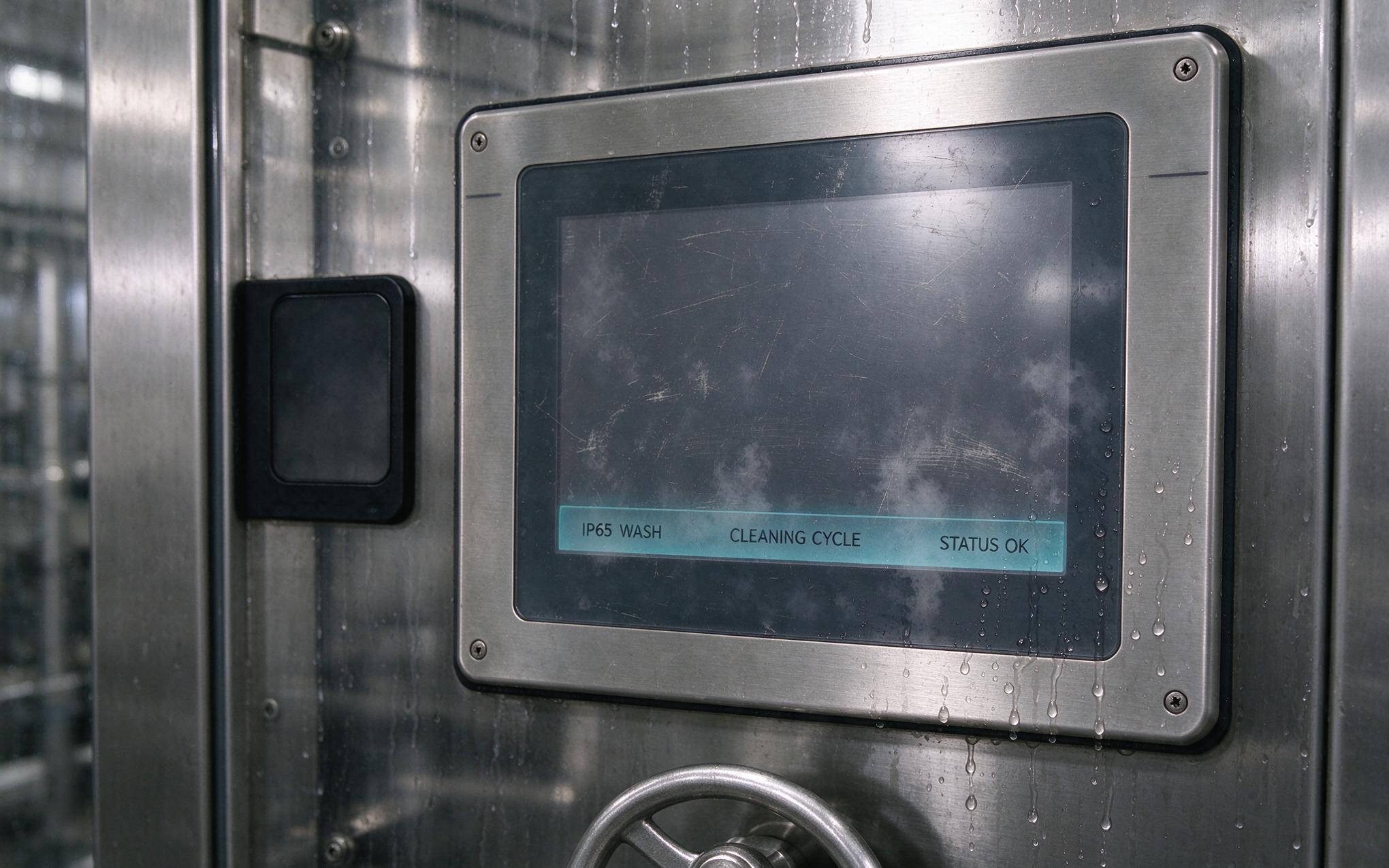
Production testing confirms manufacture rather than design margin. A dielectric withstand test applied between mains and accessible parts verifies that assembly work has not compromised insulation, and it passes on a unit whose spacing was calculated for cleaner air than the installation provides. Field verification of industrial all-in-one pcs looks different and is largely mechanical: confirming the enclosure seal is intact, that filter media has not been removed to improve cooling, and that cable entries have not been opened for convenience. Each change moves the interior toward the dirtier classification the design avoided. Practical documentation from vendors including KOXIAN identifies the sealing provisions the spacing evaluation depends on, which gives maintenance staff a reason not to leave a gland loose. Industrial all-in-one pcs installed in dusty service benefit from an annual seal check recorded alongside electrical inspections.
Spacing requirements convert an assumption about air into a physical layout, and that assumption is the item most easily invalidated on site. Contamination level, coating integrity, altitude and enclosure sealing each shift the margin a design was built around, and none appear on a nameplate. Stating site altitude and dust conditions in an enquiry, then preserving the sealing that industrial all-in-one pcs depend on, keeps a compliant unit compliant in service. Treating those provisions as engineering constraints rather than paperwork separates equipment that survives a dusty plant from equipment that passes a test bench.