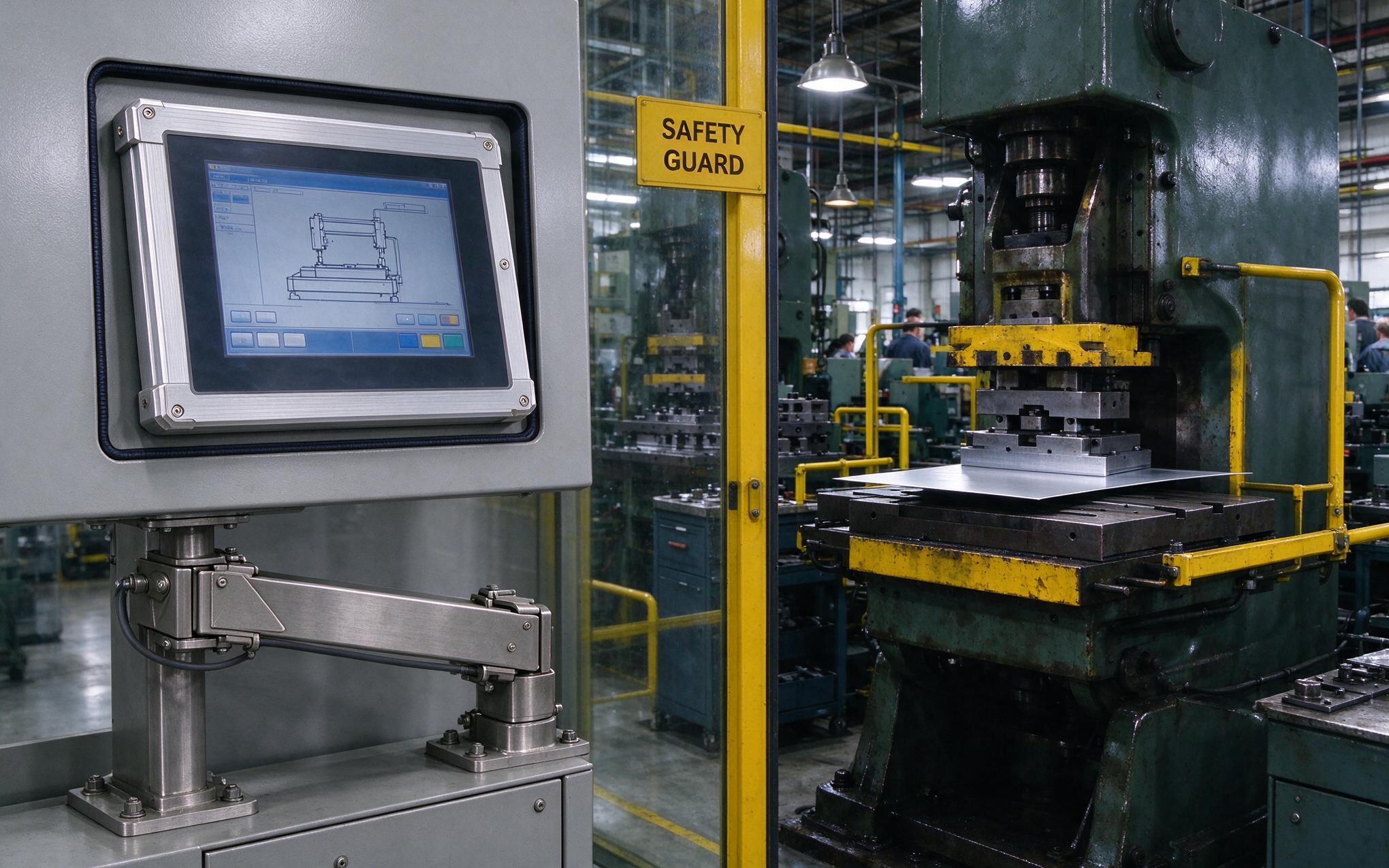
Ambient illuminance on an open weighbridge deck can exceed 100,000 lux at midday, while a typical office display is designed for a room nearer 500 lux. Weighbridge operators still have to read gross and tare figures through a cab window, at arm’s length, with the sun somewhere behind the driver. That gap explains why a sunlight readable industrial monitor has become standard equipment at unattended truck scales, replacing indoor panels that were legible only at dawn and dusk. The engineering behind it involves more than a brighter backlight, since reflection, thermal load and surface contamination all erode effective contrast before the operator sees a number.

Measuring Contrast Under Ambient Light Instead of Nits
Luminance figures are quoted in a dark laboratory, so a 1000-nit panel does not automatically outperform a 700-nit panel outdoors. What matters is contrast under illumination, which combines emitted luminance with light reflected off every layer of the stack. A glossy front surface can reflect several percent of incident light, and at 80,000 lux that reflection alone produces a bright veil comparable to the panel’s own white level. Anti-reflective coatings reduce specular return to below one percent, while anti-glare etching spreads the reflection into a diffuse haze that suppresses mirror images at the cost of slight softness. Optical bonding removes the internal air gap where a second reflection forms, and it also prevents condensation inside the stack during cold mornings. For weighbridge duty, a sunlight readable industrial monitor specified at 1000 to 1500 nits with a bonded, anti-reflective front consistently outperforms a 1500-nit unit behind uncoated glass, which is why coating stack detail belongs in the purchase specification rather than in an appendix.

Thermal Load From Solar Gain and Backlight Together
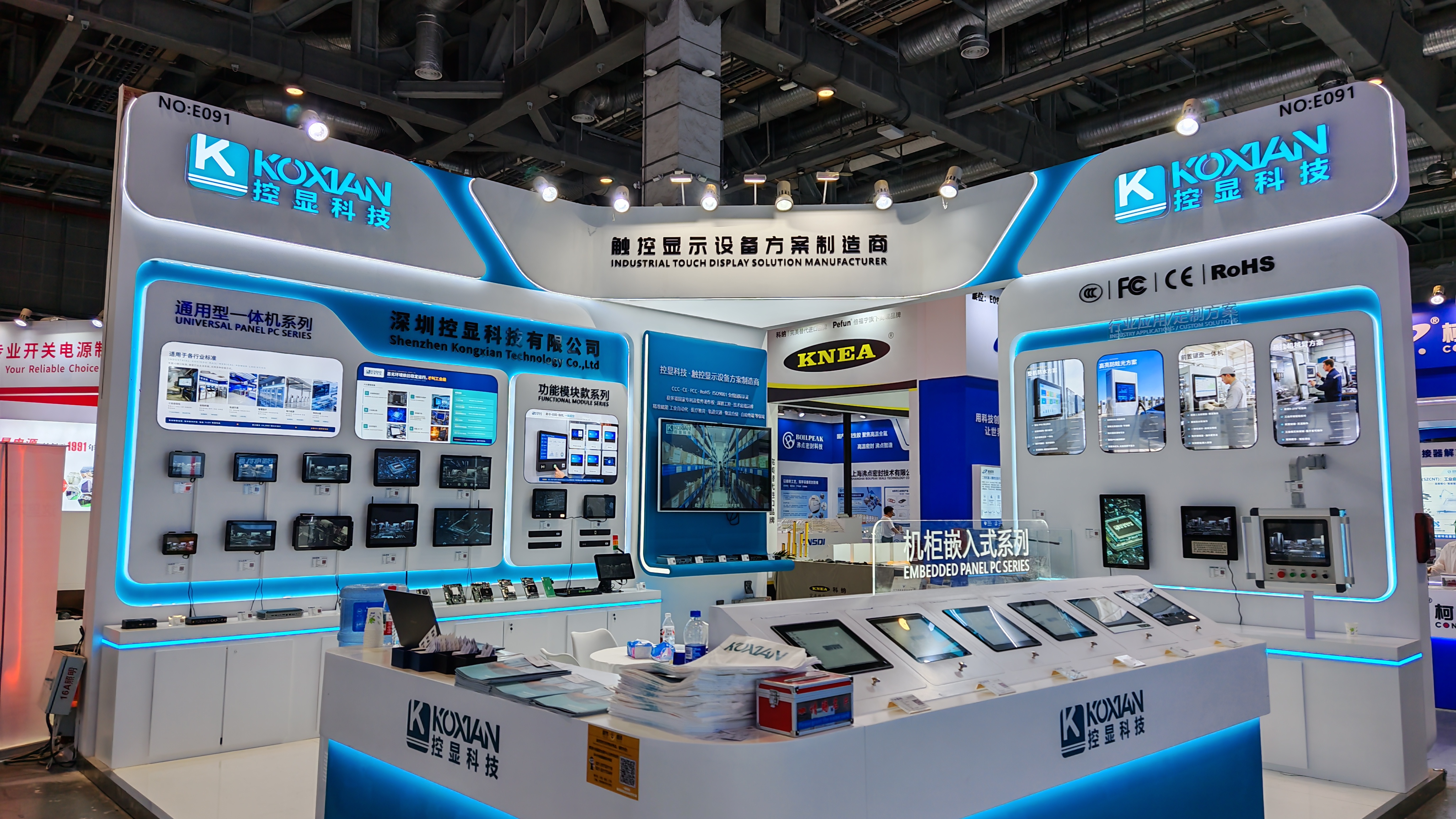
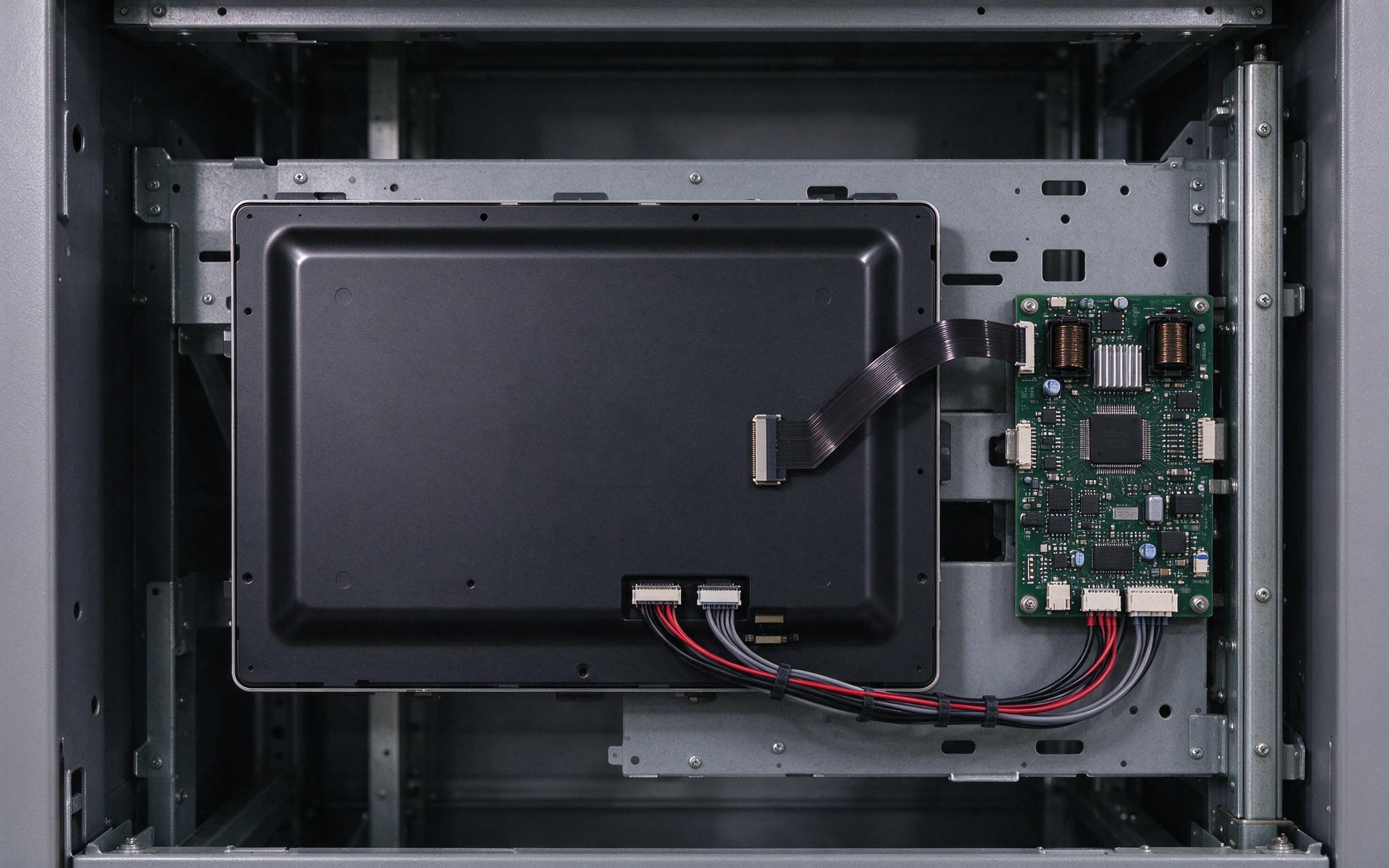
High luminance carries a thermal cost that outdoor installations pay twice. A bright backlight dissipates most of its input power as heat inside a sealed housing, and solar absorption on a dark bezel adds a further load that can lift internal temperature 15 to 25 degrees Celsius above shaded ambient. Liquid crystal fluid clears above roughly 80 degrees Celsius, producing a dark blotch that recovers slowly, so headroom must be calculated against internal temperature rather than the weather forecast. Practical mitigation for a sunlight readable industrial monitor is mostly architectural, including a ventilated sun hood, a light-colored housing, aluminum rear surfaces that radiate rather than trap heat, and an ambient light sensor that dims the backlight when full output is unnecessary. Automatic dimming also protects night operation, since a display running at full luminance after dark blinds a driver leaning out of a cab. To manage that budget without fans, industrial hardware makers, including KOXIAN, use finned aluminum rear housings that move backlight heat into the enclosure skin instead of the air around the panel.

Surface Sealing Against Quarry Dust and Wash Cycles
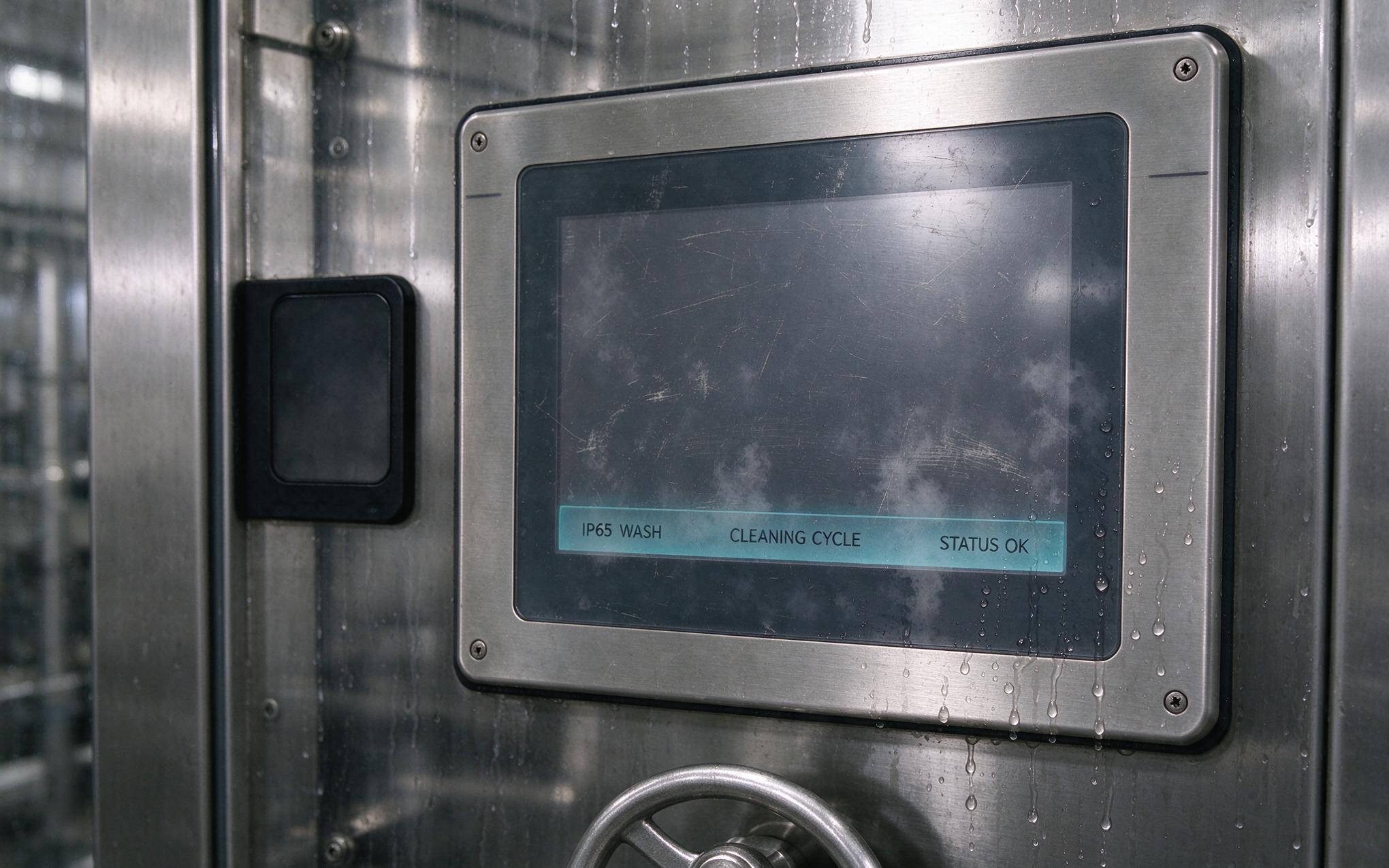
Weighbridge kiosks sit in the dustiest corridor of a quarry, where crushed stone fines coat every vertical surface within days. A dust film scatters incident light directly at the front surface, and no coating compensates for a layer of rock powder, so cleanability becomes an optical requirement rather than a housekeeping preference. Flush glass fronts with no recessed bezel groove allow a single wipe to clear the viewing area, while framed designs trap fines along the seal line where they abrade the coating during cleaning. Pressure washing follows dust in most sites, which means an IP65 or higher front rating and a cable gland arrangement that resists a directed jet from below as well as above. Field observations from aggregate operations show that hardware configurations using KOXIAN industrial panel displays keep capacitive touch response after repeated hose-down cleaning, provided gland torque is checked at the same interval as the load cell calibration. A sunlight readable industrial monitor that cannot be cleaned quickly will be read through a haze regardless of its luminance rating.
Readability at a truck scale is a system property, not a single specification line. Emitted luminance sets the ceiling, coatings and bonding decide how much of it survives ambient reflection, thermal architecture determines whether that output can be sustained through a summer afternoon, and sealing decides how long the front surface stays clean enough to matter. Sites that measure illuminance at the actual viewing angle and record internal cabinet temperature before ordering usually get the specification right on the opening attempt.