An outage at a packaging plant closed a shift with a controller that would not restart, and the fix took four hours because no spare card had ever been ordered. The industrial pc for automation had run two years without a software fault; what failed was the medium holding the system image, worn by thousands of small writes each shift and one unrecorded power cut. The processor, the chassis, and the cabling were never involved. Nothing on the purchase order asked what stores the boot image and the shift logs, so the question surfaced during an outage instead of during specification.
In Compact Automation Boxes Where SD Cards Took Hold
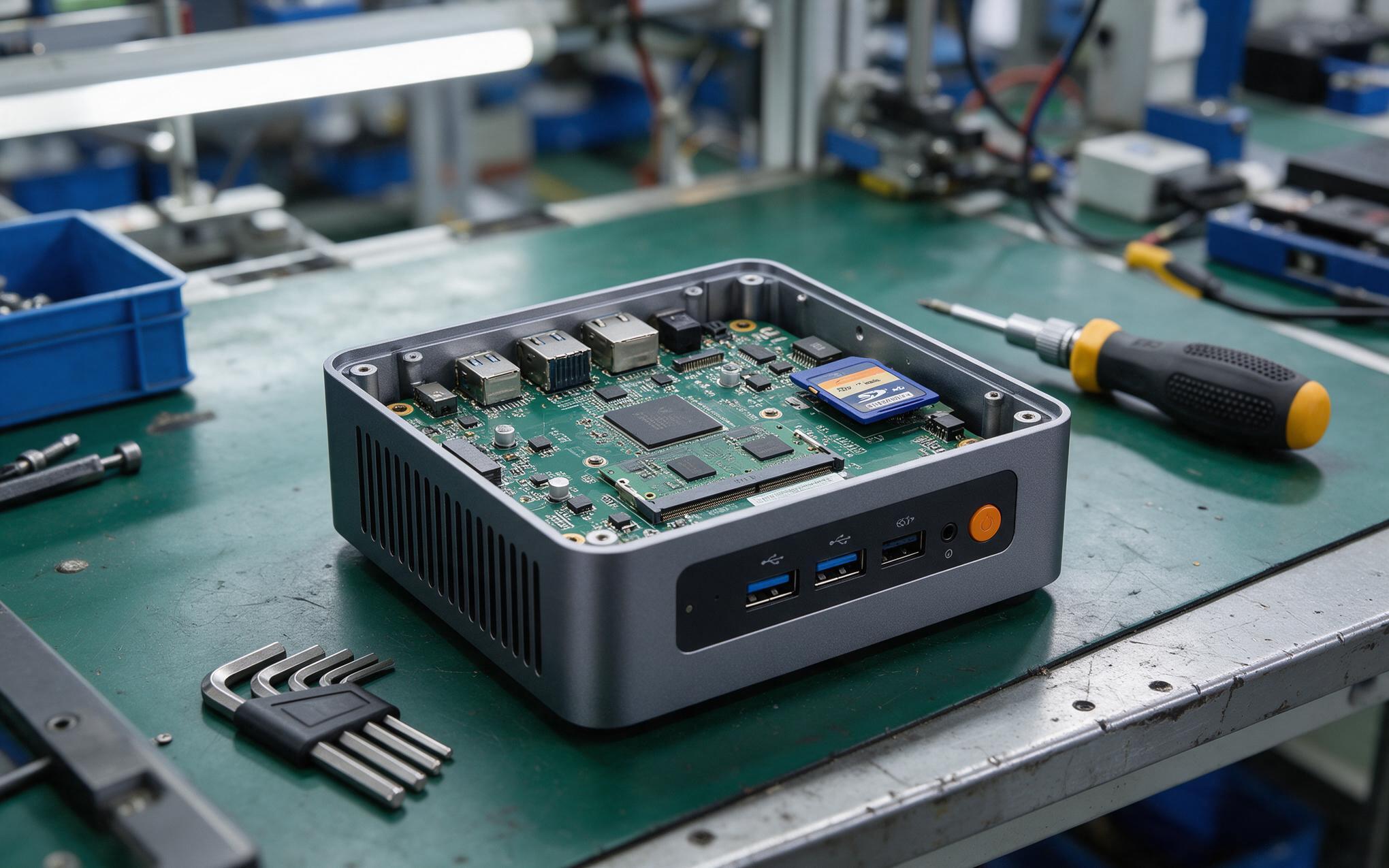
Compact fanless boxes adopted the SD card because it is cheap, small, and easy to replace on site, and because early automation software mostly read configuration rather than wrote to it. Modern deployments behave differently. A historian sampling every second, alarm buffering during a network outage, and a service that rotates files daily turn the card into a write target that keeps earning wear all shift. The card also sits in a friction socket, where vibration loosens contact and a single fretted pin reads as a corrupt volume. When that happens, an industrial pc for automation needs bench access to recover, and the spare in the cabinet is often a different endurance class.
Endurance and Power Loss Behavior Under Load
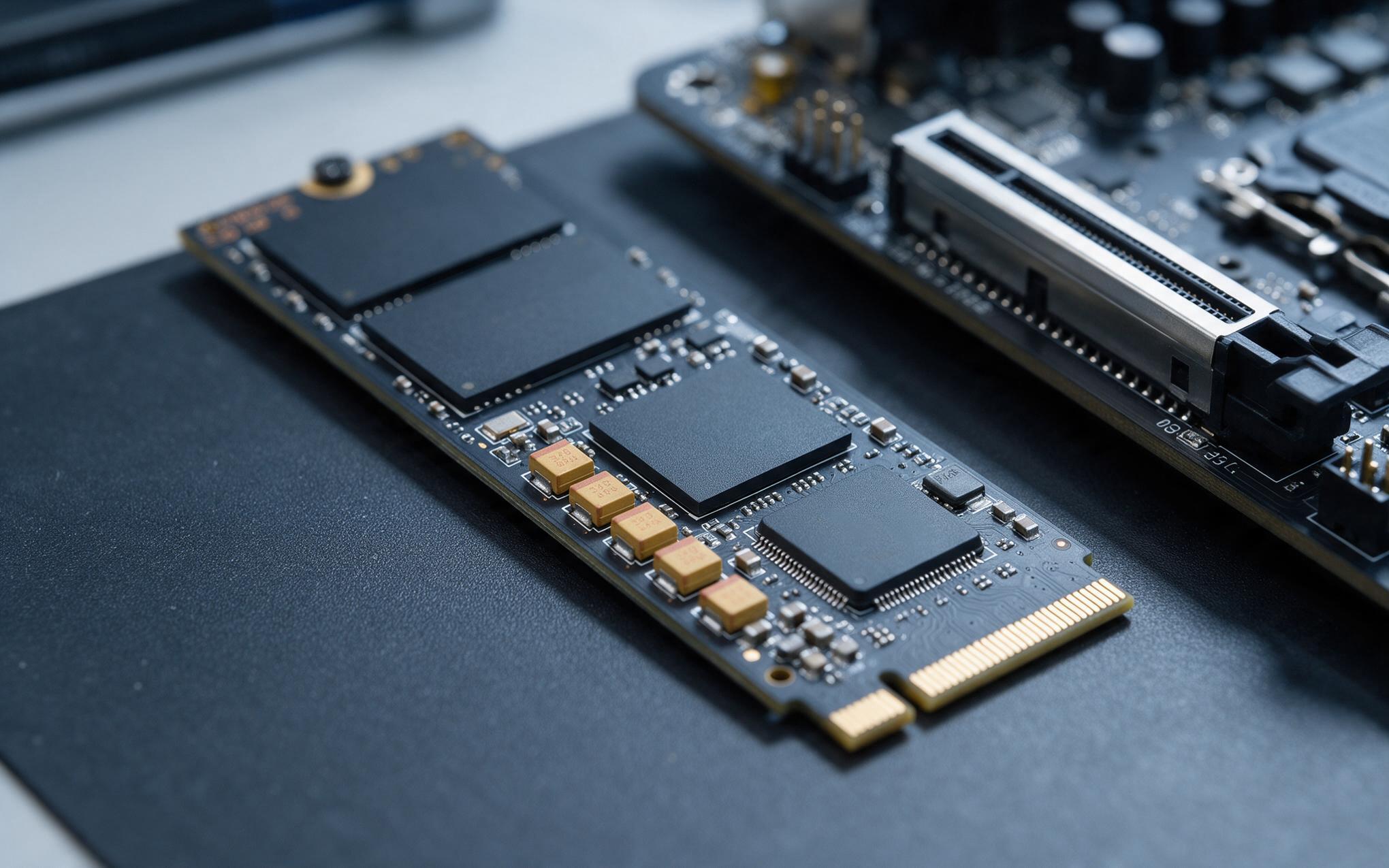
Field observations from two shift packaging lines running KOXIAN industrial box PCs show that storage problems surface right after a power event rather than at the end of rated life. Write endurance is published either as total bytes written or as drive writes per day, and both figures assume a controller able to flush its cache. Without power loss protection, a cut during a write leaves the mapping table half updated, and the next boot finds a volume that no longer resolves. Protection circuits hold enough charge to finish that flush, which is why the capacitor bank on the module matters more than the transfer speed quoted in a datasheet.
Running the Operating System Read Only
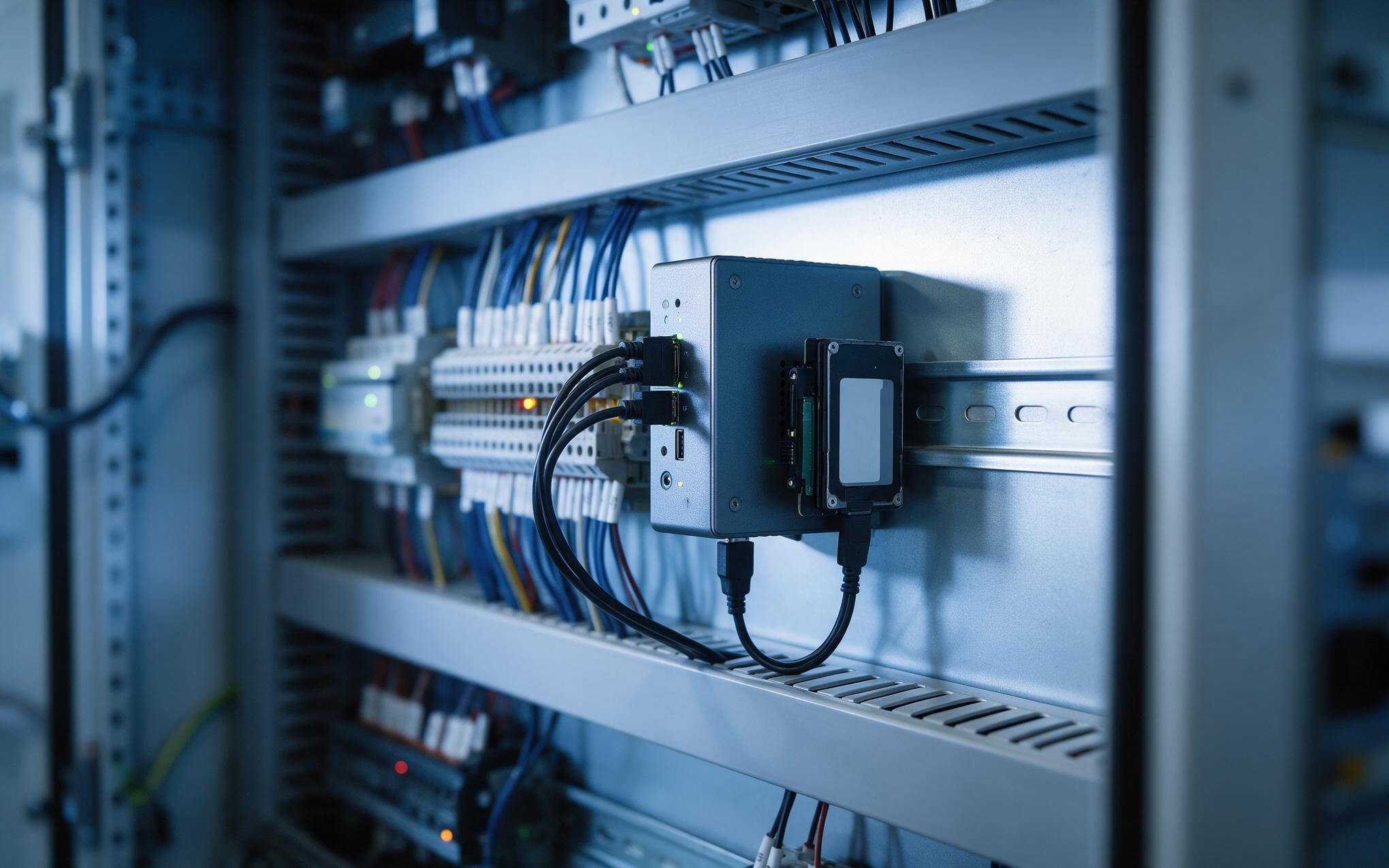
Most of the wear described above comes from the operating system writing where it does not need to. A read only operating system mode moves logs, caches, and temporary files into a ram disk or a separate data partition, so the boot volume sees configuration changes only. Journaling still runs at startup, and wear leveling spreads the remaining writes across the package, yet the daily byte count drops sharply. An industrial pc for automation provisioned this way recovers by rebooting instead of by reinstalling, because the image on the boot volume never drifts. Application data still writes to the storage, so that partition needs its own endurance margin and its own replacement schedule.
Selection Rules for an Industrial PC for Automation
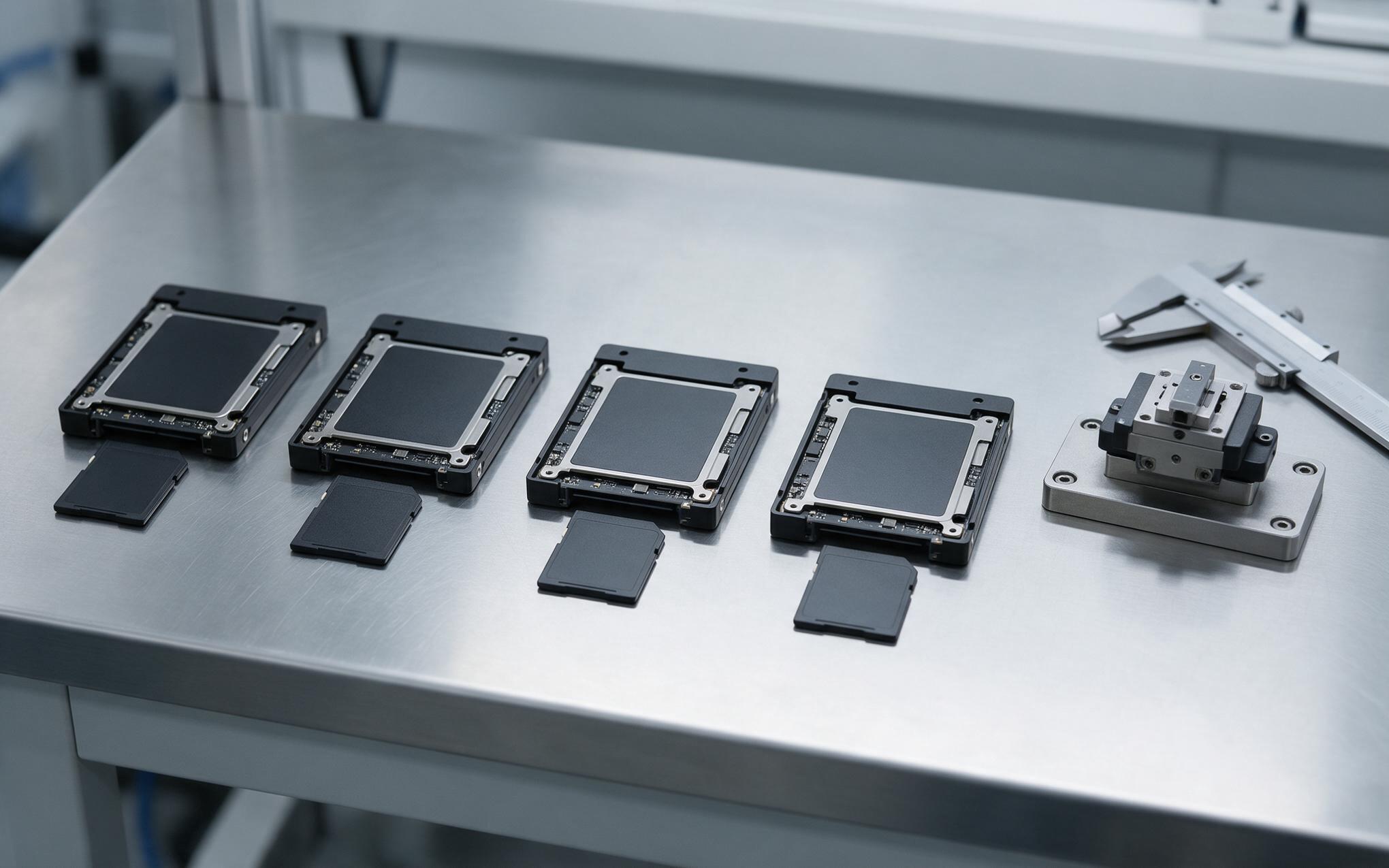
Datasheets rarely separate a consumer card from an industrial module, so the differences have to be requested explicitly. Selection approaches like those adopted in KOXIAN field units treat the storage module as a qualified part with its own record rather than an accessory bundled with the board. Start from the write volume: log a week of production, convert it to bytes per day, and match that figure to a published endurance rating instead of to card capacity. Require power loss protection, confirm the module is rated across the plant temperature range, and check that it is held by a screw or a retention clip rather than by friction alone. Serviceability sets the downtime, because a socketed module swaps during a scheduled stop while a soldered device does not, and evidence of boot reliability across repeated power cycles belongs in the same request.
Storage is the cheapest component in an automation box and the one most likely to end a shift early. Choosing between an SD card and an industrial SSD is not a capacity question, it is a question of write volume, power behavior, and service access. Teams that log their write volume, require power loss protection, and run a read only operating system usually discover that the cheaper card was never cheaper. An industrial pc for automation specified with those three checks in place spends its service life producing instead of waiting on a bench for a rebuilt volume.