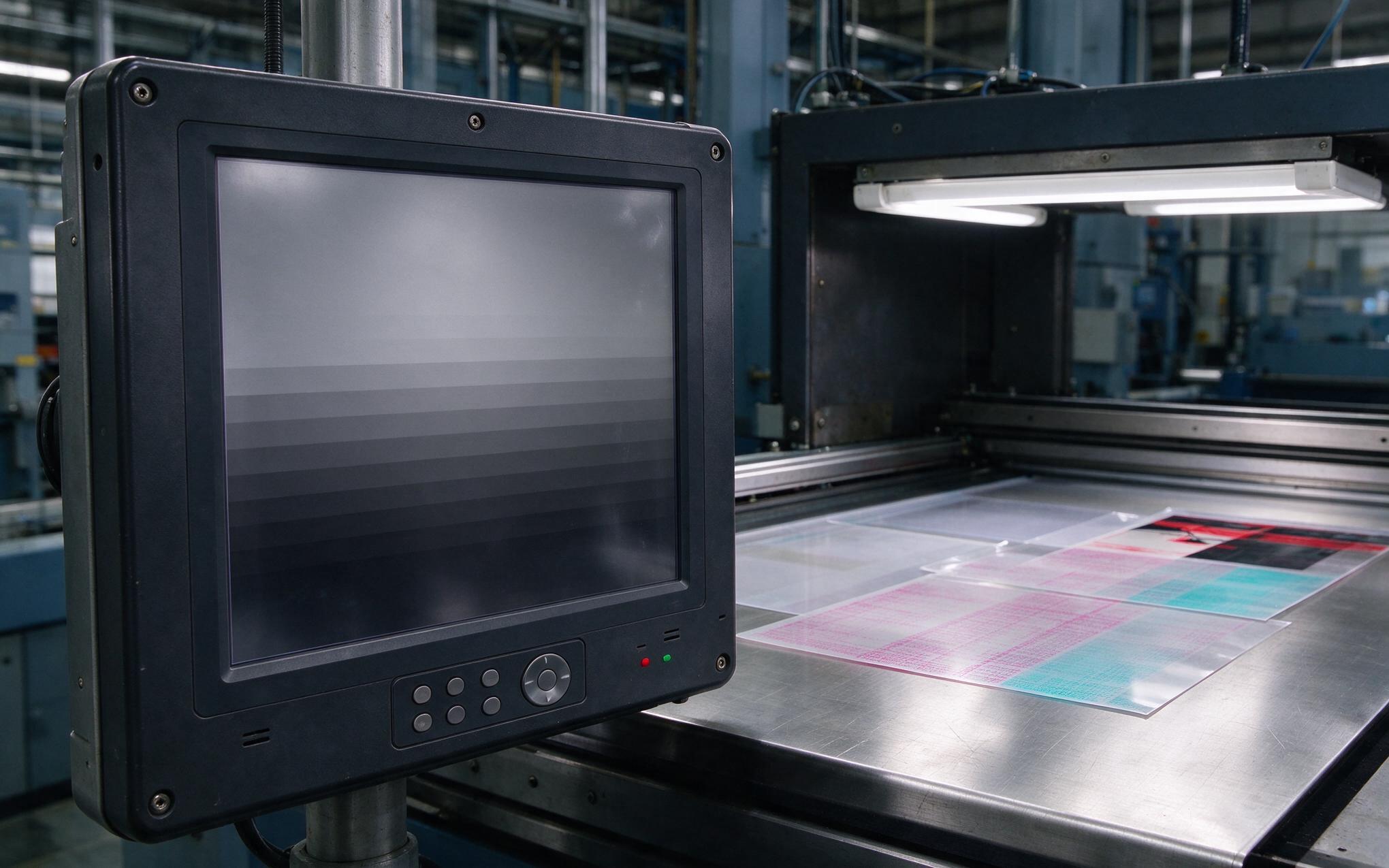
In early 2025, a food processing plant in the Midwest replaced its aging control panels with new capacitive touch units, only to discover that operators wearing heavy rubber gloves could no longer register inputs without removing their hand protection. The resulting downtime cost the facility over $18,000 before the issue was resolved. Switching to resistive touch panels in those stations reduced touch-related failures by 70 percent. The root cause was not a defective panel—it was a fundamental mismatch between the capacitive touch layer and the plant’s operational requirements. For teams evaluating industrial all-in-one PCs, understanding the differences between resistive and capacitive touch technology is a prerequisite for making sound deployment decisions.

Understanding the Fundamental Sensing Mechanisms
Resistive and capacitive touch technologies rely on entirely different physical principles, and that distinction drives every downstream performance characteristic. A resistive touch screen consists of two transparent conductive layers separated by microspacer dots. When an operator applies pressure—whether with a gloved finger, a stylus, or a pen cap—the layers make contact, and the controller reads the resulting voltage divider to calculate X/Y coordinates. This pressure-based approach means the screen responds to virtually any object, making it inherently compatible with thick industrial gloves and stylus-driven workflows common in CNC machining and legacy equipment retrofits.
Capacitive touch technology detects changes in electrostatic fields. A grid of transparent electrodes beneath a glass cover lens senses when a conductive object alters the local capacitance, and the controller resolves position while tracking multiple simultaneous touch points. In industrial all-in-one PCs, projected capacitive (PCAP) has become the dominant choice for new deployments because it supports true multi-touch gestures, delivers higher optical clarity, and pairs well with optical bonding for outdoor readability. The shift toward PCAP in factory automation reflects broader industry trends favoring smartphone-like interaction models on the production floor.

Considering Environmental and Operational Demands
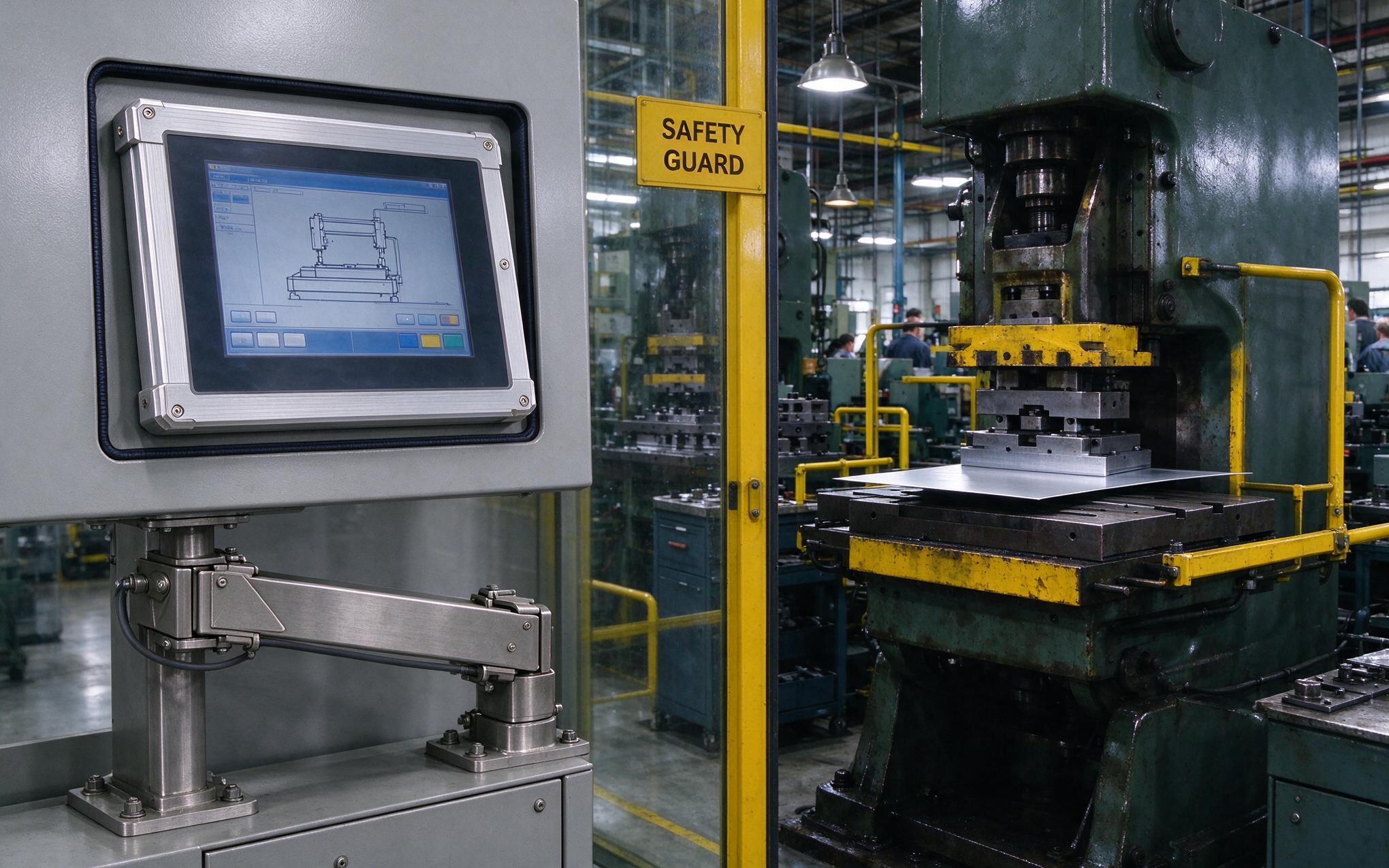
The choice between these technologies hinges less on raw specifications and more on the specific conditions at the operator’s station. In heavy manufacturing environments where workers handle metal parts or operate hydraulic equipment, resistive touch screens offer a practical advantage: they are inherently tolerant of surface contaminants like oil, dust, and standing water because pressure—not conductivity—triggers the response. A resistive panel in a CNC machining center continues to register inputs even when the operator’s gloves are coated in cutting fluid.
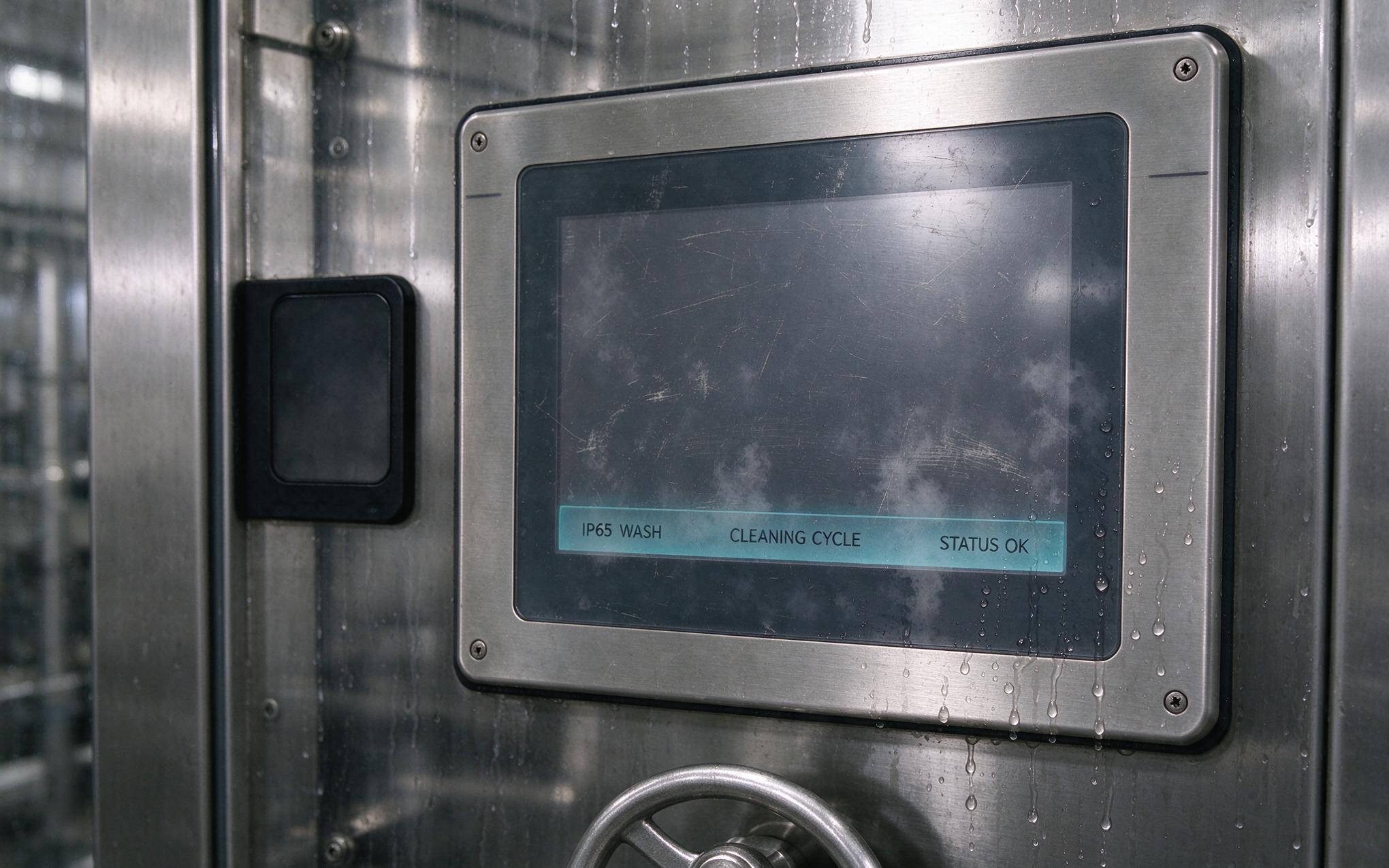
PCAP technology excels in controlled indoor environments where optical clarity and multi-touch capability matter most. Packaging lines, quality inspection stations, and pharmaceutical assembly areas benefit from the responsive, gesture-driven interaction that capacitive panels provide. To address PCAP’s sensitivity to water, manufacturers like KOXIAN pair capacitive touch layers with IP65-rated bezels and water-rejection firmware, extending viable operating conditions into semi-outdoor and high-humidity settings where industrial all-in-one PCs must perform reliably. Cover glass tuning and ruggedized sealing are essential in any deployment where moisture or splashing is present, and the right combination of firmware and hardware can reduce false-touch events by a significant margin.

Optical Clarity and Mechanical Wear Compared
Beyond touch response, the two technologies differ in optical performance and long-term mechanical wear. Resistive screens use a flexible PET film that transmits roughly 80 to 85 percent of incident light, and this film degrades under repeated use, developing visible wear patterns at high-traffic touch points. In bright factory environments with overhead lighting, this reduced transmittance can make on-screen data harder to read, forcing operators to lean closer or increase screen brightness—both of which affect comfort and power draw over a full shift.
Capacitive panels pair a rigid glass cover lens with the underlying electrode grid, achieving transmittance above 90 percent and resisting scratches that would impair a resistive film. When combined with optical bonding, capacitive displays significantly reduce internal reflections and improve sunlight readability. Optical bonding, as practiced by manufacturers like KOXIAN, pairs an adhesive layer with reinforced cover glass to extend panel service life in rugged touch screen display applications. For industrial all-in-one PCs expected to operate continuously over a seven-to-ten-year lifecycle, the reduced maintenance burden often justifies the initial investment. Production facilities that deploy industrial all-in-one PCs with capacitive panels report 30 to 40 percent fewer screen replacements compared to resistive-based alternatives.

Making the Right Touch Technology Selection
Selecting the right touch technology for an industrial all-in-one PC requires assessing operator gloves, environmental contaminants, optical requirements, and total cost of ownership. Neither resistive nor capacitive touch is universally superior—each maps to specific factory floor conditions. Systems integrators that match the touch layer to the actual operating environment will see fewer operator complaints, lower maintenance tickets, and better long-term ROI from their industrial all-in-one PC deployments. When procurement teams specify the touch layer alongside other industrial all-in-one PCs requirements—such as operating temperature range and ingress protection—the resulting systems deliver more consistent uptime across the production floor.