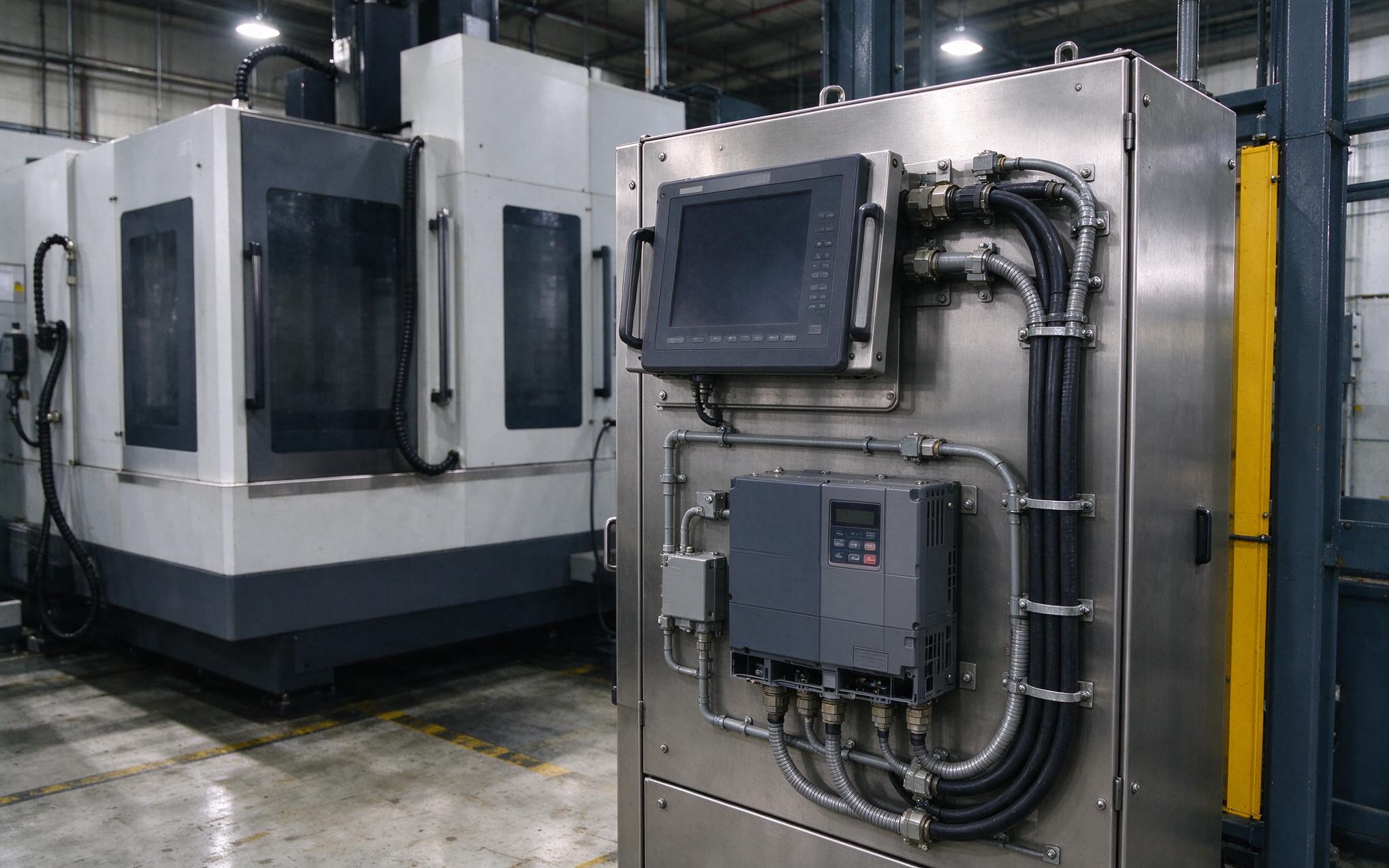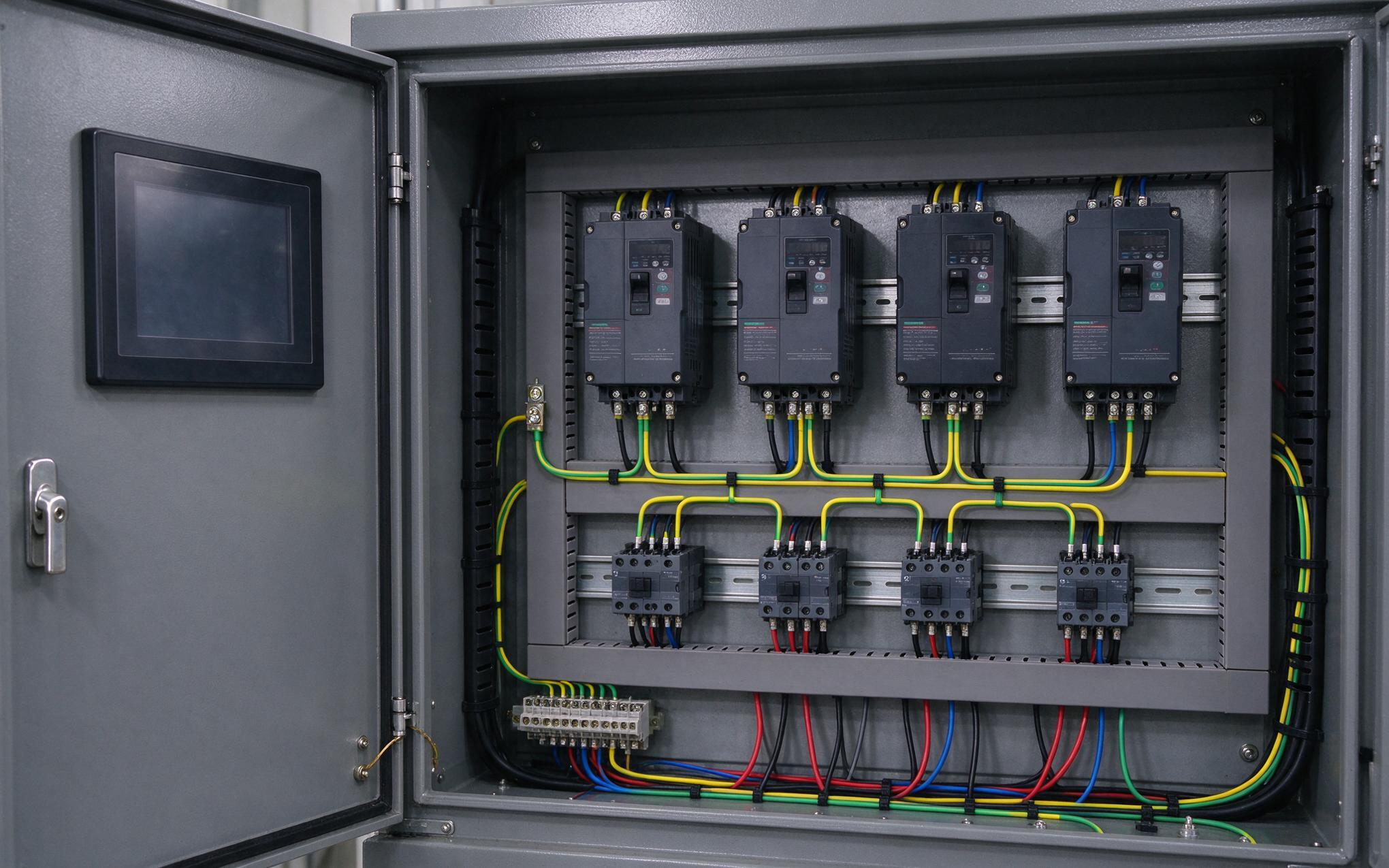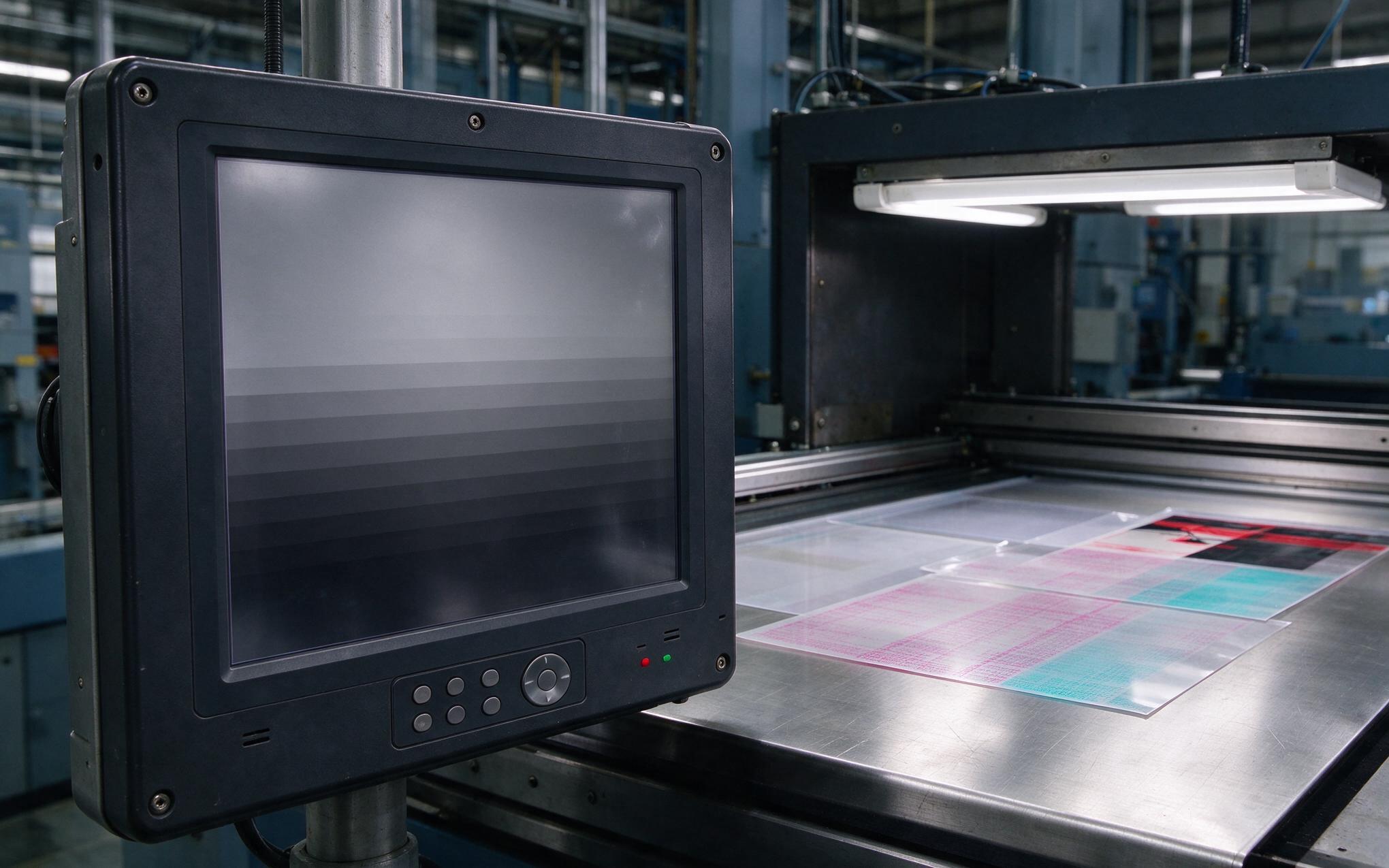
Engineers evaluating a new vendor typically request two or three sample units, bench them for a week, and sign off if the samples behave. That evaluation method is adequate for a prototype cell and inadequate for a fifty-unit rollout, because the qualities that matter at sample stage are not the qualities that fail at volume. An industrial panel pc supplier can deliver flawless hand-assembled samples while lacking the process controls that hold tolerance across a production batch. Batch drift surfaces months after acceptance, when a replacement unit from a later lot no longer matches the mounting cutout or the validated driver set.

Separating Sample Build Quality from Process Capability
Hand-built samples pass through the attention of a senior technician who corrects small deviations without recording them. A volume line does not have that filter. Evaluating an industrial panel pc supplier for production shifts the question from whether the sample works to whether its process repeats without that technician. Concrete indicators separate the two. Industrial panel pc manufacturers such as KOXIAN publish assembly work instructions per model revision, which is what makes a process auditable rather than dependent on individual skill. Gasket compression set by feel at sample stage needs a documented torque sequence and a compression stop at volume. Bezel flatness that passes by chance needs an incoming inspection gauge on the extrusion. Panel bonding done in a side room needs a controlled lamination station with recorded temperature and dwell. Asking to see the work instruction sheet reveals more about volume readiness than any bench test.

Auditing Batch Traceability and Component Substitution Policy
The failure mode that damages a fleet is silent substitution. A panel or touch controller goes end-of-life, the vendor sources an equivalent, and the change surfaces only when a driver mismatch appears on a later batch. Volume orders require a written substitution policy defining which component classes are locked, and traceability is what makes that policy enforceable. Each unit should carry a serial resolving to the build lot, panel vendor lot, and firmware revision loaded at test. Industrial panel pc manufacturers that maintain this record can answer a field question in an afternoon; those that do not will ask the customer to ship the unit back for diagnosis. For a fleet with a ten-year service horizon, that record is the difference between a targeted recall of one lot and a blind sweep of every installed terminal.

Scaling Mechanical and Thermal Validation Beyond the Sample
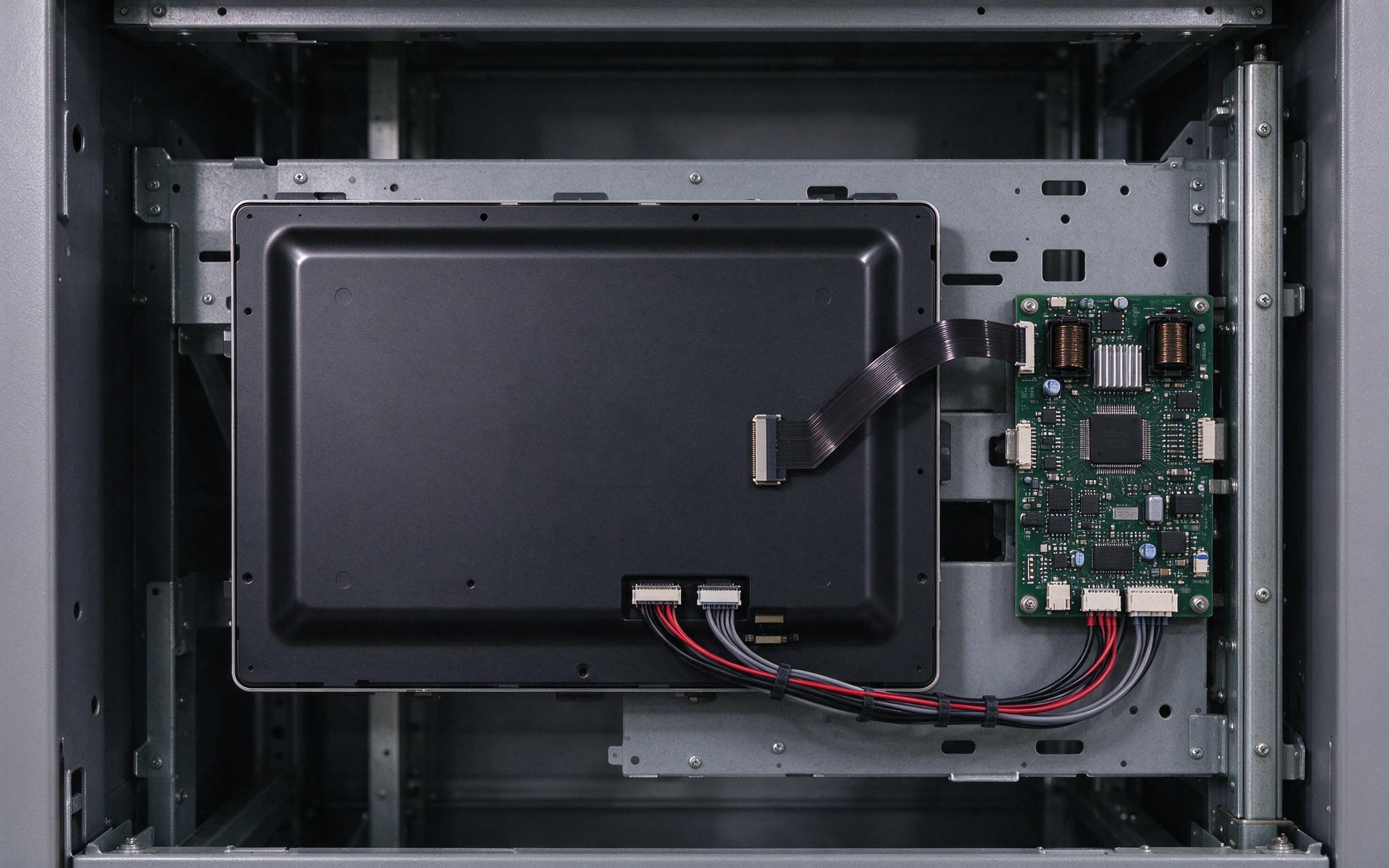
A sample that survives a bench soak proves the design concept, not the production tolerance band. An industrial panel pc supplier qualified for volume draws validation samples from the production lot and tests them at tolerance extremes, not the nominal center. A fanless chassis validated on one unit says little about a lot where heat sink flatness and thermal interface thickness both vary with operator technique. Mounting cutout dimensions that pass on a sample may drift across a batch of enclosures, and a panel forced into an undersized cutout loads the bezel and eventually cracks the glass at the corner. A custom industrial panel pc program should specify lot-sampled dimensional inspection rather than accepting a single initial-article approval. Lot-sampled inspection protocols of the kind applied to custom industrial panel pc programs at vendors including KOXIAN treat the tolerance band, not the nominal unit, as the acceptance target.

Contract Terms That Reflect Volume Risk Rather Than Sample Risk
Commercial terms written around a prototype order rarely protect a volume deployment. Lifecycle terms offered by established industrial panel pc suppliers, KOXIAN among them, typically name an explicit configuration freeze window rather than leaving availability open-ended. Sample-stage agreements focus on delivery date and unit price, both of which are visible immediately. Volume risk is deferred, so the terms that matter are the ones that govern what happens eighteen months later. Three clauses carry most of the weight: a last-time-buy notification period that allows a replacement to be qualified before the original goes unavailable, a change notification requirement that forces disclosure of substitutions before they ship, and a spare parts commitment defining how long the mechanical and electrical configuration stays available. An industrial panel pc supplier that declines all three signals a build-to-order model rather than a long-lifecycle line, a poor match for process equipment expected to run a decade.
The evaluation criteria that qualify a vendor for a prototype cell and the criteria that qualify one for a production fleet overlap less than the procurement process usually assumes. Sample quality answers whether the design works. Process documentation, traceability depth, lot-sampled validation, and lifecycle terms answer whether the fiftieth unit matches the earliest one. Shifting the evaluation from the sample on the bench to the paperwork behind it is the change that prevents batch drift from becoming a field problem.