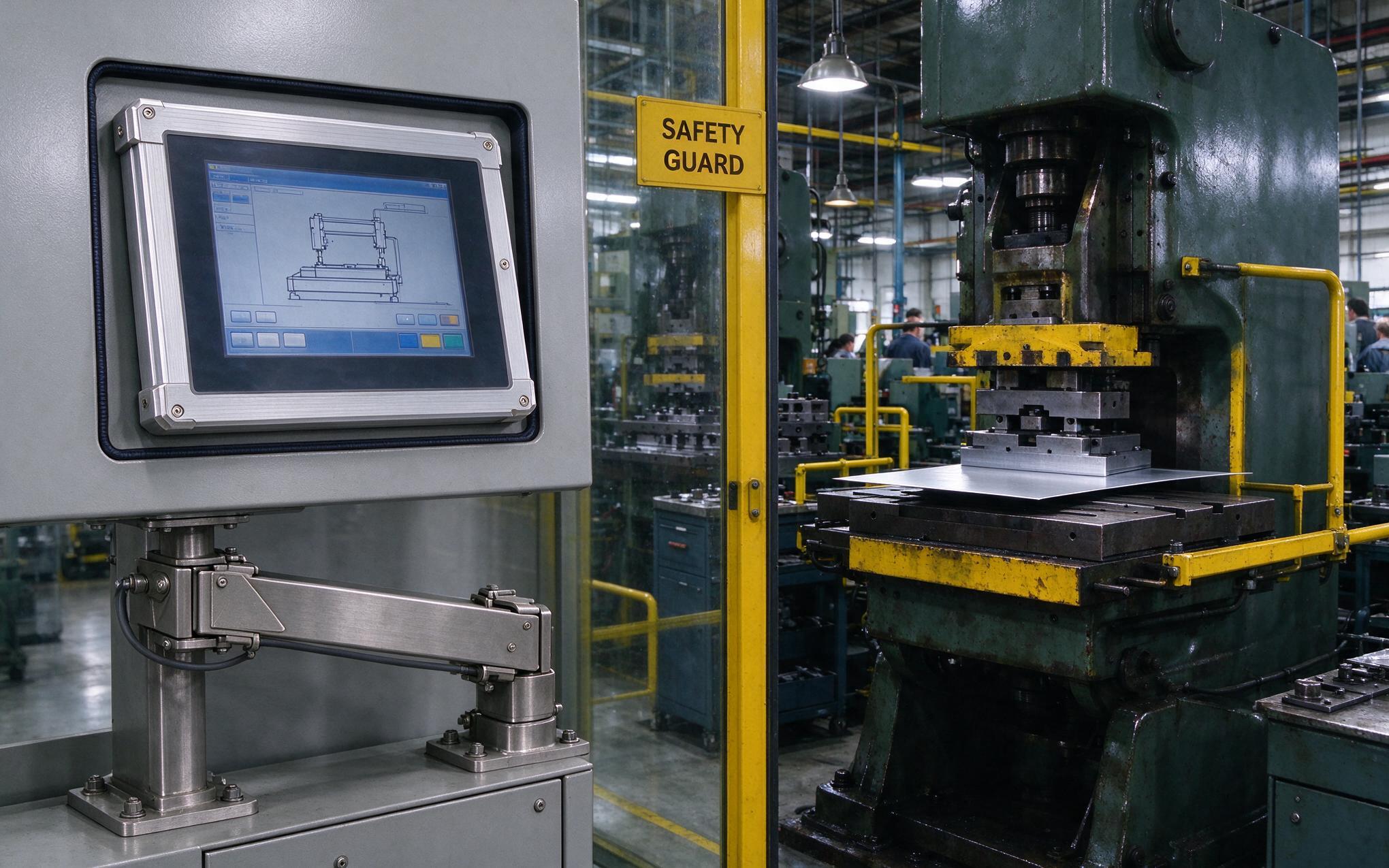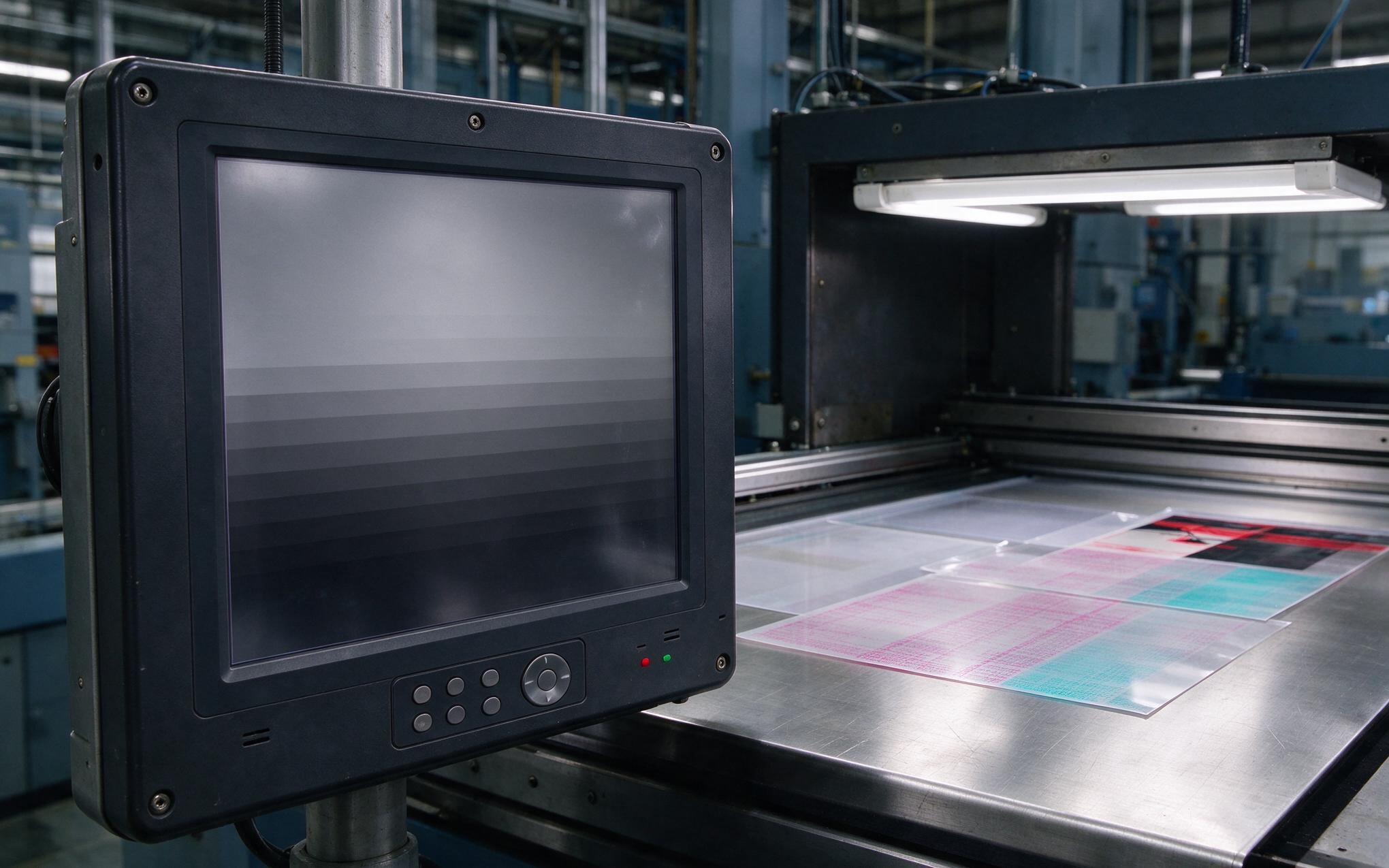
Three workload shifts are pushing neural processing units into industrial panel computers: vision inspection models moving off the cloud, predictive maintenance analytics running beside the line, and operator assistance that cannot tolerate a network round trip. A decade ago, an industrial panel computer only had to render screens and relay data upstream. Today the same sealed enclosure is expected to execute inference locally without breaking its thermal or power envelope. This article examines how NPU architecture adaptation reshapes these machines, from silicon selection and heat dissipation to software stacks and procurement criteria.
Integrating NPUs into Sealed Industrial Panel Computers
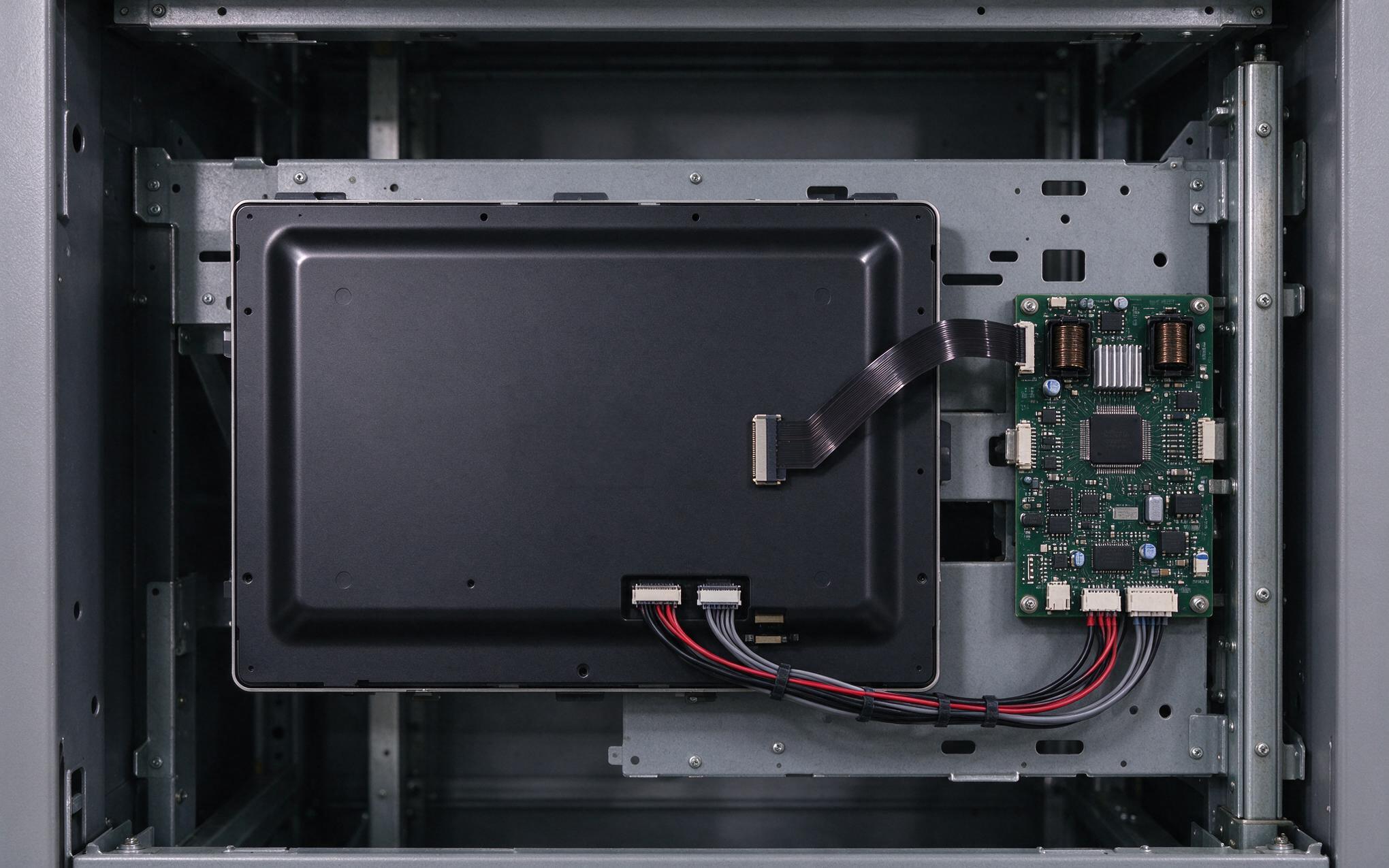
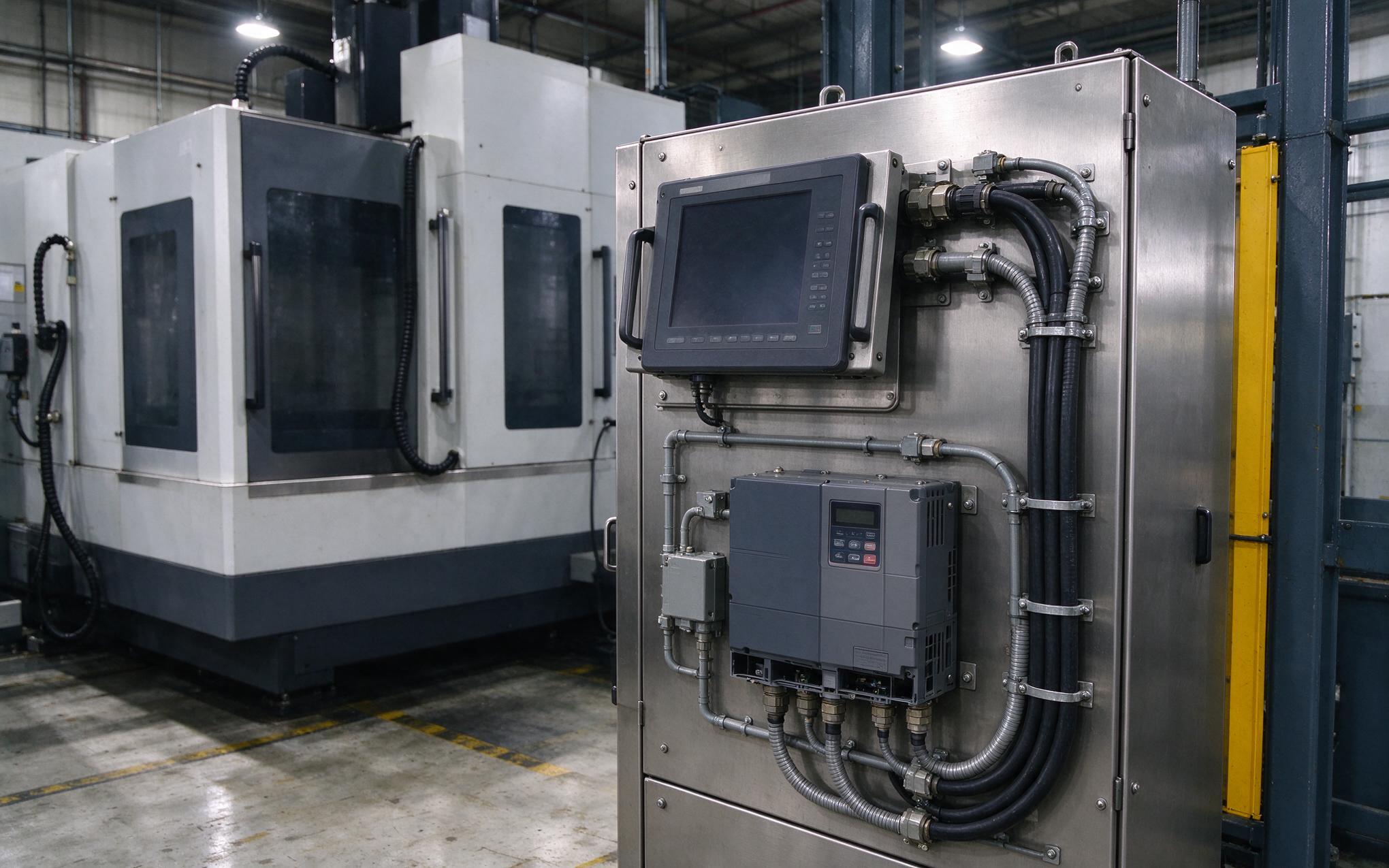
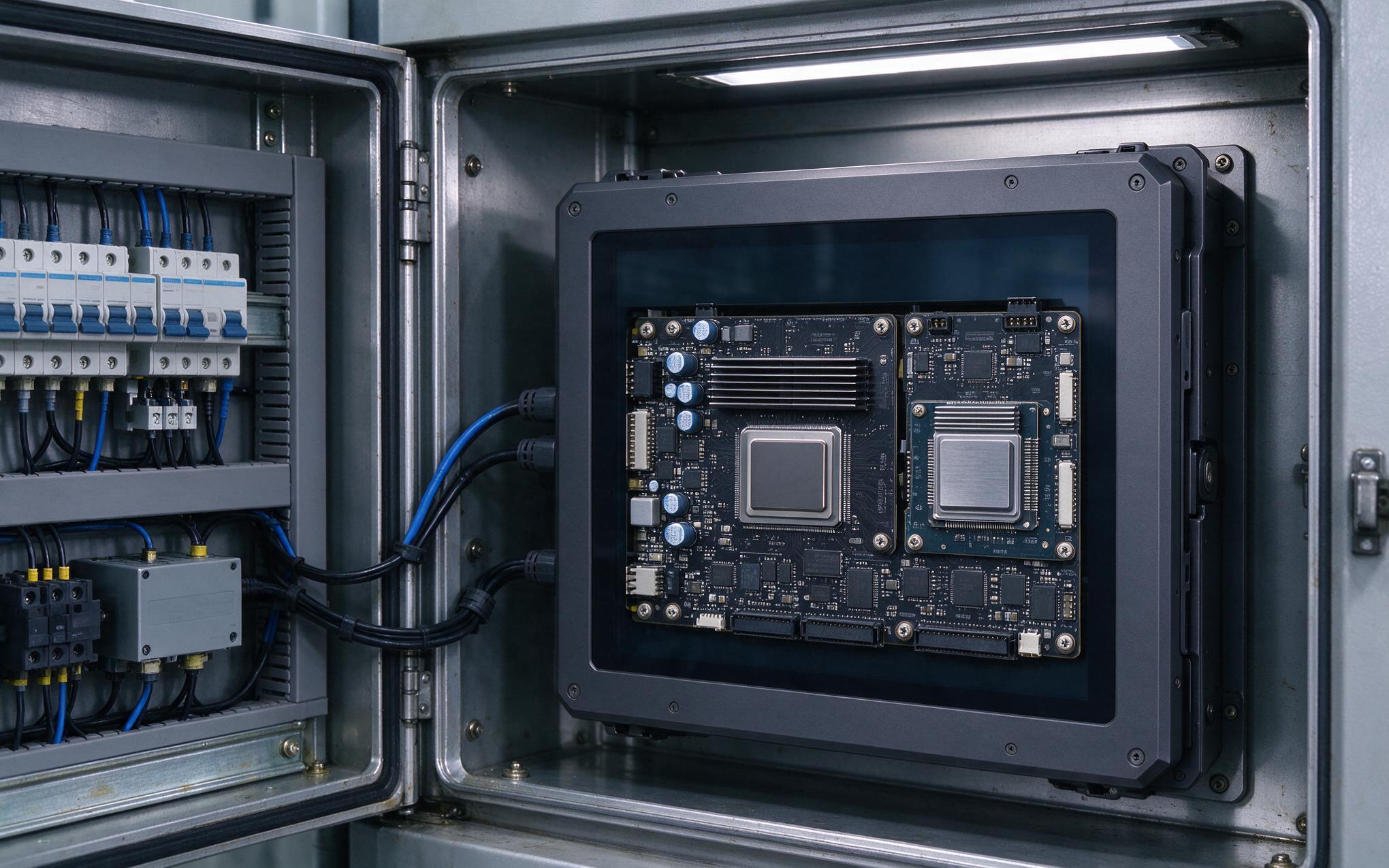
An NPU adds a dedicated inference engine beside the CPU and GPU, but integrating one into a sealed panel computer changes the whole board design. The accelerator shares memory bandwidth with the host processor, so LPDDR5 channels and thermal headroom must be budgeted together rather than independently. Silicon options now range from ARM-based SoCs such as the Rockchip RK3588, which exposes a 6 TOPS NPU, to x86 platforms with integrated AI engines. For industrial panel computers the integration question is therefore architectural: engineers must decide whether inference runs on the main SoC, on a discrete M.2 accelerator module, or on a carrier card, because each choice redistributes heat, power draw, and driver dependencies across an embedded panel pc that may need to run unattended for years.
Thermal Budgeting When CPU and NPU Share One Chassis
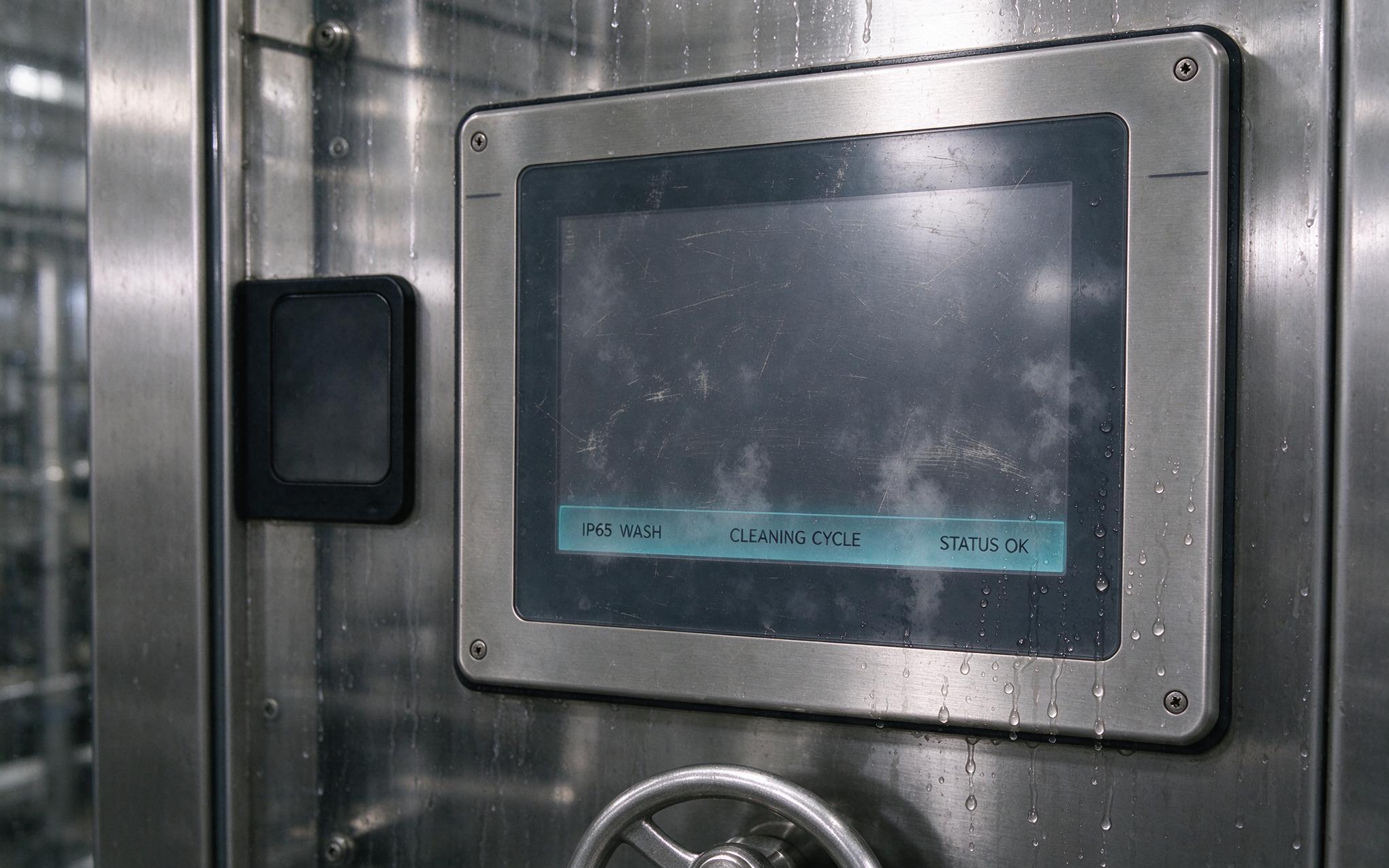
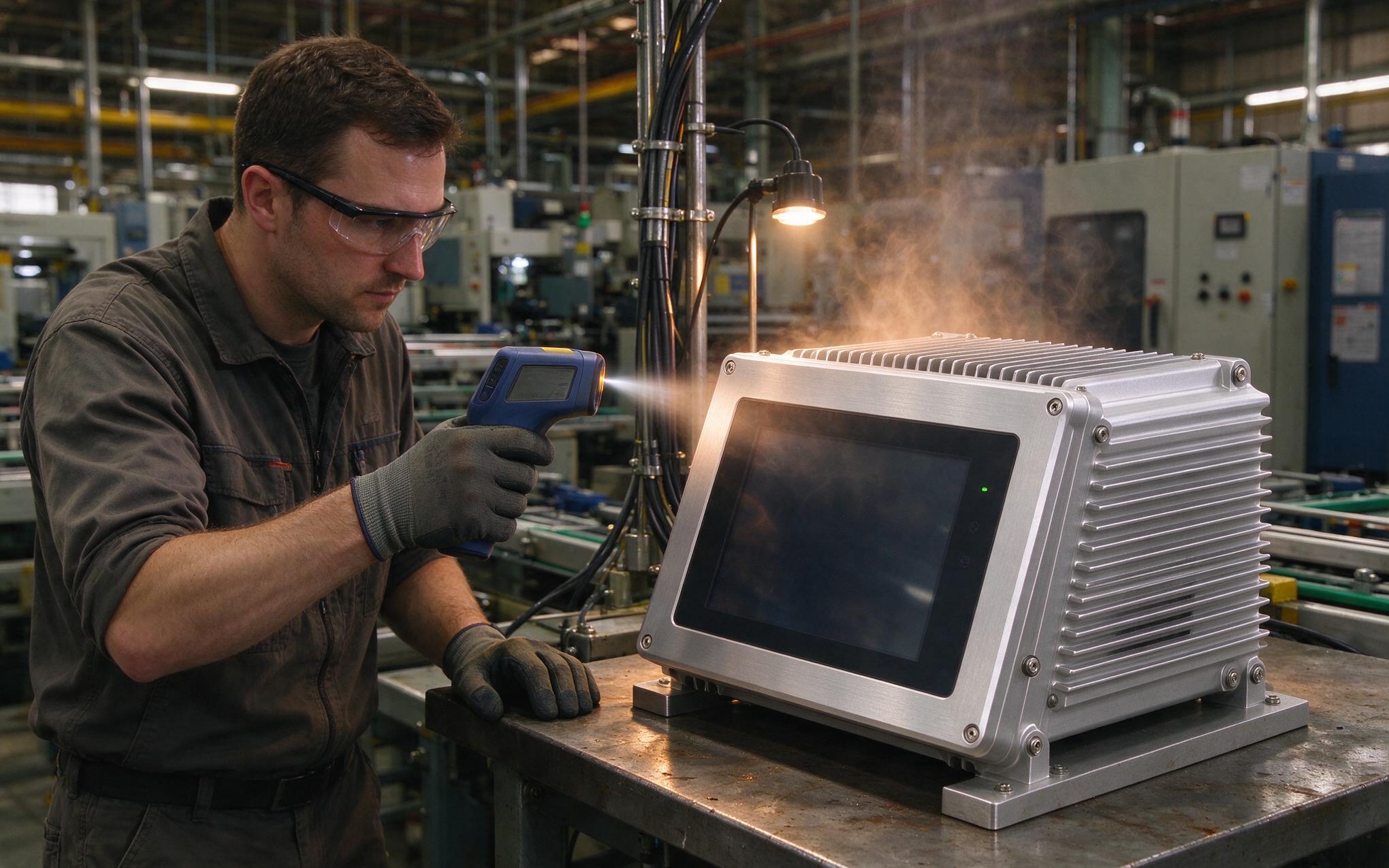
A fanless panel pc has no airflow to spare, so every watt the NPU adds must leave through the enclosure wall. Engineers evaluating structural approaches often study real hardware designs such as the finned aluminum chassis in the KOXIAN G1 series, where the outer shell doubles as the heatsink for sustained loads. Sustained inference differs from burst workloads: a vision model running at thirty frames per second holds the accelerator near its power limit for entire shifts, and junction temperatures climb steadily if the thermal interface material ages or mounting hardware blocks the convection fins. Practical designs therefore derate the NPU clock to a level the chassis can hold indefinitely, verify worst-case performance at the maximum ambient rating rather than at room temperature, and leave margin for the dust film that accumulates on fin surfaces in service.
Matching NPU Software Stacks to Production Workloads
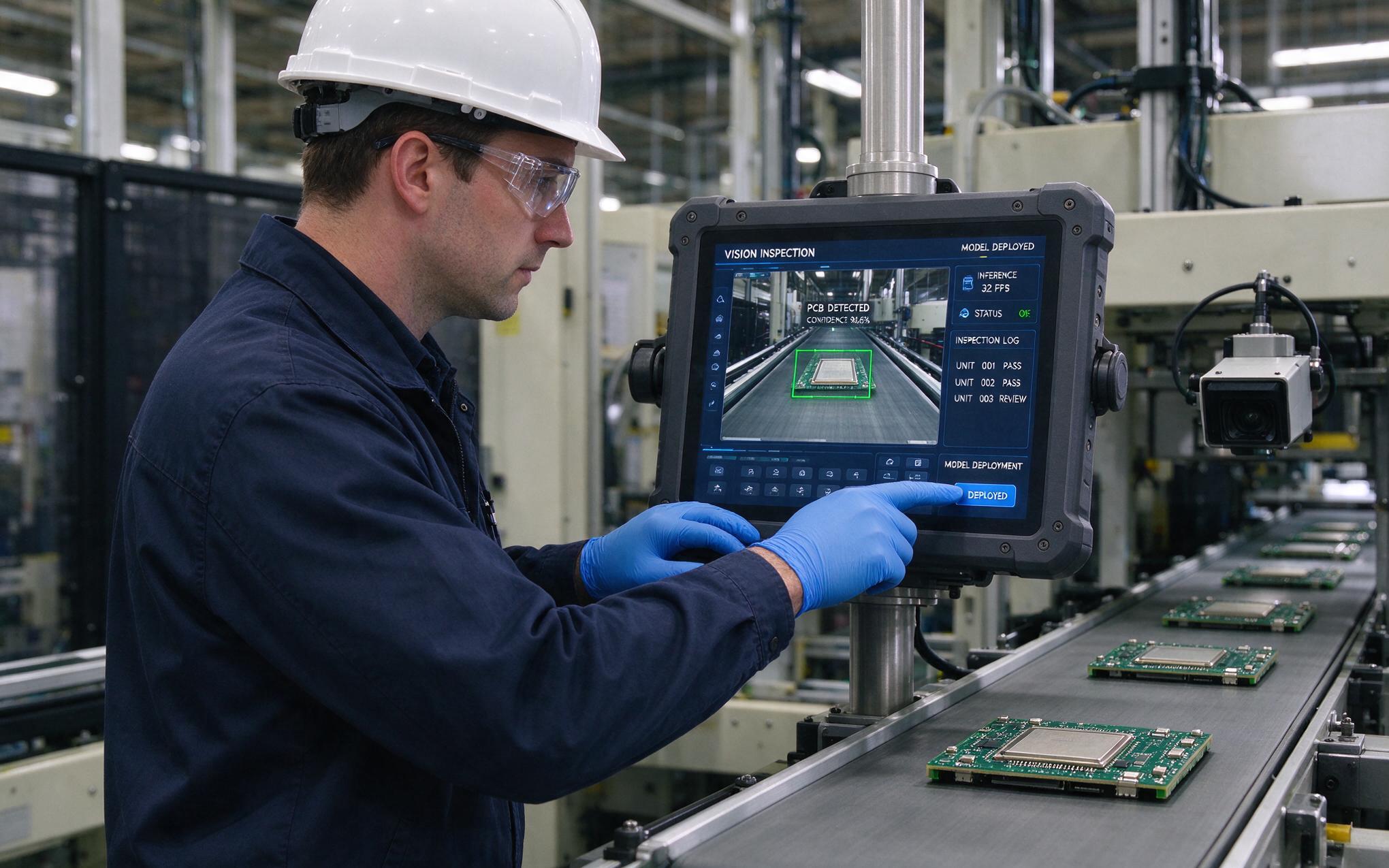
Hardware is only half of NPU adaptation, because the software stack determines how much of the silicon actually reaches production. Each accelerator family ships its own toolchain, and trained models must be converted, quantized, and validated against that runtime before deployment. Vision pipelines built on ONNX or TensorFlow Lite generally port with modest effort, while custom operators can force a fallback to the CPU and erase the efficiency gain. Teams standardizing on an industrial panel PC Linux image should confirm long-term kernel and driver support for the chosen NPU, since a deprecated runtime can strand otherwise capable hardware mid-lifecycle. Fleet managers should also measure sustained throughput on the target unit rather than trusting peak TOPS figures, which are quoted under ideal conditions that sealed industrial panel computers rarely provide.
Selection Rules for NPU-Ready Industrial Panel Computers
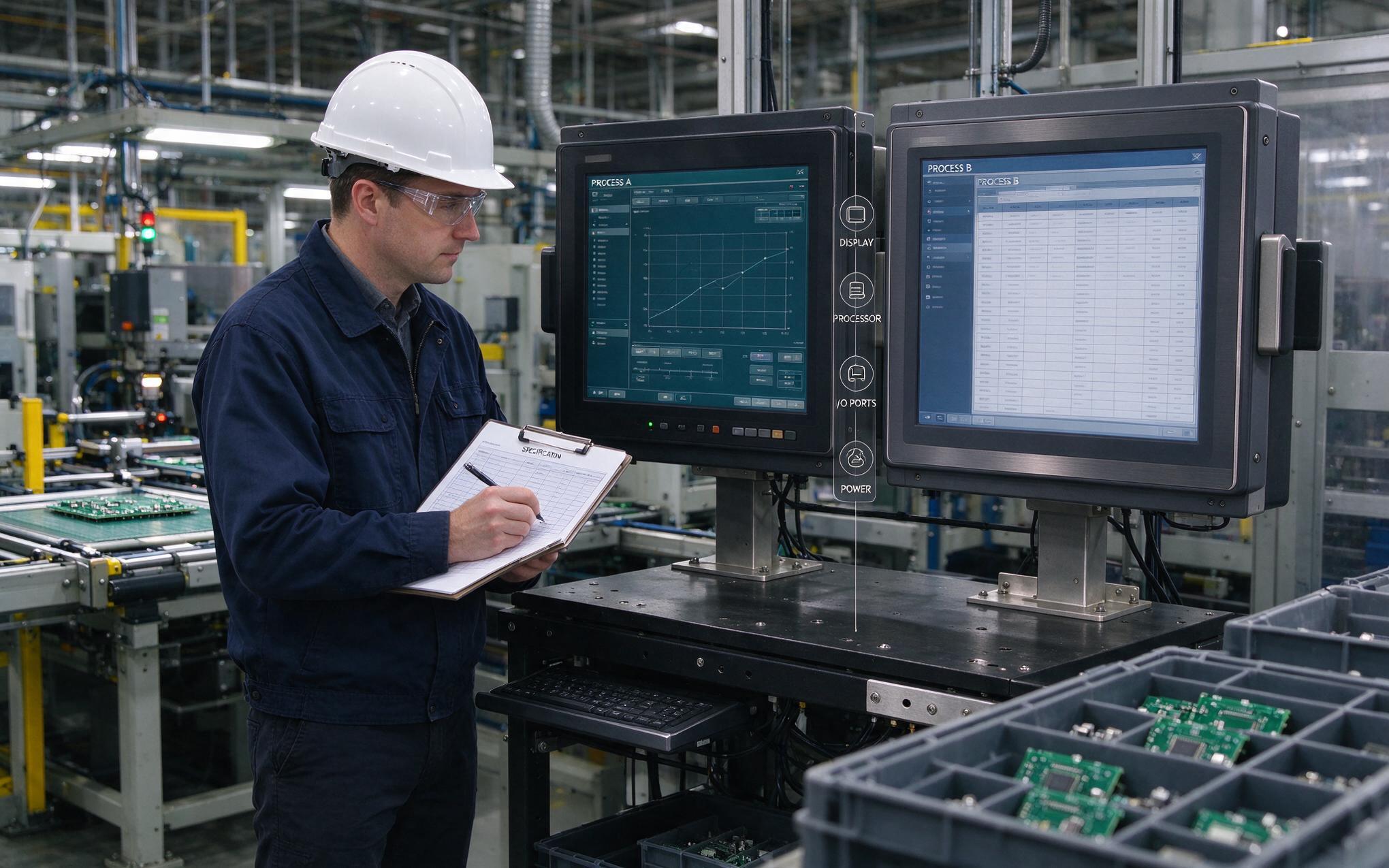
Procurement teams comparing NPU-ready units should work through verifiable criteria rather than marketing claims. Ask vendors for sustained TOPS under load at the rated ambient temperature, the supported runtime versions and their maintenance horizon, memory reserved for inference workloads, and recovery behavior after a thermal event. Field observations from electronics assembly plants show that configurations built on KOXIAN hardware maintain stable inference rates across full shifts when the NPU shares a properly sized chassis heatsink, while undersized enclosures throttle within hours. Expandability matters as well, since an M.2 accelerator slot lets the unit grow into heavier models later and preserves the initial investment. Finally, confirm that touch, display, and inference subsystems are validated together, because a unit that renders graphics and runs vision models on the same silicon can exhibit contention that component-level testing never reveals.
NPU architecture adaptation is redefining what industrial panel computers do at the machine edge, turning display terminals into inference nodes that inspect, predict, and assist without a network round trip. The transition rewards careful engineering: silicon chosen for its software ecosystem, a chassis sized for sustained rather than peak load, and procurement criteria based on verifiable throughput. Plants that specify these elements deliberately will absorb growing AI workloads through routine hardware refreshes instead of disruptive retrofits.