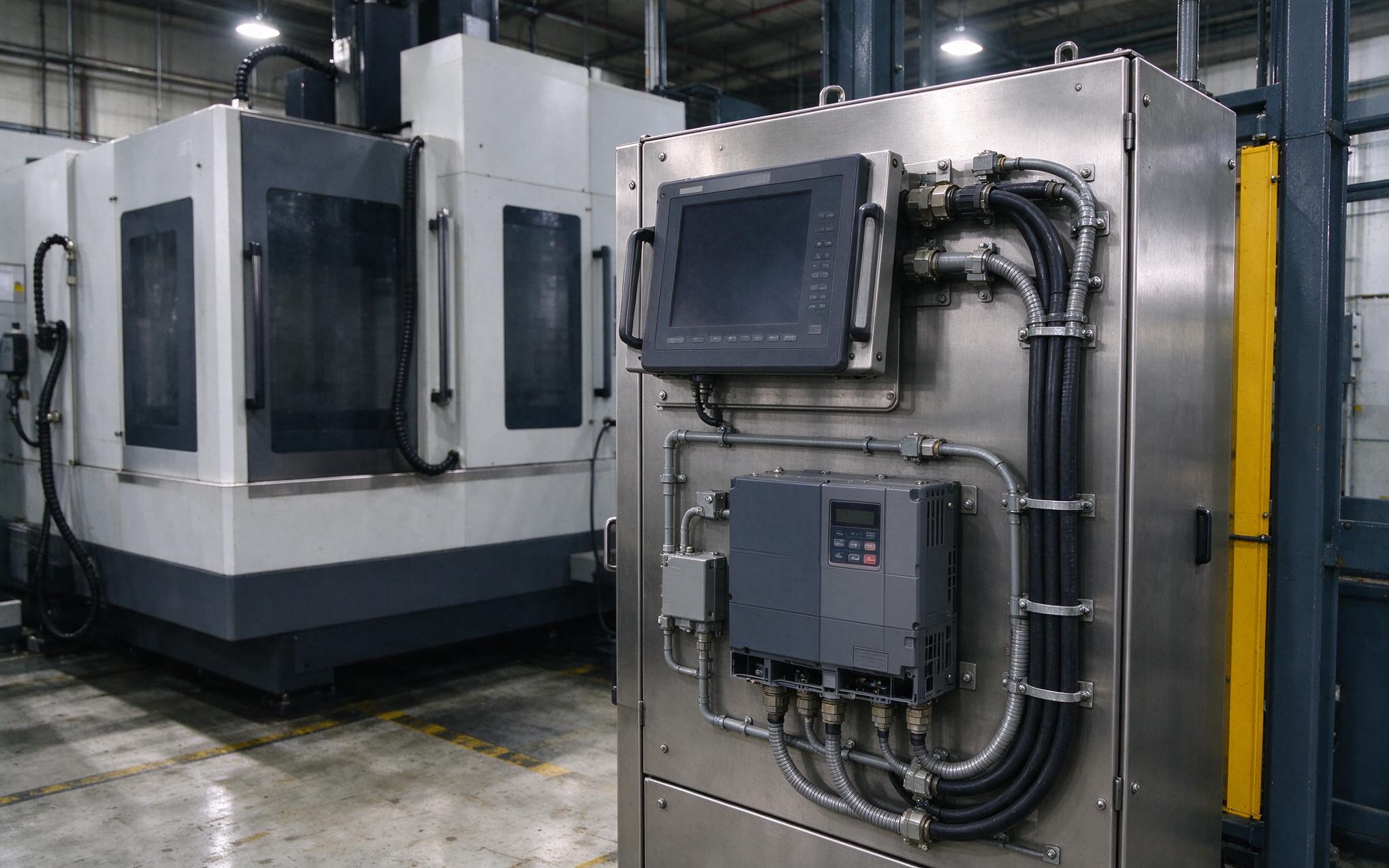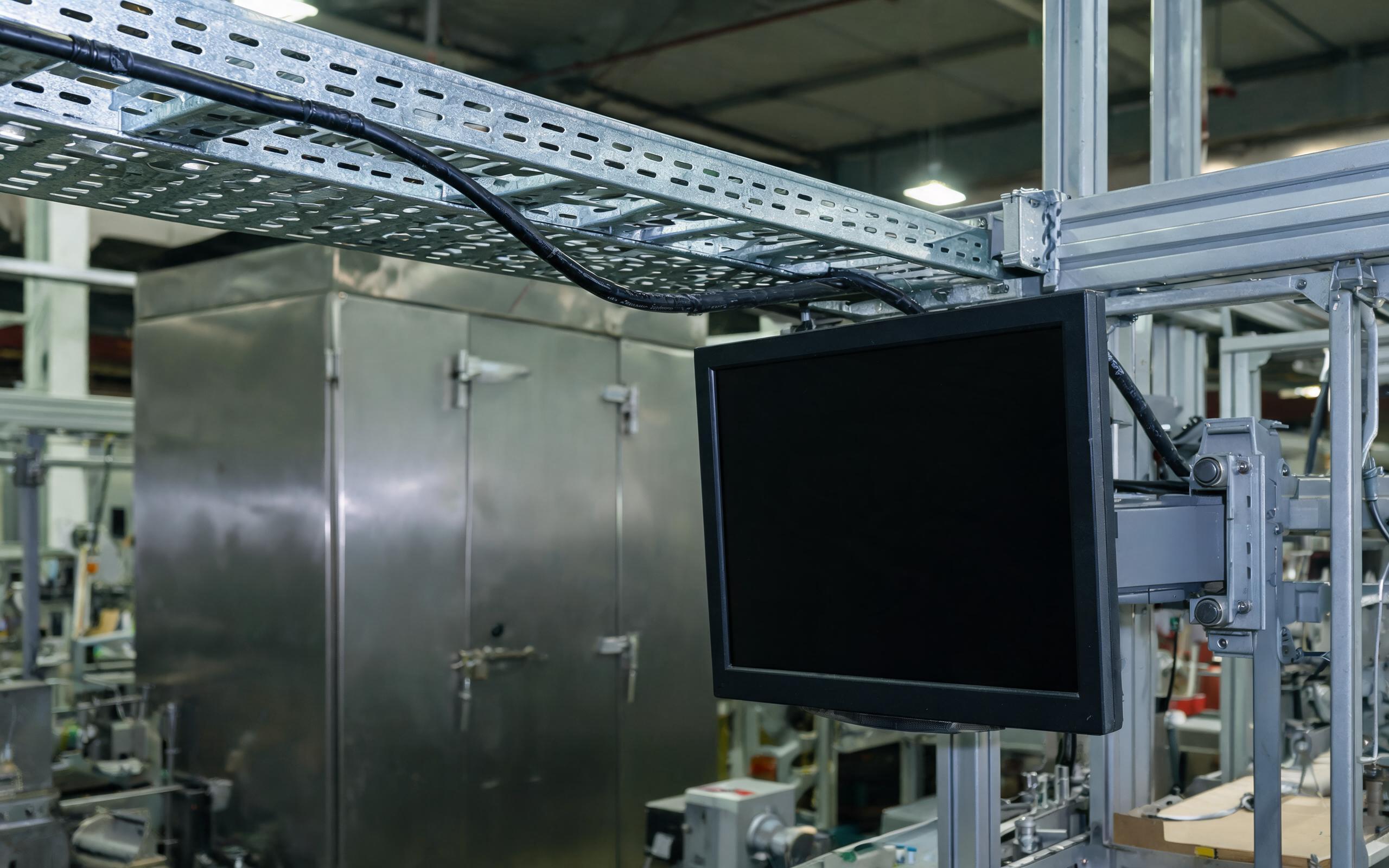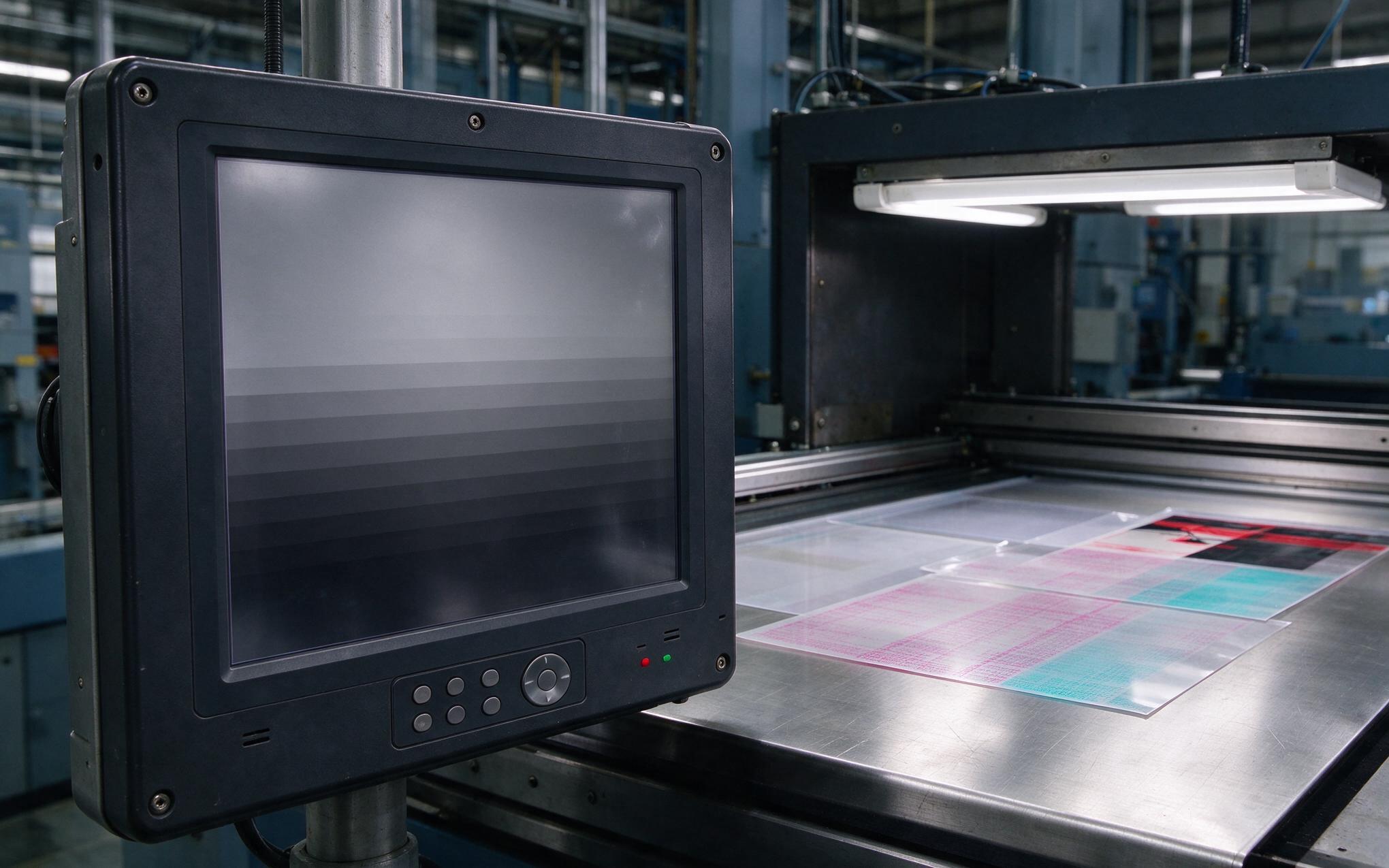
A maintenance technician reaches across a production line to tap a control interface, and the metal edge of a wrench catches the display surface. In a busy factory, incidental contact like this happens every shift, and the cover glass of an industrial touch screen absorbs the brunt of it. Choosing the right glass substrate, surface treatment, and bonding method is what separates a touchscreen that survives years of daily use from one that develops dead zones and hairline cracks within months.

Why Cover Glass Selection Determines Touch Screen Reliability
The cover glass is the outermost physical barrier of an industrial touch screen, and it directly determines both optical clarity and mechanical survival. Chemically strengthened glass works through an ion-exchange process: the panel is submerged in a molten potassium salt bath at roughly 400 degrees Celsius, and larger potassium ions replace smaller sodium ions in the glass surface. This置换 creates a compressive stress layer that resists scratching, chipping, and crack propagation far more effectively than standard annealed glass.
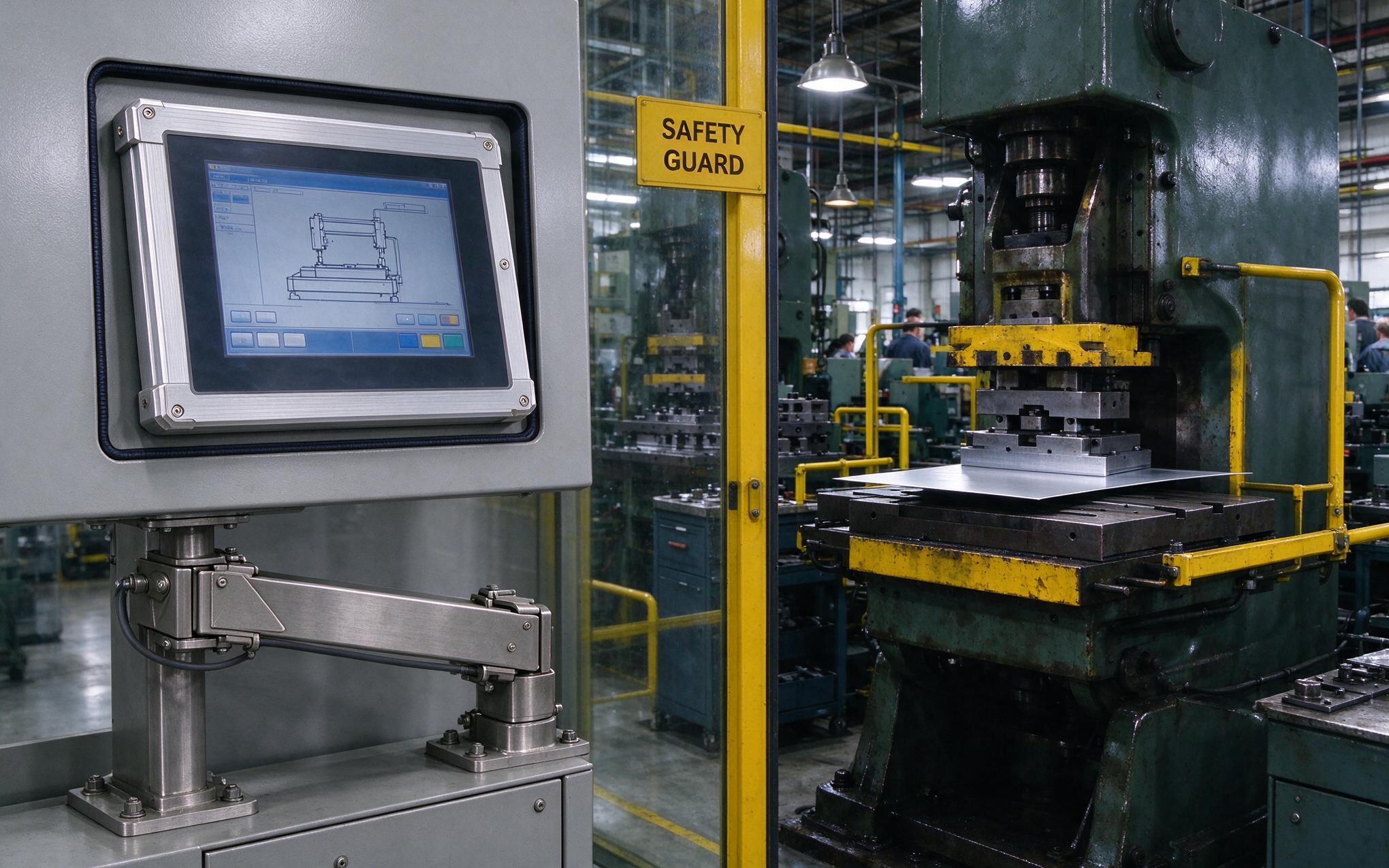
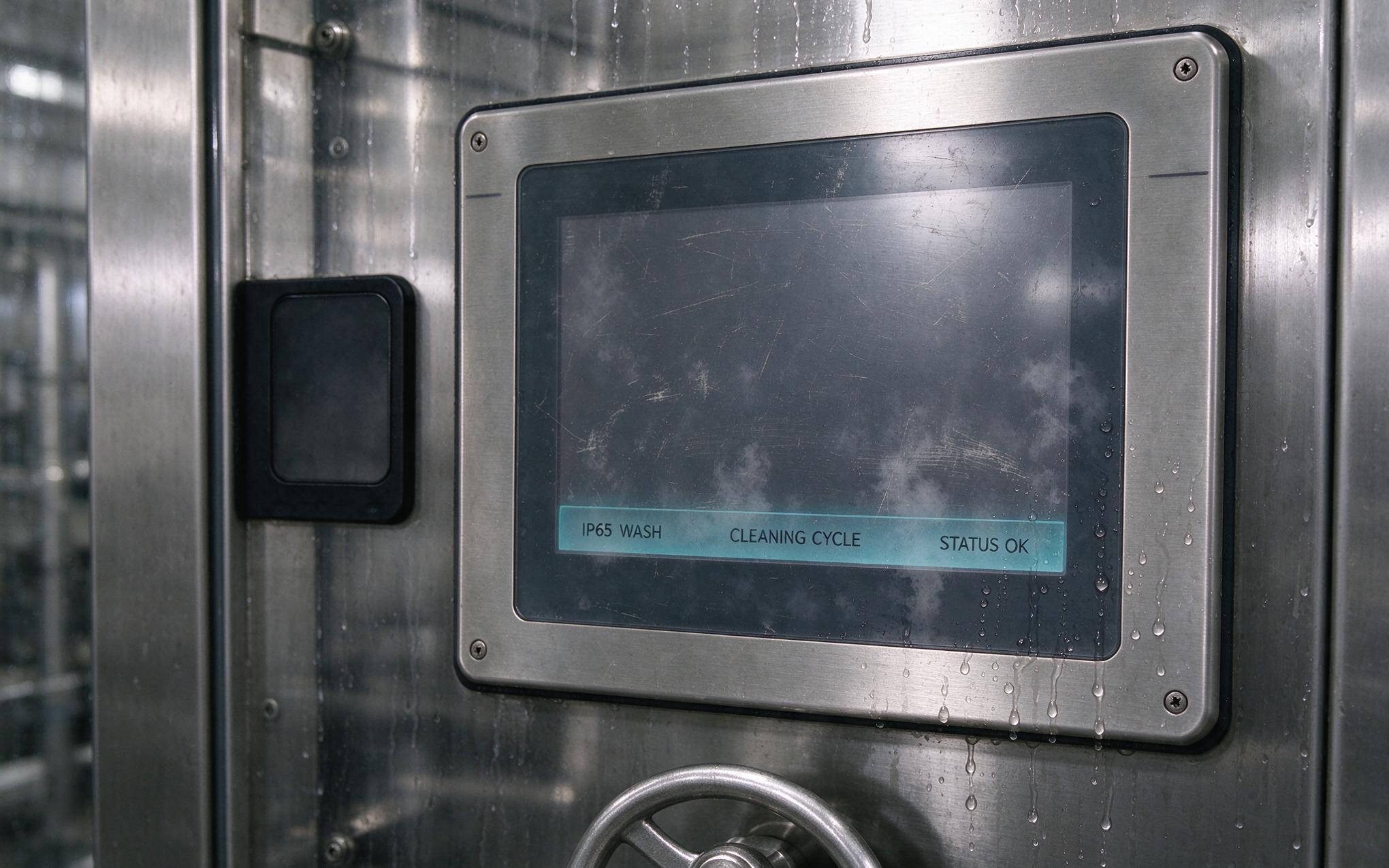
Two main grades dominate the industrial market: standard chemically strengthened glass reaches about 6H on the Mohs pencil hardness scale, while premium CG5-grade glass achieves 7H to 9H. Sapphire glass, though significantly harder at 9H+, is typically reserved for specialized applications where cost is secondary to extreme abrasion resistance. In automotive assembly plants, the cover glass regularly contacts hardened steel fasteners and pneumatic tool housings. In food processing, glass surfaces face high-pressure water jets and caustic cleaning agents. Each scenario demands a different balance of hardness, chemical resistance, and optical performance from the touch screen’s cover glass stack.

Testing Scratch Resistance Standards for Touch Screens
Before any cover glass is approved for industrial use, it passes through standardized scratch resistance tests. The most common is ASTM C1624, which measures the critical load at which a diamond stylus begins to scratch the glass surface under controlled normal force. Another widely used method is the Mohs pencil hardness test, where calibrated pencils of increasing hardness are drawn across the surface at a 45-degree angle under consistent pressure. Together, these two tests define the practical scratch threshold for a given cover glass.
In real-world deployments, scratch resistance requirements vary by application. Manufacturers like KOXIAN specify different glass grades across their industrial touch screen product lines, matching hardness to the specific abrasion profile of each target application. A touchscreen in a pharmaceutical cleanroom may only need to survive gentle stylus contact, while a panel mounted on a CNC machining center must resist repeated impact from flying metal chips. This targeted approach avoids over-specifying sapphire glass when standard chemically strengthened glass already meets the durability requirement for a given deployment.

Surface Coatings That Extend Touch Screen Lifespan
Beyond the glass itself, surface coatings add another layer of protection for industrial touch screens. Anti-glare coatings chemically etch the cover glass surface to diffuse incoming light, reducing specular reflections under overhead factory lighting. Anti-reflective coatings take a different approach: multiple thin-film dielectric layers create destructive interference that drops surface reflectivity below 1%, significantly improving readability in bright outdoor or high-bay environments. Anti-fingerprint coatings employ oleophobic and hydrophobic nanostructures to repel skin oils, reducing the buildup that degrades touch sensitivity over time.
For medical and food-processing environments, antimicrobial coatings incorporating silver-ion or copper-ion compounds inhibit bacterial growth on the glass surface, meeting hygiene standards required in controlled environments. Manufacturers like KOXIAN tailor coating selection to deployment context: AG coatings suit indoor factory floors, AR coatings serve outdoor kiosks and bright-bay facilities, and AF coatings reduce maintenance burden on shared workstations with multiple operators. When an industrial touch screen combines the right glass grade with appropriate surface treatments, the result is a display that maintains optical performance and touch accuracy through years of continuous operation.
For engineers selecting cover glass for industrial touch screen deployments, the key variables are glass hardness grade, surface coating type, and the mechanical stress profile of the target environment. Application-specific glass specifications ensure the cover glass stack matches actual field conditions rather than generic catalog ratings.