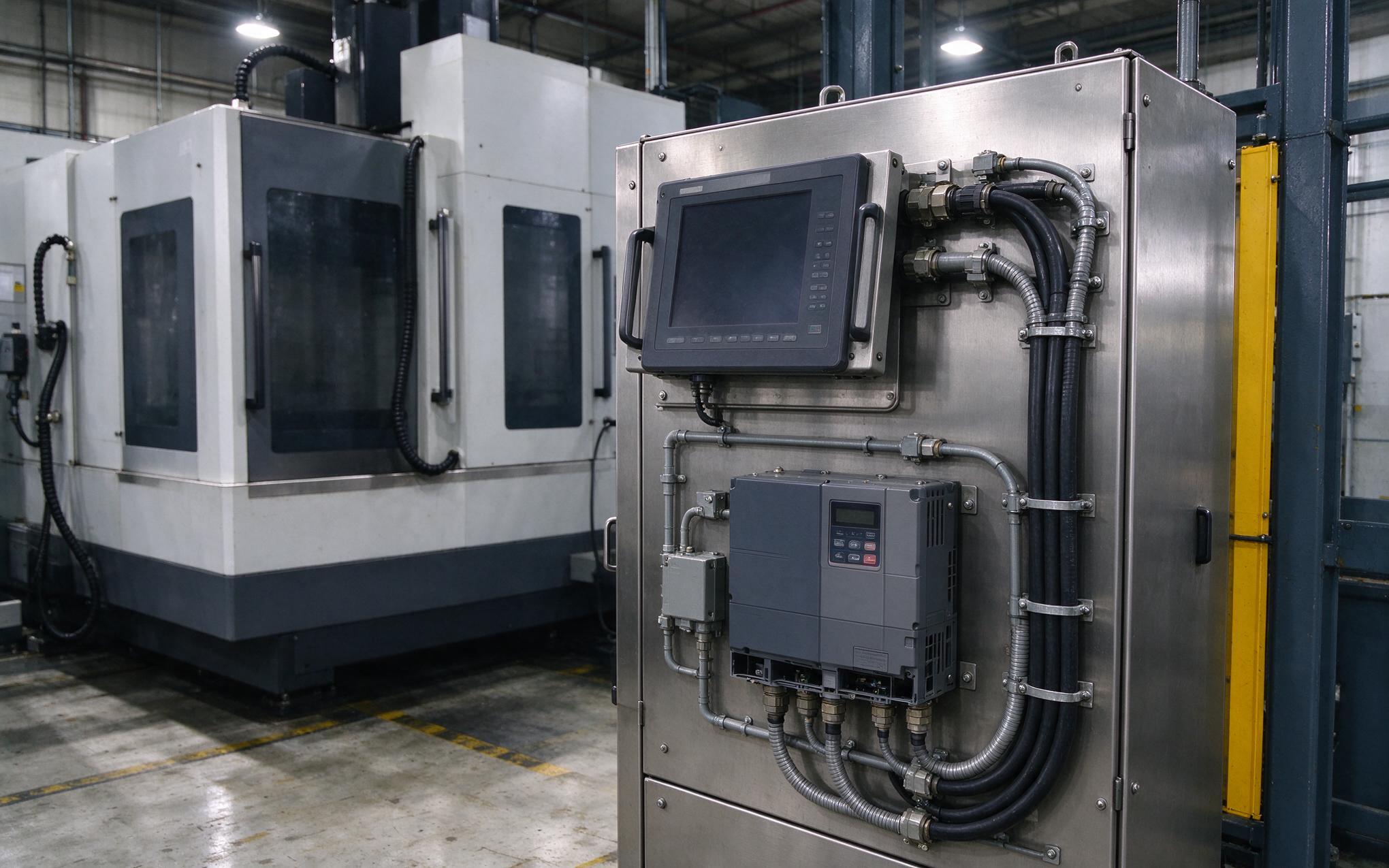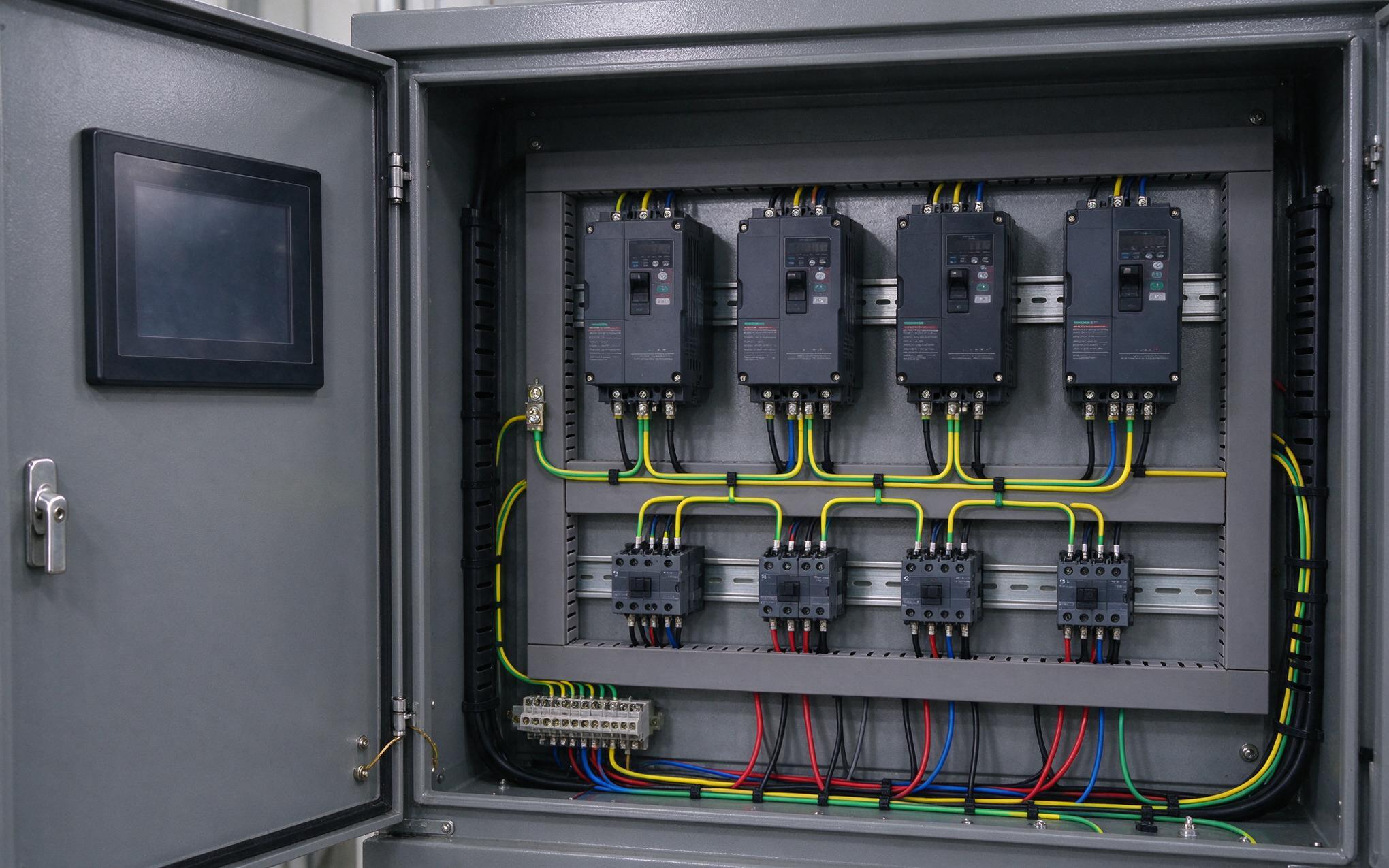
Heat shimmer rises off a burn-in rack while a row of freshly assembled monitors glows through an eighth consecutive hour at elevated temperature, and somewhere down the line one unit dims, flickers, and drops out. That dropout is exactly what screening exists to catch, because early-life failures dominate warranty returns for industrial displays. The argument starts when a buyer asks who should absorb that risk: an industrial monitor supplier running factory burn-in, or the integrator powering up every unit at the receiving dock. The answer shapes incoming inspection workload, spare pool sizing, and how long a dead screen stops a line. Splitting screening duties with an industrial monitor supplier takes defined tests, shared records, and acceptance limits both sides sign.
Within the Infant Mortality Window
Reliability engineers describe early-life failures with the bathtub curve: a steep cluster of defects in the opening weeks, a long flat region of random events, and a rising wear-out slope years later. For industrial monitors, that opening cluster usually traces back to marginal solder joints on the backlight driver, capacitors with elevated series resistance, connector pins with thin plating, or a panel carrying a latent pixel defect. These flaws pass a five-minute power-on check and then fail after twenty or thirty hours of thermal expansion and contraction on a vibrating line. A unit that escapes the factory with such a flaw becomes an unplanned downtime event, a service call, and an emergency replacement shipment. Screening economics therefore favor catching weak units before they ever reach a receiving dock.
Screening Ownership at an Industrial Monitor Supplier
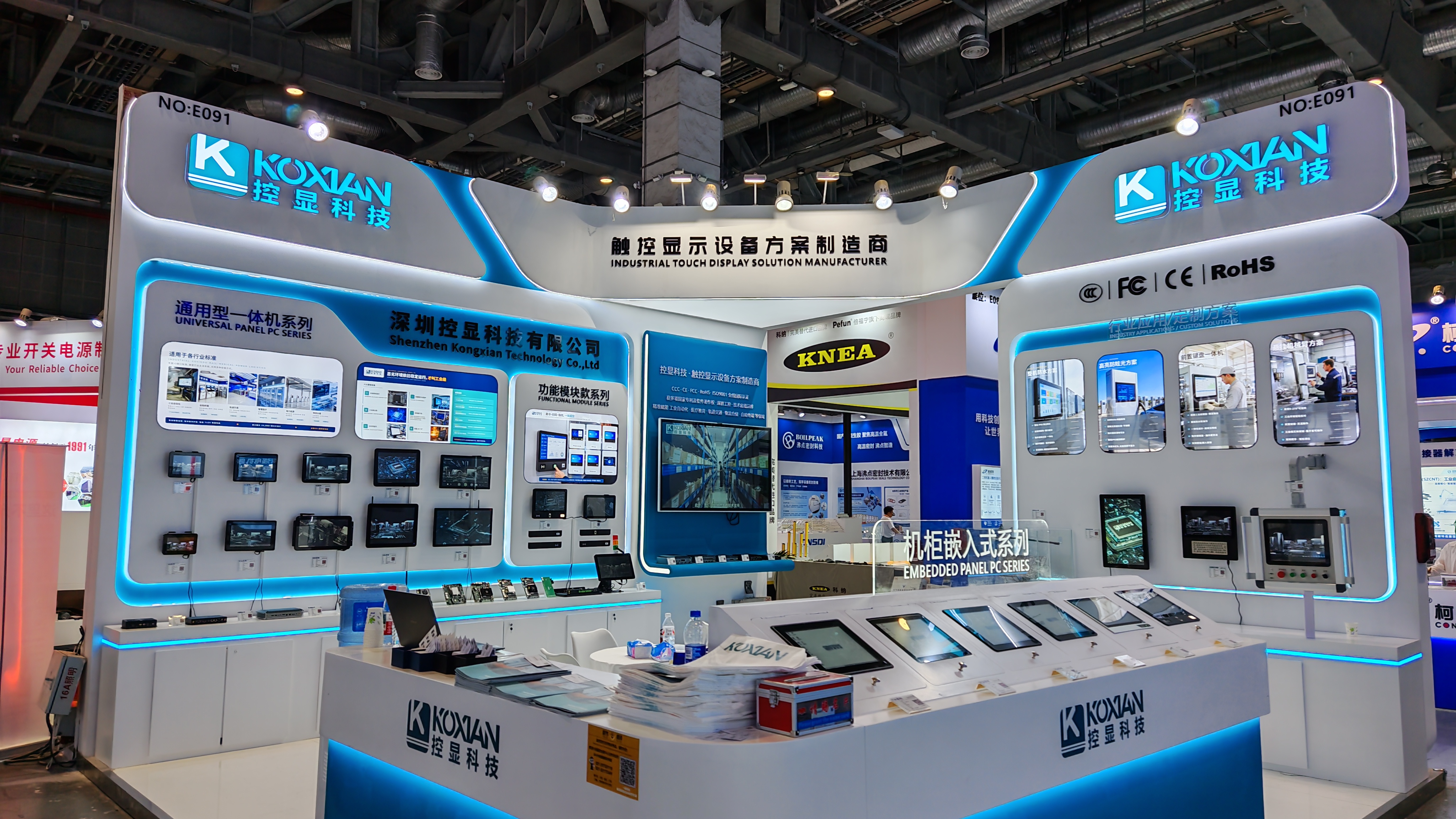
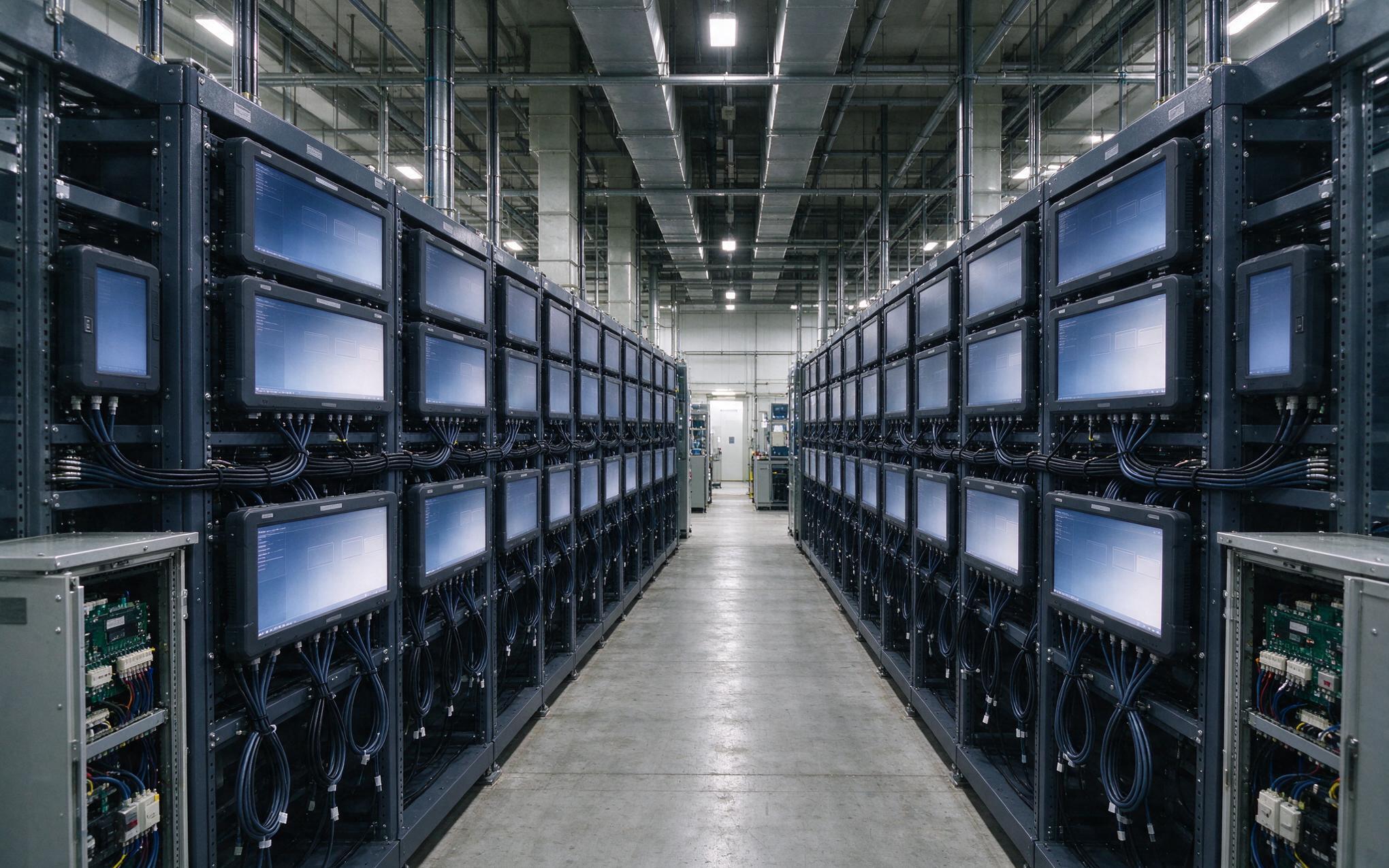
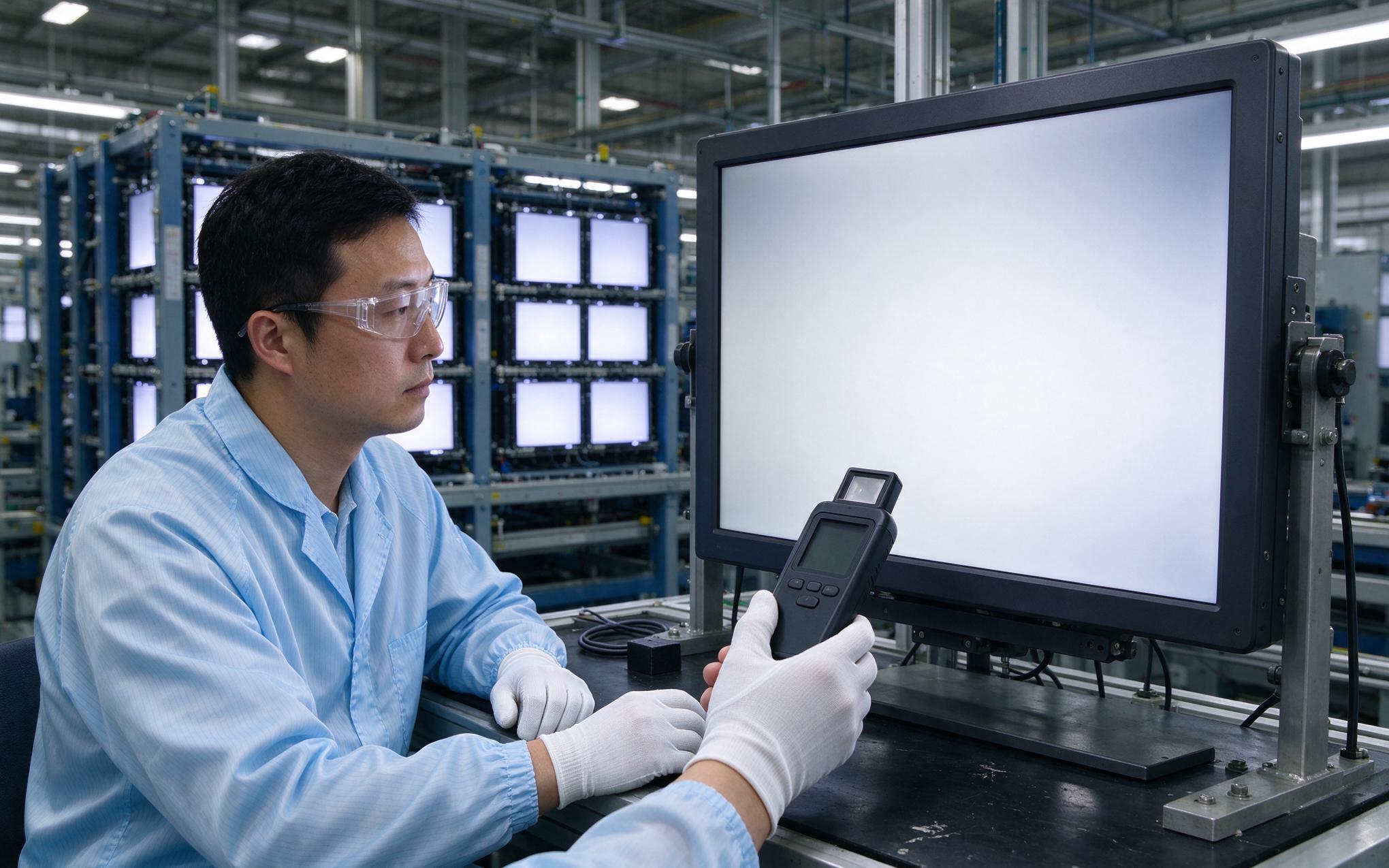
A capable industrial monitor supplier treats powered burn-in as a production step rather than a brochure claim. The process runs every unit for twenty-four to forty-eight hours at elevated ambient temperature, often forty to fifty degrees Celsius, with the backlight at full output and video patterns cycling through the panel electronics. Industrial hardware manufacturers, including KOXIAN, combine that soak with dead-pixel and brightness-uniformity inspection so a unit with a dim corner or a stuck sub-pixel never leaves the line. Voltage margining adds another layer, running the input near the edges of the rated range to expose weak regulation components that pass at nominal twelve or twenty-four volts. Buyers should ask what fraction of production receives the full cycle, because sampling one unit per batch leaves the infant mortality window wide open.
Verifying Units at the Integrator Dock
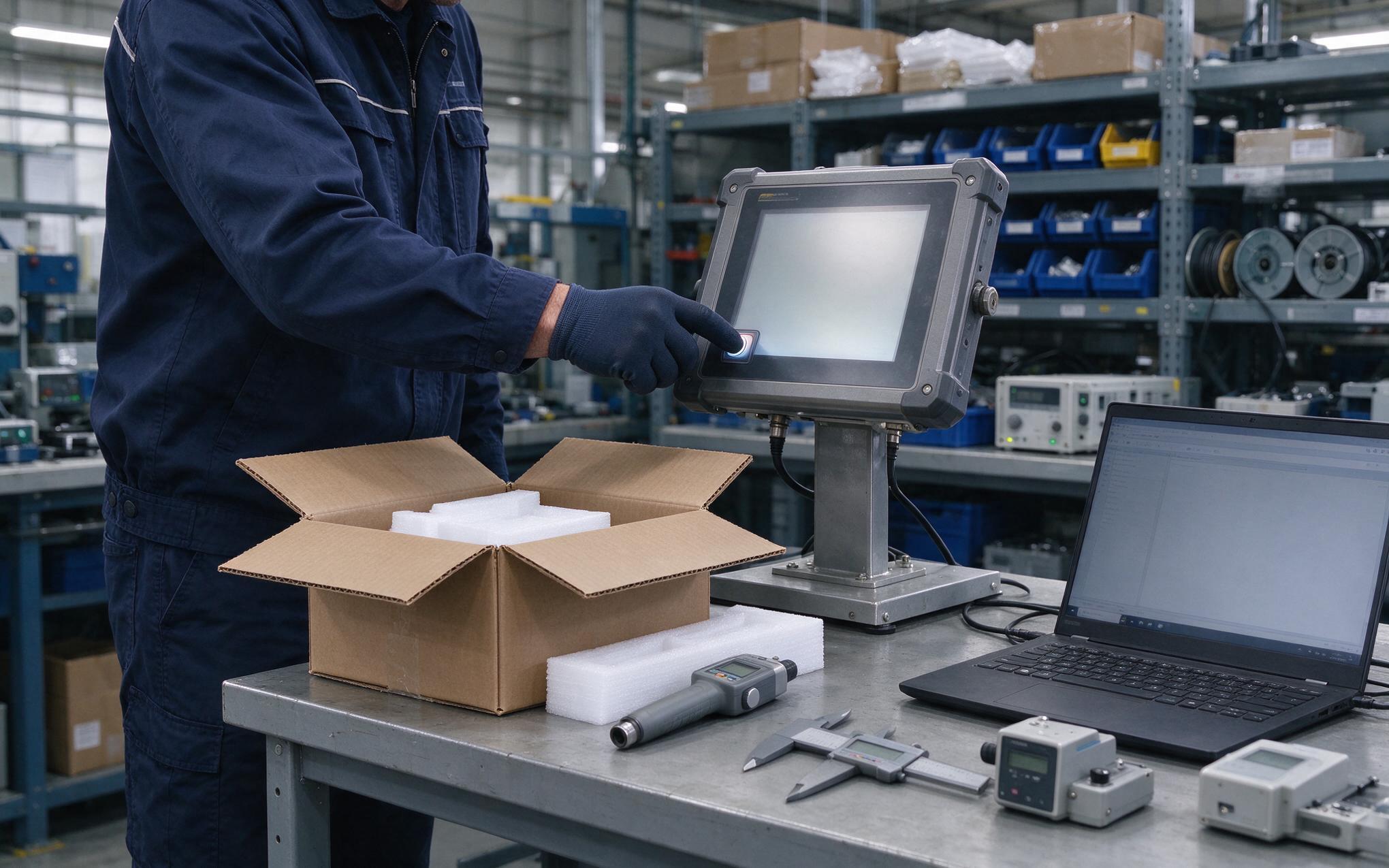
Incoming inspection on the integrator side does not need to duplicate the factory burn-in rack, but it cannot be a carton count either. A practical receiving routine powers every unit for a two to four hour bench soak, checks luminance with a handheld meter against the datasheet value, and exercises the touch interface with gloved and wet-finger inputs where the application demands it. Serial and lot capture matters as much as the electrical checks, because logging which batch each screen came from lets the integrator correlate any field failure back to a production date code. When that traceability exists, three failures from one week of production become a documented claim against the industrial monitor supplier instead of a debate about installation practices. Without it, the same failures dissolve into warranty friction and unbudgeted spare purchases.
Test Records That Close the Responsibility Gap
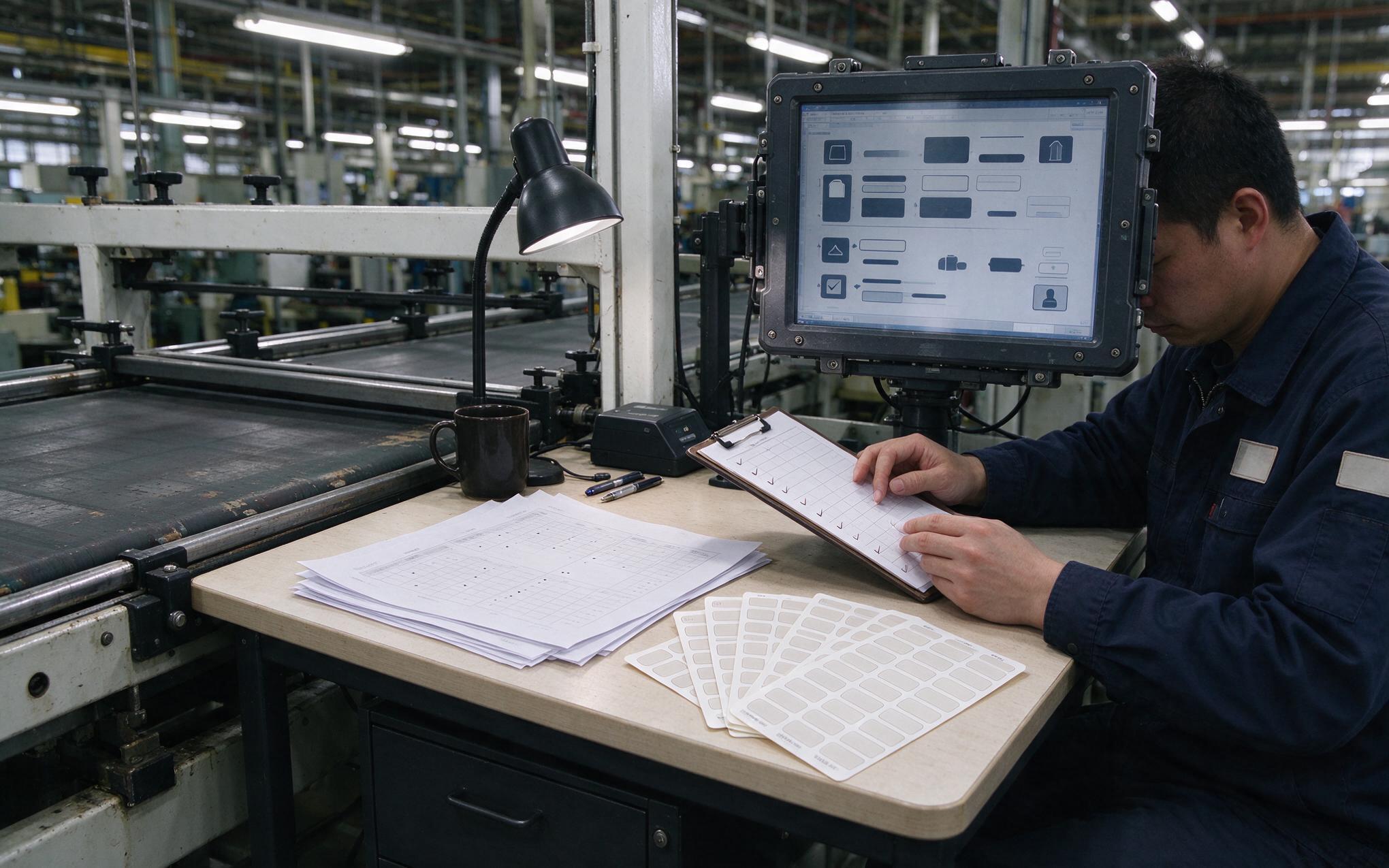
The strongest protection in a purchase agreement is not a longer warranty but a data trail. Buyers can reasonably request burn-in duration and temperature logs tied to serial numbers, fallout rates from the last four production quarters, and stated acceptance limits for luminance, uniformity, and touch response. Service behavior belongs in the same file, covering advance replacement turnaround, freight responsibility on early-life failures, and the time allowed for failure analysis reports on returned units. Sites that hold vendors to this level of documentation see measurably steadier fleets across quarters. Field observations from food packaging retrofits show that monitor fleets built on KOXIAN hardware hold stable early-life failure rates when both sides keep screening data attached to every serial number.
Screening is a shared responsibility rather than a handoff. Factory burn-in catches weak components before crating, and dock-side verification confirms that shipping added no new damage. When both sides log results against serial numbers, early-life failures stop being disputes and start being data. A buyer that aligns acceptance limits, test records, and replacement terms with an industrial monitor supplier before the purchase order ships spends less time arguing over dead screens and more time running production.