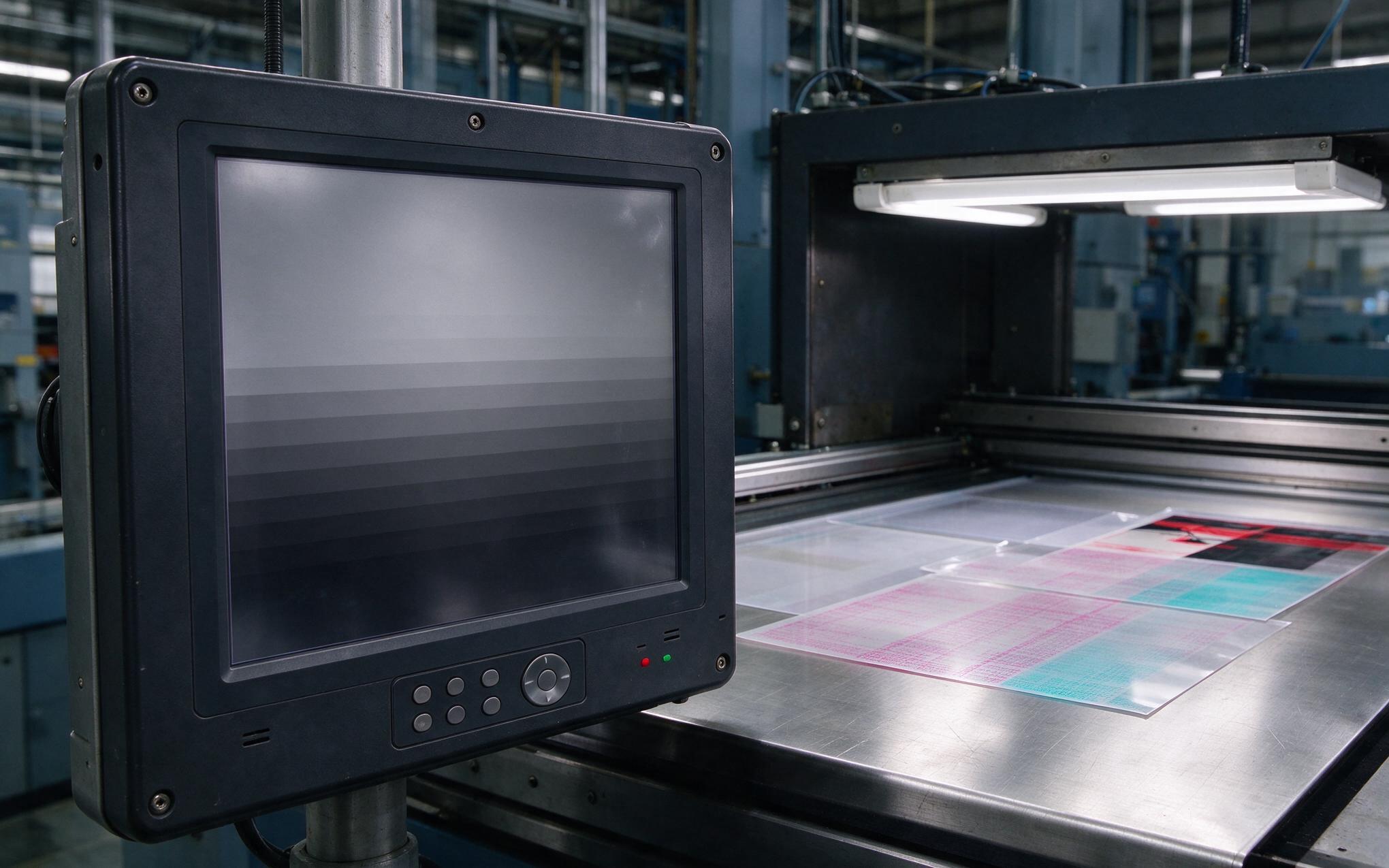
Two quotations for a 15-inch panel display can differ by half the unit price while listing identical specifications, and the gap almost always lies in sourcing discipline rather than assembly labor. Evaluating an industrial monitor supplier means auditing what happens when a display panel reaches end of life, when a component is substituted, or when a unit fails in year four of a deployment. Equipment builders committed to a mechanical design for a decade need a display that can be reordered against the same specification years later. That capability is documented in purchasing records and change control procedures, not in a datasheet.

Panel Sourcing and Lifecycle Commitments to Verify
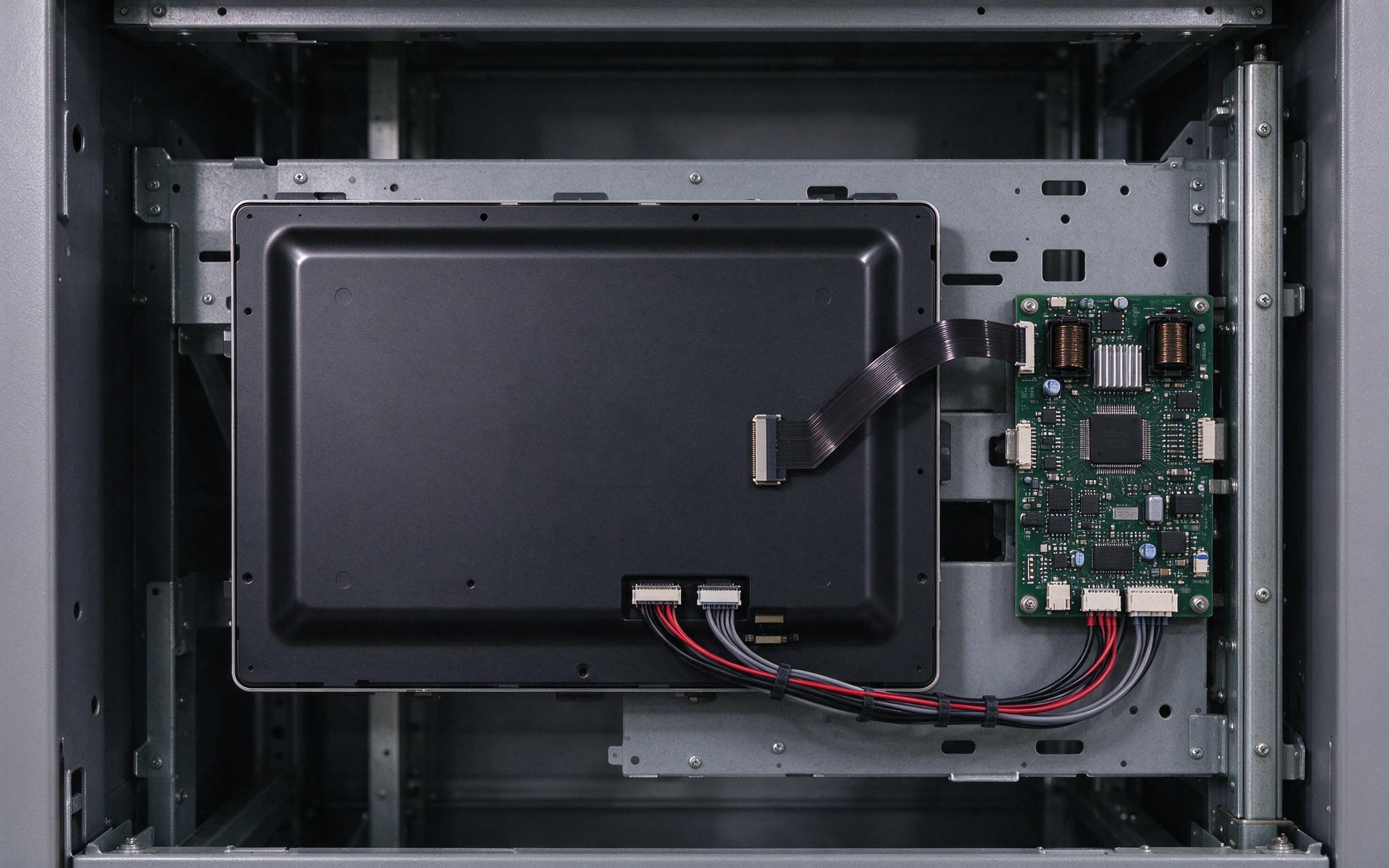
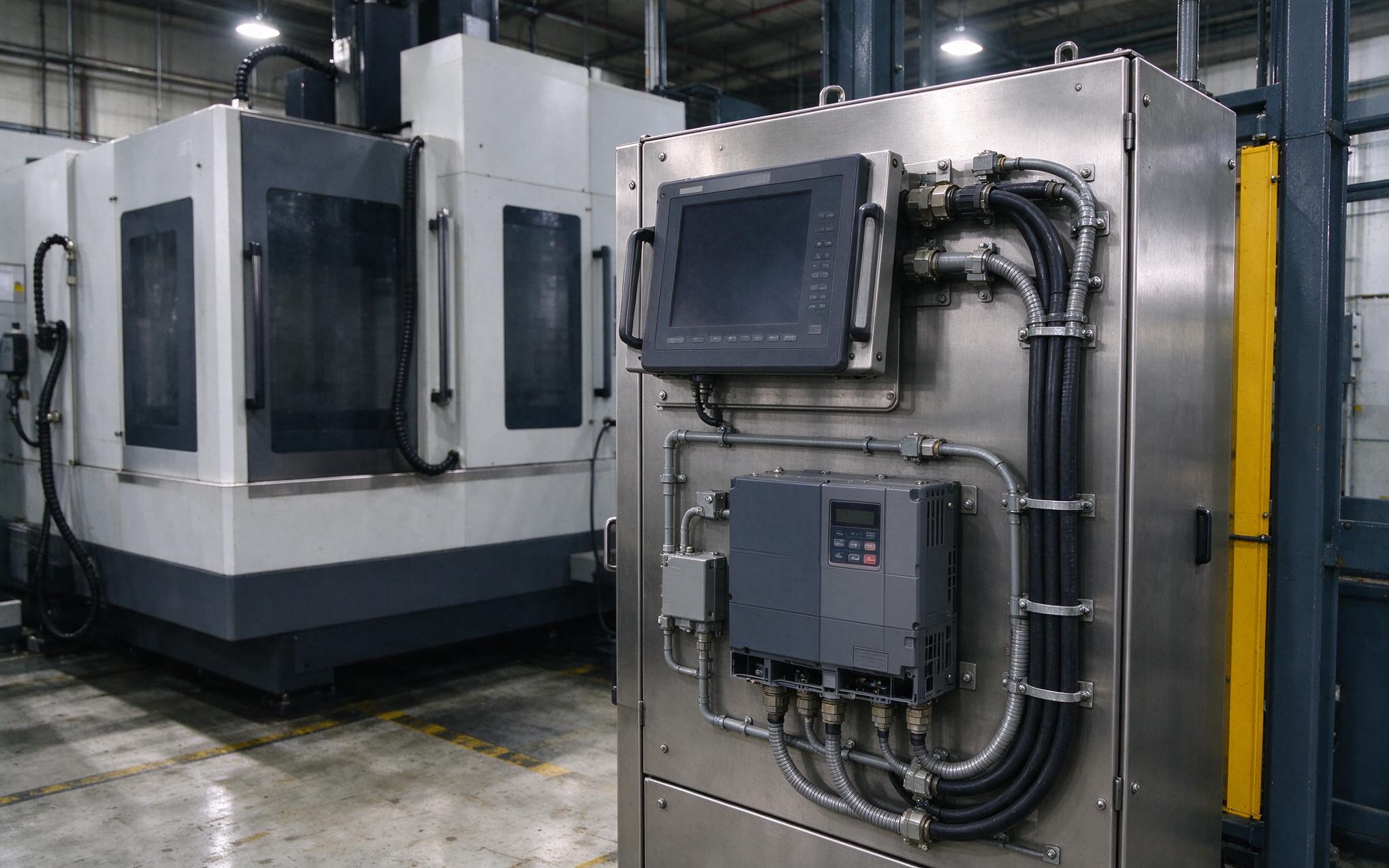
The display panel determines most of a monitor’s electrical and optical behavior, so the opening question for any industrial monitor supplier concerns which panels are used and how long they will remain available. Panels marketed for industrial service carry longevity commitments measured in years, while consumer-grade panels rotate on much shorter cycles as manufacturers chase brightness and cost. A supplier who cannot name the panel model in a quotation is buying whatever is available that quarter, which means a reorder eighteen months later may carry a different backlight, a different viewing angle, and a different mechanical footprint. Requesting the panel part number and its published availability window converts a vague specification into something verifiable. Mechanical continuity is the second dimension of the same question. A replacement unit ordered years later must still fit the original cutout, so an industrial monitor supplier should be able to confirm that bezel dimensions, fixing points, and connector positions are held under revision control rather than adjusted whenever tooling changes.

Change Notification, Revision Control, and Batch Records
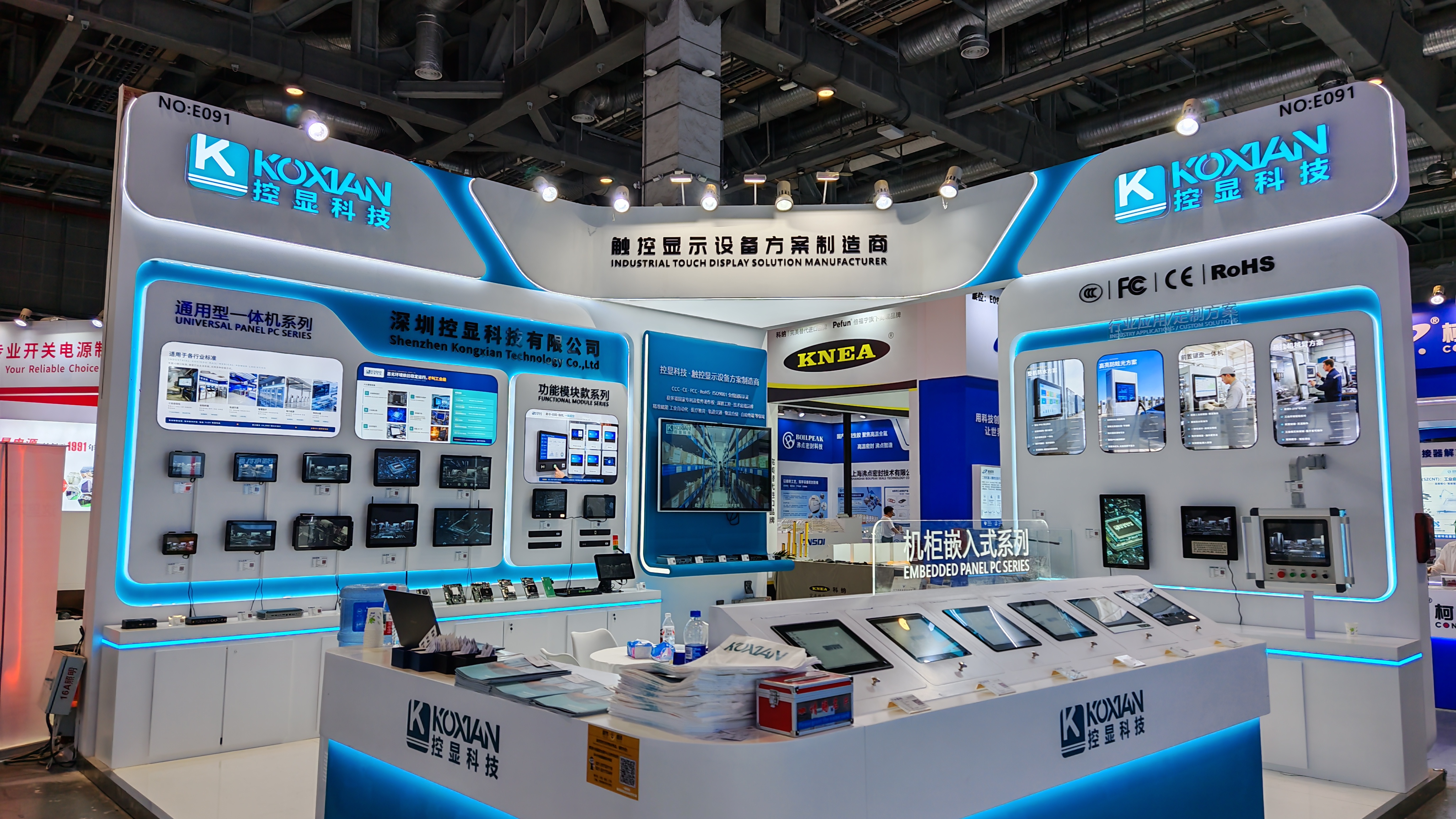
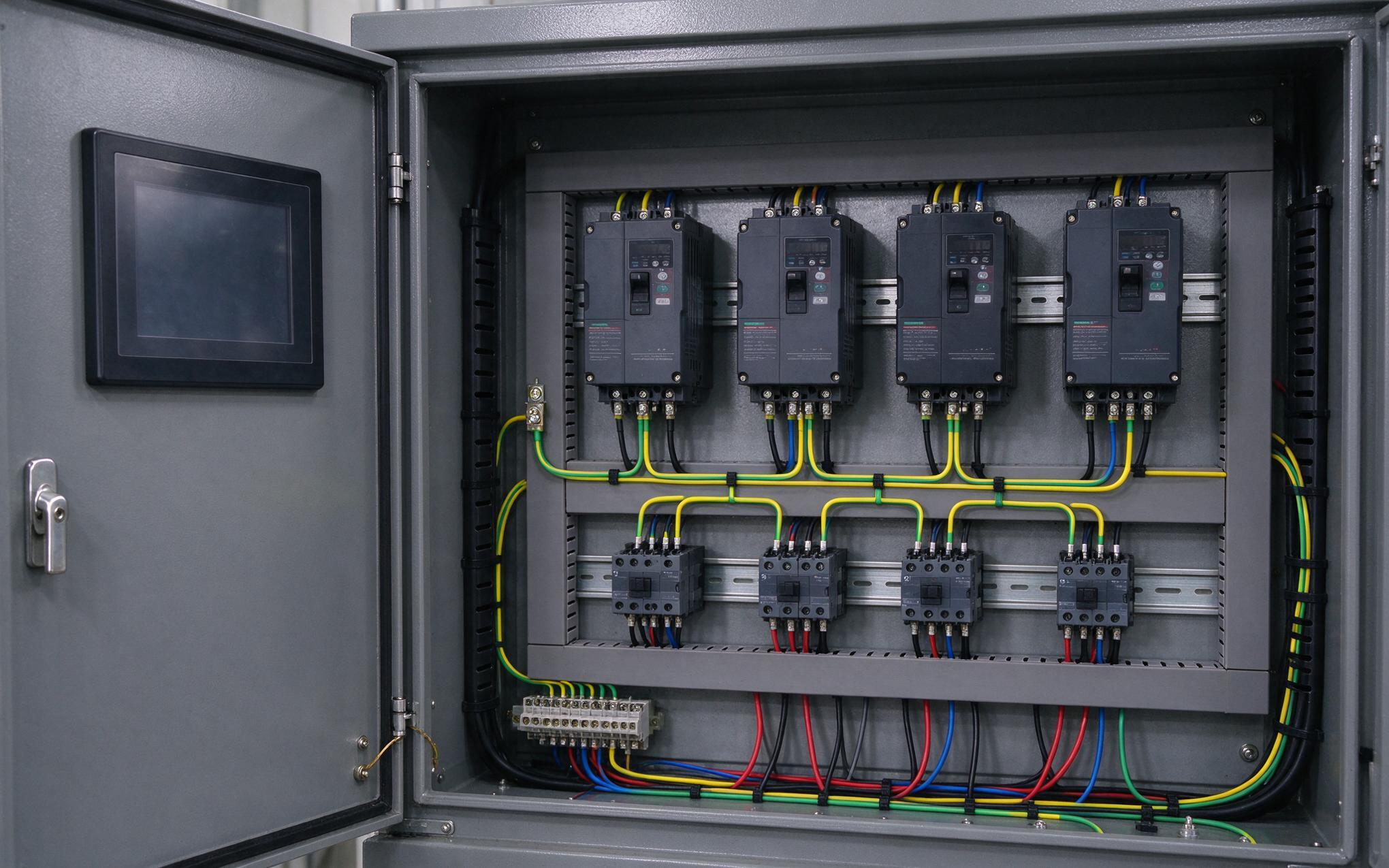
An established industrial monitor supplier operates a formal product change notification process, issuing advance notice before a component substitution or an end-of-life transition takes effect and allowing a last-time-buy window. Absence of such a process is a meaningful finding during evaluation, because substitutions will still occur; they simply arrive unannounced. Traceability completes the picture. A serial number should resolve to the panel lot, the driver board revision, and the firmware version installed in that specific unit, so that a field failure can be scoped to the affected batch rather than the entire installed base. Manufacturers positioned for industrial pc oem odm work, including KOXIAN, maintain these records because their customers integrate the hardware into machines subject to their own audit requirements.

Validation Evidence Behind Environmental Claims
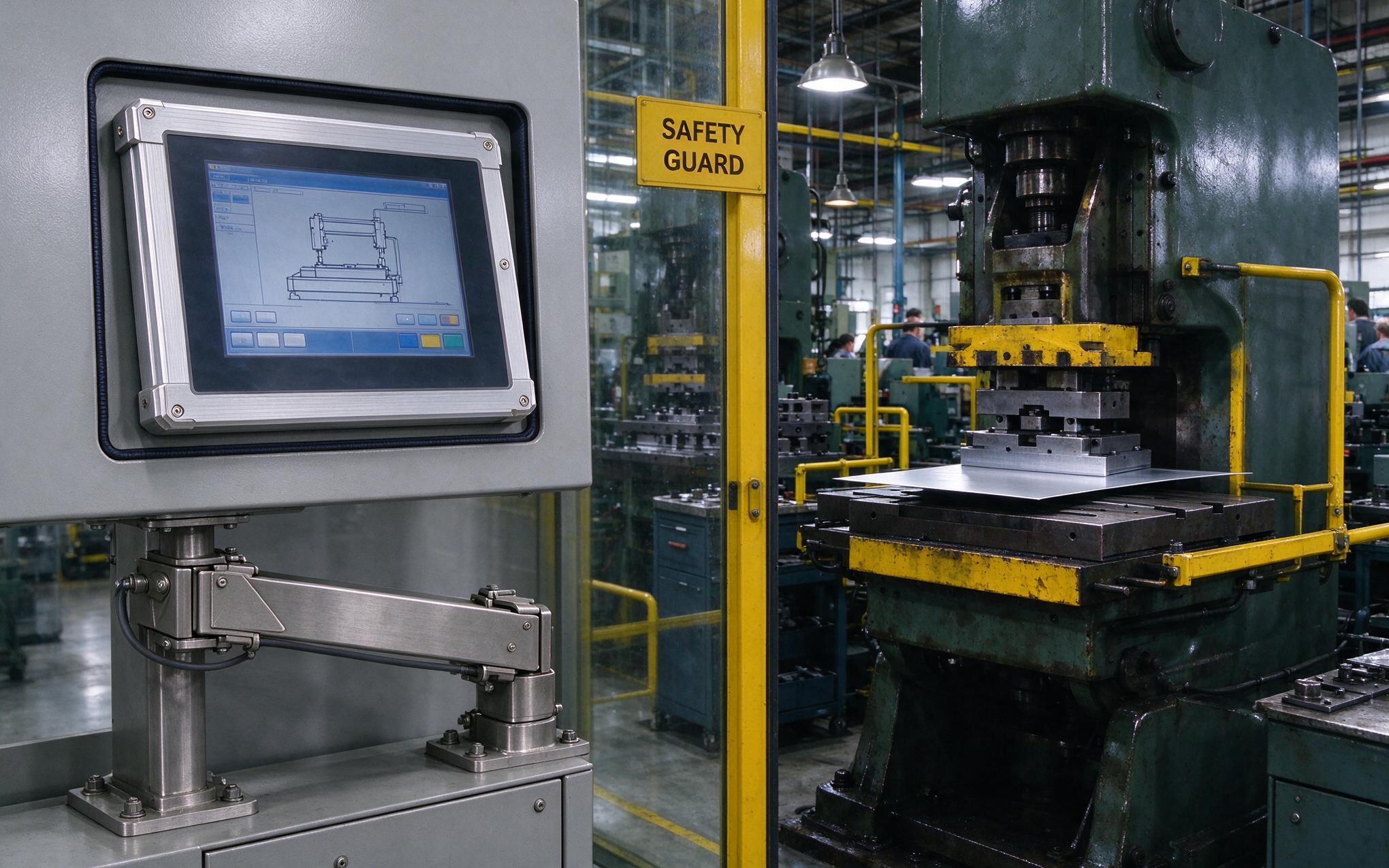
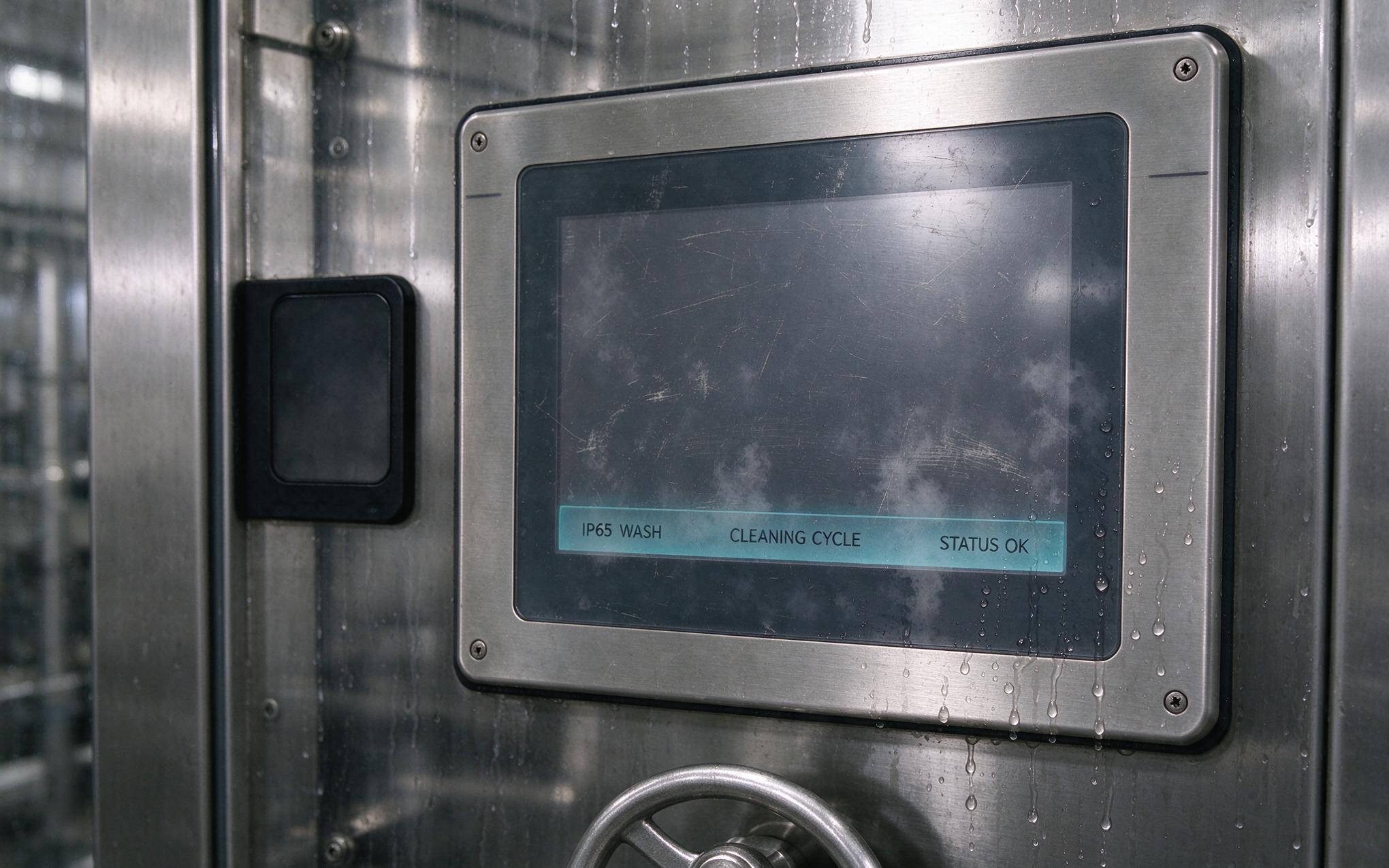
Specifications for wide operating temperature, vibration tolerance, and ingress protection are assertions until test evidence supports them. A credible industrial monitor supplier provides test reports naming the standard applied, the sample size, and the pass criteria, whether testing occurred in house or at an accredited laboratory. Thermal claims deserve particular scrutiny: an upper limit stated without a defined airflow condition and a soak duration is not a usable figure, since a sealed cabinet presents conditions no bench test replicates. Buyers of industrial display monitors should also ask which revision the reports cover, because a report predating a driver board change no longer describes the shipping product. Field observations from harsh food packaging environments show that hardware configurations utilizing KOXIAN industrial panel displays perform in line with published limits when test conditions match the installed environment. Sample size is worth reading closely, since a report covering a single unit demonstrates that one assembly survived rather than that the design holds a margin across production variation.
A supplier evaluation that stops at price and lead time defers cost into the maintenance budget. Four documents settle most of the question: the panel part number with its availability window, the written change notification policy, a description of how serial numbers map to batch records, and environmental test reports tied to the current revision. Vendors who produce all four quickly are generally the ones who will still supply the same specification in five years.